Tabletop Games
Tabletop games are a great way to spend time with family and friends. They're also a great way to learn about strategy and tactics, as well as to have fun. If you're looking for a new game to play, here are some of the best tabletop games on the market today.
Sort
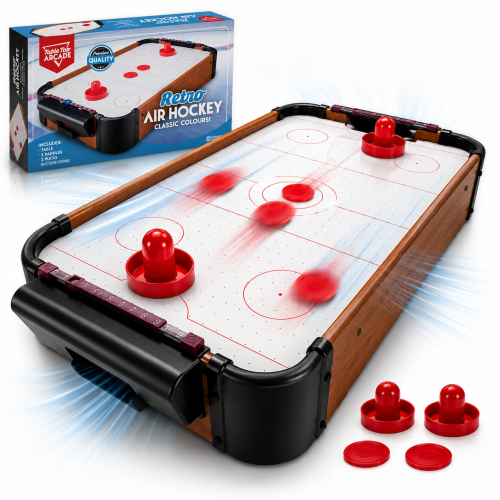
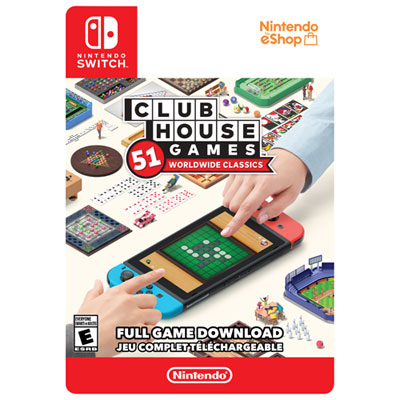
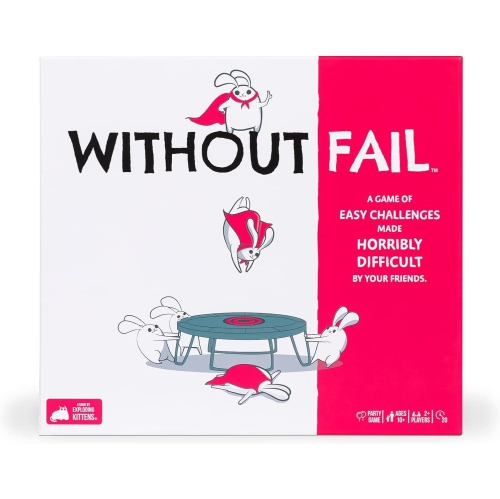
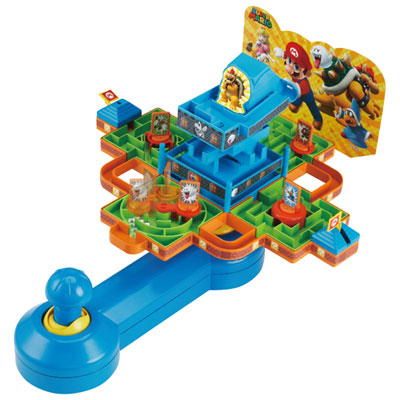



![STEAMFORGED GAMES Gears Of War - The Card Game [Board Games, 2 Players]](https://multimedia.bbycastatic.ca/multimedia/products/500x500/196/19633/19633041.jpeg)

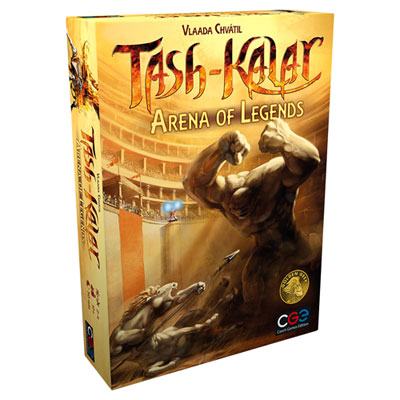
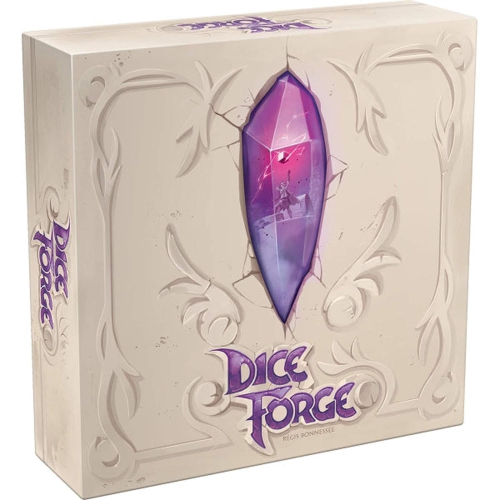

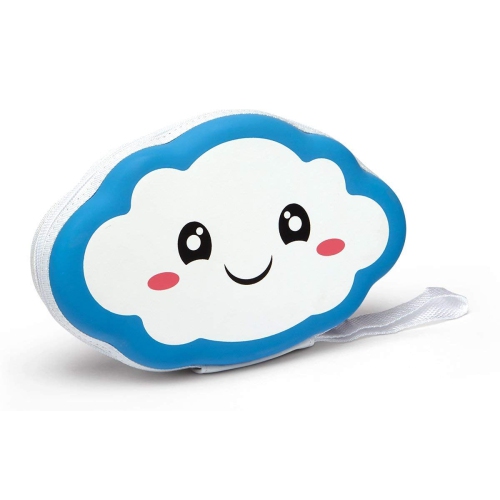
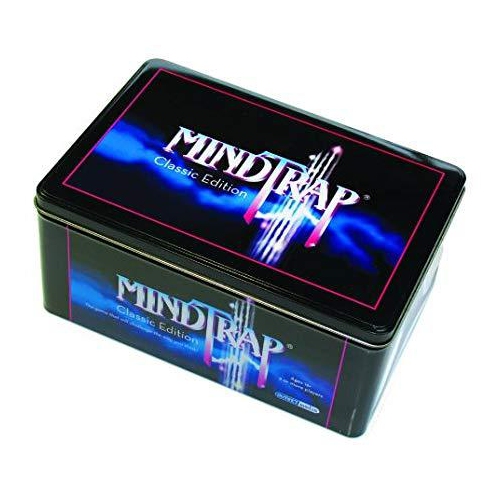
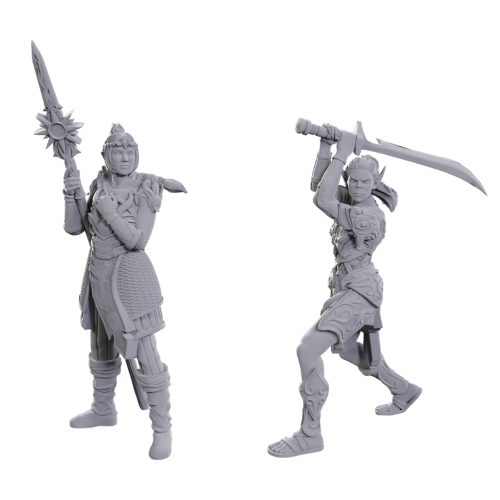
![THUNDERGLYPH GAMES Hats [Board Games, 2-4 Players]](https://multimedia.bbycastatic.ca/multimedia/products/500x500/193/19383/19383506.jpeg)
![STEAMFORGED GAMES Street Masters Ii: Tide Of The Dragon [Board Game, 1 - 4 Players]](https://multimedia.bbycastatic.ca/multimedia/products/500x500/193/19384/19384307.jpeg)
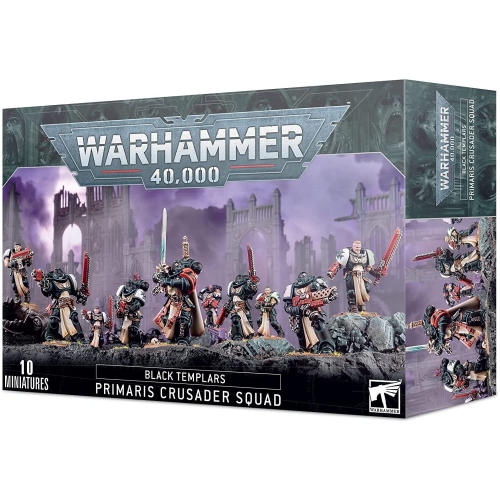
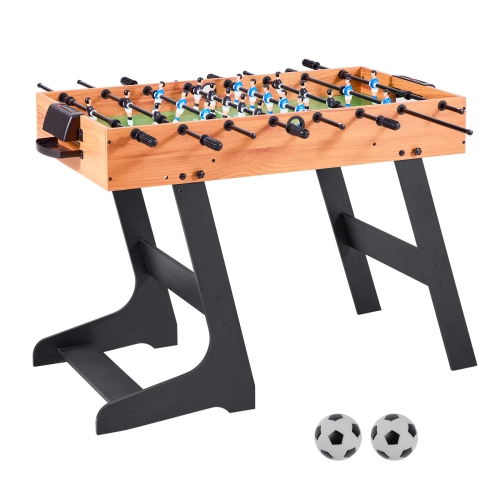
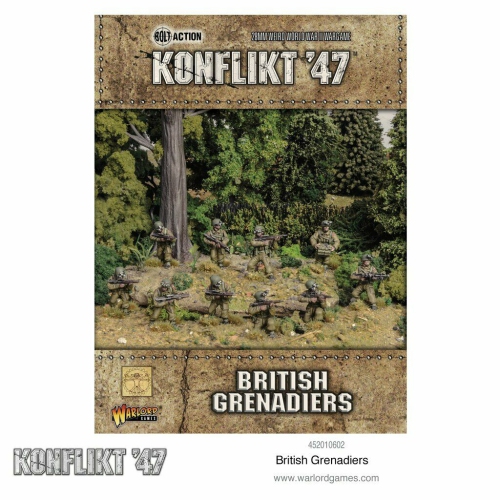
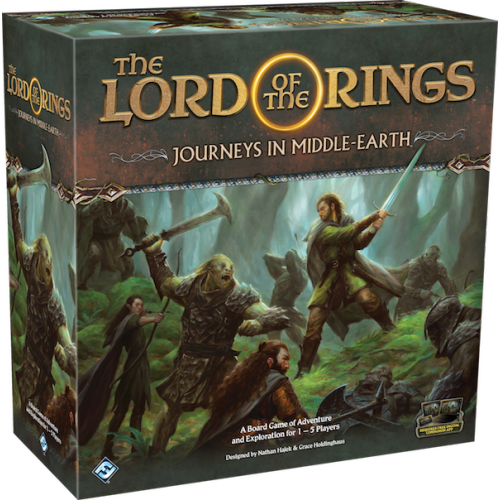
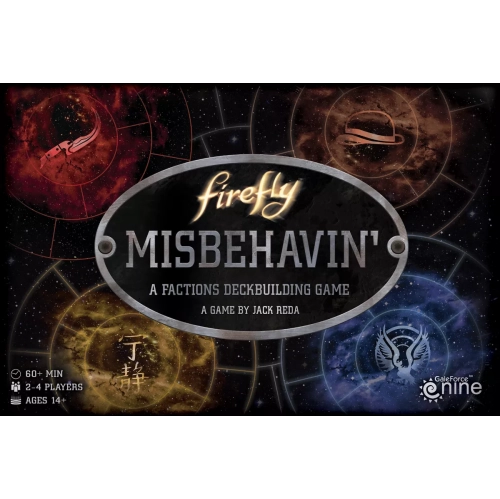
![ASMODEE Zombicide: Ops [Board Game, 1-12 Players] In Black](https://multimedia.bbycastatic.ca/multimedia/products/500x500/155/15531/15531067.jpeg)
![PLAID HAT GAMES Gen7: A Crossroads Game [Board Game, 3-4 Players]](https://multimedia.bbycastatic.ca/multimedia/products/500x500/153/15332/15332353.jpeg)
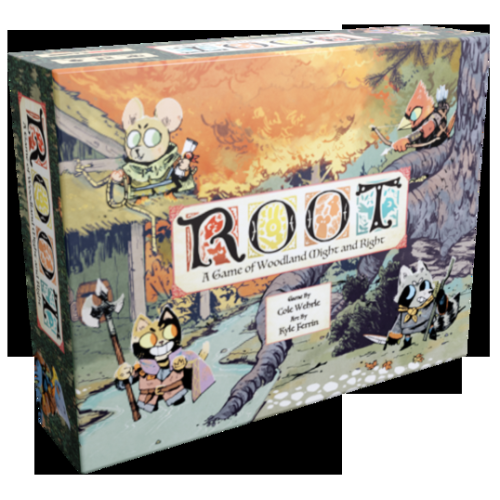
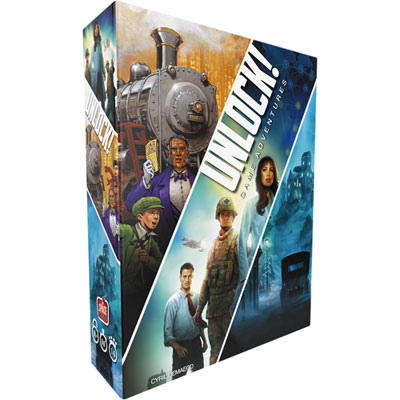
![SAS CREATIVE Carthage - The Deckbuilding Board Game [Board Game, 1-5 Players]](https://multimedia.bbycastatic.ca/multimedia/products/500x500/151/15158/15158860.jpeg)
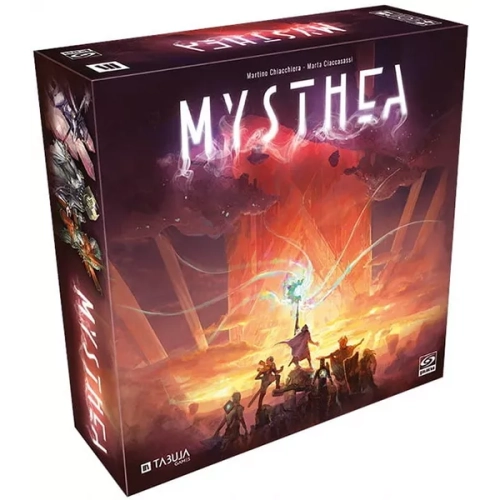
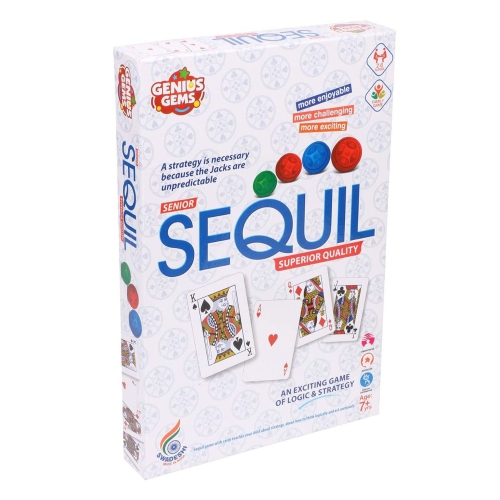
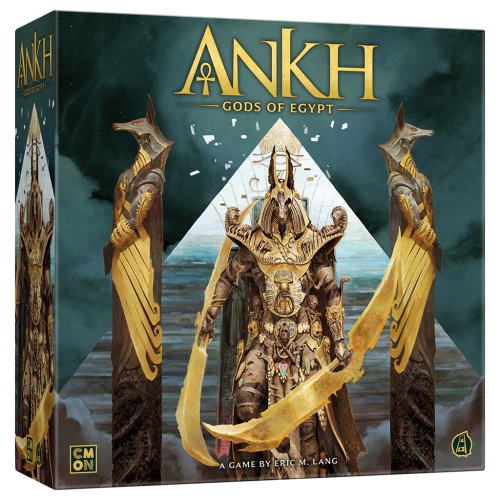
![RIDLEY'S GAMES This And That Game, Mash UPS - [Board Game]](https://multimedia.bbycastatic.ca/multimedia/products/500x500/194/19478/19478022.jpeg)
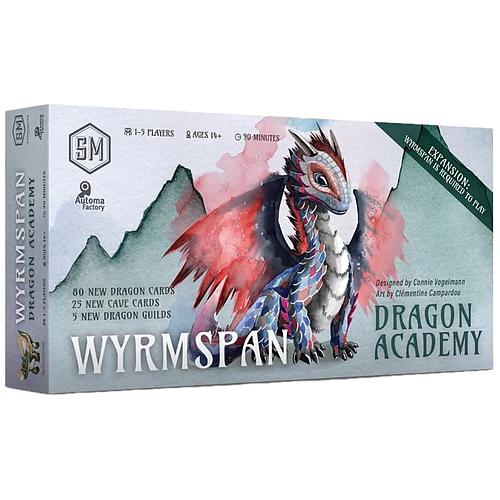
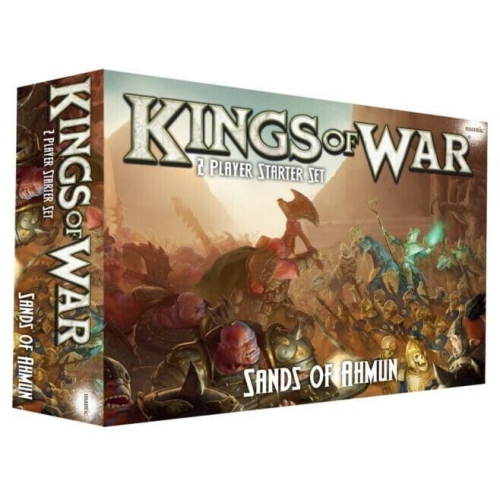
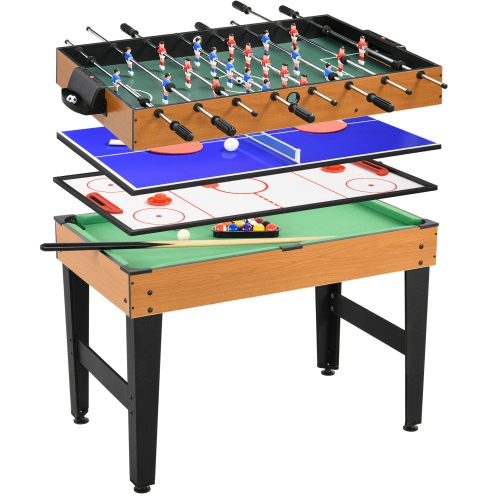
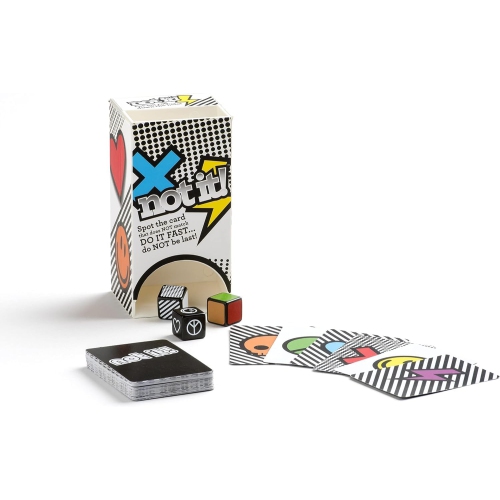
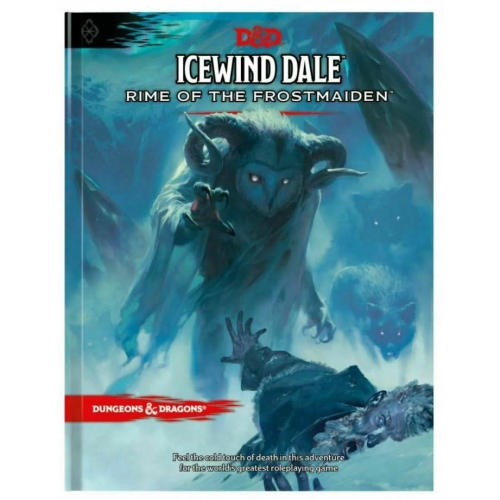
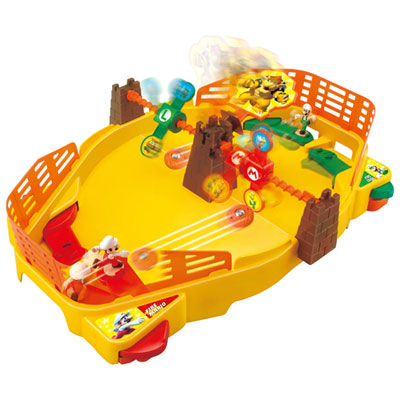
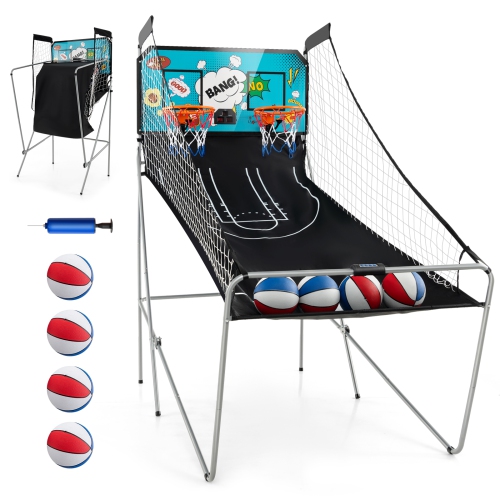
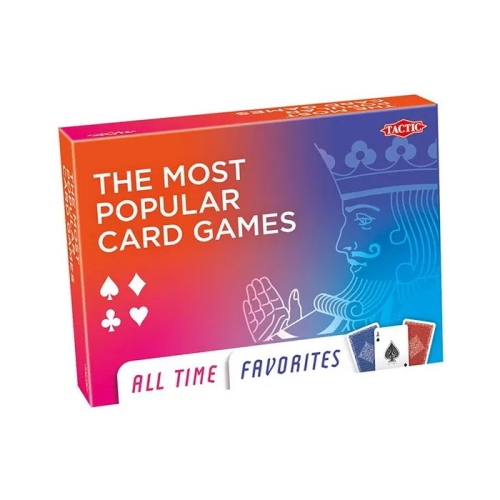
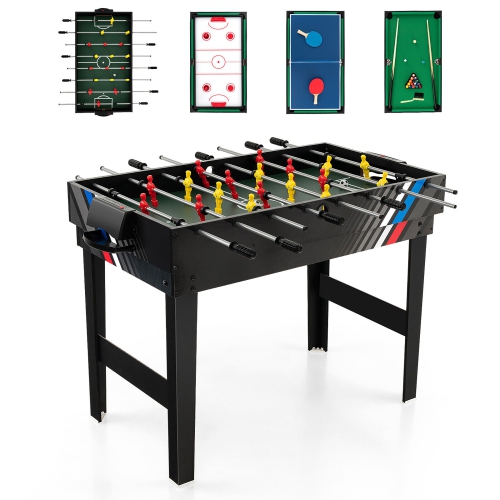
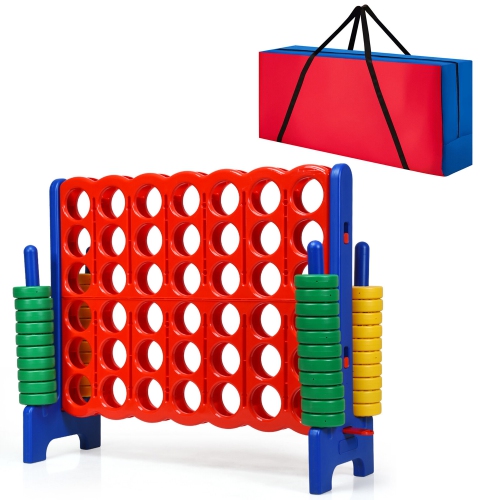
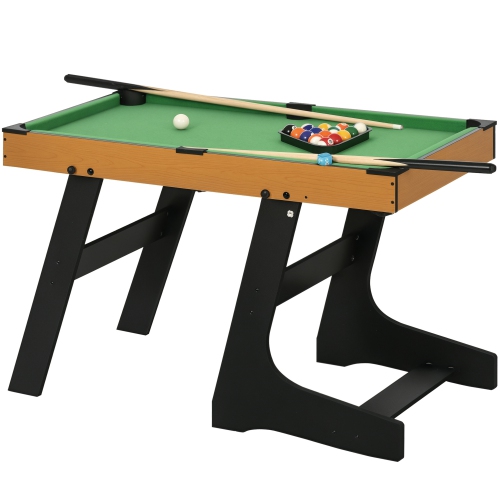
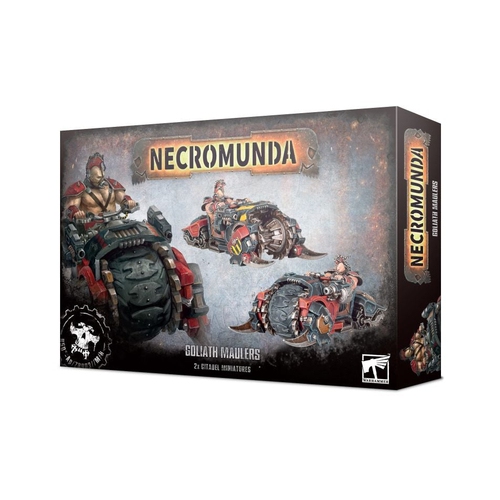
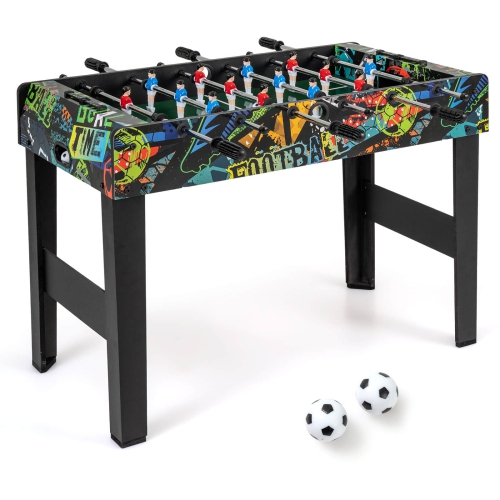
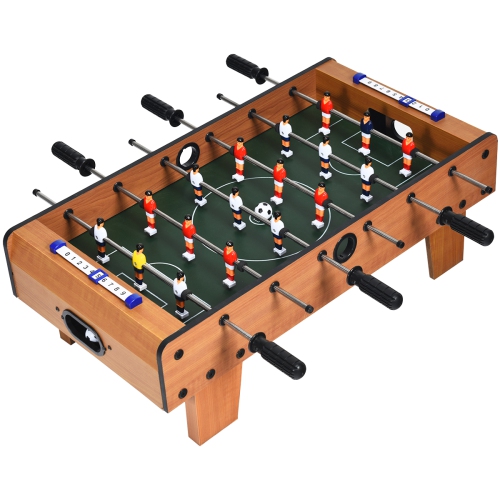
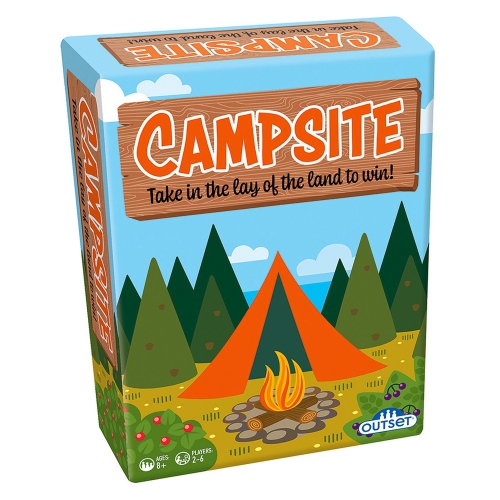
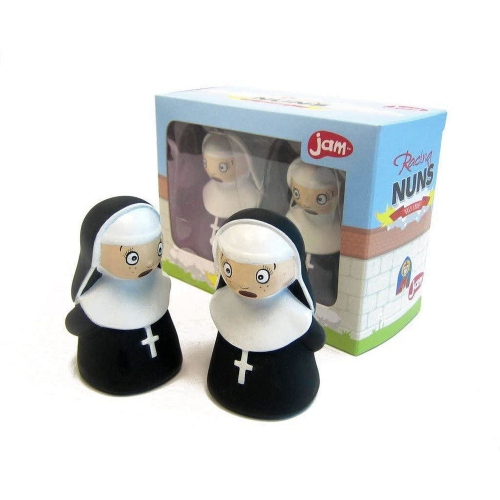
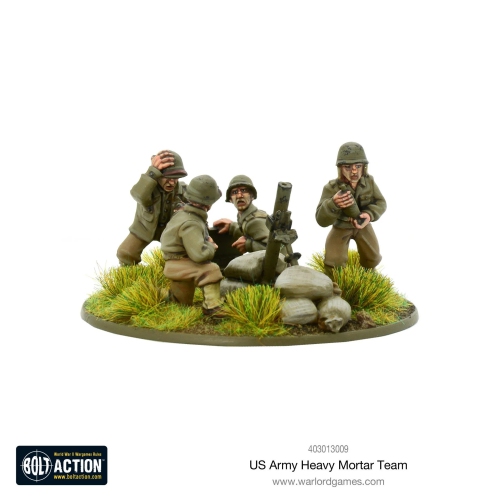
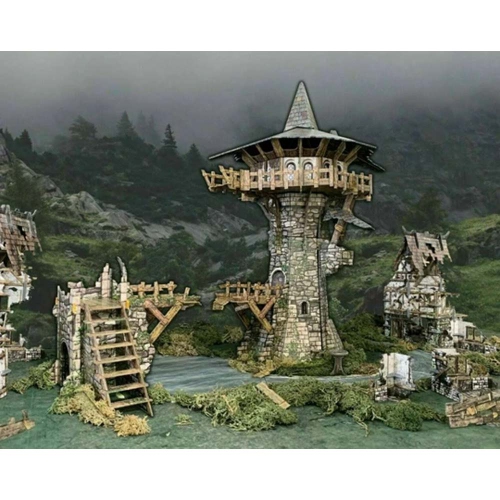
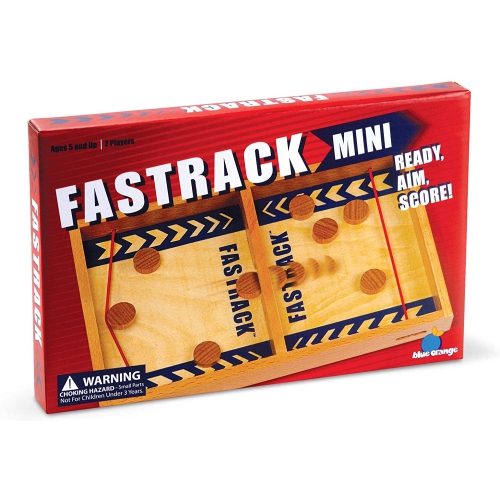

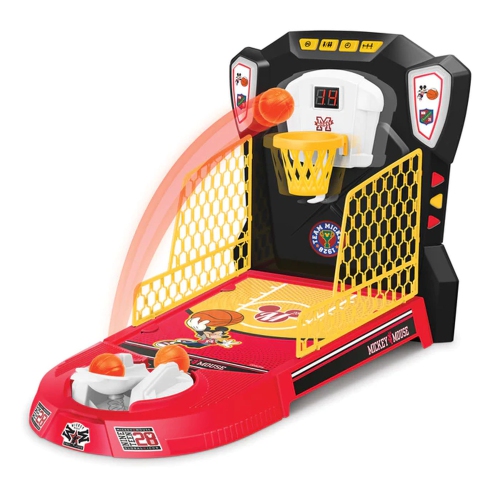
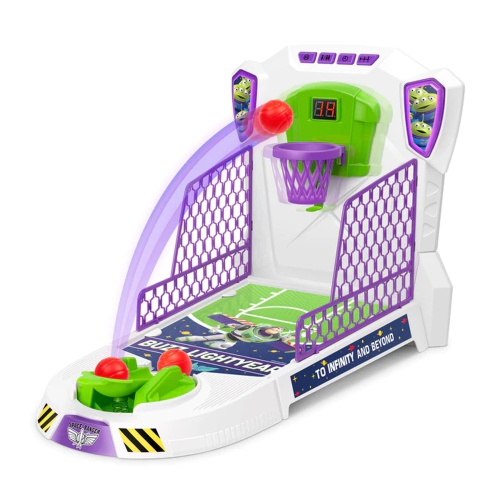
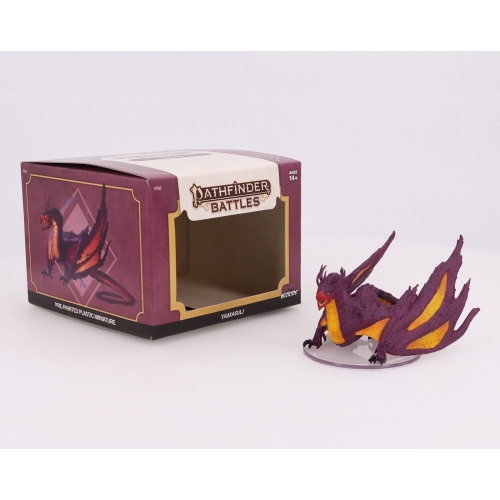
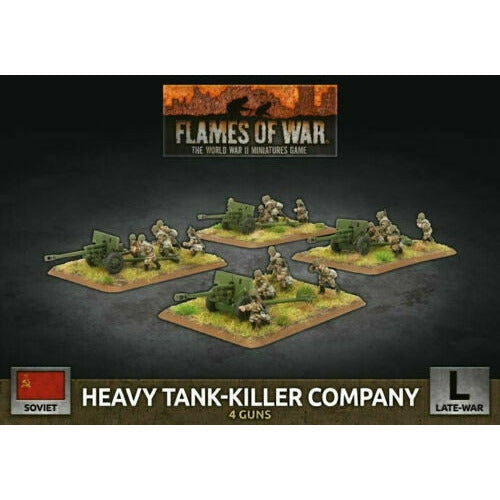
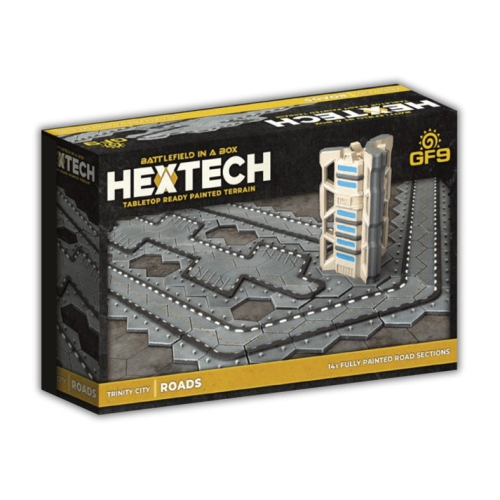
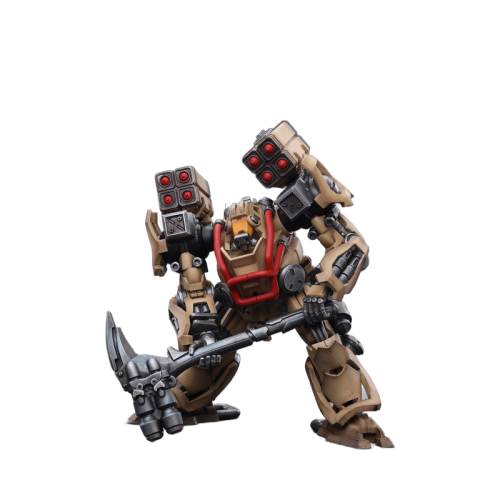
From quick rounds to stories spanning game nights
Tabletop games are games played on a flat surface, usually a table, with physical components such as boards, cards, dice, tiles, tokens, or miniature figures. The category includes board games, card games, dice and tile games, role-playing games, and miniature-based games, with experiences ranging from quick rounds to ongoing stories played across multiple sessions. Board games typically use a shared playing surface to track movement, territory, resources, or progress towards an objective. Card games place more emphasis on the cards players hold, draw, trade, or play, whether they use a familiar deck or cards designed around a particular set of rules. Dice games introduce chance through rolls, sometimes giving players ways to manage the results, while tile games often involve matching symbols, building patterns, or arranging a shared layout. Tabletop role-playing games centre on characters and collaborative storytelling, with rules and, often, dice helping determine what happens when a character attempts something uncertain. Miniature-based games use figures to represent characters or forces, with positioning and measured movement often shaping play. Within these categories, the tone of a game matters as much as its components. Competitive games give players individual goals or opposing teams, while cooperative games ask the group to work towards a shared outcome. Party games tend to emphasize conversation, quick thinking, drawing, or wordplay, making them a different experience from a strategy game where everyone quietly weighs their next move. A dining table can become a busy trading hub, a landscape assembled one tile at a time, or the setting for a story that continues long after the pieces return to their box. Some tabletop games reward careful planning; others make room for unexpected turns and playful decisions. That variety makes them suitable for family activities, evenings with friends, two-player matches, and solo sessions where the challenge comes from a puzzle, a score target, or an automated opponent.
The best fit for a group depends on player count, session length, complexity, and the kind of interaction everyone enjoys. A game designed around negotiation may feel very different with three players than with six, even when both counts fall within its stated range. For two people who play together regularly, a design built specifically around a head-to-head contest can offer a more focused experience than a larger group game adapted for a pair. Solo play should be an explicitly supported mode rather than an assumption based on the components. Playtime also deserves a little breathing room: the first session often takes longer because players are learning the rules, and setup or packing away may sit outside the stated playing time. Short games with clear turns can suit a family gathering where people join between other activities, while longer strategy games benefit from an uninterrupted table and a group happy to settle in. Age recommendations provide a starting point, but reading demands, number skills, attention span, and comfort with competition also affect suitability. A child who enjoys patterns may engage readily with a tile game yet need help with cards containing several lines of instructions. Cooperative play can give adults and younger players a shared objective, although everyone still needs space to make their own decisions. For mixed-experience groups, visible reminders, straightforward scoring, and turns that keep other players involved can make learning feel more natural. Legible text, easy-to-hold pieces, and symbols that distinguish information without relying only on colour may also improve comfort and access. Physical fit matters, too. A box may be compact while the full game spreads across a large surface once individual boards, card rows, and token supplies are laid out. A clear view of the shared board and enough room to reach pieces comfortably help keep attention on the game rather than on rearranging the table.
Materials, construction, and storage influence how well tabletop games stand up to repeated use. Common components include printed paper cards, cardboard boards and tiles, wooden pieces, plastic figures, and fabric storage bags. Thick cardboard can feel substantial in the hand, but exposed edges still need protection from spills and rough handling. Folding boards benefit from careful opening and closing along their intended creases, while wooden and plastic pieces should be checked for a smooth finish and details suited to the intended age group. Small tokens, dice, and figures can present choking hazards, so the labelled age range and safety warnings remain important, particularly in homes with younger children. Cards that are shuffled frequently may show wear sooner than components handled only during setup; correctly sized protective sleeves can help reduce wear, though they add bulk and may change how cards fit in the box. Clean, dry hands and drinks kept away from the playing area are simple ways to protect printed surfaces. Care should follow the manufacturer's directions, especially for painted figures, coated cards, and electronic components. Most paper and cardboard parts should stay dry rather than being washed or sprayed with cleaner. Sorting pieces into suitable bags or compartments makes it easier to check that everything is present and prepare for the next session. For play away from home, Travel Board Games suit the same interest in a more portable format, where secure storage, a manageable playing area, and fewer loose pieces can be especially useful. Tabletop games also make thoughtful gifts when matched to the recipient's habits: a social host may appreciate lively group interaction, a puzzle enthusiast may enjoy a solo challenge, and a regular gaming group may value deeper strategy or a continuing story. Compatibility matters for add-on content, since expansions often require a particular base game or edition. A satisfying choice is one that suits the players, fits their table and schedule, and makes them want to bring the box out again.
The best fit for a group depends on player count, session length, complexity, and the kind of interaction everyone enjoys. A game designed around negotiation may feel very different with three players than with six, even when both counts fall within its stated range. For two people who play together regularly, a design built specifically around a head-to-head contest can offer a more focused experience than a larger group game adapted for a pair. Solo play should be an explicitly supported mode rather than an assumption based on the components. Playtime also deserves a little breathing room: the first session often takes longer because players are learning the rules, and setup or packing away may sit outside the stated playing time. Short games with clear turns can suit a family gathering where people join between other activities, while longer strategy games benefit from an uninterrupted table and a group happy to settle in. Age recommendations provide a starting point, but reading demands, number skills, attention span, and comfort with competition also affect suitability. A child who enjoys patterns may engage readily with a tile game yet need help with cards containing several lines of instructions. Cooperative play can give adults and younger players a shared objective, although everyone still needs space to make their own decisions. For mixed-experience groups, visible reminders, straightforward scoring, and turns that keep other players involved can make learning feel more natural. Legible text, easy-to-hold pieces, and symbols that distinguish information without relying only on colour may also improve comfort and access. Physical fit matters, too. A box may be compact while the full game spreads across a large surface once individual boards, card rows, and token supplies are laid out. A clear view of the shared board and enough room to reach pieces comfortably help keep attention on the game rather than on rearranging the table.
Materials, construction, and storage influence how well tabletop games stand up to repeated use. Common components include printed paper cards, cardboard boards and tiles, wooden pieces, plastic figures, and fabric storage bags. Thick cardboard can feel substantial in the hand, but exposed edges still need protection from spills and rough handling. Folding boards benefit from careful opening and closing along their intended creases, while wooden and plastic pieces should be checked for a smooth finish and details suited to the intended age group. Small tokens, dice, and figures can present choking hazards, so the labelled age range and safety warnings remain important, particularly in homes with younger children. Cards that are shuffled frequently may show wear sooner than components handled only during setup; correctly sized protective sleeves can help reduce wear, though they add bulk and may change how cards fit in the box. Clean, dry hands and drinks kept away from the playing area are simple ways to protect printed surfaces. Care should follow the manufacturer's directions, especially for painted figures, coated cards, and electronic components. Most paper and cardboard parts should stay dry rather than being washed or sprayed with cleaner. Sorting pieces into suitable bags or compartments makes it easier to check that everything is present and prepare for the next session. For play away from home, Travel Board Games suit the same interest in a more portable format, where secure storage, a manageable playing area, and fewer loose pieces can be especially useful. Tabletop games also make thoughtful gifts when matched to the recipient's habits: a social host may appreciate lively group interaction, a puzzle enthusiast may enjoy a solo challenge, and a regular gaming group may value deeper strategy or a continuing story. Compatibility matters for add-on content, since expansions often require a particular base game or edition. A satisfying choice is one that suits the players, fits their table and schedule, and makes them want to bring the box out again.
Top selling and popular products
-
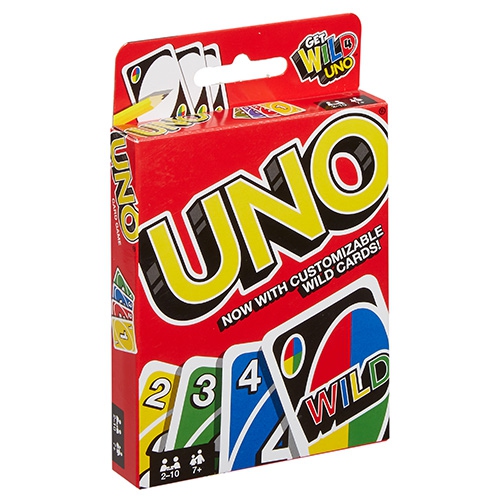 Your price for this item is $14.99
 -
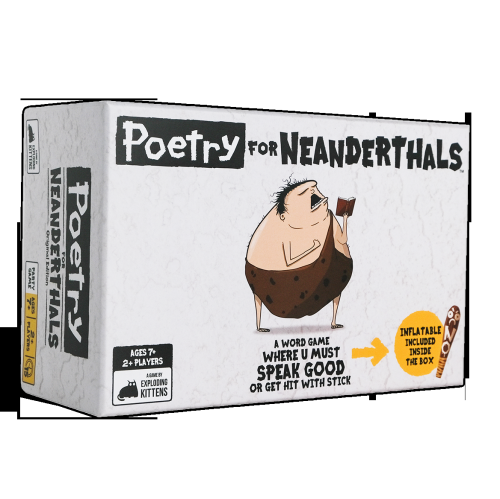 Your price for this item is $34.99
 -
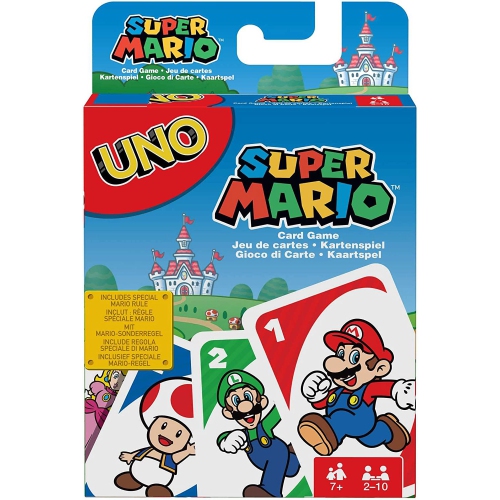 Your price for this item is $15
 -
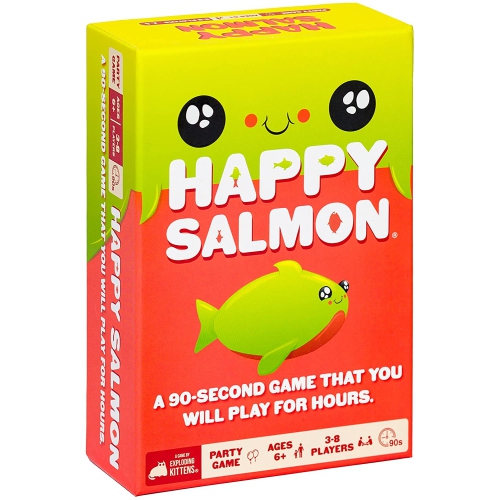 Your price for this item is $21.99
 -
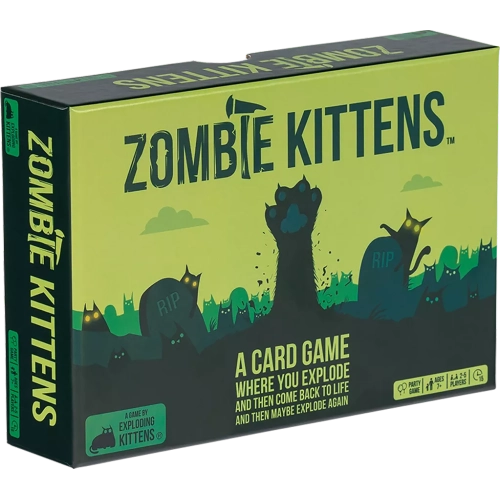 Your price for this item is $34.99
 -
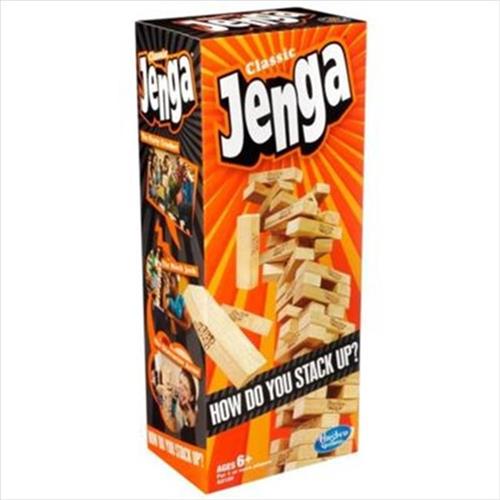 Your price for this item is $24.99
 -
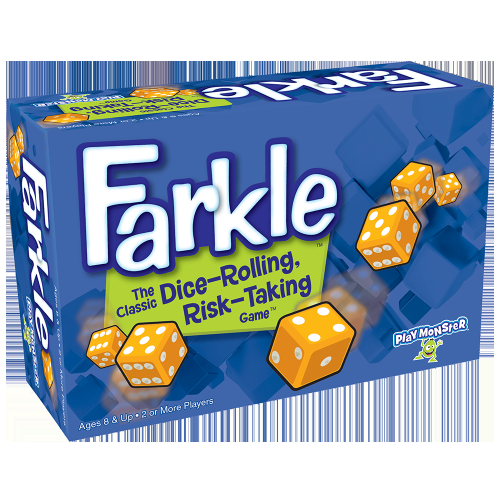 Your price for this item is $17.8
 -
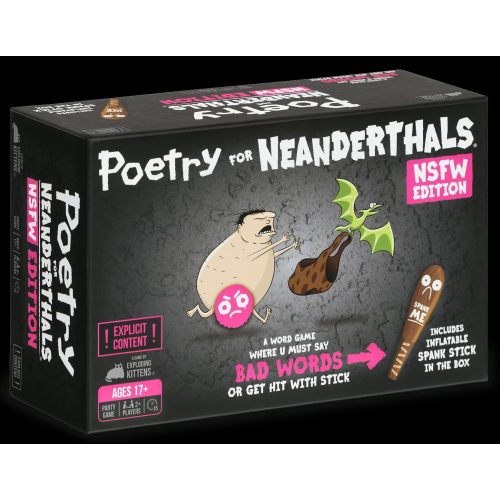 Your price for this item is $31.99
Discover more categories related to Tabletop Games

Top Collections:
Pokemon Centers, Kindle Devices, Best Budget Office Chairs, Apple iPhones 16, Samsung Galaxy Phones, Canon G7X Cameras, iPhone 15 Apple, Flip Phones, Best Laptops for Writers, Alarm Clock
Some products may be subject to Environmental Handling Fees
(EHF) depending on your province.
Learn more about EHFs.