Tabletop Games for Teens
Tabletop Games for Teens offer exciting ways to connect, compete, and create memorable moments with friends and family. Whether it’s a weekend gathering or a casual evening at home, these games bring everyone together for hours of laughter and strategy. Explore a wide variety of options designed to challenge the mind, spark creativity, and encourage teamwork. Find the perfect addition to any game night with Tabletop Games for Teens that deliver fun and engaging experiences every time.
Sort











How play styles and group size shape game night
Tabletop games for teens include board games, card games, dice games, cooperative challenges, and role-playing games designed for face-to-face play. The strongest fit depends on the players’ interests, the size of the group, and how much time everyone wants to spend learning and playing. Strategy games suit teens who enjoy planning several moves ahead, managing resources, or finding a clever route to victory. Card games can offer a smaller footprint and a quick setup, making them practical for a friend’s house, a family gathering, or a break between other activities. Party games put conversation, drawing, wordplay, or creative thinking at the centre of the table, while cooperative games give players a shared objective instead of asking them to compete against one another. Deduction games appeal to groups that like piecing together clues, interpreting other players’ choices, and testing a theory before revealing an answer. For teens drawn to storytelling, role-playing games can make room for character creation, imaginative decisions, and an ongoing adventure that develops over several sessions. These styles can overlap: a compact card game may involve substantial strategy, and a large board game may have straightforward rules. The player count and estimated playtime on the packaging help distinguish a good everyday match from a game better suited to a planned gathering. A two-player game can give siblings or close friends a satisfying head-to-head challenge, while a flexible group game may work better when the number of guests changes. Short rounds make it easier for someone to join the next game without waiting through a lengthy session. Longer games offer space for plans to unfold, but they also need a group willing to stay involved until the end. For a table with mixed experience levels, clear turn sequences and useful reference cards can make the first play feel welcoming without removing the challenge that keeps experienced players interested.
The physical design of a tabletop game matters just as much as its theme. Many games combine printed cardboard boards and tokens with paper cards, wooden pieces, plastic figures, or dice, and each material has different handling and storage needs. Sturdy boards should sit flat on the playing surface, while pieces need to be easy to pick up and distinguish during play. Cards that move frequently between hands, decks, and discard piles benefit from careful shuffling; compatible sleeves can add protection when their dimensions match the cards and the storage box has room for them. A broad board with several personal play areas needs more space than a small deck, particularly once drinks, score sheets, and reference materials are on the table. Checking the setup dimensions helps avoid a crowded surface where pieces get knocked out of place. A smooth, stable table also makes it easier to arrange components and keep information visible to everyone. Readability deserves attention, especially when a game uses small symbols, dense card text, or information that must be read from across the board. Clear contrast and symbols that do not rely on colour alone can make play more comfortable for a wider range of participants. An age recommendation offers a useful starting point, but reading demands, theme, rule complexity, and the amount of independent decision-making also affect suitability. Some teens enjoy learning a detailed system; others prefer rules that can be explained while the first round unfolds. Physical care is generally straightforward: clean, dry hands, drinks kept away from the play area, and components returned to their compartments after use. Printed surfaces should be kept dry, and cleaning should follow the manufacturer’s directions rather than treating every material alike. Small bags, trays, or a fitted insert can keep tokens organized, reduce setup time, and make it easier to notice a missing piece before the box is put away. Components with small parts also need to be stored safely when younger children share the home.
Tabletop games can make thoughtful gifts for teens because they offer something to do together, whether the occasion is a birthday, a family celebration, or a visit with friends. A good match starts with how the recipient already likes to spend time. Someone who enjoys puzzles may appreciate layered decisions and a satisfying problem to solve, while an outgoing storyteller may prefer a game that leaves room for improvisation and unexpected answers. A teen who likes friendly rivalry might enjoy direct competition, whereas a group with different confidence levels may settle more comfortably into a shared challenge. Cooperative play still varies considerably: some games encourage open discussion of every move, while others give each person information or responsibilities that keep everyone involved. In competitive games, the amount of downtime between turns can be especially important for larger groups. Simultaneous choices, short turns, or reasons to watch other players’ actions can help keep attention on the table. For gatherings that include parents, older siblings, and teen friends, Board Games for Adults and Teens offers a related category to explore. Replay value is another useful consideration for a game likely to become a regular part of get-togethers. Variable setups, different objectives, changing combinations of cards, and multiple approaches to scoring can create fresh decisions without requiring an entirely new set of rules. Story-driven games may instead focus on discovery, with scenarios that are best experienced in order and sometimes only once. That distinction matters for a gift: a self-contained game can be easy to bring to different groups, while an ongoing campaign asks for a more consistent group and a place to keep progress organized. Both can be rewarding when they match the recipient’s habits. The most lasting choice is often a game whose theme sparks interest, whose rules suit the group, and whose practical demands fit the spaces and occasions where it will actually be played.
Top selling and popular products
-
 Your price for this item is $14.99
-
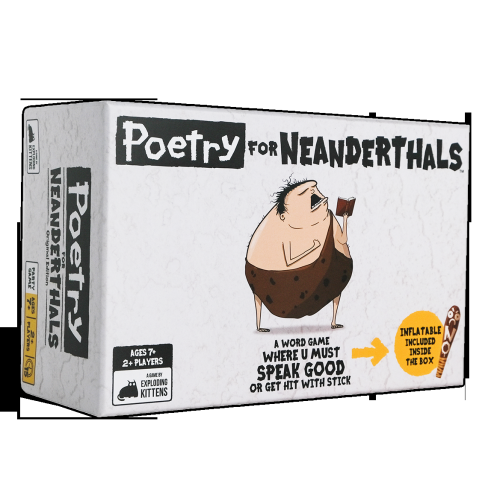 Your price for this item is $34.99
-
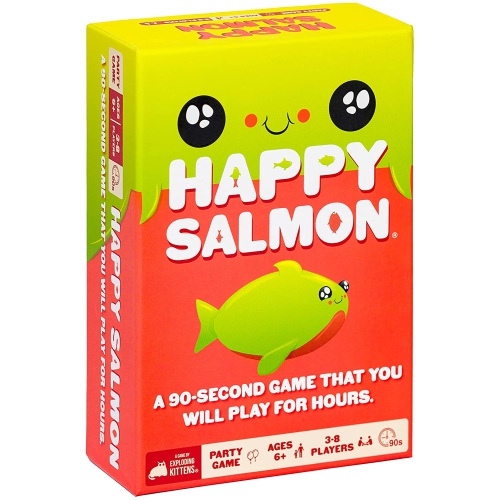 Your price for this item is $21.99
-
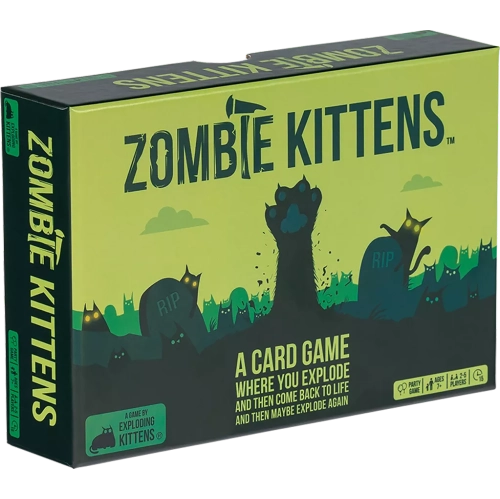 Your price for this item is $34.99
-
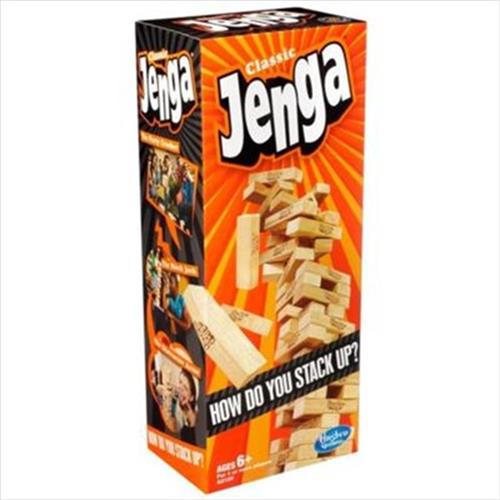 Your price for this item is $24.99
-
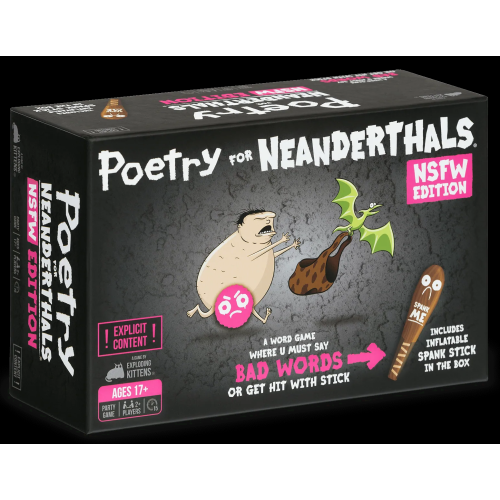 Your price for this item is $31.99
-
 Your price for this item is $29.99
-
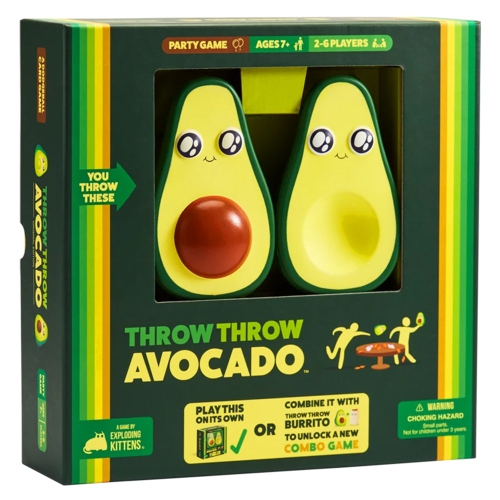 Your price for this item is $44.99
Discover more categories related to Tabletop Games for Teens
Top Collections:
Pokemon Centers, Kindle Devices, Best Black Friday Deals This Year, Pokémon 30th Celebration Cards, Best Black Friday Deals On Electronics, Best Cameras for Sports Photography, Best Black Friday Deals On Apple Products, Canon G7X Cameras, iPhone 15 Apple, Candle Warmer Lights
Some products may be subject to Environmental Handling Fees
(EHF) depending on your province.
Learn more about EHFs.