Gift Cards for Employee Rewards
Gift cards for employee rewards offer a flexible and convenient way to recognize and motivate your team. Whether celebrating milestones, achievements, or simply showing appreciation, these versatile options make it easy to reward employees in a way they’ll truly enjoy. With gift cards for employee rewards, you can empower your staff to choose what matters most to them, enhancing satisfaction and engagement in the workplace.
Sort














A meaningful thank-you that leaves the choice to them
Gift cards for employee rewards offer a practical way to thank people for their contributions while leaving the final choice in their hands. Rather than choosing the same gift for everyone, a gift card gives each recipient room to select something that suits their interests, routines, or plans. That flexibility is useful across teams with different roles, ages, and working arrangements, where a meaningful reward for one person may look quite different from a meaningful reward for another. An employee might put a card towards a personal purchase they have been considering, choose something to enjoy with family, or use it for an everyday need. The gesture can mark a completed project, a work anniversary, an exceptional customer interaction, or the steady effort that keeps a department running smoothly. It also suits contributions that are easy to overlook: patiently helping a new colleague, covering a difficult shift, resolving a recurring issue, or making a complicated handover easier for the next team. For managers, team leads, and human resources staff, gift cards provide a familiar reward format without requiring detailed knowledge of every employee’s personal tastes. There is no clothing size to guess, colour preference to confirm, or duplicate gift to worry about. The most suitable choice still depends on the recipient, particularly where they can redeem the card and whether the shopping options are relevant to them. A card tied to a retailer they enjoy can feel thoughtful without being overly personal. Employee appreciation gift cards work best as a tangible expression of thanks, supported by a clear explanation of what the person did and why it mattered. They can complement an established recognition programme or make a standalone thank-you feel more substantial, without turning an expression of appreciation into a gift that the recipient has to find a use for.
Physical and digital gift cards serve the same broad purpose, but the experience of receiving and using them can differ. A physical card lends itself to an in-person presentation, whether it is tucked inside a handwritten note, handed over during a private conversation, or included in an anniversary celebration. It gives the recipient something to open and can make a brief moment of appreciation feel more deliberate. A digital gift card can suit remote employees, colleagues in different locations, or teams whose schedules rarely overlap. Depending on the issuer’s delivery process, it may arrive by email or through another supported channel, allowing the recipient to keep the redemption details accessible without carrying a separate card. Neither format is automatically the better fit; the right choice reflects how the employee works and how they prefer to shop. Someone who regularly visits a store may appreciate a physical card, while someone who shops online may find a digital format convenient. Redemption terms matter more than presentation alone. Cards can differ in whether they work online, in store, or through both channels, and whether they are valid across all locations or only within a particular region. A Canadian recipient needs a card that can be used in Canada under the issuer’s stated terms. Any restrictions on eligible purchases, balance use, expiry, or account requirements deserve attention before a card becomes part of a workplace reward. The ability to check a remaining balance and the process for reporting a missing card can also affect the recipient’s experience. Physical cards should be kept secure, with any identifying numbers or protective panels intact, while digital card details should be treated as private rather than posted in shared workplace channels. Keeping the purchase confirmation separate from the gift may help if assistance is needed, although replacement depends on the issuer’s policies. These practical details help make an employee reward straightforward to receive, store, and use, so the focus stays on the appreciation behind it.
A gift card becomes more personal when the message accompanying it names a real contribution. A note that thanks an employee for staying patient through a challenging service issue, improving a team process, or helping colleagues meet an important deadline carries more meaning than a generic congratulation. The connection between the action and the acknowledgement helps the recipient understand that their effort was noticed. Presentation can respect individual preferences as well: some people enjoy being thanked during a team gathering, while others would rather receive a quiet message from their manager. For group achievements, a consistent approach can acknowledge everyone involved without overlooking support staff, part-time colleagues, or employees working away from the main location. Gift cards can fit formal milestones such as long-service anniversaries, as well as individual achievements and thoughtful acts that fall outside scheduled reviews. They may also be used for occasion-based appreciation, with Gift Cards for Holidays offering a related theme when the gesture is connected to a celebration. The reason for giving should remain clear, particularly when an organization uses cards for several different purposes. A service award, a personal occasion gift, and a performance-related reward may look similar to the recipient but require different treatment in workplace records. In Canada, employers should review the Canada Revenue Agency’s rules for employee gifts and awards rather than assume every gift card receives the same tax treatment. The purpose of the reward, the card’s features, and the required records can affect how it is handled, so payroll or tax advice may be appropriate. Clear internal processes help prevent uncertainty from overshadowing a well-intended thank-you. For the employee, the experience should feel much simpler: a clear message of appreciation, understandable redemption details, and the freedom to choose something personally useful or enjoyable. That combination is what makes gift cards a versatile option for employee rewards, whether the occasion celebrates years of service or a single contribution that made someone else’s working day better.
Top selling and popular products
-
 Your price for this item is $100
-
 Your price for this item is $50
-
 Your price for this item is $20
-
 Your price for this item is $20
-
 Your price for this item is $100
-
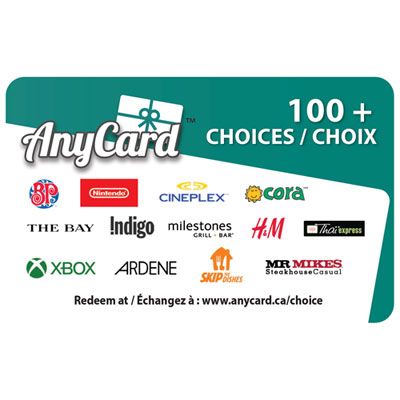 Your price for this item is $25
-
 Your price for this item is $30
-
 Your price for this item is $50
Discover more categories related to Gift Cards for Employee Rewards


Top Collections:
Pokemon Centers, Kindle Devices, Best Budget Office Chairs, Canon G7X Cameras, Apple iPhones 16, Samsung Galaxy Phones, Refurbished Apple Laptops, Laptops for Students, iPhone 15 Apple, Budget Smartphones
Some products may be subject to Environmental Handling Fees
(EHF) depending on your province.
Learn more about EHFs.