Shopping Cards
Explore the world of convenience and versatility with our selection of shopping cards, designed to enhance your purchasing experience. Whether you're looking to streamline your grocery trips or manage your budget more efficiently, shopping cards offer a practical solution for every consumer. Dive into our diverse range of options that cater to various needs, making it easier than ever to navigate your shopping journey with ease and confidence. Discover how these essential tools can transform the way you shop, ensuring that each purchase is as seamless as possible.
Sort























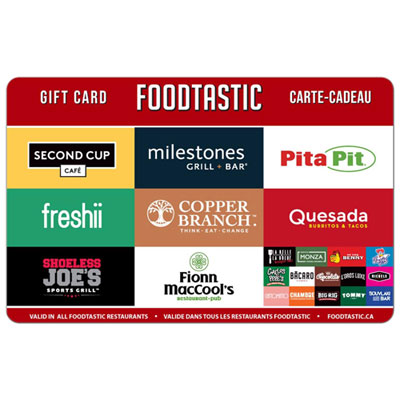

























A thoughtful gift without guessing their size or style
Shopping cards are gift cards that hold a prepaid balance for purchases at a designated retailer or group of participating businesses. They give the recipient room to choose something useful, enjoyable, or suited to a personal interest, rather than asking the giver to guess a size, colour, or preferred style. That flexibility makes shopping gift cards a thoughtful option for birthdays, graduations, housewarmings, and thank-you gestures. A student setting up a first apartment may appreciate choosing practical essentials, while someone celebrating a milestone might prefer putting the balance towards a purchase they have been planning. The main differences between shopping cards are where they can be redeemed, how they are delivered, and how the recipient accesses the balance. Physical gift cards provide something tangible to place inside a greeting card or present in person. Digital gift cards are delivered electronically, commonly through email, and may include a card number, barcode, or security code used at checkout. Neither format automatically offers broader acceptance; that depends on the card’s terms. A card issued for one retailer generally works within that retailer’s stated redemption channels, while a multi-retailer or shopping-centre card may cover a defined network of participating businesses. Payment-network prepaid cards are a separate type of card, with their own acceptance rules and conditions, and should not be assumed to work exactly like retailer gift cards. The most suitable format often comes down to the recipient’s habits. Someone who regularly shops online may find an electronic card easy to keep close at hand, while a person who prefers visiting stores may appreciate a physical card that fits neatly in a wallet. For gifts sent across Canada, the recipient’s location matters as much as the occasion: a familiar shopping destination is only useful when the card can be redeemed through a channel the recipient can comfortably access.
The details behind a shopping card help define how smoothly it fits into an everyday purchase. Redemption may be limited to stores, a website, an app, or a combination of these channels, and participating locations can differ from the full network associated with a retailer or shopping centre. Canadian redemption terms are particularly relevant when a business operates in more than one country, since a card intended for Canada may not work on another country’s website or at its stores. Online marketplaces can also have separate rules for purchases from third-party sellers. These distinctions matter for a recipient who expects to browse online, arrange delivery, or shop away from home. For a closer look at cards associated with particular shopping destinations, Retail Gift Cards offer a related category to explore. A card’s stated terms should explain its permitted uses, any exclusions, and whether a remaining balance can be used across several transactions. Many shopping cards retain unused funds after a purchase, but the process for paying a difference with another payment method depends on the retailer and checkout channel. Balance checks are generally handled through the issuer’s official website, customer service, or participating stores, using the card details requested by that issuer. Keeping the purchase or activation receipt can be helpful if the card does not work as expected, although replacement and recovery depend on the applicable policy. Returns are another consideration: a purchase made with a gift card may be refunded to the original card or another form of store credit under the retailer’s return policy. Holding on to the card until any return period has passed can prevent unnecessary confusion. Expiry rules and other protections depend on the type of card and the applicable provincial or territorial requirements, so retailer gift cards and payment-network prepaid cards should not be treated as interchangeable. Clear redemption information helps the recipient understand what the gift covers before reaching the checkout.
Physical and digital shopping cards need different kinds of care, even though both represent access to a balance. Physical cards are commonly made from plastic or card stock, with printed details and, depending on the design, a magnetic stripe, barcode, or covered security code. A slim shape makes them easy to tuck into a wallet, but bending, moisture, abrasion, and prolonged exposure to heat can damage the card or make important details difficult to read. Keeping a card flat and protecting its code area helps preserve it between uses; punching holes or attaching adhesive over a barcode can interfere with redemption. Digital cards avoid the need to carry a separate physical card, but their usefulness depends on being able to retrieve the original message or access the card through the supported service. A clearly labelled email folder can make a gift easier to find when it is time to shop. Where supported, a mobile wallet may provide another way to keep the card accessible. Recipients who are less comfortable using a phone at checkout may prefer a physical format or a printable version when the issuer permits one. For electronic gifting, an accurate email address matters, and a separate personal message can help the recipient recognize an expected gift rather than overlook it among routine messages. Security deserves the same attention as convenience: card numbers and security codes should be kept private, and balance checks should use the issuer’s official channels rather than unfamiliar links. A legitimate shopping gift is intended for purchases, not for settling an unexpected demand from someone claiming to represent a government office or another authority. Thoughtful presentation can make either format feel personal without limiting the recipient’s choice. A handwritten note can connect a physical card to a milestone, while a digital message can explain the sentiment behind an electronic gift. The lasting value of a shopping card lies in that combination of personal intention and practical choice, giving the recipient time to select something that fits their needs.
Top selling and popular products
-
 Your price for this item is $100
-
 Your price for this item is $50
-
 Your price for this item is $20
-
 Your price for this item is $20
-
 Your price for this item is $100
-
 Your price for this item is $25
-
 Your price for this item is $30
-
 Your price for this item is $50
Discover more categories related to Shopping Cards
Top Collections:
Pokemon Centers, Kindle Devices, Best Budget Office Chairs, Canon G7X Cameras, Apple iPhones 16, Samsung Galaxy Phones, Refurbished Apple Laptops, Laptops for Students, iPhone 15 Apple, Budget Smartphones
Some products may be subject to Environmental Handling Fees
(EHF) depending on your province.
Learn more about EHFs.