Bath Chairs
Experience comfort and convenience in your daily routine with our selection of bath chairs. Whether you're looking for added stability while showering or need assistance getting in and out of the tub, our range of bath chairs offers practical solutions to enhance your bathing experience. Designed with safety and comfort in mind, these bath chairs are ideal for individuals with limited mobility or those seeking extra support in the bathroom. Explore our collection today and discover the perfect bath chair to suit your needs.
Sort

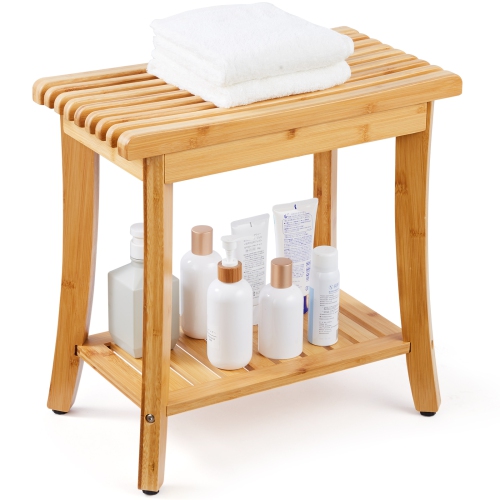
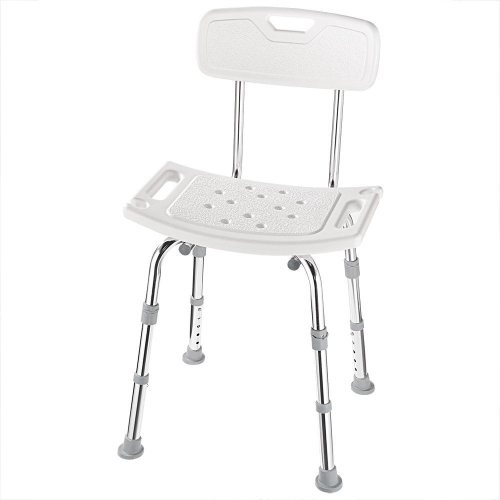
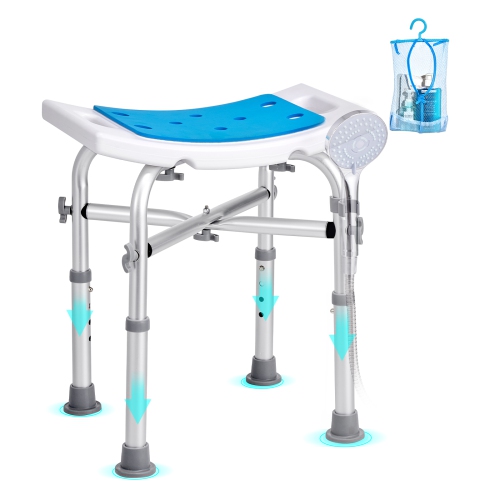
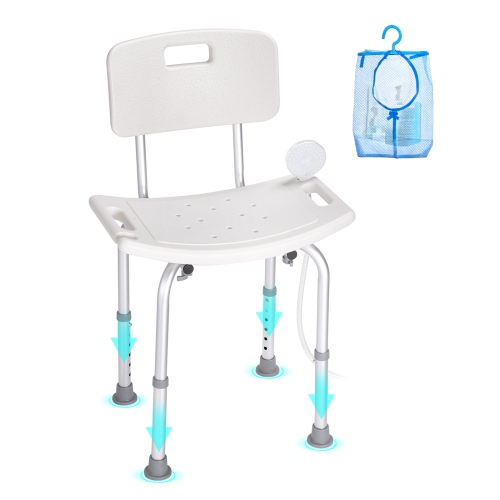
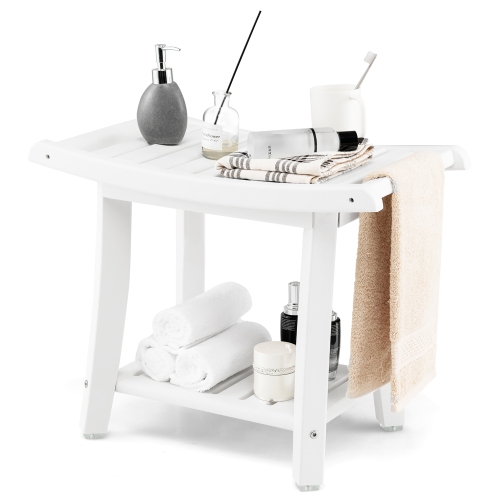
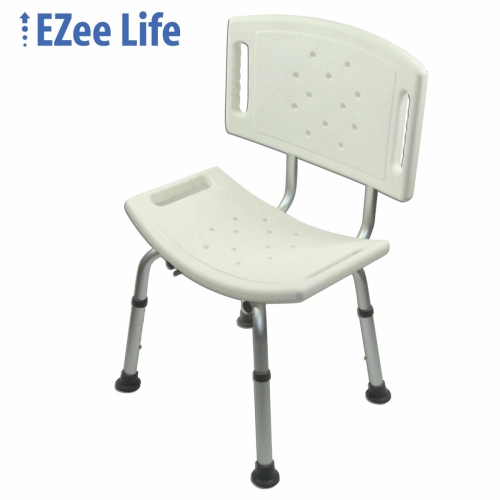
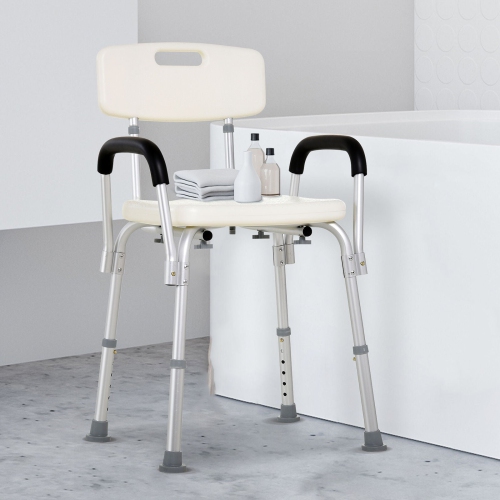
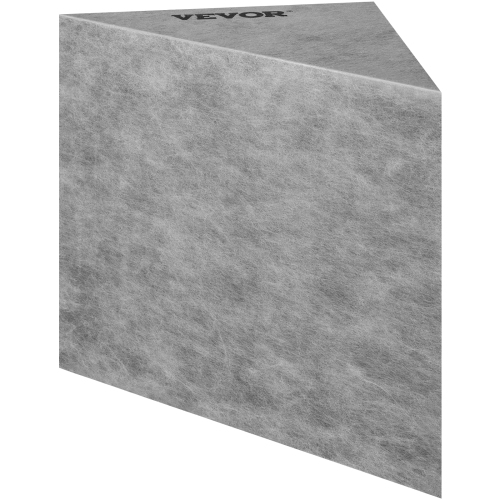
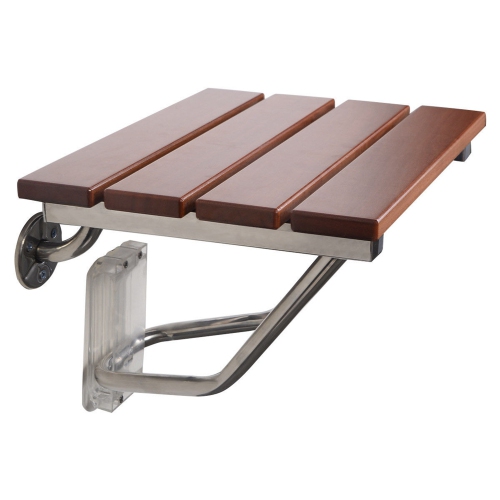
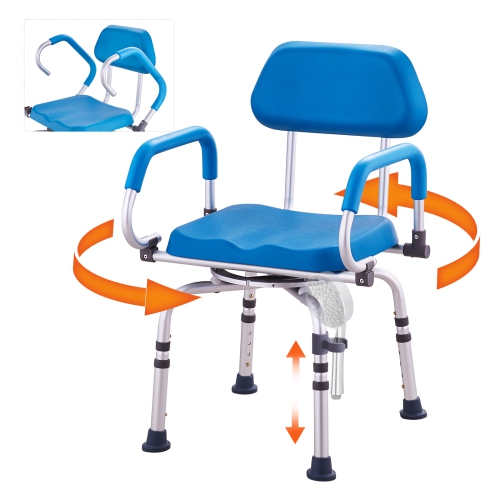
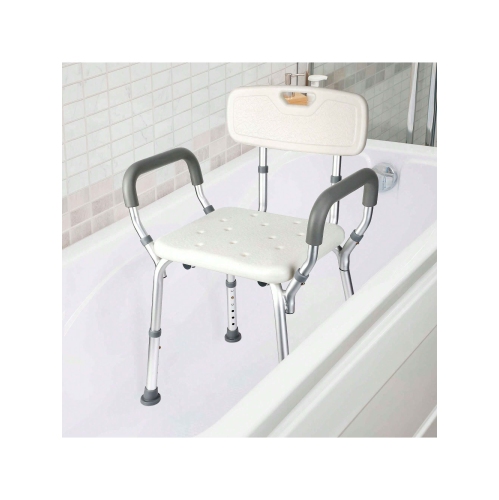
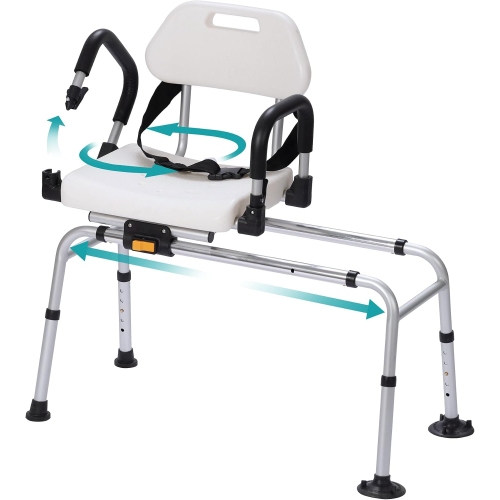

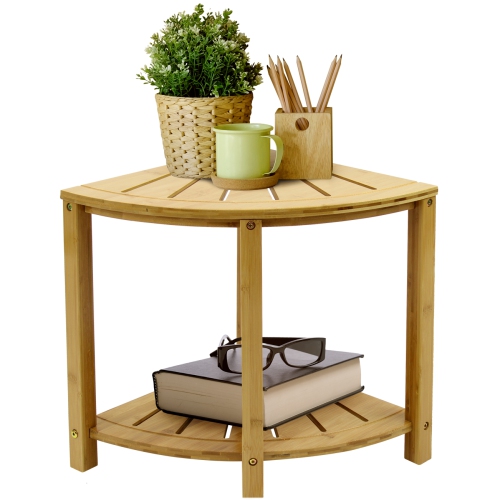
Seated bathing support that fits your mobility needs
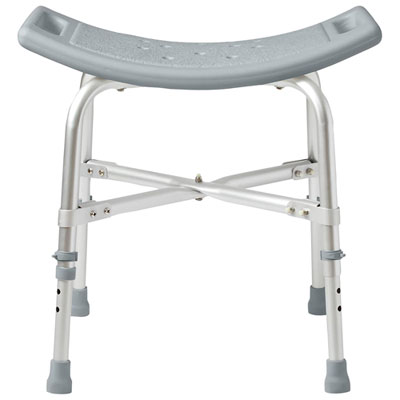
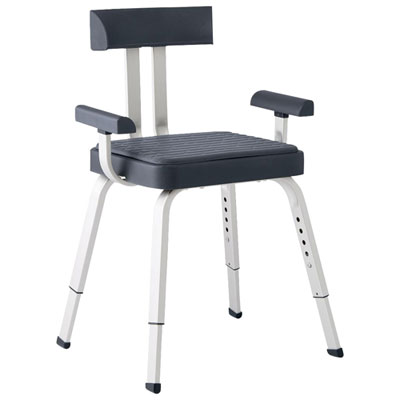
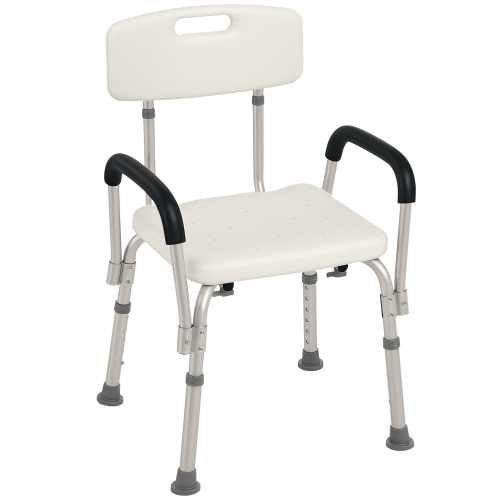
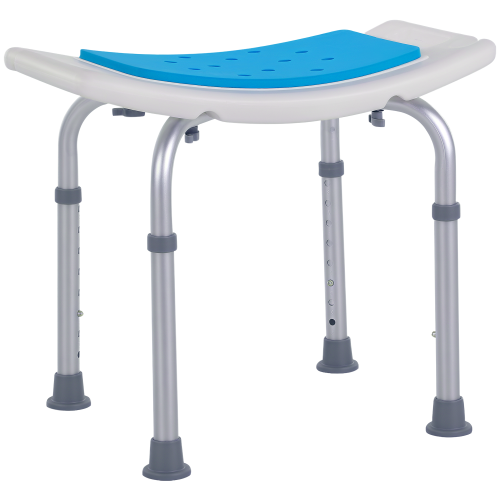
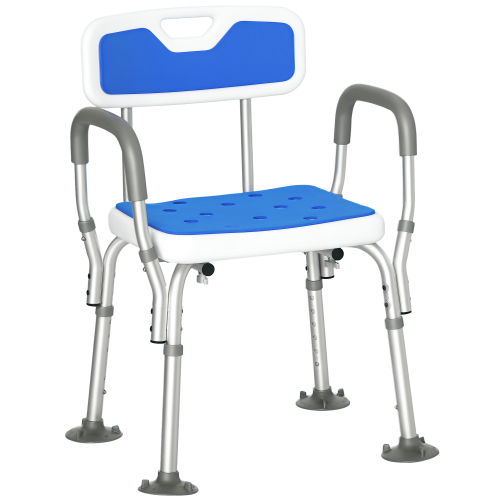
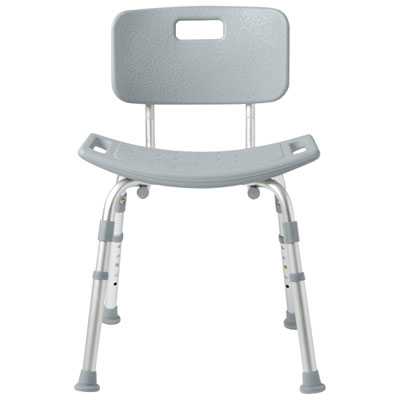
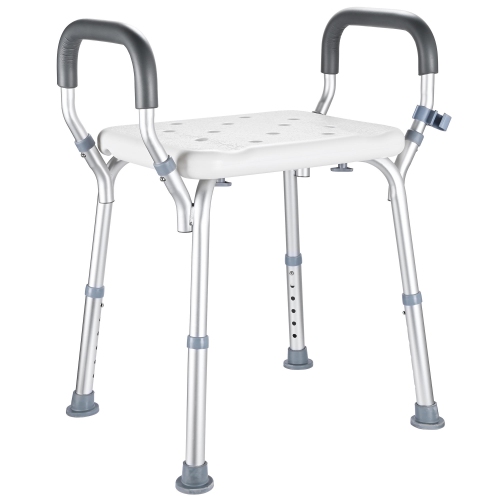
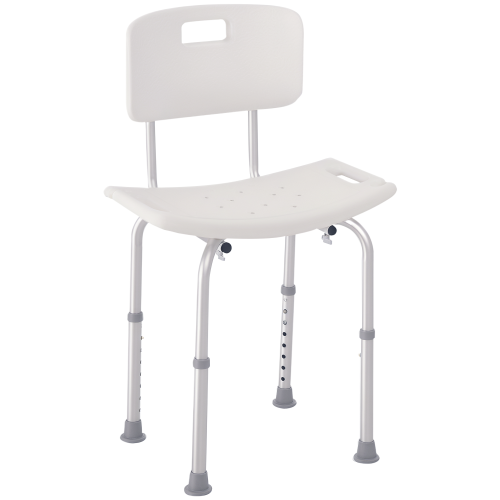
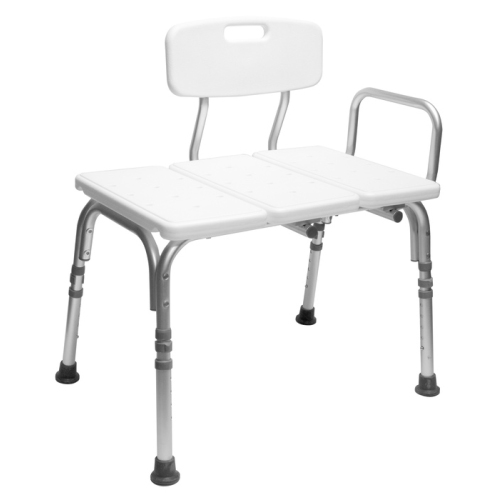
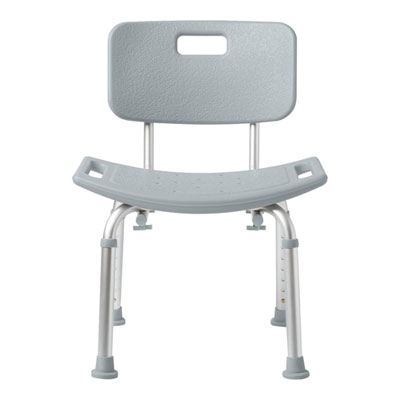
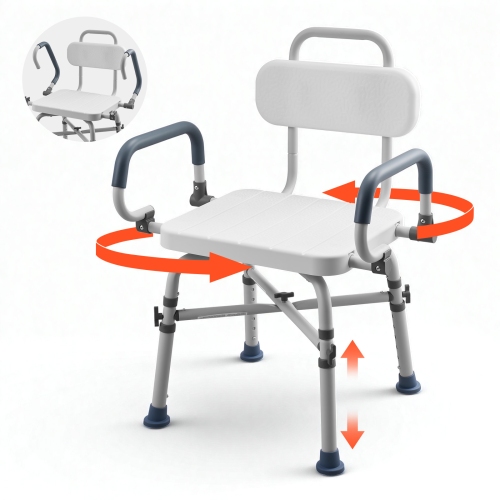
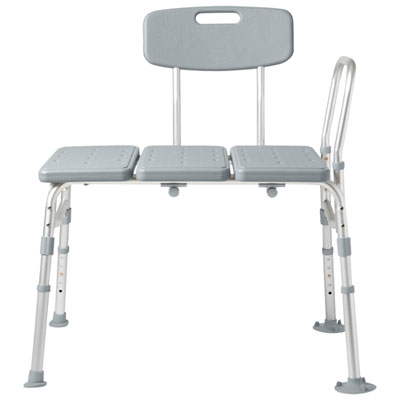
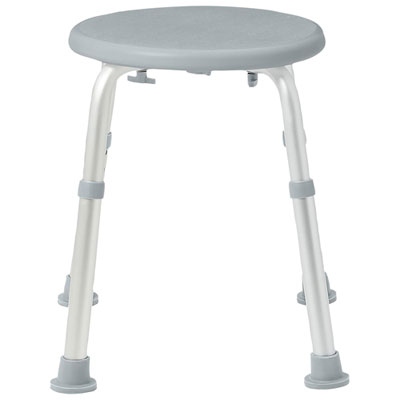
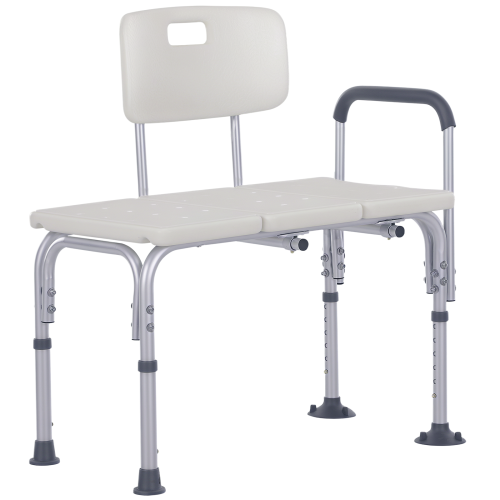
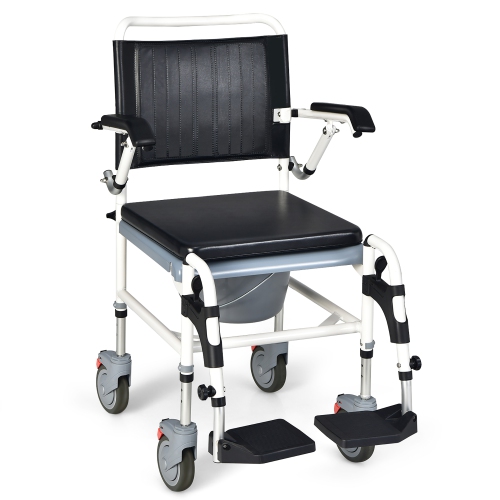
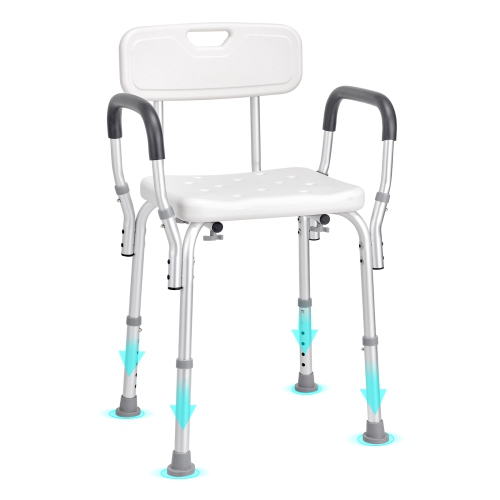
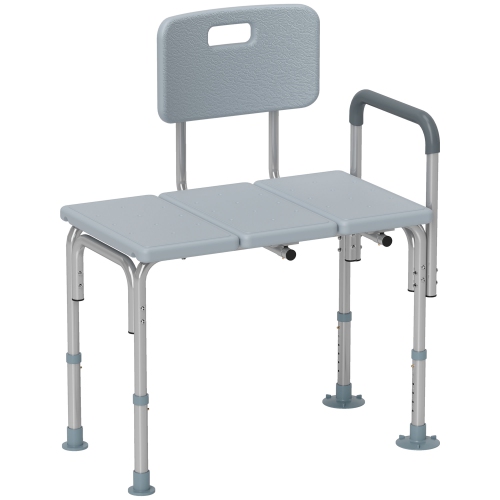
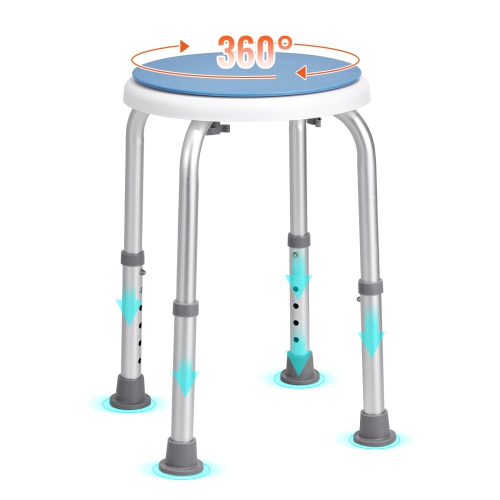
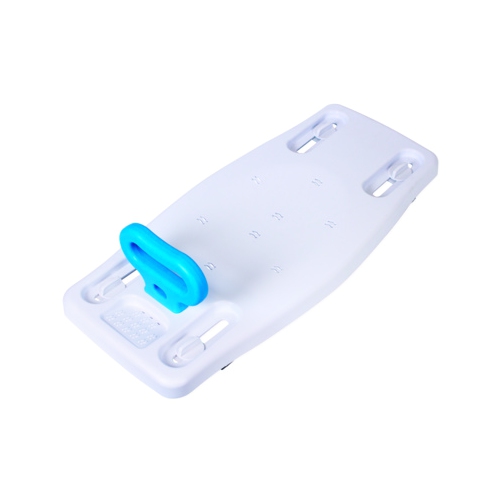
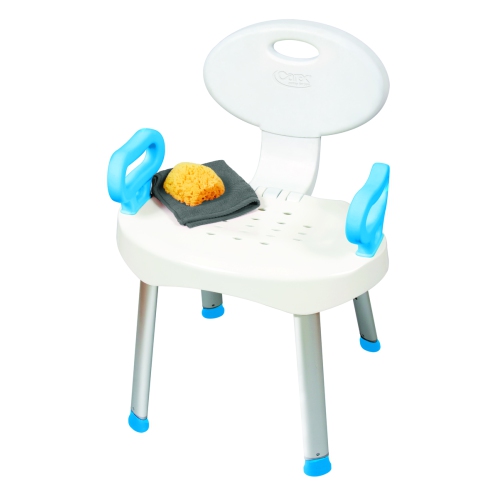
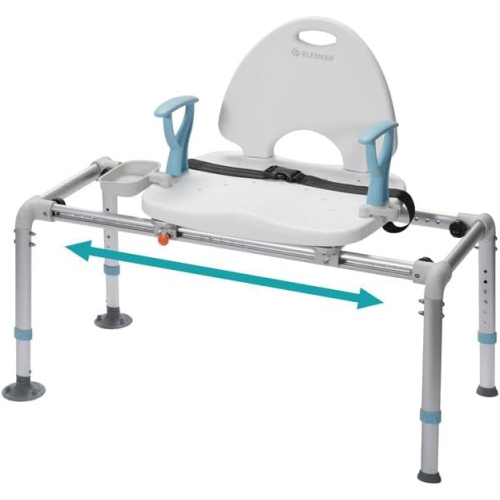
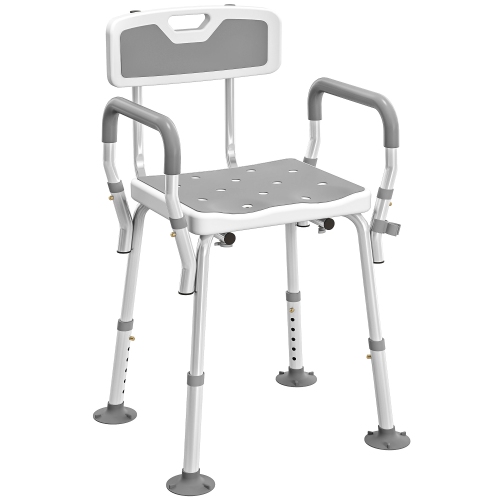
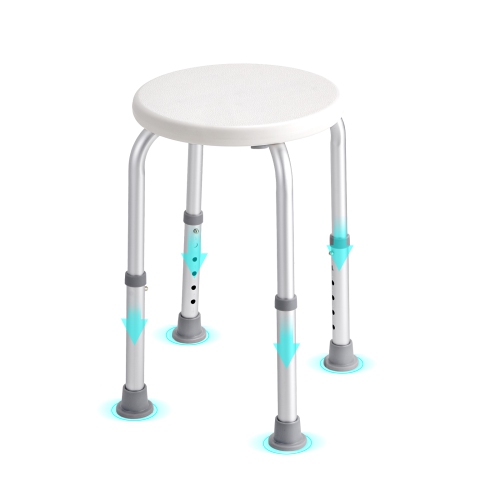
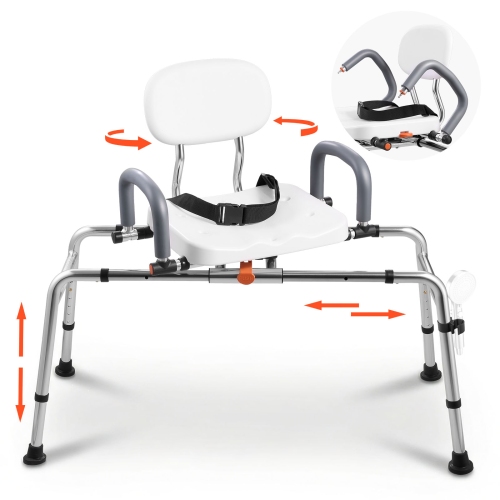
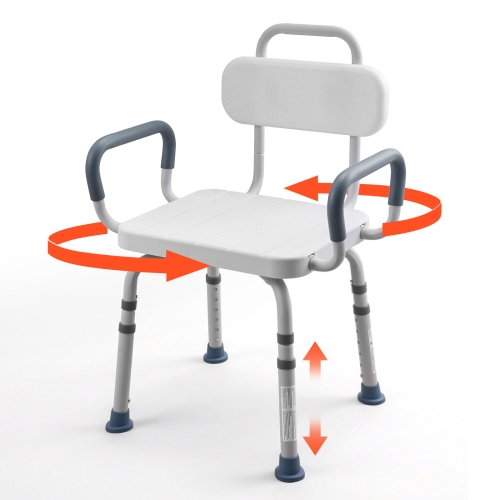
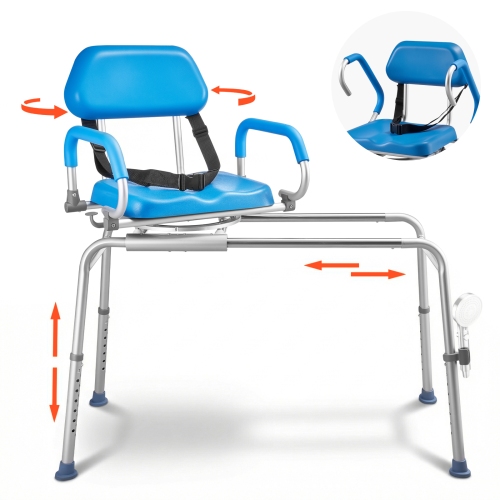
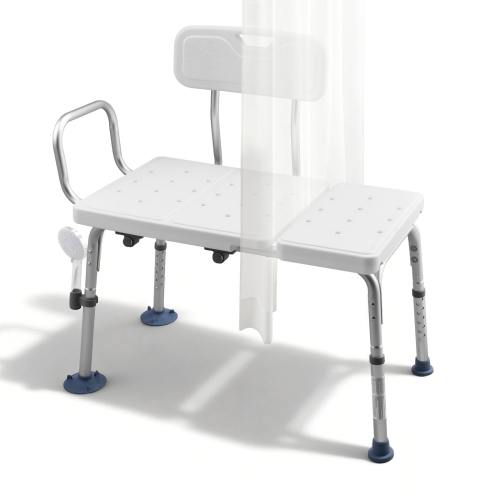
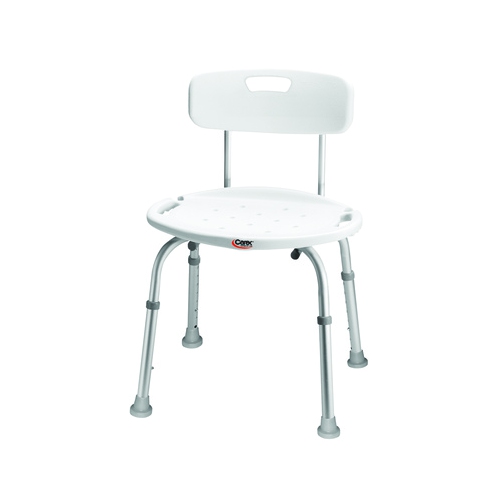
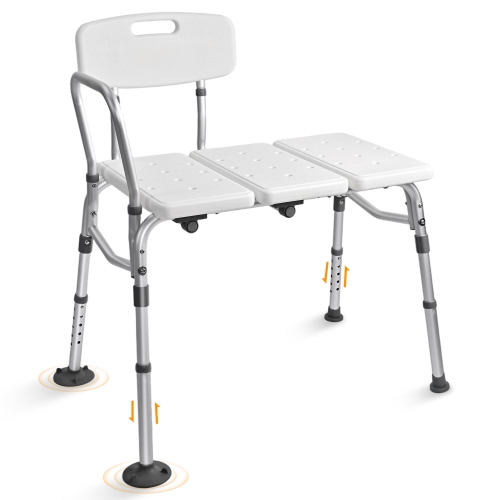
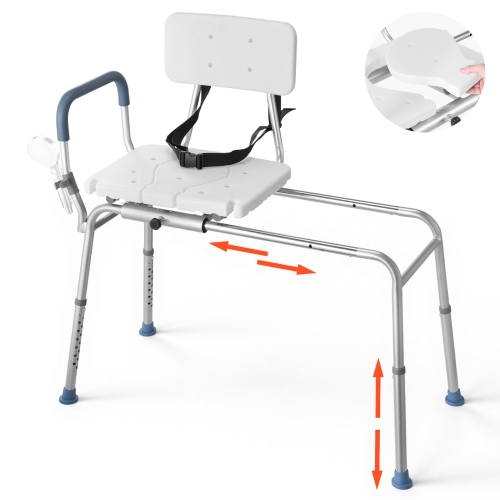
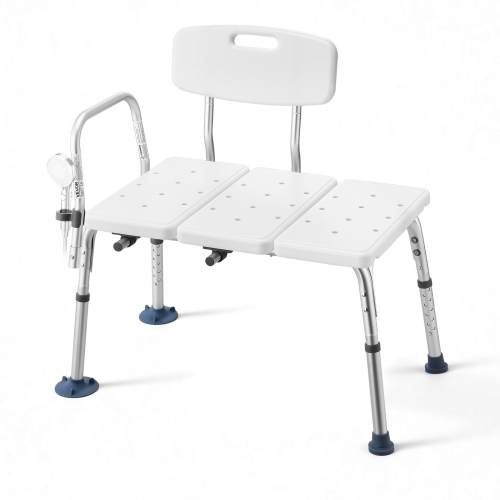
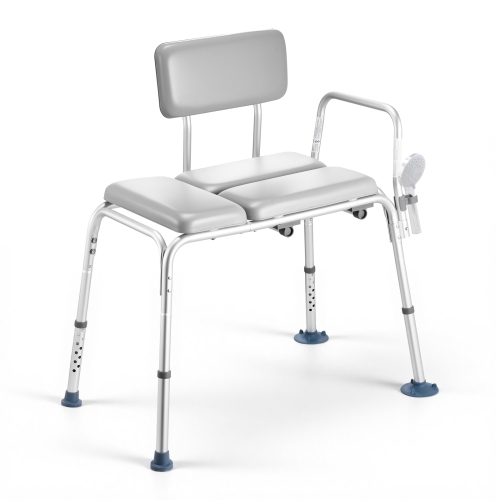
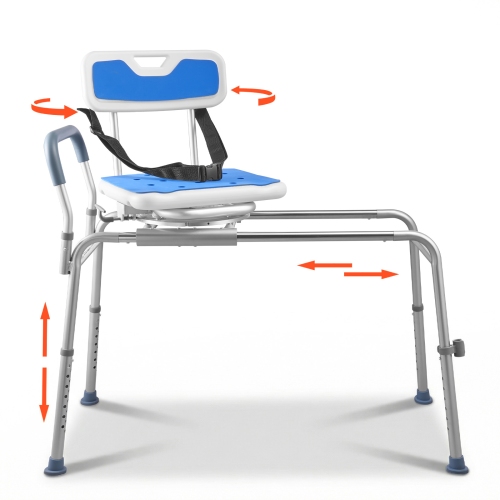
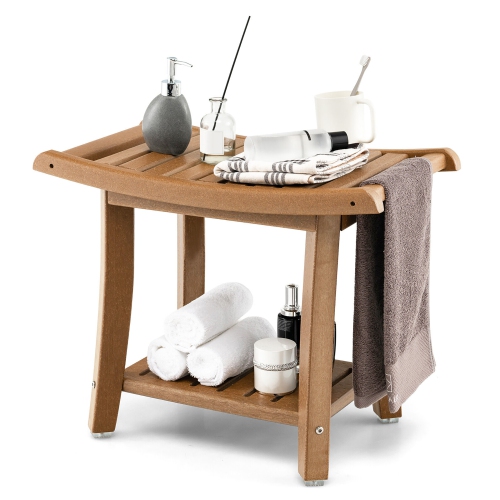
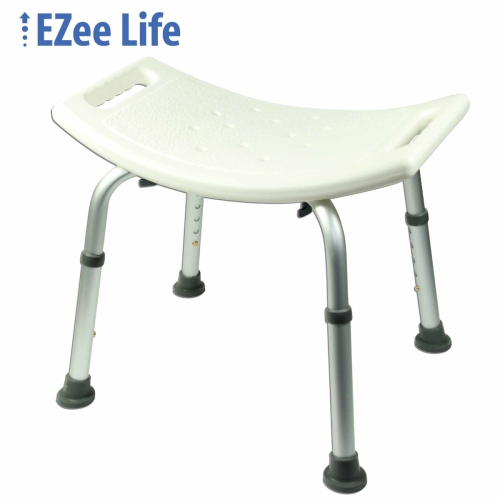
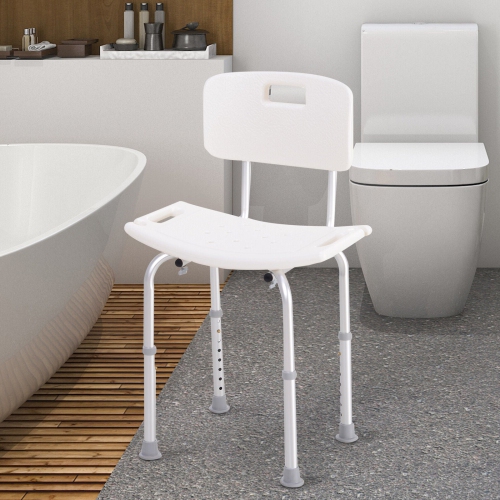
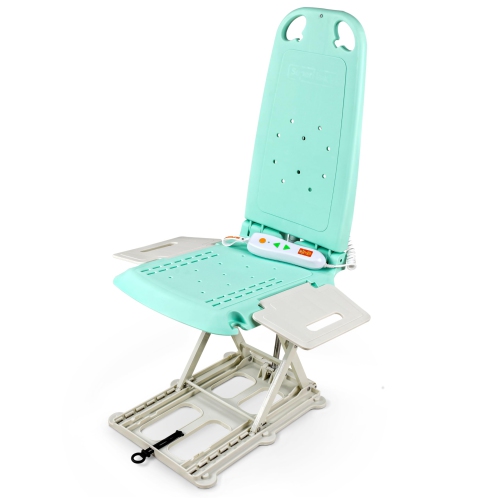
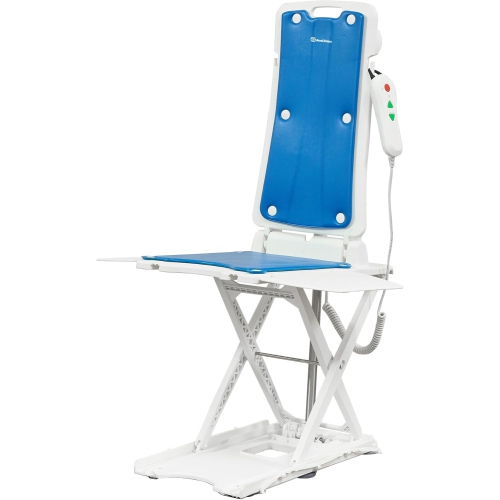
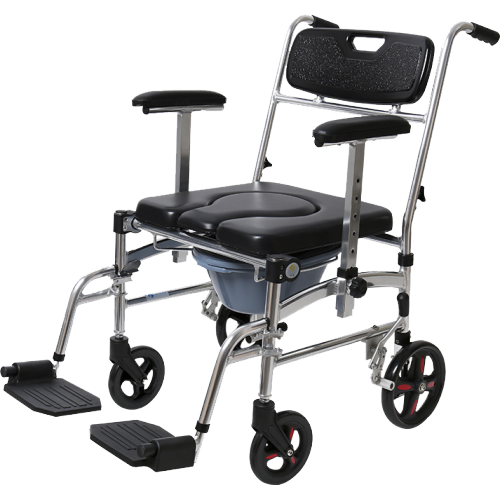
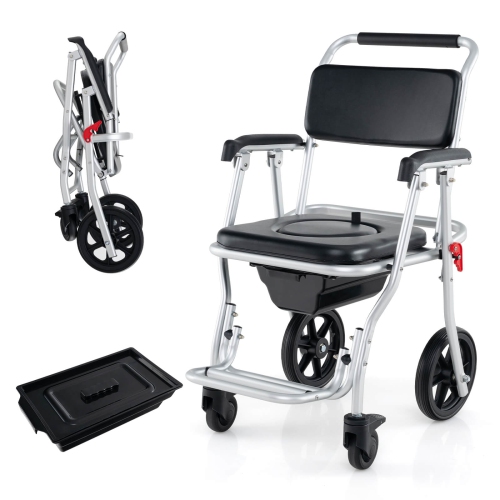
Bath chairs are supportive seats designed for use in a bathtub or shower, giving people a place to sit while washing rather than standing for the entire routine. They can be useful for older adults, people with disabilities, anyone who finds prolonged standing tiring, and people whose mobility is temporarily limited after an injury or surgery. A suitable bathing seat can make everyday tasks, such as washing hair or reaching for soap, more manageable while helping reduce the need to balance on a wet surface. The main types include compact shower stools, chairs with backrests, chairs with armrests, and transfer benches. A backless stool takes up less space and leaves the upper body unrestricted, but it offers less support than a chair with a backrest. A backrest provides a surface to lean against, while armrests may offer additional support when sitting down or standing up, provided they are designed for that purpose. Transfer benches serve a different need: they extend across the side of a bathtub, allowing a person to sit outside the tub before moving across the seat and bringing their legs inside. This design can reduce the need to step over a high tub wall, although the person still needs an appropriate transfer method and may require assistance. Someone who walks comfortably but tires during a shower may need a different seat from someone who has difficulty bending a knee or moving from a wheelchair. Bath chairs are practical personal-care equipment rather than general relaxation seating; furnishings intended for other personal-care settings can be explored under Spa Chairs, but should not be assumed suitable for use inside a bath or shower. The best match depends on the user’s movement, balance, body size, and bathroom layout. Where transfers are difficult or movement restrictions apply, an occupational therapist or another qualified healthcare professional can help assess which style and setup are appropriate.
Fit starts with both the person and the bathing space, because a seat that looks compact may have legs that spread wider than its seating surface. Measure the usable floor area of the shower or bathtub where the feet will rest, accounting for sloped tub walls, a curved base, a raised threshold, and the position of the drain. Compare those measurements with the chair’s full footprint, not just its seat width. Each foot needs firm contact with a surface suitable for the design, and the chair should not rock or become wedged against the tub sides. In a shower enclosure, leave enough room for the door to open and close without striking the chair, as well as space for the user or a caregiver to move. A transfer bench needs clearance outside the tub too, particularly in a bathroom where the toilet or vanity sits close to the bathing area. Seat height affects how comfortably a person can sit down and rise again. Adjustable legs allow the height to be tailored within the chair’s stated range; a seated position with supported feet is generally preferable to one that leaves the feet dangling. All adjustments must follow the manufacturer’s instructions, with locking buttons or other fasteners fully engaged. Seat width, depth, armrest spacing, and the listed weight capacity matter just as much. A higher weight rating does not necessarily mean a wider seat, so these details should be assessed separately. For example, closely spaced arms might feel restrictive even when the chair’s capacity is suitable. A contoured seat may feel more comfortable during washing, while an open-sided design may leave more room for movement. Removable arms or a reversible backrest can offer flexibility on designs that include them, but their permitted configurations vary. Positioning also affects daily comfort: soap, a washcloth, and a handheld showerhead should be reachable without a deep forward lean or an awkward twist. A chair supports seated bathing, but it does not replace properly installed grab bars or assistance when those are needed.
Materials and construction influence how a bath chair feels, how easily it can be cleaned, and how well it holds up to repeated use. Rust-resistant aluminum frames are common because they combine relatively light weight with structural support, making the chair easier to move when the bathroom is shared. Moulded plastic seats often have textured surfaces and drainage holes that help water pass through rather than pool beneath the user. Padding can provide a softer sitting surface, though seams, openings, and removable cushions may need extra attention during cleaning and drying. Rubber-tipped feet help the chair grip a compatible bathing surface; suction-style feet, where included, depend on the surface and must be used as directed. No foot design makes a wet bathing area slip-proof, and soap residue or worn components can affect stability. Durability depends on the condition of the whole chair, including its leg tips, adjustment mechanisms, joints, seat, and backrest. Before use, check for movement in the frame, loose fasteners, cracked plastic, missing parts, or feet that have become hardened or damaged. Replacement components should be compatible with the chair rather than improvised. Routine care usually involves removing soap residue, cleaning with products approved by the manufacturer, rinsing as directed, and allowing the chair to dry thoroughly. Harsh cleaners, abrasive pads, and unapproved treatments may damage surfaces or grip materials. Drainage holes and the undersides of seats deserve attention because they can collect residue that is easy to miss from above. Folding designs can make storage more convenient in a shared bathroom, but hinges and locking mechanisms must be secured before each use. Never move an occupied chair unless it is specifically designed for that task, and do not use a bathing seat as a step stool. For a person returning home after surgery or adapting a familiar bathroom to changing mobility needs, these everyday details matter: a steady seat, comfortable positioning, accessible toiletries, and straightforward cleaning can help make bathing feel less demanding without unnecessarily complicating the room.
Fit starts with both the person and the bathing space, because a seat that looks compact may have legs that spread wider than its seating surface. Measure the usable floor area of the shower or bathtub where the feet will rest, accounting for sloped tub walls, a curved base, a raised threshold, and the position of the drain. Compare those measurements with the chair’s full footprint, not just its seat width. Each foot needs firm contact with a surface suitable for the design, and the chair should not rock or become wedged against the tub sides. In a shower enclosure, leave enough room for the door to open and close without striking the chair, as well as space for the user or a caregiver to move. A transfer bench needs clearance outside the tub too, particularly in a bathroom where the toilet or vanity sits close to the bathing area. Seat height affects how comfortably a person can sit down and rise again. Adjustable legs allow the height to be tailored within the chair’s stated range; a seated position with supported feet is generally preferable to one that leaves the feet dangling. All adjustments must follow the manufacturer’s instructions, with locking buttons or other fasteners fully engaged. Seat width, depth, armrest spacing, and the listed weight capacity matter just as much. A higher weight rating does not necessarily mean a wider seat, so these details should be assessed separately. For example, closely spaced arms might feel restrictive even when the chair’s capacity is suitable. A contoured seat may feel more comfortable during washing, while an open-sided design may leave more room for movement. Removable arms or a reversible backrest can offer flexibility on designs that include them, but their permitted configurations vary. Positioning also affects daily comfort: soap, a washcloth, and a handheld showerhead should be reachable without a deep forward lean or an awkward twist. A chair supports seated bathing, but it does not replace properly installed grab bars or assistance when those are needed.
Materials and construction influence how a bath chair feels, how easily it can be cleaned, and how well it holds up to repeated use. Rust-resistant aluminum frames are common because they combine relatively light weight with structural support, making the chair easier to move when the bathroom is shared. Moulded plastic seats often have textured surfaces and drainage holes that help water pass through rather than pool beneath the user. Padding can provide a softer sitting surface, though seams, openings, and removable cushions may need extra attention during cleaning and drying. Rubber-tipped feet help the chair grip a compatible bathing surface; suction-style feet, where included, depend on the surface and must be used as directed. No foot design makes a wet bathing area slip-proof, and soap residue or worn components can affect stability. Durability depends on the condition of the whole chair, including its leg tips, adjustment mechanisms, joints, seat, and backrest. Before use, check for movement in the frame, loose fasteners, cracked plastic, missing parts, or feet that have become hardened or damaged. Replacement components should be compatible with the chair rather than improvised. Routine care usually involves removing soap residue, cleaning with products approved by the manufacturer, rinsing as directed, and allowing the chair to dry thoroughly. Harsh cleaners, abrasive pads, and unapproved treatments may damage surfaces or grip materials. Drainage holes and the undersides of seats deserve attention because they can collect residue that is easy to miss from above. Folding designs can make storage more convenient in a shared bathroom, but hinges and locking mechanisms must be secured before each use. Never move an occupied chair unless it is specifically designed for that task, and do not use a bathing seat as a step stool. For a person returning home after surgery or adapting a familiar bathroom to changing mobility needs, these everyday details matter: a steady seat, comfortable positioning, accessible toiletries, and straightforward cleaning can help make bathing feel less demanding without unnecessarily complicating the room.
Top selling and popular products
-
 Your price for this item is $109.31
 -
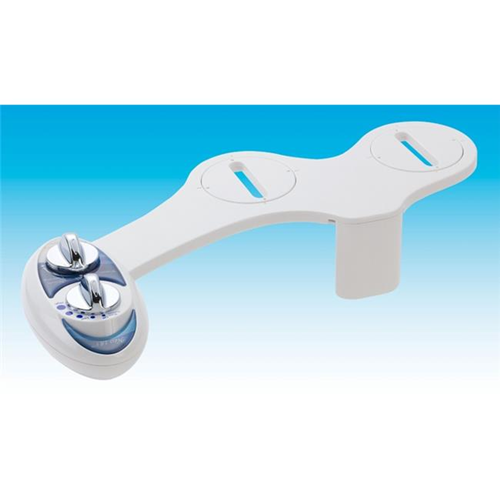 Your price for this item is $200.83
 -
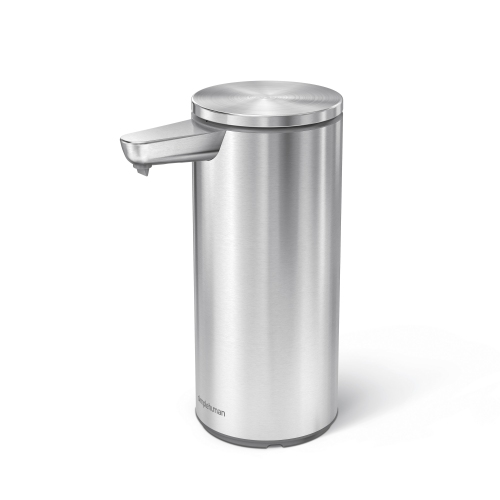 Your price for this item is $90
 -
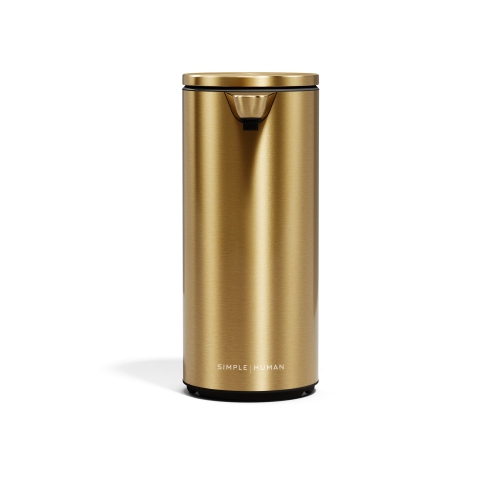 Your price for this item is $100
 -
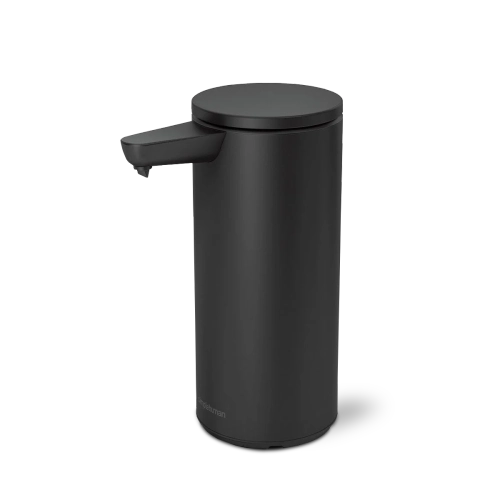 Your price for this item is $100
 -
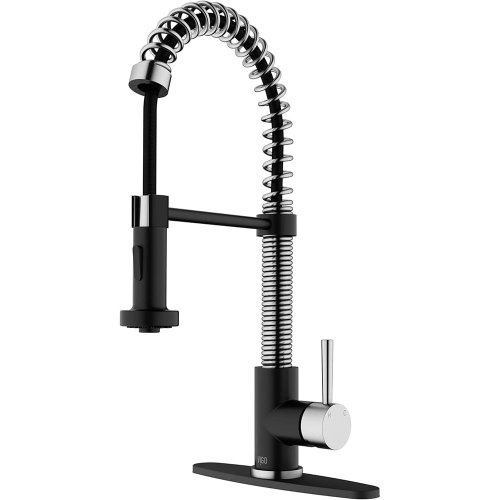 Your price for this item is $426.55
 -
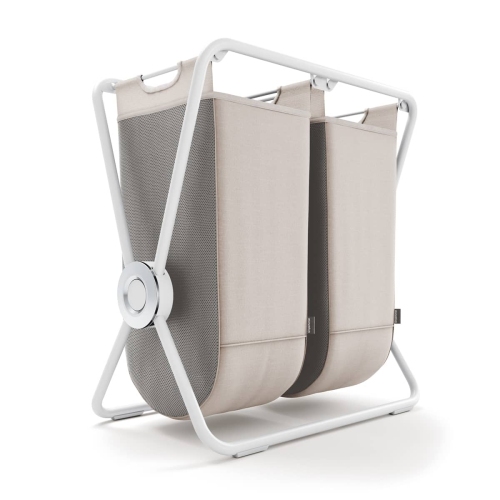 Your price for this item is $300
 -
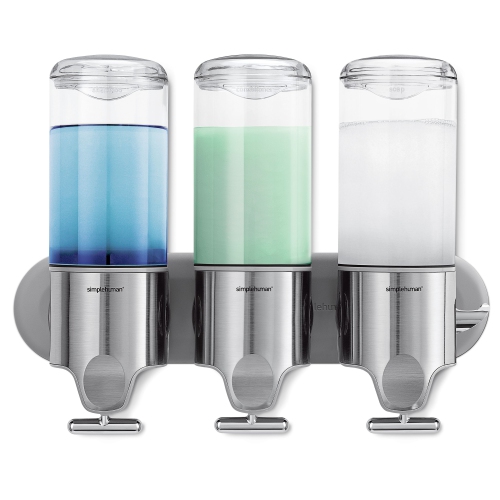 Your price for this item is $120
Discover more categories related to Bath Chairs
Top Collections:
Pokemon Centers, Kindle Devices, Best Budget Office Chairs, Apple iPhones 16, Best Laptops for Writers, iPhone 15 Apple, Canon G7X Cameras, Refurbished Apple Laptops, Alarm Clock, Motorola Razr Phones
Some products may be subject to Environmental Handling Fees
(EHF) depending on your province.
Learn more about EHFs.