Bicep Curl Bars
Iif you're looking to build those biceps and achieve your fitness goals, look no further than this wide selection of bicep curl bars. These versatile workout tools are designed to target and strengthen your arm muscles, helping you sculpt the upper body you've always wanted. Whether you're a beginner or a seasoned fitness enthusiast, this range of bicep curl bars offers something for everyone. With their ergonomic design and durable construction, these bars provide the perfect combination of comfort and functionality.
Sort




How angled grips change the feel of arm training
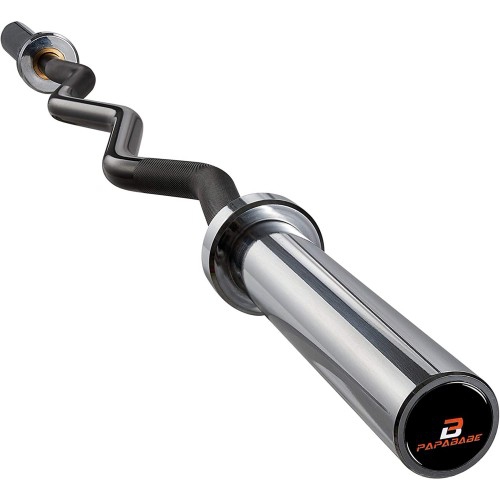
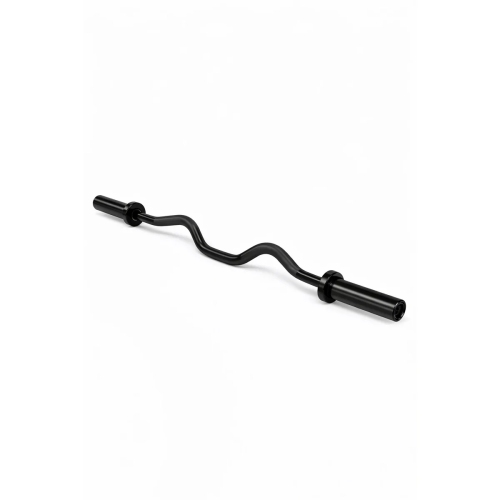
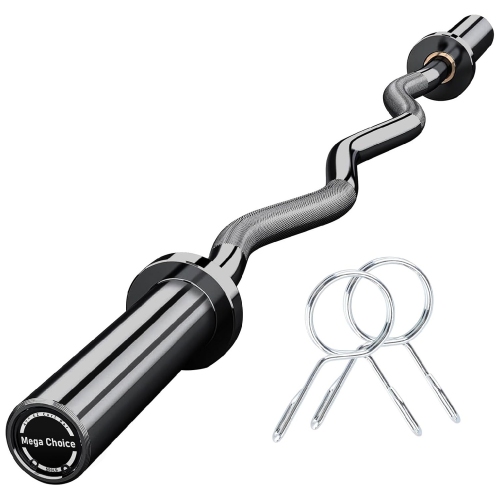
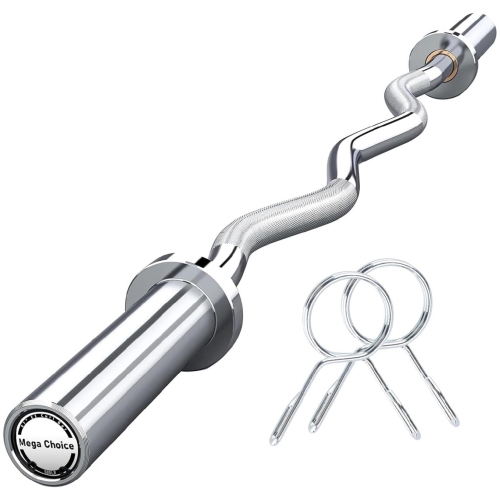
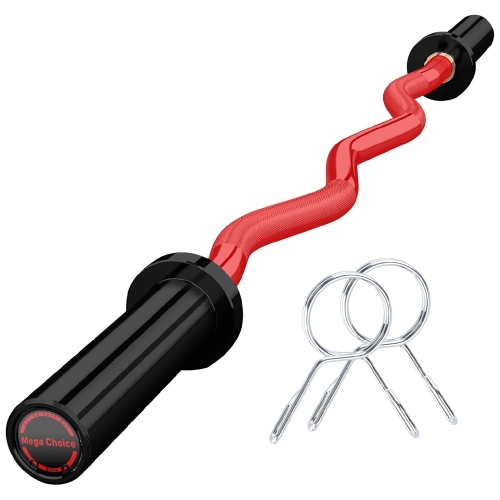
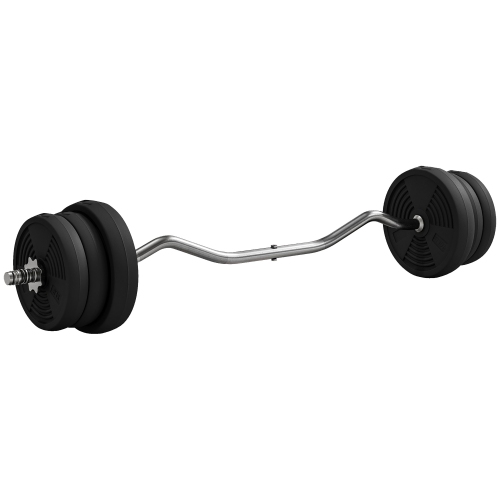
Bicep curl bars are strength-training bars designed for curls and other upper-body exercises, with angled grip sections that offer an alternative to holding a straight barbell. Often called EZ curl bars, they position the hands at a partly turned angle rather than requiring a fully palms-up grip. This shape can make curls feel more comfortable at the wrists and elbows for some lifters, although comfort depends on individual anatomy, grip placement, and the weight being lifted. Their main purpose is to support exercises that train the biceps and other muscles involved in bending the elbow. Standing curls, preacher curls, and reverse curls are common uses, while lying triceps extensions give the same bar a role in training the back of the upper arms. A curl bar is often shorter than a full-length barbell, making it easier to handle in a dedicated workout corner or beside an adjustable bench. The bends also provide distinct places to hold the bar, helping lifters repeat a comfortable hand position from set to set. Narrower and wider grip sections offer different holding options, but neither should force the wrists into an awkward angle. For someone adding arm exercises after rows or presses, a curl bar provides a two-handed alternative to dumbbells without requiring a separate machine. It can also suit a lifter who prefers the connected feel of moving one bar rather than controlling two independent weights. Beginners may appreciate a bar with a manageable starting weight, while experienced lifters may place greater importance on sleeve length, grip texture, and load capacity. The angled design does not guarantee pain-free movement or prevent injury, and persistent wrist or elbow pain warrants professional advice rather than simply changing equipment. A well-matched bar should allow a controlled movement with a secure grip and enough clearance to lift and lower it without striking the bench, body, or nearby furniture.
Construction and compatibility are central to how a bicep curl bar fits into a home gym. Steel is a common material because it supports a rigid, durable shaft, while chrome plating and other protective finishes help limit surface wear and corrosion. Finish quality matters around the bends and gripping areas, where hands repeatedly contact the metal. Knurling, the textured pattern cut into the grip, helps keep the bar from slipping; a pronounced pattern may feel secure under heavier loads, while a finer texture may be more comfortable for frequent sessions. Grip diameter also affects the feel of the bar, particularly for smaller hands or anyone who finds thick handles tiring. Plate-loadable curl bars come in different sleeve formats, so the opening in a weight plate must match the bar’s sleeve diameter. Standard versions commonly use sleeves around 1 inch in diameter, whereas Olympic versions generally use sleeves around 2 inches in diameter. Those terms alone are not a substitute for checking the stated measurements. Existing plates and collars should be compatible with the exact sleeve design, including whether the ends are smooth or threaded. Threaded sleeves typically use matching spin-lock collars, while smooth sleeves require appropriately sized retaining collars. Some Olympic curl bars have rotating sleeves that let the plates turn independently of the grip section, which can reduce the twisting force transferred through the hands as the bar moves. Fixed-weight curl bars, by contrast, have a set load and remove the need to change plates between exercises. For adjustable setups, both the manufacturer’s rated capacity and the usable sleeve length matter: bulky plates may fill the sleeve before the stated load limit is reached. The bar’s own weight contributes to the total being lifted, too. Overall length deserves equal attention, especially around benches and storage racks. A compact curl bar may be convenient to carry and store, but it may not span the supports of a conventional barbell rack; rack compatibility requires suitable dimensions rather than an assumption based on appearance.
Everyday usability becomes clearer when a curl bar is considered alongside the rest of a workout space. For preacher curls, the bar needs to work with the bench’s support arrangement and leave room for the hands to clear the pad and catches. For standing curls, enough open floor space is needed to pick up the loaded bar, settle into position, and set it down under control. Balanced loading and securely fitted collars help keep plates in place, while a suitable exercise mat or lifting surface can protect flooring during careful placement. Curl bars are generally intended for controlled repetitions, not dropping, unless the manufacturer explicitly permits that use. Small weight increments can be useful for arm exercises because a modest increase may noticeably change how manageable a set feels. A bar that works with existing plates makes those adjustments simpler and avoids building a collection of incompatible equipment. Related weighted exercise tools serve different purposes: Body Bars typically have a straight, often padded shape and a fixed weight for movements such as light presses, squats, and group fitness exercises, rather than the angled grip associated with an EZ curl bar. For a shared home gym, differences in hand size, preferred grip, and starting strength may influence which curl-bar features are most useful. As a gift for someone who already trains, compatibility with their plates and workout space is more important than choosing the largest or heaviest option. Routine care helps preserve both the finish and the grip: wipe away perspiration after use, dry the bar thoroughly, and follow the manufacturer’s cleaning recommendations. Chalk residue can collect in knurling, so a suitable soft brush may help clean the texture without scratching the coating. Collars, sleeve ends, and moving parts deserve periodic inspection for looseness, damage, or unusual wear. Storage should keep the bar stable and clear of walking paths, using supports designed for its shape and weight. With appropriate fit, compatible accessories, and straightforward care, a bicep curl bar can become a practical, long-lasting part of an upper-body training setup.
Top selling and popular products
-
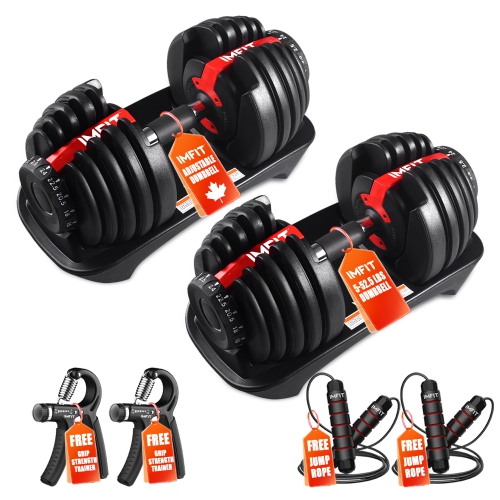 Your price for this item is $249.97
-
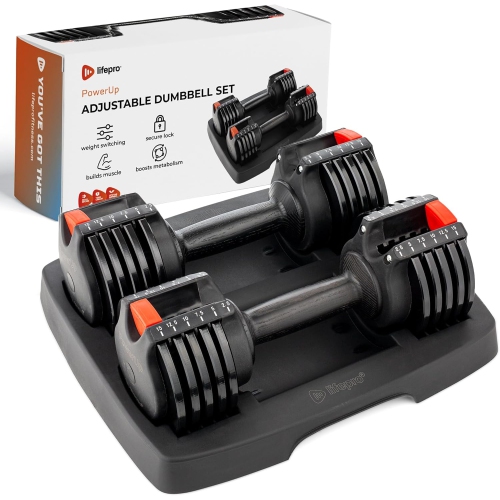 Your price for this item is $159.98
-
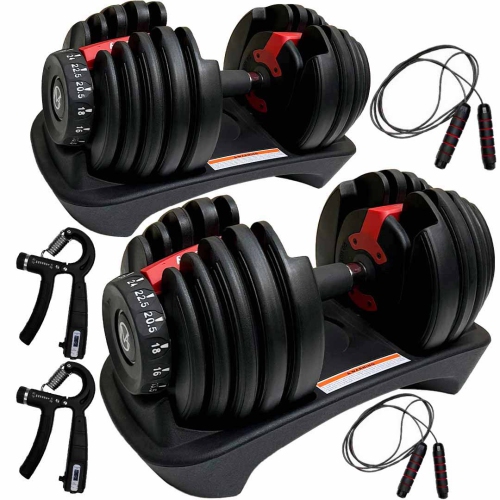 Your price for this item is $143.46
-
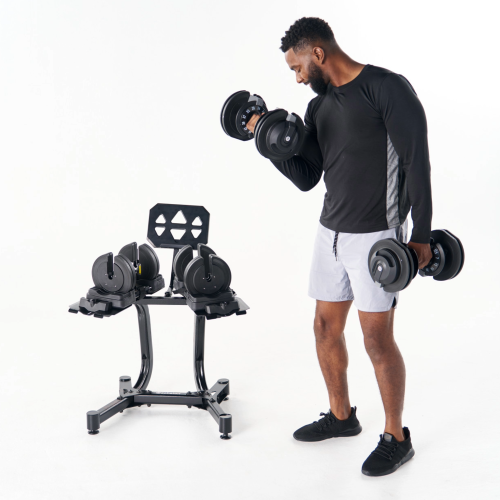 Your price for this item is $684.99
-
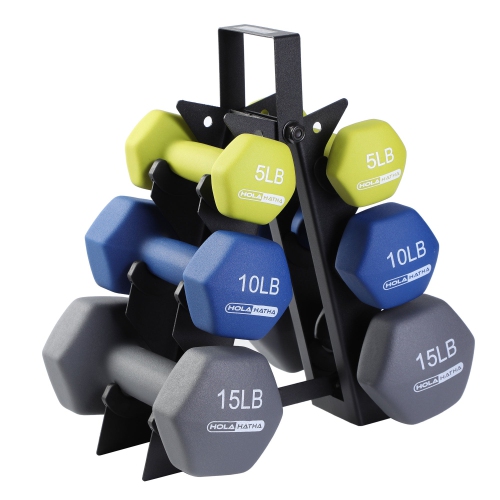 Your price for this item is $278.99
-
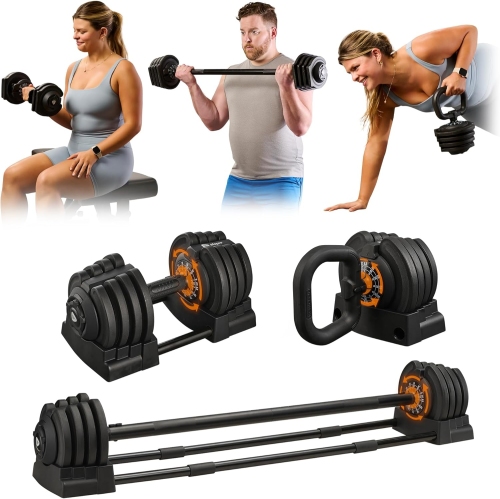 Your price for this item is $329.99
-
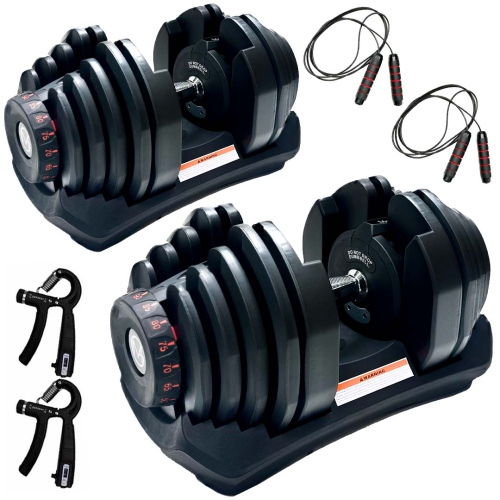 Your price for this item is $449.99
-
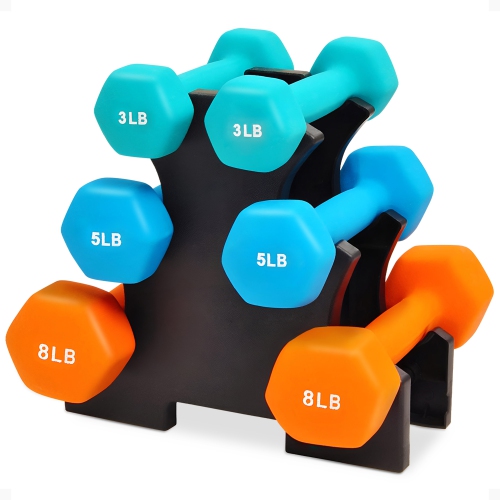 Your price for this item is $120.99
Discover more categories related to Bicep Curl Bars

Top Collections:
Pokemon Centers, Kindle Devices, Best Budget Office Chairs, Canon G7X Cameras, Apple iPhones 16, Samsung Galaxy Phones, Refurbished Apple Laptops, Laptops for Students, iPhone 15 Apple, Budget Smartphones
Some products may be subject to Environmental Handling Fees
(EHF) depending on your province.
Learn more about EHFs.