Exercise Equipment for Beginners
Looking to kickstart your fitness journey? Look no further than our collection of exercise equipment designed specifically for beginners. Whether you're just starting out or looking to get back into shape, our wide range of beginner-friendly exercise equipment will help you build strength, improve endurance, and achieve your fitness goals. From treadmills and stationary bikes to resistance bands and dumbbells, we've got everything you need to create a well-rounded workout routine. Say goodbye to the intimidation factor and hello to a healthier, happier you with our selection of exercise equipment for beginners.
Sort




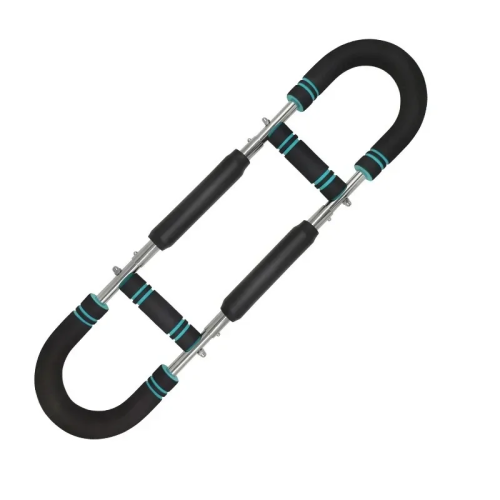
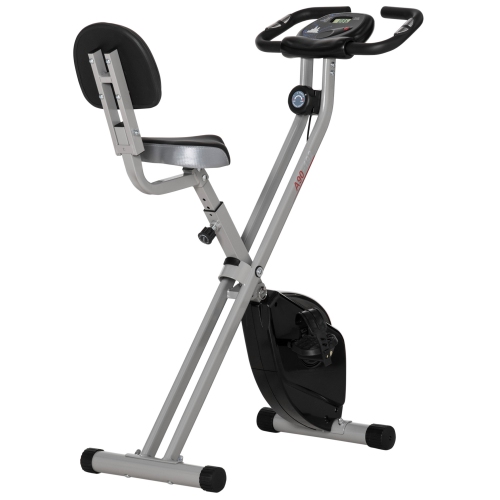

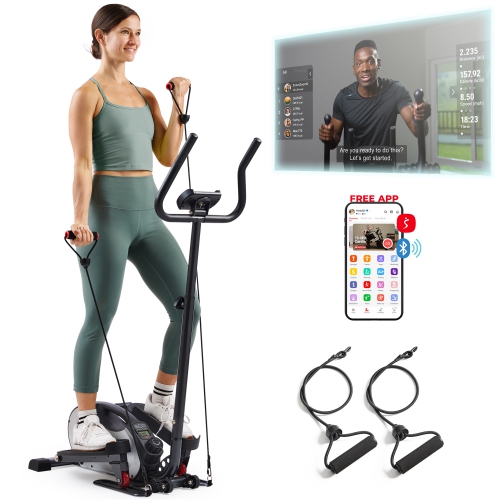
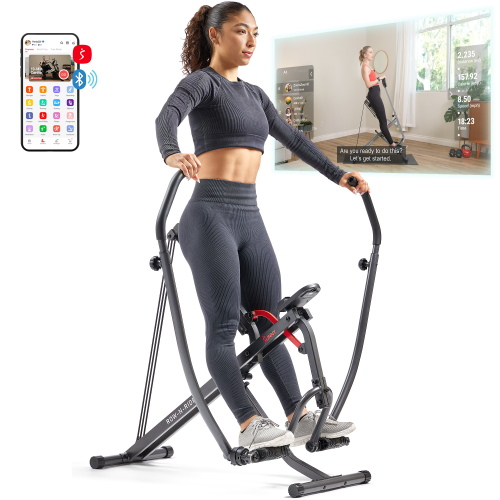












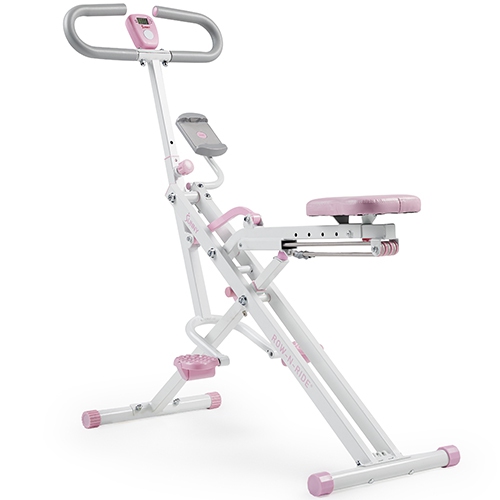


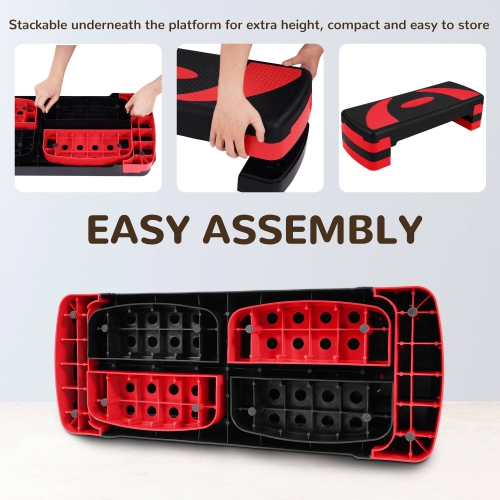
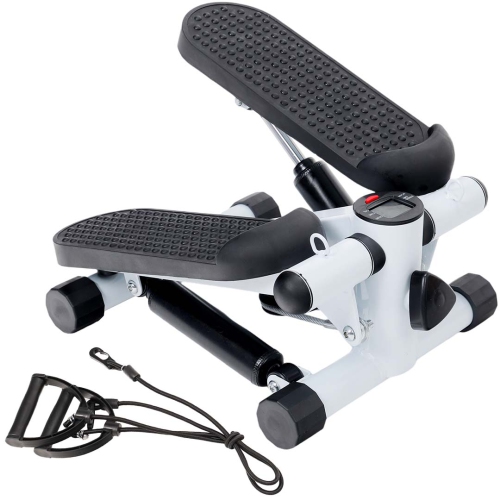
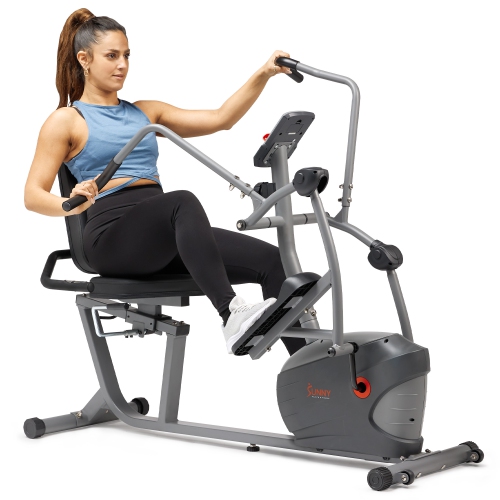
















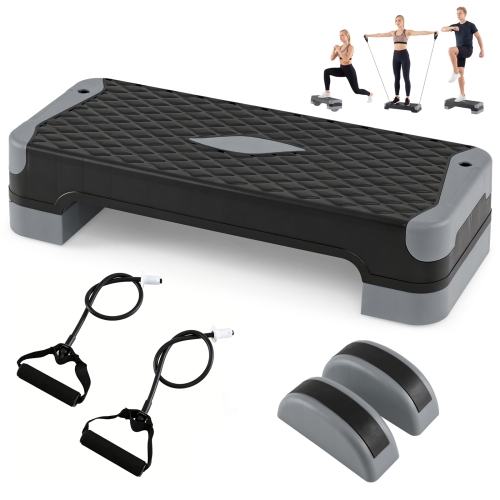


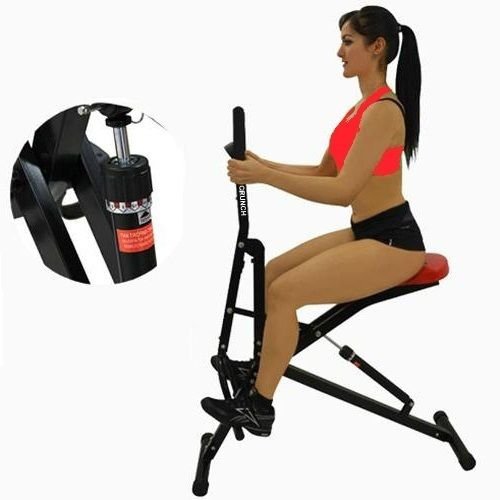
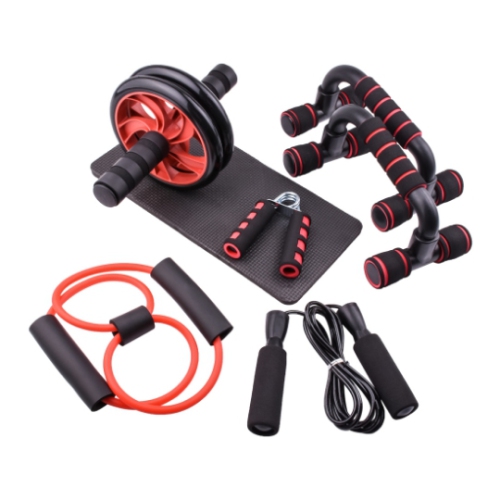
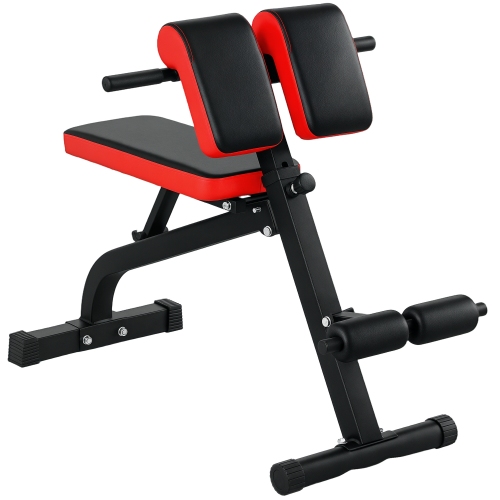
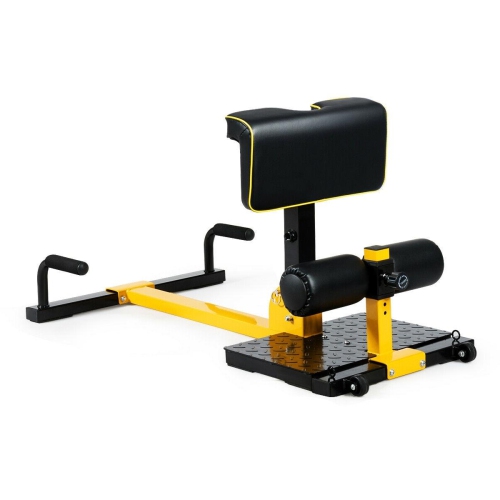
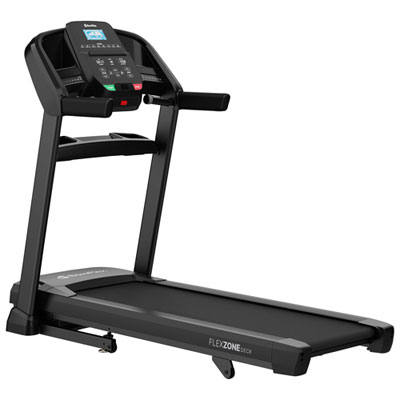


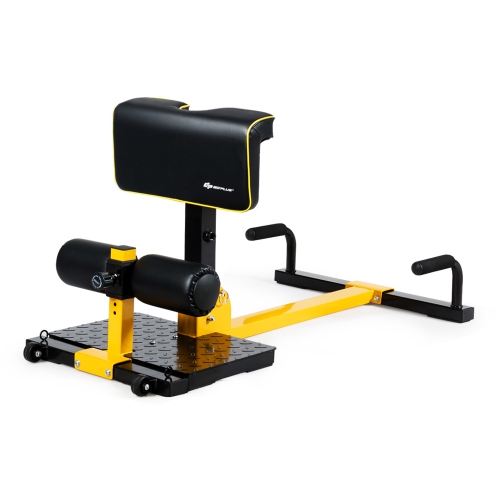


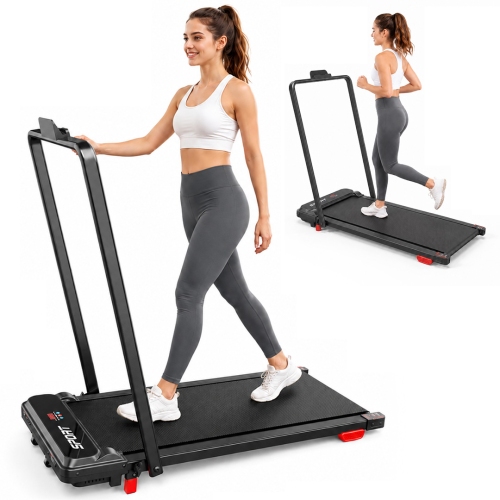


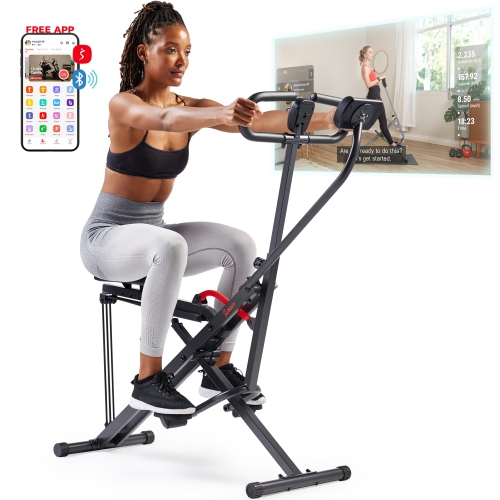
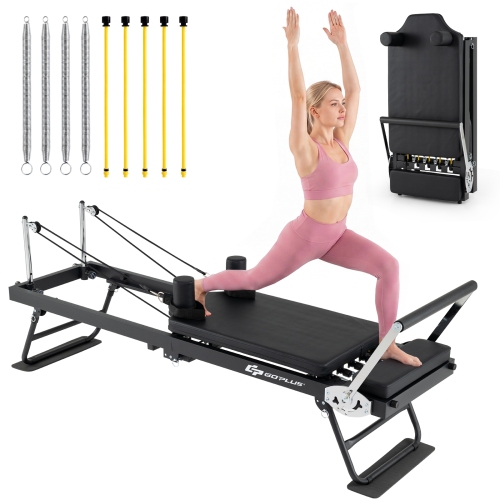


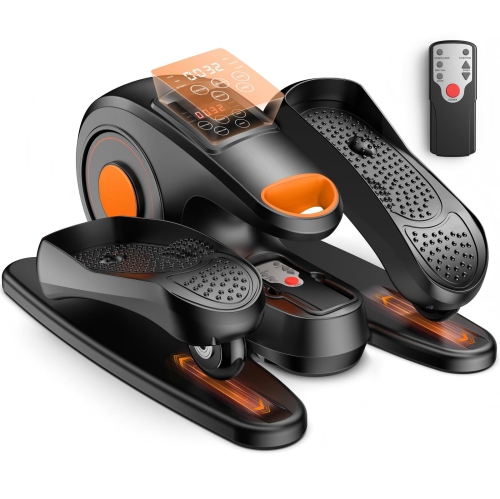
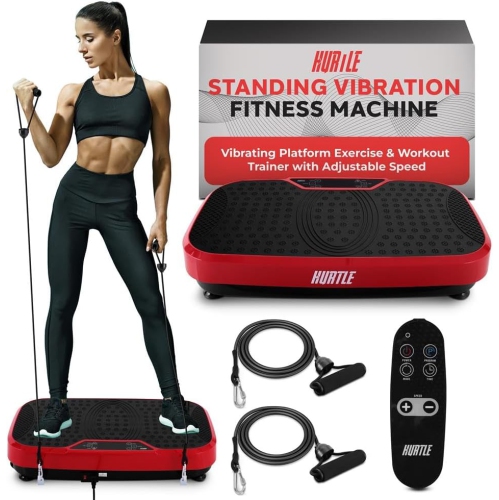

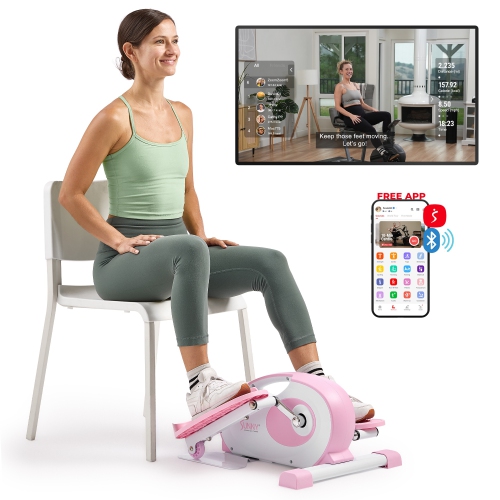
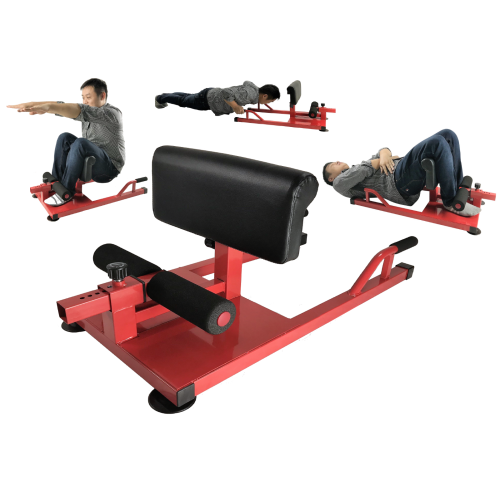
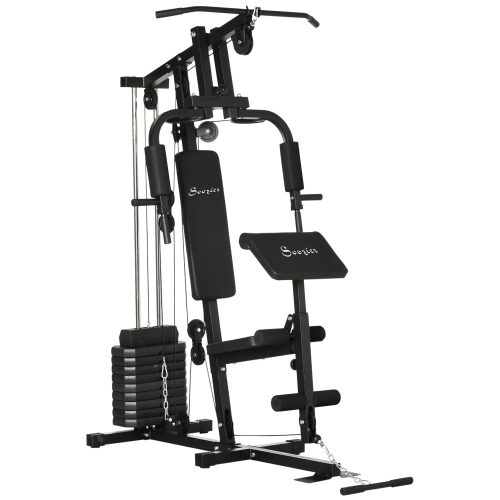
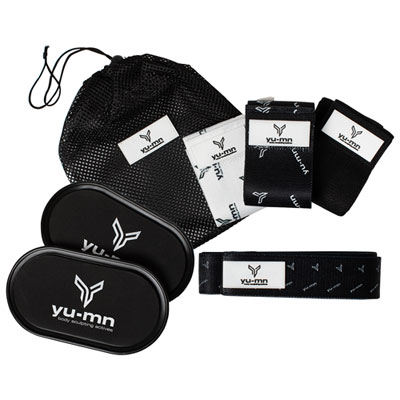


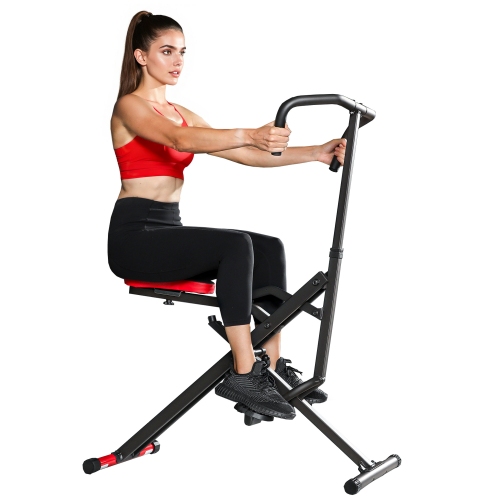
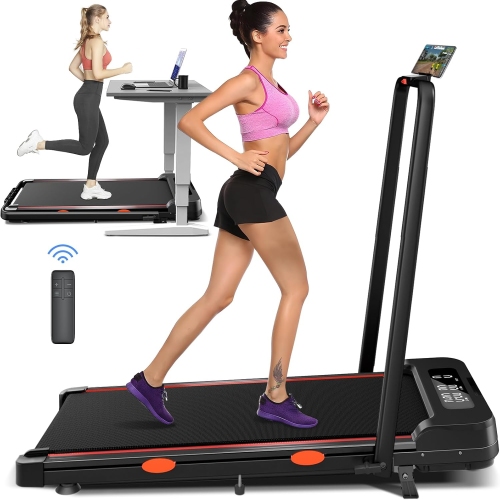
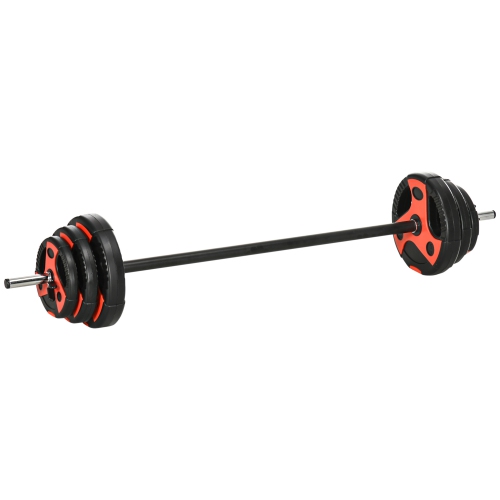

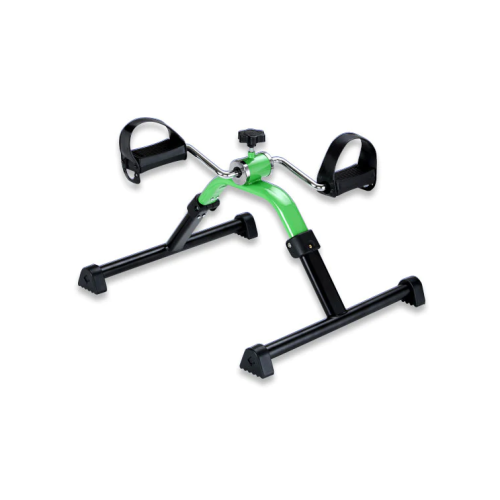
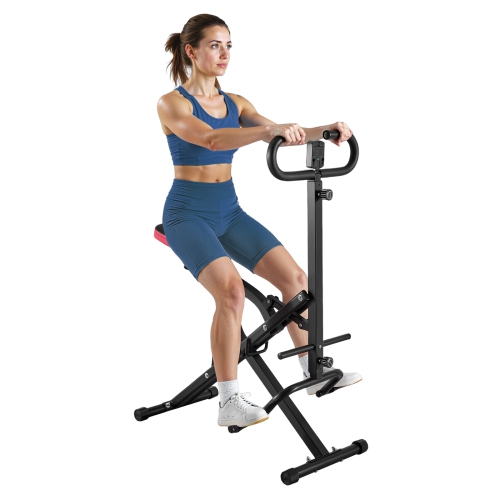
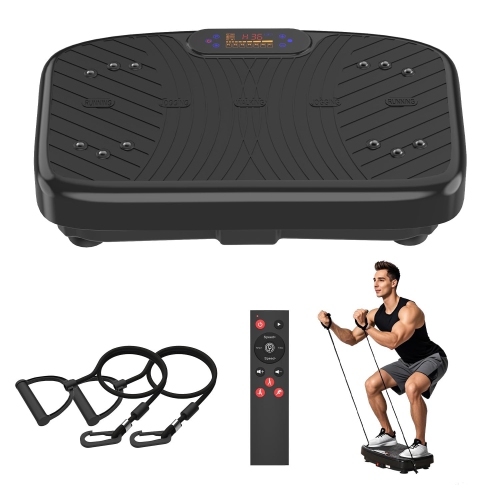
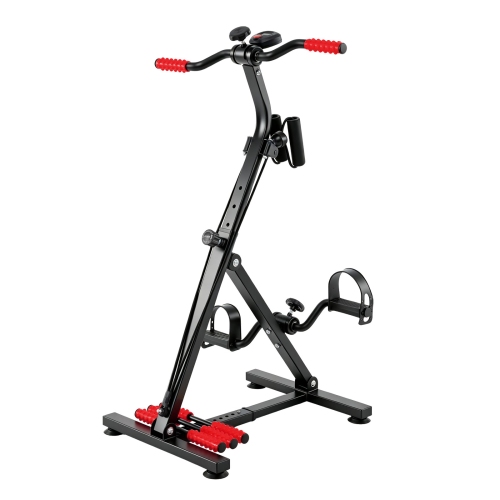

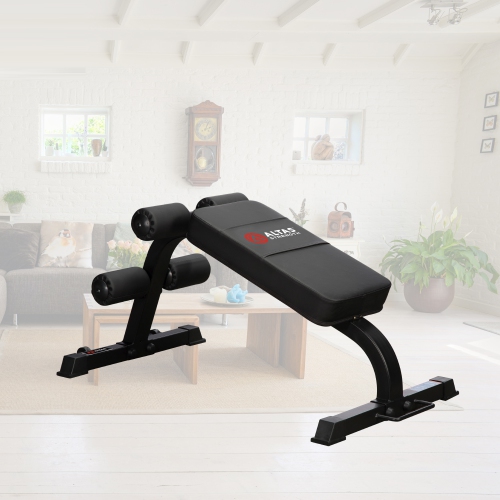







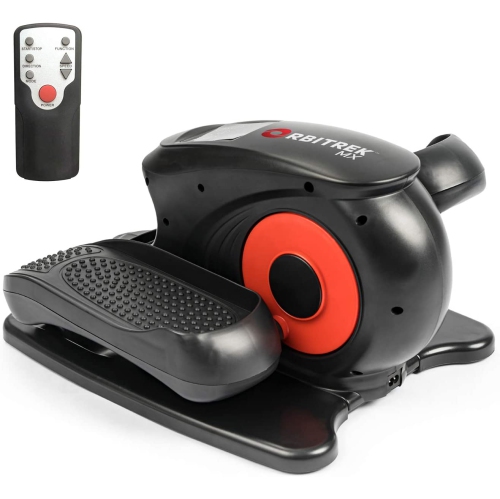
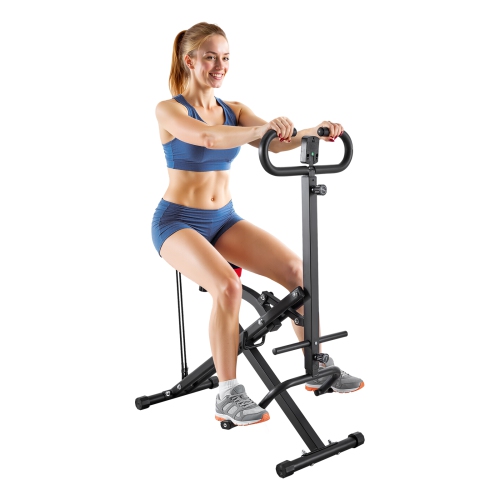
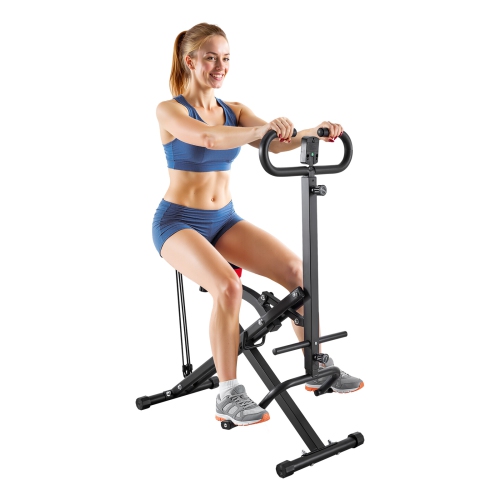
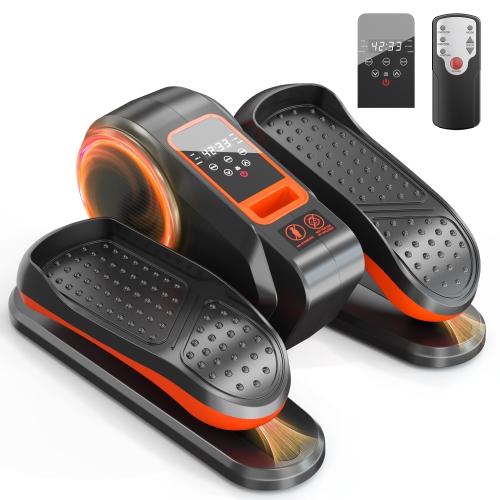

Workout equipment that fits your space and starting pace
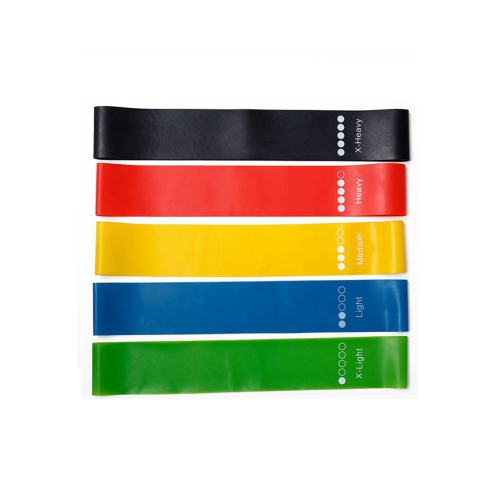
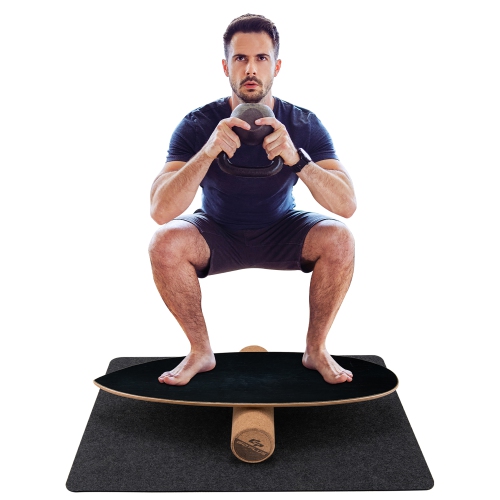
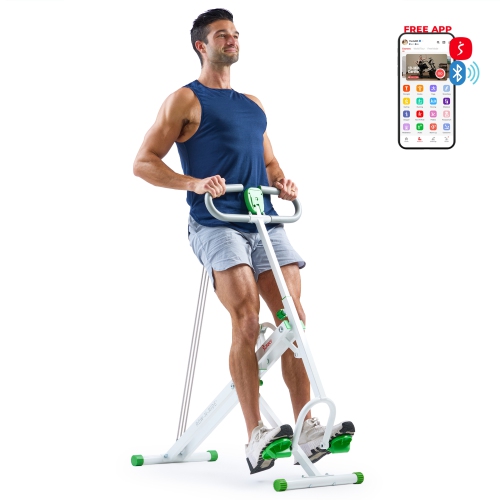
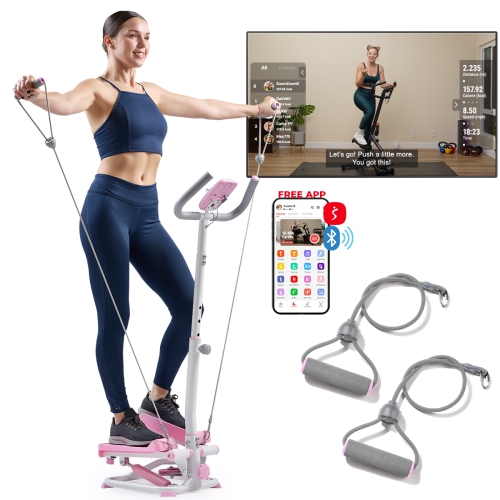
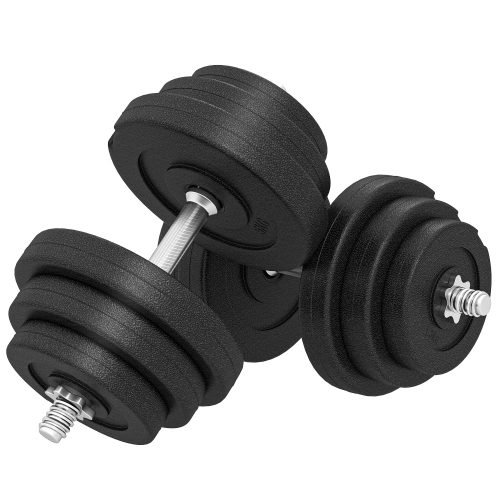
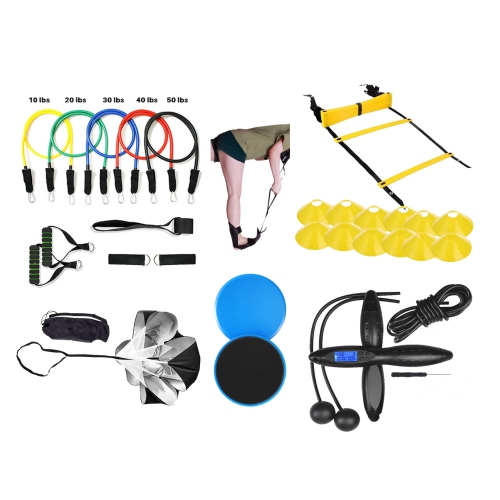
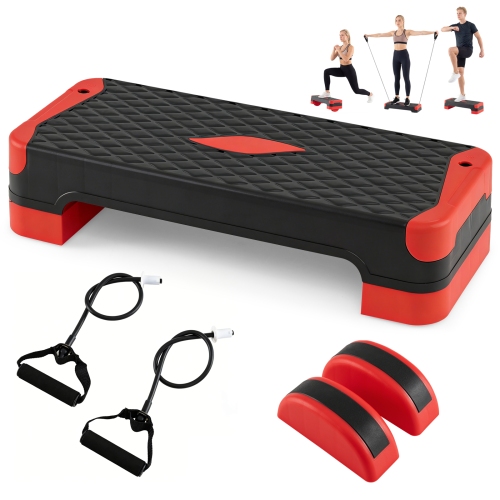
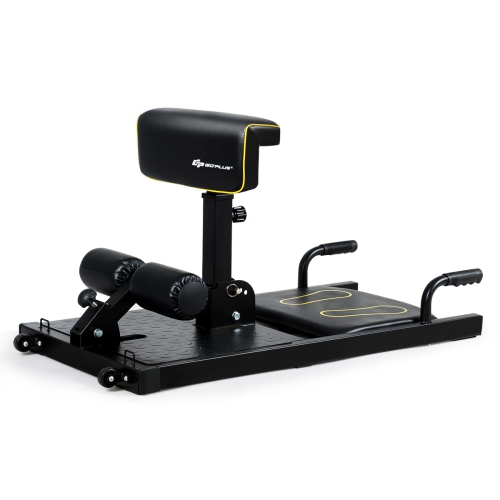
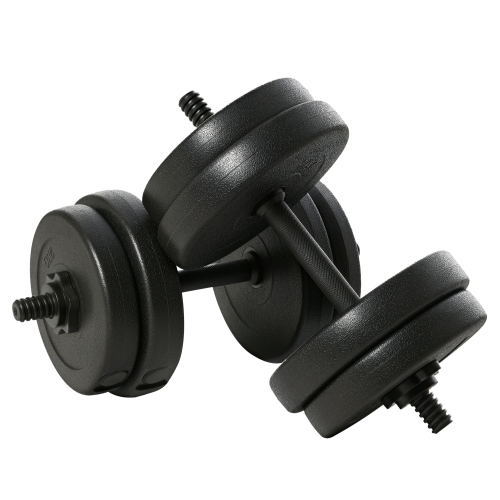
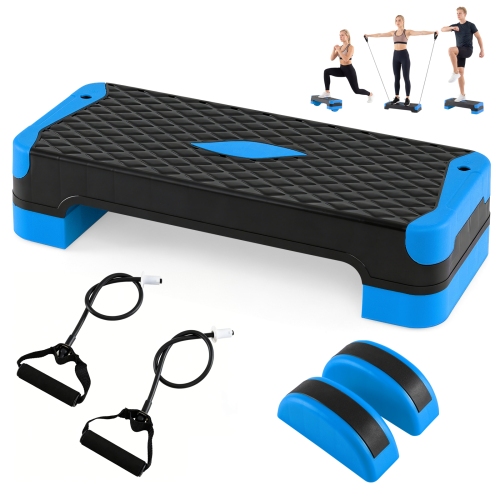
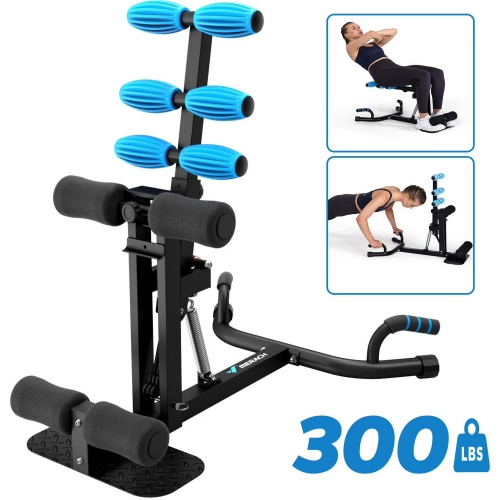
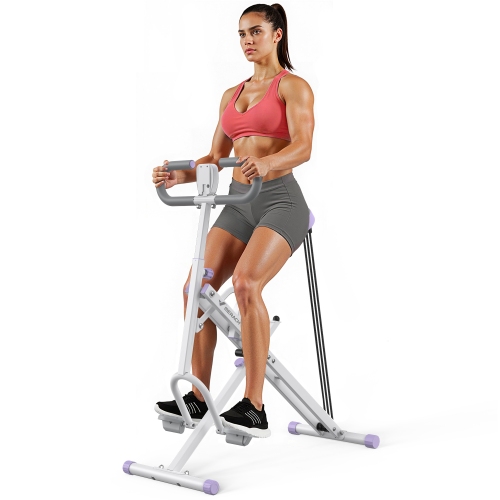
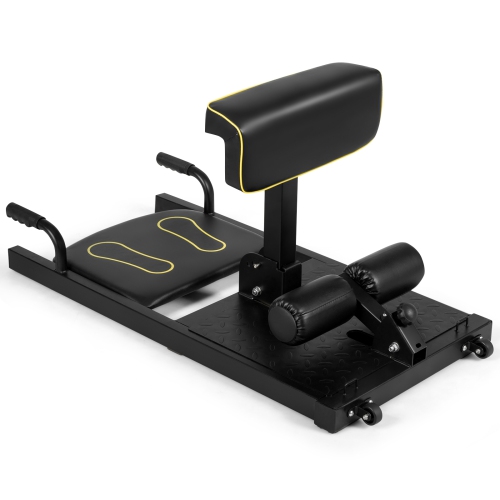
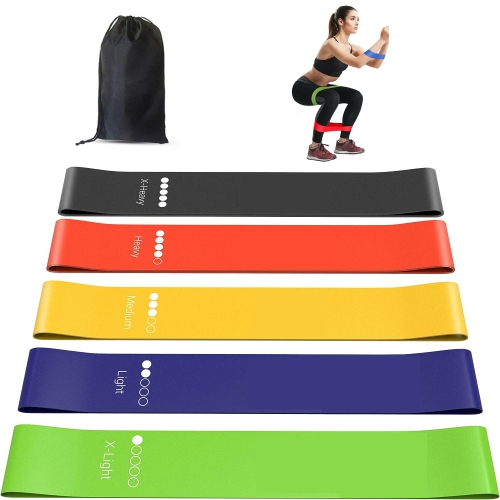
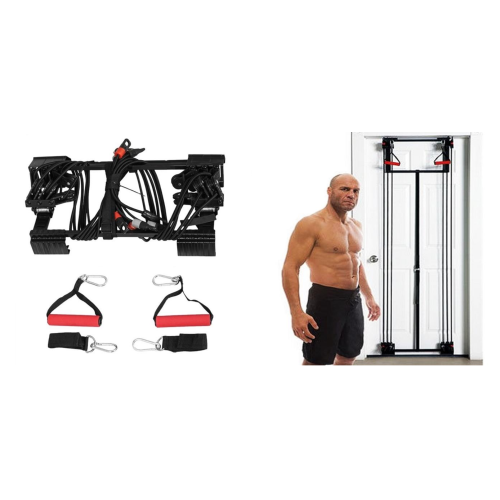
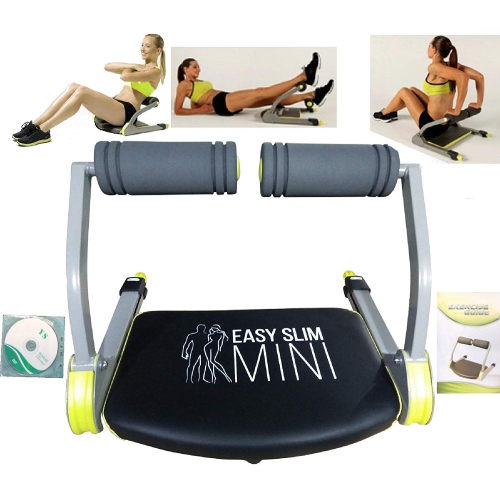
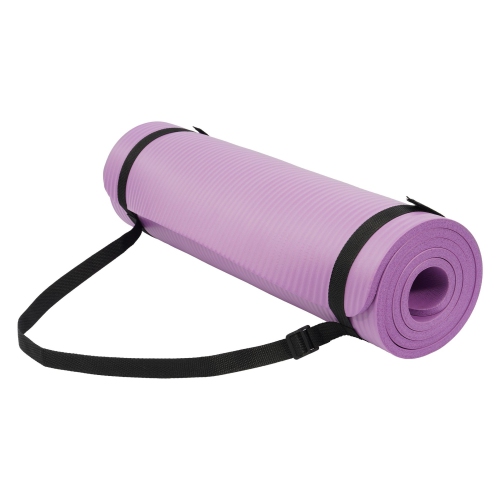
Exercise equipment for beginners makes it possible to build a routine around manageable movement, clear adjustments, and a comfortable starting level. Common beginner-friendly categories include dumbbells, resistance bands, exercise mats, stationary bikes, treadmills, and weight machines with adjustable resistance. Each serves a different purpose: free weights support strength training through a range of movements, bands provide portable resistance, and cardio machines make it easier to repeat a walking or cycling session at a chosen pace. The right starting point depends on the activity someone enjoys, the space they have, and how comfortably they can use the equipment. For a person fitting a short workout between work and dinner, a few compact training tools may suit daily life better than a large machine. Someone who prefers a dedicated exercise area may appreciate equipment that stays set up and ready to use. Dumbbells allow each arm to work independently, though balanced movement still depends on technique and an appropriate load. Clearly marked weights and handles that feel secure without forcing an awkward grip are useful features for someone learning basic lifts. Resistance bands offer a different feel, with tension generally increasing as the material stretches. Their resistance levels are not standardized across manufacturers, so colour alone is not a reliable indication of difficulty. Loop bands, long bands, and handled designs also suit different movements and attachment methods. Exercise mats provide a defined surface for floor exercises, stretching, and mobility work. A thicker mat may feel more comfortable under knees and elbows, while a firmer mat can provide a steadier base for standing movements. For someone building confidence with strength exercises, approachable equipment offers enough challenge for controlled repetitions without making the first session feel like a test of maximum effort. Room to progress matters, but a useful starting setup does not need to cover every possible exercise.
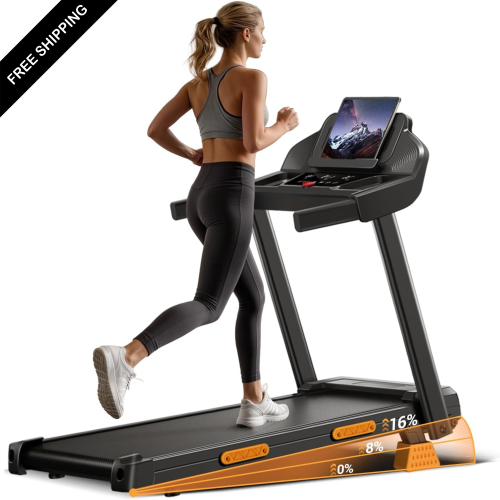
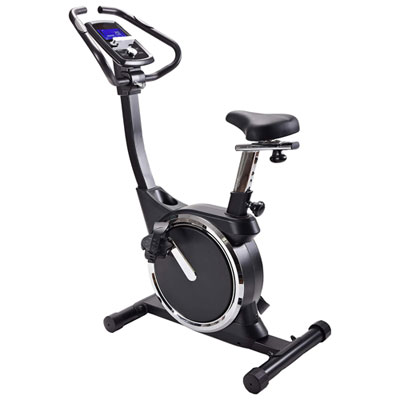
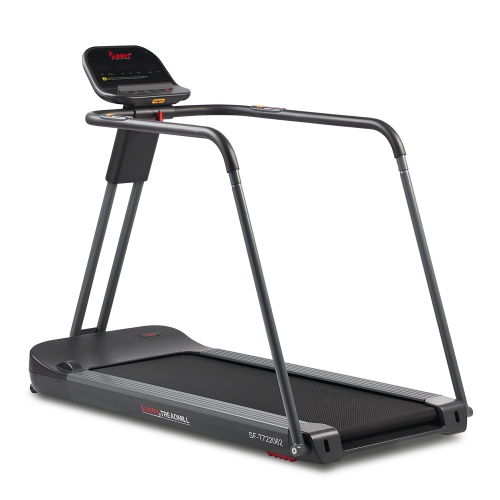
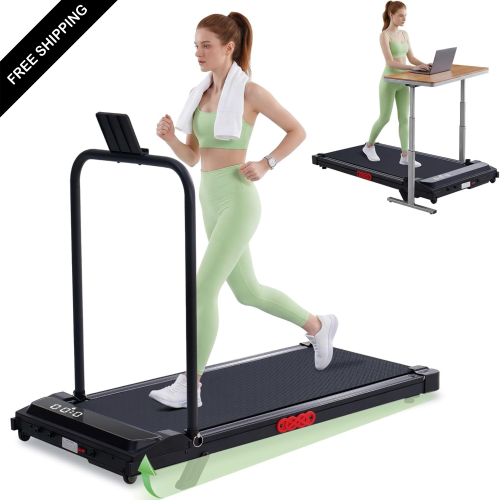
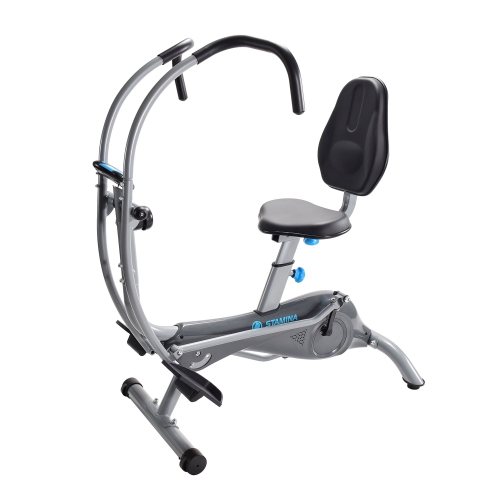
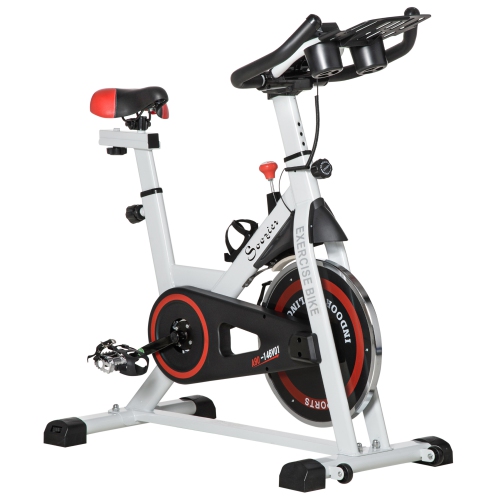
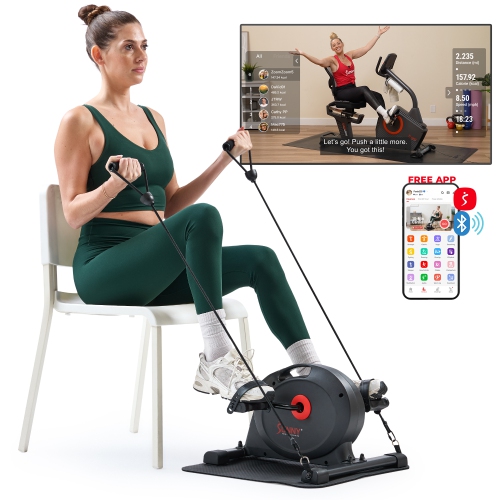
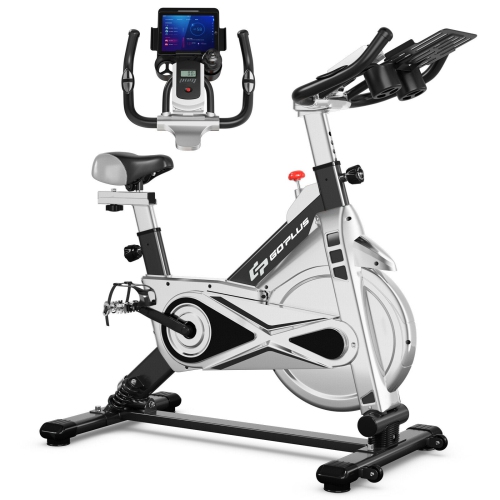
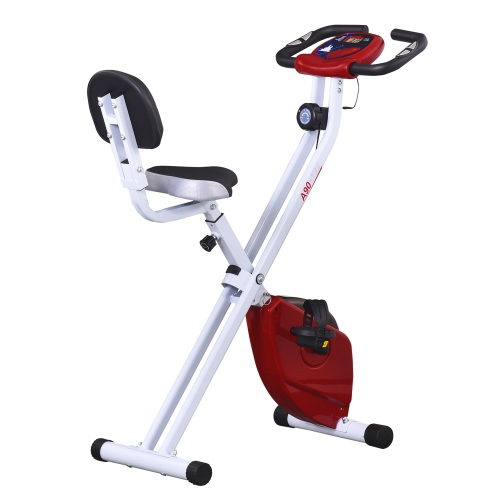
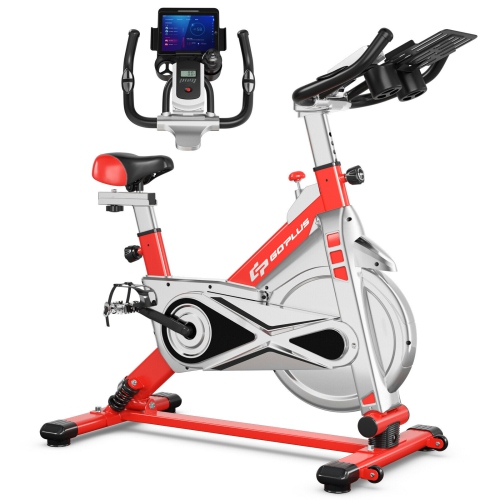
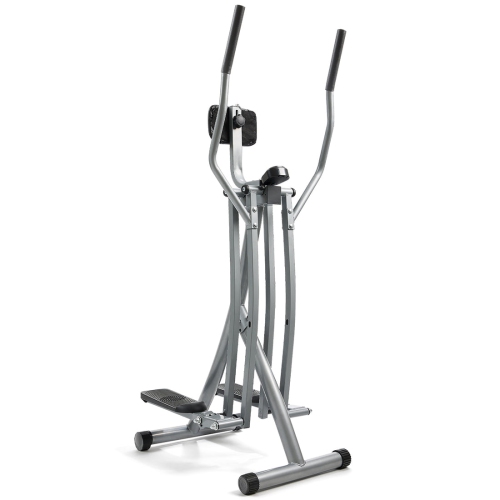
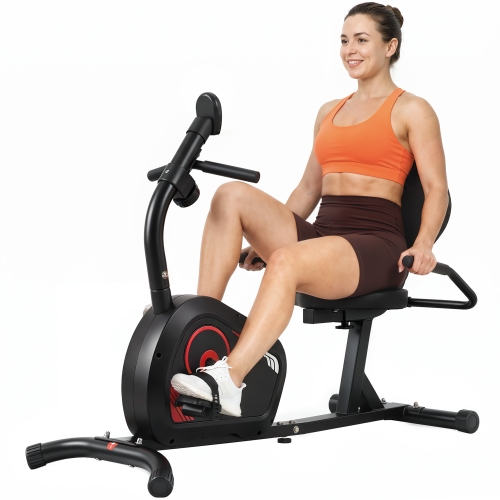
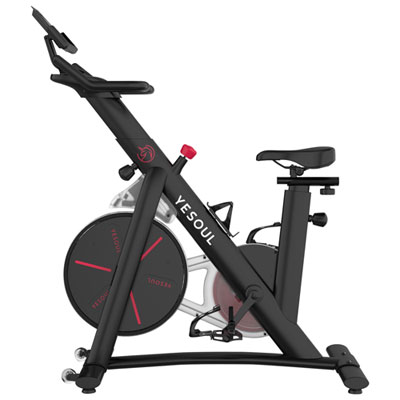
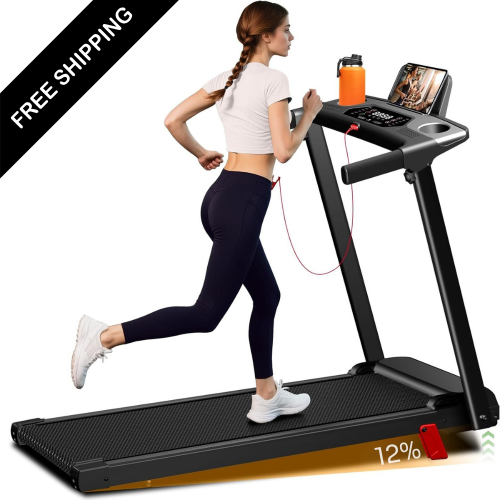
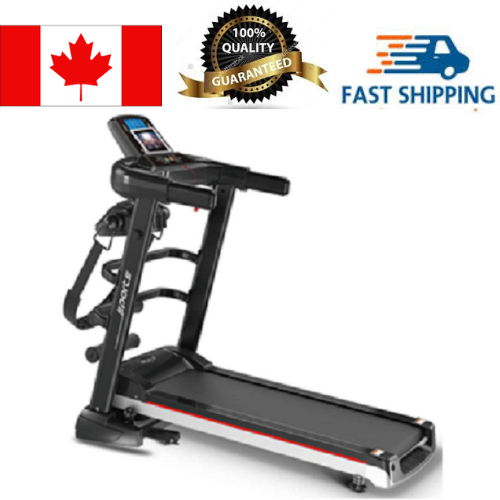
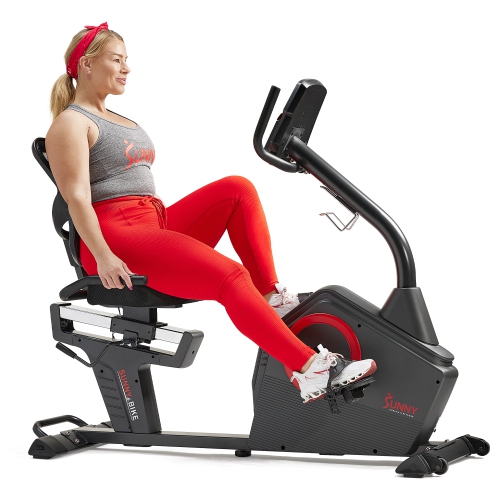
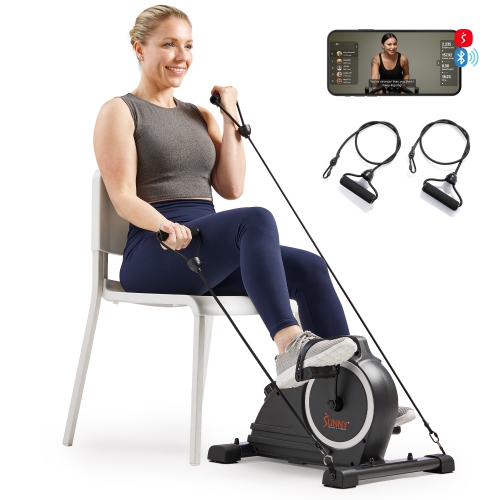
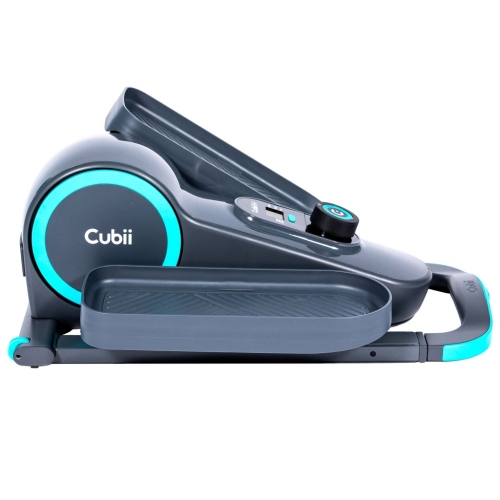
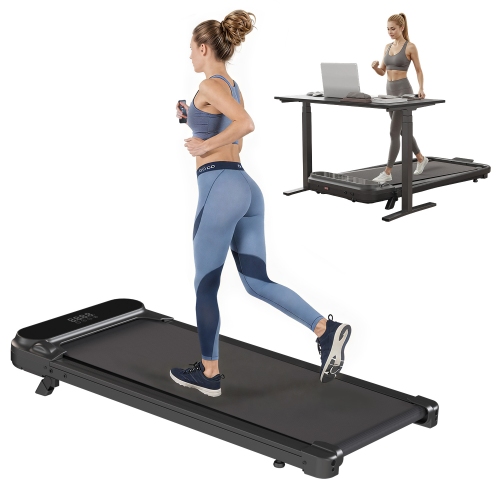
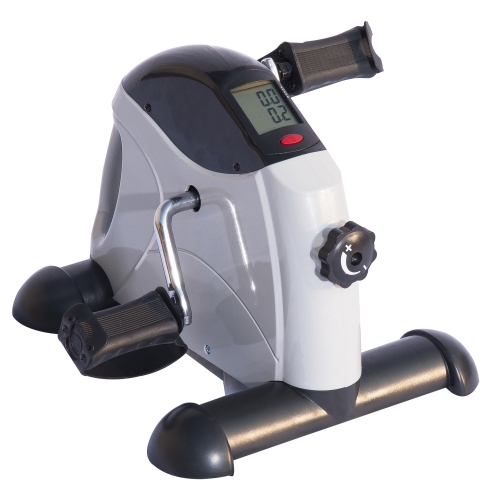
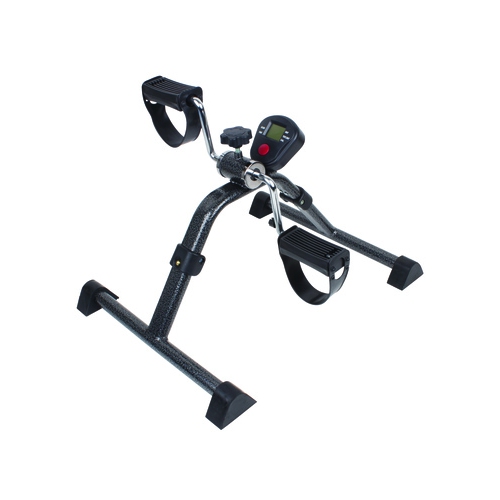
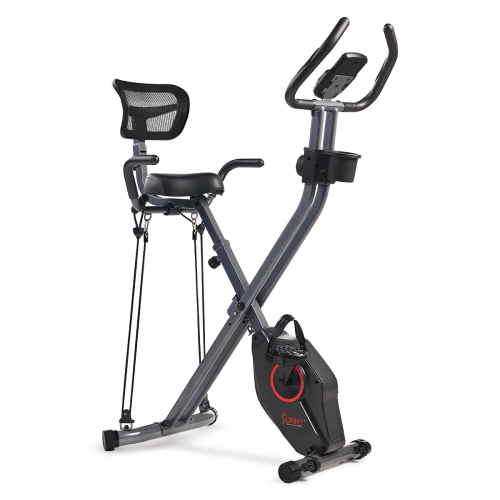
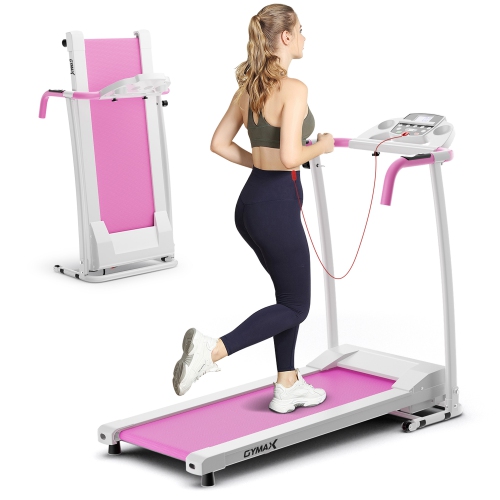
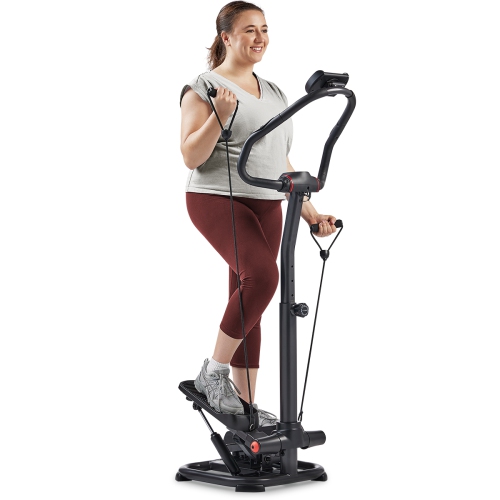
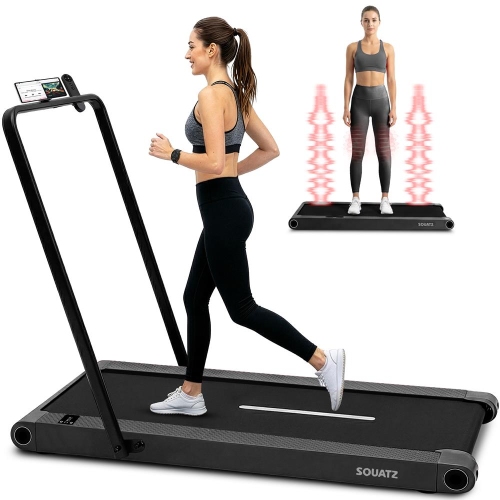
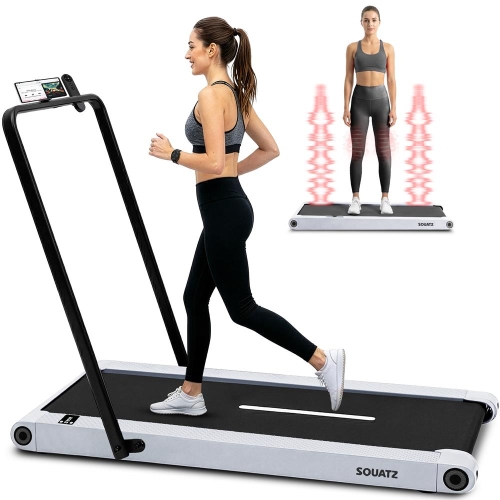
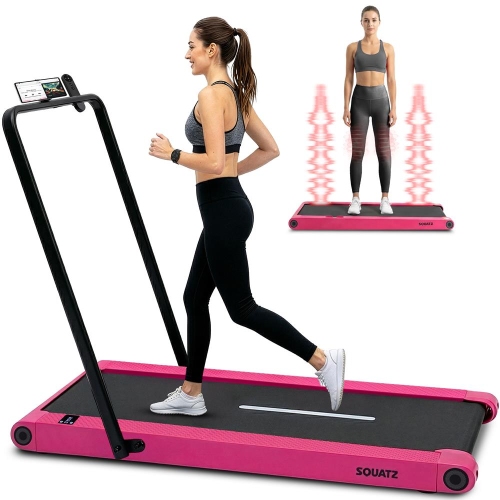
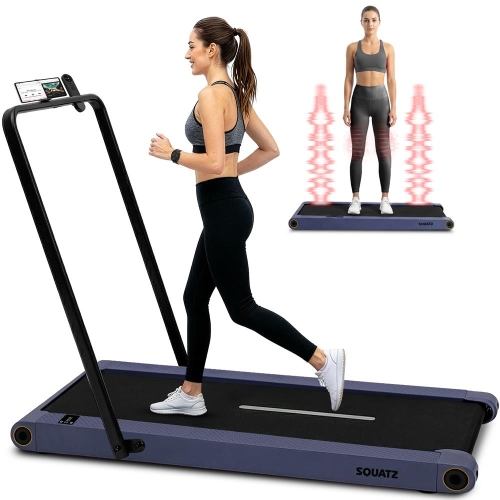
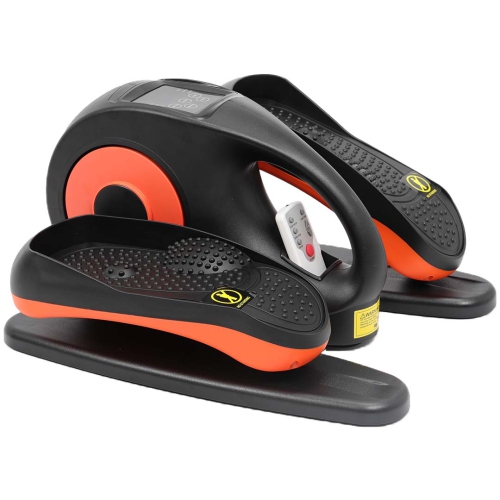
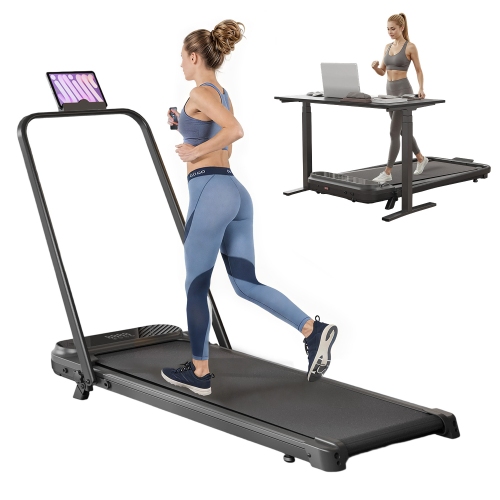
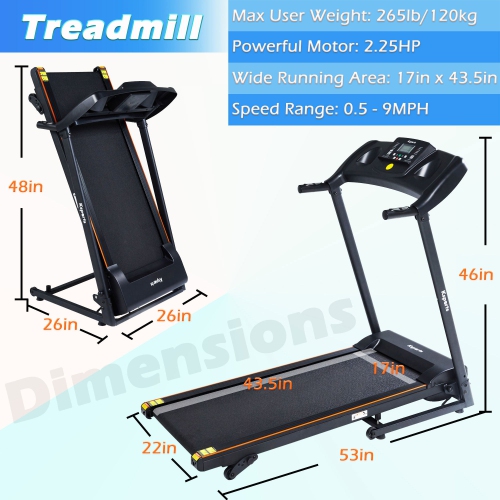
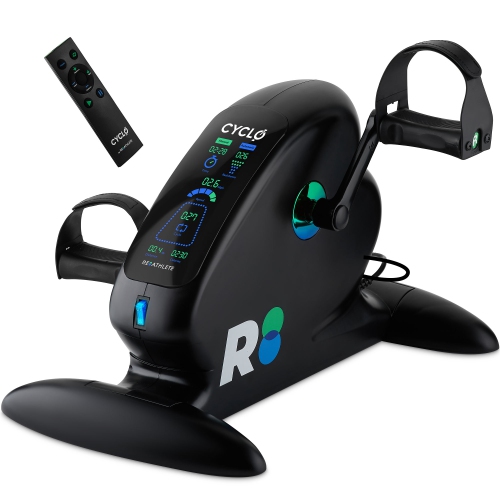
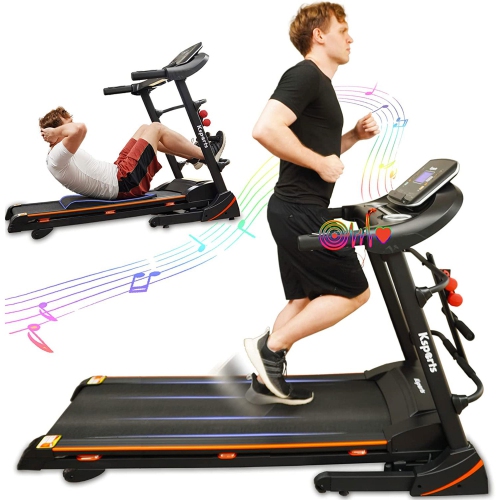
Cardio equipment for beginners supports repeatable activity with controls that are easy to understand and settings that accommodate a comfortable pace. Treadmills provide a moving surface for walking and, where the machine is designed for it, jogging or running. A suitable belt length and width help accommodate a natural stride, while accessible speed controls and an emergency stop feature are important considerations for new users. Walking on a treadmill generally involves less impact than running, but cushioning does not make every machine equally comfortable for every person. Stationary bikes support seated pedalling without the repeated foot strikes of walking or running. Seat height, reach to the handlebars, and pedal placement affect comfort, particularly during longer sessions. Upright and recumbent designs offer different riding positions; a recumbent layout typically includes a backrest and places the pedals farther forward. Neither style is automatically the best fit for everyone, and ease of getting on and off can matter as much as the riding position itself. Elliptical machines keep the feet in contact with the pedals through a continuous motion, although step-up height, stride length, and balance demands deserve attention. Equipment with gradual resistance changes can accommodate both an easy introductory session and a more demanding workout as familiarity develops. Simple displays showing time, speed, distance, or resistance may be more useful to a beginner than a crowded menu of features. Displayed calorie figures are estimates rather than exact measurements of individual effort. A closer look at Cardio Equipment for Beginners can help narrow the focus to walking, cycling, and other aerobic exercise options. For a shared household, adjustment ranges are especially important because different users may need different seat positions, stride allowances, or handlebar settings. Noise also shapes the experience: motor sound, pedal movement, and vibration through the floor can all affect whether a machine fits comfortably into an apartment or a room beside a home office. Published dimensions, user weight limits, power requirements, and manufacturer-specified clearances provide a more complete picture than appearance alone.
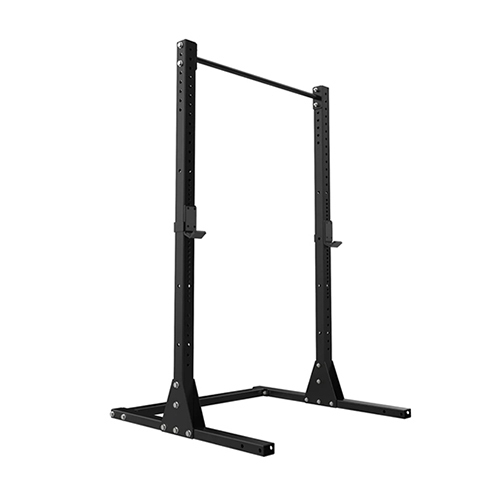
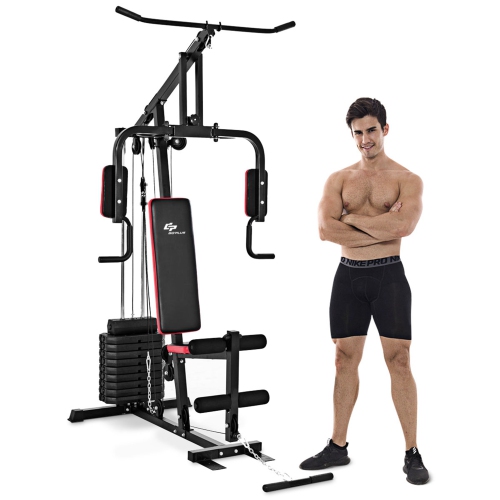
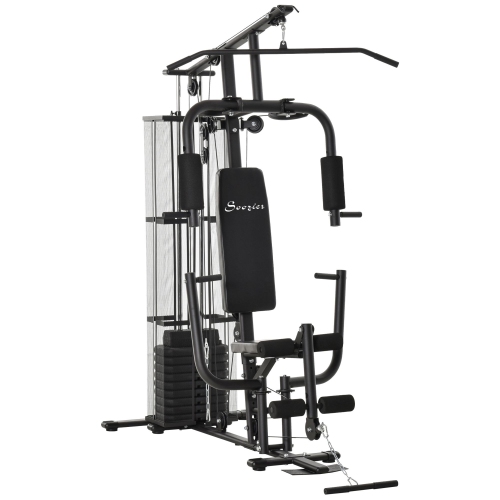
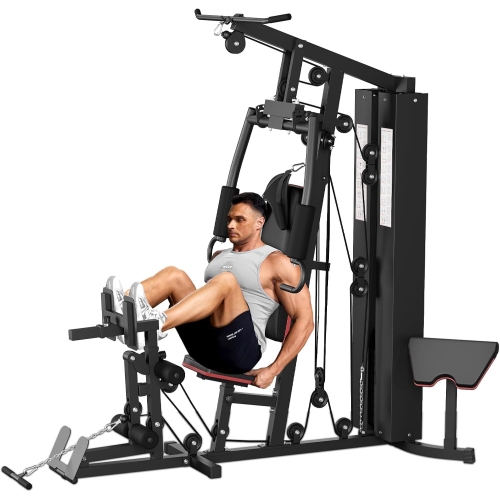
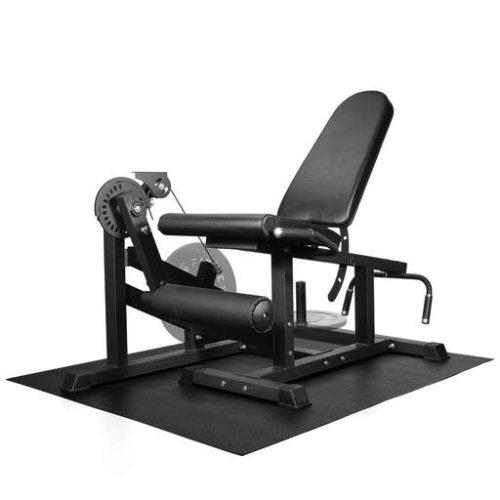
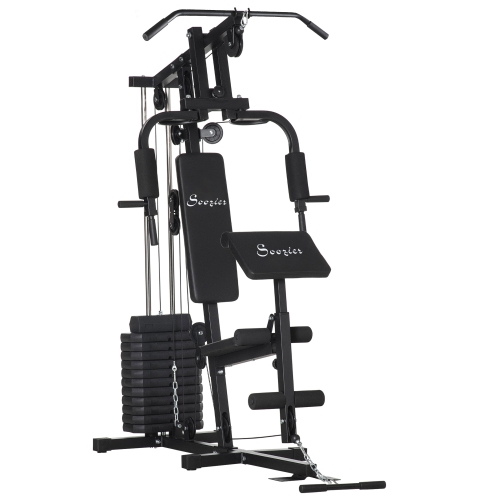
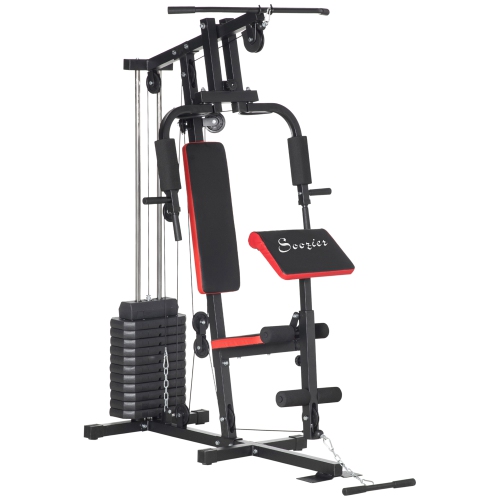
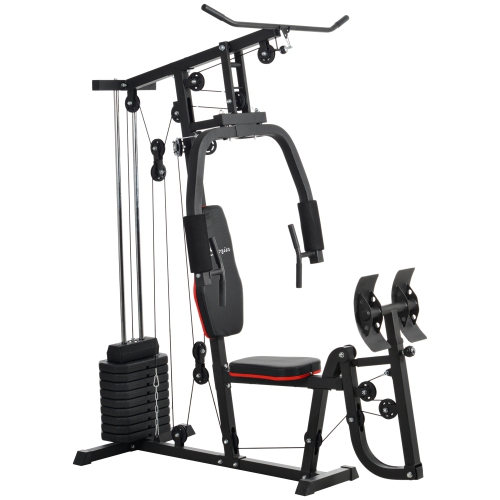
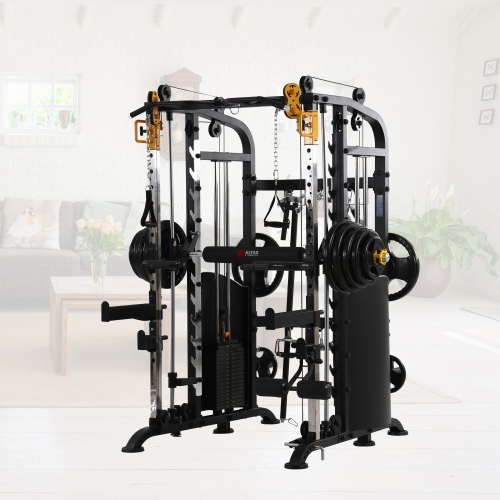
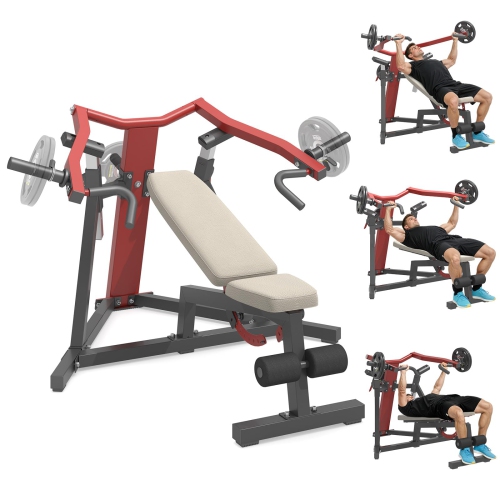
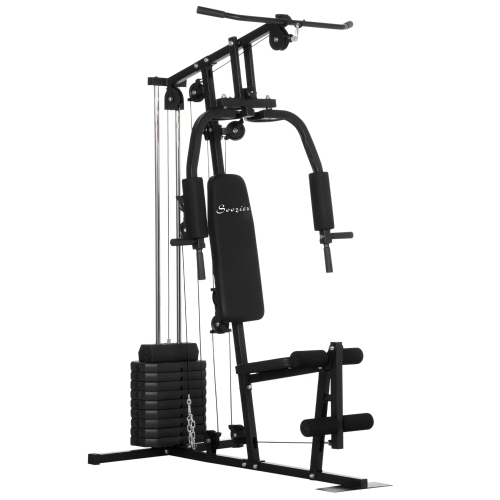
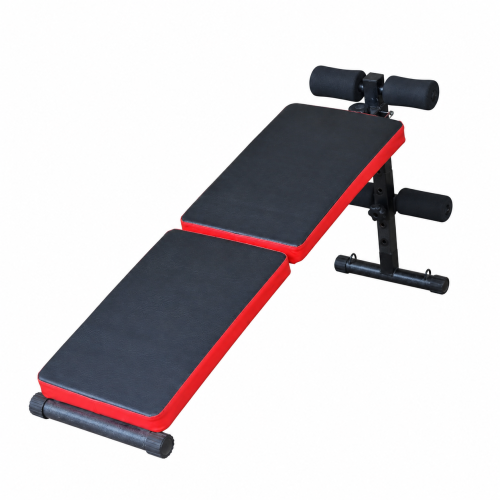
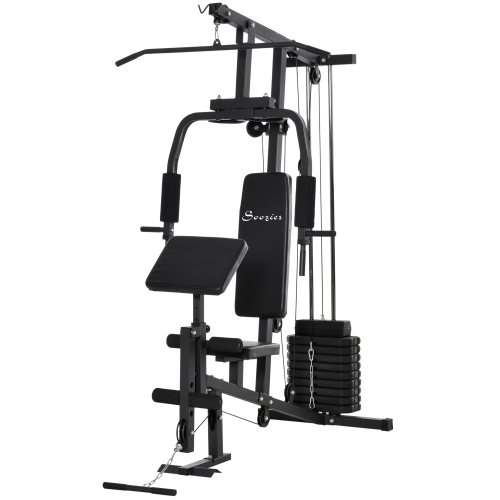
Materials, construction, and upkeep help determine how exercise equipment feels after the novelty of the first few sessions has passed. Steel frames can provide a solid base, but stability also depends on the design, assembly, and levelness of the floor. Weight benches need a suitable load rating that accounts for the user and any weights, along with secure adjustment points and padding that supports the intended exercises. Selectorized weight machines use a pin to select resistance and guide movement along a defined path. Designs for exercises such as lat pulldowns or leg presses can reduce the need to balance a free weight, but correct seat positioning, suitable resistance, and proper use of any safety stops remain essential. Guided movement does not guarantee that a machine fits every body size or range of motion. On smaller equipment, textured handles can improve grip, while rubber or similar coatings may help reduce contact noise; coated weights can still damage flooring if dropped. Bands may contain latex or use other elastic materials, making material information relevant for anyone with a latex sensitivity. Tears, cracks, worn connections, or damaged handles are reasons to stop using a band until it can be replaced. Cleaning requirements vary, but following the manufacturer's directions helps protect upholstery, grips, mats, and moving parts. Sweat should not be left to sit on surfaces, and abrasive cleaners or unapproved lubricants may damage finishes or components. Storage deserves equal attention. A folding machine still needs adequate room when open, and its folded dimensions do not reveal how easy it is to move. Secure storage keeps weights from becoming tripping hazards and helps keep equipment away from children and pets. For a beginner receiving fitness equipment as a gift, a known activity preference and a realistic understanding of their space are more helpful than assumptions about body size or fitness goals. Equipment should suit the recipient's interests rather than create pressure to follow a particular routine. Whether the aim is general fitness, building strength, or returning to regular movement, a comfortable fit, straightforward operation, and manageable care requirements make equipment easier to use consistently.
Top selling and popular products
-
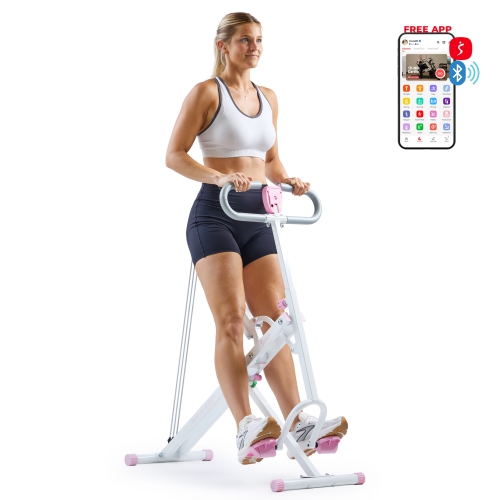 Your price for this item is $179.95
-
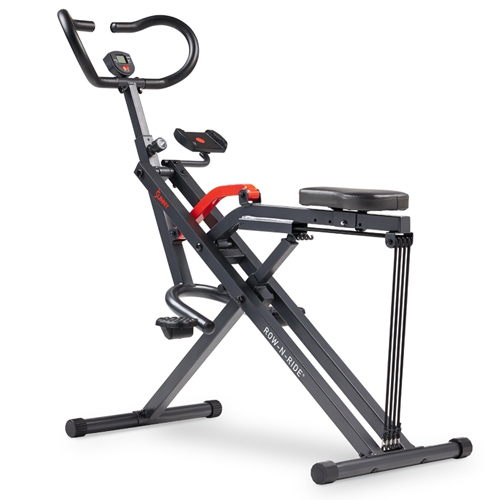 Your price for this item is $249.95
-
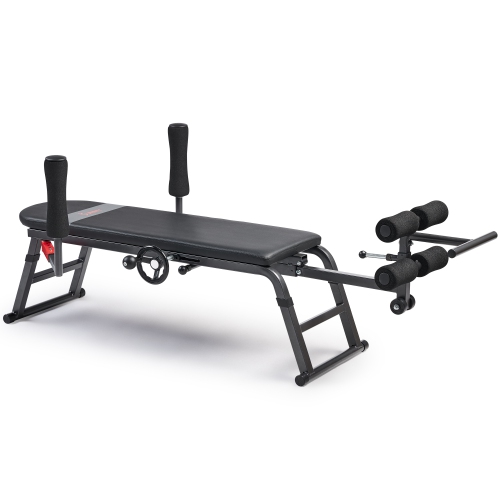 Your price for this item is $419.99
-
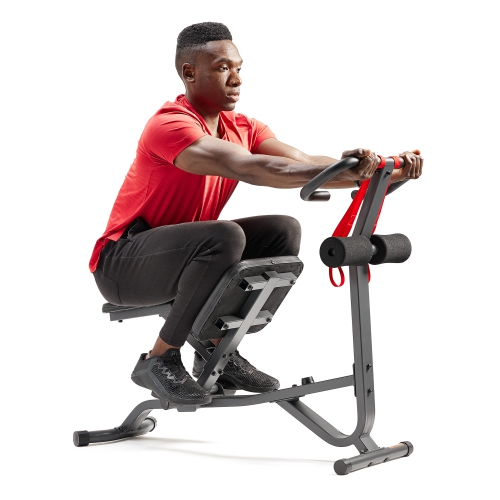 Your price for this item is $419.99
-
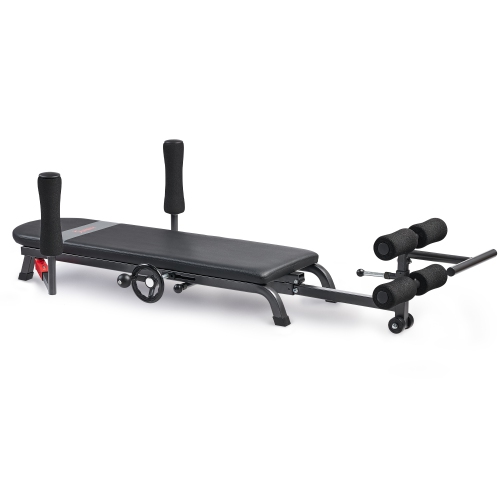 Your price for this item is $369.99
-
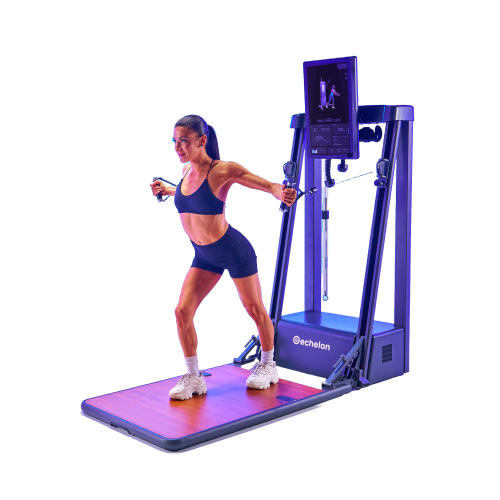 Your price for this item is $4109.99
-
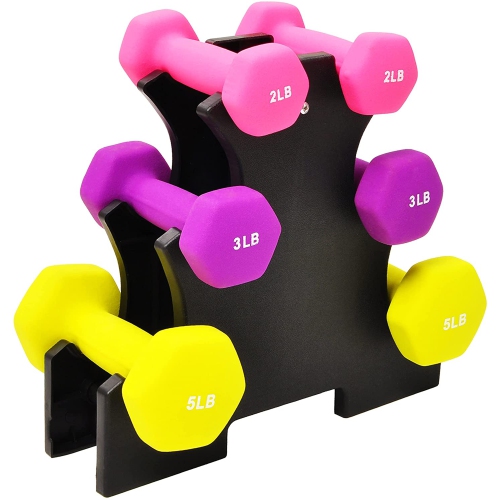 Your price for this item is $90.99
-
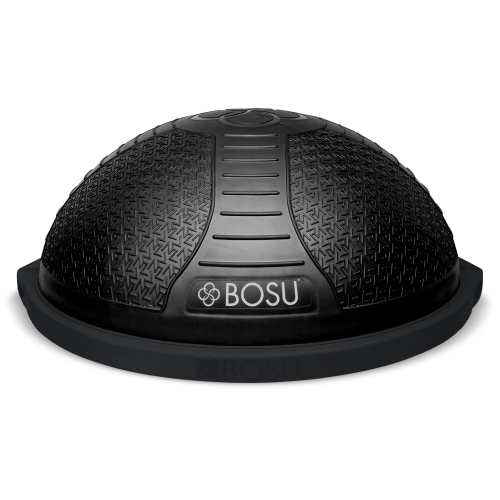 Your price for this item is $481.99
Discover more categories related to Exercise Equipment for Beginners


Top Collections:
Pokemon Centers, Kindle Devices, Best Budget Office Chairs, Canon G7X Cameras, Apple iPhones 16, Samsung Galaxy Phones, Refurbished Apple Laptops, Laptops for Students, iPhone 15 Apple, Budget Smartphones
Some products may be subject to Environmental Handling Fees
(EHF) depending on your province.
Learn more about EHFs.