Fitness Equipment for Home Workouts
Transform your exercise routine with fitness equipment for home workouts, designed to help you achieve your goals on your schedule. Whether you're setting up a dedicated gym space or looking for compact solutions that fit seamlessly into your home, you'll find a wide variety of options to suit every level and preference. Explore choices that support strength training, cardio, flexibility, and more, making it easier than ever to stay active without leaving the comfort of your home. Find the right tools to create an effective and enjoyable workout environment tailored to your lifestyle.
Sort

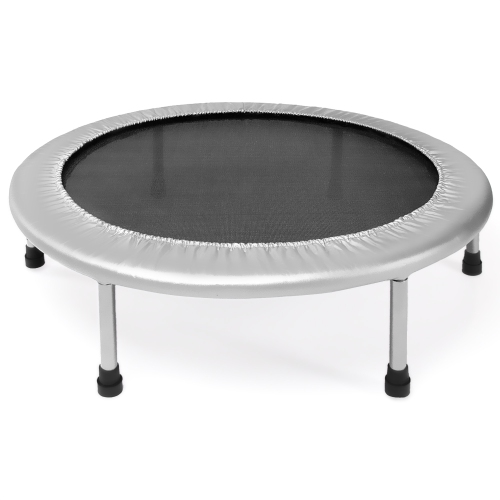

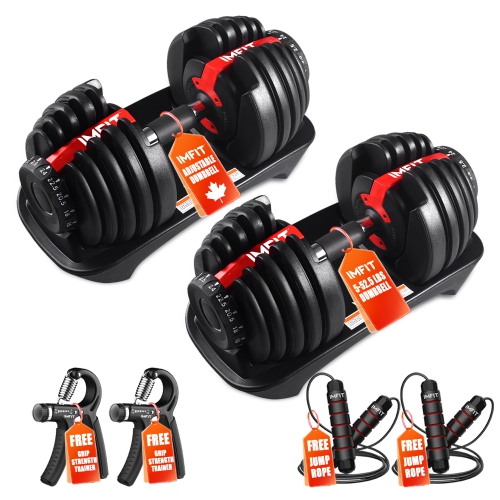
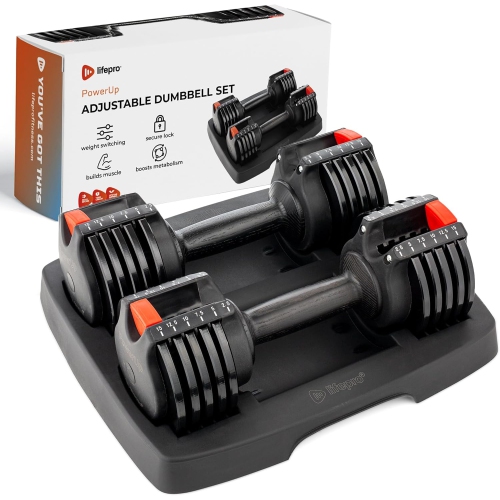
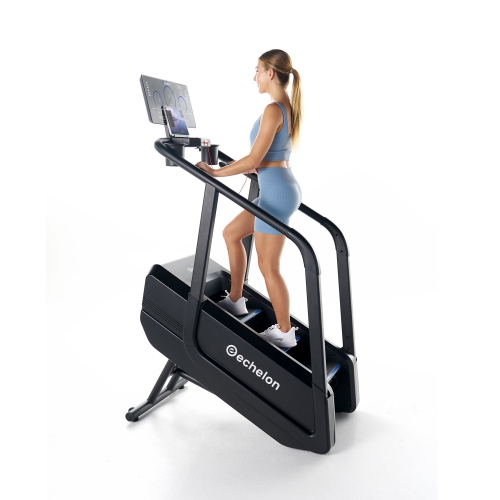

Workout equipment that fits your space and routine
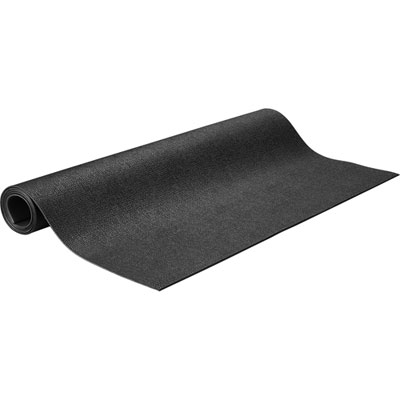
Fitness equipment for home workouts brings strength training, cardio, mobility, and stretching into a space that fits everyday life. Common home workout essentials include adjustable dumbbells, resistance bands, an exercise mat, and a sturdy exercise bench, with each serving a different purpose. Adjustable dumbbells provide several weight settings in a compact footprint and support movements such as curls, rows, presses, and lunges. Their usefulness depends on more than the range of resistance: comfortable handles, secure weight selection, and manageable dimensions all affect how they feel during a workout. Resistance bands offer another space-saving way to train, with looped designs suited to certain lower-body exercises and longer bands or handled styles supporting a broader range of pulling and pressing movements. Different resistance levels allow exercises to be adapted, although the colour coding and resistance descriptions can vary between manufacturers. An exercise mat creates a defined surface for stretching, core work, and floor-based movements. Thickness, grip, and firmness matter in different ways; generous cushioning can feel comfortable beneath knees and elbows, while a firmer surface may provide steadier footing for standing exercises. An adjustable bench expands free-weight exercise options by supporting flat and inclined positions, with decline settings available on some designs. A stable base, supportive padding, and clearly stated load limits are important considerations, especially when the bench must support both body weight and lifting equipment. These categories can suit a spare-room training area or a smaller setup that is packed away after each session. A mat that rolls neatly, bands that fit into a drawer, and weights with dedicated storage help keep a shared living space usable between workouts. The right combination reflects the movements someone actually enjoys rather than the amount of equipment a room can hold. A short strength session beside the sofa has different space requirements from a routine that includes bench presses, step-ups, and full-length stretches. Enough clearance to move without brushing furniture makes even a modest setup feel more practical.
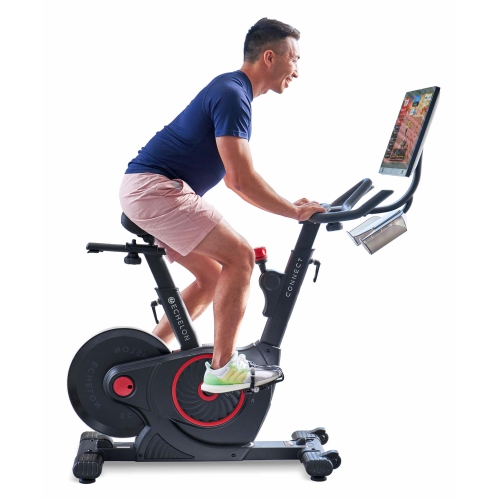
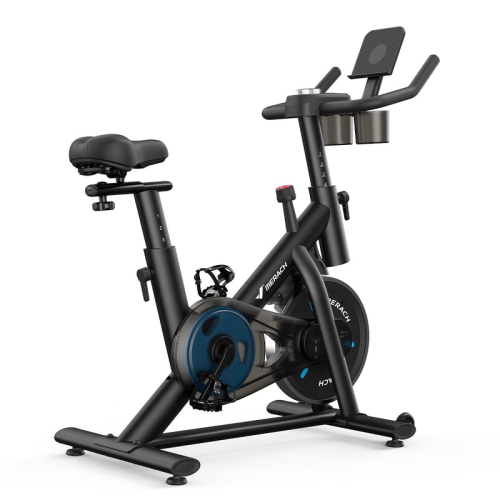
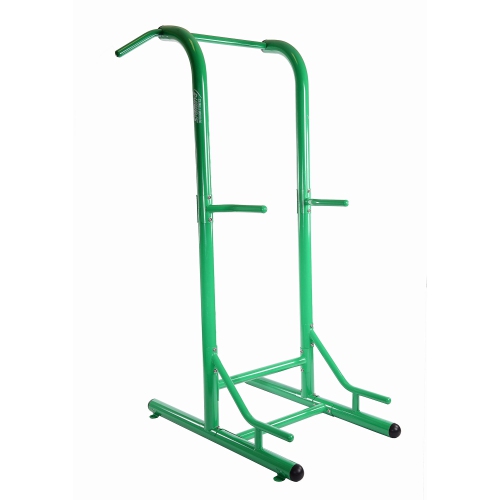
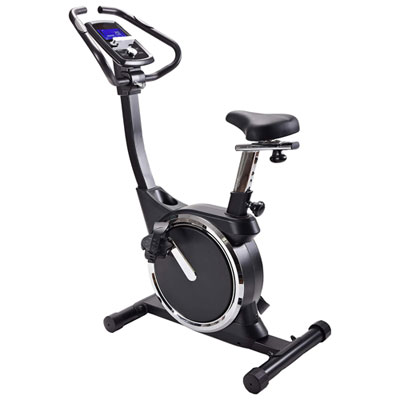
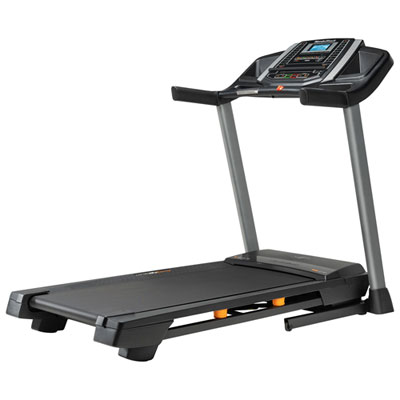
Larger fitness equipment for home workouts can create a more dedicated training space, whether the focus is cardiovascular exercise, guided resistance training, or a combination of both. Treadmills support indoor walking and running, with belt dimensions, cushioning, speed settings, and incline options influencing their intended use. Exercise bikes offer seated cardio, while upright and recumbent designs differ in riding position and support. Seat adjustment, handlebar reach, and pedal placement help determine whether a bike feels comfortable during longer sessions. Rowing machines combine coordinated leg, body, and arm movement, and their long operating footprint needs to be considered alongside any upright or folded storage dimensions. Elliptical machines provide another cardio option, with stride length and pedal spacing affecting how naturally the movement fits the user. For strength training, multi-gyms and cable stations can bring several exercises into one structure, although the space needed for moving handles, extending legs, and accessing attachments may exceed the frame’s dimensions. Pull-up bars add body-weight exercise options, but their mounting method must suit the structure supporting them and the manufacturer’s installation requirements. Doorway, wall-mounted, and freestanding designs are not interchangeable simply because they serve a similar purpose. Across larger equipment, ceiling clearance, floor suitability, entryways, and access for assembly all deserve attention. A machine that fits its intended corner still needs a clear path through the home. Materials and construction also affect everyday use: rigid frames, secure connections, stable feet, and durable contact surfaces contribute to a solid feel, while upholstery and grips should tolerate repeated contact and routine cleaning. Floor-protection mats designed for exercise equipment can help separate machine feet from finished flooring, though they do not replace a suitable supporting floor. Noise matters in shared homes, too. Motor sound, vibration, and the impact of footsteps or moving weights can travel beyond the workout area, making placement and controlled movement important parts of a comfortable home setup. Adequate operating clearance also leaves room to get on and off equipment safely without squeezing between nearby walls or furniture.
Comfort, fit, and care are just as relevant to compact fitness accessories as they are to larger machines. A weight handle should allow a secure grip without forcing an awkward wrist position, and a bench should provide support without restricting the intended movement. Band length and resistance need to suit the exercise rather than encourage a shortened or strained range of motion. Equipment designed for lighter stretching sessions may not be appropriate for heavy lifting or repeated high-impact use, so intended use and stated capacity help distinguish superficially similar choices. Regular care supports dependable performance: washable or wipe-clean surfaces are useful where hands, shoes, and sweat make frequent contact, and cleaning methods should match the material. Mats benefit from being allowed to dry before storage, while bands need periodic checks for splits, wear, or damaged attachment points. Fasteners, cables, moving parts, and weight-selection mechanisms may require inspection or maintenance according to their instructions. Keeping small accessories in a basket or rack and returning weights to a secure holder reduces clutter and makes the next session easier to begin. Home workout equipment can suit beginners establishing a repeatable routine, experienced exercisers adding sessions between gym visits, and people who prefer a private space for movement. It can also be a thoughtful gift when the recipient’s interests, available space, and preferred activities are already known; an unwanted large machine is a very different commitment from a compact accessory for an existing routine. The range of Best Home Exercise Equipment offers another way to explore equipment suited to different types of home training. Practical details often determine what gets used regularly: a bench that adjusts without fuss, a mat that lies flat, or cardio controls that are easy to reach can make a meaningful difference. For connected equipment, screen visibility, device compatibility, power access, and any ongoing service requirements also shape the experience. A well-matched home setup supports familiar exercises, leaves room to move comfortably, and is straightforward to care for between sessions.
Top selling and popular products
-
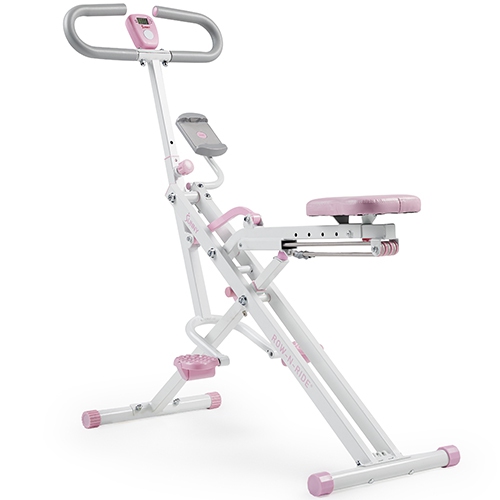 Your price for this item is $214.99
-
 Your price for this item is $199.95
-
 Your price for this item is $1799.99
-
 Your price for this item is $338.99
-
 Your price for this item is $2701.98
-
 Your price for this item is $284.95
-
 Your price for this item is $259.99
-
 Your price for this item is $194.95
Discover more categories related to Fitness Equipment for Home Workouts
Top Collections:
Pokemon Centers, Kindle Devices, Best Budget Office Chairs, Canon G7X Cameras, Apple iPhones 16, Samsung Galaxy Phones, Refurbished Apple Laptops, Laptops for Students, iPhone 15 Apple, Budget Smartphones
Some products may be subject to Environmental Handling Fees
(EHF) depending on your province.
Learn more about EHFs.