Foot Massagers for Plantar Fasciitis
Foot Massagers for Plantar Fasciitis are designed to help soothe and relax tired feet after a long day. Whether you’re looking to unwind at home or seeking comfort after standing for extended periods, these foot massagers offer a convenient way to target discomfort associated with plantar fasciitis. Explore a wide selection of options that cater to different preferences and needs, making it easier to find the right fit for your daily routine. Discover how Foot Massagers for Plantar Fasciitis can enhance your comfort and support your foot care goals.
Sort





Why pressure control matters for tender arches and heels
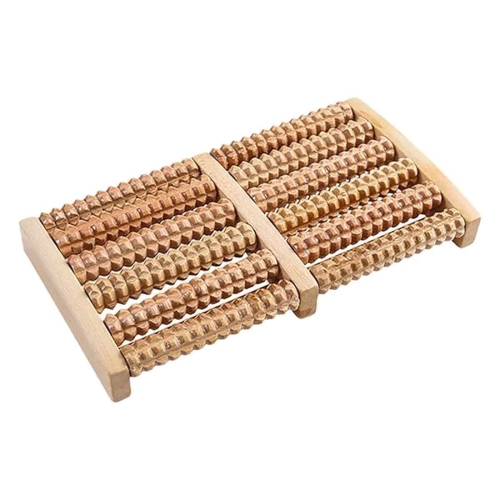
Foot massagers for plantar fasciitis include manual rollers, stationary arch massagers, and electric units, each offering a different balance of pressure control, coverage, and convenience. Plantar fasciitis commonly causes pain beneath the heel, where the plantar fascia—a strong band of tissue connecting the heel to the toes—attaches to the heel bone. Discomfort can be especially noticeable with the first steps after waking or after sitting for a while. Massage may help some people feel more comfortable, but it does not cure plantar fasciitis or replace an appropriate treatment plan. For gentle, targeted use, manual foot rollers and stationary arch tools make it easy to adjust pressure by changing how firmly the foot rests on the surface. A roller moves beneath the sole, while a stationary tool lets the foot settle against a curved or raised surface without continuous rolling. Smooth contours provide broader contact; pronounced ridges or textured sections create a more concentrated sensation that may feel too intense on a sensitive foot. A seated position generally offers better control than standing with full body weight on the tool. Picture a small roller beneath a chair: the foot can move slowly over it, pause at a comfortable point along the arch, and lift away immediately if the sensation becomes unpleasant. Light pressure is a sensible starting point, particularly when the heel is already sore. Avoid pressing hard against the heel bone or repeatedly rolling over a painful attachment point. The aim is a comfortable massage, not an attempt to push through sharp pain or force the tissue to stretch. Short, gentle sessions allow time to judge how the foot responds, including whether discomfort increases afterwards. A stable base, a shape that follows the arch comfortably, and a surface that does not slide across the floor can matter more than an elaborate design. For anyone who wants precise control over the location and intensity of contact, a simple manual format can be a practical choice.
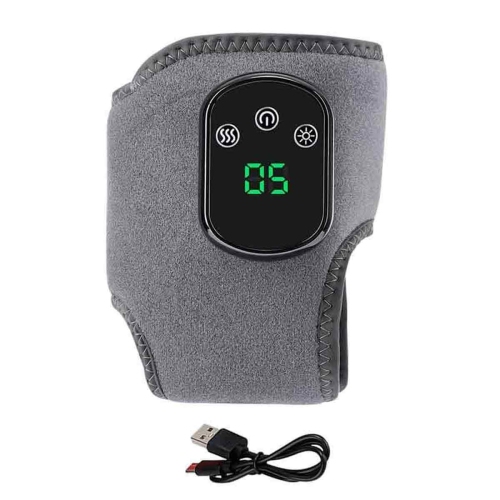
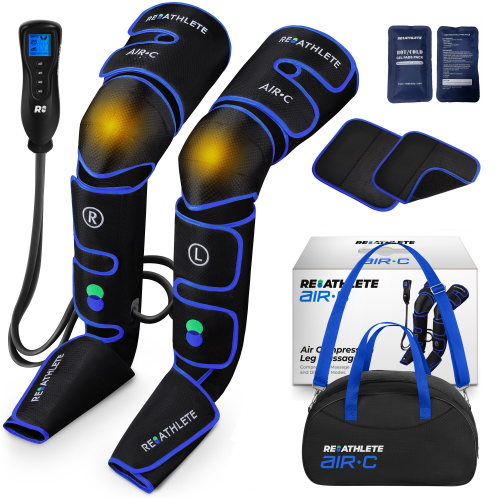
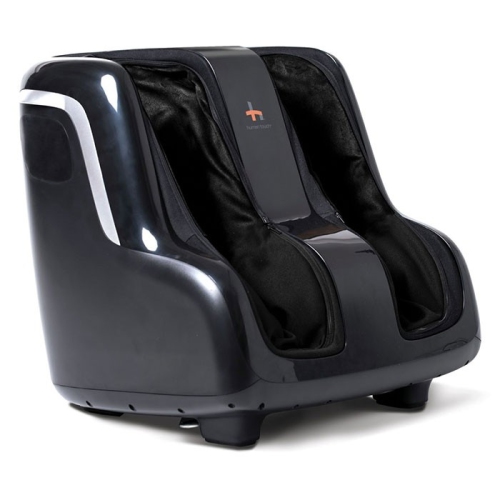
Electric foot massagers suit shoppers who prefer a seated, hands-off experience, but their features deserve a close look when tenderness is concentrated around the arch or heel. Shiatsu-style units typically use moving nodes to create a kneading sensation, while other designs offer vibration, air compression, or combinations of these functions. These sensations are not interchangeable: broad compression around the foot feels different from a firm node moving beneath one small area of the sole. Adjustable intensity is particularly useful because a setting that feels relaxing on a tired foot may be uncomfortable during a flare-up. Separate controls for kneading, compression, and optional heat give the user more flexibility than a single preset routine. Heat can add a soothing sensation, although it is optional rather than an essential feature for plantar fasciitis, and it should never feel excessively hot. An accessible stop button and a timer make it easier to keep sessions manageable. Fit also affects the experience. Enclosed foot chambers need enough room for both foot length and width, without squeezing the toes or placing the heel awkwardly against the mechanism. Shoppers with wider feet should check the stated dimensions and sizing information rather than relying solely on an advertised maximum shoe size. Open-platform designs offer more freedom to reposition the feet, though they may provide less wraparound contact. Materials influence comfort, care, and durability across both manual and electric formats. Wood can provide a firm rolling surface, while rubber, silicone, and foam offer varying degrees of grip and cushioning. A firmer material is not automatically a better choice for a tender arch. On electric units, soft fabric liners can make enclosed chambers more comfortable, and removable, washable liners simplify routine cleaning. Care should follow the manufacturer's directions: electrical housings should not be immersed, and cleaning products should be suitable for the contact surfaces. Secure roller axles, smooth edges, stable feet, sound seams, and a well-supported power cord are useful details to consider for repeated household use.
The right foot massager should fit the way it will actually be used, whether that means a compact roller beside a favourite reading chair or an electric unit brought out for a quiet seated break. People who spend much of the day standing, including retail staff, teachers, and hospitality workers, may appreciate an easy-to-use option for relaxing tired feet. Runners and walkers may also want targeted arch contact as part of a broader recovery routine; Foot Massagers for Runners offers a related selection for shoppers considering activity-focused use. Massage should complement, rather than displace, attention to supportive footwear, activity levels, and any stretches or exercises advised by a healthcare professional. Calf tightness can contribute to strain around the foot, so concentrating only on the sole may overlook another part of the picture. A physiotherapist or other qualified healthcare professional can help assess which approaches suit the symptoms and whether massage is appropriate. For shared use, easy-clean surfaces and removable liners are helpful; for use in a smaller room, storage space, cord placement, and operating noise can influence whether the massager becomes part of a regular routine. Someone with limited bending or hand mobility may prefer controls that are easy to reach without leaning forward. As a gift, a foot massager is most thoughtful when the recipient has expressed interest in one and its fit, controls, and pressure range match their preferences. A powerful kneading action is not necessarily a welcome surprise for someone with sensitive feet. Extra caution is important for people with reduced sensation, diabetes, poor circulation, recent injuries, or damaged skin, who should seek medical advice before use. Persistent or worsening heel pain also warrants assessment, and sudden severe pain or difficulty bearing weight should not be managed with massage alone. Comfort, controllability, and suitable fit are the strongest foundations for choosing a massager that supports a manageable foot-care routine.
Top selling and popular products
-
 Your price for this item is $139.99
-
 Your price for this item is $519.99
-
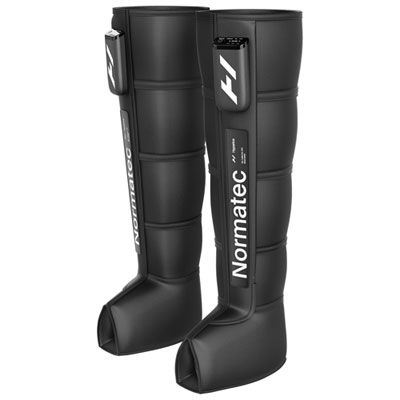 Your price for this item is $1399
-
 Your price for this item is $195.49
-
 Your price for this item is $212.49
-
 Your price for this item is $225.01
-
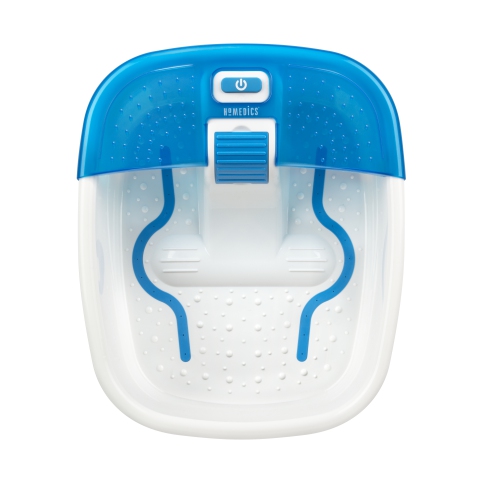 Your price for this item is $39.99
-
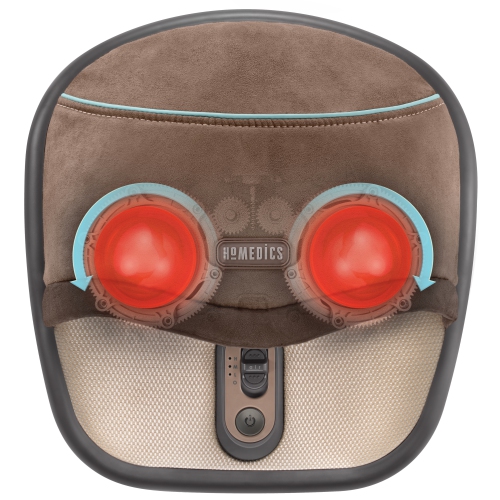 Your price for this item is $79.99
Discover more categories related to Foot Massagers for Plantar Fasciitis

Top Collections:
Pokemon Centers, Kindle Devices, Best Budget Office Chairs, Canon G7X Cameras, Apple iPhones 16, Samsung Galaxy Phones, Refurbished Apple Laptops, Laptops for Students, iPhone 15 Apple, Budget Smartphones
Some products may be subject to Environmental Handling Fees
(EHF) depending on your province.
Learn more about EHFs.