Hand Brace
Discover the perfect solution for support and comfort with our selection of hand braces. Whether you're managing an injury, seeking relief from strain, or looking to enhance your performance in daily activities, our range of hand braces offers options that cater to various needs. Designed to provide stability and ease of movement, these braces are ideal for anyone looking to maintain an active lifestyle while ensuring optimal hand health. Explore features that prioritize functionality and comfort, making it easier than ever to find the right fit for you.
Sort
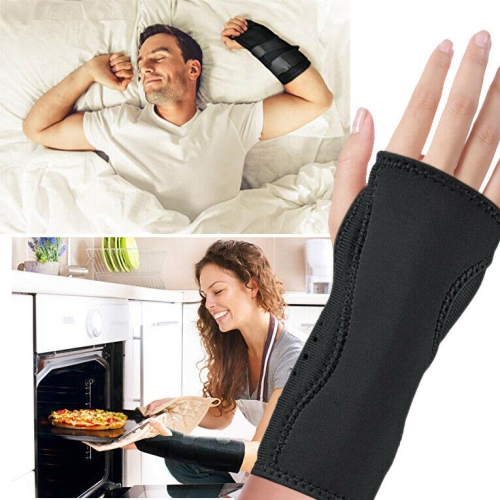
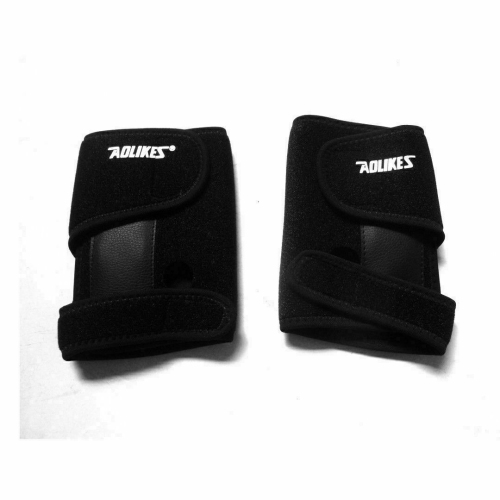
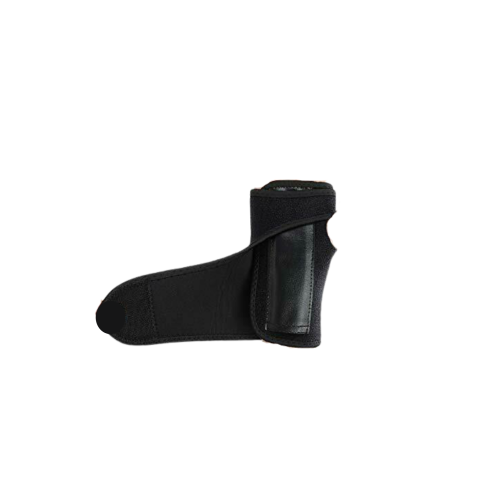
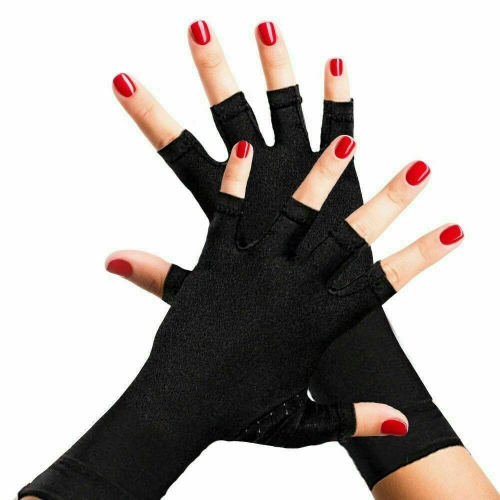
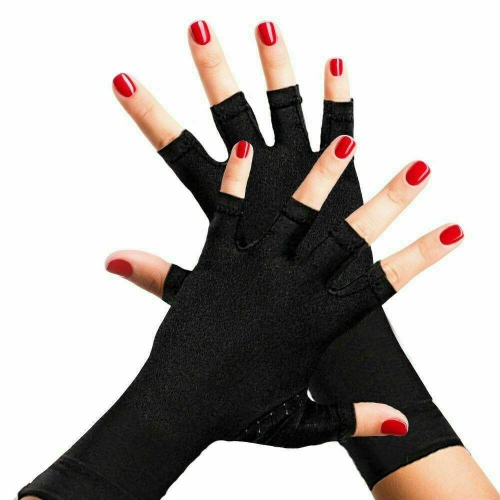
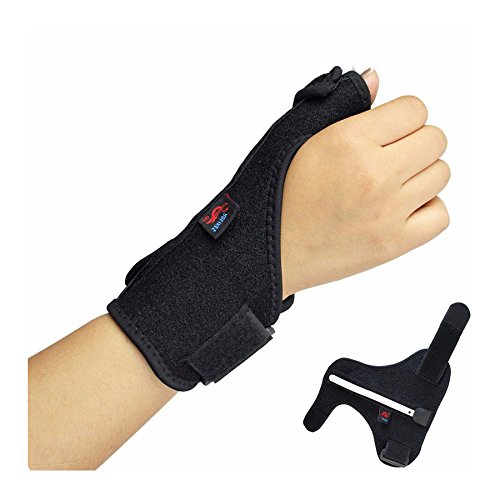
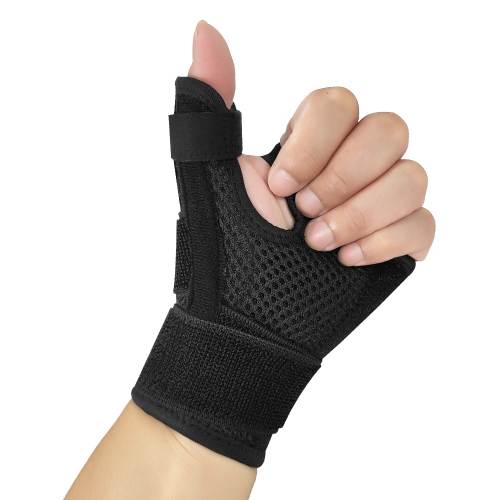
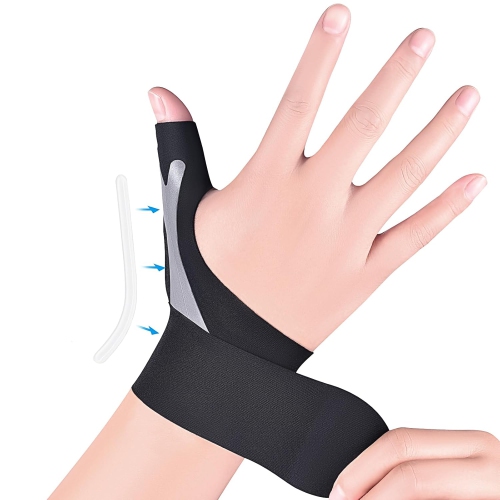
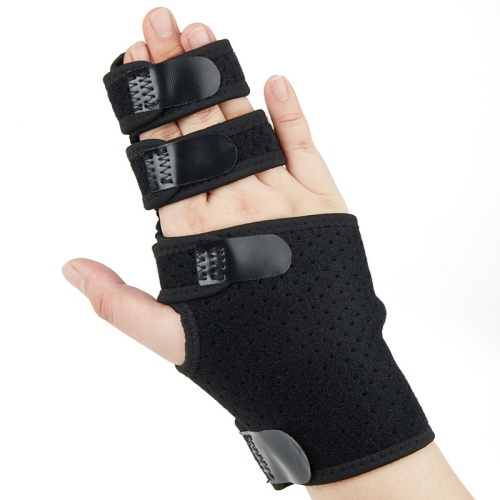

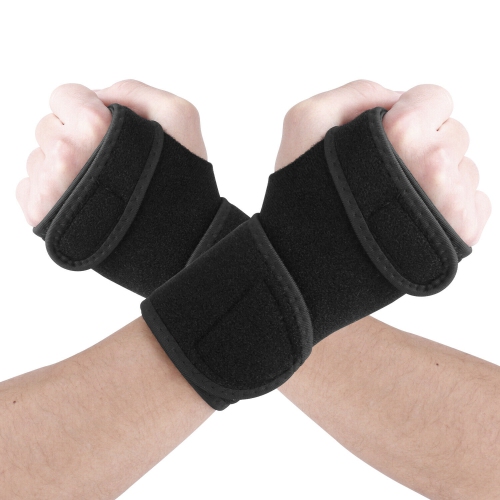
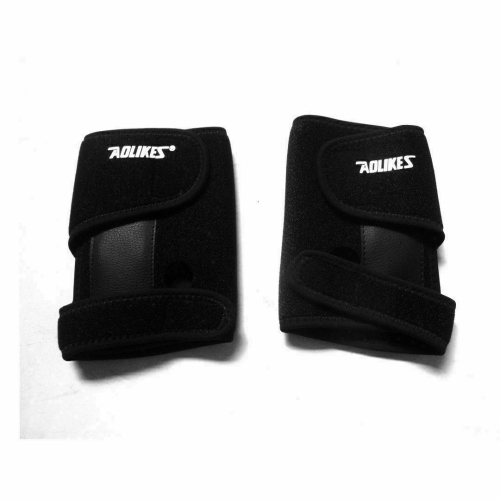
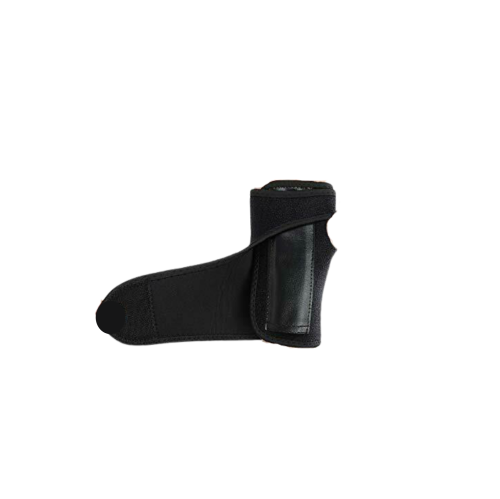
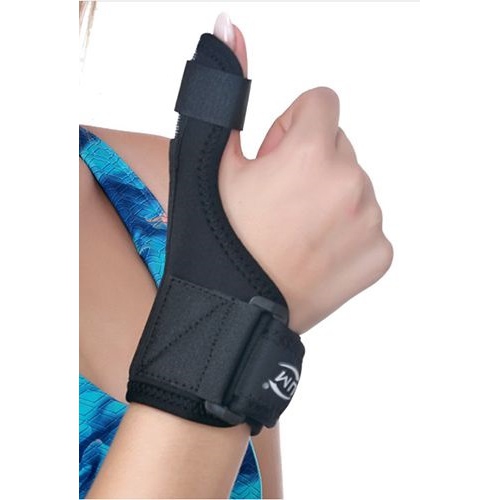
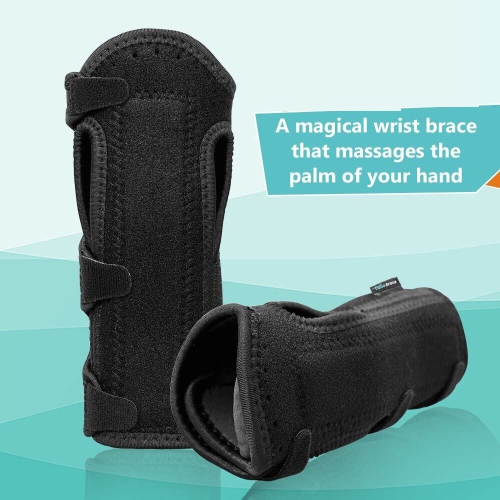
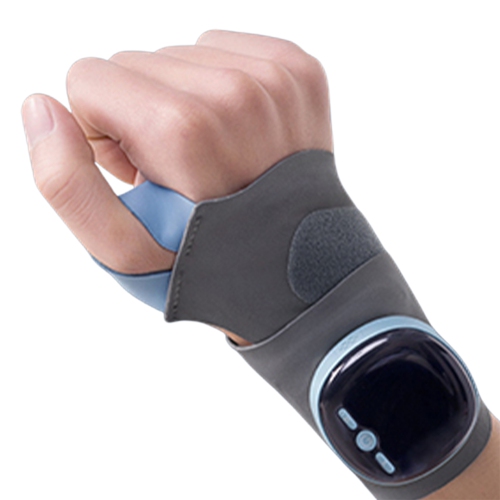
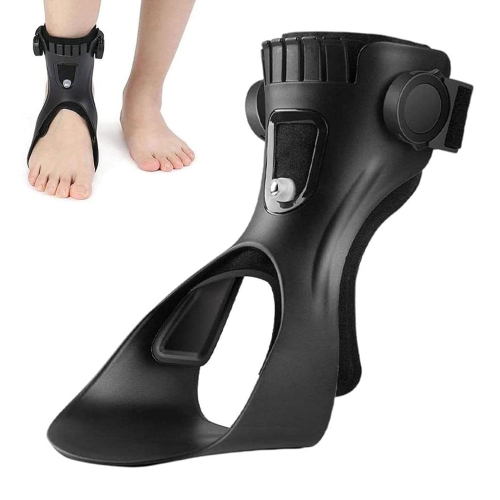

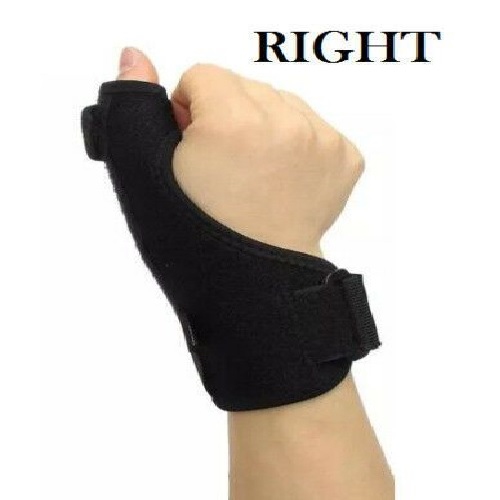

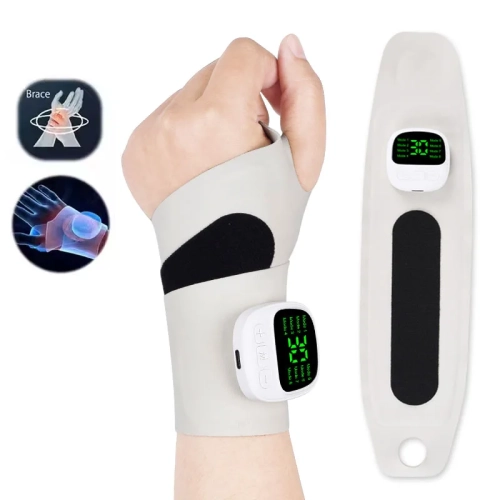
Support for comfort and stability during everyday activities
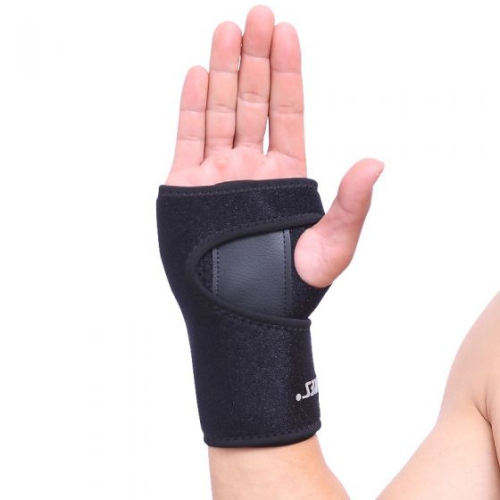
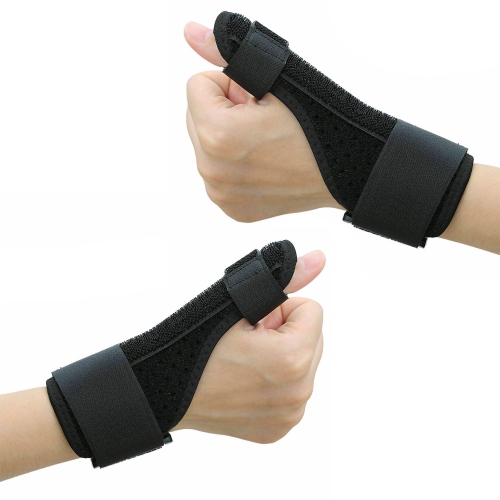
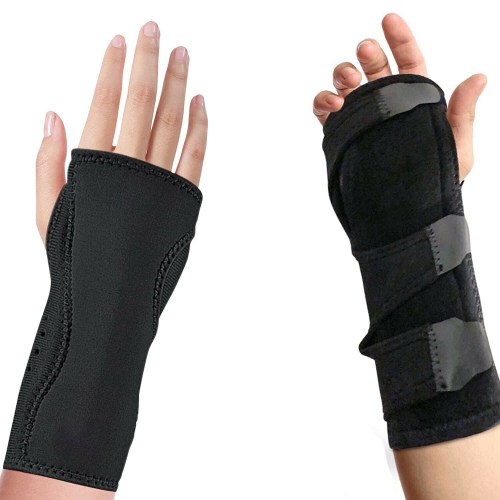
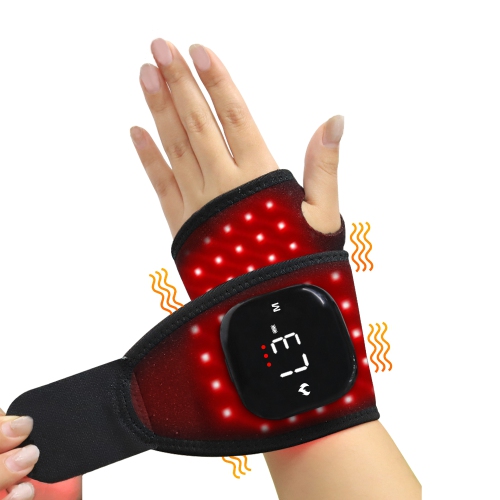
A hand brace can provide gentle support when everyday movement feels uncomfortable, the wrist needs added stability, or a healthcare professional has recommended limiting motion during recovery. Depending on the design, a brace may help support the hand, wrist, thumb, or fingers while you work, rest, sleep, or take part in light activities. People often choose a hand and wrist brace for temporary support after a minor sprain, during recovery from repetitive strain, or when symptoms associated with carpal tunnel syndrome or arthritis make gripping and bending more difficult. A brace may also be useful for people who spend long periods typing, using a mouse, crafting, playing an instrument, cooking, gardening, or handling tools. The right style depends on where support is needed and how much movement should remain possible. Soft, flexible designs can offer light compression and warmth while allowing more natural movement, making them practical during daytime tasks. Structured braces with stays or splints provide firmer support and can help keep the wrist in a more neutral position, which may be preferred during periods of rest or overnight wear. Thumb-supporting styles are shaped to reduce movement at the base of the thumb, while designs that cover more of the hand can provide broader support for the wrist and palm. Reversible options can be convenient when the same brace is intended for either hand, and adjustable straps make it easier to create a secure fit over different hand and wrist shapes. When choosing a hand brace, consider the area that needs support, the level of restriction required, the intended time of day for use, and whether the material will feel comfortable against the skin for extended periods. Breathable fabric can be helpful during longer wear, while a low-profile shape may fit more easily beneath a sleeve or alongside a keyboard and mouse.
Fit is one of the most important considerations when selecting a hand brace. It should feel secure without being painfully tight, and the fingers should generally remain warm, with normal colour and sensation. Numbness, tingling, increased pain, swelling, or changes in skin colour can indicate that the brace is too tight or not positioned correctly; remove it and reassess the fit rather than tightening the straps further. Follow the sizing information provided for the specific design, measuring the hand or wrist as directed and paying attention to whether the measurement is taken around the wrist, across the palm, or along the length of the hand. A brace that shifts, bunches, or presses against a sensitive area may not provide useful support, even if the overall size appears correct. For daytime activities, some people prefer a lighter brace that allows the fingers to move and objects to be handled comfortably. For sleeping, a more structured splint may help discourage the wrist from bending into an awkward position, although overnight use should follow the guidance of a doctor, physiotherapist, occupational therapist, or other qualified healthcare professional. A brace is intended to support comfort and movement management, not to diagnose the cause of pain or replace professional care. Seek medical advice for significant swelling, deformity, loss of strength, persistent numbness, an injury caused by a fall or impact, or symptoms that continue or worsen. Children, people with circulation concerns, and anyone recovering from surgery or a fracture should also choose a brace with professional guidance. It can be useful to note when discomfort appears, which activities make it worse, and whether symptoms are present during the day or at night. These details can help a healthcare provider recommend an appropriate type of support and a suitable wearing schedule. Someone looking for support higher up the arm or around the shoulder may also want to explore a Shoulder Brace for a different area of the body.
Comfort and care can make a noticeable difference when wearing a hand brace regularly. Start with clean, dry skin and position the brace according to its instructions, ensuring that seams, fasteners, and any rigid stays sit where intended. Avoid placing it over bulky clothing if that causes slipping or uneven pressure. During a workday, short breaks can allow the hand and wrist to move gently within a comfortable range, unless a healthcare professional has advised otherwise. A hand brace should not be used to push through sharp pain or to continue an activity that clearly aggravates symptoms. If the brace is washable, follow the care label closely. Remove detachable metal or plastic stays before washing when the instructions call for it, use the recommended water temperature, and allow the fabric to air-dry fully before wearing it again. Heat from a dryer or radiator may affect elastic materials, padding, or shaping. Check the brace from time to time for stretched straps, rough edges, flattened padding, or a worn fastening system, since damaged components can affect comfort and stability. A practical routine might involve wearing light support while completing computer work, removing it for cleaning and skin checks, and using a firmer style only when it has been recommended for rest or sleep. Hand braces can also be a thoughtful, practical gift for someone who spends cooler months knitting, baking, crafting, writing, commuting, or working at a desk, particularly when the recipient already knows the type of support they need. Since fit and medical requirements vary, gifting a general-purpose brace is best approached with attention to sizing, adjustability, and the recipient’s preferences rather than assuming one style will suit everyone. With the right fit, suitable level of support, and sensible care, a hand brace can become a useful part of a daily comfort routine while helping the wearer manage hand and wrist movement with greater confidence.
Fit is one of the most important considerations when selecting a hand brace. It should feel secure without being painfully tight, and the fingers should generally remain warm, with normal colour and sensation. Numbness, tingling, increased pain, swelling, or changes in skin colour can indicate that the brace is too tight or not positioned correctly; remove it and reassess the fit rather than tightening the straps further. Follow the sizing information provided for the specific design, measuring the hand or wrist as directed and paying attention to whether the measurement is taken around the wrist, across the palm, or along the length of the hand. A brace that shifts, bunches, or presses against a sensitive area may not provide useful support, even if the overall size appears correct. For daytime activities, some people prefer a lighter brace that allows the fingers to move and objects to be handled comfortably. For sleeping, a more structured splint may help discourage the wrist from bending into an awkward position, although overnight use should follow the guidance of a doctor, physiotherapist, occupational therapist, or other qualified healthcare professional. A brace is intended to support comfort and movement management, not to diagnose the cause of pain or replace professional care. Seek medical advice for significant swelling, deformity, loss of strength, persistent numbness, an injury caused by a fall or impact, or symptoms that continue or worsen. Children, people with circulation concerns, and anyone recovering from surgery or a fracture should also choose a brace with professional guidance. It can be useful to note when discomfort appears, which activities make it worse, and whether symptoms are present during the day or at night. These details can help a healthcare provider recommend an appropriate type of support and a suitable wearing schedule. Someone looking for support higher up the arm or around the shoulder may also want to explore a Shoulder Brace for a different area of the body.
Comfort and care can make a noticeable difference when wearing a hand brace regularly. Start with clean, dry skin and position the brace according to its instructions, ensuring that seams, fasteners, and any rigid stays sit where intended. Avoid placing it over bulky clothing if that causes slipping or uneven pressure. During a workday, short breaks can allow the hand and wrist to move gently within a comfortable range, unless a healthcare professional has advised otherwise. A hand brace should not be used to push through sharp pain or to continue an activity that clearly aggravates symptoms. If the brace is washable, follow the care label closely. Remove detachable metal or plastic stays before washing when the instructions call for it, use the recommended water temperature, and allow the fabric to air-dry fully before wearing it again. Heat from a dryer or radiator may affect elastic materials, padding, or shaping. Check the brace from time to time for stretched straps, rough edges, flattened padding, or a worn fastening system, since damaged components can affect comfort and stability. A practical routine might involve wearing light support while completing computer work, removing it for cleaning and skin checks, and using a firmer style only when it has been recommended for rest or sleep. Hand braces can also be a thoughtful, practical gift for someone who spends cooler months knitting, baking, crafting, writing, commuting, or working at a desk, particularly when the recipient already knows the type of support they need. Since fit and medical requirements vary, gifting a general-purpose brace is best approached with attention to sizing, adjustability, and the recipient’s preferences rather than assuming one style will suit everyone. With the right fit, suitable level of support, and sensible care, a hand brace can become a useful part of a daily comfort routine while helping the wearer manage hand and wrist movement with greater confidence.
Top selling and popular products
-
 Your price for this item is $65.93
 -
 Your price for this item is $259.99
 -
 Your price for this item is $549.99
 -
 Your price for this item is $84.99
 -
 Your price for this item is $299.99
 -
 Your price for this item is $89.91
 -
 Your price for this item is $54.99
 -
 Your price for this item is $47.95
Discover more categories related to Hand Brace
Top Collections:
Pokemon Centers, Kindle Devices, Best Budget Office Chairs, Apple iPhones 16, Canon G7X Cameras, iPhone 15 Apple, Alarm Clock, Refurbished Apple Laptops, Flip Phones, Best Laptops for Writers
Some products may be subject to Environmental Handling Fees
(EHF) depending on your province.
Learn more about EHFs.