Hand Weights
Looking to take your fitness routine to the next level? Our hand weights are the perfect addition to any workout regimen, whether you're a beginner looking to tone up or a seasoned pro aiming to increase strength. With a variety of weight options available, these versatile tools are designed to target specific muscle groups, enhance endurance, and help you achieve your fitness goals. Durable, comfortable to grip, and easy to incorporate into various exercises, our hand weights are a must-have for anyone looking to elevate their fitness game.
Sort
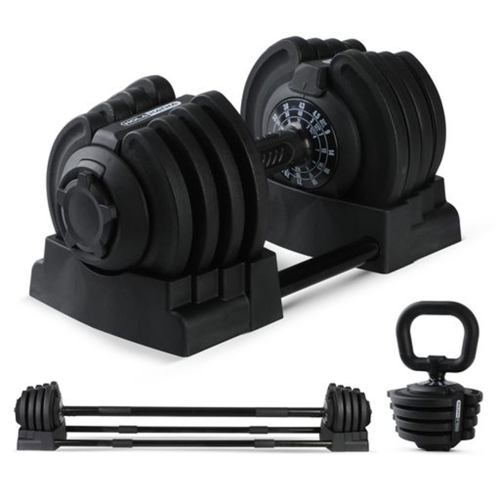
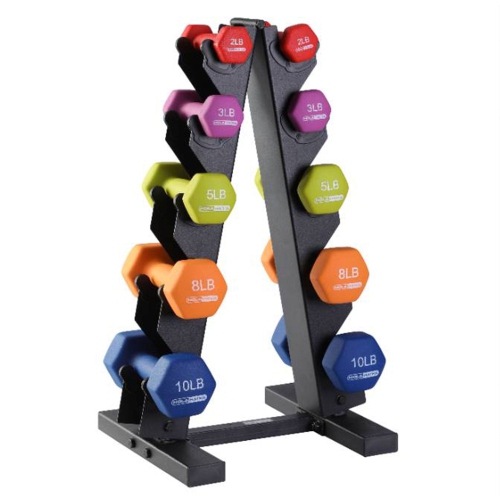
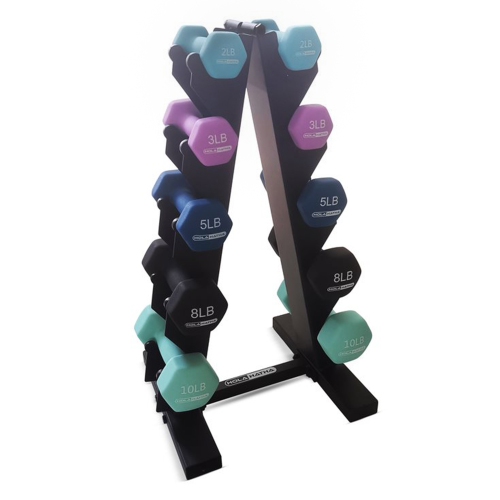
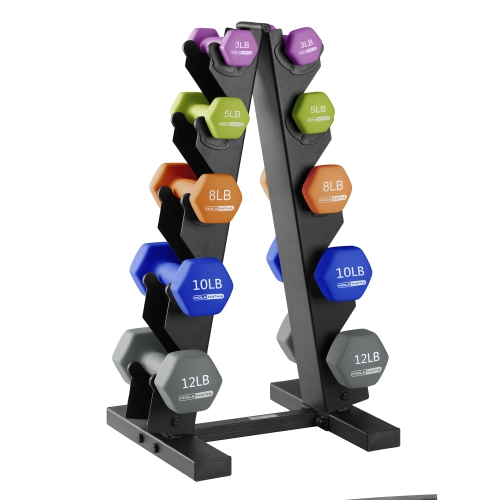
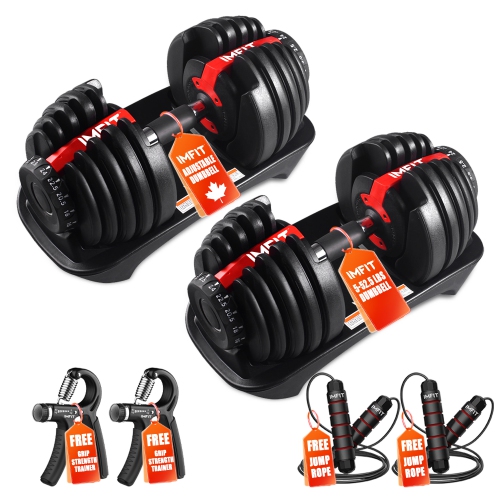
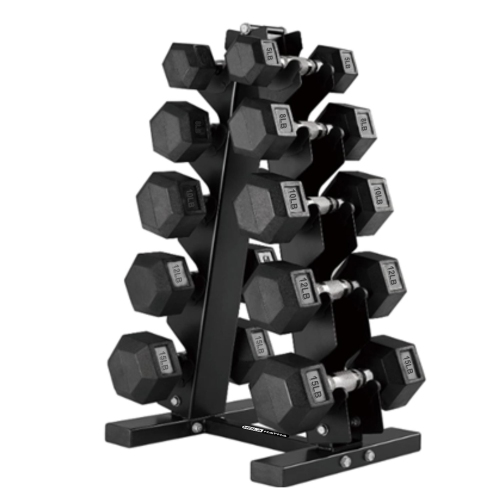
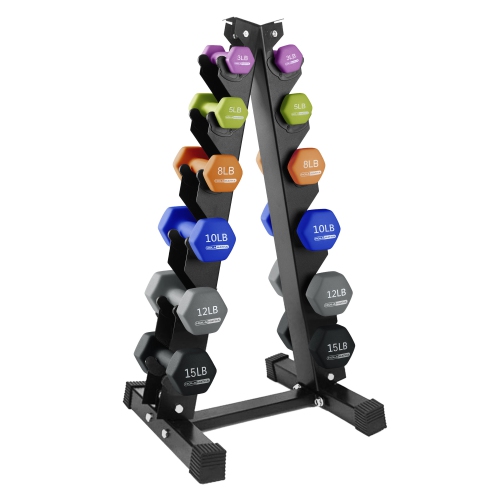
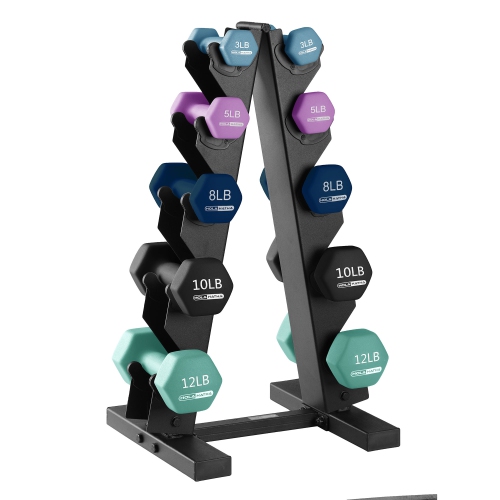
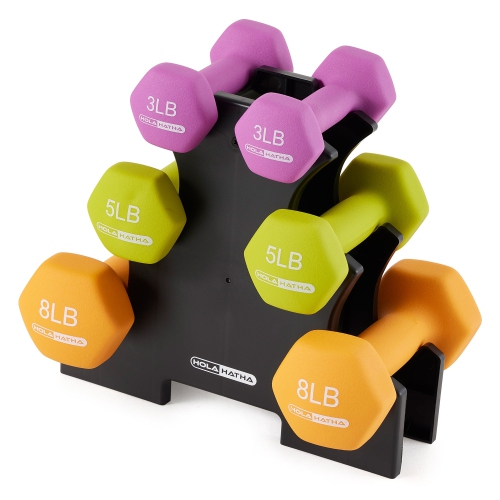
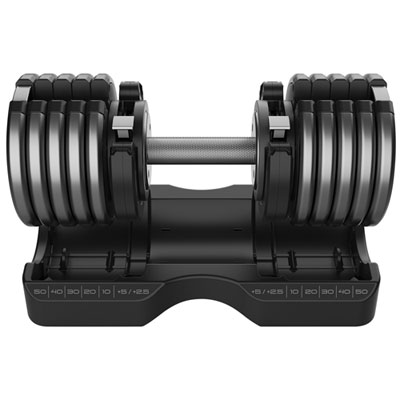
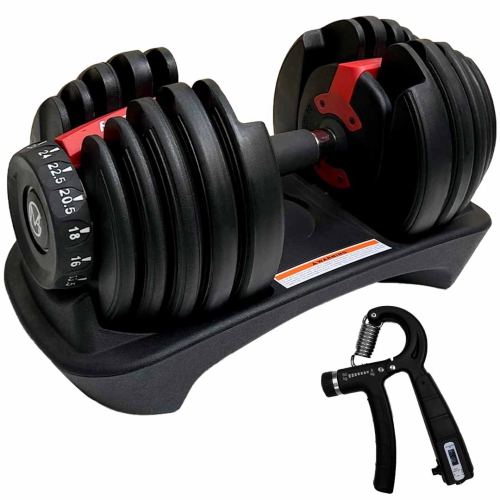
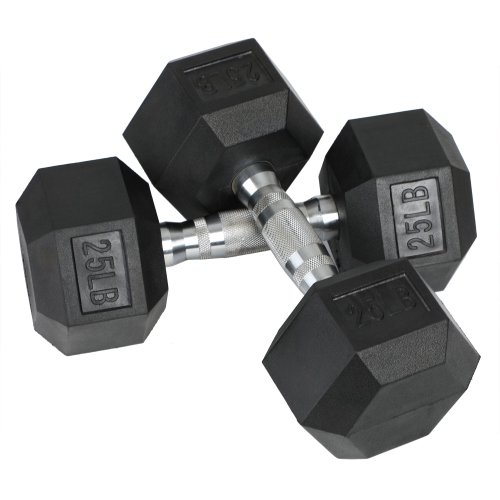
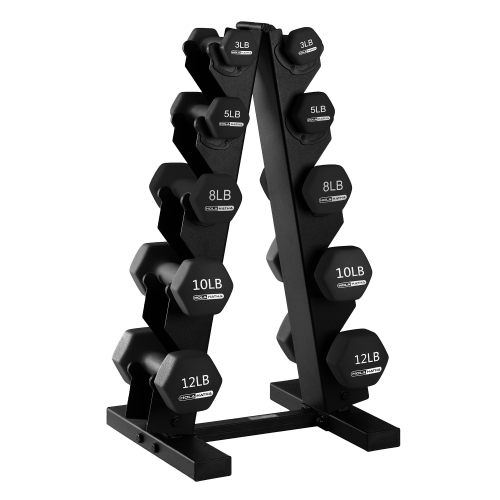
Versatile weights for strength training in any space
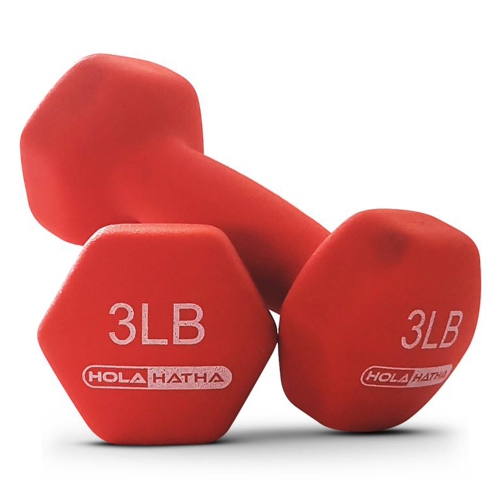
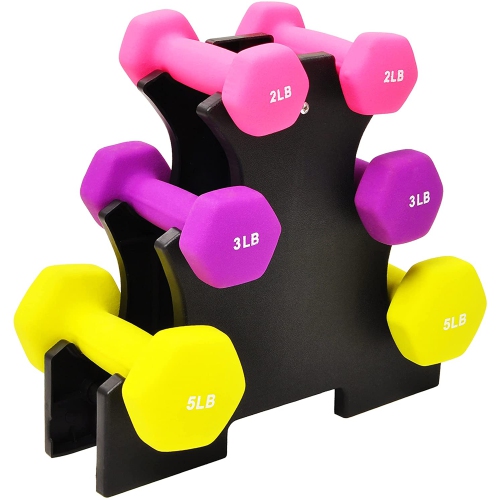
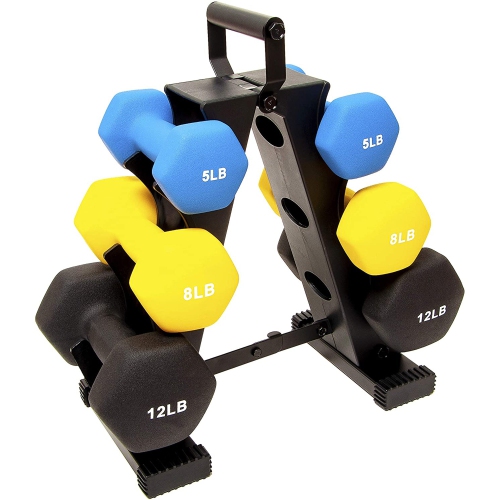
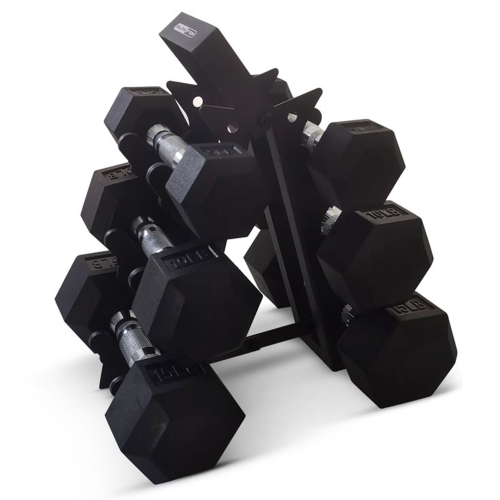
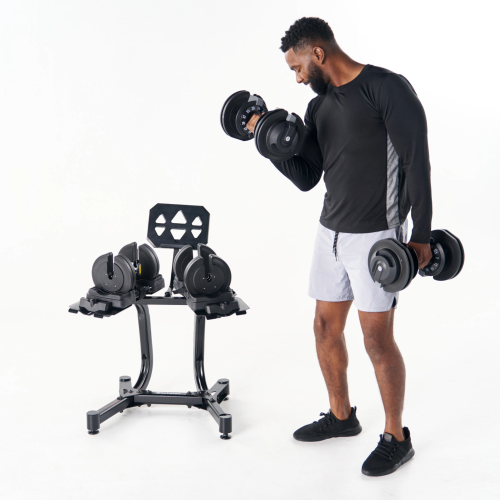
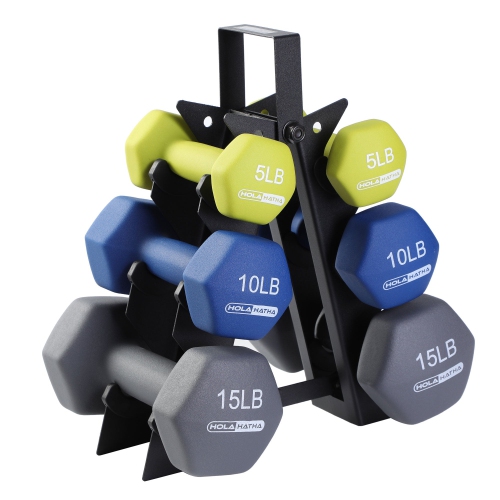
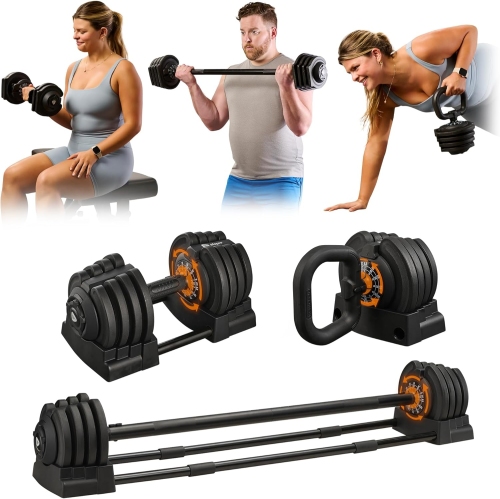
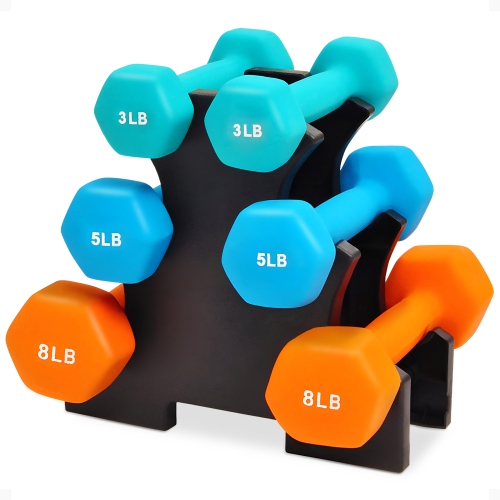
Hand weights, also known as dumbbells, are among the most versatile pieces of strength-training equipment for a home gym, apartment workout area, or dedicated fitness room. Their compact size makes them easy to keep beside a yoga mat, under a bench, or on a storage rack, while their simple design allows them to fit into many styles of exercise. Hand weights can add resistance to movements that use the arms, shoulders, chest, back, core, hips, and legs, helping make familiar exercises more challenging and purposeful. They can be used for traditional strength exercises such as bicep curls, shoulder presses, tricep extensions, chest presses, rows, lunges, squats, and deadlifts, or incorporated into circuits, mobility routines, and low-impact workouts. Lighter weights are often useful for beginners, warm-ups, higher-repetition exercises, physical activity focused on muscle endurance, or movements where control and range of motion matter most. Heavier hand weights can support progressive strength training when paired with steady technique and appropriate rest. The selection includes several styles to suit different preferences. Neoprene-coated hand weights are often comfortable to hold and provide a secure, non-slip surface during moderate workouts. Hex-shaped dumbbells are designed to rest securely on the floor rather than roll away, which can be convenient for exercises that begin or end with weights at your sides. Traditional cast-iron or rubber-coated options offer a familiar feel for strength-focused routines, while adjustable hand weights can provide multiple resistance levels in one space-saving setup. For anyone building a home workout area, a few carefully chosen pairs can support a wide range of movements without requiring a large collection of bulky equipment.
Choosing the right hand weights starts with considering the person using them, the exercises they plan to perform, and the space available for storage. Someone new to resistance training may find lighter weights easier to control while learning proper alignment and movement patterns. A person with more training experience may prefer a broader range of weights so they can use lighter resistance for shoulder exercises and higher repetitions, then move to heavier resistance for leg exercises or larger muscle groups. Weight selection can also vary from one exercise to the next; the pair that feels manageable for a controlled lateral raise may not provide enough challenge for a squat or bent-over row. Adjustable designs can be practical for households where more than one person works out or where training goals change over time, while fixed-weight sets make it easy to pick up a pair and begin a routine without changing settings. Handle shape, grip texture, coating, and overall balance can affect comfort, particularly during longer sessions. It is also worth considering whether the weights will be placed on hardwood, tile, carpet, or a workout mat, as protective coatings and flat-sided designs may be preferable for certain floors. Hand weights can make a thoughtful gift for a friend setting up a first home gym, a family member returning to regular exercise, or someone who enjoys short workouts between work, school, and household responsibilities. They are equally useful for experienced fitness enthusiasts who want additional resistance for familiar routines. During the warmer seasons, they can support an indoor workout when outdoor plans are interrupted, and during cooler months they make it easier to maintain a consistent routine at home. For a broader range of resistance-training equipment, explore Gym Training Weights.
Using hand weights safely depends on control, preparation, and gradual progress. Begin with a warm-up that gently raises your heart rate and moves the joints through comfortable ranges of motion. Before lifting, check that the weight is secure in your hand and that there is enough clear space to extend your arms and move your feet without striking furniture or other equipment. Good form is more important than completing a high number of repetitions or lifting the heaviest available pair. Keep your movements smooth, avoid swinging the weights to create momentum, and maintain a stable position through your feet, knees, hips, and spine. During a curl, for example, the upper arm can remain close to the body while the elbow bends under control; during a row, a steady torso and deliberate pull can help keep the movement focused. Breathe regularly rather than holding your breath, and stop if you feel sharp pain, dizziness, numbness, or unusual strain. As strength and confidence improve, progressive overload can be introduced by gradually increasing the weight, adding repetitions, completing another set, or slowing the lowering phase of an exercise. Changes should be modest enough that technique remains consistent from the first repetition to the last. Rest is also part of effective training, giving muscles time to recover between sessions and avoiding hard workouts for the same muscle groups on consecutive days. A balanced routine may combine resistance exercises with walking, cycling, stretching, or other activities, depending on personal goals and fitness level. Hand weights are small, adaptable, and easy to use, making them a practical addition to everyday movement, structured training, and home fitness routines for a wide range of experience levels.
Choosing the right hand weights starts with considering the person using them, the exercises they plan to perform, and the space available for storage. Someone new to resistance training may find lighter weights easier to control while learning proper alignment and movement patterns. A person with more training experience may prefer a broader range of weights so they can use lighter resistance for shoulder exercises and higher repetitions, then move to heavier resistance for leg exercises or larger muscle groups. Weight selection can also vary from one exercise to the next; the pair that feels manageable for a controlled lateral raise may not provide enough challenge for a squat or bent-over row. Adjustable designs can be practical for households where more than one person works out or where training goals change over time, while fixed-weight sets make it easy to pick up a pair and begin a routine without changing settings. Handle shape, grip texture, coating, and overall balance can affect comfort, particularly during longer sessions. It is also worth considering whether the weights will be placed on hardwood, tile, carpet, or a workout mat, as protective coatings and flat-sided designs may be preferable for certain floors. Hand weights can make a thoughtful gift for a friend setting up a first home gym, a family member returning to regular exercise, or someone who enjoys short workouts between work, school, and household responsibilities. They are equally useful for experienced fitness enthusiasts who want additional resistance for familiar routines. During the warmer seasons, they can support an indoor workout when outdoor plans are interrupted, and during cooler months they make it easier to maintain a consistent routine at home. For a broader range of resistance-training equipment, explore Gym Training Weights.
Using hand weights safely depends on control, preparation, and gradual progress. Begin with a warm-up that gently raises your heart rate and moves the joints through comfortable ranges of motion. Before lifting, check that the weight is secure in your hand and that there is enough clear space to extend your arms and move your feet without striking furniture or other equipment. Good form is more important than completing a high number of repetitions or lifting the heaviest available pair. Keep your movements smooth, avoid swinging the weights to create momentum, and maintain a stable position through your feet, knees, hips, and spine. During a curl, for example, the upper arm can remain close to the body while the elbow bends under control; during a row, a steady torso and deliberate pull can help keep the movement focused. Breathe regularly rather than holding your breath, and stop if you feel sharp pain, dizziness, numbness, or unusual strain. As strength and confidence improve, progressive overload can be introduced by gradually increasing the weight, adding repetitions, completing another set, or slowing the lowering phase of an exercise. Changes should be modest enough that technique remains consistent from the first repetition to the last. Rest is also part of effective training, giving muscles time to recover between sessions and avoiding hard workouts for the same muscle groups on consecutive days. A balanced routine may combine resistance exercises with walking, cycling, stretching, or other activities, depending on personal goals and fitness level. Hand weights are small, adaptable, and easy to use, making them a practical addition to everyday movement, structured training, and home fitness routines for a wide range of experience levels.
Top selling and popular products
-
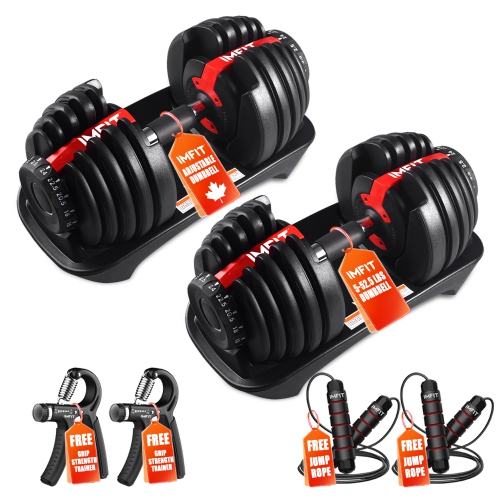 Your price for this item is $249.97
 -
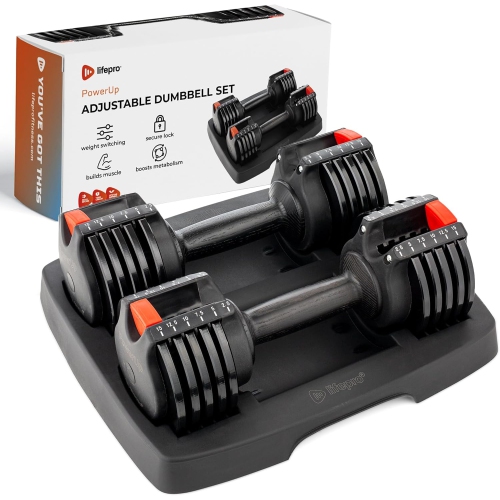 Your price for this item is $159.98
 -
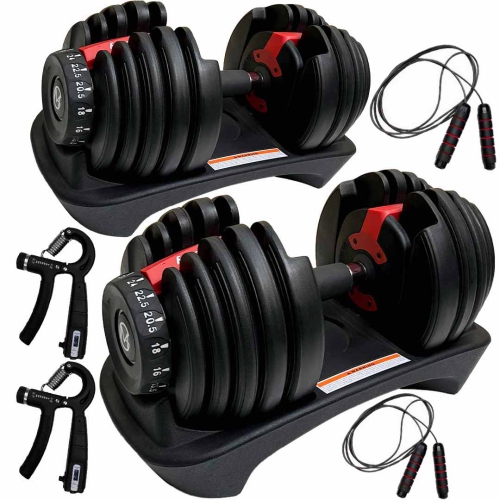 Your price for this item is $143.46
 -
 Your price for this item is $684.99
 -
 Your price for this item is $278.99
 -
 Your price for this item is $329.99
 -
 Your price for this item is $449.99
 -
 Your price for this item is $120.99
Discover more categories related to Hand Weights

Top Collections:
Pokemon Centers, Kindle Devices, Best Budget Office Chairs, Canon G7X Cameras, Apple iPhones 16, Samsung Galaxy Phones, Refurbished Apple Laptops, Laptops for Students, iPhone 15 Apple, Budget Smartphones
Some products may be subject to Environmental Handling Fees
(EHF) depending on your province.
Learn more about EHFs.