Jump Rope
Whether you're a beginner looking to improve your coordination or a seasoned athlete wanting to enhance your endurance, jumping rope is a versatile exercise that can help you achieve your fitness goals. With various styles and features available, finding the perfect jump rope to elevate your workouts is easy. Jump into action and discover the benefits of incorporating a jump rope into your fitness regimen today!
Sort


































Why short rope sessions pack a serious workout
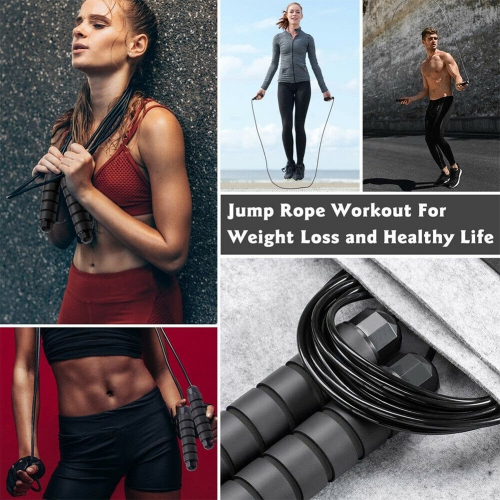
Jump ropes are compact, versatile fitness tools that can turn a small area into a lively cardio workout. With a simple swing overhead and a steady rhythm beneath the feet, jumping rope engages the legs, core, shoulders, forearms and hands while helping develop cardiovascular endurance, balance, timing and coordination. A short session can feel surprisingly demanding, which makes a jump rope useful for quick workouts when time is limited or for adding variety to a longer training routine. It can be used for warmups, interval training, circuit workouts, footwork practice and active breaks throughout the day. Beginners may start with gentle two-foot jumps, keeping the movement low and landing softly on the balls of the feet before gradually building speed or duration. More experienced users can practise alternating-foot steps, high knees, crossovers and double-unders as their rhythm and confidence improve. Because jumping rope involves repeated impact, a clear, level surface and supportive footwear are important, as is a gradual approach for anyone returning to exercise. Warming up first, keeping jumps controlled and taking rest periods can help make sessions more comfortable. Those with existing joint concerns, balance difficulties or medical conditions should consider speaking with a health professional before beginning a new jumping routine.
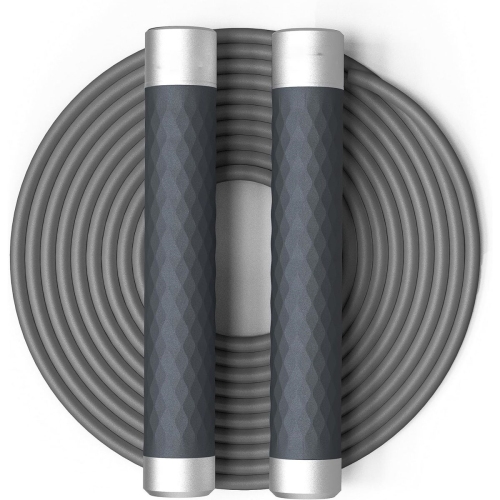
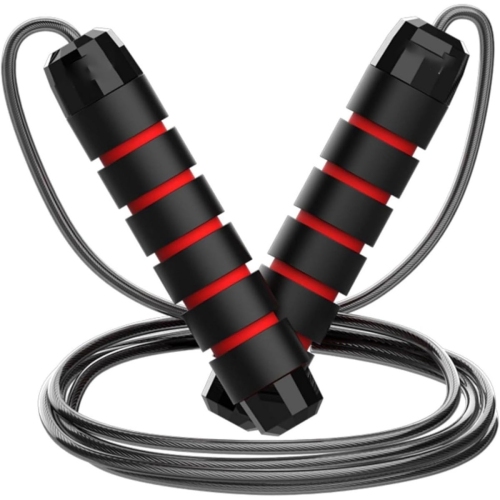
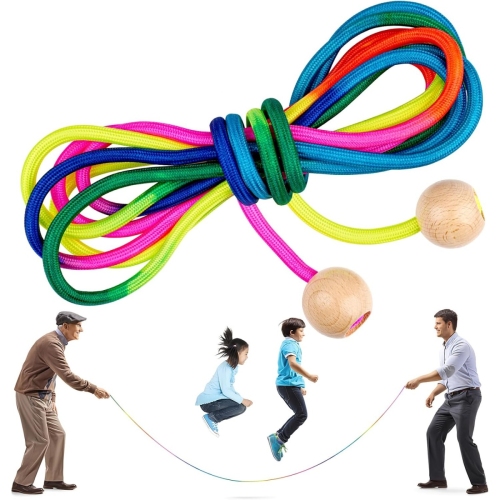
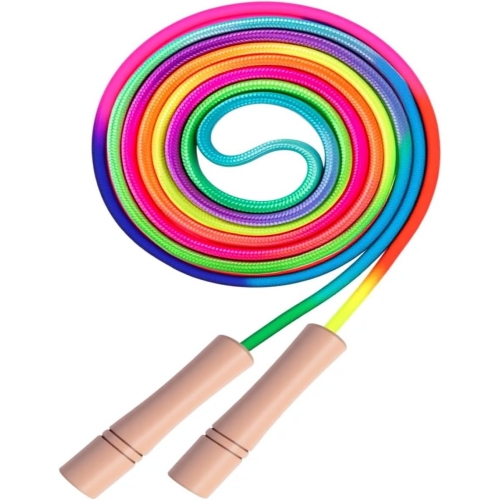
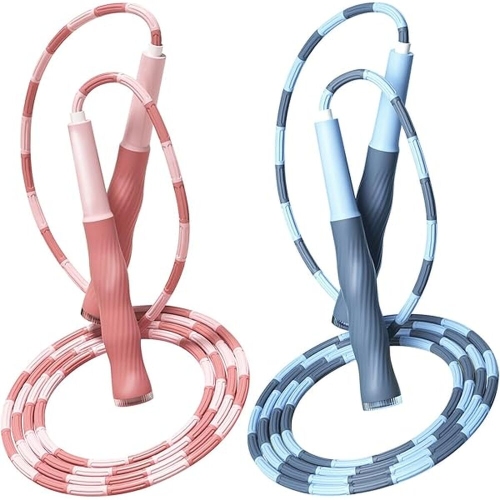
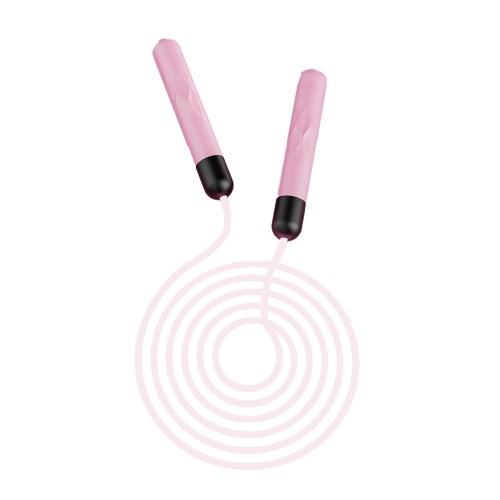
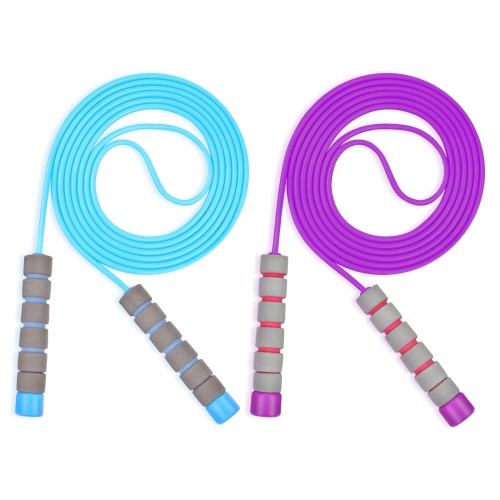
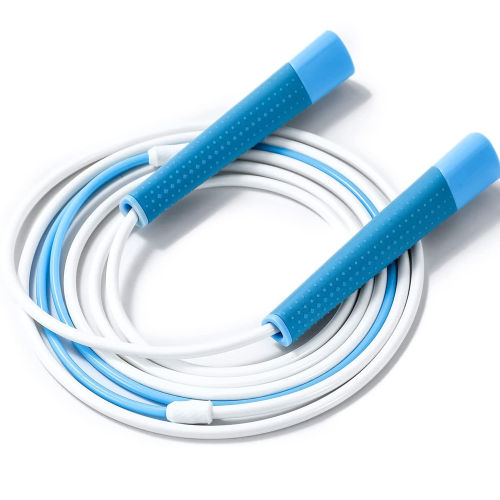
Choosing the right jump rope depends on experience, training goals, space and personal comfort. Length is one of the first details to consider: a rope should generally allow enough clearance to pass over the head and under the feet without forcing the user to lift the shoulders or spread the arms too widely. Many ropes are adjustable, which can be helpful when more than one person will use the same equipment or when a growing child is learning. Lightweight speed ropes are designed for quick rotations and are often chosen by people who want to practise fast footwork, intervals or double-unders. Weighted ropes have heavier handles, thicker cables or both, creating more resistance during each rotation and adding extra demand for the arms, shoulders and grip. They may suit experienced users seeking a more challenging session, although they can feel tiring quickly and are best introduced gradually. Beaded ropes are a popular choice for beginners because the segmented design gives the rope a noticeable rhythm and makes its position easier to track as it moves around the body. They can also be useful for children learning timing and basic jumping patterns. Handle shape, grip texture and overall weight matter as well; comfortable handles can make a noticeable difference during repeated sets, especially when palms become warm or hands begin to perspire. When exercising indoors, check the rope’s length and swing path carefully, allowing plenty of room above and around the body. During cooler months, a jump rope can be convenient for home workouts when outdoor exercise is less appealing, while warmer weather makes it easy to take a session to a driveway, park or recreational space with a suitable surface.
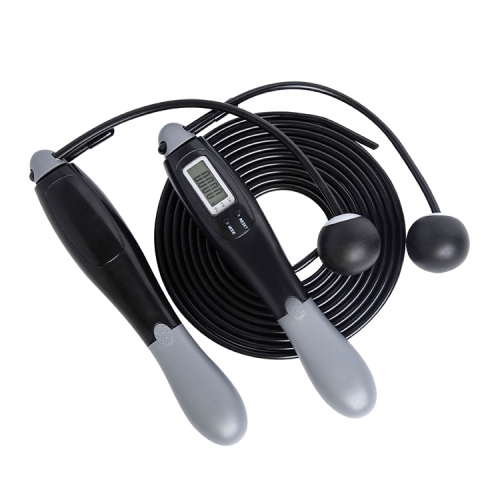
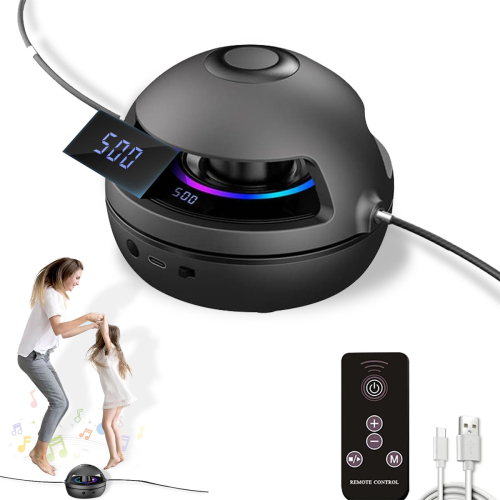
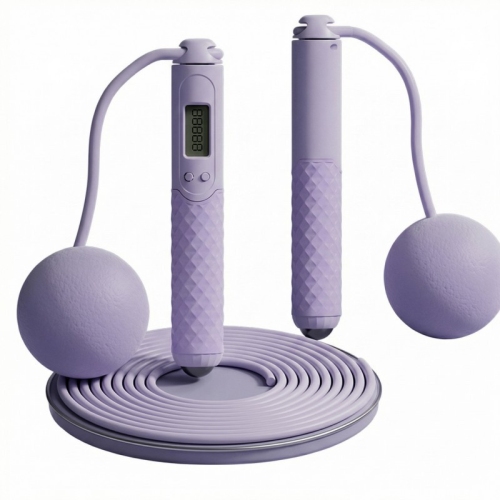
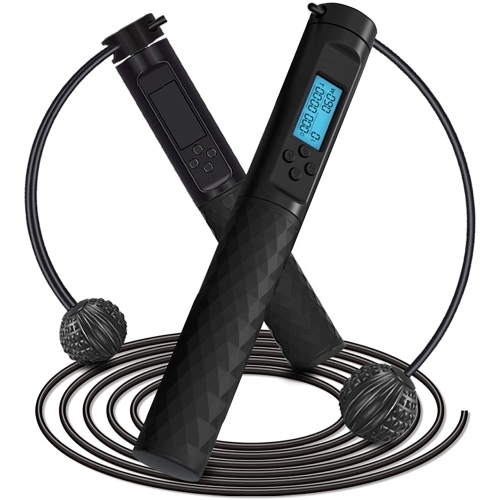
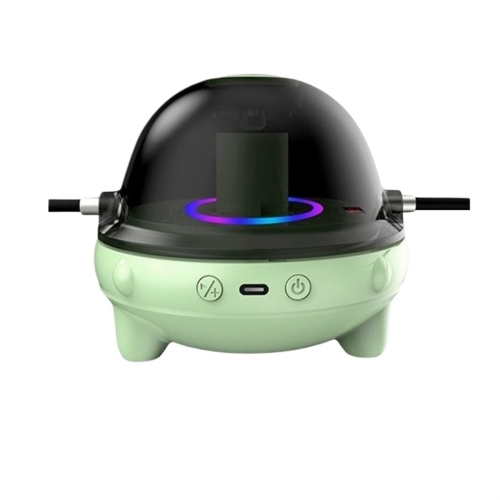
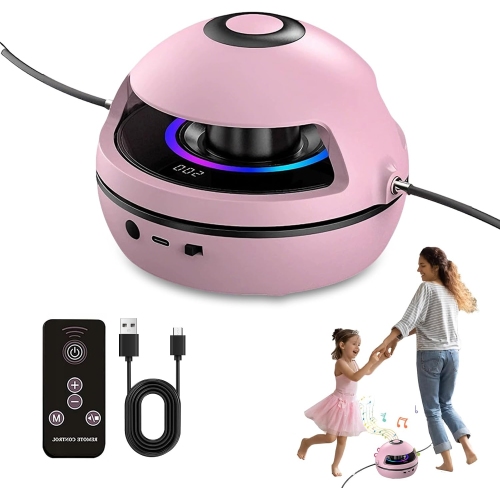
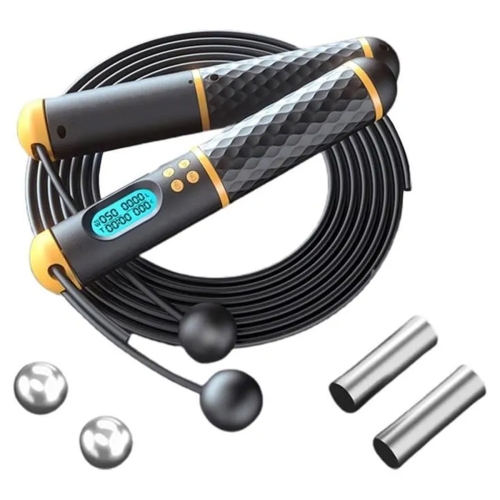
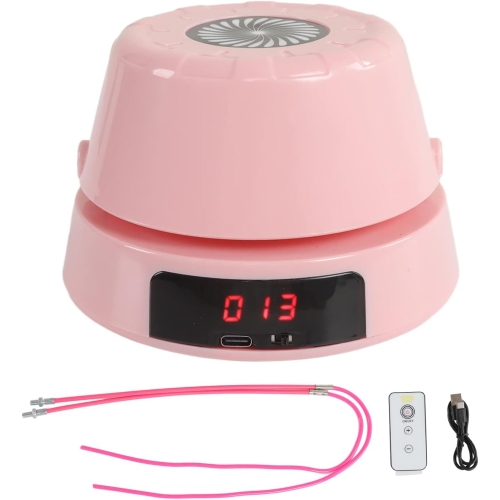
Jump ropes can be a practical gift for people who enjoy fitness, dance, martial arts, boxing, team sports or active play, and they can suit a wide range of ages when the size and resistance are appropriate. A beginner may appreciate a straightforward rope that makes it easier to learn a steady cadence, while a seasoned athlete may prefer a design suited to speed drills, conditioning circuits or skill work. They are also useful for runners and cyclists looking to improve agility, for athletes who want sharper movement between training sessions, and for families searching for a simple way to encourage active play away from screens. To make a rope part of a regular routine, set it up alongside other familiar habits: a few minutes of easy jumps before strength training, short intervals between bodyweight exercises, or a relaxed practice session after work can all be manageable starting points. A basic interval might involve jumping for 20 to 30 seconds, resting until breathing settles, and repeating several times, with the effort adjusted to match fitness and experience. Over time, users can focus on landing quietly, maintaining an upright posture and turning the rope with the wrists rather than large arm movements. People interested in tracking workout duration, repetitions or progress may also explore Smart Jumping Rope options. Whether it is used for a brisk burst of cardio, coordination practice in a training programme or playful movement with family, a jump rope offers a portable way to keep active in a living room, gym, backyard or outdoor court. Storing it neatly and checking the rope periodically for wear can help keep it ready for the next session as routines change with the seasons.
Top selling and popular products
-
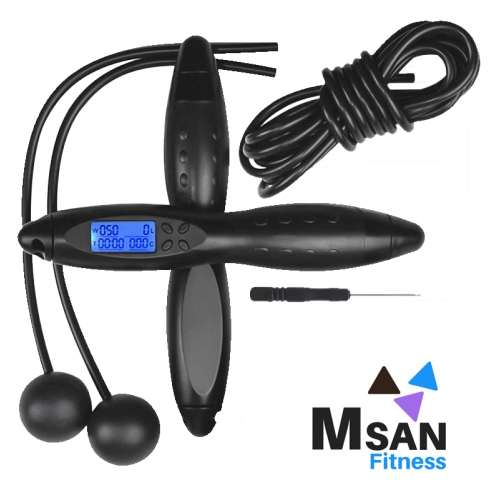 Your price for this item is $38.99
-
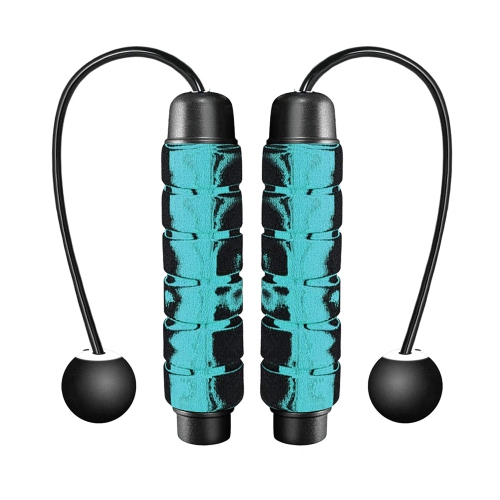 Your price for this item is $15.99
-
 Your price for this item is $9.99
-
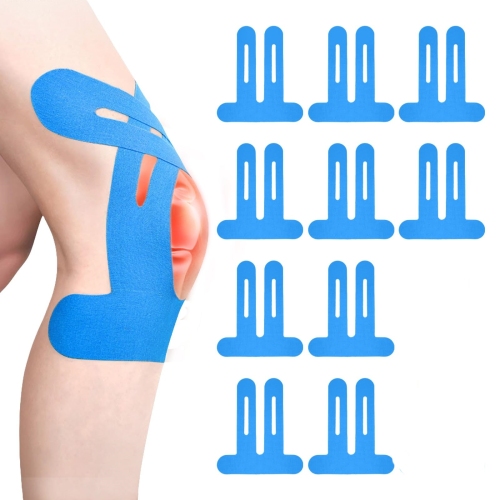 Your price for this item is $22.98
-
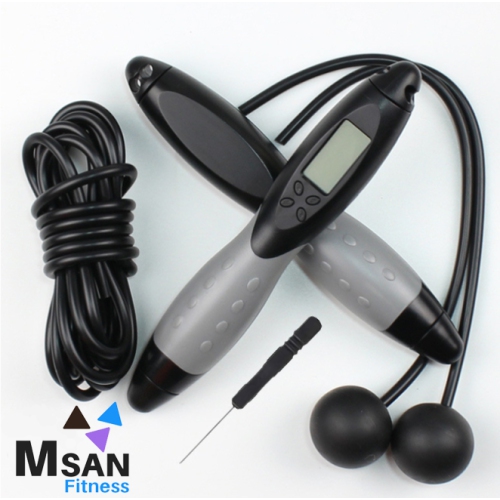 Your price for this item is $38.99
-
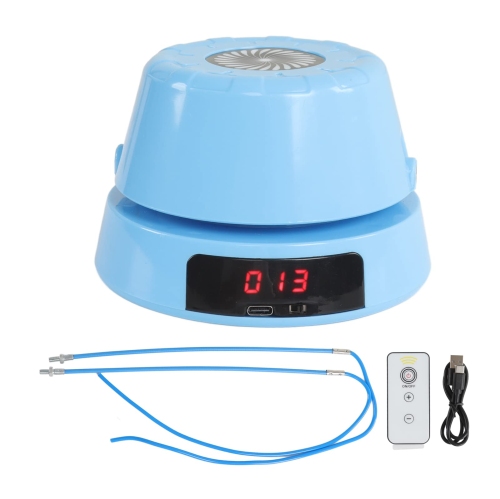 Your price for this item is $36.22
-
 Your price for this item is $58.99
-
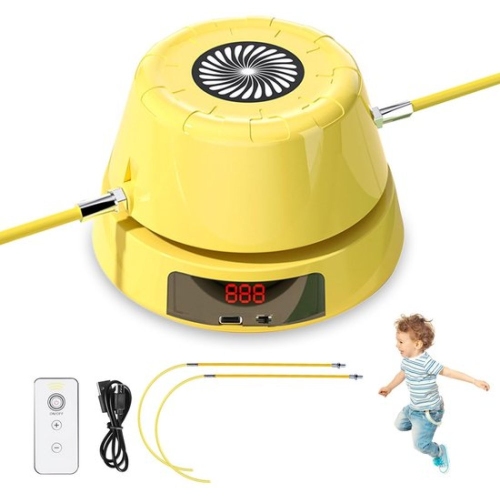 Your price for this item is $36.69
Discover more categories related to Jump Rope
Top Collections:
Pokemon Centers, Kindle Devices, Best Budget Office Chairs, Canon G7X Cameras, Apple iPhones 16, Samsung Galaxy Phones, Refurbished Apple Laptops, Laptops for Students, iPhone 15 Apple, Budget Smartphones
Some products may be subject to Environmental Handling Fees
(EHF) depending on your province.
Learn more about EHFs.