Mobility Aids for Disabled
Navigating daily life with mobility challenges can present unique obstacles, but with the right aids and equipment, individuals with disabilities can regain a sense of independence and freedom. Our collection of mobility aids for the disabled is carefully curated to offer a range of solutions designed to enhance mobility, improve accessibility, and promote overall well-being. From walkers and canes to wheelchairs and mobility scooters, each product is thoughtfully selected to provide support and assistance for those in need. Explore our selection of mobility aids to find the perfect solution to help you or your loved ones move confidently through each day.
Sort
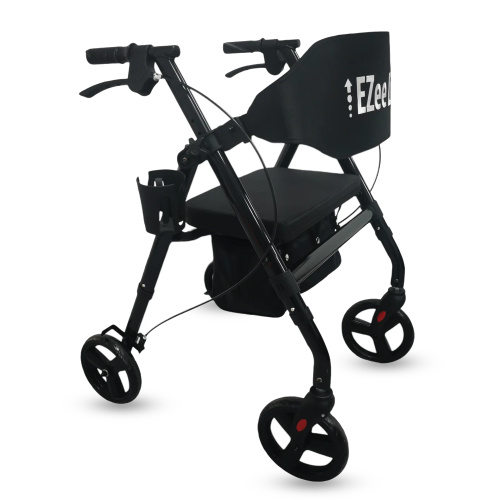
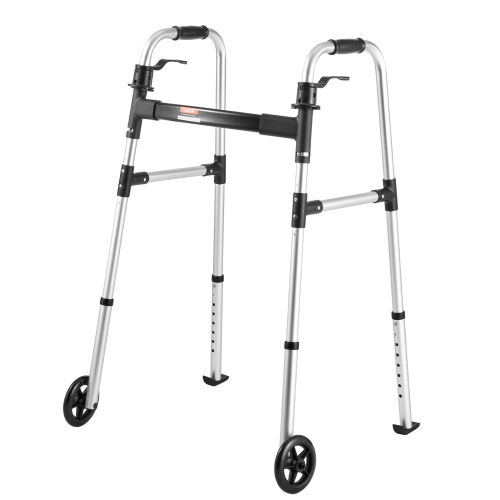
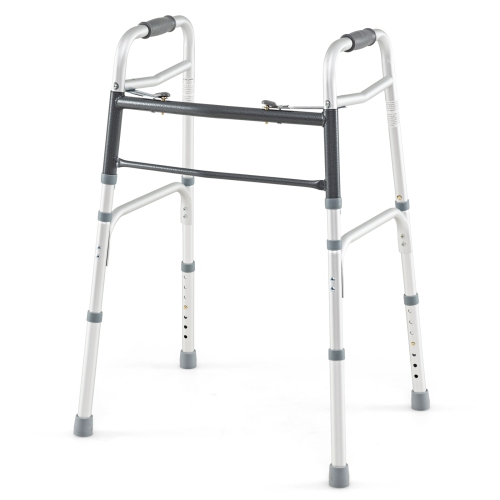

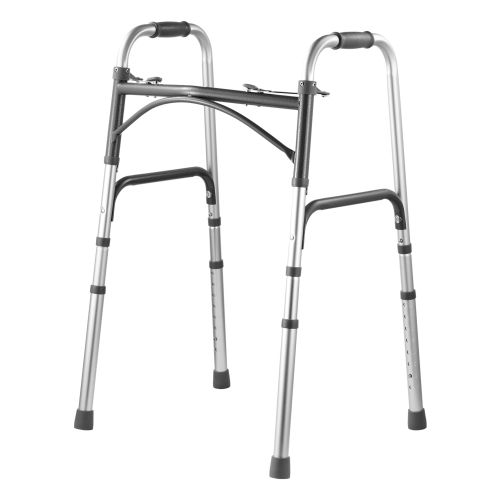
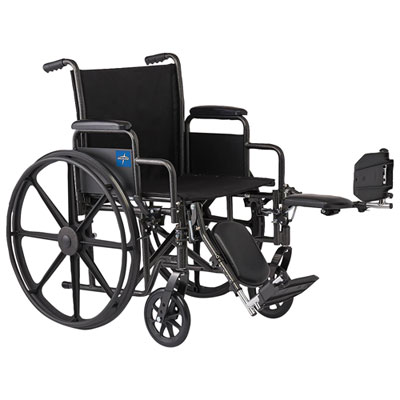
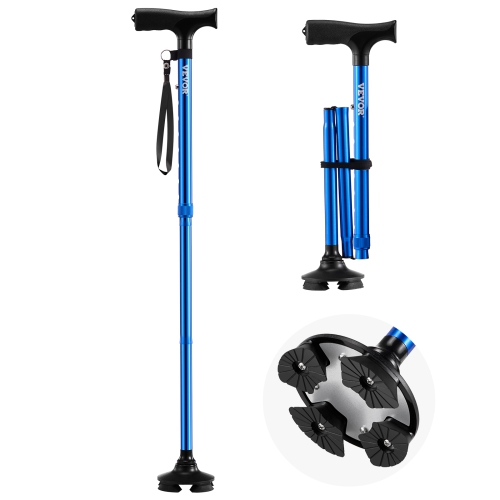


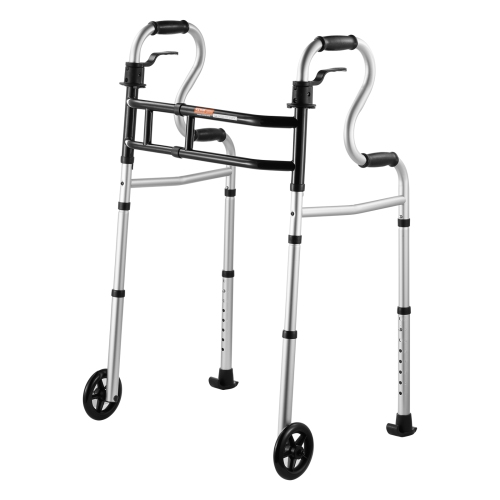
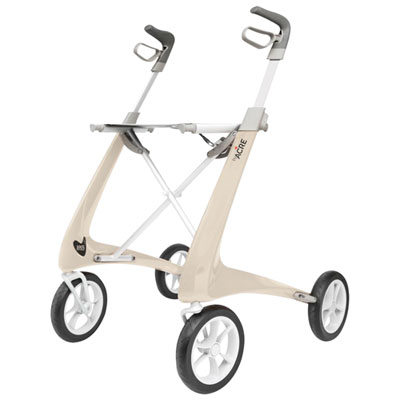

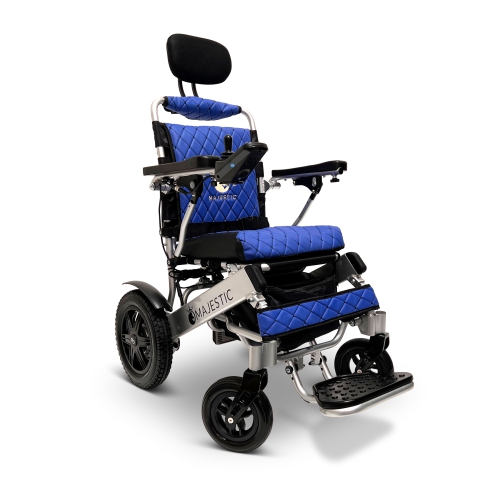
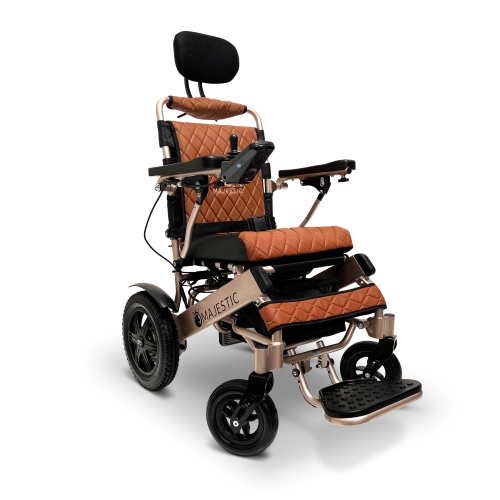
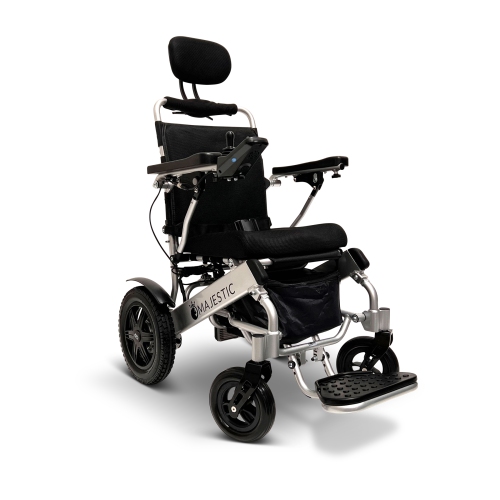
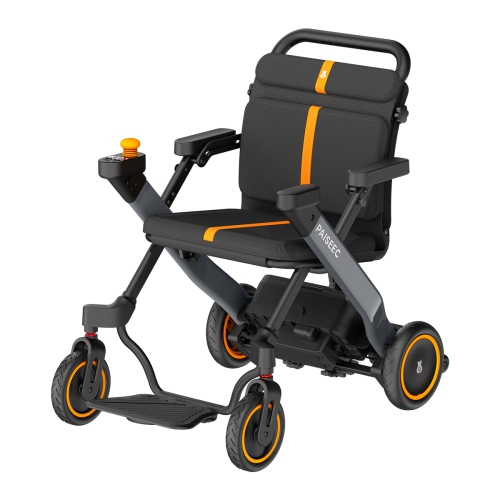
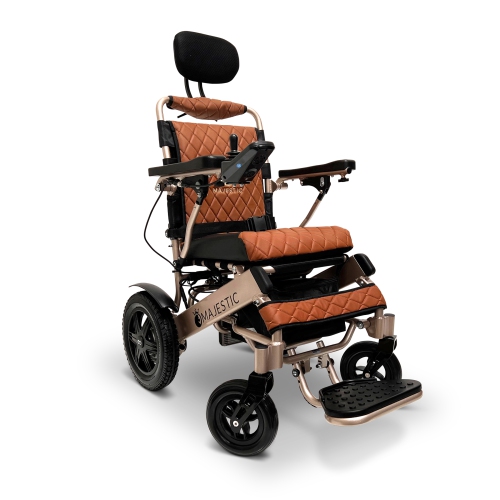
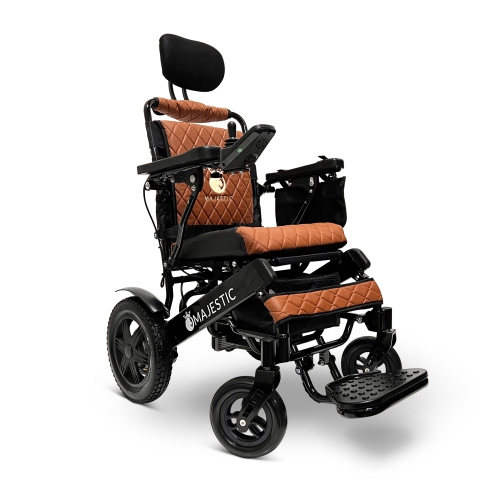
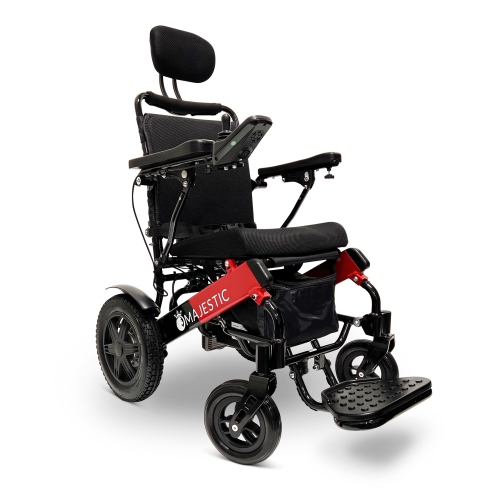
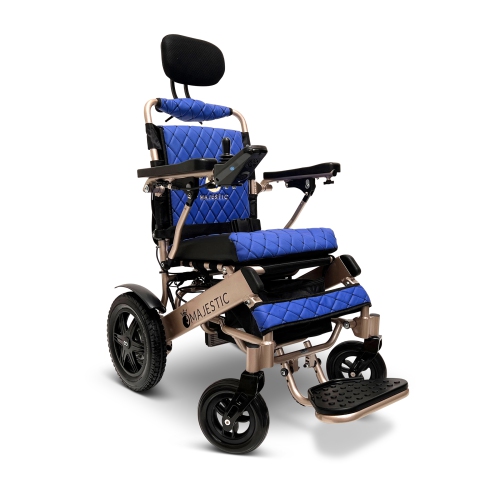
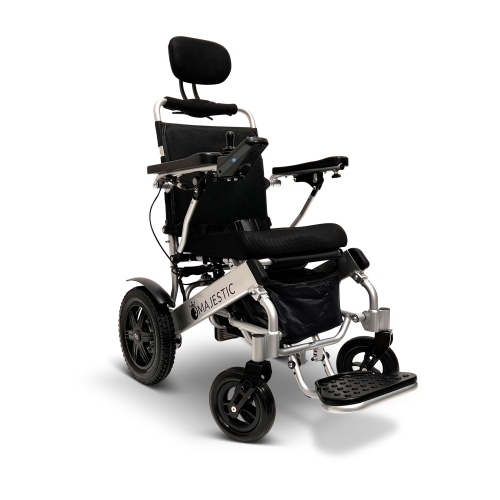
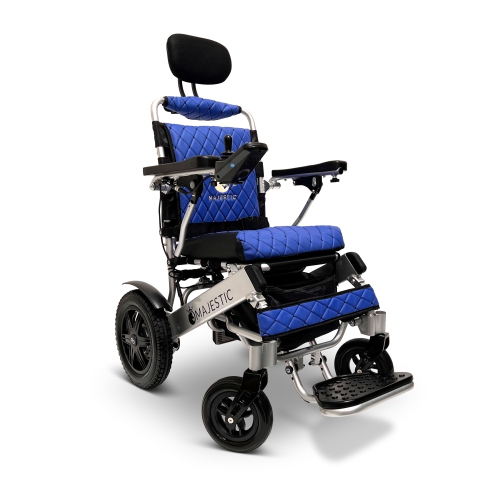
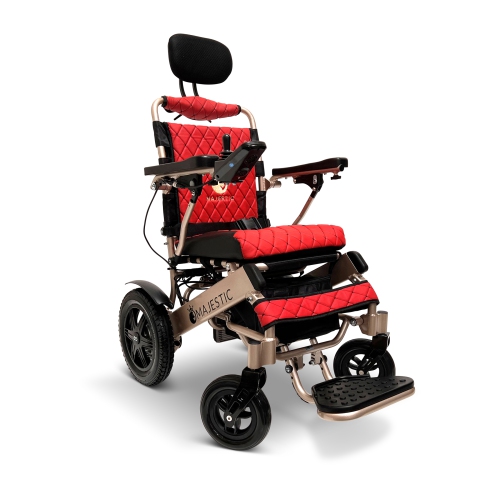
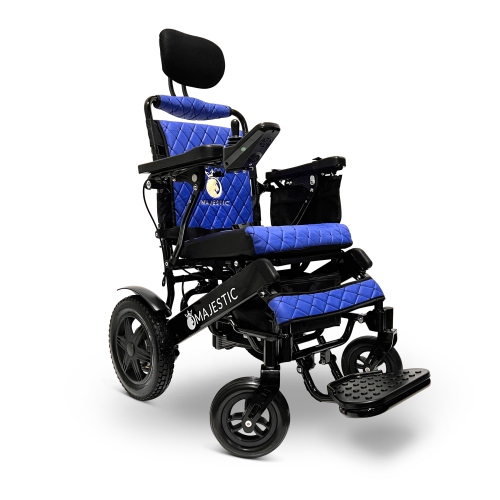
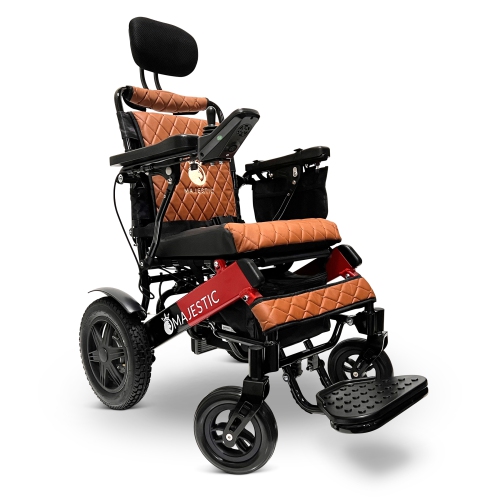
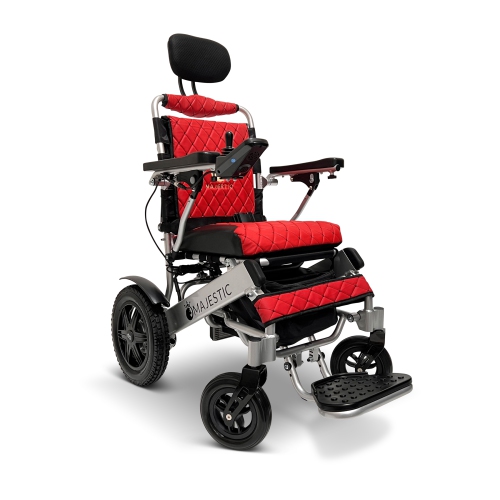
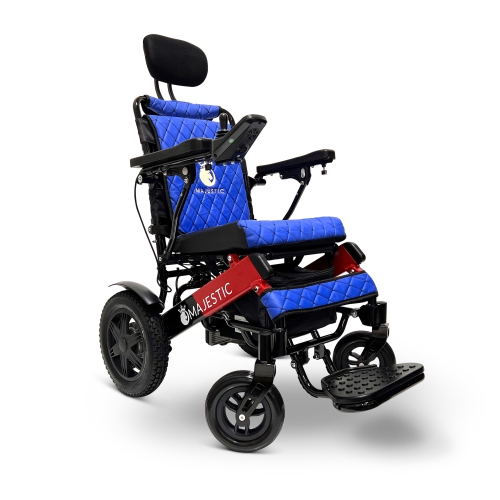
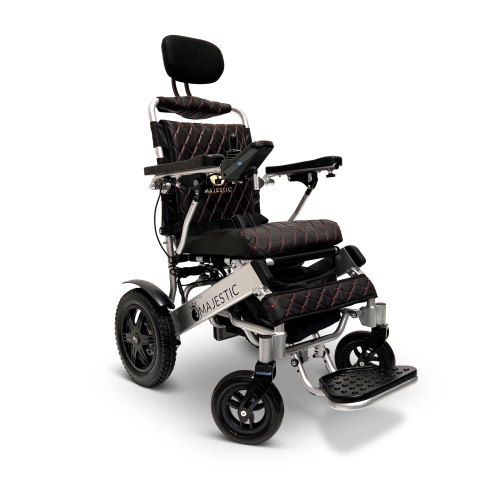
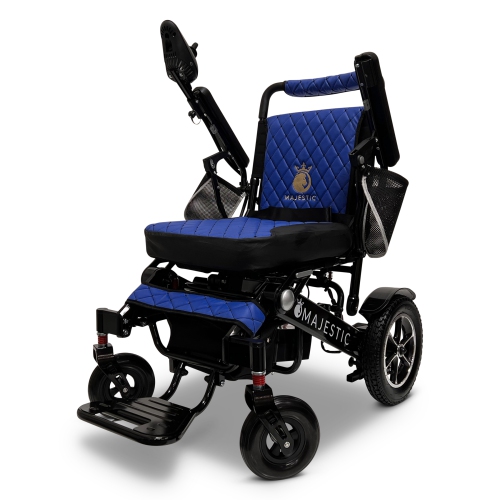
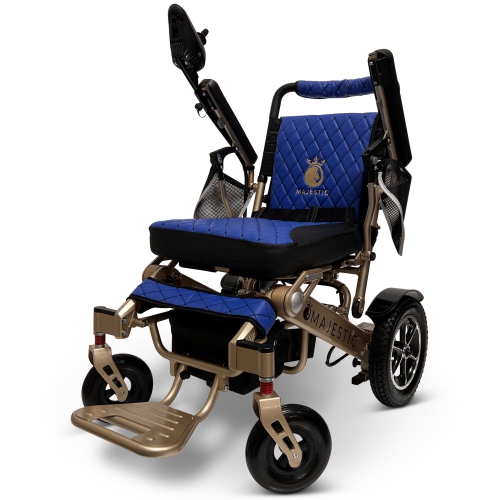
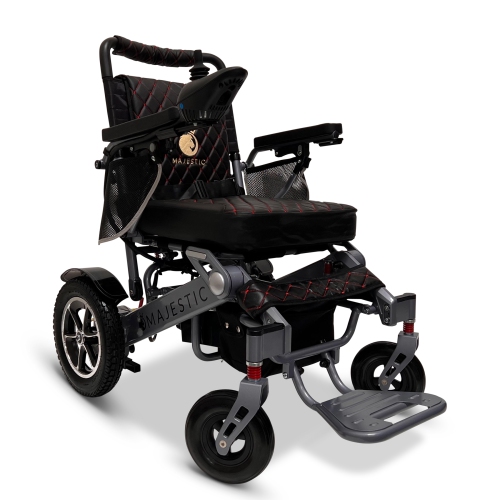
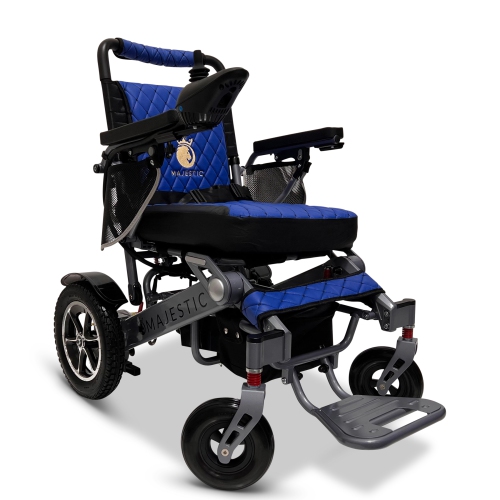


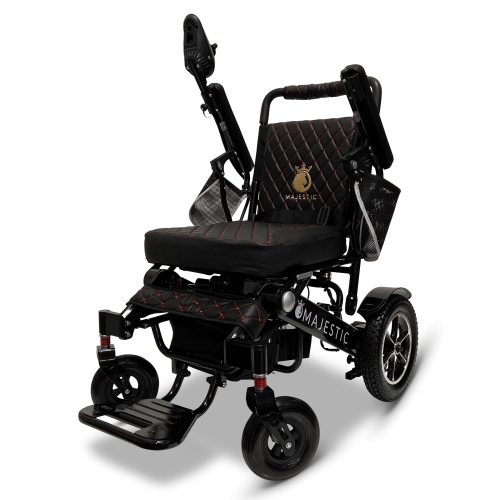
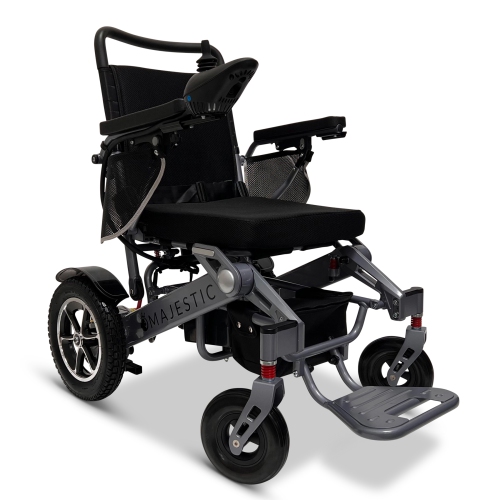
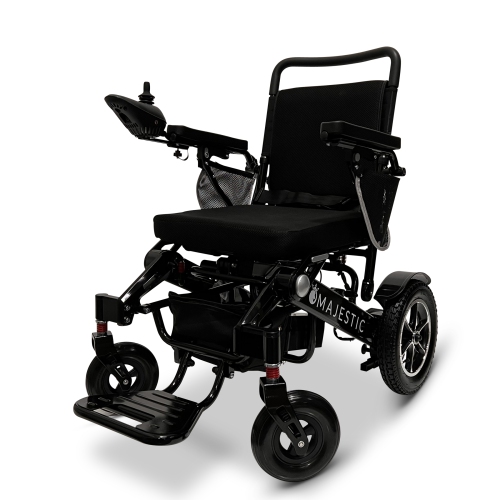
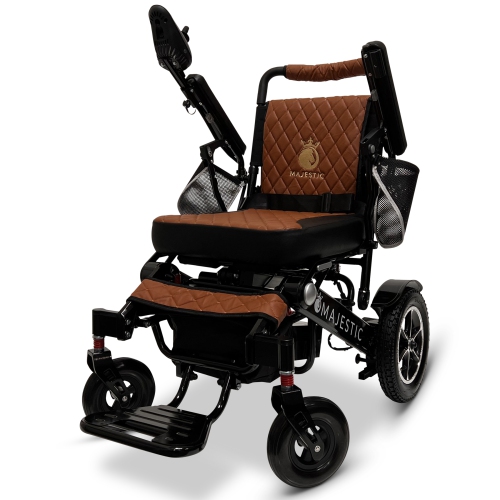
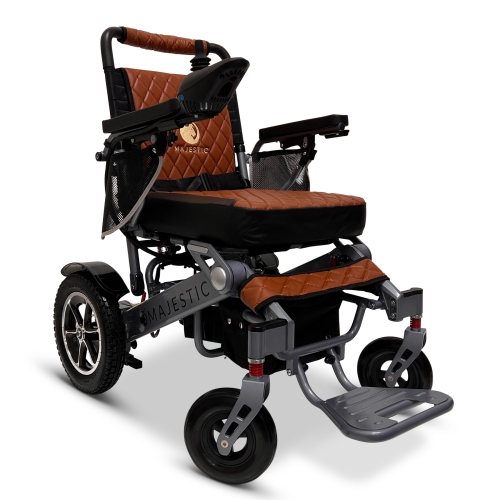
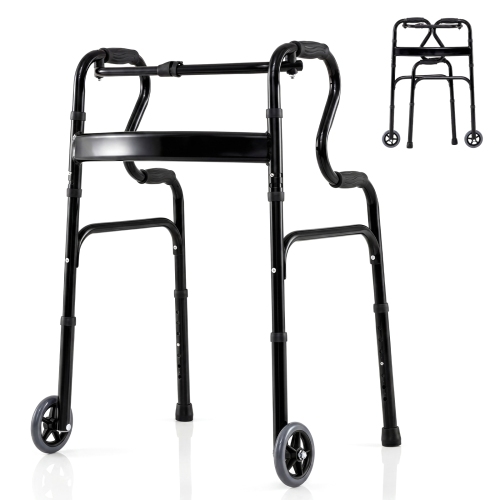
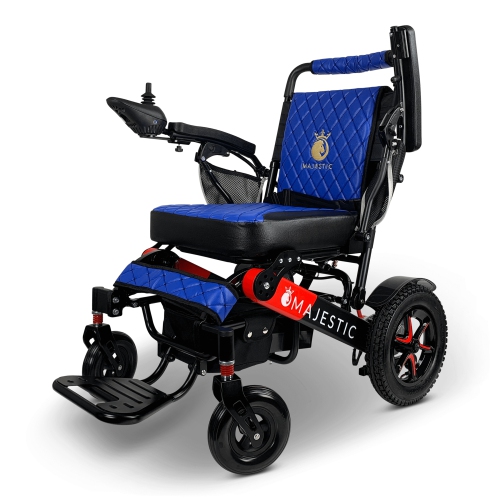
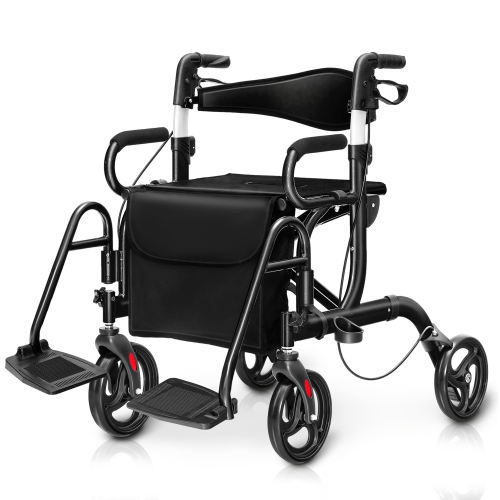
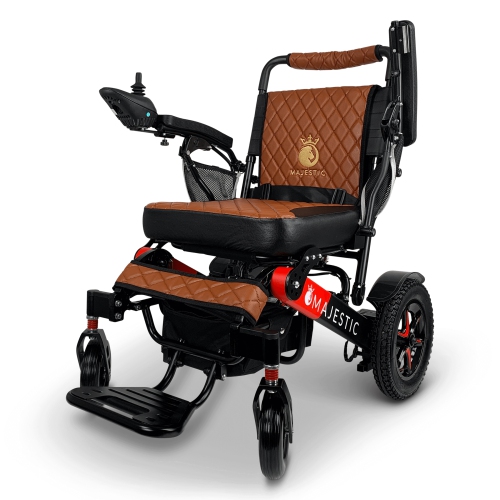
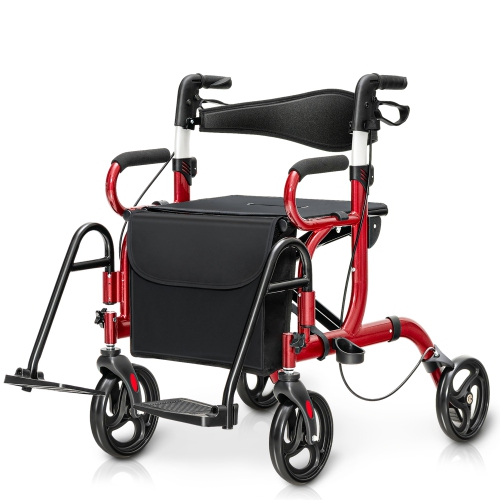
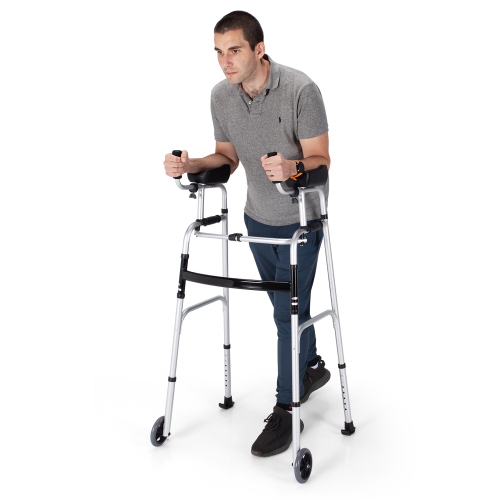
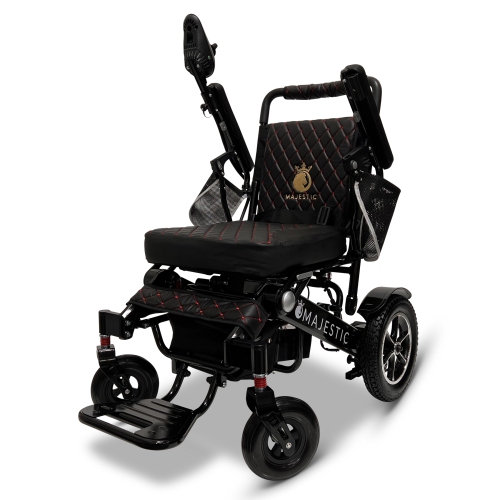
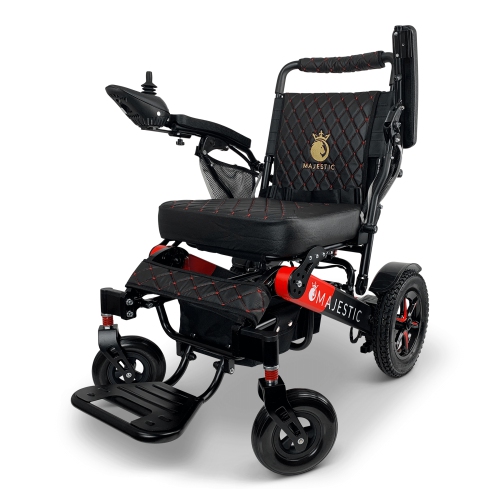
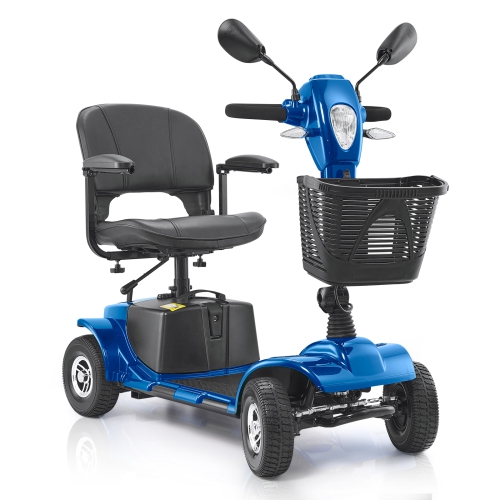
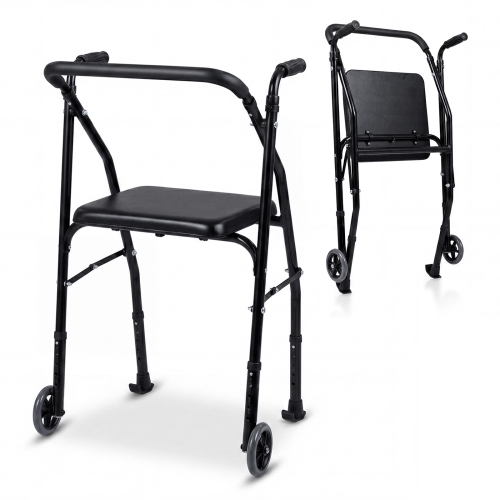
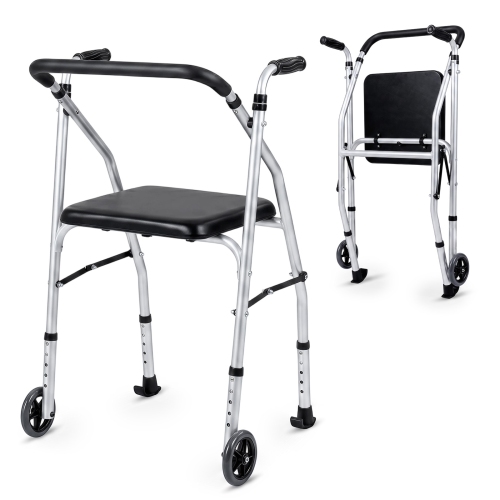

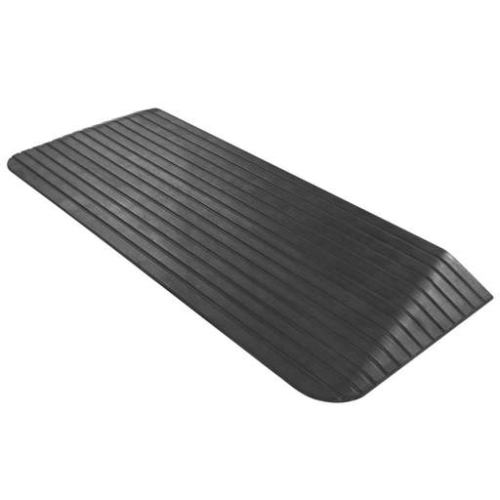
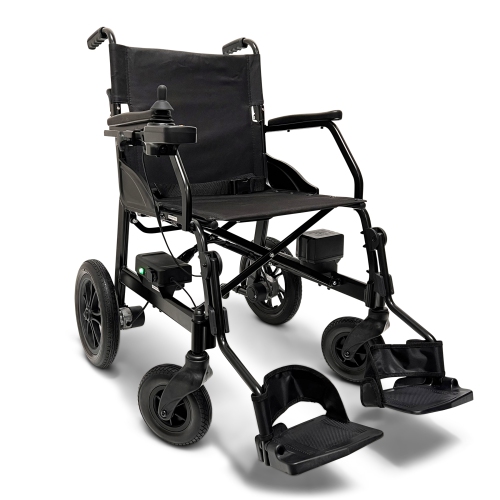


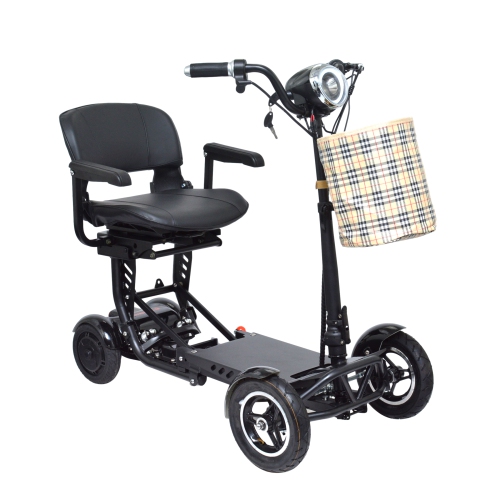

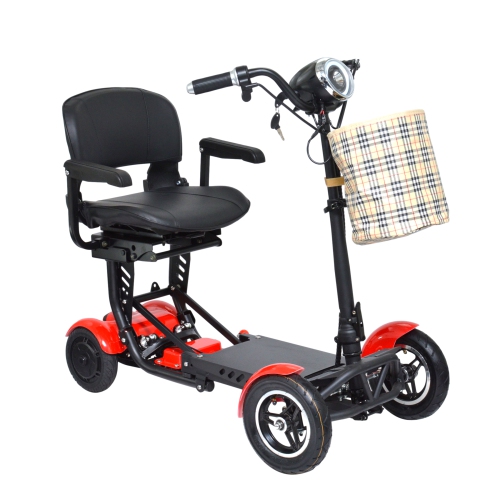
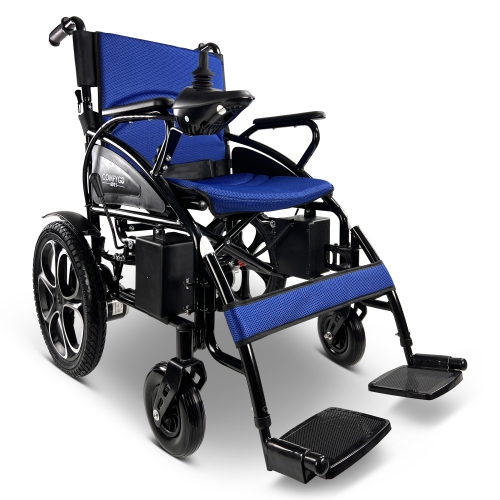


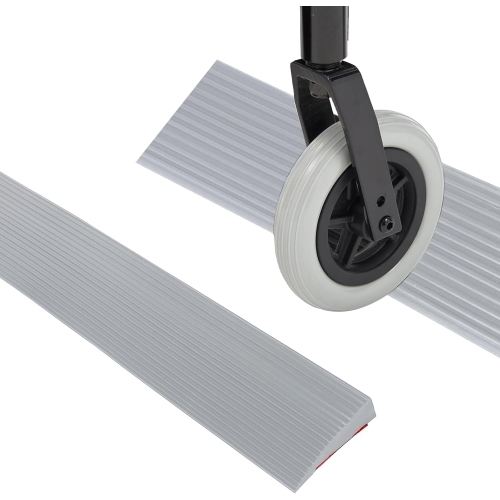
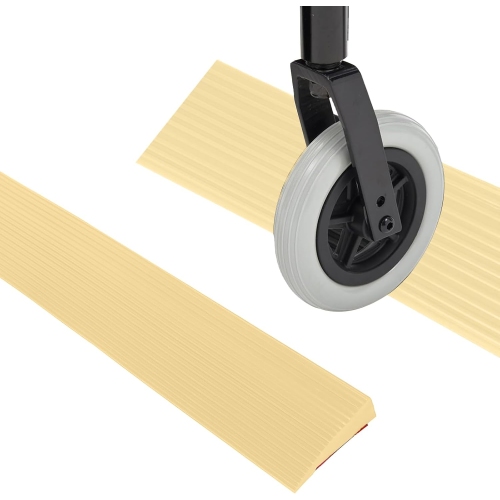
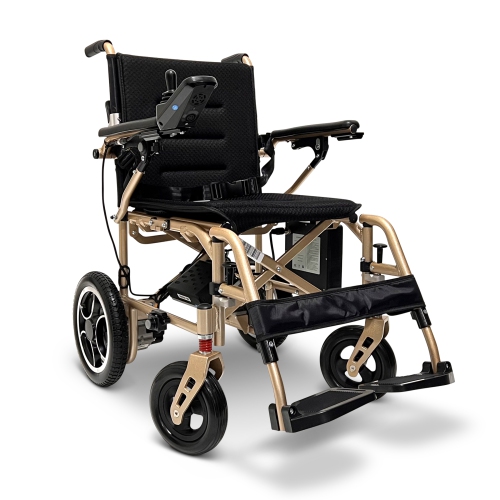
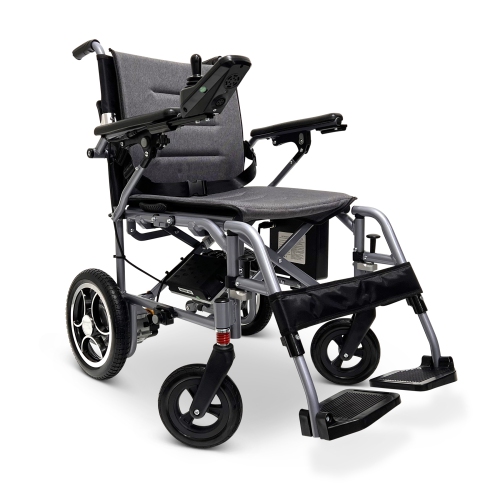
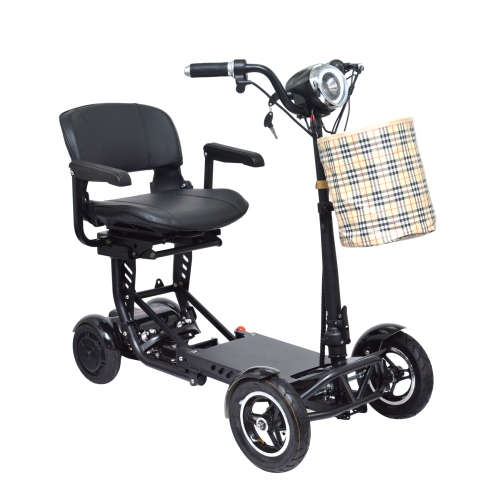
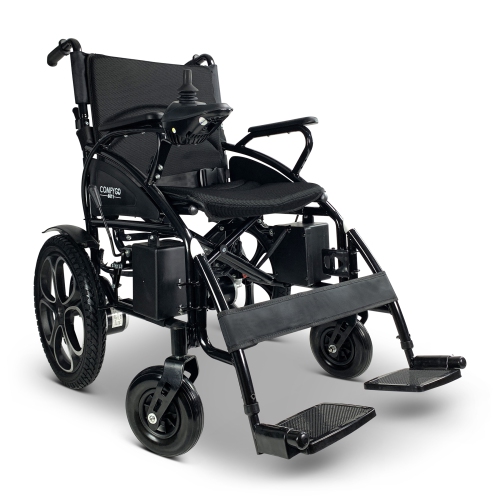

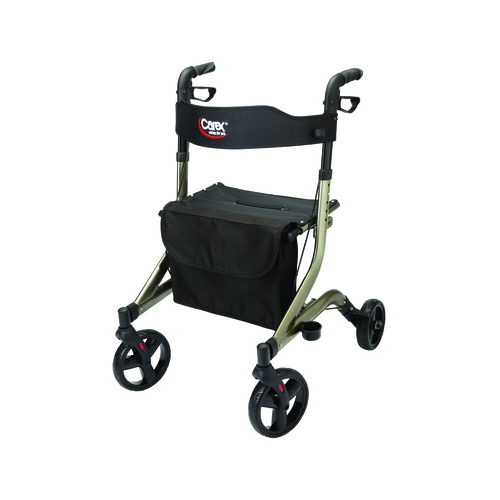
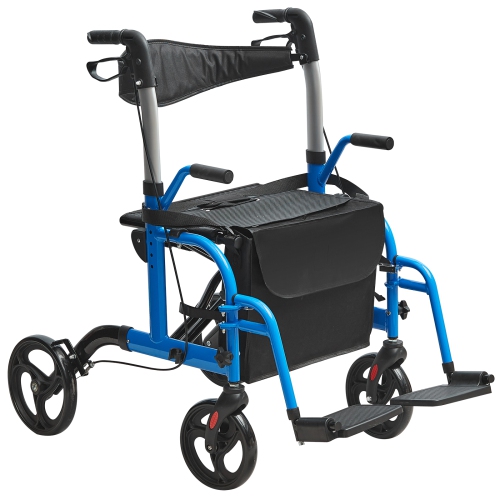
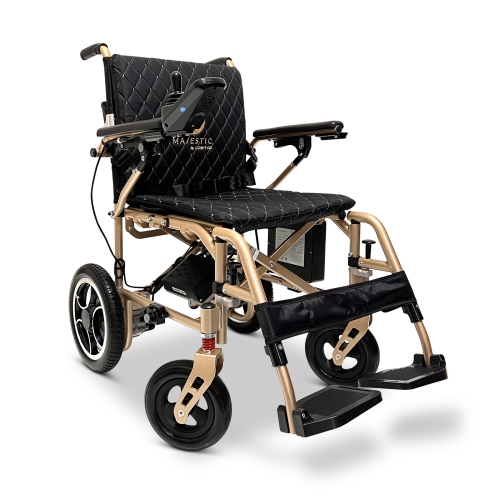
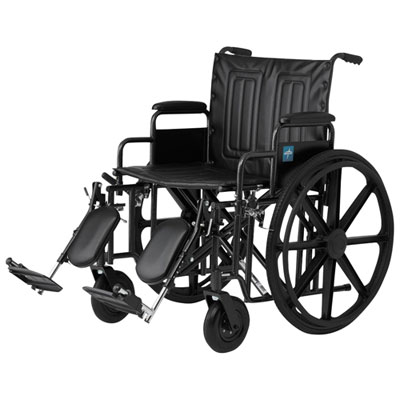
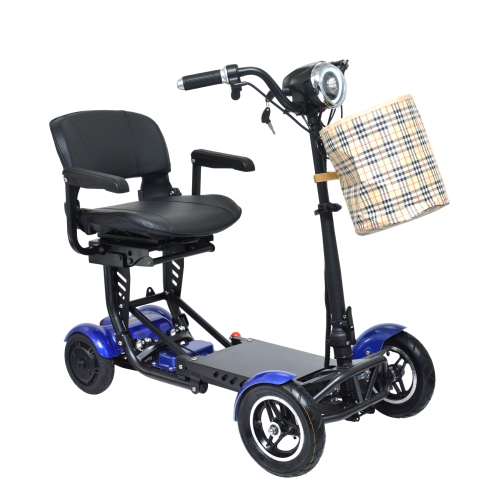
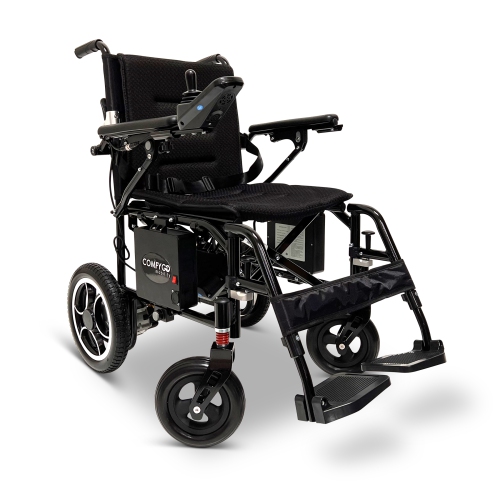
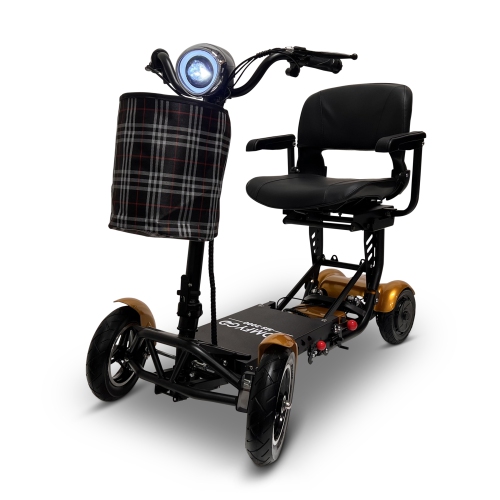
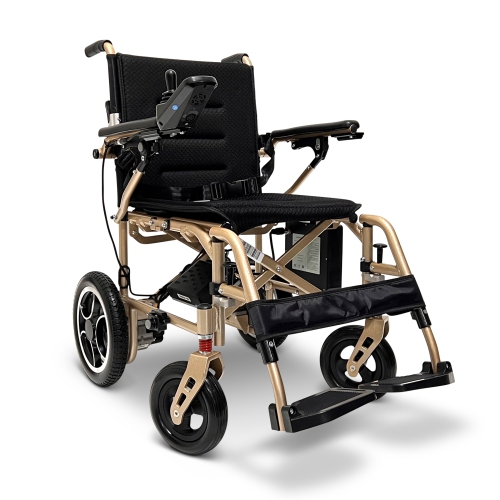
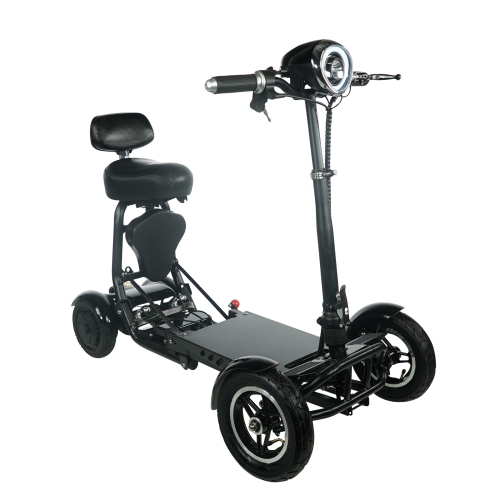
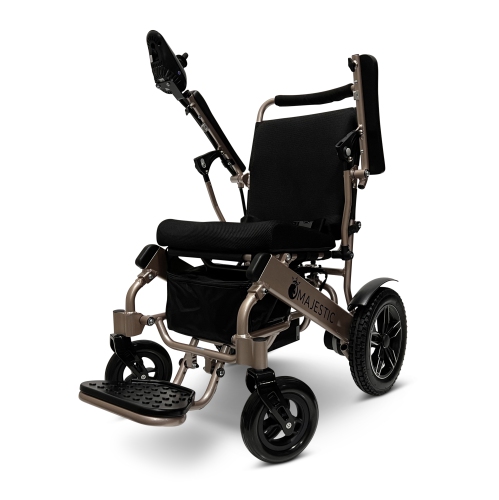
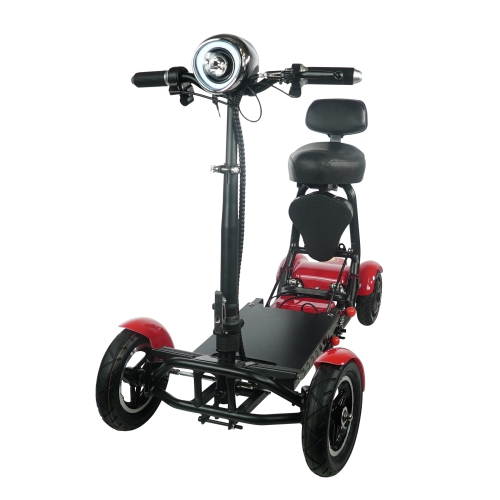
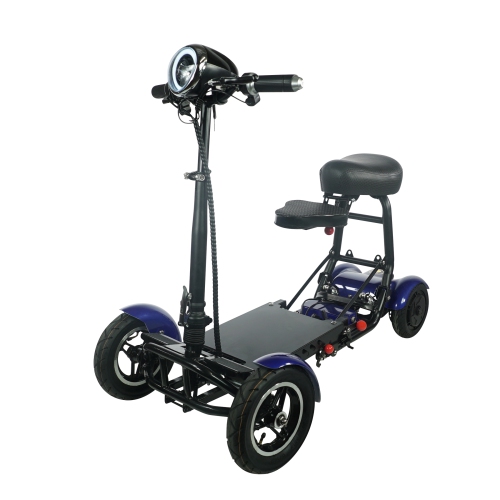

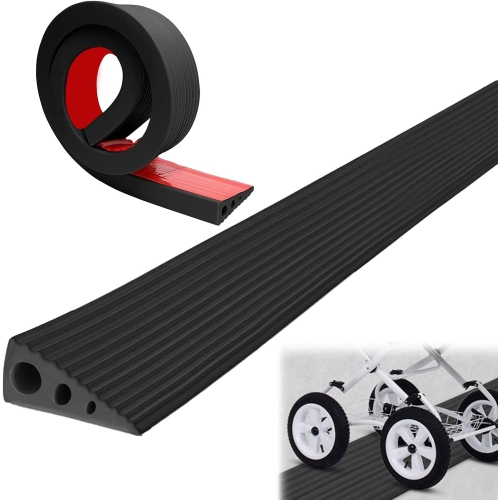
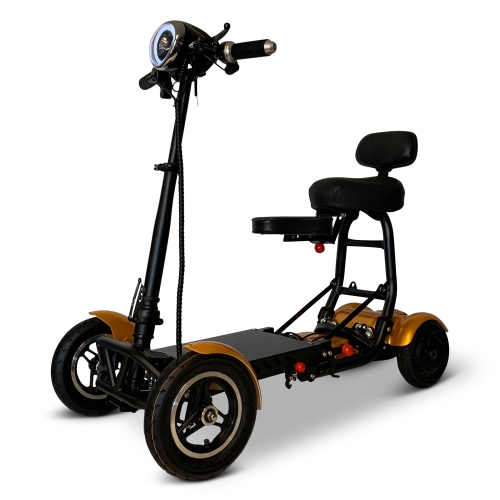
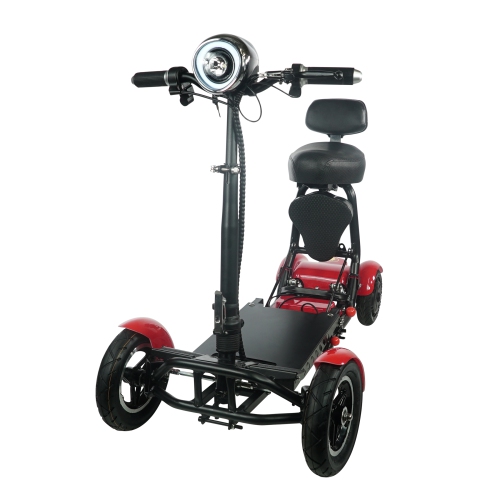

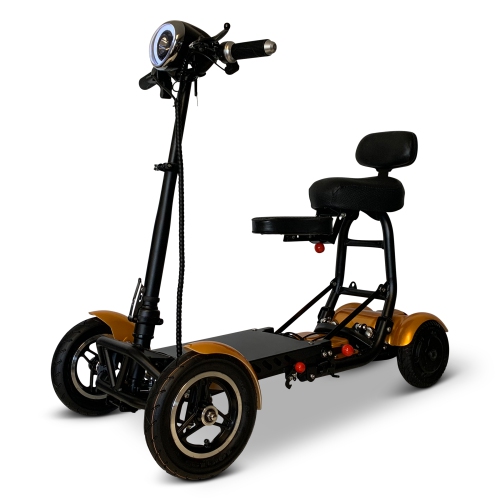
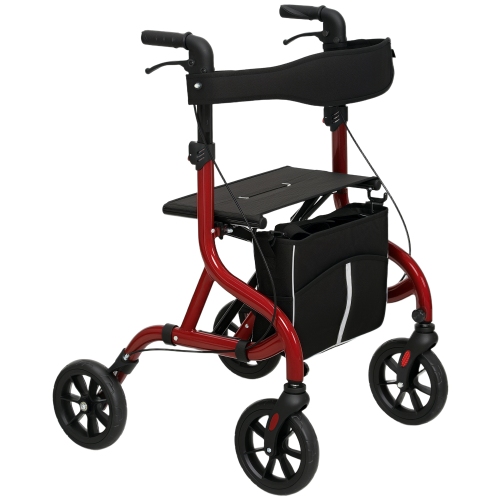
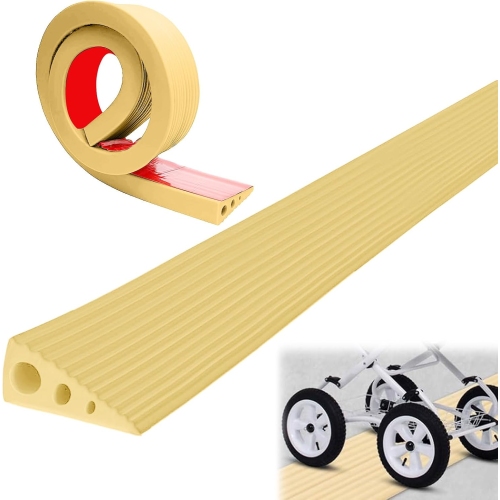
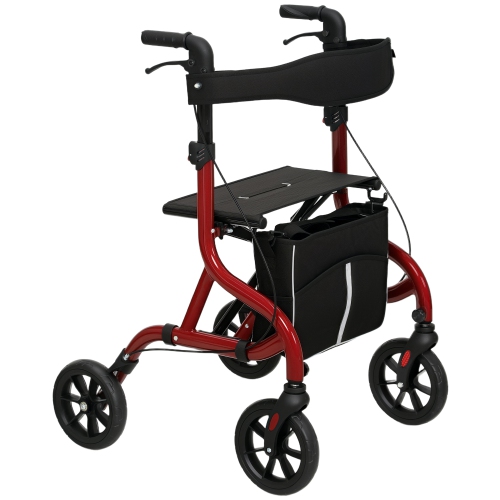
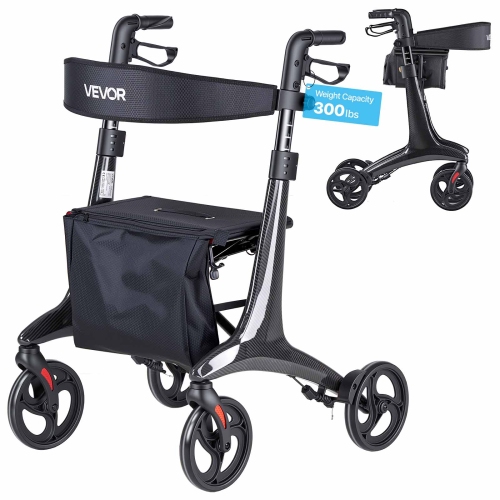
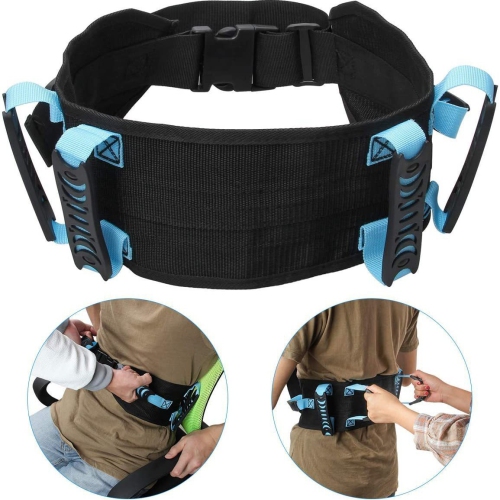
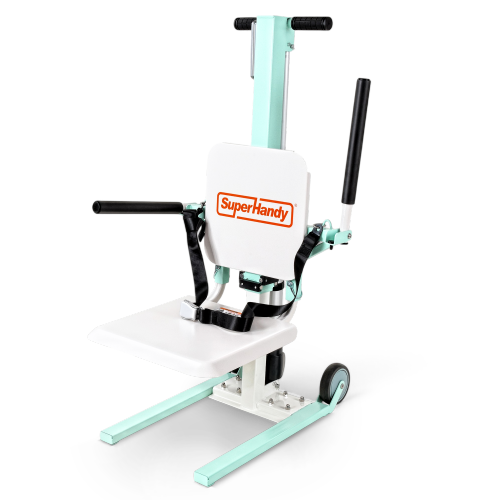
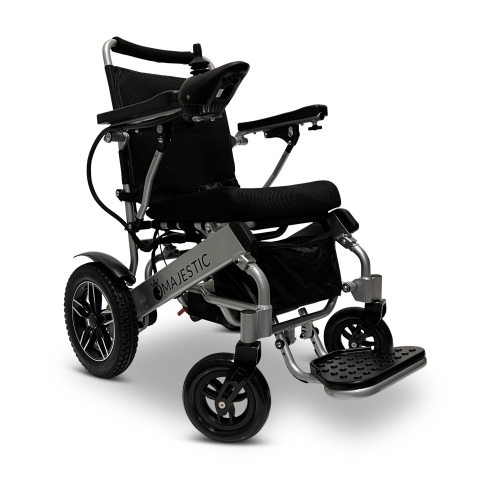
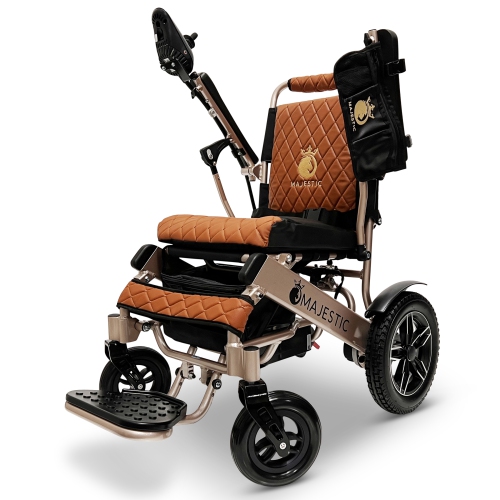
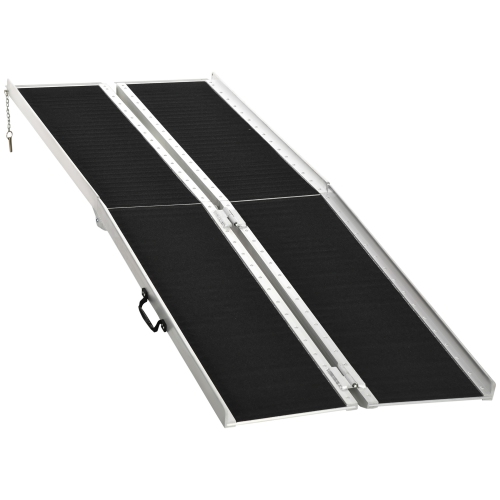
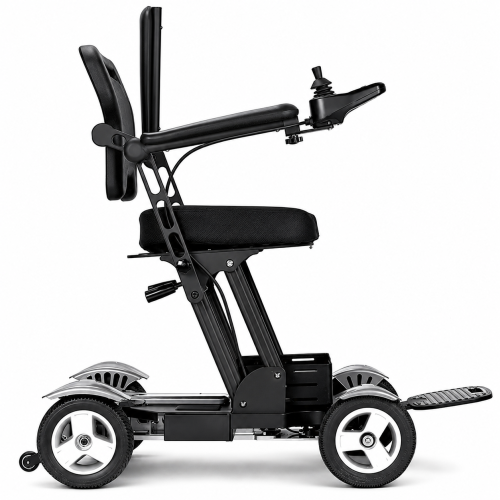
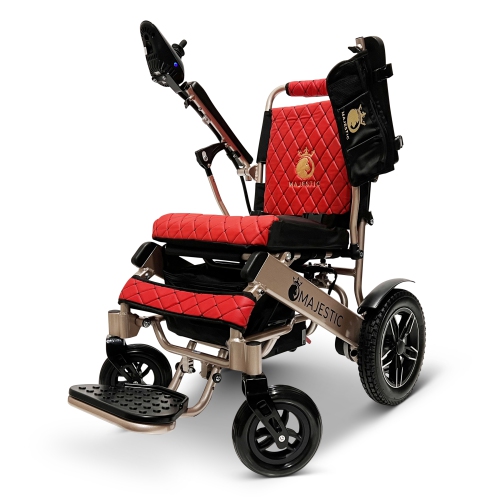
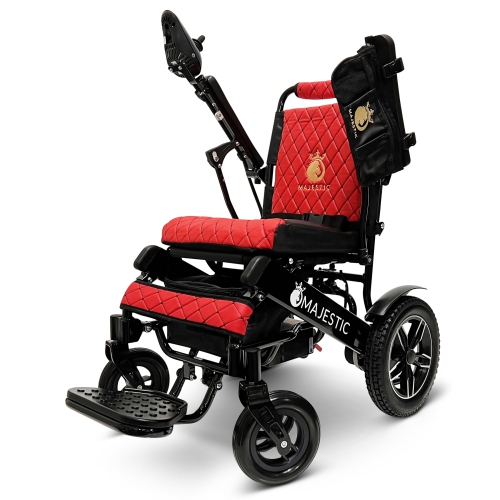

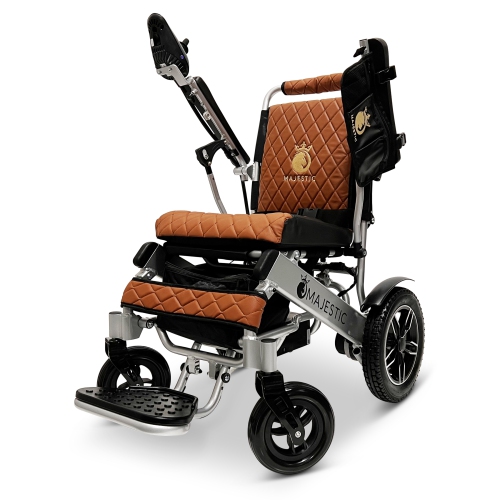
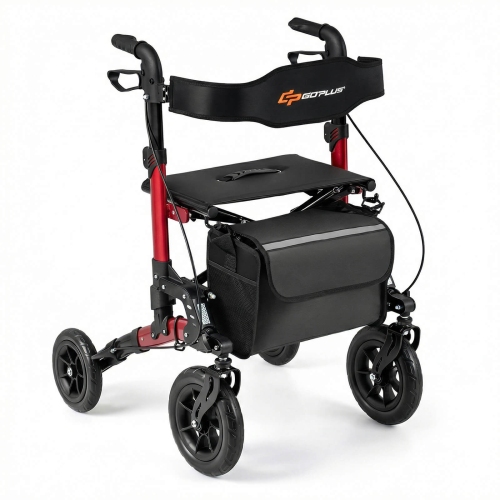
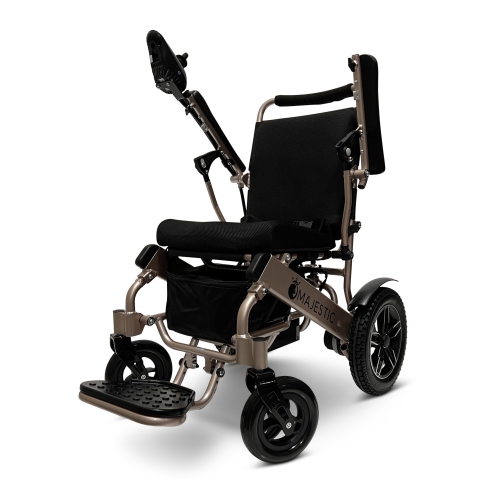
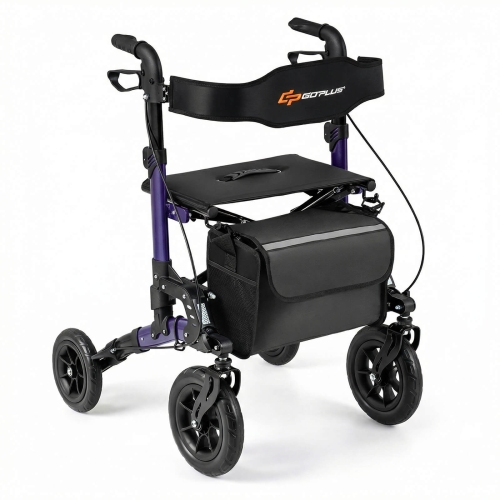
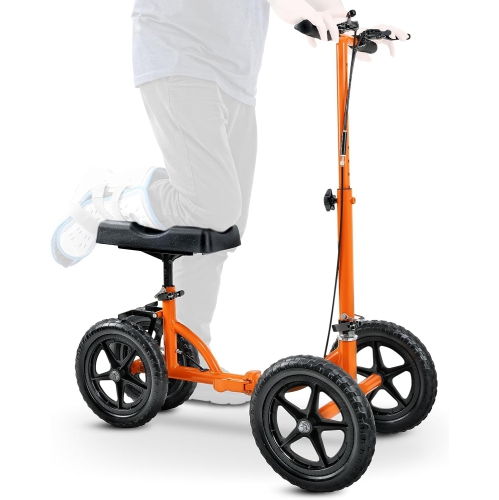
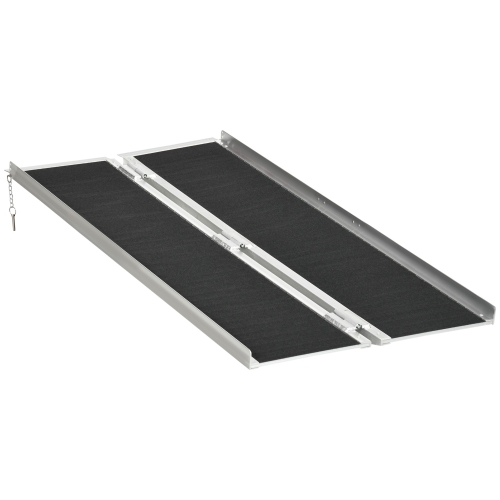
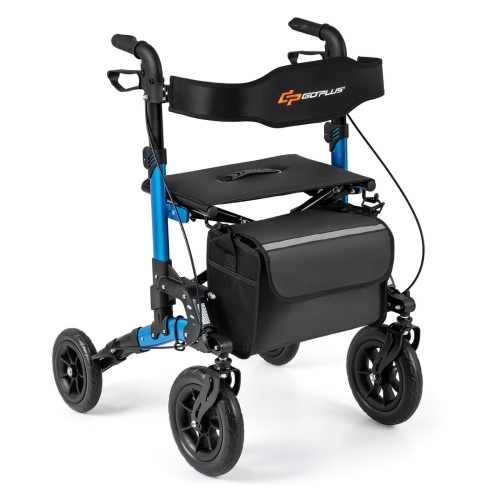
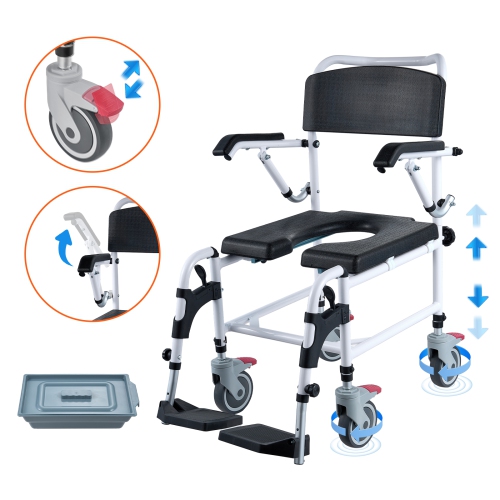
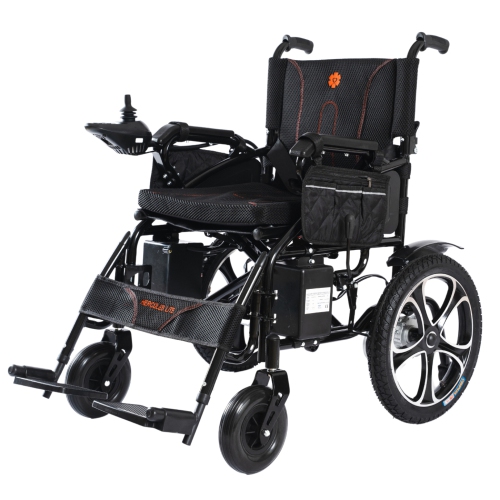
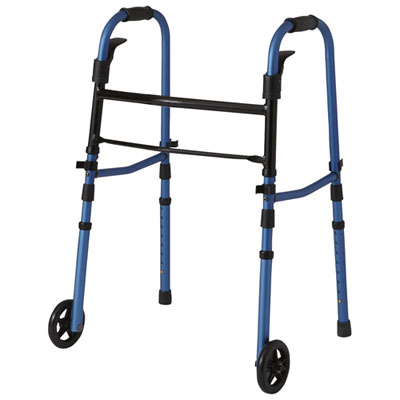
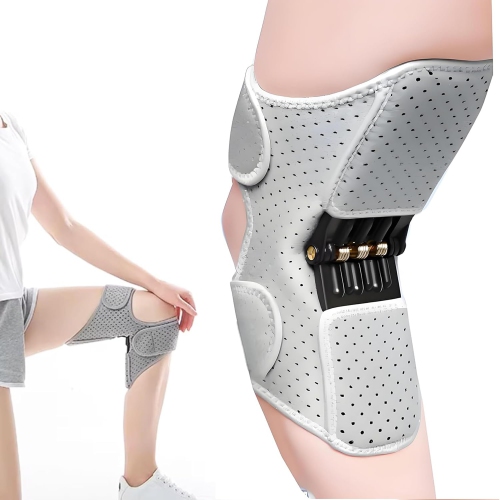
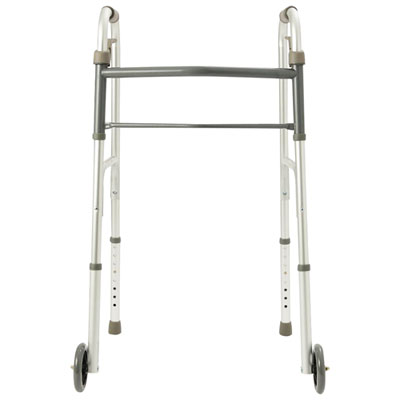
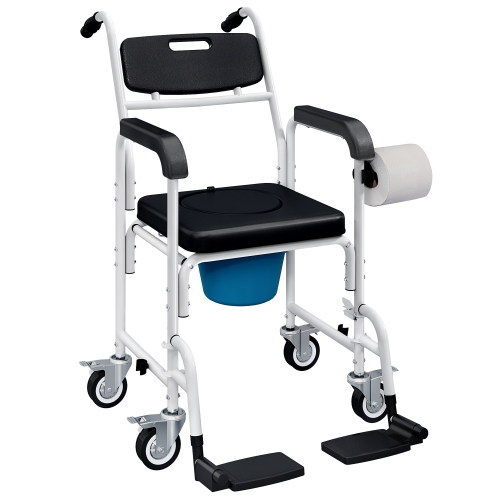
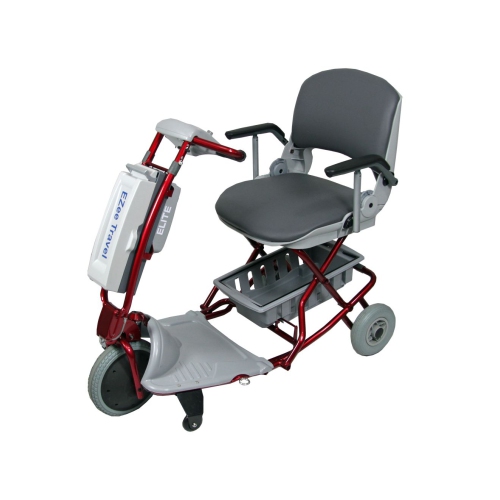
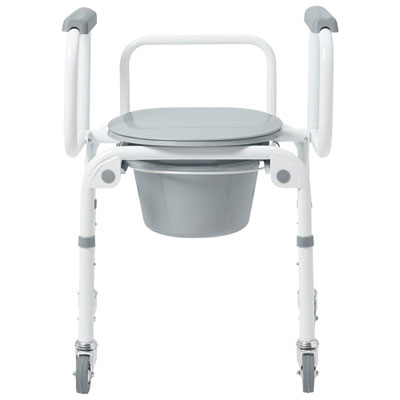
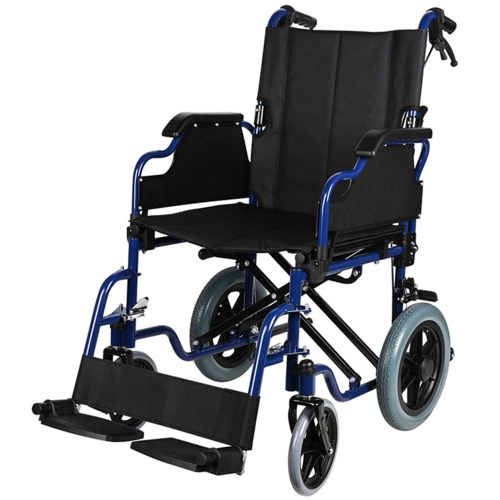
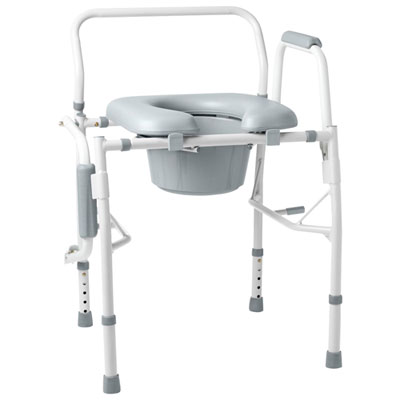
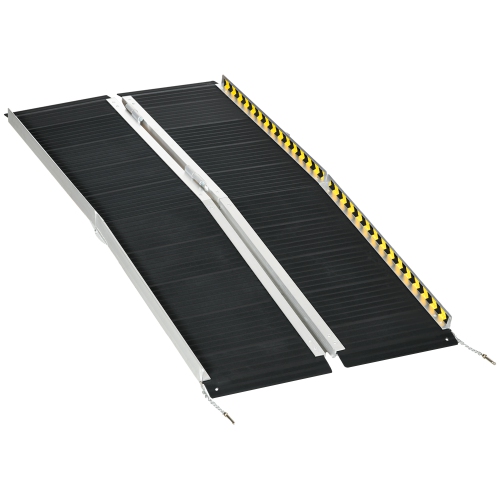
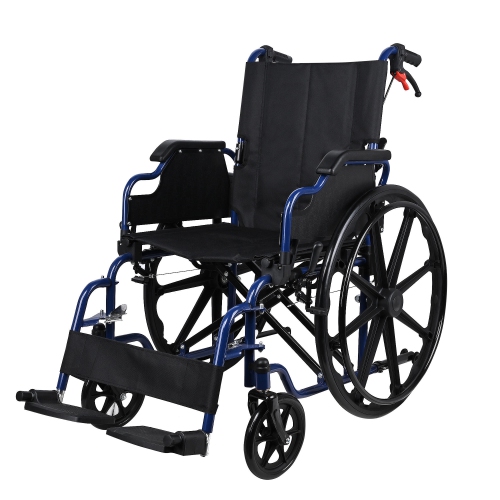
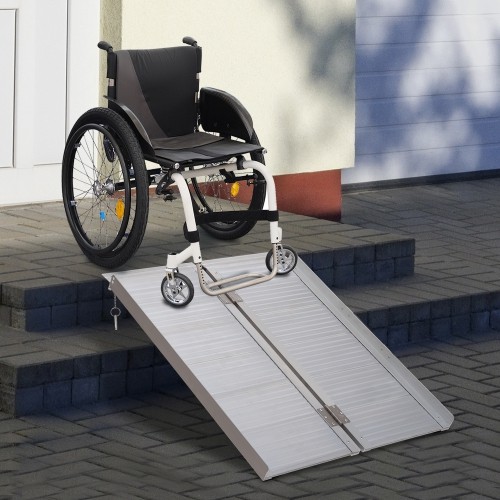
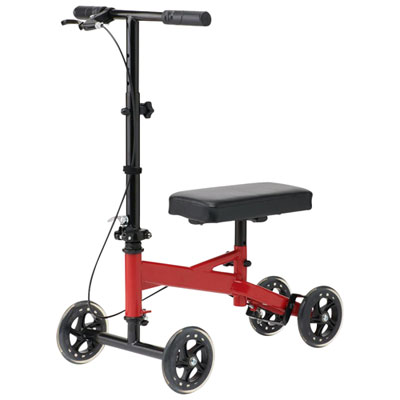
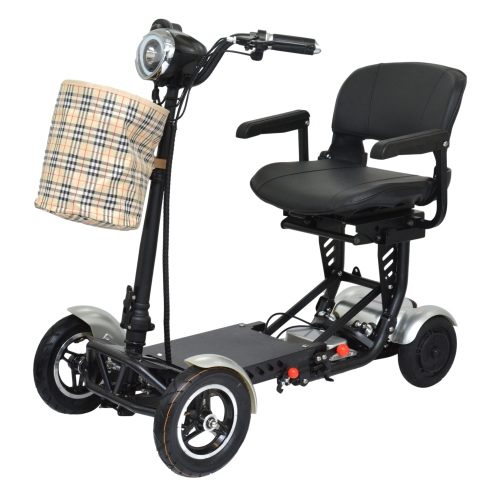
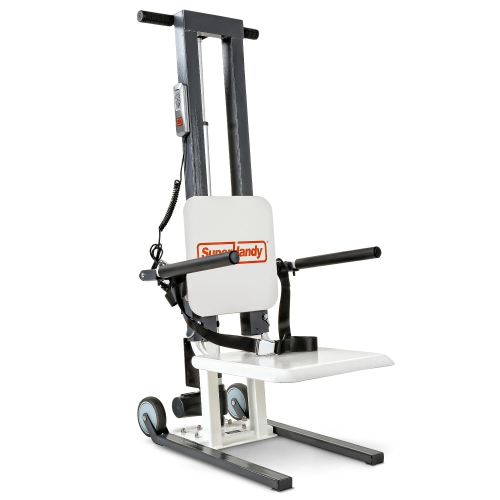
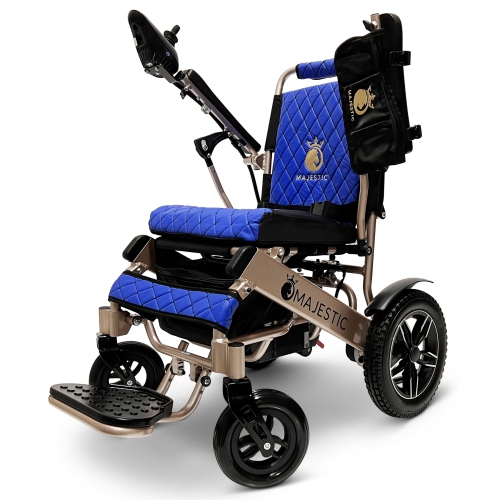
Safer movement and greater confidence in everyday routines
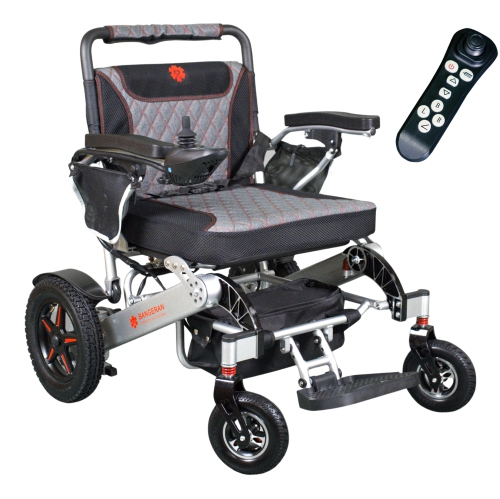
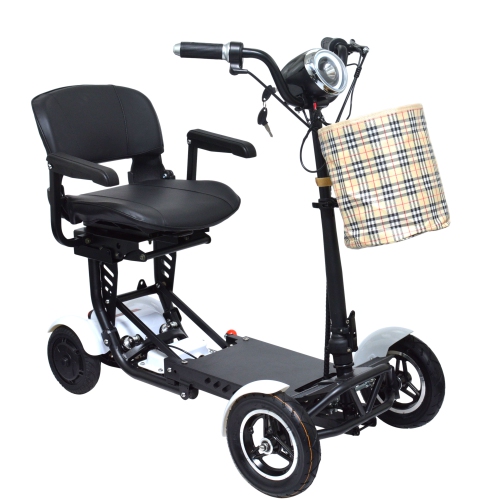
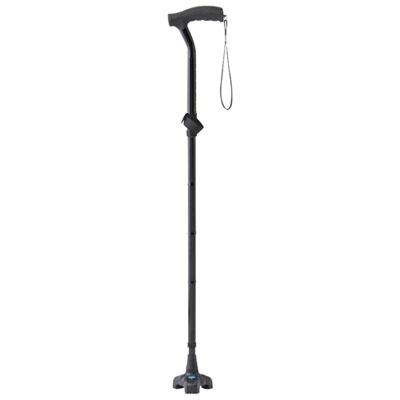
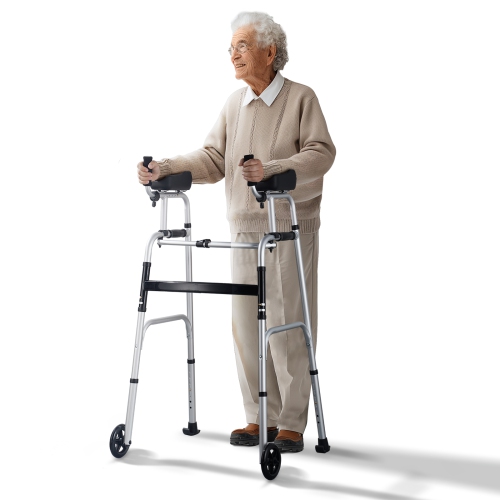
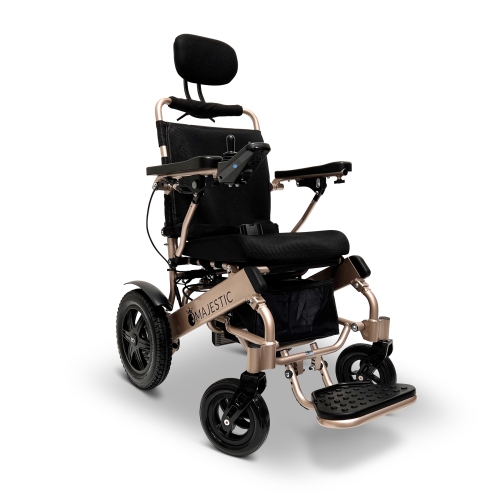
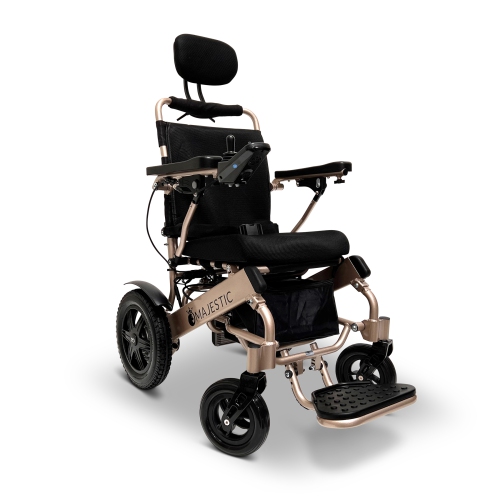
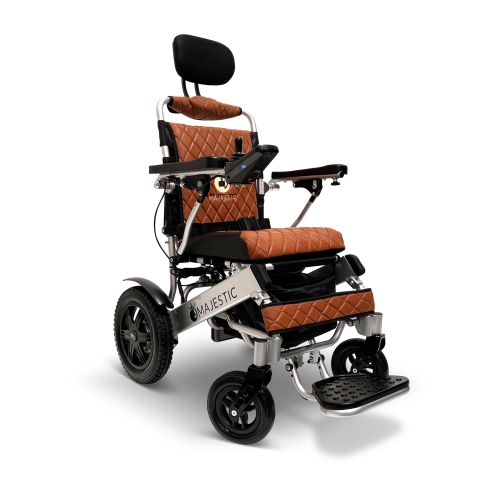
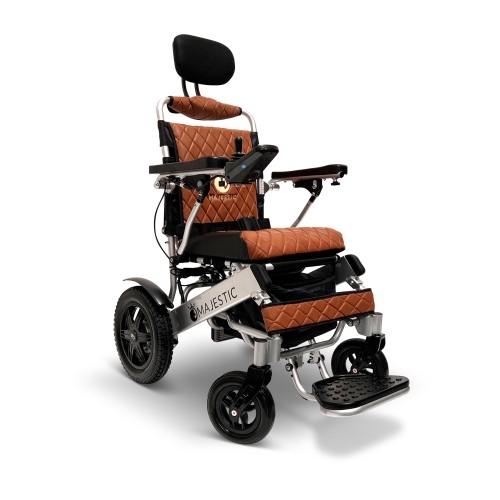
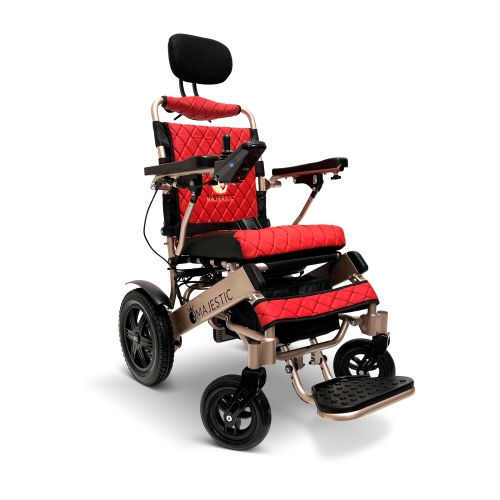
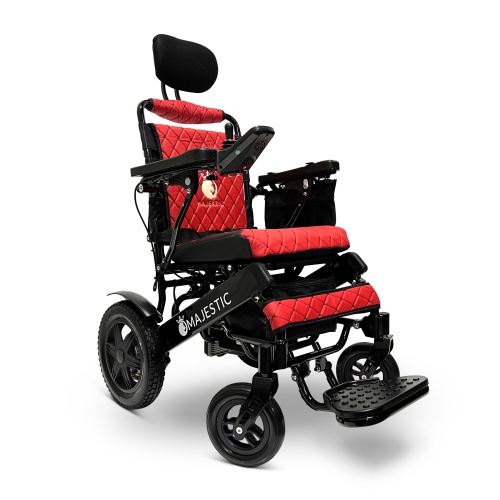
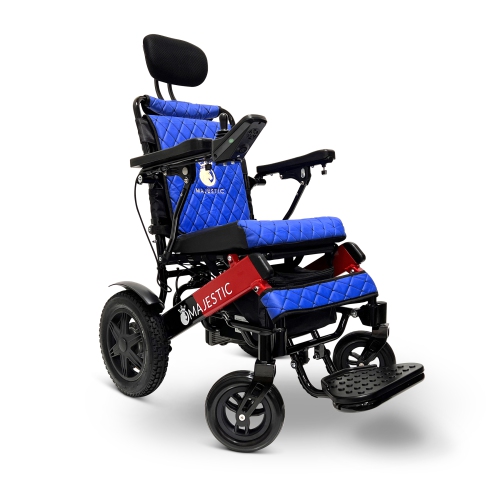
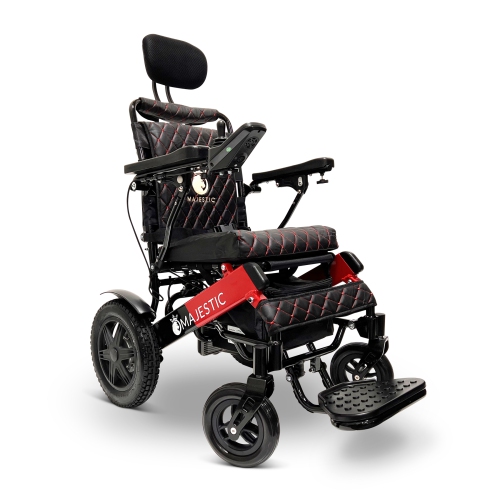
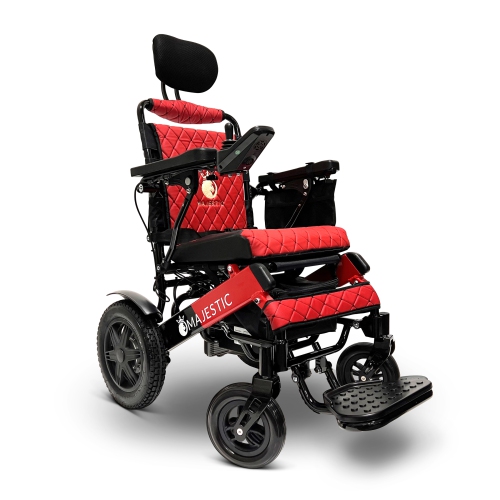
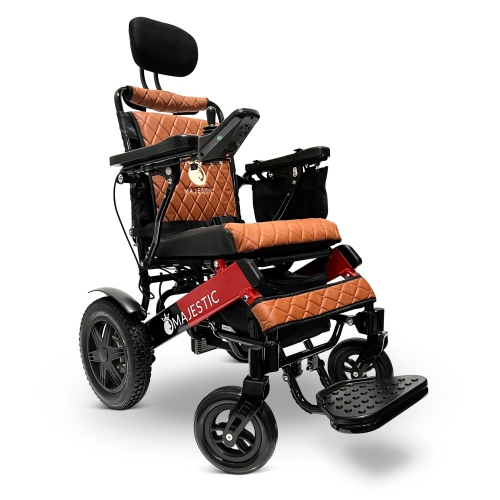
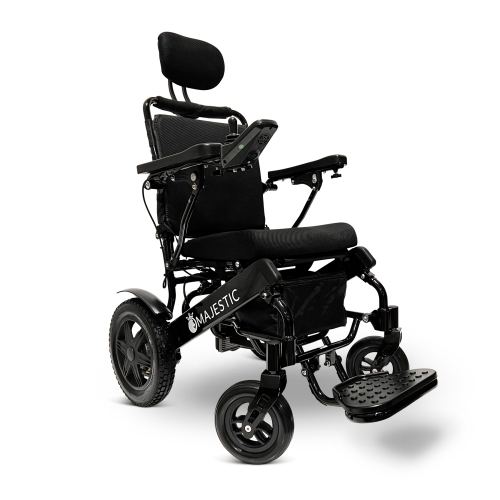
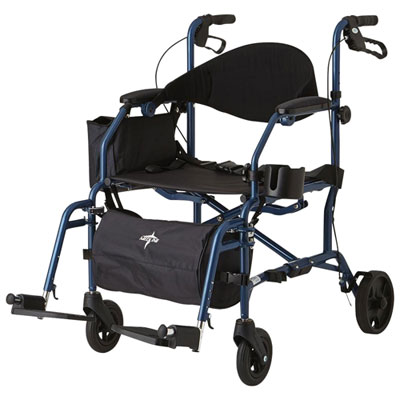
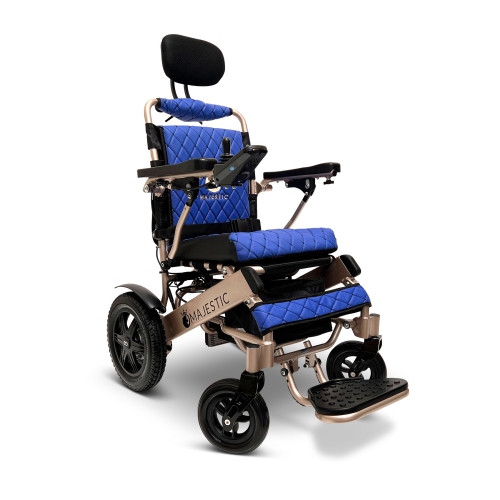
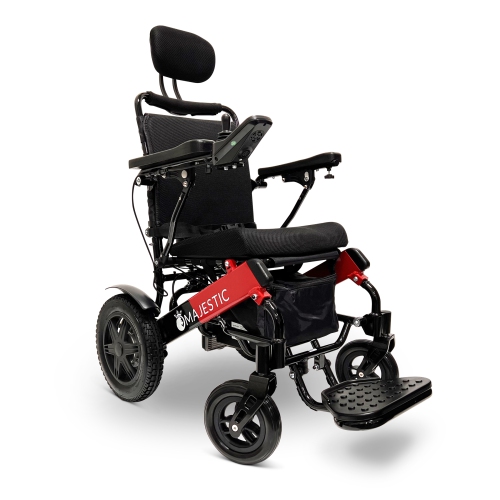
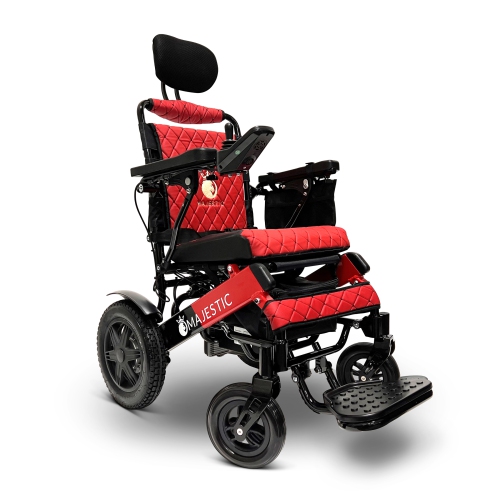
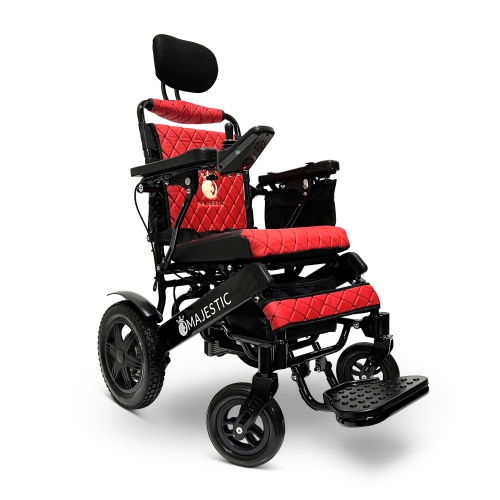
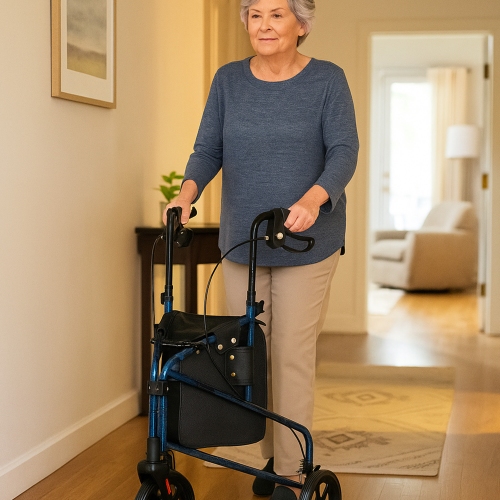
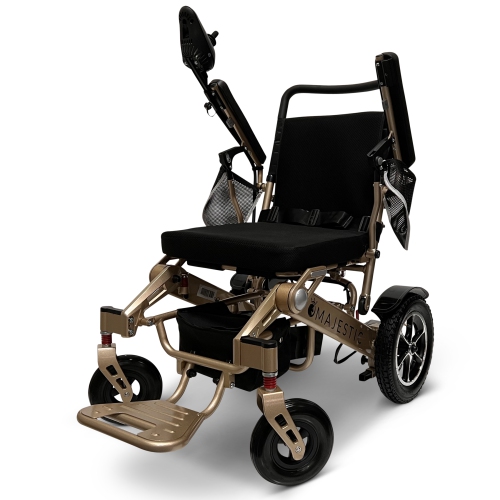
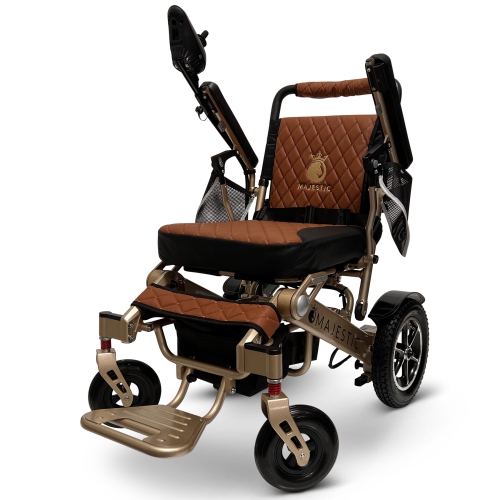
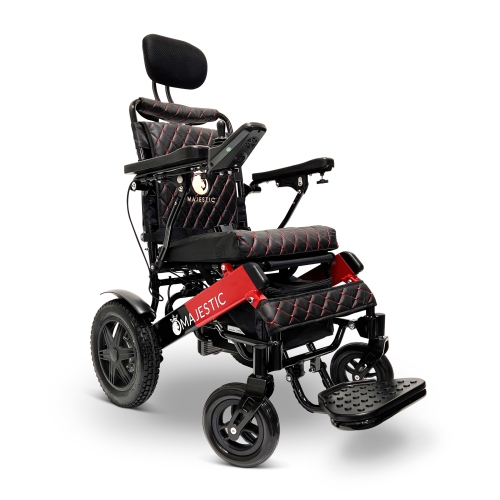
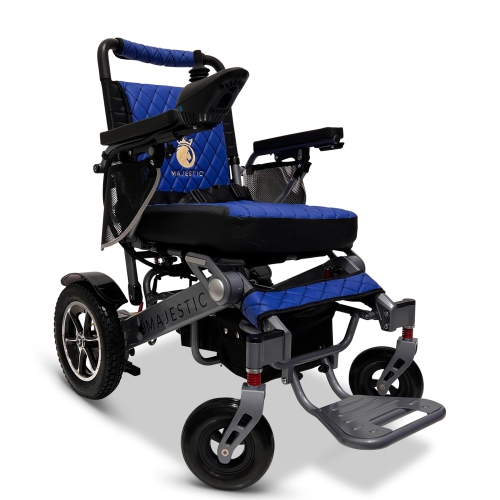
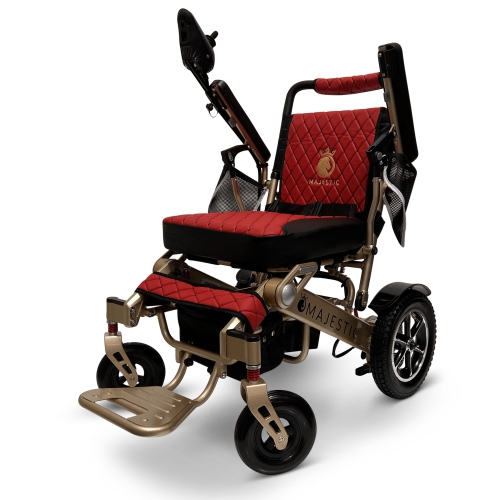
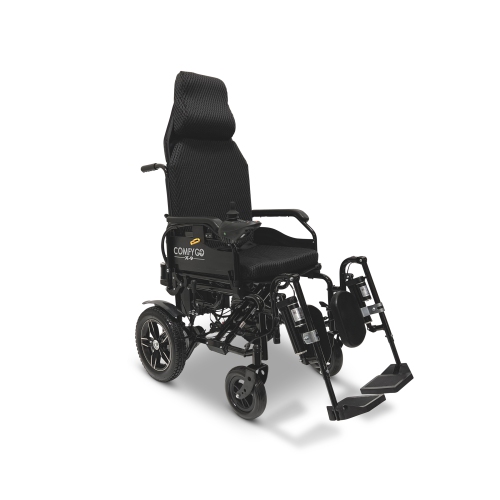
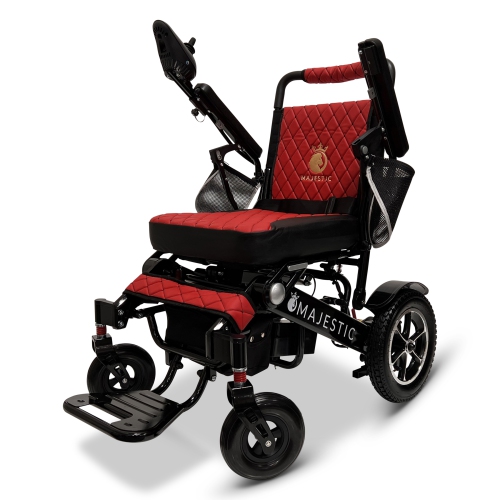
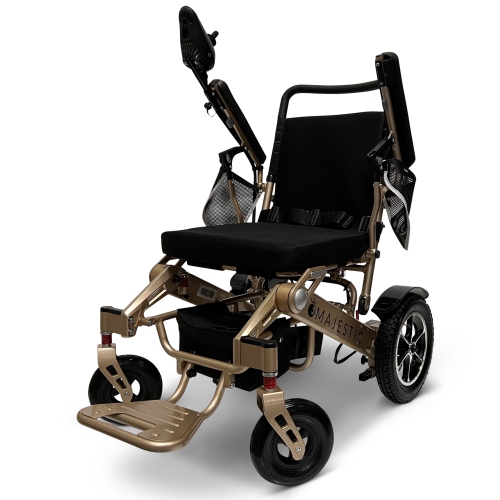
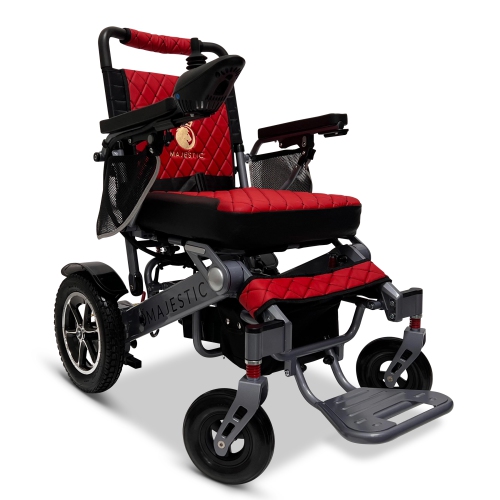
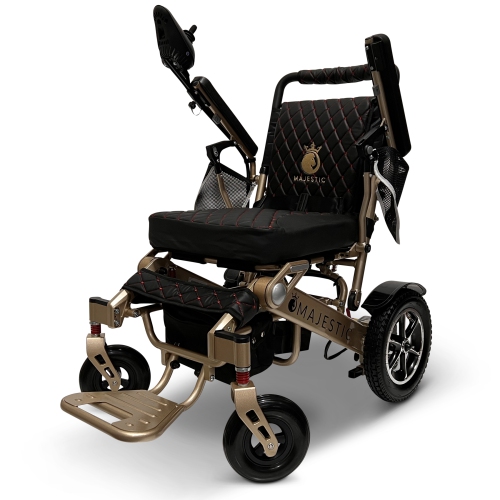
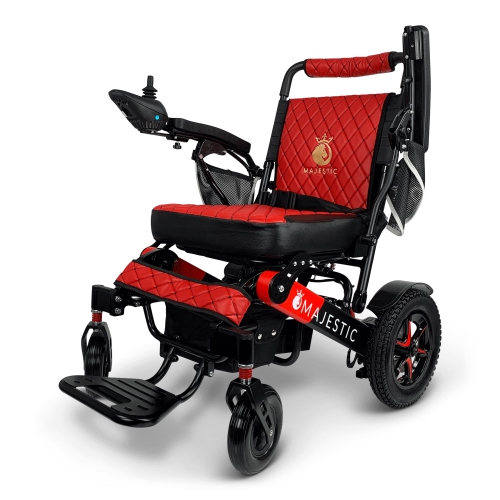
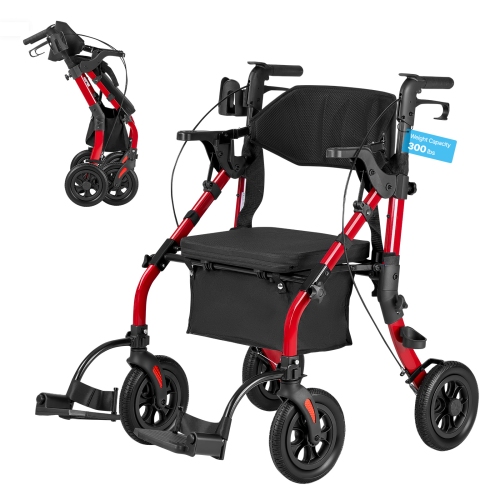
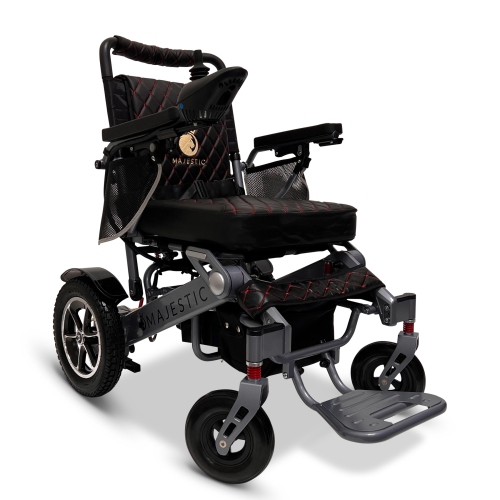
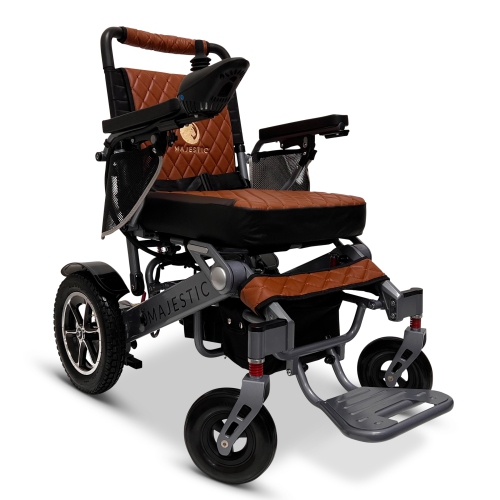
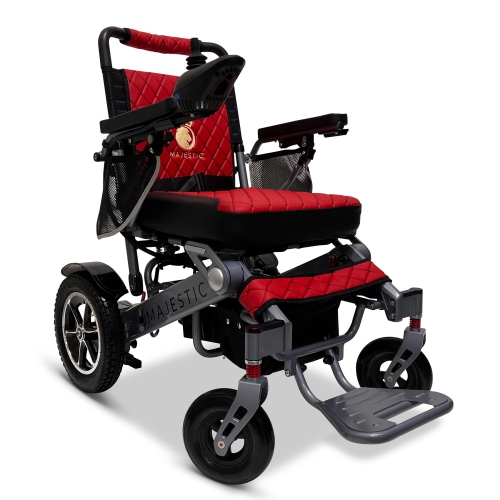
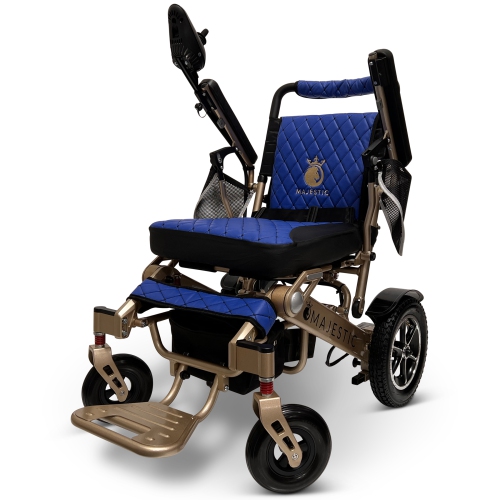
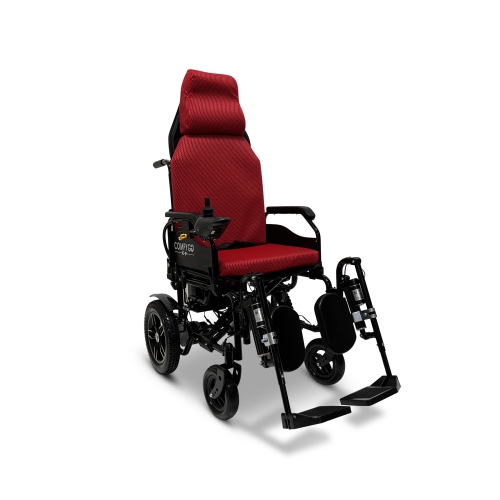
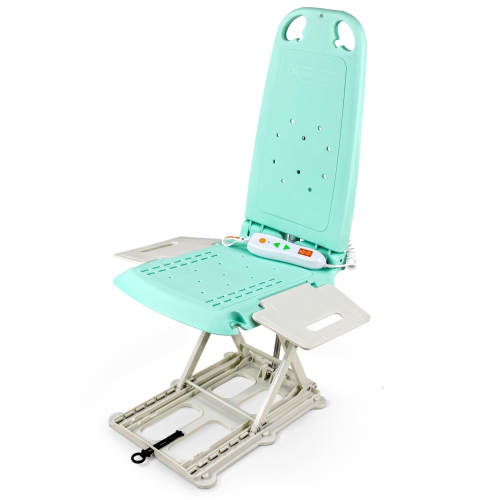
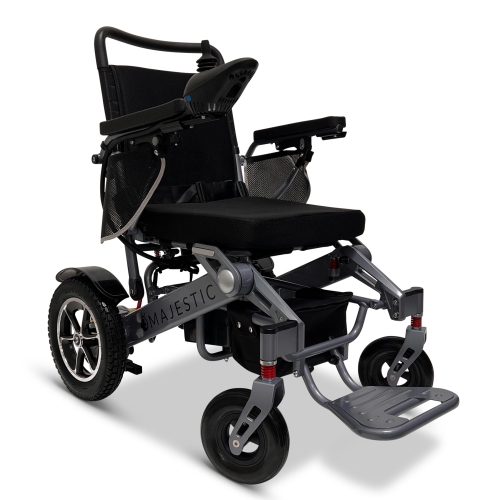
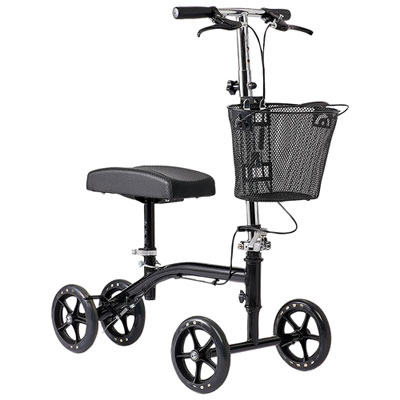
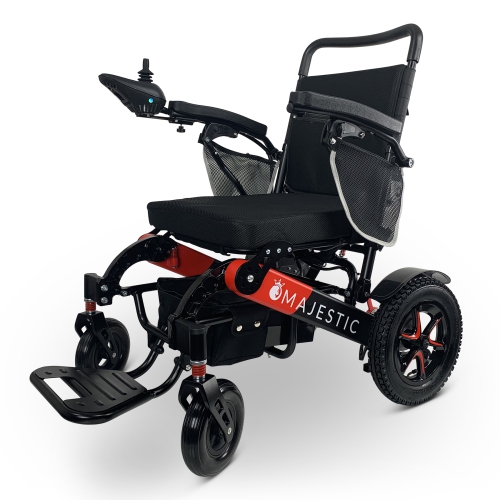
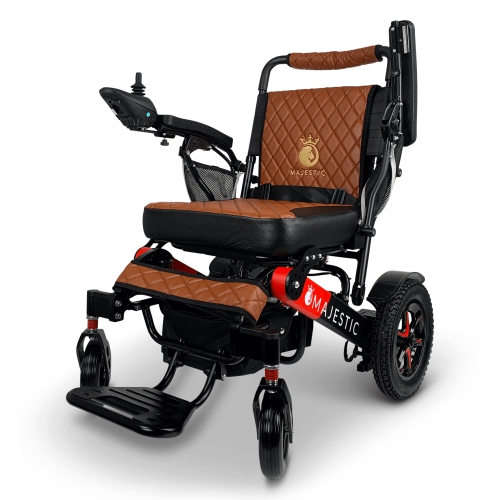
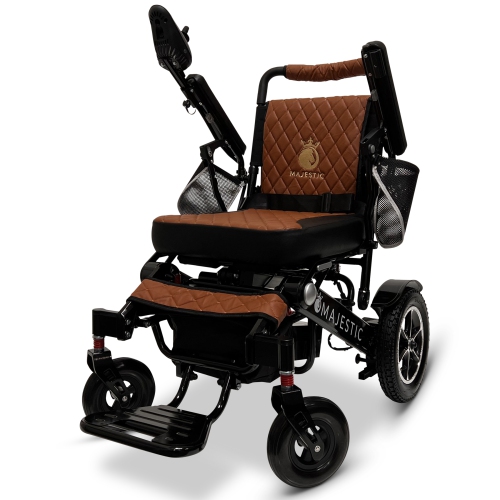
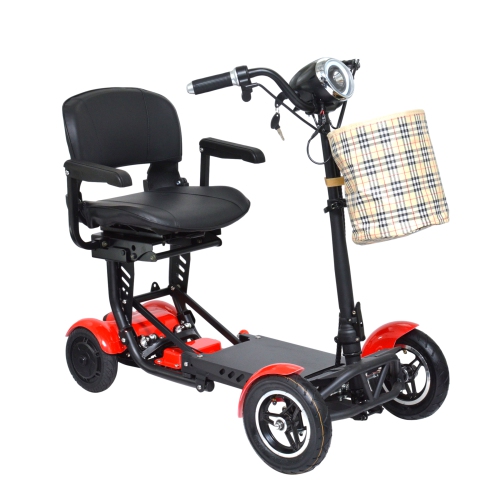
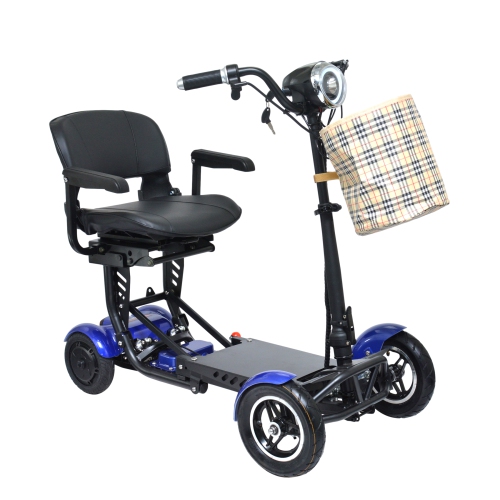
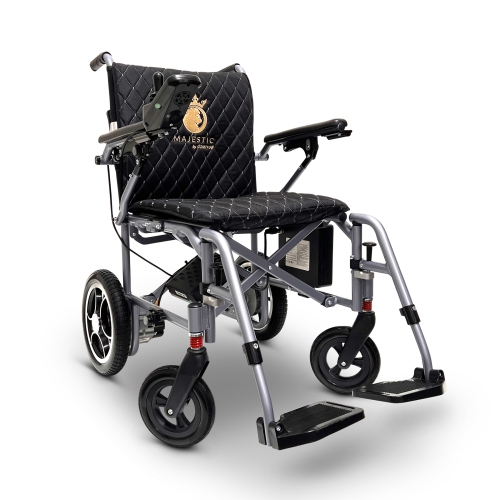
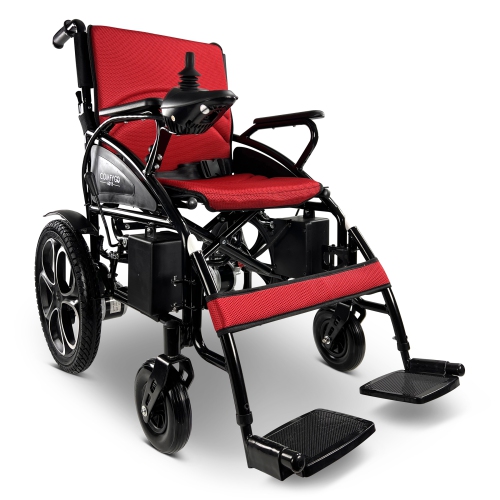
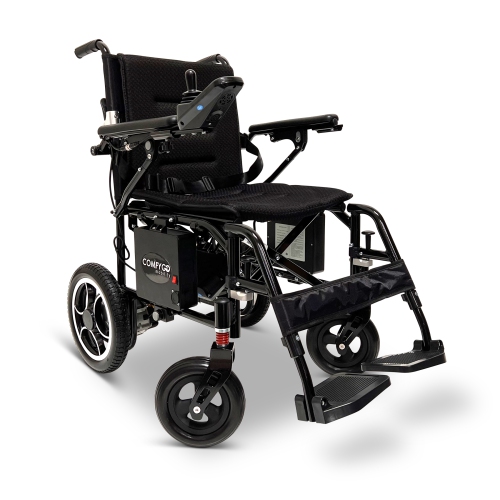
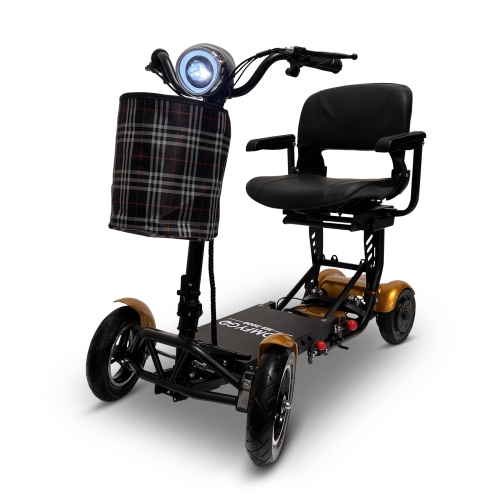
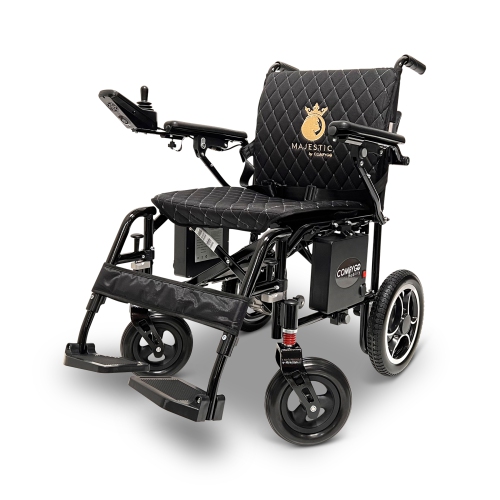
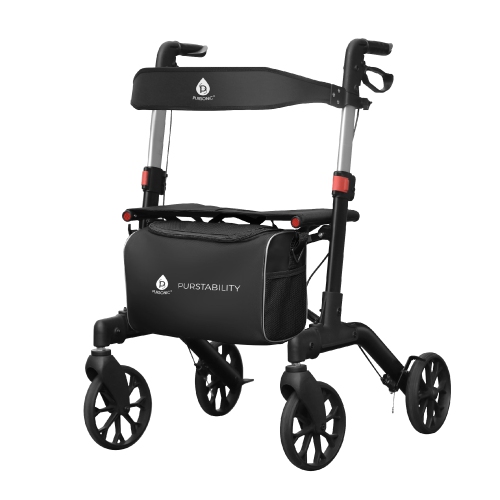
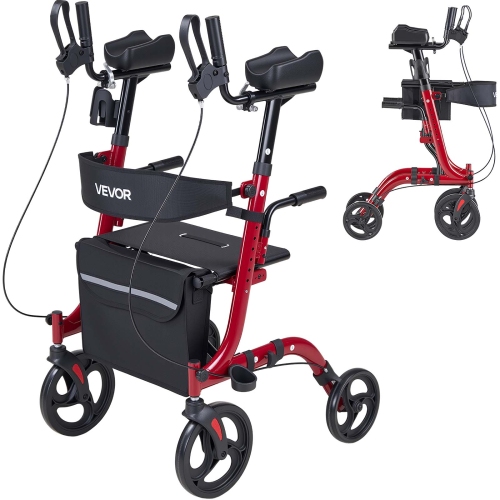
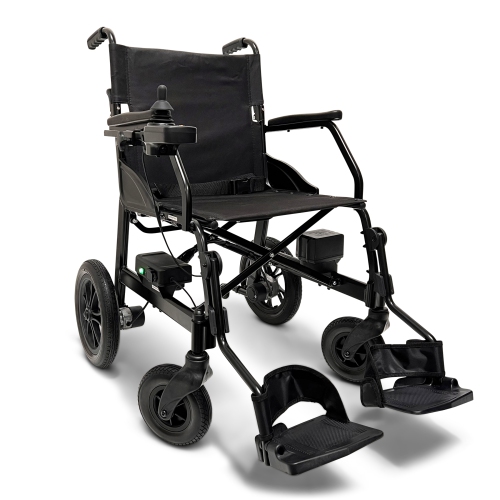
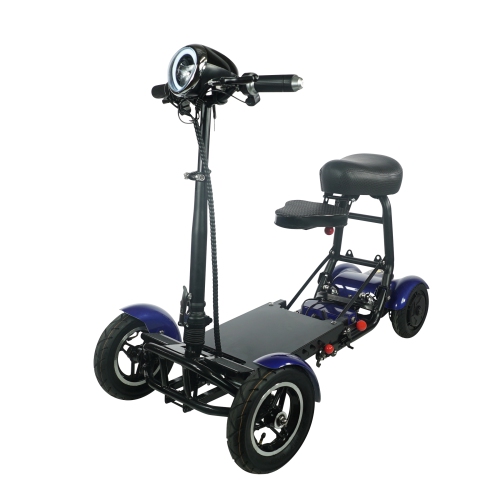
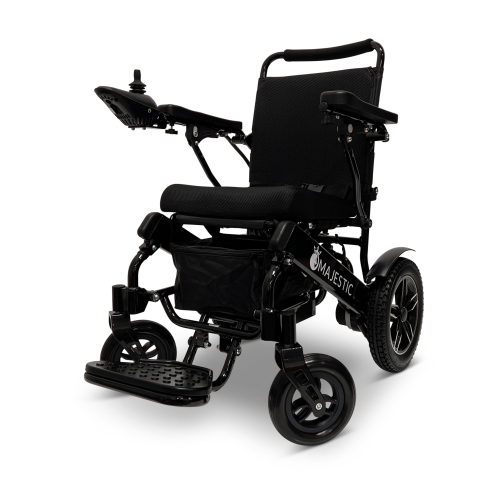
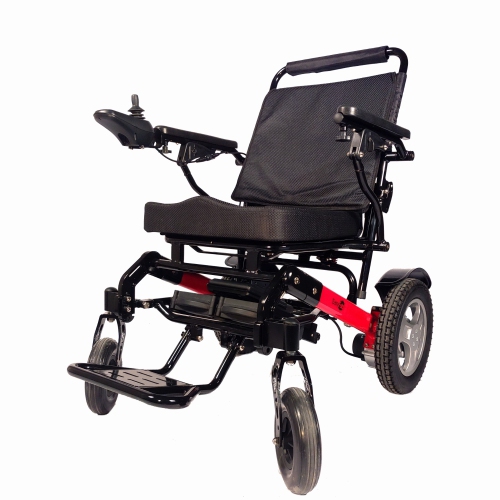
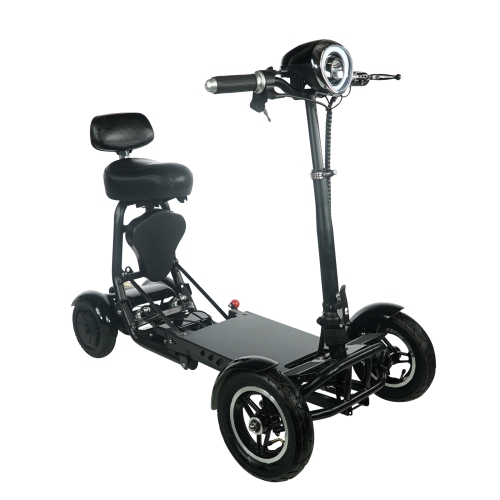
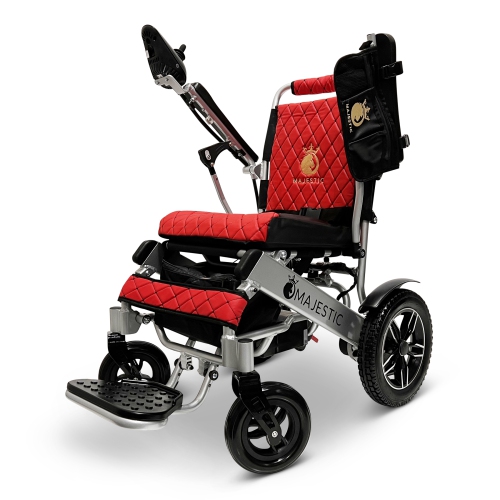
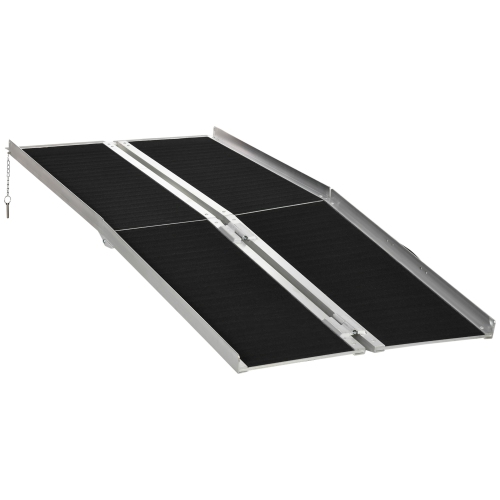
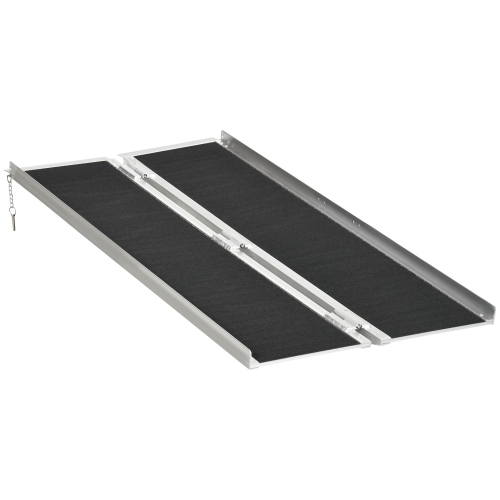
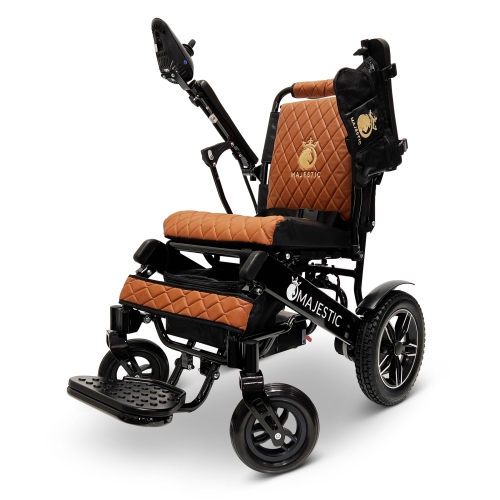
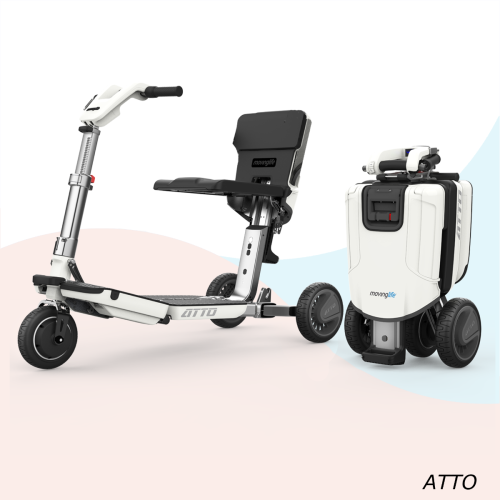
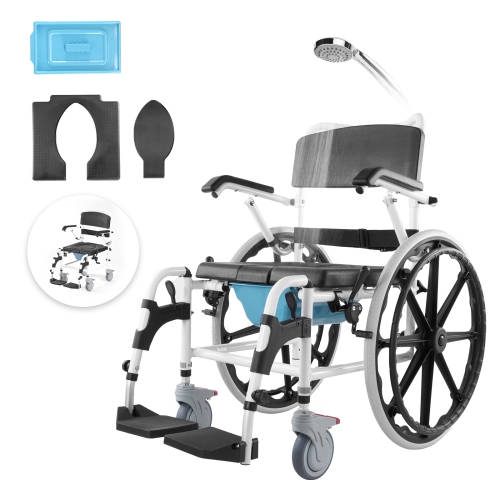
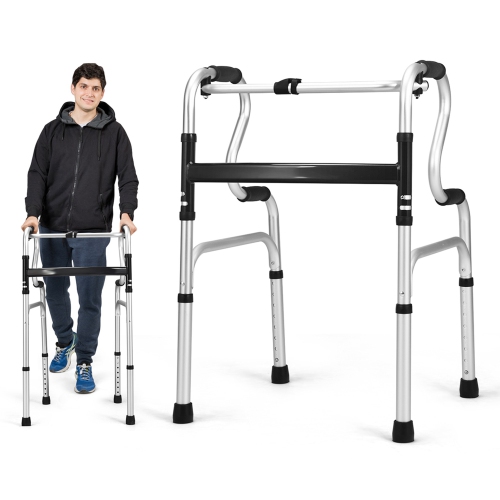
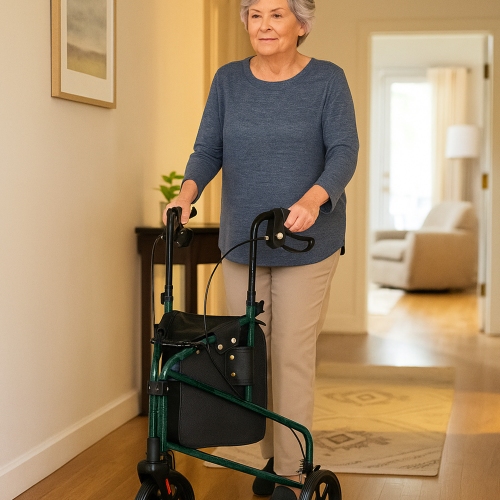
Mobility aids for disabled people are designed to support safer, more comfortable movement at home and away from home. They may be used by people living with a permanent disability, recovering from surgery or an injury, managing reduced balance, or experiencing changes in strength, coordination, or endurance. The right aid can help someone move between rooms, stand from a chair, reach the front door, navigate a shopping area, or take part in everyday activities with greater confidence. Options range from canes and quad canes for light balance support to walkers and rollators that provide a broader, more stable base. Crutches can help keep weight off an injured leg or foot, while manual wheelchairs, transport chairs, power wheelchairs, and mobility scooters may be suitable for people who cannot walk safely or who tire quickly over longer distances. Transfer and standing aids can make it easier to rise from a sofa, bed, or dining chair, particularly when low seating or reduced leg strength makes that movement challenging. Browse our selection of Mobility Assistance products to compare equipment intended for different levels of support, movement, and daily use.
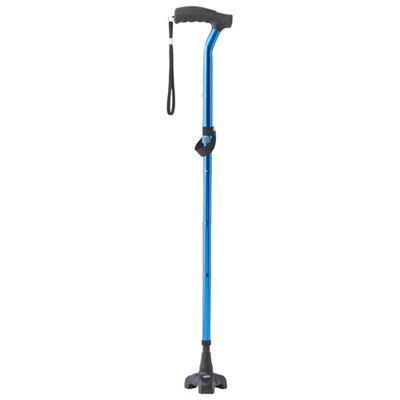
Choosing a mobility aid starts with understanding how and where it will be used. A cane is generally intended to provide a point of contact and modest balance assistance, while a quad cane offers a wider base and may feel more stable on firm, level surfaces. Walkers without wheels are often lifted and placed with each step, which can provide substantial support but may require enough upper-body strength and coordination. Wheeled walkers and rollators can be easier to move forward and may include hand brakes, a seat, or storage, making them useful for indoor routines, appointments, and longer outings with planned rest breaks. Crutches come in different styles, including underarm and forearm designs, and should be adjusted correctly so the user can maintain a safe posture without placing excessive pressure on the underarms or wrists. Wheelchairs and scooters also vary considerably in seat width, turning radius, portability, battery range, and terrain capability. Before purchasing, consider the user’s height, weight, grip strength, balance, walking ability, home layout, and transportation needs. Measure doorways, hallways, bathroom spaces, and vehicle compartments when relevant. Pay attention to handle height, seat height, wheel size, braking systems, footrests, armrests, folding mechanisms, and the amount of lifting required. A device that feels manageable in a bright, open showroom may be more difficult to use on a narrow hallway, a sloped driveway, or a floor covered by loose rugs. During the cooler months, outdoor surfaces may also become wet, icy, or uneven, so safe routes, appropriate footwear, and professional guidance remain important.
Mobility aids can be purchased for personal use or given as a thoughtful, practical gift to a parent, grandparent, friend, or family member who is adjusting to a new mobility need. A lightweight cane or folding transport chair may help with occasional outings, while a more supportive walker, rollator, or wheelchair may become part of a daily routine. It is considerate to involve the intended user in the decision, since comfort, appearance, ease of use, and independence all influence whether an aid becomes a trusted part of everyday life. A caregiver may also value features that simplify assistance, such as lockable brakes, adjustable handles, removable footrests, compact storage, or a seat for breaks. For someone recovering from an operation or lower-body injury, an aid may be needed for a limited period; for someone with a long-term disability, durability, fit, serviceability, and daily comfort may matter most. Mobility equipment should not be selected by appearance alone. A healthcare professional, occupational therapist, physiotherapist, or qualified mobility specialist can help determine the appropriate type and fit, especially when the user has significant balance concerns, pain, weakness, or a complex medical condition. Follow the manufacturer’s instructions for assembly, weight limits, charging, folding, and maintenance, and check that brakes, wheels, tips, grips, and fasteners remain secure. Public and provincial assistance programs may help eligible Canadians with the cost of approved mobility equipment, although coverage, application steps, documentation, and approved categories differ by province or territory. Checking local resources before purchasing can help clarify whether an assessment, prescription, vendor, or pre-approval is required. With the right match and careful setup, a mobility aid can support everyday independence—from moving safely around the kitchen to enjoying a visit with family—while helping the user feel more prepared across changing routines and conditions.
Top selling and popular products
-
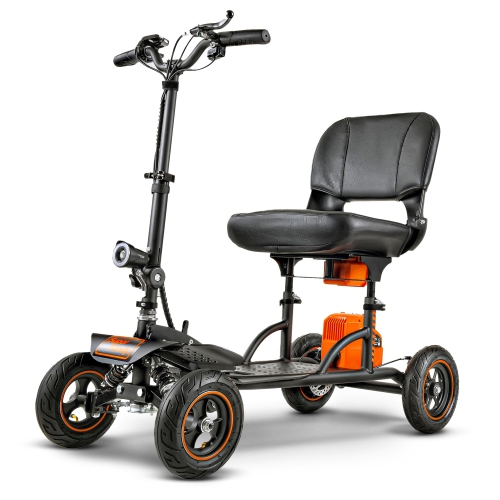 Your price for this item is $1100.99
-
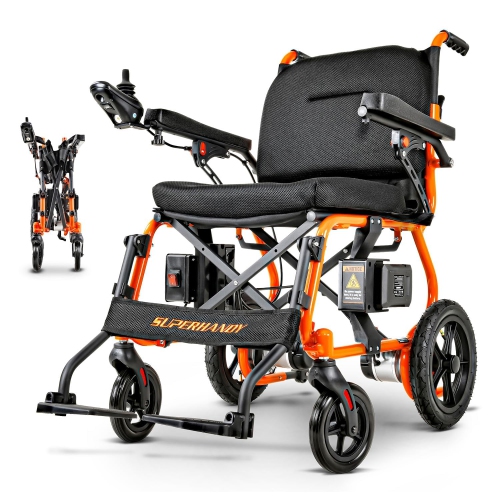 Your price for this item is $950.99
-
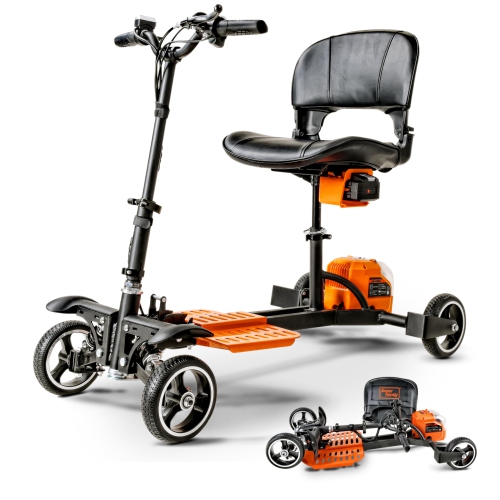 Your price for this item is $999.99
-
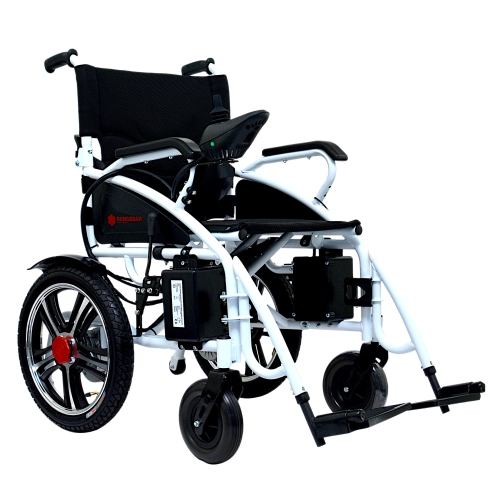 Your price for this item is $1999
-
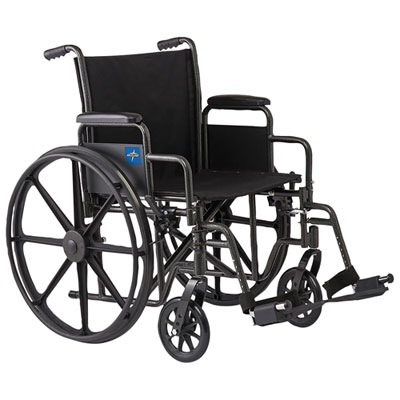 Your price for this item is $314.98
-
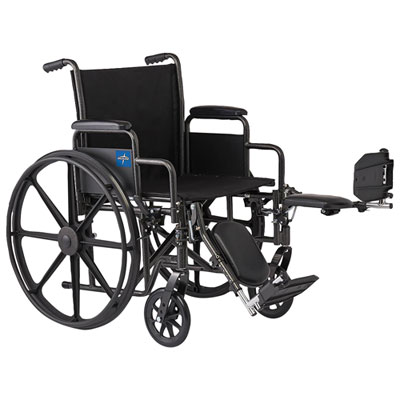 Your price for this item is $458.98
-
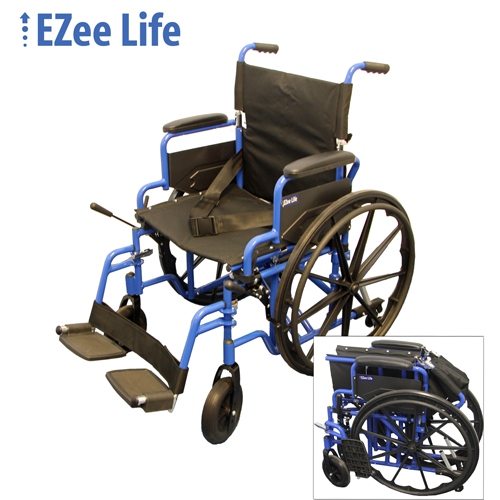 Your price for this item is $349.99
-
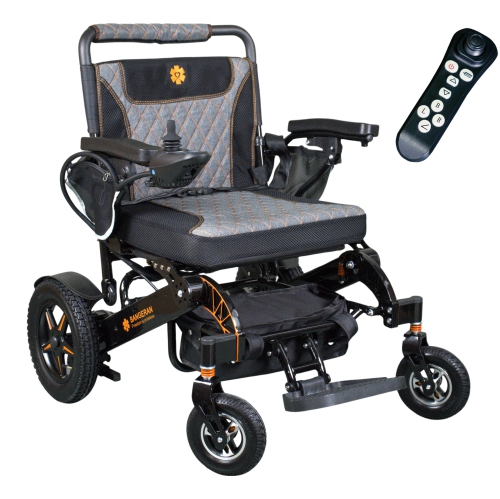 Your price for this item is $2039
Discover more categories related to Mobility Aids for Disabled
Top Collections:
Pokemon Centers, Kindle Devices, Best Budget Office Chairs, Canon G7X Cameras, Apple iPhones 16, Samsung Galaxy Phones, Refurbished Apple Laptops, Laptops for Students, iPhone 15 Apple, Budget Smartphones
Some products may be subject to Environmental Handling Fees
(EHF) depending on your province.
Learn more about EHFs.