Physical Education Equipment
Enhance your physical education program with a wide selection of top-quality equipment designed to keep students active and engaged. From classic essentials like balls and cones to innovative gear that promotes skill development and teamwork, our collection offers everything you need to create a dynamic and fun learning environment. Whether you're outfitting a school gymnasium, community center, or backyard play area, you'll find a diverse range of options to suit various ages and skill levels. Get ready to elevate your PE classes with durable, versatile, and exciting equipment that encourages movement, cooperation, and healthy habits.
Sort





Flexible equipment for lessons, active play, and skill building
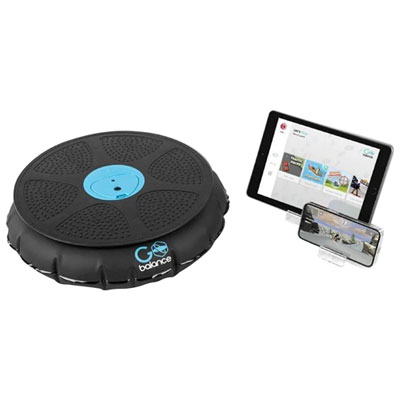
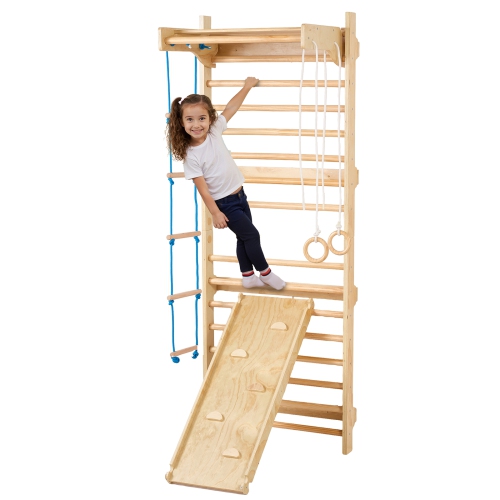
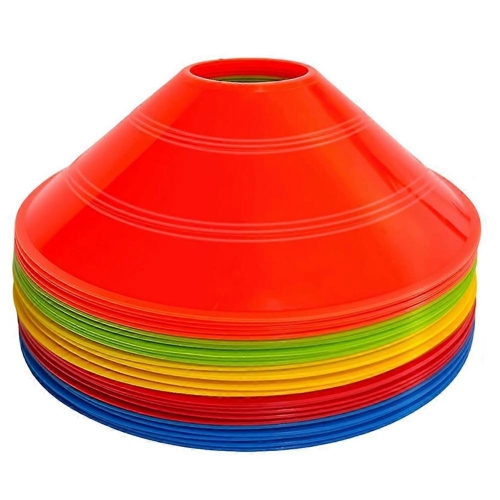
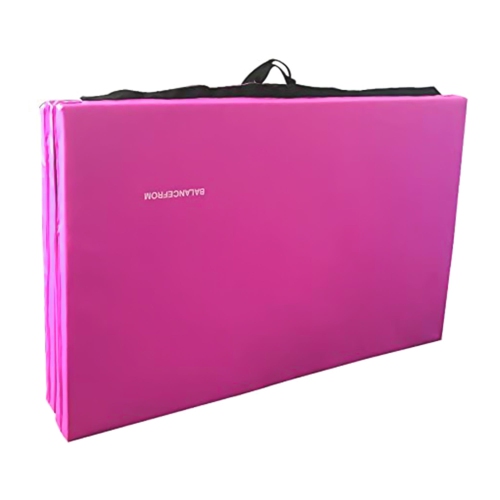
Physical education equipment helps make movement, skill development, and group participation part of everyday learning. A well-rounded selection can support warmups, structured lessons, free play, fitness activities, and cooperative games for children, teens, and adults. Foam safety balls, dodgeballs, playground balls, and fleece balls can be used for throwing, catching, kicking, rolling, target practice, and modified team games, with softer materials often suited to younger participants or indoor spaces. Poly spots, flat discs, and cones help define boundaries, create stations, organize relay courses, and guide footwork drills without taking up much storage space. Jump ropes and hula hoops encourage rhythm, balance, timing, and cardiovascular activity, while balance trainers and tumbling mats give learners a comfortable surface for practising stability, floor movements, stretching, and basic gymnastics skills. For additional movement-focused activities, explore Gymnastics Equipment. Whether the setting is a classroom, recreation centre, community hall, backyard, or home playroom, these versatile pieces can be adapted to different ages, abilities, and experience levels.
When choosing physical education equipment, consider the number of participants, the available floor space, the activities being planned, and whether the equipment will be used indoors, outdoors, or in both settings. A school or community program may benefit from sets with multiple colours and matching pieces, making it easier to divide a large group into teams or activity stations. Sport bibs and pinnies can help participants identify teams at a glance, while cones, poly markers, and hoops make it simple to establish lanes, goals, boundaries, and rotation points. Storage carts, carry bags, and compact equipment organizers can be especially useful when gear must be moved between a gym, classroom, field, or storage room. For indoor use, look for materials that are easy to handle on gym floors and suitable for the age group; for outdoor sessions, choose equipment that can be seen clearly across a larger area and used on grass, asphalt, or other appropriate surfaces. Size and weight also matter. Younger children may find lightweight balls, shorter jump ropes, and smaller targets easier to control, while older students and adult groups may be ready for full-sized equipment and more challenging skill progressions. Checking the recommended age range, dimensions, material, and care instructions can help ensure each item fits the intended lesson plan and can be used comfortably by the people taking part.
Physical education gear is useful for more than formal gym classes. Families can use it to create simple movement circuits at home, practise coordination between outdoor activities, or keep children active during the cooler months when indoor play becomes more appealing. Coaches, camp leaders, daycare staff, physiotherapists, and recreation instructors can use the same basic equipment for warmups, skill-building exercises, inclusive games, and low-pressure social activities. It can also be a thoughtful gift for a child who enjoys sports, a teacher setting up a classroom activity area, or a new coach building a collection of reusable training essentials. A few brightly coloured markers can turn a driveway into an obstacle course, while a ball and a set of cones can transform an open field into a passing, dribbling, or relay space. In a school environment, stations can be adjusted so participants work at different speeds, repeat a movement several times, or choose a less demanding variation without feeling singled out. Mats and balance equipment can support controlled practice, and soft balls can make introductory throwing and catching less intimidating. As the weather shifts from mild outdoor days to more time inside, having adaptable equipment on hand makes it easier to maintain regular movement and keep activities fresh. Selecting durable, easy-to-clean pieces in practical quantities can help teachers, families, and program leaders build a dependable collection that supports active play, learning, and confidence over time.
Top selling and popular products
-
 Your price for this item is $266.99
-
 Your price for this item is $139.99
-
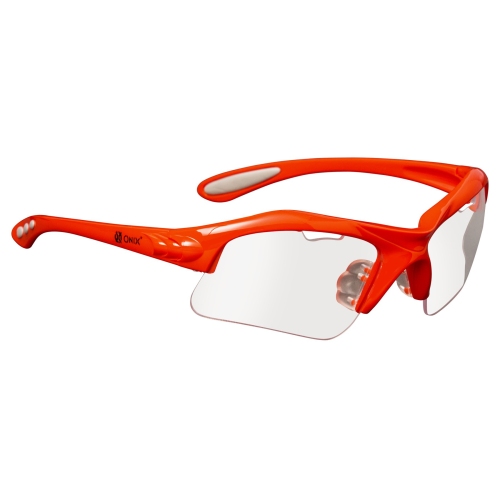 Your price for this item is $44.99
-
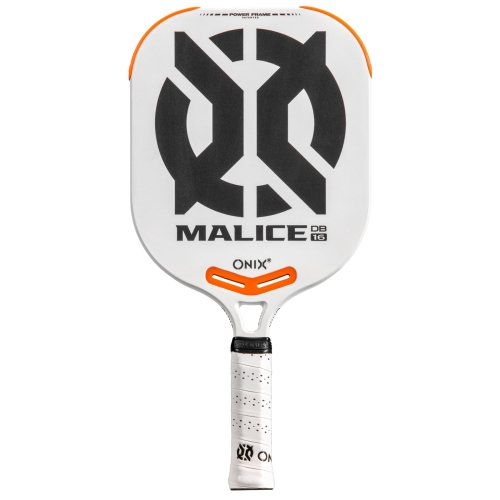 Your price for this item is $359.99
-
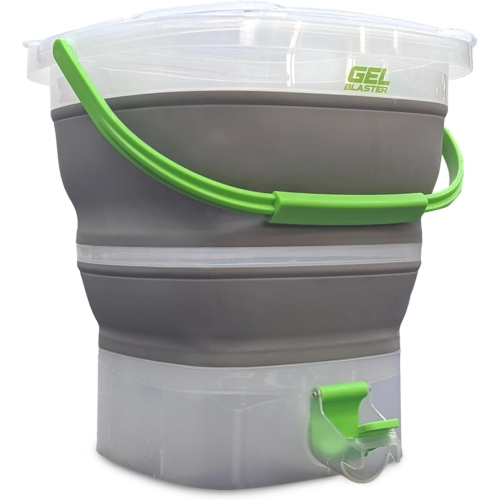 Your price for this item is $34.99
-
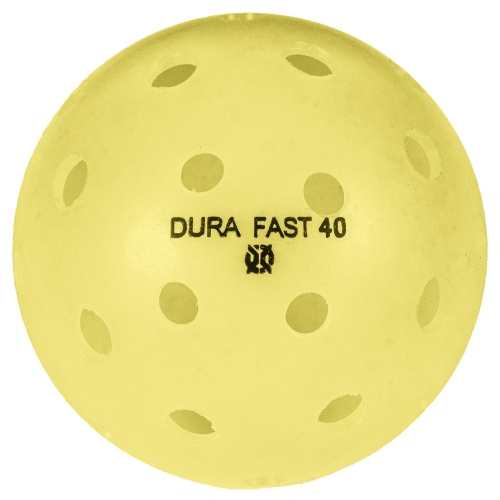 Your price for this item is $429.99
-
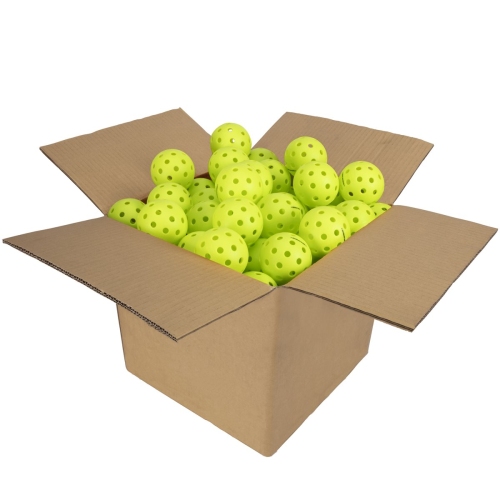 Your price for this item is $349.99
-
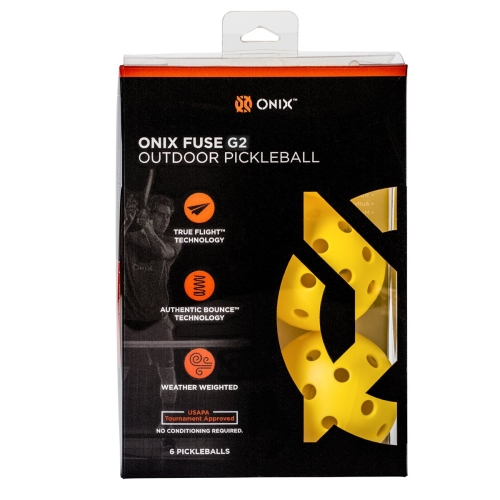 Your price for this item is $28.99
Discover more categories related to Physical Education Equipment
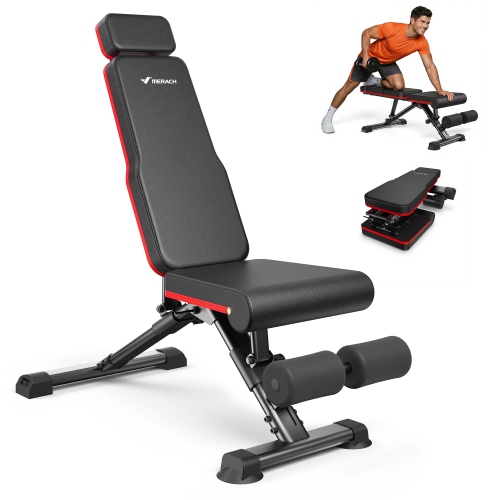
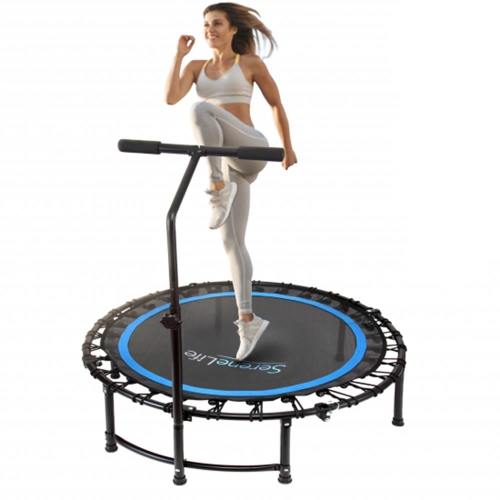
Top Collections:
Pokemon Centers, Kindle Devices, Best Budget Office Chairs, Canon G7X Cameras, Apple iPhones 16, Samsung Galaxy Phones, Refurbished Apple Laptops, Laptops for Students, iPhone 15 Apple, Budget Smartphones
Some products may be subject to Environmental Handling Fees
(EHF) depending on your province.
Learn more about EHFs.