Respiratory Face Masks
Respiratory face masks have become an essential part of our daily lives, offering a layer of protection and peace of mind. Whether you're commuting, working in healthcare, or simply running errands, having a reliable mask can make all the difference. At Best Buy Canada, we offer a wide selection of respiratory face masks designed to meet various needs and preferences. Explore our collection to find the perfect fit for your lifestyle, ensuring both comfort and safety wherever you go.
Sort

Why respirator protection depends on more than filtration
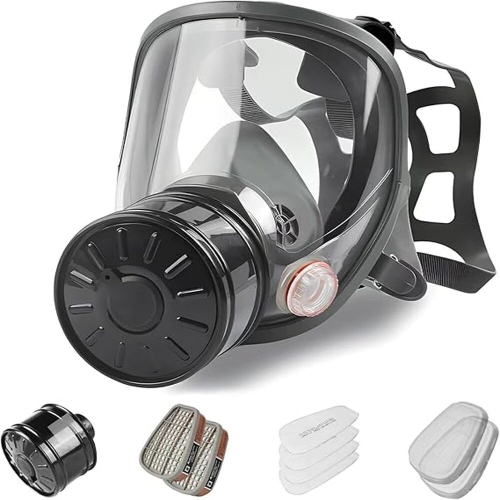
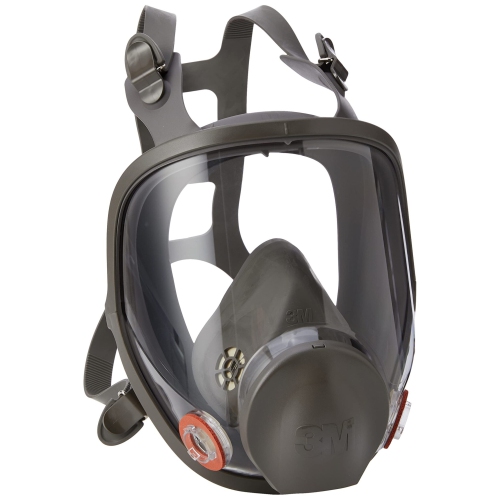
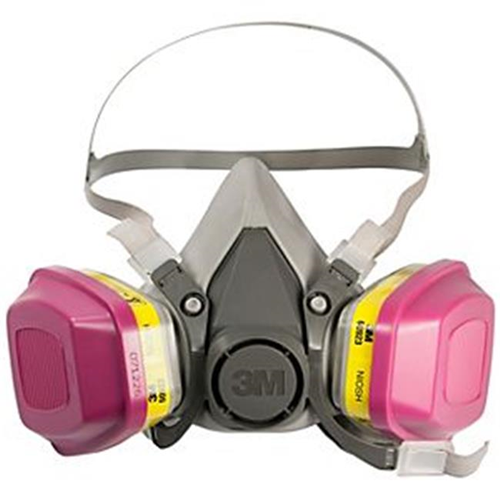
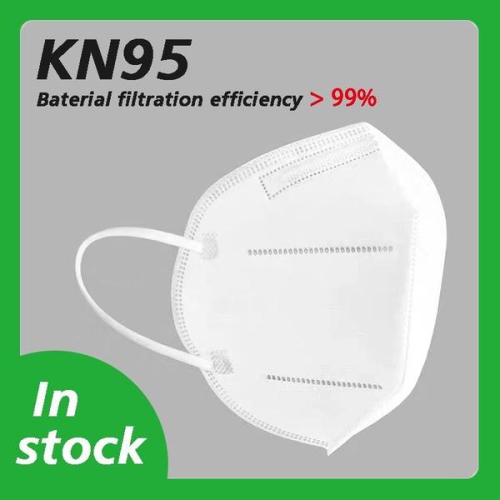
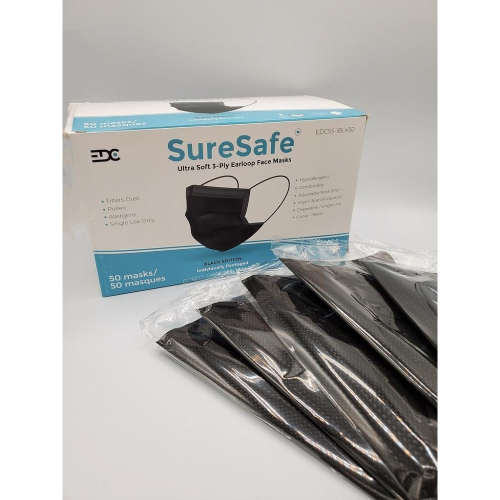
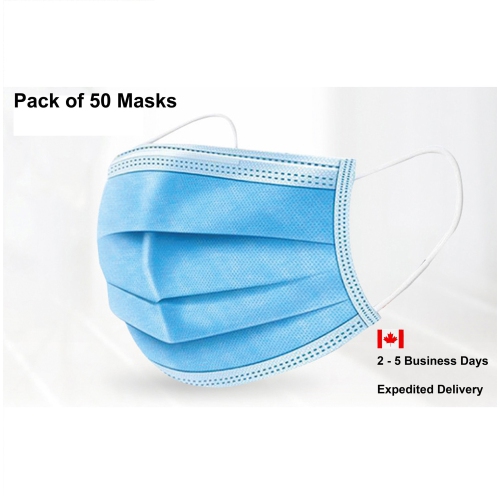
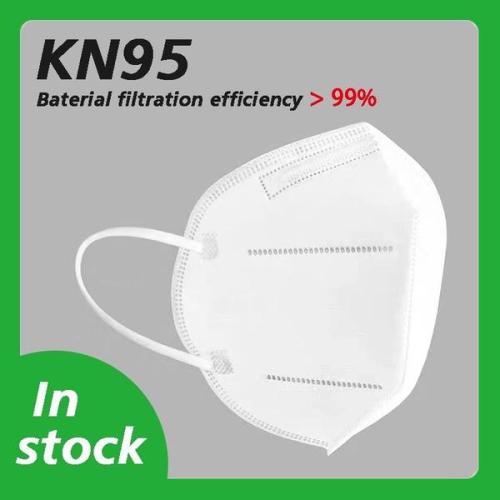
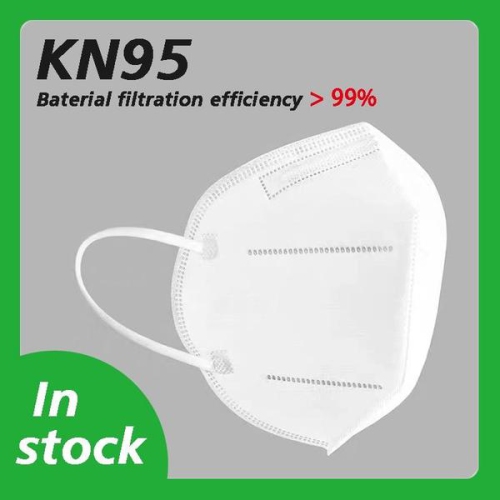
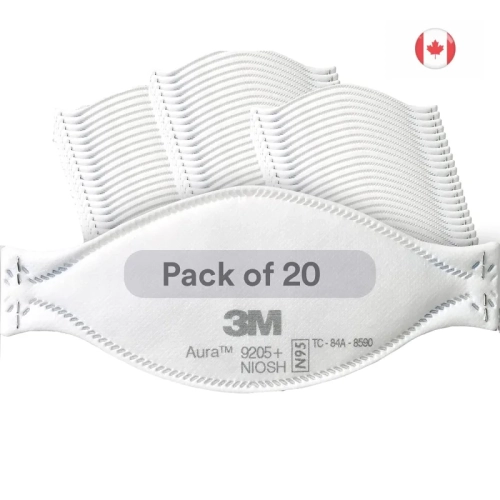
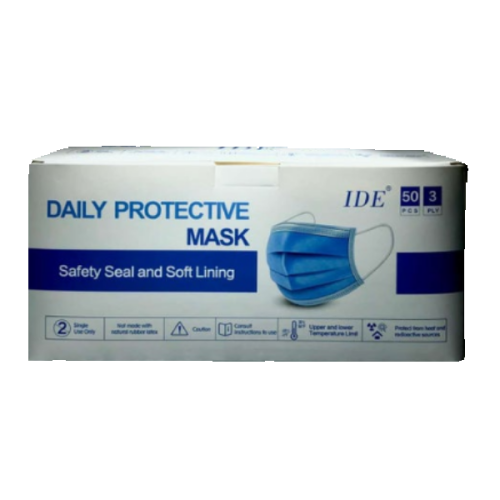
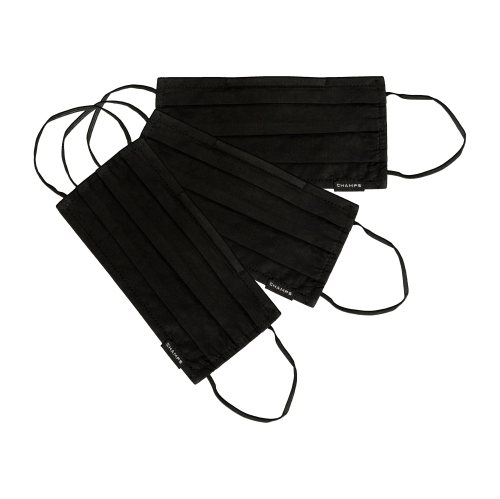
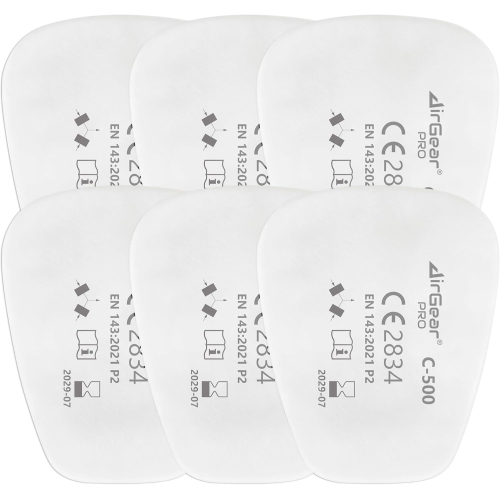
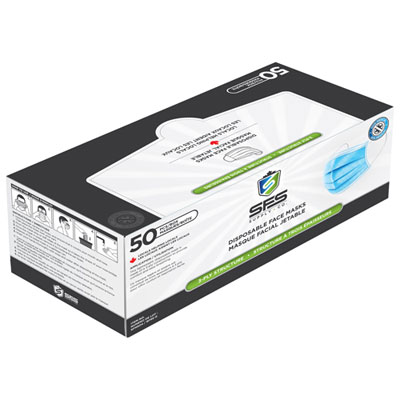
Respiratory face masks are personal protective devices designed to reduce the wearer’s exposure to certain airborne particles when the mask’s filtration rating, fit, and intended use match the task. The category includes disposable filtering facepiece respirators and reusable respirators with replaceable filters, each suited to different routines and levels of exposure. A close-fitting respirator is different from a loose-fitting face covering: its protective performance depends on both the filter material and the seal against the face. Air that slips through gaps around the nose, cheeks, or chin can bypass the filter, even when the filter itself has a high rating. N95 respirators approved by the US National Institute for Occupational Safety and Health, commonly known as NIOSH, filter at least 95% of airborne test particles under specified testing conditions and are not resistant to oil. That rating describes filtration performance, not a guarantee that the wearer will avoid illness or exposure. P100 filters provide at least 99.97% filtration under the applicable test conditions and are oil-proof, subject to the manufacturer’s use limitations. Neither rating alone means a respirator protects against gases or vapours; those hazards require appropriately selected cartridges or other respiratory protection. For someone sanding untreated wood, the relevant concern may be fine dust, while a worker handling solvent-based materials needs protection selected for the actual chemical hazard. Respiratory masks can also be relevant to healthcare workers, caregivers, and people seeking to reduce exposure to airborne infectious particles, with selection guided by the setting and applicable health or workplace requirements. Some tasks involve multiple hazards, so a mask intended for nuisance dust should never be assumed suitable for asbestos, lead, or an unknown substance. Cloth face coverings serve a different purpose and do not offer the same tested respiratory protection as an approved respirator. The Cloth Face Masks category provides a separate option for shoppers specifically seeking fabric face coverings rather than tight-fitting respiratory protection.
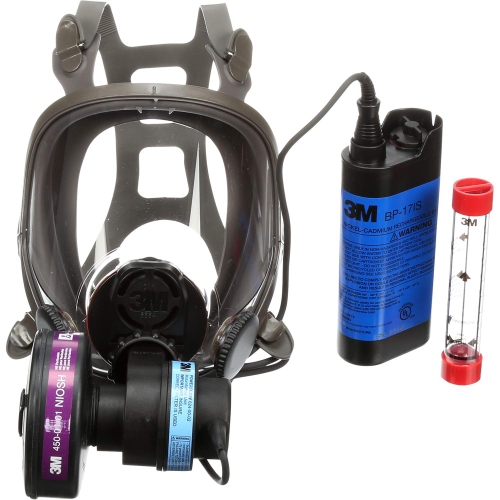
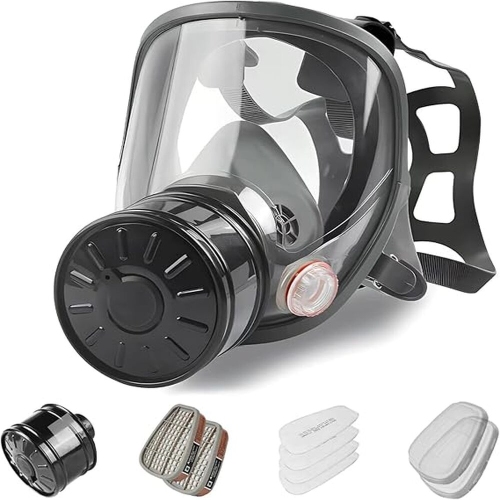
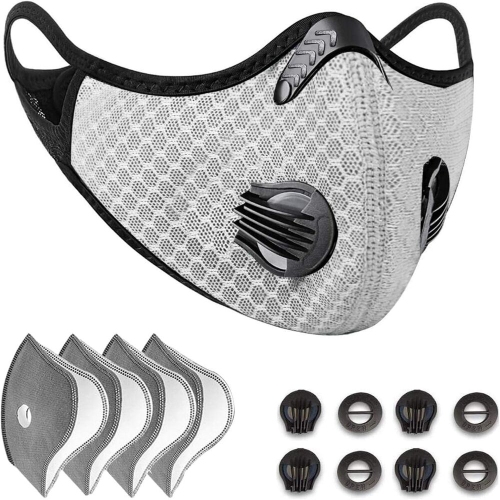
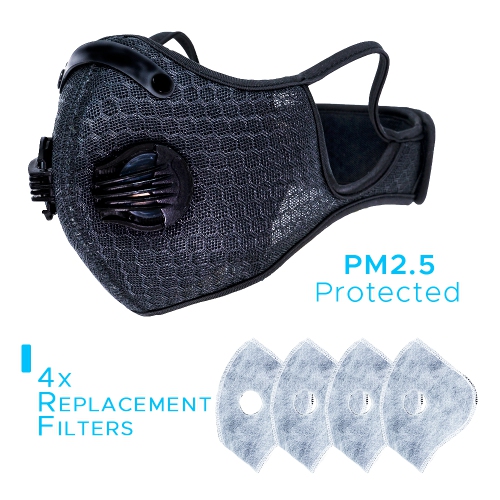
Materials and construction influence how a respiratory face mask feels during wear, how it holds its shape, and how reliably it stays in place. Disposable filtering facepiece respirators typically use layers of non-woven material, including a filtration layer, shaped into a cup, fold-flat design, or structured panel construction. A mouldable nosepiece helps contour the upper edge, while cushioning at contact points may make extended wear more comfortable. Headbands, strap attachment points, and the depth of the facepiece all affect fit; a shape that sits securely on one person may leave gaps on another. There is no single design that fits every face. Enough room around the mouth can make speaking more comfortable, but extra space is only useful if the edges still seal properly. For someone wearing safety glasses while sanding a shelf, compatibility matters: the glasses should sit without pushing the respirator out of position, and the respirator should not interfere with eye protection. Lens fogging can suggest escaping breath near the nose, although the absence of fogging does not prove a proper seal. Reusable elastomeric half-mask respirators generally use a flexible silicone or rubber-like facepiece with adjustable straps and replaceable filtration components. They may suit repeated tasks when the wearer can maintain the facepiece and replace its components as directed. Their larger profile and filter placement can affect visibility, speech, and compatibility with other protective equipment. An exhalation valve can reduce resistance when breathing out and help limit moisture buildup inside some designs, but it should not be assumed to filter exhaled breath. Settings where source control matters may require a non-valved respirator or another specifically accepted design. Facial hair beneath the sealing surface can prevent a tight seal, and moving a strap or loosening the mask for comfort can change its performance. For workplace use, formal fit testing establishes whether a particular make, model, and size fits the wearer; a user seal check is still needed each time a tight-fitting respirator is put on.
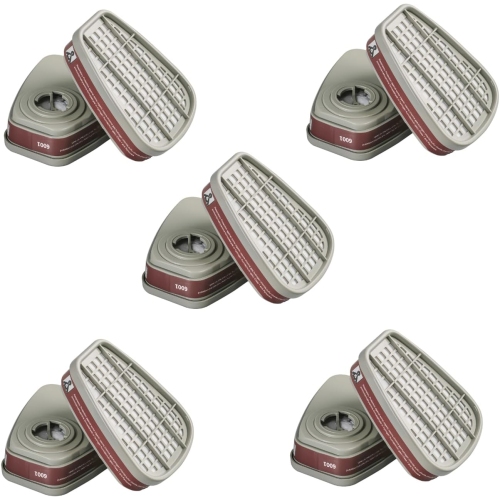
Care and durability depend on whether the respiratory mask is disposable or designed for repeated use. Disposable does not mean a respirator can be worn indefinitely until it looks dirty, and reusable does not mean every component can be washed. Filtering facepiece respirators generally should not be laundered, sprayed with household disinfectant, or altered, because these treatments can damage filtration materials, straps, or the shape that creates the seal. Replacement is necessary when a respirator becomes damaged, soiled, difficult to breathe through, or unable to seal, as well as whenever required by the manufacturer or the conditions of use. In healthcare and other controlled settings, additional replacement and disposal rules may apply. Reusable facepieces need cleaning, inspection, and storage according to their manufacturer’s directions, with filters and cartridges handled separately as specified. Cracked material, stretched straps, damaged valves, and worn connection points can compromise an otherwise serviceable mask. Replacement components must be approved for the particular respirator; a filter that appears to attach is not necessarily a safe or compatible match. Gas and vapour cartridges also need an appropriate change schedule rather than reliance on smell to signal replacement. Between uses, clean, dry storage helps protect a respirator from contamination, crushing, and unnecessary wear. A fold-flat design may be convenient to carry, but loose storage beside keys or tools can damage the mask before its next use. For occasional household projects, practical considerations include clear markings, readable instructions, a secure fit, and compatibility with the task’s other protective equipment. For repeated occupational use, those considerations sit within a broader respiratory protection programme that may include hazard assessment, training, fit testing, and medical evaluation. A respirator supplements measures such as dust extraction and ventilation rather than replacing them. It does not supply oxygen and is not suitable for oxygen-deficient spaces or unknown, immediately dangerous exposures. Anyone whose health may affect their ability to wear a respirator should seek advice from a qualified healthcare professional. The most useful respiratory face mask is one with suitable protection, a dependable seal, and care requirements that fit its intended use.
Materials and construction influence how a respiratory face mask feels during wear, how it holds its shape, and how reliably it stays in place. Disposable filtering facepiece respirators typically use layers of non-woven material, including a filtration layer, shaped into a cup, fold-flat design, or structured panel construction. A mouldable nosepiece helps contour the upper edge, while cushioning at contact points may make extended wear more comfortable. Headbands, strap attachment points, and the depth of the facepiece all affect fit; a shape that sits securely on one person may leave gaps on another. There is no single design that fits every face. Enough room around the mouth can make speaking more comfortable, but extra space is only useful if the edges still seal properly. For someone wearing safety glasses while sanding a shelf, compatibility matters: the glasses should sit without pushing the respirator out of position, and the respirator should not interfere with eye protection. Lens fogging can suggest escaping breath near the nose, although the absence of fogging does not prove a proper seal. Reusable elastomeric half-mask respirators generally use a flexible silicone or rubber-like facepiece with adjustable straps and replaceable filtration components. They may suit repeated tasks when the wearer can maintain the facepiece and replace its components as directed. Their larger profile and filter placement can affect visibility, speech, and compatibility with other protective equipment. An exhalation valve can reduce resistance when breathing out and help limit moisture buildup inside some designs, but it should not be assumed to filter exhaled breath. Settings where source control matters may require a non-valved respirator or another specifically accepted design. Facial hair beneath the sealing surface can prevent a tight seal, and moving a strap or loosening the mask for comfort can change its performance. For workplace use, formal fit testing establishes whether a particular make, model, and size fits the wearer; a user seal check is still needed each time a tight-fitting respirator is put on.
Care and durability depend on whether the respiratory mask is disposable or designed for repeated use. Disposable does not mean a respirator can be worn indefinitely until it looks dirty, and reusable does not mean every component can be washed. Filtering facepiece respirators generally should not be laundered, sprayed with household disinfectant, or altered, because these treatments can damage filtration materials, straps, or the shape that creates the seal. Replacement is necessary when a respirator becomes damaged, soiled, difficult to breathe through, or unable to seal, as well as whenever required by the manufacturer or the conditions of use. In healthcare and other controlled settings, additional replacement and disposal rules may apply. Reusable facepieces need cleaning, inspection, and storage according to their manufacturer’s directions, with filters and cartridges handled separately as specified. Cracked material, stretched straps, damaged valves, and worn connection points can compromise an otherwise serviceable mask. Replacement components must be approved for the particular respirator; a filter that appears to attach is not necessarily a safe or compatible match. Gas and vapour cartridges also need an appropriate change schedule rather than reliance on smell to signal replacement. Between uses, clean, dry storage helps protect a respirator from contamination, crushing, and unnecessary wear. A fold-flat design may be convenient to carry, but loose storage beside keys or tools can damage the mask before its next use. For occasional household projects, practical considerations include clear markings, readable instructions, a secure fit, and compatibility with the task’s other protective equipment. For repeated occupational use, those considerations sit within a broader respiratory protection programme that may include hazard assessment, training, fit testing, and medical evaluation. A respirator supplements measures such as dust extraction and ventilation rather than replacing them. It does not supply oxygen and is not suitable for oxygen-deficient spaces or unknown, immediately dangerous exposures. Anyone whose health may affect their ability to wear a respirator should seek advice from a qualified healthcare professional. The most useful respiratory face mask is one with suitable protection, a dependable seal, and care requirements that fit its intended use.
Top selling and popular products
-
 Your price for this item is $3.97
 -
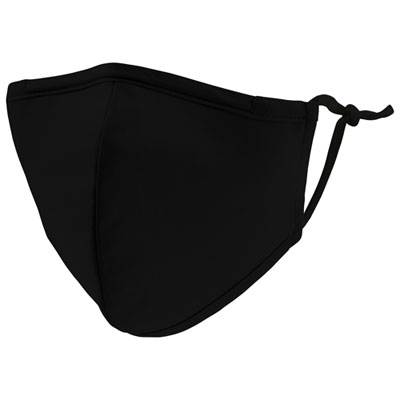 Your price for this item is $9.97
 -
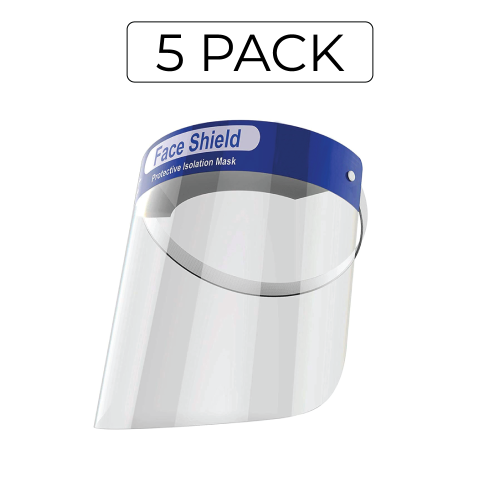 Your price for this item is $22
 -
 Your price for this item is $19.99
 -
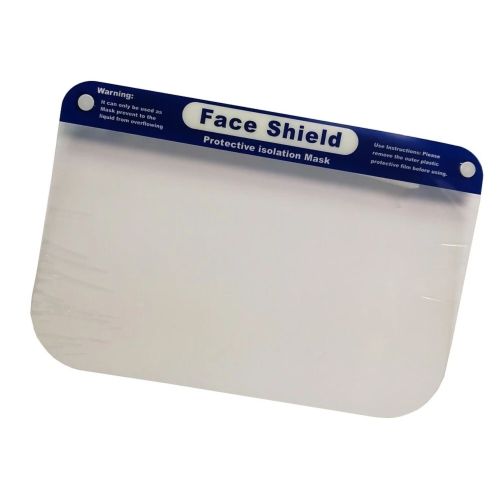 Your price for this item is $19.99
 -
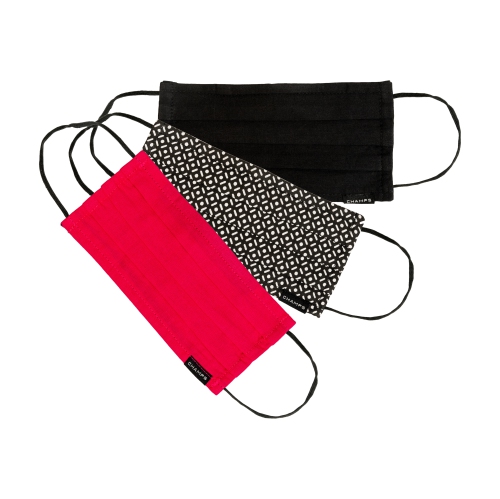 Your price for this item is $11.99
 -
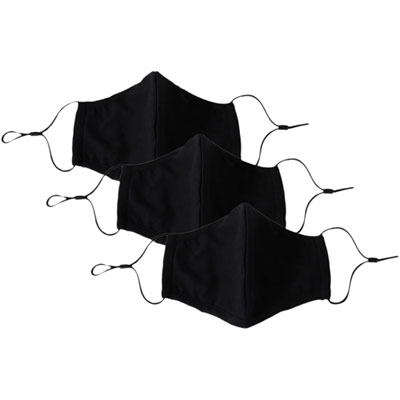 Your price for this item is $19.95
 -
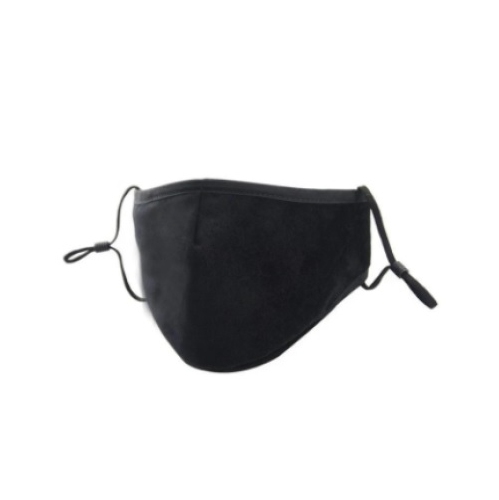 Your price for this item is $4.99
Discover more categories related to Respiratory Face Masks
Top Collections:
Pokemon Centers, Kindle Devices, Best Budget Office Chairs, Apple iPhones 16, Canon G7X Cameras, iPhone 15 Apple, Alarm Clock, Refurbished Apple Laptops, Flip Phones, Best Laptops for Writers
Some products may be subject to Environmental Handling Fees
(EHF) depending on your province.
Learn more about EHFs.