Tennis Elbow Brace
Discover a wide selection of tennis elbow brace options designed to help provide support and comfort during daily activities or sports. Whether you’re looking for adjustable styles, lightweight materials, or easy-to-use designs, finding the right tennis elbow brace can make a difference in your routine. Explore choices that fit your lifestyle and needs, making it easier to stay active and comfortable throughout the day.
Sort
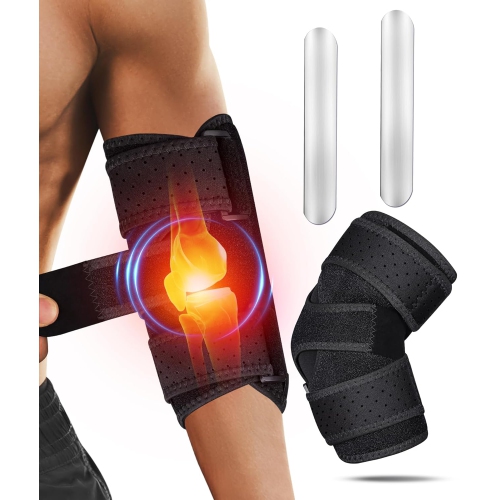
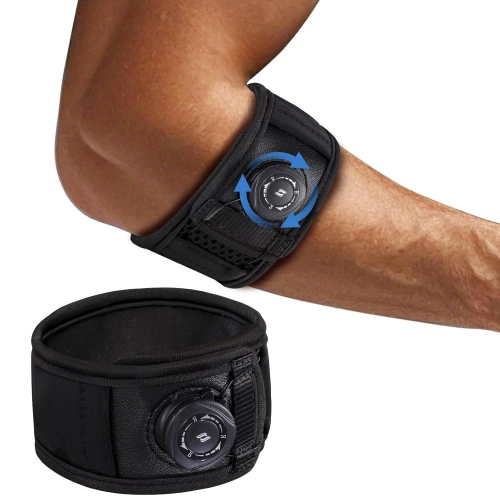
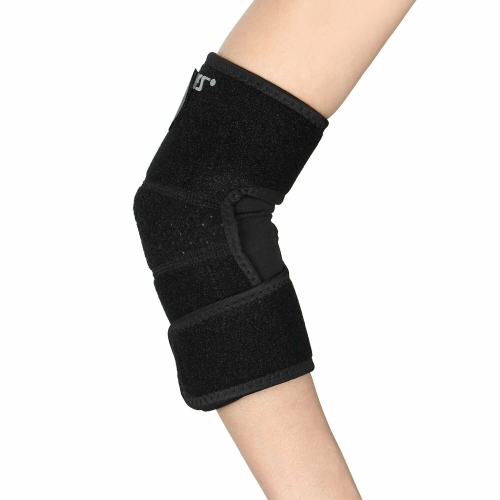
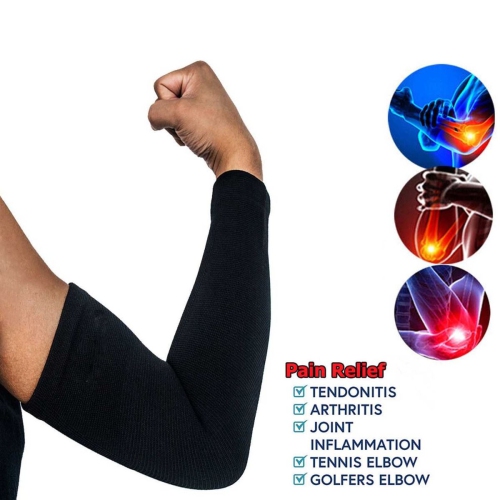

How straps and sleeves support your elbow during activity
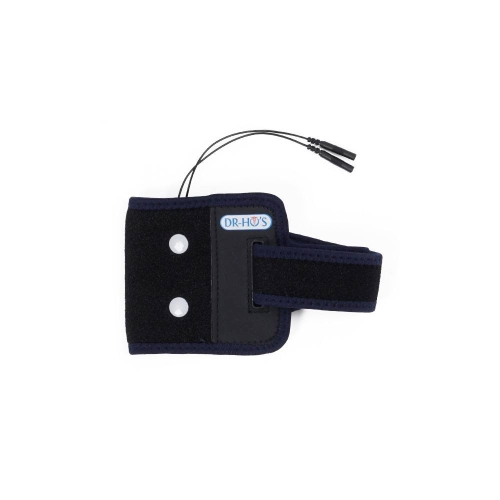
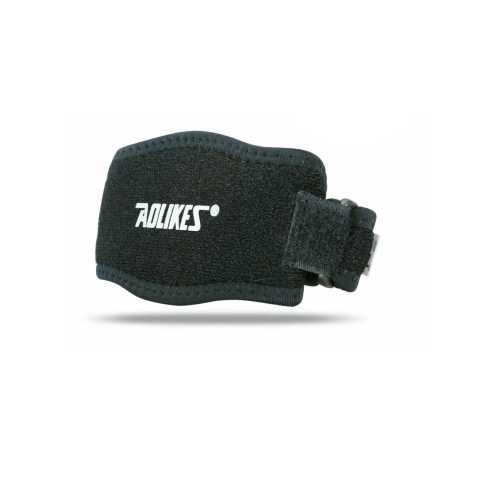
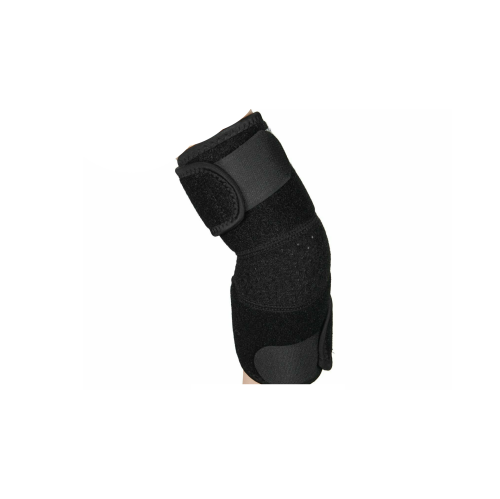
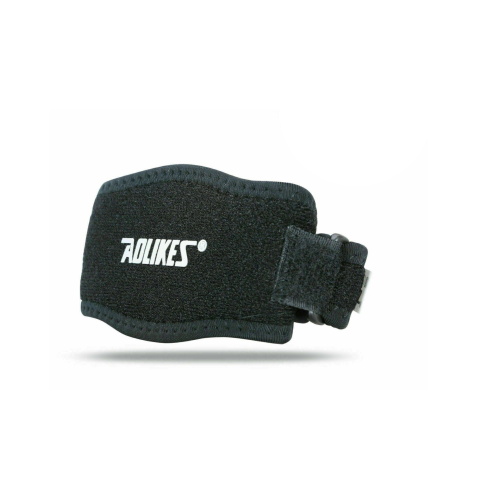
A tennis elbow brace is a forearm strap or elbow sleeve designed to support the area around the outer elbow during gripping, lifting, and other repetitive movements. Tennis elbow, also called lateral epicondylitis, involves irritation or changes in the tendons that connect the forearm muscles to the outside of the elbow. Despite its name, it is not limited to tennis players. Working with hand tools, painting, carrying objects, and playing racquet sports can all place repeated demands on these muscles and tendons. Braces may help some people manage discomfort during activity, but they do not repair a tendon injury or replace an assessment when symptoms persist. The main styles are counterforce straps, compression sleeves, and sleeves with integrated pressure pads or adjustable bands. A counterforce strap wraps around the upper forearm and applies localized pressure over the muscle, helping redistribute some of the load that would otherwise reach the tendon attachment. Its narrow profile leaves much of the arm uncovered and generally allows the elbow to bend freely. A compression sleeve covers a larger area above and below the elbow, providing gentle, distributed compression rather than the focused pressure of a separate strap. Some people prefer that broader coverage for comfort during movement, while others find a compact band less noticeable when reaching, typing, or holding a racquet. Neither style is automatically the right choice for every source of elbow pain. Discomfort on the inner elbow, pain following a fall, or symptoms involving numbness may have a different cause and may call for a different approach. Intended use matters as much as coverage: support for a short practice session can feel different from support worn through repeated tasks at a workbench. A useful brace should suit the activity without encouraging someone to grip harder, lift more, or continue through increasing pain. Comfortable support is best considered alongside appropriate changes to activity and any exercises suggested by a qualified healthcare professional.
Materials, construction, and fit influence how a tennis elbow support feels once the arm starts moving. Stretch-knit sleeves often combine nylon or polyester with elastic fibres to create a close fit that moves with the joint. Neoprene straps offer cushioning and flexibility, although their thicker construction can feel less breathable against the skin. Perforations, mesh sections, and moisture-wicking fabrics may improve comfort during active use, but breathability varies with fabric density and how much of the arm the brace covers. For sensitive skin, smooth seams, soft binding, and clearly listed materials are worth considering; anyone with a latex sensitivity should check the material information rather than assume a fabric brace is latex-free. Counterforce designs may use foam, gel, or air-filled pads to concentrate pressure over a small area of the forearm. The pad should sit securely without creating a sharp edge or an uncomfortable pressure point. Placement depends on the design, so the included fitting directions take priority. Many counterforce straps are positioned over the muscular part of the upper forearm, approximately one to two inches below the outer elbow, rather than directly over the bony joint. The fit should feel secure, not constricting. Numbness, tingling, a cold hand, or changes in skin colour are reasons to loosen or remove the brace and seek advice if symptoms continue. Sizing should follow the stated measurement location, which may be around the forearm or across the elbow, rather than a usual shirt size. Adjustable hook-and-loop closures make it easier to fine-tune tension, while pull-on sleeves depend more closely on an accurate size match. A sleeve that rolls at the edges or bunches inside the elbow can rub during repeated bending. For someone using a mouse or screwdriver, that small fold may matter more than it does during a brief fitting. Checking comfort with the elbow both bent and straight, and with a gentle grip, gives a clearer sense of how the support accommodates everyday movement.
Durability and care are especially important for a brace that sits directly against the skin and is used repeatedly. Reinforced stitching, neatly finished edges, and a closure with enough adjustment range can help maintain a consistent fit. Hook-and-loop fasteners should hold securely without needing to be pulled to their limit, and padded sections should keep their shape without shifting inside the band. Over time, stretched elastic, flattened cushioning, or a closure that repeatedly slips can change the way pressure is applied. A brace that needs constant repositioning may no longer provide the fit it was designed to deliver. Cleaning requirements vary by construction: some fabric supports can be machine washed, while others require gentle handwashing, particularly when they contain structured pads or several bonded layers. Following the care label helps protect elastic fibres and fastening surfaces. Where the instructions permit washing, mild detergent and thorough rinsing can help limit residue against the skin; air-drying is often specified because direct heat can damage elastic or alter padding. Closing hook-and-loop tabs before washing can reduce snagging, and allowing the brace to dry fully before wear improves comfort. Practical details also shape daily use. A low-profile strap may fit more easily beneath a loose sleeve, while a longer elbow sleeve needs enough room to avoid bunching under clothing. People who switch between desk work and hands-on tasks may value an easy-to-adjust closure, especially if they need to put the support on using one hand. For a gift, knowing the recipient’s measurements, preferred coverage, and actual support needs is more useful than choosing by appearance alone. An elbow brace is intended for the elbow and forearm; support for a different joint, such as a Shoulder Brace, serves a separate purpose and is not interchangeable. Wear time should follow the product directions and individual clinical advice, rather than an assumption that tighter pressure or longer wear provides greater benefit. Persistent pain, marked swelling, weakness, or symptoms after an injury warrant professional assessment, even when a brace makes certain movements feel more comfortable.
Materials, construction, and fit influence how a tennis elbow support feels once the arm starts moving. Stretch-knit sleeves often combine nylon or polyester with elastic fibres to create a close fit that moves with the joint. Neoprene straps offer cushioning and flexibility, although their thicker construction can feel less breathable against the skin. Perforations, mesh sections, and moisture-wicking fabrics may improve comfort during active use, but breathability varies with fabric density and how much of the arm the brace covers. For sensitive skin, smooth seams, soft binding, and clearly listed materials are worth considering; anyone with a latex sensitivity should check the material information rather than assume a fabric brace is latex-free. Counterforce designs may use foam, gel, or air-filled pads to concentrate pressure over a small area of the forearm. The pad should sit securely without creating a sharp edge or an uncomfortable pressure point. Placement depends on the design, so the included fitting directions take priority. Many counterforce straps are positioned over the muscular part of the upper forearm, approximately one to two inches below the outer elbow, rather than directly over the bony joint. The fit should feel secure, not constricting. Numbness, tingling, a cold hand, or changes in skin colour are reasons to loosen or remove the brace and seek advice if symptoms continue. Sizing should follow the stated measurement location, which may be around the forearm or across the elbow, rather than a usual shirt size. Adjustable hook-and-loop closures make it easier to fine-tune tension, while pull-on sleeves depend more closely on an accurate size match. A sleeve that rolls at the edges or bunches inside the elbow can rub during repeated bending. For someone using a mouse or screwdriver, that small fold may matter more than it does during a brief fitting. Checking comfort with the elbow both bent and straight, and with a gentle grip, gives a clearer sense of how the support accommodates everyday movement.
Durability and care are especially important for a brace that sits directly against the skin and is used repeatedly. Reinforced stitching, neatly finished edges, and a closure with enough adjustment range can help maintain a consistent fit. Hook-and-loop fasteners should hold securely without needing to be pulled to their limit, and padded sections should keep their shape without shifting inside the band. Over time, stretched elastic, flattened cushioning, or a closure that repeatedly slips can change the way pressure is applied. A brace that needs constant repositioning may no longer provide the fit it was designed to deliver. Cleaning requirements vary by construction: some fabric supports can be machine washed, while others require gentle handwashing, particularly when they contain structured pads or several bonded layers. Following the care label helps protect elastic fibres and fastening surfaces. Where the instructions permit washing, mild detergent and thorough rinsing can help limit residue against the skin; air-drying is often specified because direct heat can damage elastic or alter padding. Closing hook-and-loop tabs before washing can reduce snagging, and allowing the brace to dry fully before wear improves comfort. Practical details also shape daily use. A low-profile strap may fit more easily beneath a loose sleeve, while a longer elbow sleeve needs enough room to avoid bunching under clothing. People who switch between desk work and hands-on tasks may value an easy-to-adjust closure, especially if they need to put the support on using one hand. For a gift, knowing the recipient’s measurements, preferred coverage, and actual support needs is more useful than choosing by appearance alone. An elbow brace is intended for the elbow and forearm; support for a different joint, such as a Shoulder Brace, serves a separate purpose and is not interchangeable. Wear time should follow the product directions and individual clinical advice, rather than an assumption that tighter pressure or longer wear provides greater benefit. Persistent pain, marked swelling, weakness, or symptoms after an injury warrant professional assessment, even when a brace makes certain movements feel more comfortable.
Top selling and popular products
-
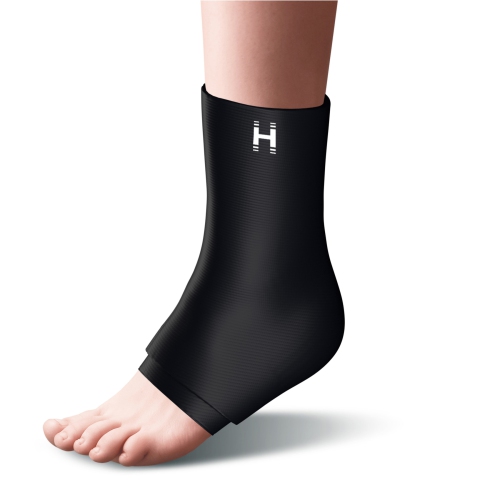 Your price for this item is $29.99
 -
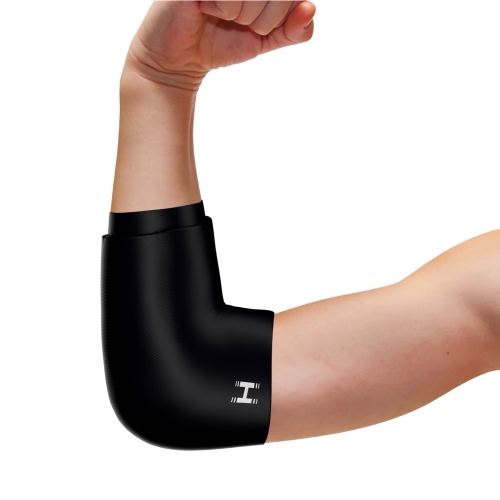 Your price for this item is $29.99
 -
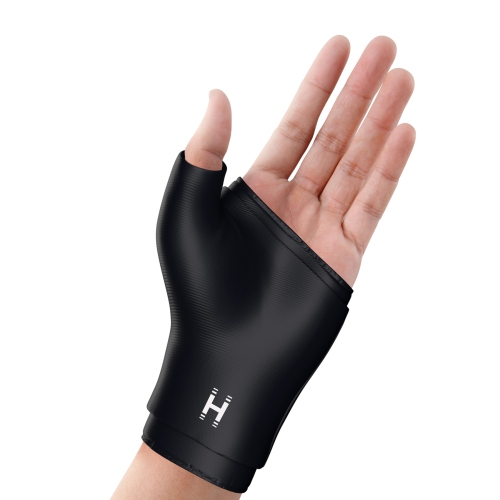 Your price for this item is $24.99
 -
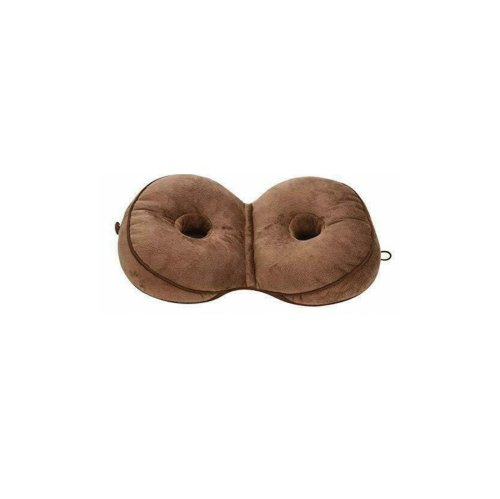 Your price for this item is $90
 -
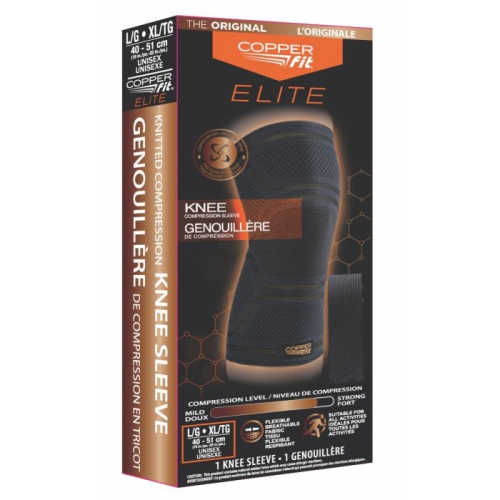 Your price for this item is $24.95
 -
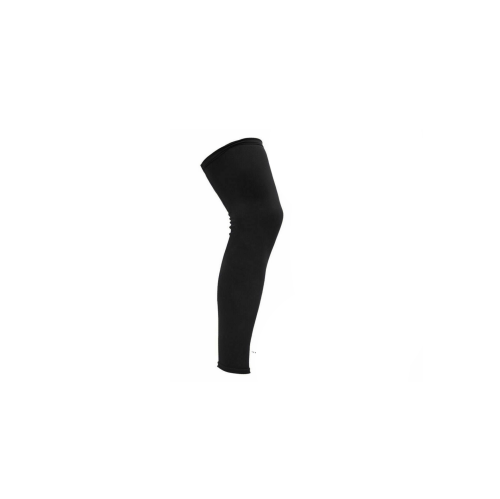 Your price for this item is $30
 -
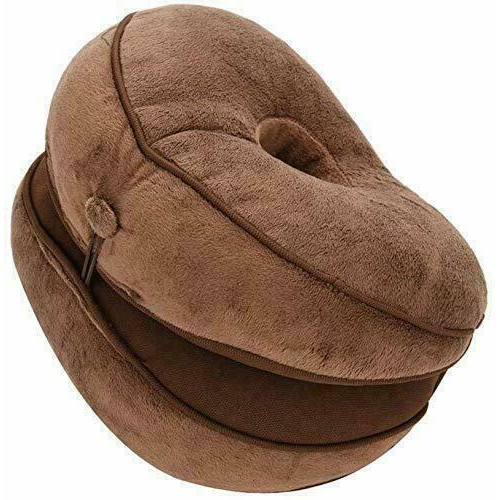 Your price for this item is $90
 -
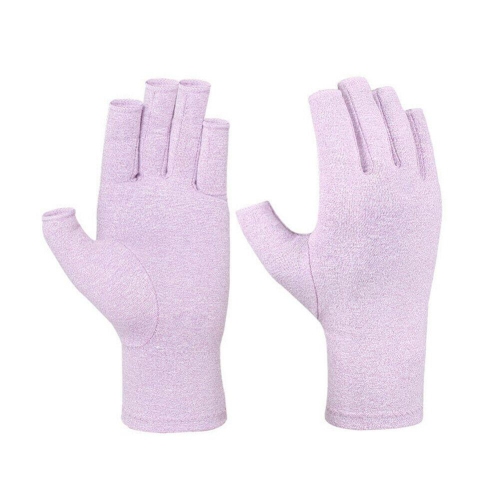 Your price for this item is $24
Discover more categories related to Tennis Elbow Brace

Top Collections:
Pokemon Centers, Kindle Devices, Best Budget Office Chairs, Apple iPhones 16, Canon G7X Cameras, iPhone 15 Apple, Alarm Clock, Refurbished Apple Laptops, Flip Phones, Best Laptops for Writers
Some products may be subject to Environmental Handling Fees
(EHF) depending on your province.
Learn more about EHFs.