Toilet Seats With Handles
Discover the perfect blend of comfort and support with our selection of toilet seats with handles. Designed to enhance bathroom safety and accessibility, these innovative seats offer an added layer of stability for users of all ages. Whether you're upgrading your home for ease of use or addressing specific mobility needs, our range provides versatile options that seamlessly integrate into any bathroom decor. Explore our collection to find the ideal solution that combines functionality with style, ensuring peace of mind and convenience for everyone in your household.
Sort
How raised seats and handles support safer bathroom transfers
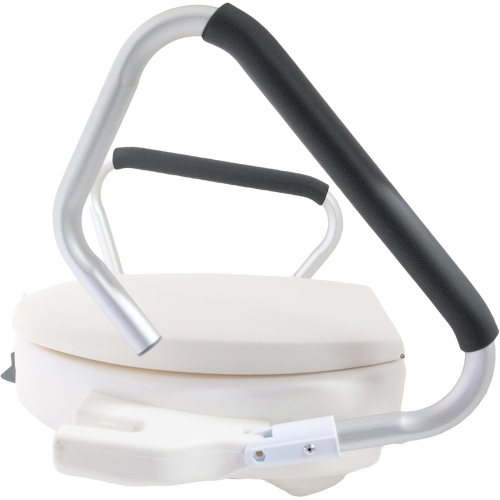
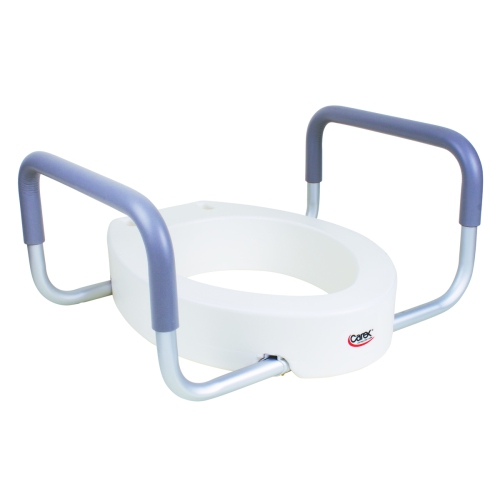
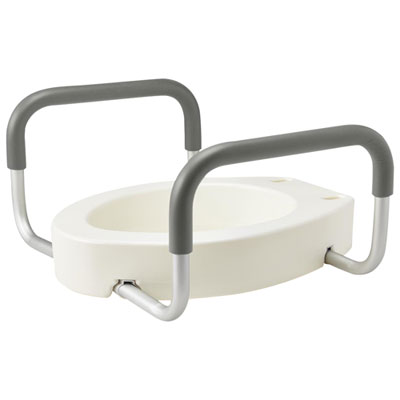
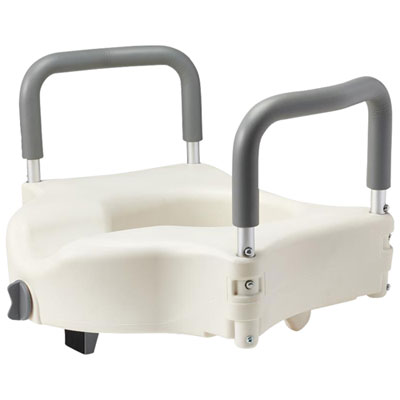
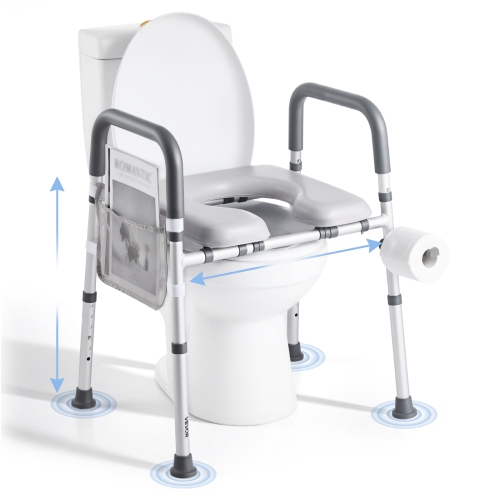
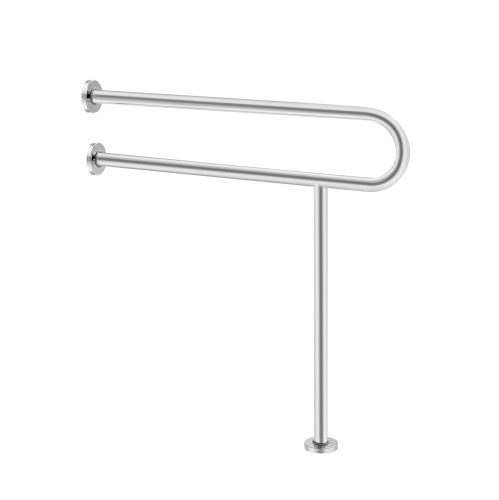
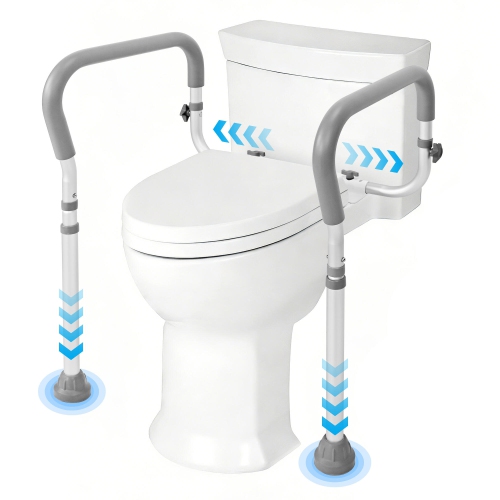
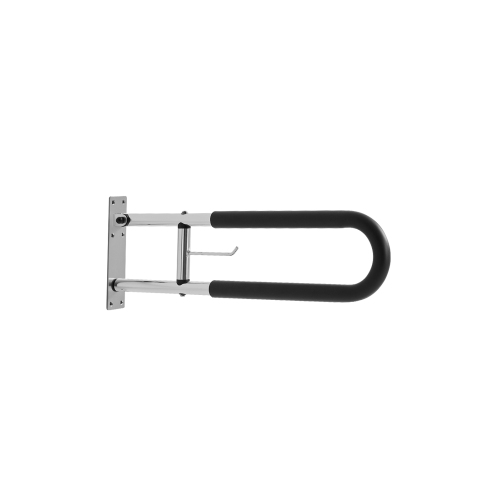
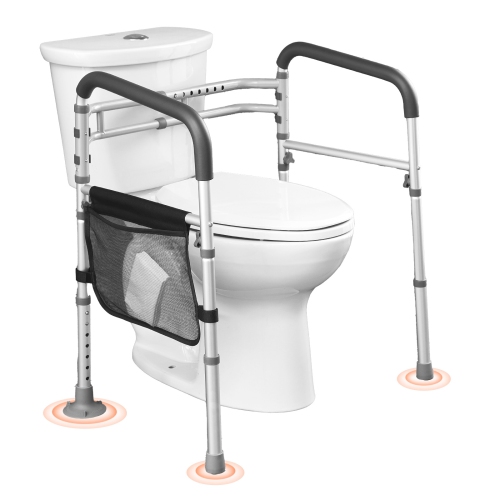
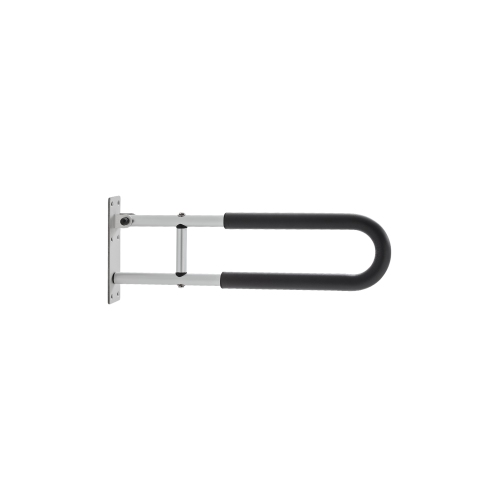
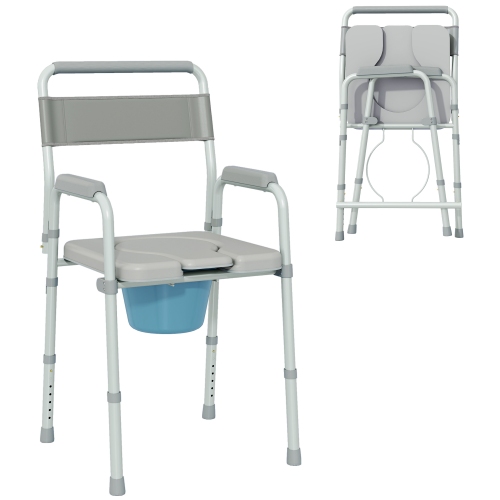
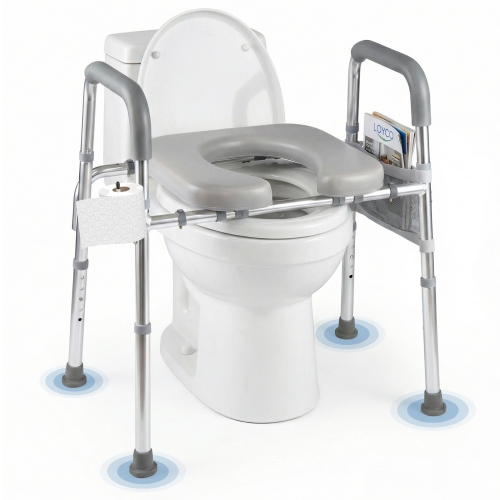
Toilet seats with handles are designed to make sitting down and standing up feel more controlled, especially when a standard-height toilet requires too much bending or leg strength. Often called raised toilet seats with arms, raised toilet seat risers, or toilet safety rails, these products typically elevate the seating surface by about 3 to 6 inches while adding supportive handles on either side. The extra height can reduce strain on the hips, knees, and lower back, while the handles provide a steady place to grip during transfers. They can be useful for older adults, people with limited mobility, anyone recovering from hip or knee surgery, or individuals managing temporary weakness after an injury or hospital stay. A bathroom can be an especially challenging space during recovery: floors may be smooth, the toilet may be positioned close to a wall, and there may be little room to reach for a counter or towel bar. A properly fitted toilet seat with handles creates a more predictable point of support without requiring a major bathroom renovation. These products may also be a practical gift for a parent, relative, friend, or caregiver preparing a home for recovery. Choosing one in advance can help make the transition home more comfortable, allowing the bathroom to be ready before someone is navigating it with a walker, crutches, or reduced balance. For a softer contact surface, shoppers may also wish to compare Padded Toilet Seats, particularly when comfort is important during longer periods of sitting.
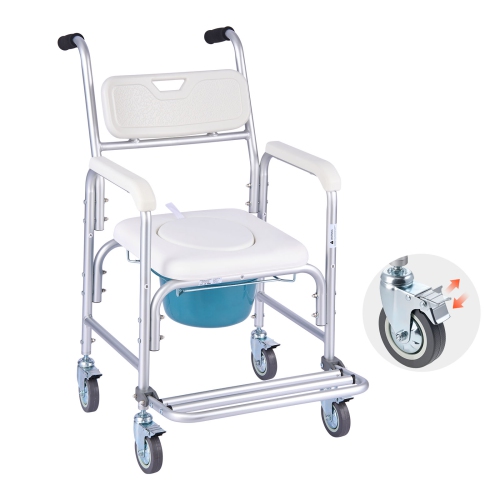
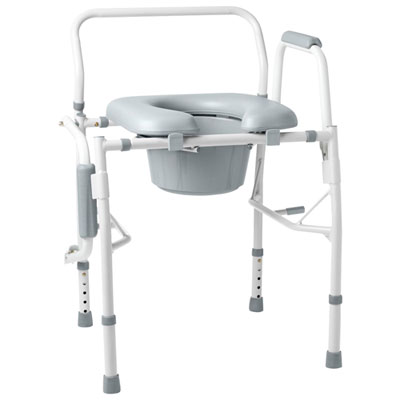
The main styles differ in how they support the user and how they attach to the toilet. A raised seat riser installs directly on the toilet bowl and may use a locking mechanism, side clamps, or bolts to help keep it in position. This style raises the seat and places the handles close to the body, which can be helpful when the bathroom has limited floor space. Some versions have removable or adjustable-width arms, making it easier to position the handles for different body sizes or to accommodate a lateral transfer from a wheelchair or mobility aid. A freestanding safety frame sits around the toilet rather than attaching to the bowl, with the toilet seat remaining separate beneath it. This option can be convenient when a user needs arm support but does not want to replace or alter the existing seat, and many frames are designed with adjustable legs to suit different toilet heights. When comparing models, check whether the product is intended for a standard or elongated bowl, since the shape and dimensions affect fit. Measure from the front to the back of the bowl, review the required mounting width, and confirm that hinges, bumpers, and other toilet components will not interfere with installation. The seat height matters as well: a modest lift may be suitable for someone who needs less bending, while a greater elevation can be more useful after certain procedures or for taller users. Handles that are padded, textured, or gently rounded may feel more secure and comfortable against the hands, while removable arms can make cleaning and storage simpler. A compact design may work well in a shared bathroom, whereas a broader frame may offer more room and stability for someone who needs extra support while turning or repositioning.
Safety and everyday practicality are just as important as height. Review the listed weight capacity and choose a model with an appropriate margin for the intended user rather than selecting solely by appearance or price. The frame or riser should sit level, lock firmly, and remain stable when pressure is applied to the handles; it should never be used if it rocks, shifts, or does not fit the bowl correctly. Follow the installation instructions carefully, tighten fasteners as directed, and check them periodically because repeated use can loosen hardware over time. Avoid using nearby towel bars, sink edges, or toilet paper holders as substitutes for support, since they may not be designed to bear body weight. Smooth, sealed surfaces and removable parts can make routine cleaning easier, particularly in a room where moisture and frequent use are unavoidable. Look for materials that resist rust and handles that can be wiped down without trapping dirt around seams. It is also worth considering the surrounding layout: leave enough clearance for a walker, make sure the door can open comfortably, and keep bath mats from bunching near the toilet base. During cooler months, when people may spend more time indoors or recover from seasonal illness and routine procedures, a thoughtfully selected toilet seat with handles can add useful support without changing the character of the room. For a temporary need, removable components and tool-free adjustments may simplify storage once mobility improves; for ongoing use, sturdy construction, comfortable handles, and a secure fit are likely to matter most. The right choice should match the toilet, the bathroom layout, and the user’s abilities so that everyday routines feel steadier, more private, and less physically demanding.
The main styles differ in how they support the user and how they attach to the toilet. A raised seat riser installs directly on the toilet bowl and may use a locking mechanism, side clamps, or bolts to help keep it in position. This style raises the seat and places the handles close to the body, which can be helpful when the bathroom has limited floor space. Some versions have removable or adjustable-width arms, making it easier to position the handles for different body sizes or to accommodate a lateral transfer from a wheelchair or mobility aid. A freestanding safety frame sits around the toilet rather than attaching to the bowl, with the toilet seat remaining separate beneath it. This option can be convenient when a user needs arm support but does not want to replace or alter the existing seat, and many frames are designed with adjustable legs to suit different toilet heights. When comparing models, check whether the product is intended for a standard or elongated bowl, since the shape and dimensions affect fit. Measure from the front to the back of the bowl, review the required mounting width, and confirm that hinges, bumpers, and other toilet components will not interfere with installation. The seat height matters as well: a modest lift may be suitable for someone who needs less bending, while a greater elevation can be more useful after certain procedures or for taller users. Handles that are padded, textured, or gently rounded may feel more secure and comfortable against the hands, while removable arms can make cleaning and storage simpler. A compact design may work well in a shared bathroom, whereas a broader frame may offer more room and stability for someone who needs extra support while turning or repositioning.
Safety and everyday practicality are just as important as height. Review the listed weight capacity and choose a model with an appropriate margin for the intended user rather than selecting solely by appearance or price. The frame or riser should sit level, lock firmly, and remain stable when pressure is applied to the handles; it should never be used if it rocks, shifts, or does not fit the bowl correctly. Follow the installation instructions carefully, tighten fasteners as directed, and check them periodically because repeated use can loosen hardware over time. Avoid using nearby towel bars, sink edges, or toilet paper holders as substitutes for support, since they may not be designed to bear body weight. Smooth, sealed surfaces and removable parts can make routine cleaning easier, particularly in a room where moisture and frequent use are unavoidable. Look for materials that resist rust and handles that can be wiped down without trapping dirt around seams. It is also worth considering the surrounding layout: leave enough clearance for a walker, make sure the door can open comfortably, and keep bath mats from bunching near the toilet base. During cooler months, when people may spend more time indoors or recover from seasonal illness and routine procedures, a thoughtfully selected toilet seat with handles can add useful support without changing the character of the room. For a temporary need, removable components and tool-free adjustments may simplify storage once mobility improves; for ongoing use, sturdy construction, comfortable handles, and a secure fit are likely to matter most. The right choice should match the toilet, the bathroom layout, and the user’s abilities so that everyday routines feel steadier, more private, and less physically demanding.
Top selling and popular products
-
 Your price for this item is $109.31
 -
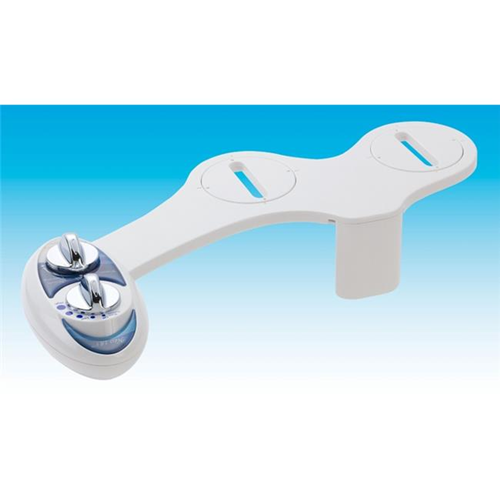 Your price for this item is $200.83
 -
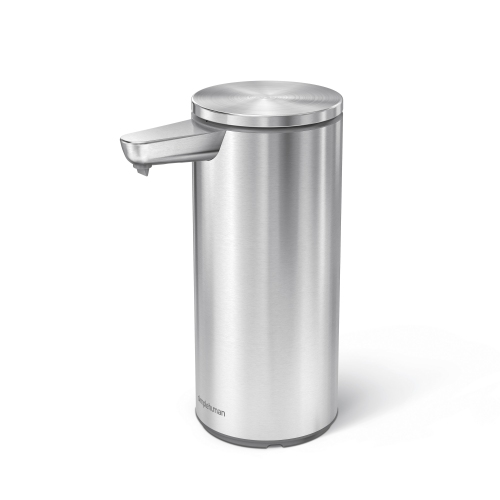 Your price for this item is $90
 -
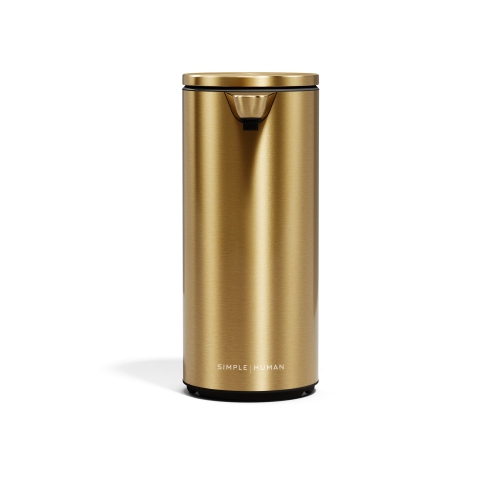 Your price for this item is $100
 -
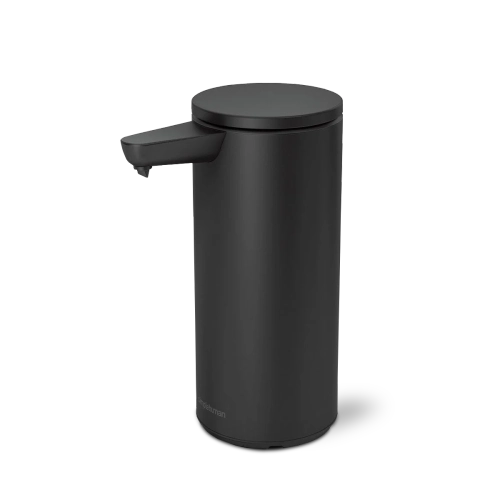 Your price for this item is $100
 -
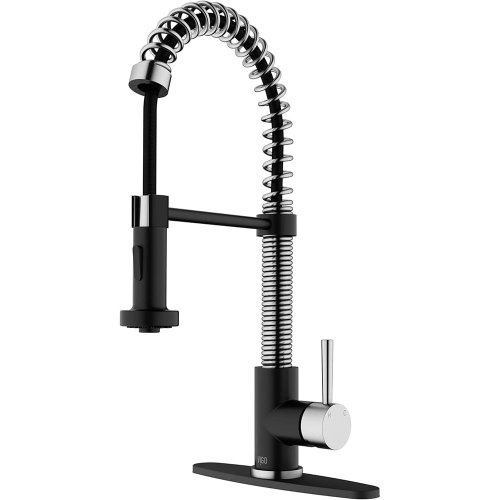 Your price for this item is $426.55
 -
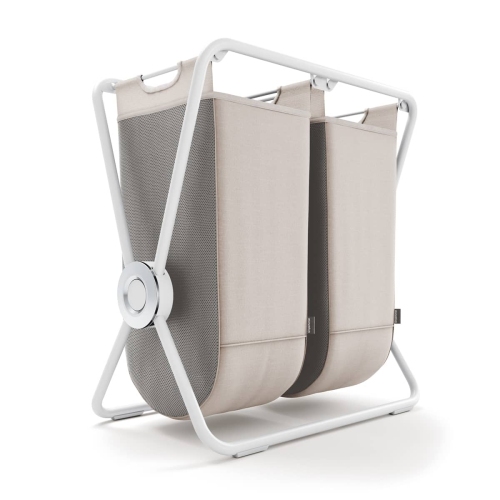 Your price for this item is $300
 -
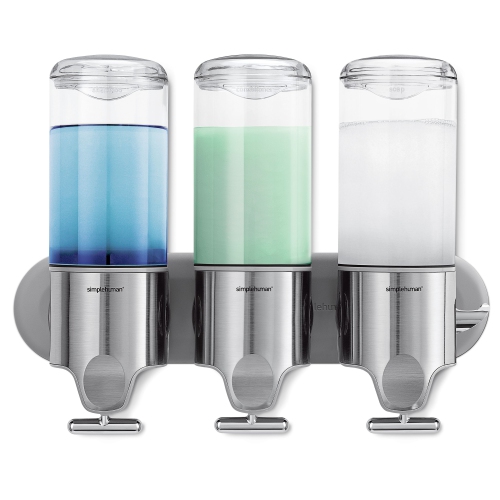 Your price for this item is $120
Discover more categories related to Toilet Seats With Handles
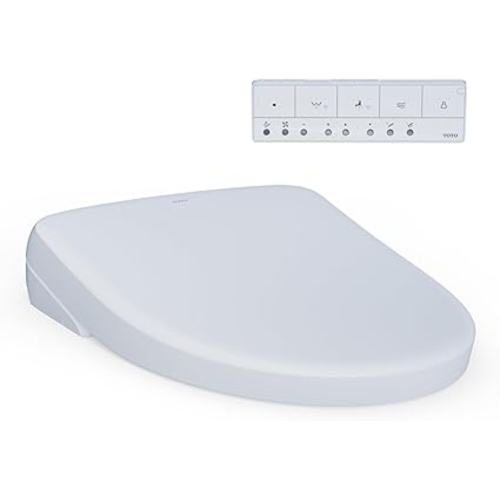
Top Collections:
Pokemon Centers, Kindle Devices, Best Budget Office Chairs, Apple iPhones 16, Best Laptops for Writers, iPhone 15 Apple, Canon G7X Cameras, Refurbished Apple Laptops, Alarm Clock, Motorola Razr Phones
Some products may be subject to Environmental Handling Fees
(EHF) depending on your province.
Learn more about EHFs.