Training Materials
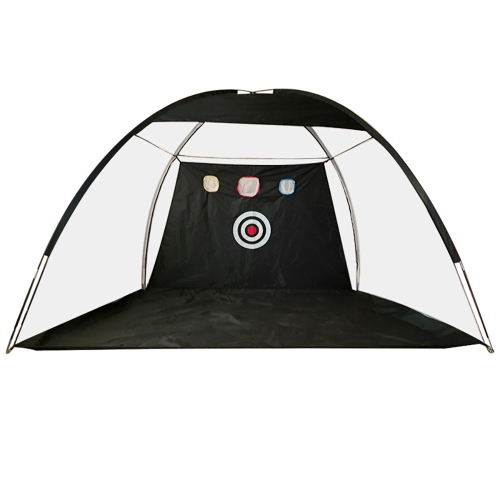
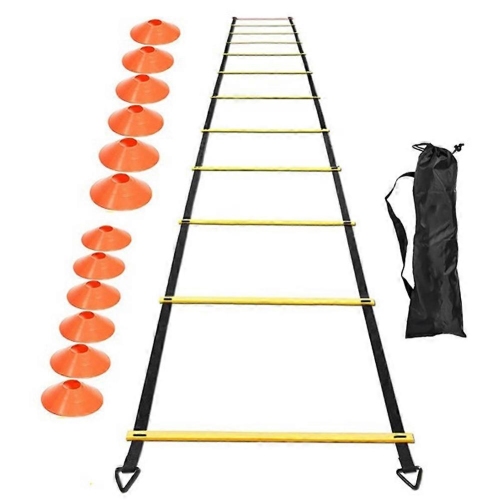
Looking to enhance your fitness routine with the latest training materials? Look no further! Our curated selection of fitness training materials is designed to help you achieve your workout goals efficiently and effectively. From resistance bands and yoga mats to foam rollers and agility ladders, we have everything you need to take your workouts to the next level. Whether you're a seasoned athlete or just starting your fitness journey, our diverse range of training materials caters to all levels of experience and fitness goals. Browse through our collection and gear up for a more dynamic and rewarding workout experience.
Sort












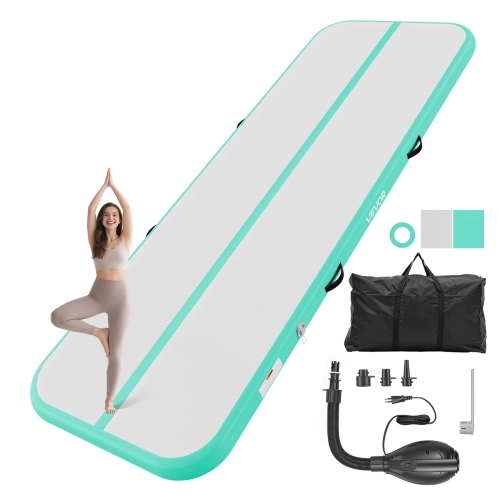
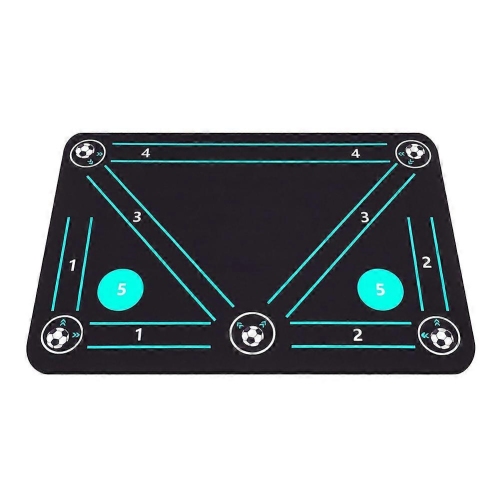
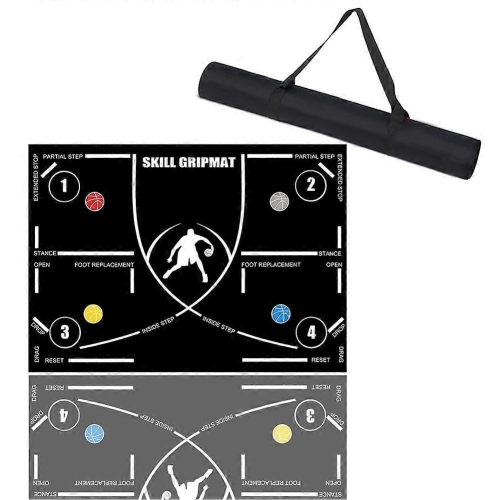




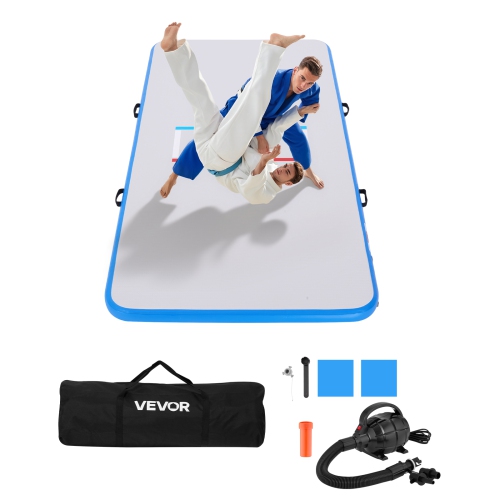






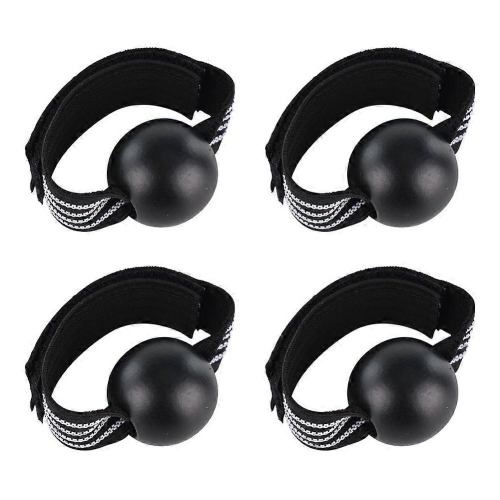
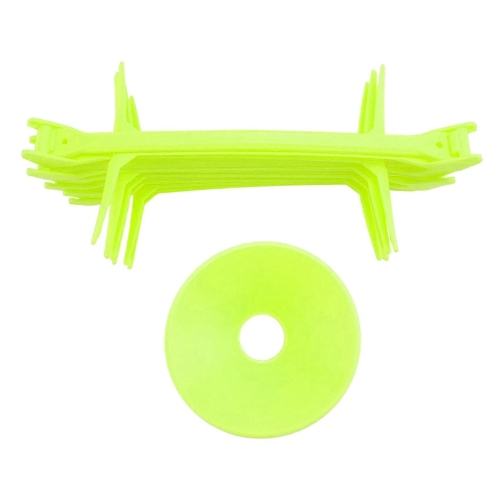
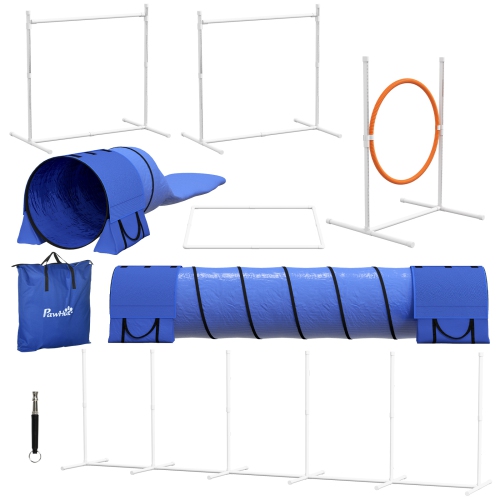
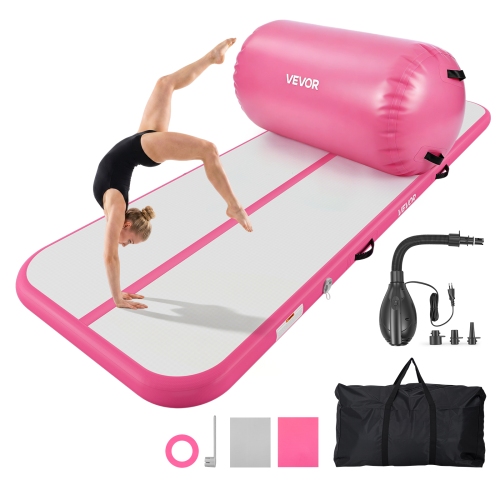





































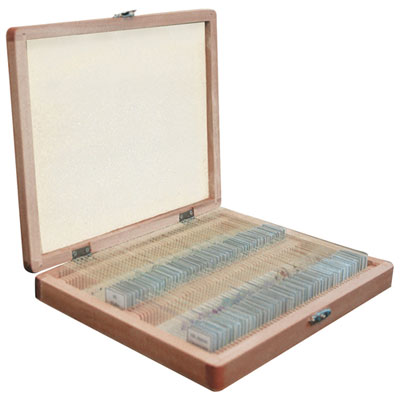

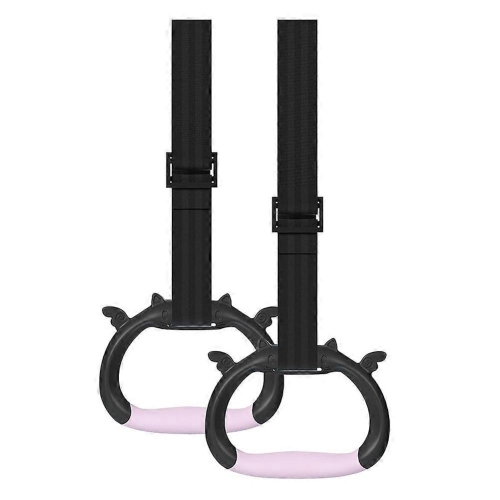


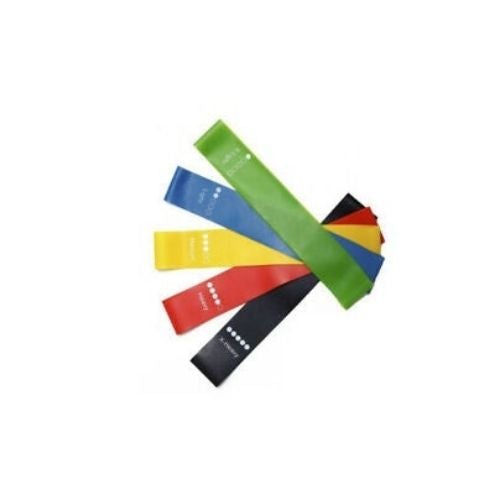


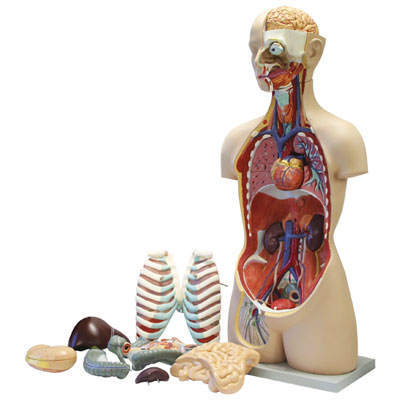

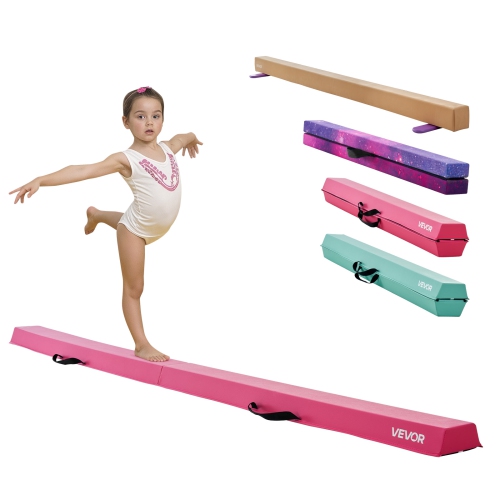
Structured resources that turn learning goals into practical progress
Training materials help turn a broad learning goal into a clear, repeatable experience. They may include facilitator guides, participant workbooks, visual presentation resources, activity sheets, practice exercises, reference cards, checklists and other structured aids that support discussion, demonstration and skill development. A well-chosen set gives the instructor a logical path to follow while helping learners understand what they are expected to do, practise new information and revisit important points later. These resources can be useful in classrooms, workplaces, community programmes, clubs, coaching sessions and at-home learning. They may support onboarding, professional development, technical instruction, creative practice, safety procedures, leadership development or general education. When browsing training materials, start by considering the age, experience level and learning needs of the people who will use them. A resource designed for independent learners may be arranged differently from one intended for a facilitator leading a group. Look for clear language, readable layouts, appropriately paced activities and content that can be connected to real situations. Visual elements such as diagrams, charts, illustrated steps and presentation slides can make complex topics easier to absorb, while written exercises and guided practice give learners a chance to apply what they have just learned. For additional educational ideas and complementary resources, explore Learning Resources.
Before choosing training materials, identify the learning gap they need to address and the setting in which the instruction will take place. In a small group, a facilitator may benefit from step-by-step delivery notes, discussion prompts, timing suggestions and activities that encourage everyone to participate. For individual study, learners may prefer concise explanations, examples, self-check exercises and space to record answers or observations. Materials for on-the-job use should be especially easy to consult, with quick-reference information, numbered procedures and checklists that can be reviewed without interrupting a task. If the training will be delivered online or across several locations, consider whether the content can be shared clearly on a screen, printed for personal use or adapted into shorter modules. Consistency also matters: matching terminology, examples and learning objectives across the instructor’s materials and the learner’s materials helps prevent confusion. For longer programmes, look for resources that break a large subject into manageable sections, allowing learners to build confidence gradually rather than facing an overwhelming amount of information at once. During the warmer part of the year, training may take place in busy community spaces, classrooms or workshops, while cooler months often bring more indoor instruction and scheduled professional development. Flexible materials can support either setting and make it easier to maintain a steady routine as schedules change.
Training materials can be selected for many different learners and occasions. A teacher, tutor or education professional may use them to add structure to lessons, reinforce a curriculum or give learners extra practice between sessions. Employers and team leaders can use them to introduce new staff to workplace procedures, support continuing education or provide a consistent foundation for group instruction. Coaches, instructors and hobby leaders may find that activity-based resources help participants move from explanation to hands-on practice, where progress becomes easier to see. Families may also choose educational materials as a thoughtful gift for a student, aspiring professional or curious learner, particularly when the subject connects with an existing interest. When giving training materials as a gift, consider whether the recipient prefers independent study, guided instruction or collaborative activities, and choose a level that feels encouraging rather than frustrating. It is also helpful to consider the available space, the expected session length and whether the learner will need writing tools, display equipment or other supporting items. Materials with a clear sequence can help a beginner know where to start, while flexible resources allow an experienced learner to focus on specific skills. Whether used for a single workshop or an ongoing programme, effective training materials should make the next step apparent, invite active participation and leave learners with information they can confidently use after the session ends.
Top selling and popular products
-
 Your price for this item is $199.98
-
 Your price for this item is $81.99
-
 Your price for this item is $129.99
-
 Your price for this item is $49.99
-
 Your price for this item is $63.99
-
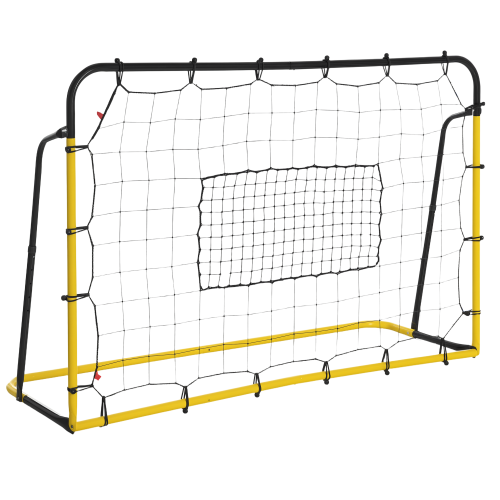 Your price for this item is $67.98
-
 Your price for this item is $81.99
-
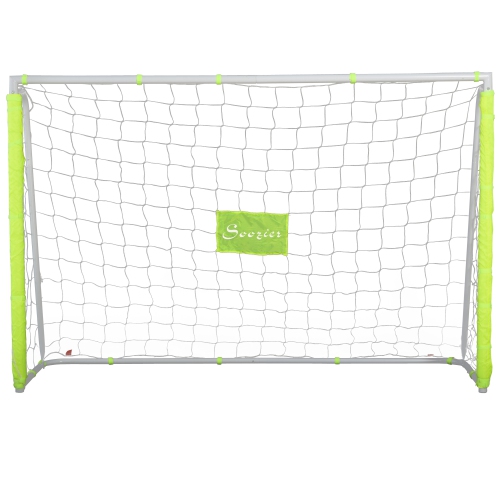 Your price for this item is $67.99
Discover more categories related to Training Materials

Top Collections:
Pokemon Centers, Best Budget Office Chairs, Kindle Devices, Best Cameras for Sports Photography, Best Laptops for Writers, Pokémon 30th Celebration Cards, Laptops for Business Work, Samsung Galaxy Phones, Canon G7X Cameras, Best Cell Phones Under $300
Some products may be subject to Environmental Handling Fees
(EHF) depending on your province.
Learn more about EHFs.