Training Mats
Whether you're a fitness enthusiast, a yoga practitioner, or a martial arts student, having the right training mat is essential for a comfortable and effective workout session. This selection of training mats provides the perfect foundation for your exercise routine, offering support, cushioning, and stability to help you achieve your fitness goals. From non-slip surfaces to easy-to-clean materials, these mats are designed to enhance your performance and ensure maximum comfort during every workout. Explore this range of training mats to find the perfect fit for your exercise needs.
Sort
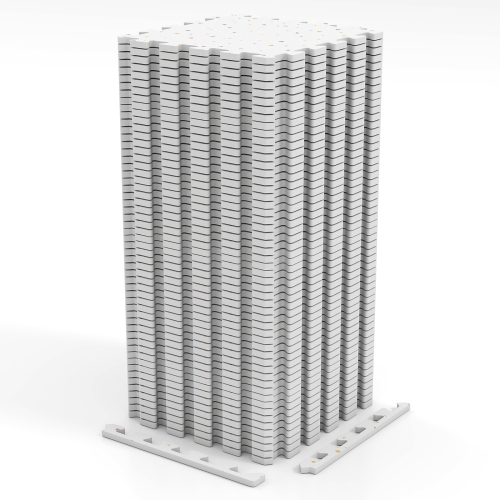
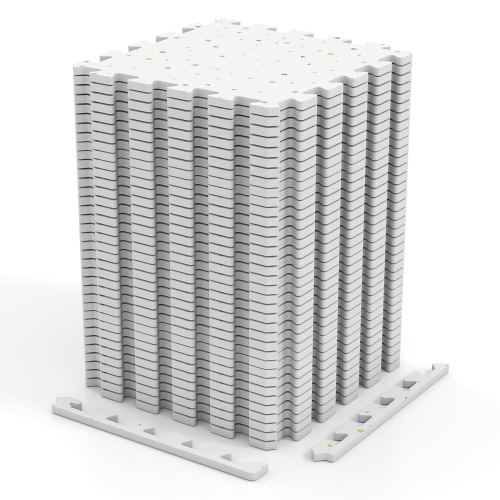
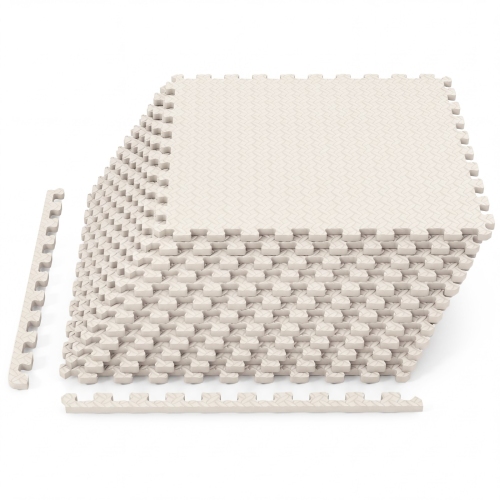
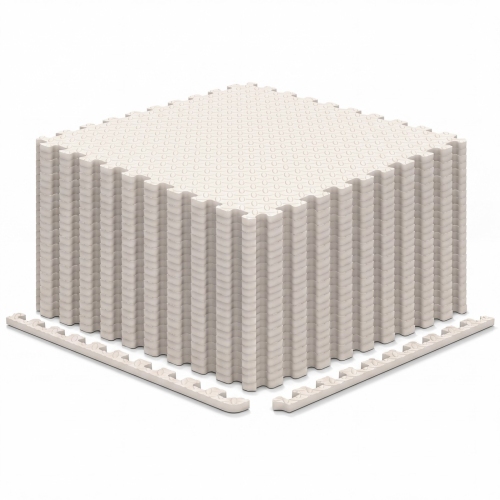
Comfortable surfaces for every kind of home workout
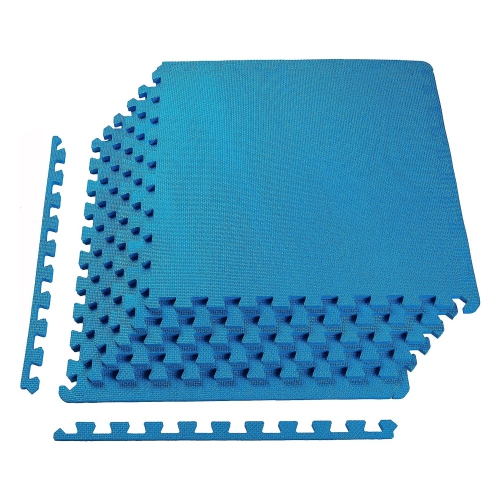
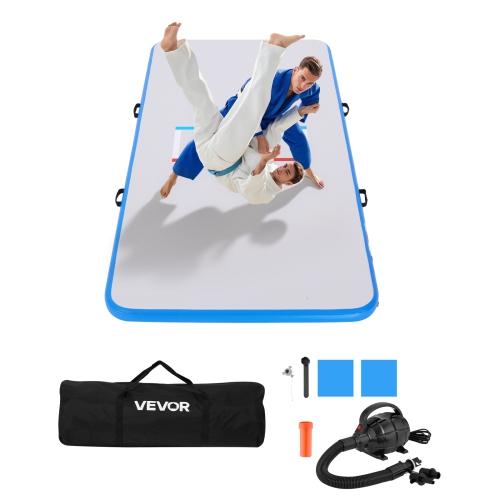
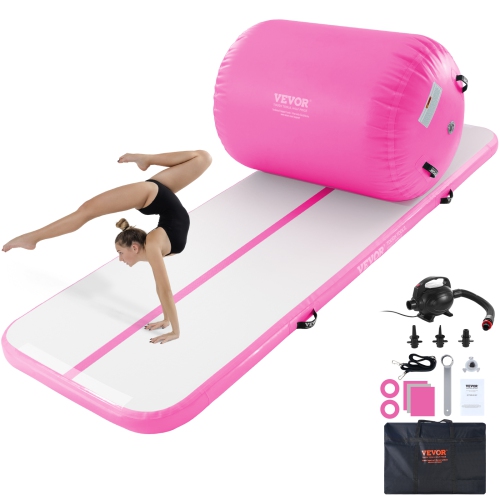
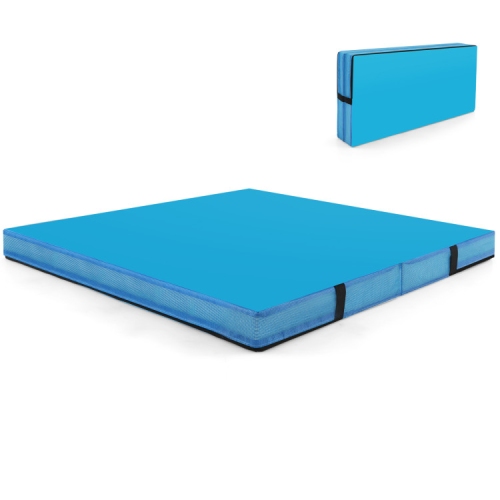
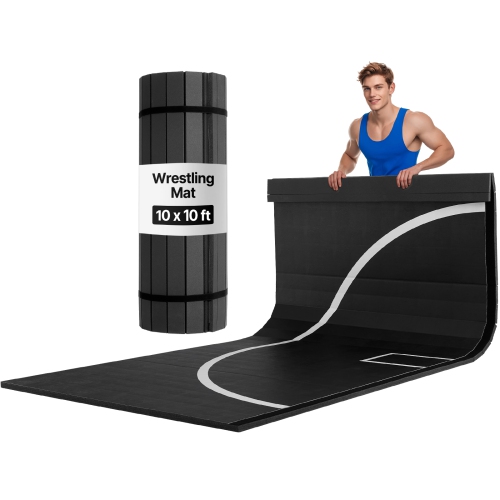
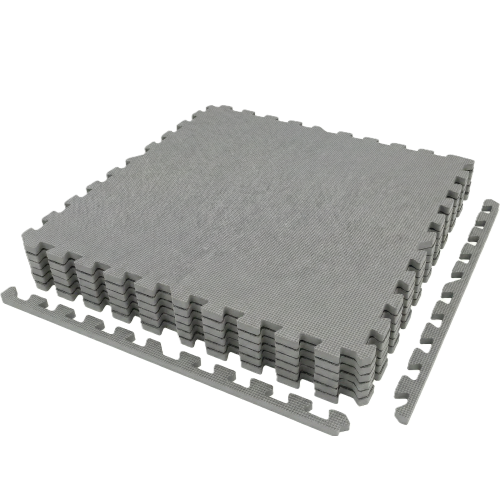
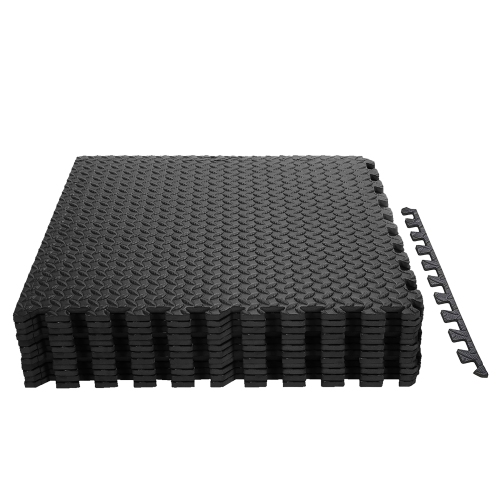
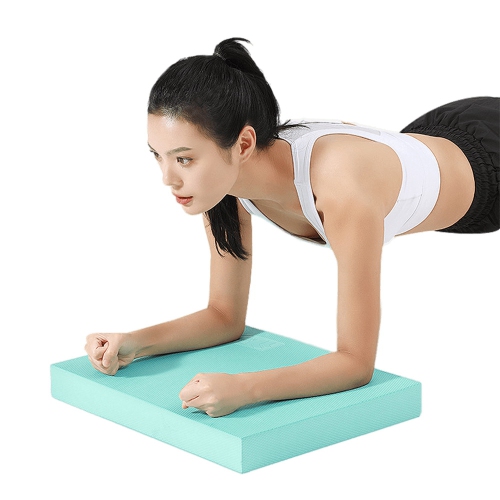
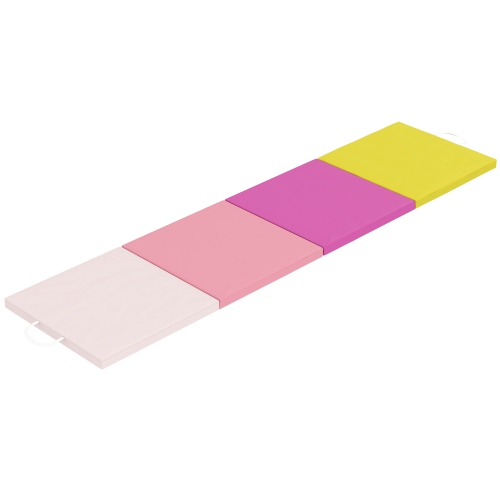
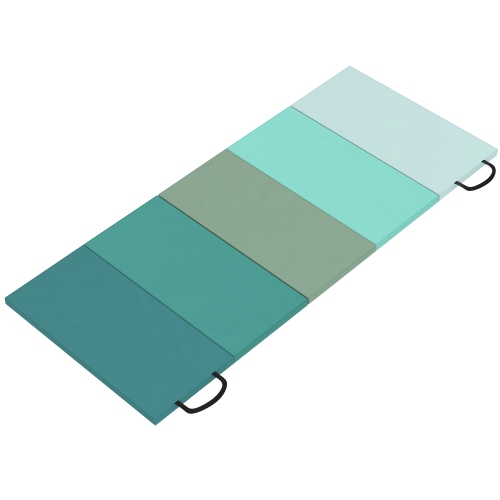
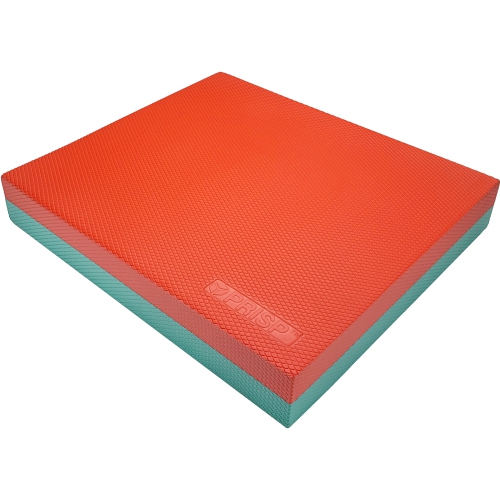
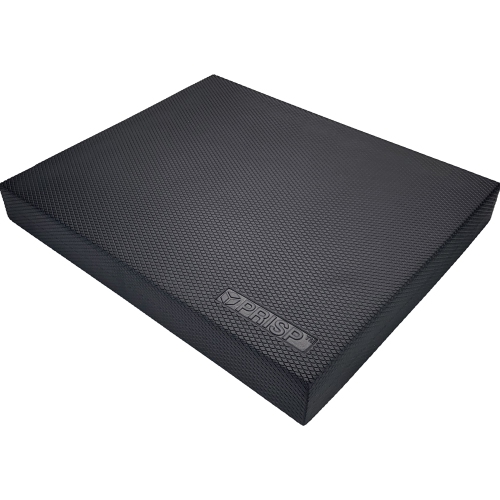
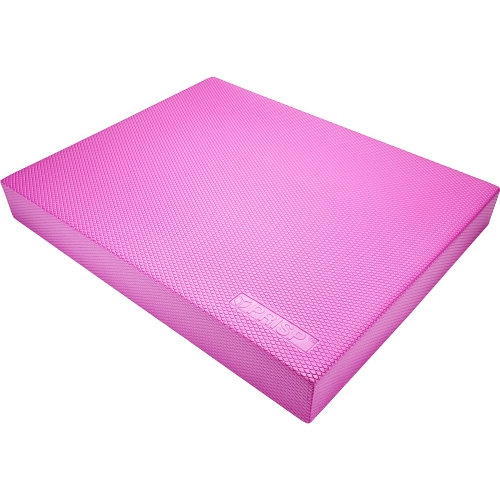
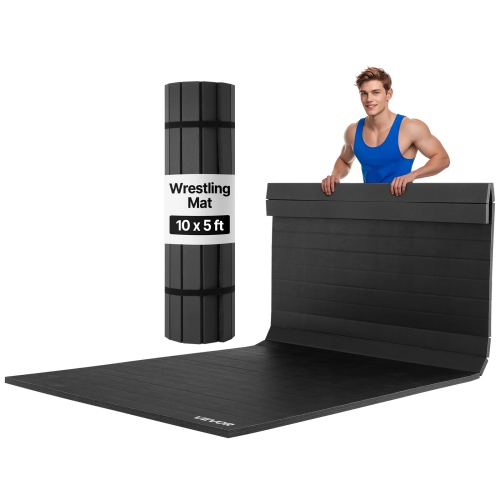
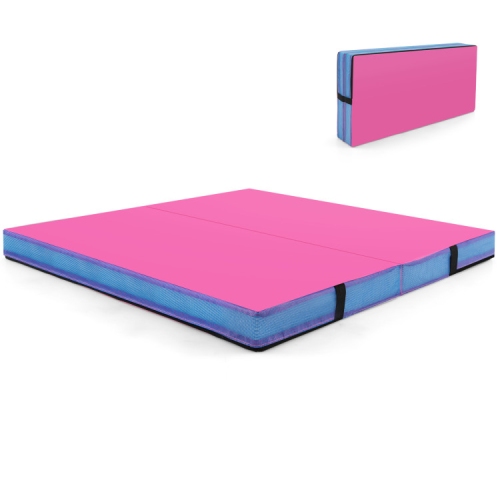
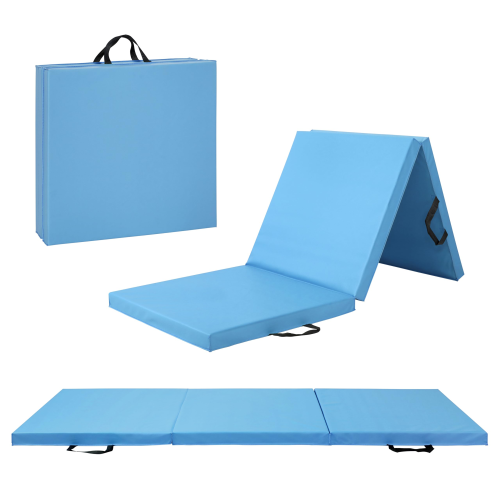
Training mats create a more comfortable, dependable surface for movement at home, in a studio, or wherever your routine takes you. They can soften contact with hard floors during stretches, floor exercises, yoga, Pilates, core work, mobility drills, and bodyweight training, while helping define a dedicated space for exercise. A mat may also make a workout area feel more inviting: instead of lowering yourself onto cold hardwood or a rough garage floor, you have a cushioned surface beneath your hands, knees, back, and feet. Foam mats are often lightweight and comfortable for stretching, warm-ups, sit-ups, balance exercises, and other low-impact activities. Rubber mats tend to be denser and heavier, making them a practical choice for areas where equipment, dumbbells, or repeated impact could place extra stress on the floor. Interlocking tiles can cover a larger area and be arranged to fit around furniture, a bench, or other home gym equipment. For yoga, a thinner mat with a textured finish can offer useful grip during standing poses, while Pilates and floor-based training may call for more cushioning to support the spine and joints. If colour is part of the setup, Blue Mats can add a calm, coordinated accent to a workout space without changing the way the area is used. The right surface depends on the movements you perform, the floor underneath, and how much room you have available, so a mat that suits gentle mobility work may not be the same one you would choose for lifting or high-impact training.
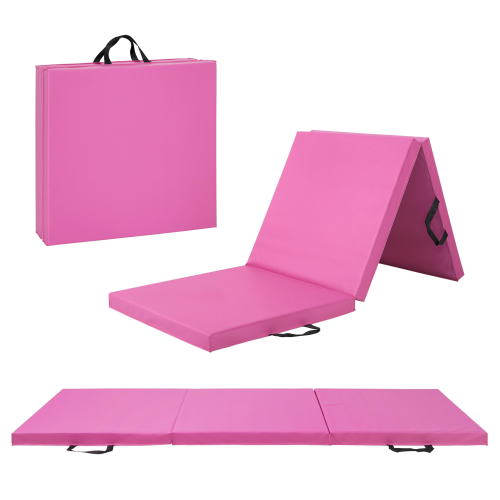
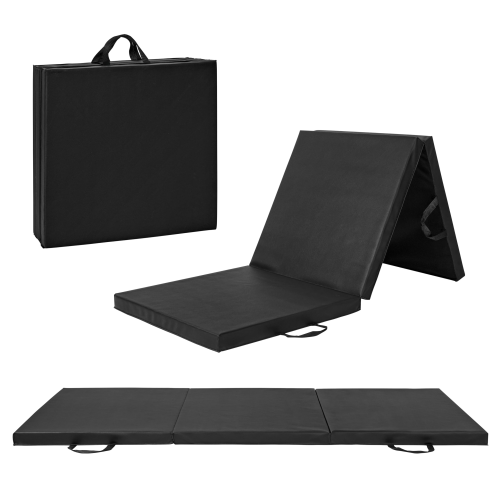
Start by considering the type of training you expect to do most often. A mat for stretching and yoga should be easy to unroll, comfortable enough for longer floor sessions, and textured to help reduce slipping when palms or feet become warm. For HIIT, aerobics, burpees, mountain climbers, and other dynamic movements, look for enough cushioning to soften landings while still providing a stable base for quick transitions. A thicker foam mat can feel pleasant under knees and elbows, but excessive softness may make balancing exercises more difficult. If your routine includes weightlifting, the priority is usually density, durability, and resistance to compression rather than a plush feel. A dense rubber surface can help absorb vibration and protect flooring from the occasional dropped weight, although heavier mats may be less convenient to move between rooms. Size matters as well. Measure the available area and think about the space needed to extend your arms, lie fully flat, step to either side, or move through a sequence without leaving the mat. A compact mat may suit a bedroom or apartment, while a wider format or several interlocking sections can create a more complete training zone in a basement, garage, or spare room. Pay attention to storage, too: roll-up mats can be tucked beside a cabinet or behind a door, folding designs can be carried from room to room, and tile systems can be taken apart when the floor needs to be used for another purpose. Edges that sit flat, a non-slip underside, and a surface that is simple to wipe clean are small details that become especially useful when workouts are frequent.
Training mats can be useful for many people, from someone building a first home routine to an experienced athlete refining strength, flexibility, or recovery work. They are also a thoughtful gift for a friend setting up a home gym, a student returning to a regular fitness schedule, or a family member who enjoys yoga, Pilates, stretching, martial arts drills, or guided workouts. A well-chosen mat can make it easier to stay consistent because the equipment is ready when the moment arrives: roll it out beside the sofa for a short mobility session, place it in a quiet corner for breathing and stretching, or use it as a protective layer during a more demanding workout. During warmer weather, a portable design can travel to a balcony, deck, park, or cottage, provided the surface is level and free of sharp debris. During cooler months, it can turn a basement or indoor corner into a comfortable place to keep moving when outdoor activities are less appealing. To maintain a mat, follow the care instructions, wipe away sweat and dust after use, and allow it to dry fully before rolling or storing it. Keep it away from sharp objects, excessive heat, and uneven surfaces that could cause it to shift. For shared spaces, choosing a material that can be cleaned regularly is particularly helpful. With the right combination of cushioning, grip, size, weight, and storage style, a training mat can support everything from a few minutes of evening stretching to a complete workout, while helping your exercise area feel safer, tidier, and more comfortable.
Start by considering the type of training you expect to do most often. A mat for stretching and yoga should be easy to unroll, comfortable enough for longer floor sessions, and textured to help reduce slipping when palms or feet become warm. For HIIT, aerobics, burpees, mountain climbers, and other dynamic movements, look for enough cushioning to soften landings while still providing a stable base for quick transitions. A thicker foam mat can feel pleasant under knees and elbows, but excessive softness may make balancing exercises more difficult. If your routine includes weightlifting, the priority is usually density, durability, and resistance to compression rather than a plush feel. A dense rubber surface can help absorb vibration and protect flooring from the occasional dropped weight, although heavier mats may be less convenient to move between rooms. Size matters as well. Measure the available area and think about the space needed to extend your arms, lie fully flat, step to either side, or move through a sequence without leaving the mat. A compact mat may suit a bedroom or apartment, while a wider format or several interlocking sections can create a more complete training zone in a basement, garage, or spare room. Pay attention to storage, too: roll-up mats can be tucked beside a cabinet or behind a door, folding designs can be carried from room to room, and tile systems can be taken apart when the floor needs to be used for another purpose. Edges that sit flat, a non-slip underside, and a surface that is simple to wipe clean are small details that become especially useful when workouts are frequent.
Training mats can be useful for many people, from someone building a first home routine to an experienced athlete refining strength, flexibility, or recovery work. They are also a thoughtful gift for a friend setting up a home gym, a student returning to a regular fitness schedule, or a family member who enjoys yoga, Pilates, stretching, martial arts drills, or guided workouts. A well-chosen mat can make it easier to stay consistent because the equipment is ready when the moment arrives: roll it out beside the sofa for a short mobility session, place it in a quiet corner for breathing and stretching, or use it as a protective layer during a more demanding workout. During warmer weather, a portable design can travel to a balcony, deck, park, or cottage, provided the surface is level and free of sharp debris. During cooler months, it can turn a basement or indoor corner into a comfortable place to keep moving when outdoor activities are less appealing. To maintain a mat, follow the care instructions, wipe away sweat and dust after use, and allow it to dry fully before rolling or storing it. Keep it away from sharp objects, excessive heat, and uneven surfaces that could cause it to shift. For shared spaces, choosing a material that can be cleaned regularly is particularly helpful. With the right combination of cushioning, grip, size, weight, and storage style, a training mat can support everything from a few minutes of evening stretching to a complete workout, while helping your exercise area feel safer, tidier, and more comfortable.
Top selling and popular products
-
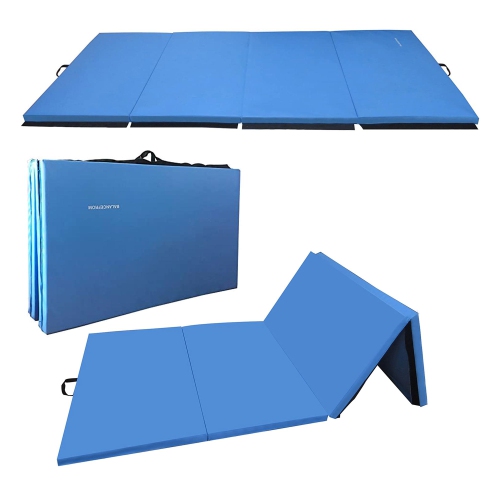 Your price for this item is $221.99
 -
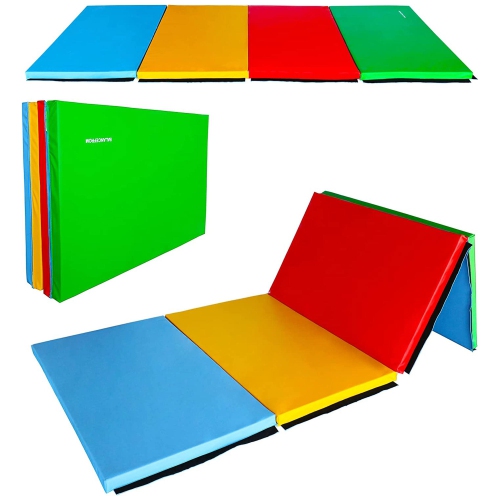 Your price for this item is $218.99
 -
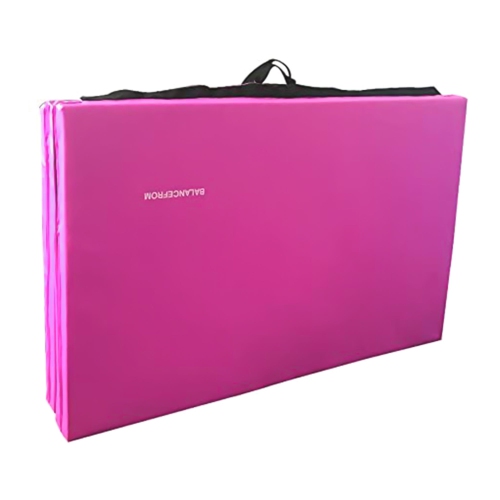 Your price for this item is $224.99
 -
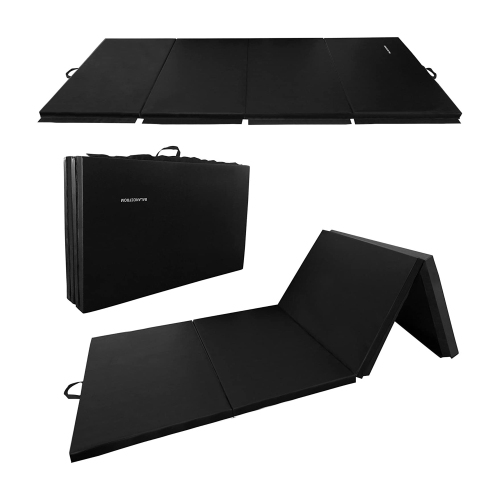 Your price for this item is $251.99
 -
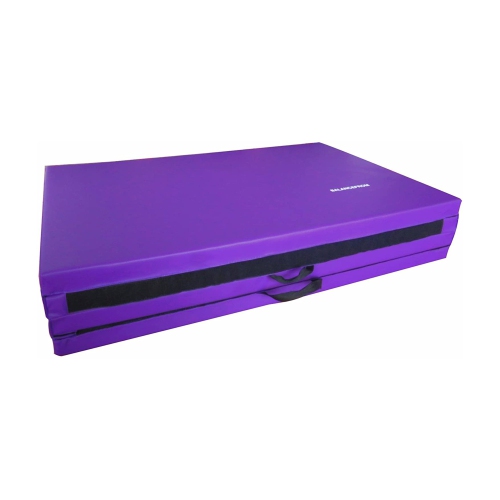 Your price for this item is $221.99
 -
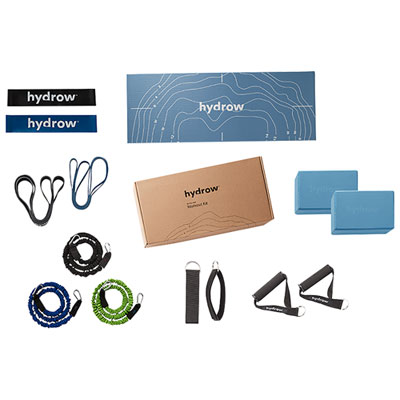 Your price for this item is $229.99
 -
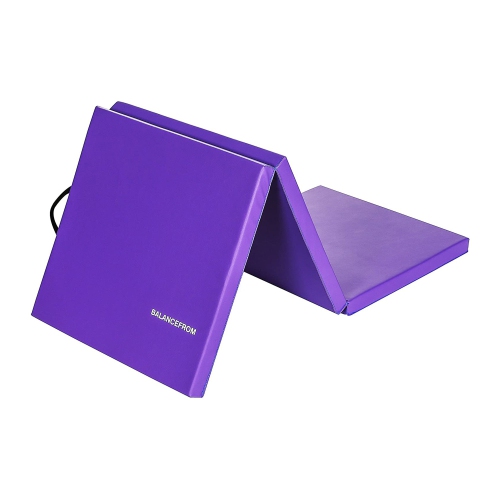 Your price for this item is $79.99
 -
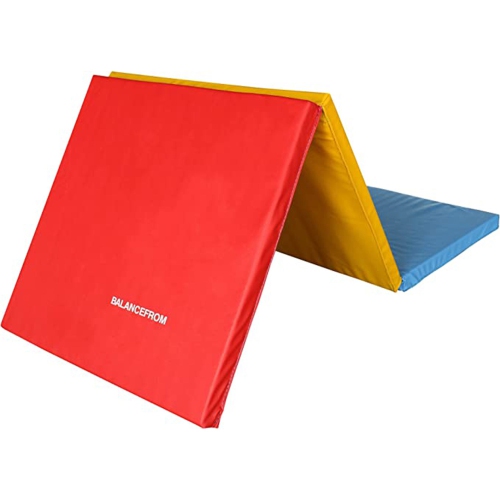 Your price for this item is $79.99
Discover more categories related to Training Mats

Top Collections:
Pokemon Centers, Kindle Devices, Best Budget Office Chairs, Apple iPhones 16, Canon G7X Cameras, iPhone 15 Apple, Alarm Clock, Refurbished Apple Laptops, Flip Phones, Best Laptops for Writers
Some products may be subject to Environmental Handling Fees
(EHF) depending on your province.
Learn more about EHFs.