Water Bottle Plastic
Stay refreshed and hydrated with a versatile range of plastic water bottles that combine convenience and style. Perfect for on-the-go lifestyles, these bottles offer a lightweight and durable solution to quenching your thirst, whether you're at the gym, in the office, or exploring the great outdoors. With a variety of sizes, colors, and designs available, finding the perfect match for your personal taste and hydration needs is easy. Explore options that are designed to fit seamlessly into your daily routine, ensuring you have access to hydration whenever you need it.
Sort
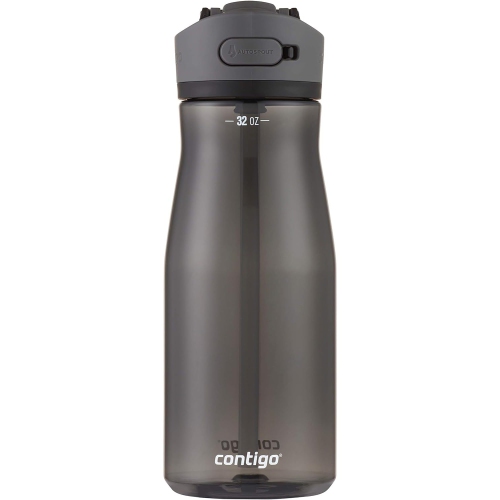
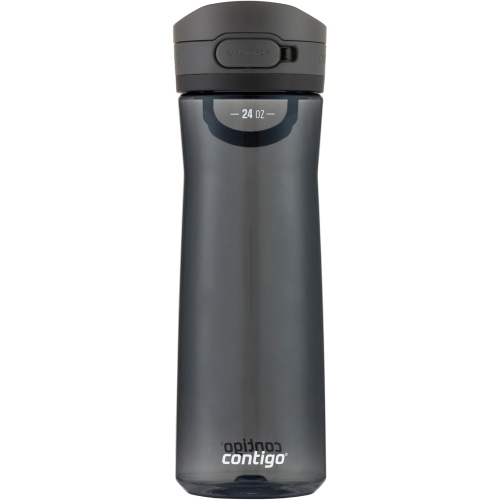
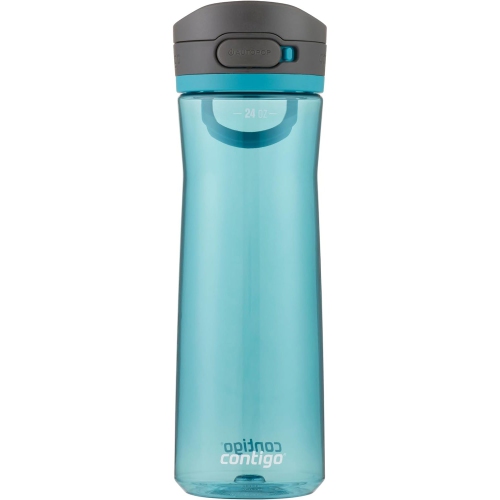
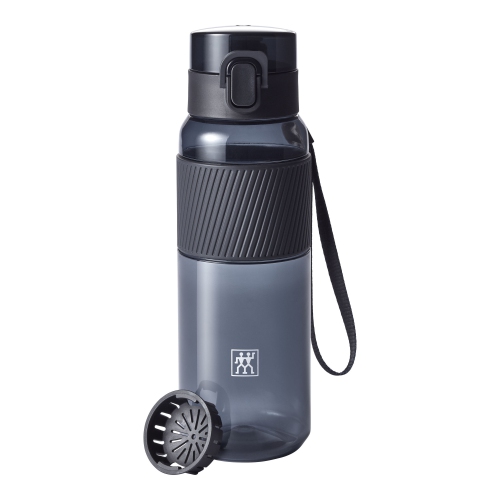

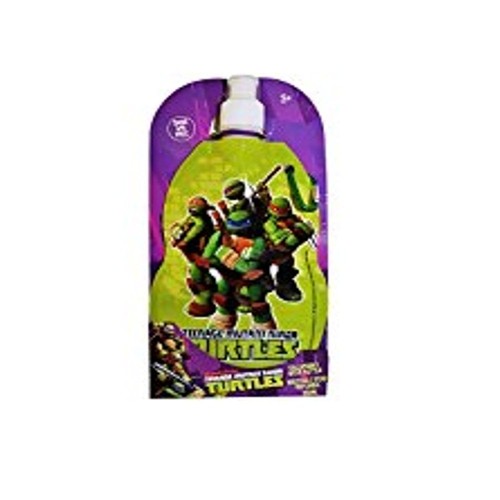
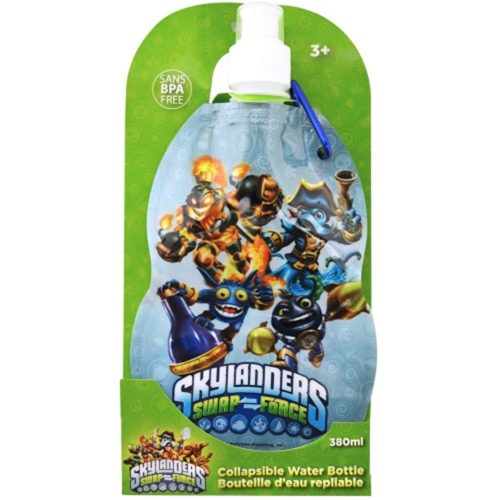
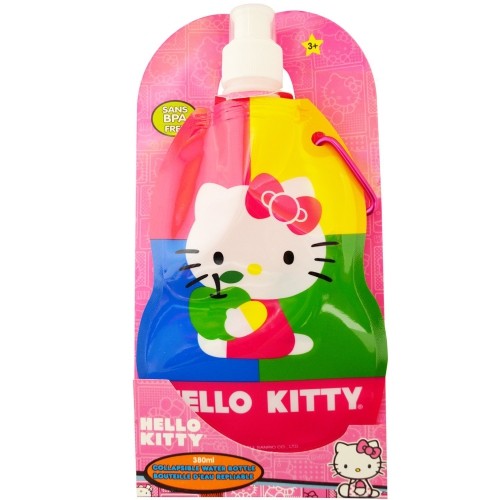
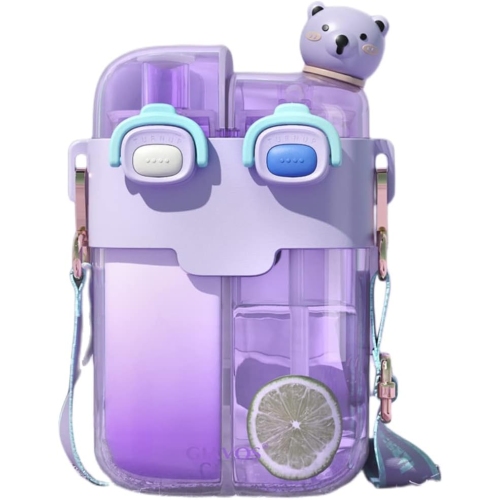
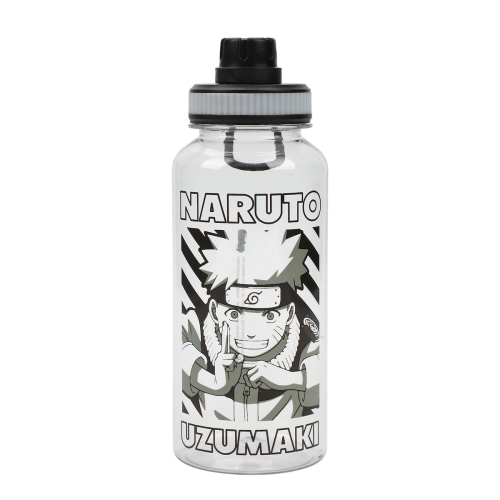
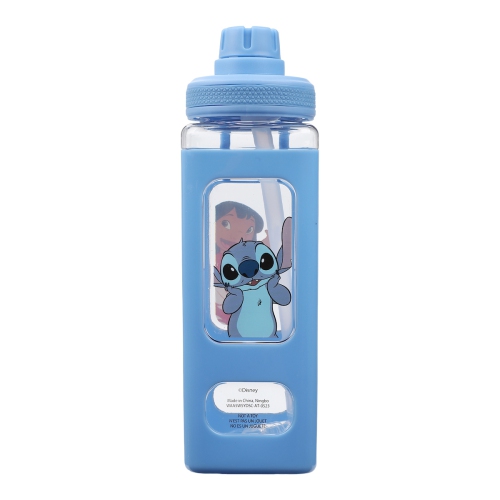
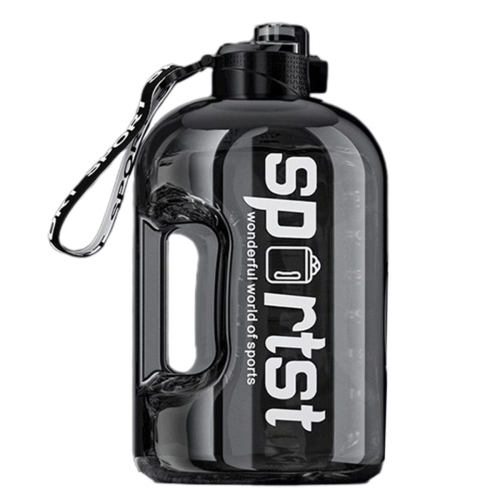
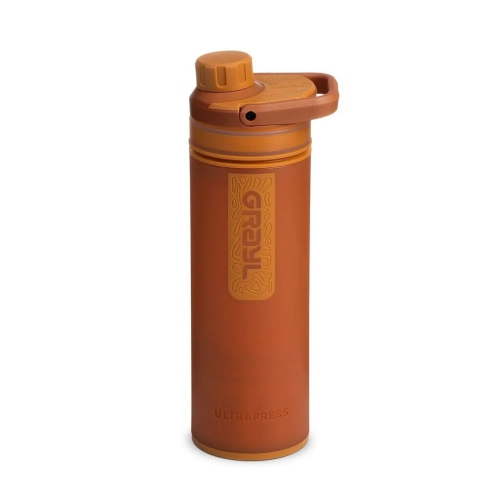
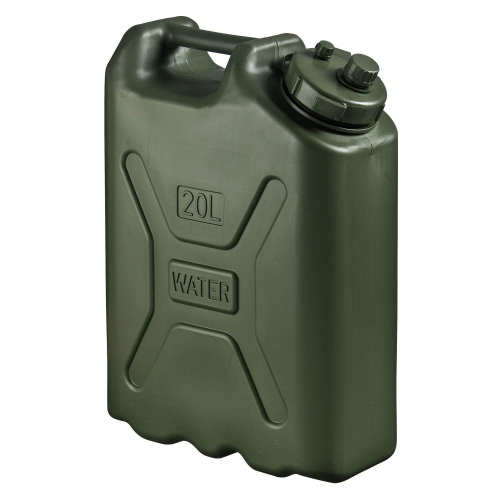
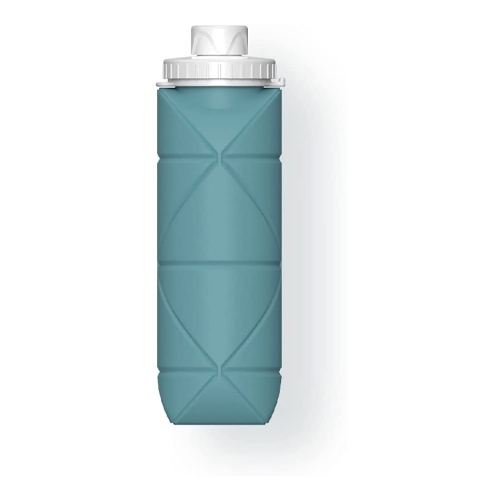
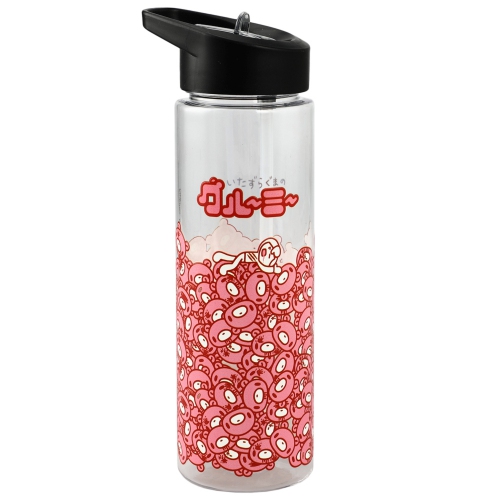
How bottle size and lids shape everyday convenience
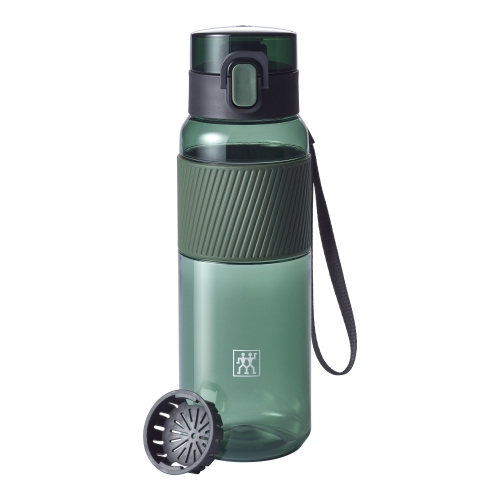
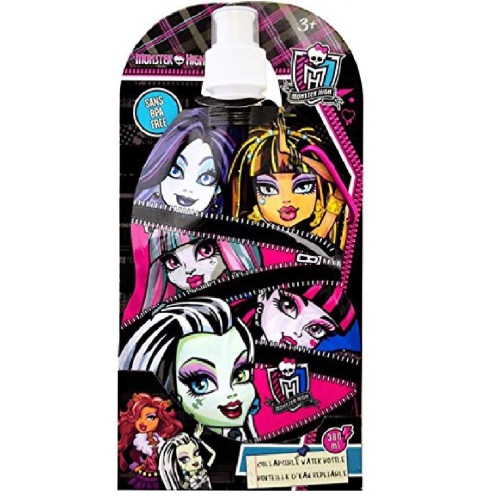
Plastic water bottles offer a lightweight way to keep drinking water within reach at a desk, in a school bag, or beside exercise equipment. Their appeal is practical: they are easy to carry, come in a wide range of shapes and capacities, and often let the user see how much water remains without opening the lid. Within the broader range of Water Bottles, plastic designs include rigid containers with a firm grip, squeezable sports styles, and compact bottles sized for smaller hands. Material matters because not every plastic has the same feel or care requirements. Copolyester is often used for clear, rigid bodies, while polypropylene may appear in bottle bodies, caps, and other components. Some flexible sports bottles use polyethylene, which allows the sides to compress when squeezed. The material name alone does not establish whether a bottle is dishwasher safe, suitable for hot liquids, or resistant to every kind of impact; those details depend on the finished design and the manufacturer's specifications. BPA-free labelling identifies a particular material characteristic rather than a guarantee about every aspect of performance. A bottle intended for repeated drinking-water use should have clear food-contact and care information. Capacity is another important consideration. A bottle around 350 to 500 mL can be manageable for a child or a short outing, while a 750 mL to 1 L size provides more water between refills. Larger capacities suit places where a refill point is less convenient, but they also add weight and take up more bag space. One litre of water weighs approximately one kilogram before the bottle itself is counted. For everyday carrying, the most useful size balances capacity with a comfortable grip and a realistic place to store it. A narrow base may fit a vehicle cup holder or backpack pocket more easily than a broad, squat body, even when both bottles hold the same amount.
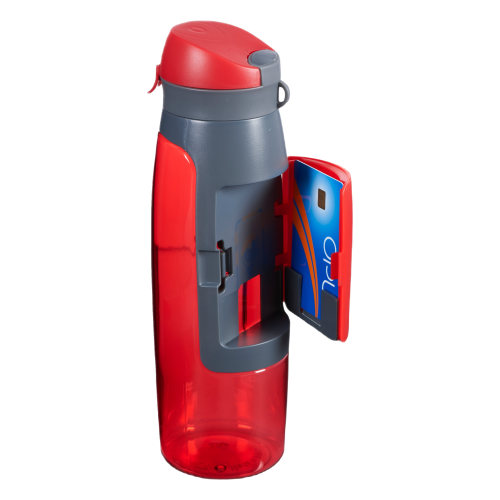
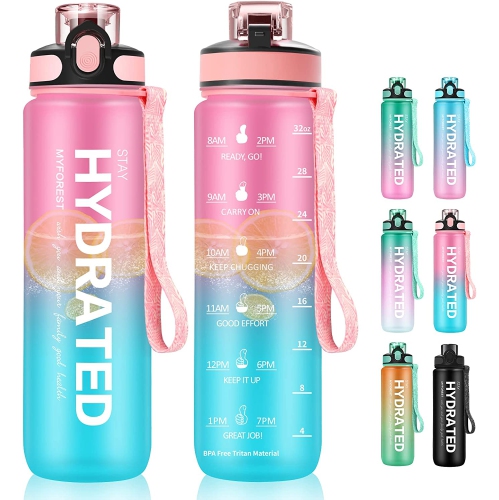
The lid often determines how well a plastic water bottle fits a particular routine. A screw cap offers a straightforward closure, especially for someone who prefers an open drinking rim and fewer moving parts to clean. A wide mouth makes filling and brushing the interior easier, although it can release more water than expected when tipped quickly. A narrower spout helps control the flow during a short break between activities. Straw lids allow upright sipping, which can be convenient at a desk or for users who find tilting a full bottle awkward. They also introduce extra parts that need regular cleaning, including the straw, mouthpiece, and any small valve. Flip-top and push-button lids may support one-handed use, but the opening mechanism should feel comfortable and close securely. For a bottle that will travel beside notebooks or electronics, a stated leakproof design is more relevant than a lid described only as splash resistant. Any leakproof claim still depends on correct assembly, an undamaged seal, and a fully closed cap. A locking tab can help prevent an accidental button press inside a crowded bag. Carry loops and integrated handles are useful when hands are full, though their comfort varies with the bottle's loaded weight. For school use, a simple opening action, a covered drinking spout, and space for a name label can matter more than a complicated lid. A child should be able to open, drink from, and close the bottle without assistance. At the gym, a textured grip or shaped waist can make a smooth plastic body easier to hold with damp hands. On a walk, a secure loop may be more practical than a bulky handle that catches on a pocket. Colour and finish also affect daily use: a transparent body makes the water level visible, while measurement markings help track the amount poured or consumed. As a practical gift for a student, commuter, or fitness enthusiast, a bottle is most useful when its size and lid match the recipient's habits rather than appearance alone.
Care and construction have a considerable influence on how a reusable plastic water bottle performs over time. Smooth interior surfaces and an opening large enough for a bottle brush make routine washing less awkward. Removable seals can provide access to areas where moisture and residue collect, provided they are designed to be removed and can be fitted back correctly. Wash the bottle before its first use and clean it regularly according to the manufacturer's directions, paying particular attention to threads, mouthpieces, straws, and the underside of the lid. Drinks containing flavourings, sugar, or protein can leave more residue than plain water and may require prompt, thorough cleaning; they should only be used if the bottle is suitable for them. Mild dish soap and a soft brush are generally practical for handwashing, while abrasive scrubbers can scratch plastic surfaces. Dishwasher suitability should be confirmed for both the body and the lid, since different components may have different restrictions. A top-rack instruction does not mean every wash or drying cycle is appropriate. Leave washed parts separated until dry rather than sealing moisture inside, and avoid long-term storage with leftover liquid in the bottle. Heat limits are also specific to the design: do not assume a plastic drinking bottle can hold boiling water, go in a microwave, or withstand freezing unless the manufacturer expressly permits that use. Carbonated drinks likewise require a container intended to handle pressure. Durability involves more than the thickness of the body. Cap threads, hinges, latches, and seals all experience repeated handling, and a cracked lid can make an otherwise intact bottle unsuitable for carrying in a bag. Check for cracks, distortion, damaged seals, or persistent odours that remain after proper cleaning. Replace worn components only with compatible parts where the design allows it. For everyday use, a bottle that is comfortable to carry, straightforward to wash, and easy to close securely is more likely to become a dependable part of the routine than one whose size or mechanism makes each refill inconvenient.
The lid often determines how well a plastic water bottle fits a particular routine. A screw cap offers a straightforward closure, especially for someone who prefers an open drinking rim and fewer moving parts to clean. A wide mouth makes filling and brushing the interior easier, although it can release more water than expected when tipped quickly. A narrower spout helps control the flow during a short break between activities. Straw lids allow upright sipping, which can be convenient at a desk or for users who find tilting a full bottle awkward. They also introduce extra parts that need regular cleaning, including the straw, mouthpiece, and any small valve. Flip-top and push-button lids may support one-handed use, but the opening mechanism should feel comfortable and close securely. For a bottle that will travel beside notebooks or electronics, a stated leakproof design is more relevant than a lid described only as splash resistant. Any leakproof claim still depends on correct assembly, an undamaged seal, and a fully closed cap. A locking tab can help prevent an accidental button press inside a crowded bag. Carry loops and integrated handles are useful when hands are full, though their comfort varies with the bottle's loaded weight. For school use, a simple opening action, a covered drinking spout, and space for a name label can matter more than a complicated lid. A child should be able to open, drink from, and close the bottle without assistance. At the gym, a textured grip or shaped waist can make a smooth plastic body easier to hold with damp hands. On a walk, a secure loop may be more practical than a bulky handle that catches on a pocket. Colour and finish also affect daily use: a transparent body makes the water level visible, while measurement markings help track the amount poured or consumed. As a practical gift for a student, commuter, or fitness enthusiast, a bottle is most useful when its size and lid match the recipient's habits rather than appearance alone.
Care and construction have a considerable influence on how a reusable plastic water bottle performs over time. Smooth interior surfaces and an opening large enough for a bottle brush make routine washing less awkward. Removable seals can provide access to areas where moisture and residue collect, provided they are designed to be removed and can be fitted back correctly. Wash the bottle before its first use and clean it regularly according to the manufacturer's directions, paying particular attention to threads, mouthpieces, straws, and the underside of the lid. Drinks containing flavourings, sugar, or protein can leave more residue than plain water and may require prompt, thorough cleaning; they should only be used if the bottle is suitable for them. Mild dish soap and a soft brush are generally practical for handwashing, while abrasive scrubbers can scratch plastic surfaces. Dishwasher suitability should be confirmed for both the body and the lid, since different components may have different restrictions. A top-rack instruction does not mean every wash or drying cycle is appropriate. Leave washed parts separated until dry rather than sealing moisture inside, and avoid long-term storage with leftover liquid in the bottle. Heat limits are also specific to the design: do not assume a plastic drinking bottle can hold boiling water, go in a microwave, or withstand freezing unless the manufacturer expressly permits that use. Carbonated drinks likewise require a container intended to handle pressure. Durability involves more than the thickness of the body. Cap threads, hinges, latches, and seals all experience repeated handling, and a cracked lid can make an otherwise intact bottle unsuitable for carrying in a bag. Check for cracks, distortion, damaged seals, or persistent odours that remain after proper cleaning. Replace worn components only with compatible parts where the design allows it. For everyday use, a bottle that is comfortable to carry, straightforward to wash, and easy to close securely is more likely to become a dependable part of the routine than one whose size or mechanism makes each refill inconvenient.
Top selling and popular products
-
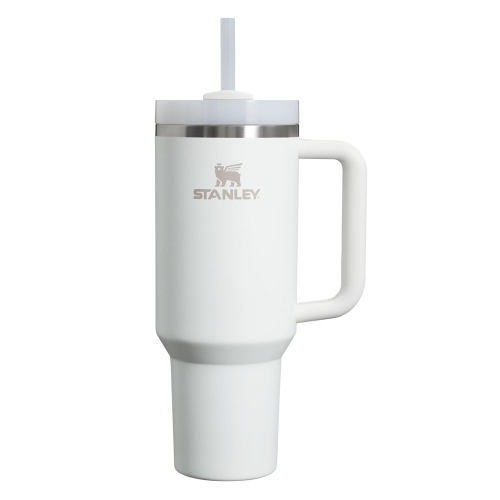 Your price for this item is $89
 -
 Your price for this item is $69.29
 -
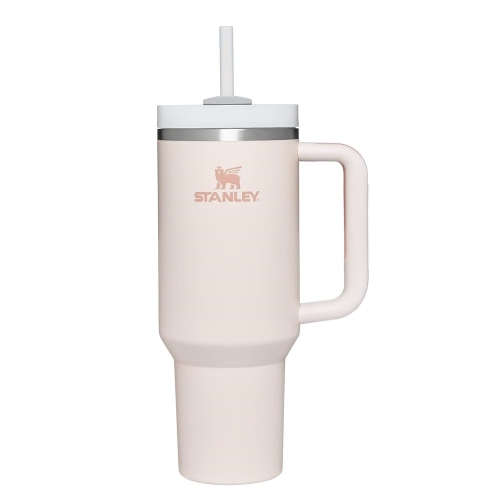 Your price for this item is $89
 -
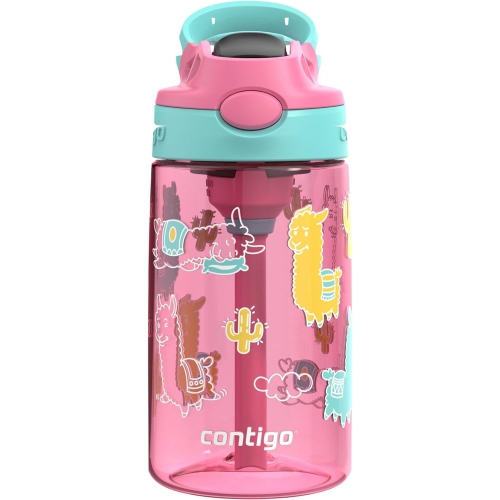 Your price for this item is $21.97
 -
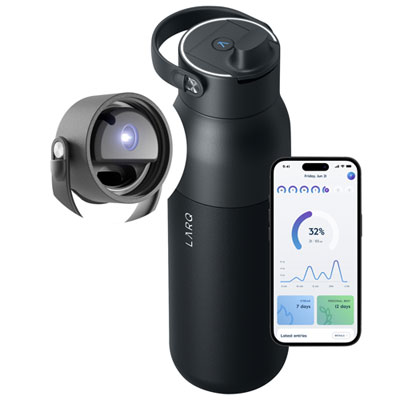 Your price for this item is $119.99
 -
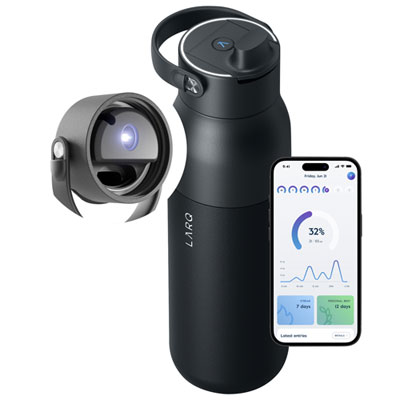 Your price for this item is $135.99
 -
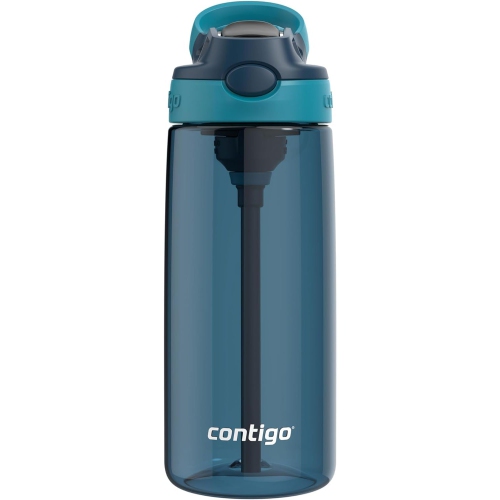 Your price for this item is $25.97
 -
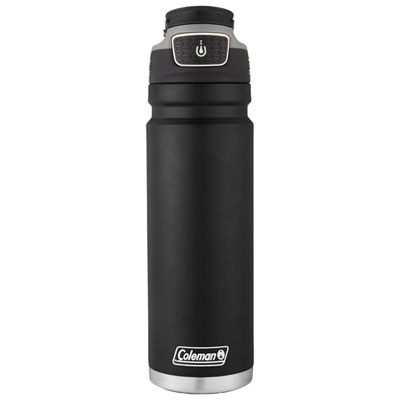 Your price for this item is $44.99
Discover more categories related to Water Bottle Plastic
Top Collections:
Pokemon Centers, Kindle Devices, Best Budget Office Chairs, Apple iPhones 16, Best Laptops for Writers, iPhone 15 Apple, Canon G7X Cameras, Refurbished Apple Laptops, Alarm Clock, Motorola Razr Phones
Some products may be subject to Environmental Handling Fees
(EHF) depending on your province.
Learn more about EHFs.