Weightlifting Wrist Wraps
Elevate your training routine with weightlifting wrist wraps designed to provide extra support during your toughest workouts. Whether you're a beginner or a seasoned athlete, weightlifting wrist wraps can help you maintain proper form and focus on reaching your fitness goals. Explore a variety of options to find the perfect fit for your exercise regimen and enjoy added confidence with every lift.
Sort
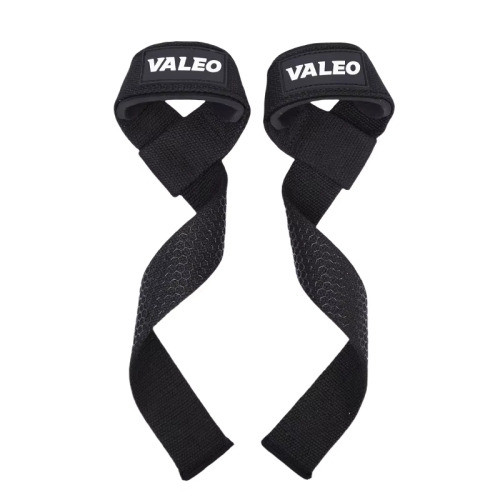
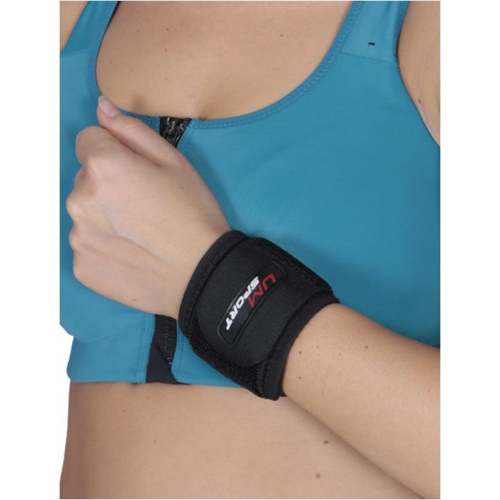
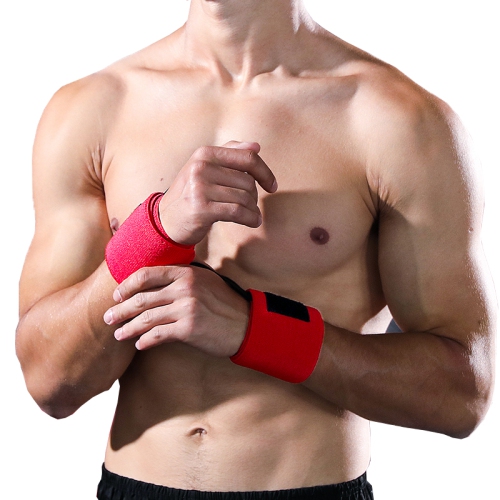
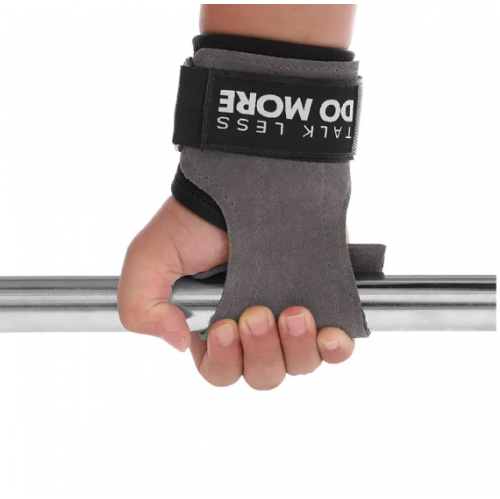
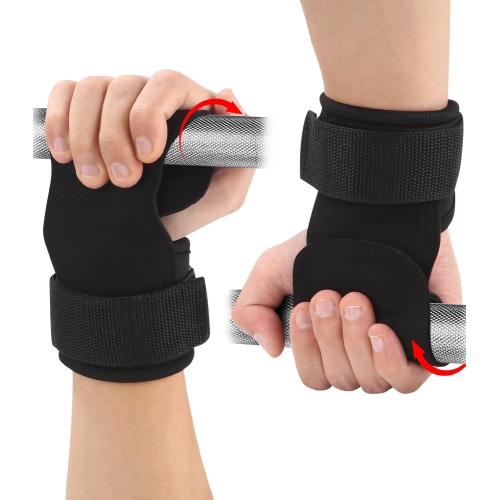
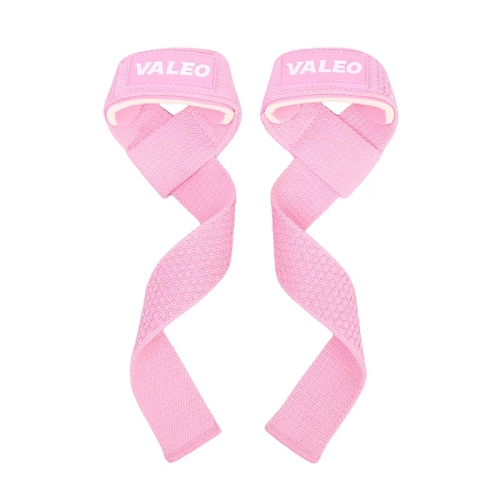
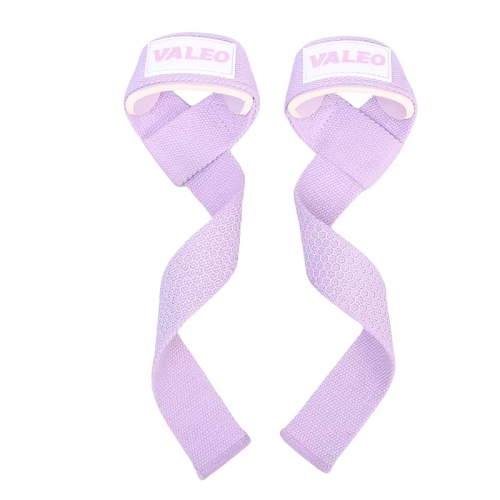
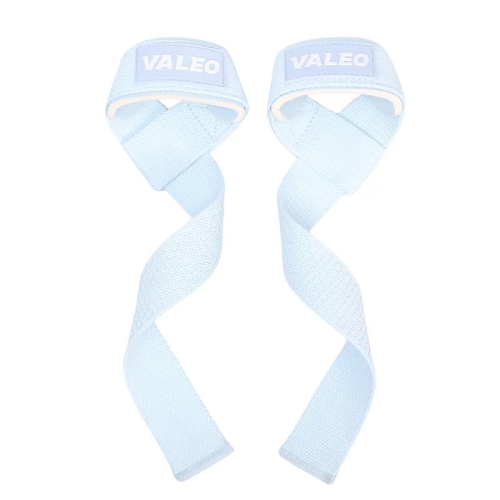

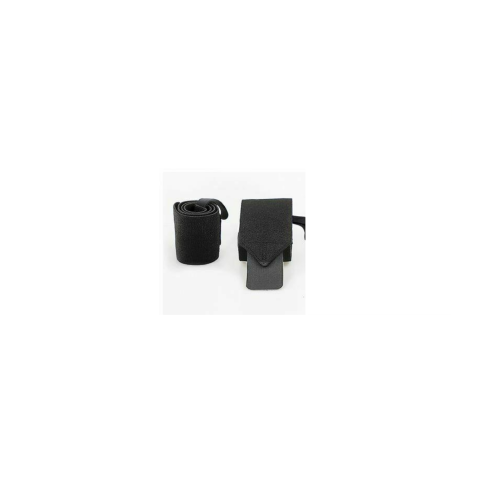
Steadier pressing support for comfortable, controlled training
Weightlifting wrist wraps are designed to support the wrist during pressing and other movements where the hand and forearm need to stay closely aligned under load. They are commonly used for bench presses, overhead presses, push presses, front rack positions, dumbbell presses, and some functional training exercises. When a heavy bar or dumbbell causes the wrist to bend backward, the hand can lose a direct line of force, and that small change may make the lift feel less stable. A properly fitted wrap adds firm, adjustable support around the wrist joint, helping it remain closer to a neutral position while you concentrate on your technique and movement. Many lifters describe the sensation as a reassuring layer of structure rather than a substitute for strength or form. Wraps may be useful for experienced lifters working with challenging weights, people returning to regular training after time away, and beginners who are learning how wrist position affects pressing mechanics. They can also suit home-gym users who want a compact accessory that fits easily in a training bag. Wrist wraps are not the same as lifting straps: wraps support the wrist during pressing, while straps generally help secure the hands to a bar during pulling exercises such as deadlifts and rows. Anyone dealing with persistent pain, swelling, numbness, or a previous injury should speak with a qualified health professional before relying on supportive gear during exercise.
The best pair depends on the exercises you perform, the amount of support you prefer, and how the wraps feel around your wrists. Length is an important starting point. Shorter wraps, often around 12 inches, can be easier to put on and remove, may feel less bulky, and can work well for smaller wrists, fast-paced workouts, or sessions that move between several exercises. Longer options, often ranging from 18 to 24 inches, provide more material for multiple passes around the joint and can deliver a more secure feel during heavy pressing. Stiffness also affects the experience. Flexible wraps allow more wrist movement and may be comfortable for general training, warmups, and exercises where you do not want a rigid sensation. Stiffer wraps provide firmer reinforcement and are often preferred for demanding sets, though they may take more time to adjust and can feel restrictive if tightened too much. Look for a dependable fastening system, clear left-and-right orientation when provided, and a thumb loop that helps keep the wrap positioned while you secure it. The wrap should feel snug without cutting into the skin, causing tingling, or making your fingers cold. It should support the joint without hiding poor bar placement or encouraging you to lift beyond your current ability. A good fit usually comes from wrapping around the wrist joint rather than high up the forearm, then checking that you can still move your fingers normally. Follow the care instructions, allow the material to air out after training, and inspect the stitching, hook-and-loop fastening, and edges regularly. These small checks matter after a sweaty session when you are packing your gear away in a crowded gym bag.
Weightlifting wrist wraps can make a practical gift for someone building a home gym, returning to strength training during the cooler months, or preparing for a new training routine. They are especially easy to pair with other useful fitness accessories, such as a gym bag, resistance bands, a water bottle, or a set of Weightlifting Belts. For a gift, consider the recipient’s training style rather than choosing solely by appearance. A person who focuses on powerlifting may appreciate a longer, more rigid design, while someone who enjoys varied workouts may prefer a lighter wrap that can be adjusted quickly between movements. Beginners may value straightforward fastening and comfortable padding, whereas experienced lifters often pay close attention to width, tension, and how firmly the wrap holds the wrist at the bottom of a press. Picture the difference between a quiet home workout before the day begins and a busy gym session where equipment changes quickly: in both settings, wraps should be simple to adjust and secure without distracting from the exercise. They can be worn on both wrists for balanced support, but they should not be tightened to the point of discomfort, and they should not replace a gradual warmup or controlled progression. As routines shift from outdoor activities to indoor training during cooler weather, a reliable pair can remain a convenient part of a regular kit, ready for a heavy bench set, a demanding overhead session, or a focused workout at home. Choosing the right length, stiffness, fastening style, and fit helps ensure that Weightlifting Wrist Wraps feel supportive, comfortable, and suited to the way each person trains.
The best pair depends on the exercises you perform, the amount of support you prefer, and how the wraps feel around your wrists. Length is an important starting point. Shorter wraps, often around 12 inches, can be easier to put on and remove, may feel less bulky, and can work well for smaller wrists, fast-paced workouts, or sessions that move between several exercises. Longer options, often ranging from 18 to 24 inches, provide more material for multiple passes around the joint and can deliver a more secure feel during heavy pressing. Stiffness also affects the experience. Flexible wraps allow more wrist movement and may be comfortable for general training, warmups, and exercises where you do not want a rigid sensation. Stiffer wraps provide firmer reinforcement and are often preferred for demanding sets, though they may take more time to adjust and can feel restrictive if tightened too much. Look for a dependable fastening system, clear left-and-right orientation when provided, and a thumb loop that helps keep the wrap positioned while you secure it. The wrap should feel snug without cutting into the skin, causing tingling, or making your fingers cold. It should support the joint without hiding poor bar placement or encouraging you to lift beyond your current ability. A good fit usually comes from wrapping around the wrist joint rather than high up the forearm, then checking that you can still move your fingers normally. Follow the care instructions, allow the material to air out after training, and inspect the stitching, hook-and-loop fastening, and edges regularly. These small checks matter after a sweaty session when you are packing your gear away in a crowded gym bag.
Weightlifting wrist wraps can make a practical gift for someone building a home gym, returning to strength training during the cooler months, or preparing for a new training routine. They are especially easy to pair with other useful fitness accessories, such as a gym bag, resistance bands, a water bottle, or a set of Weightlifting Belts. For a gift, consider the recipient’s training style rather than choosing solely by appearance. A person who focuses on powerlifting may appreciate a longer, more rigid design, while someone who enjoys varied workouts may prefer a lighter wrap that can be adjusted quickly between movements. Beginners may value straightforward fastening and comfortable padding, whereas experienced lifters often pay close attention to width, tension, and how firmly the wrap holds the wrist at the bottom of a press. Picture the difference between a quiet home workout before the day begins and a busy gym session where equipment changes quickly: in both settings, wraps should be simple to adjust and secure without distracting from the exercise. They can be worn on both wrists for balanced support, but they should not be tightened to the point of discomfort, and they should not replace a gradual warmup or controlled progression. As routines shift from outdoor activities to indoor training during cooler weather, a reliable pair can remain a convenient part of a regular kit, ready for a heavy bench set, a demanding overhead session, or a focused workout at home. Choosing the right length, stiffness, fastening style, and fit helps ensure that Weightlifting Wrist Wraps feel supportive, comfortable, and suited to the way each person trains.
Top selling and popular products
-
 Your price for this item is $142
 -
 Your price for this item is $399.99
 -
 Your price for this item is $99.99
 -
 Your price for this item is $100.99
 -
 Your price for this item is $84.99
 -
 Your price for this item is $199.99
 -
![STARZ / ANCHOR BAY Weight Watchers: 15-Minute Boot Camp Series - [DVD]](https://multimedia.bbycastatic.ca/multimedia/products/500x500/155/15593/15593684.jpeg) Your price for this item is $8.99
Your price for this item is $8.99 -
 Your price for this item is $1990
Discover more categories related to Weightlifting Wrist Wraps
Top Collections:
Pokemon Centers, Kindle Devices, Best Budget Office Chairs, Apple iPhones 16, Best Laptops for Writers, iPhone 15 Apple, Canon G7X Cameras, Refurbished Apple Laptops, Alarm Clock, Motorola Razr Phones
Some products may be subject to Environmental Handling Fees
(EHF) depending on your province.
Learn more about EHFs.