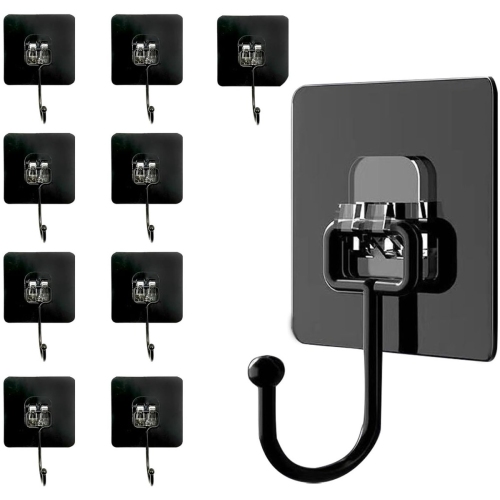
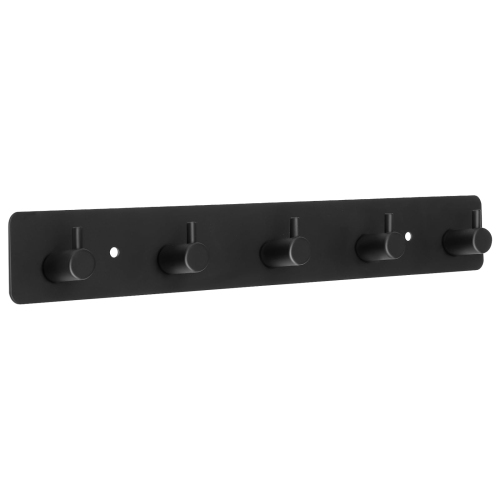
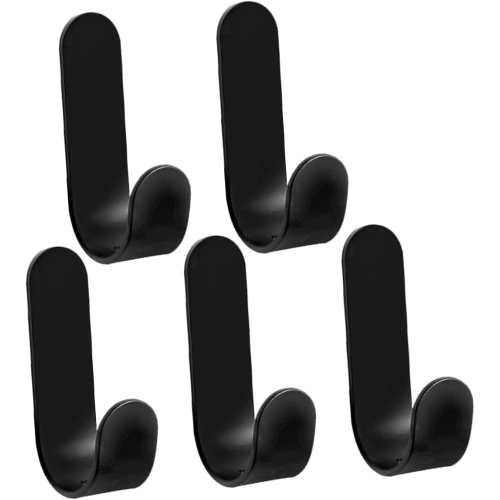
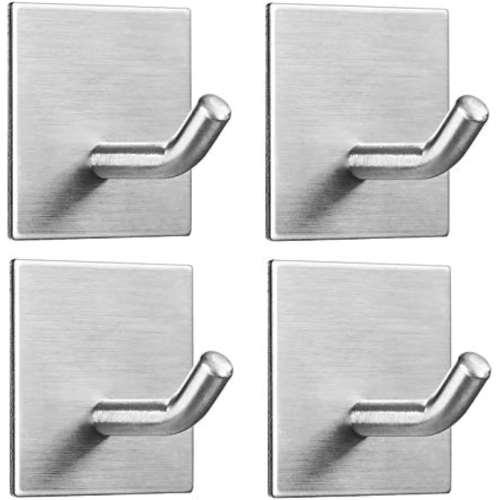
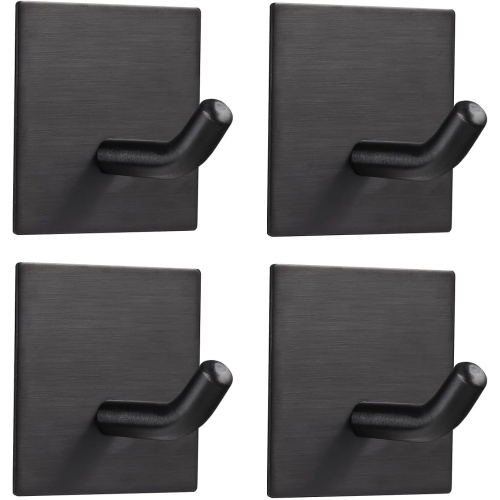
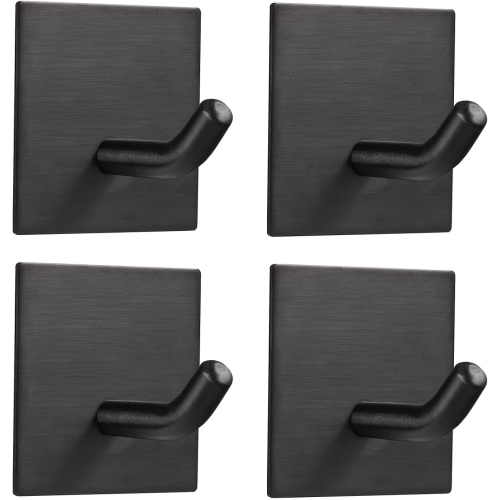
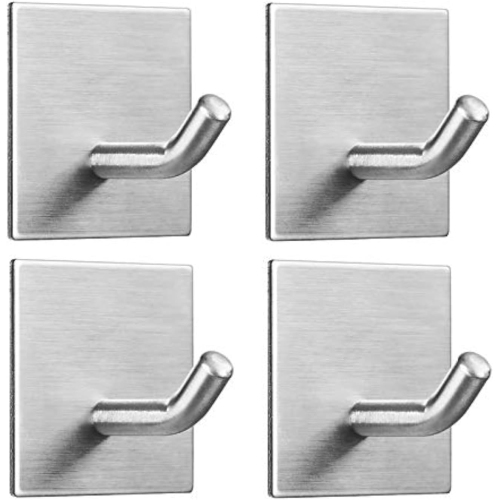
Heavy Duty Adhesive Wall Hooks

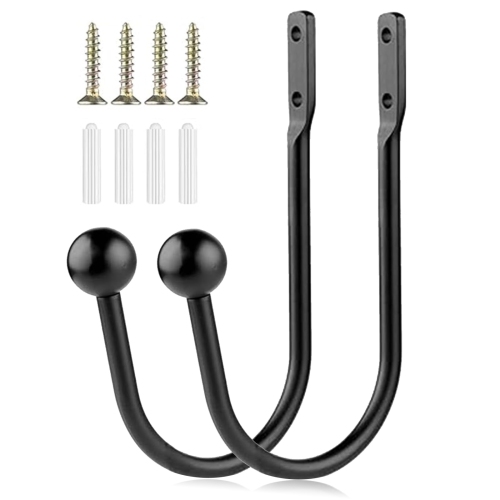
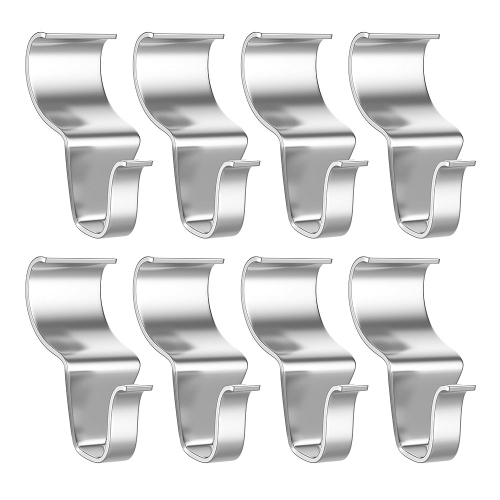
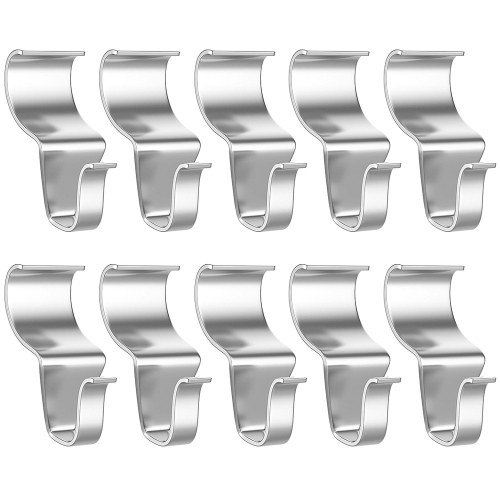
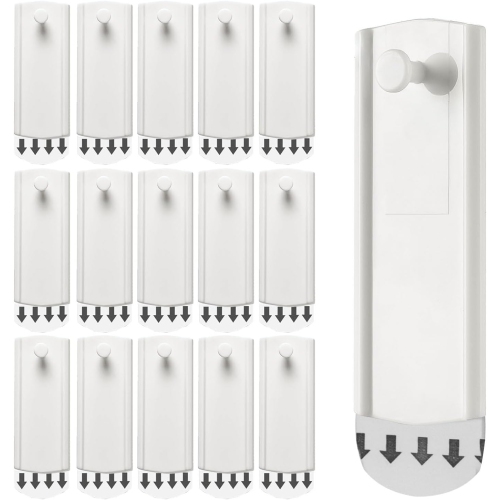
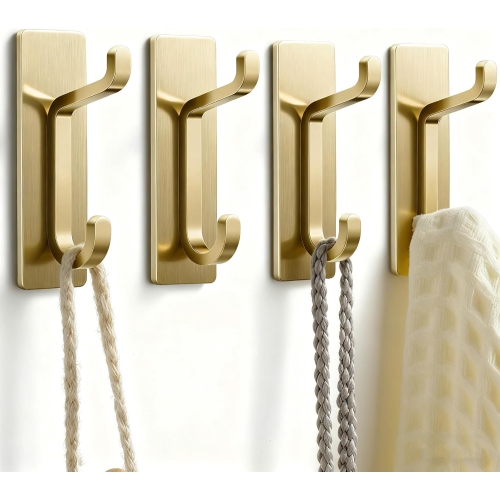
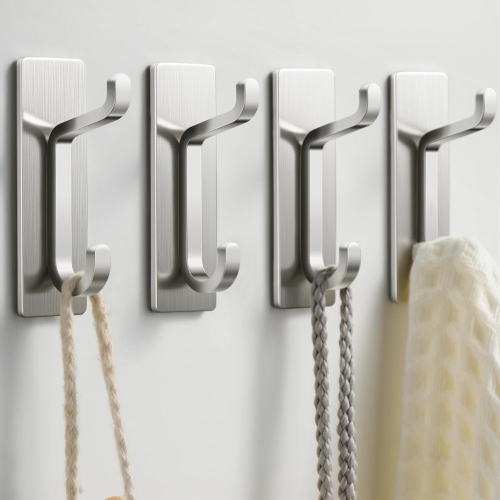
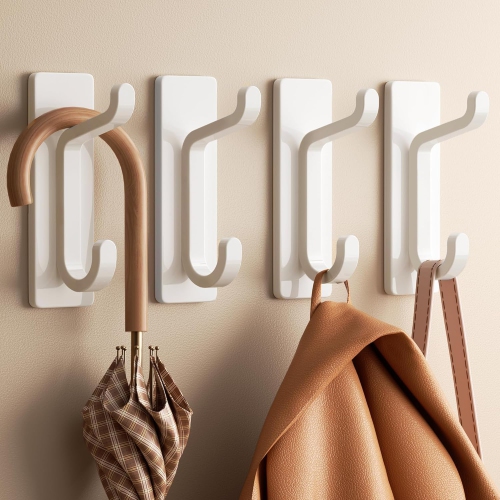
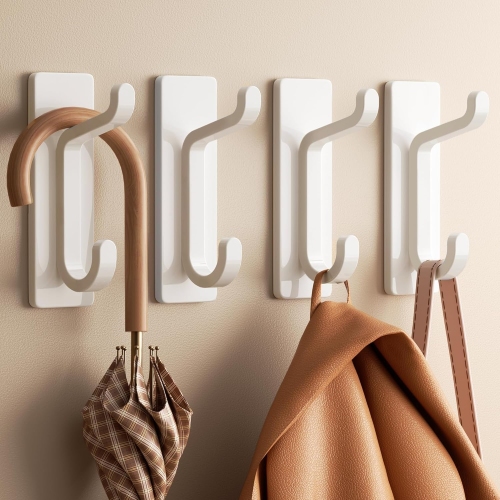
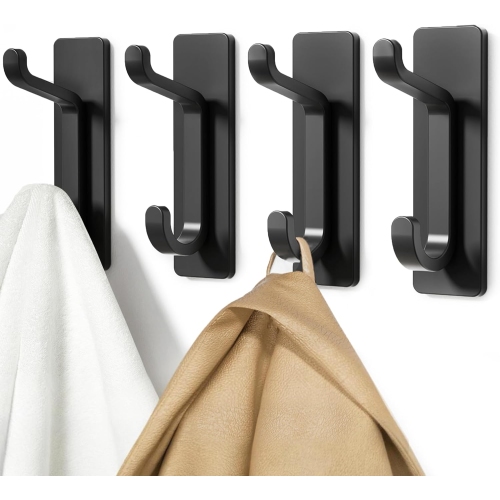
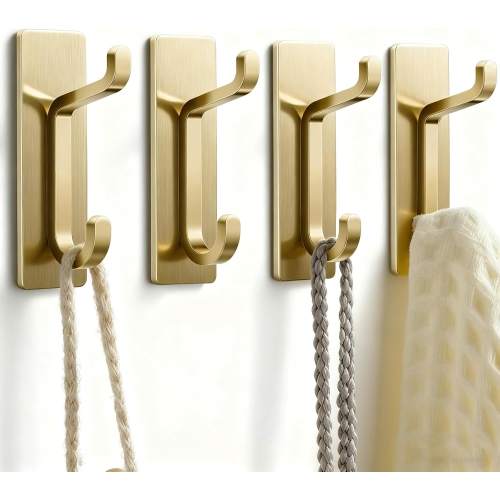
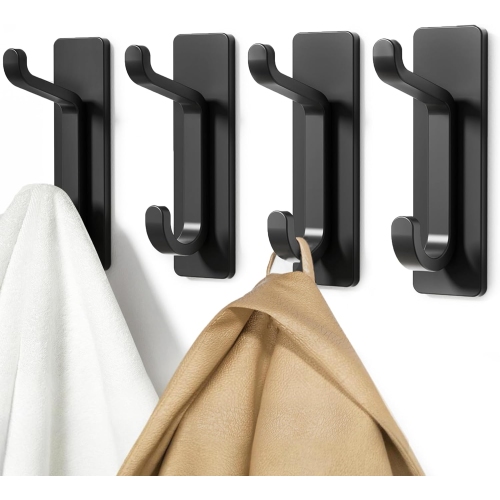
Heavy duty adhesive wall hooks offer a no-drill way to hang and organise items without screws or nails. Browse hooks for wall-mounted storage, and compare each option’s listed weight capacity, compatible surfaces, and installation requirements to find a suitable match for what you need to hang.
Read More

Sort

Reliable hanging storage depends on more than weight ratings

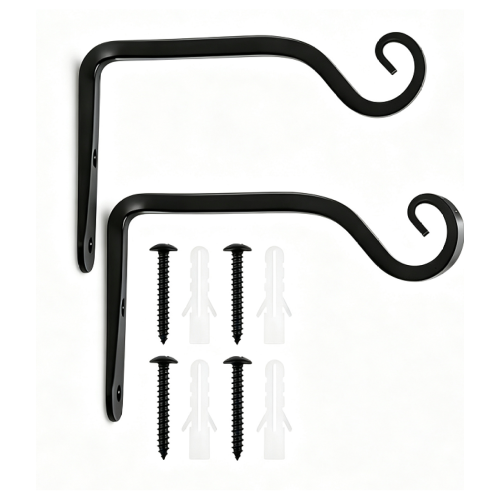
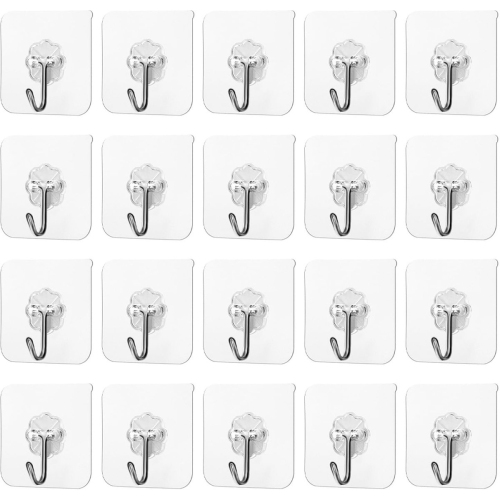
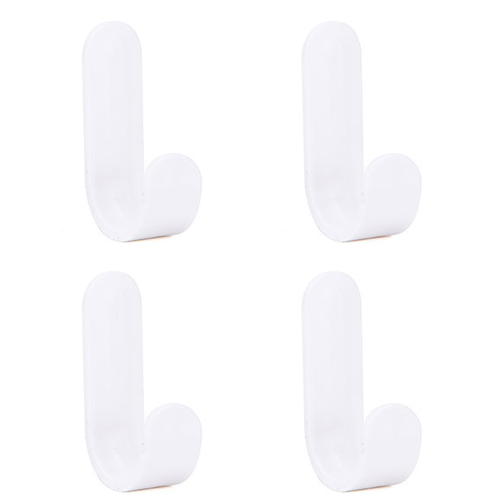
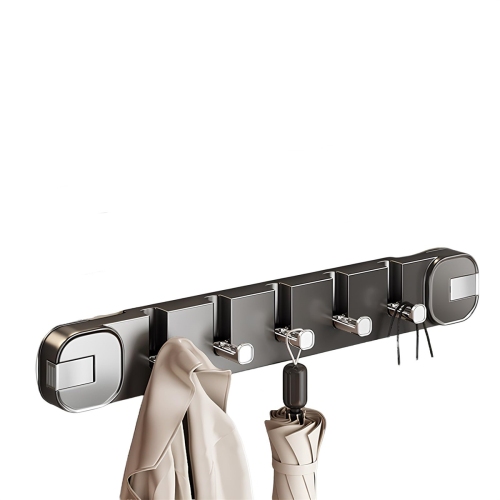
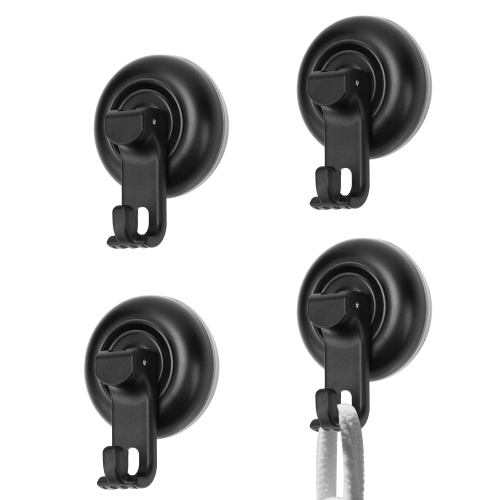
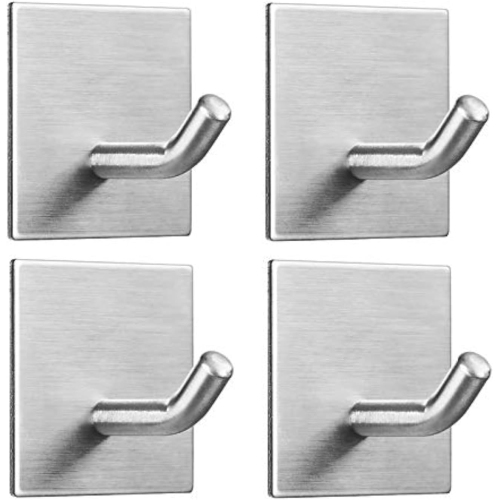
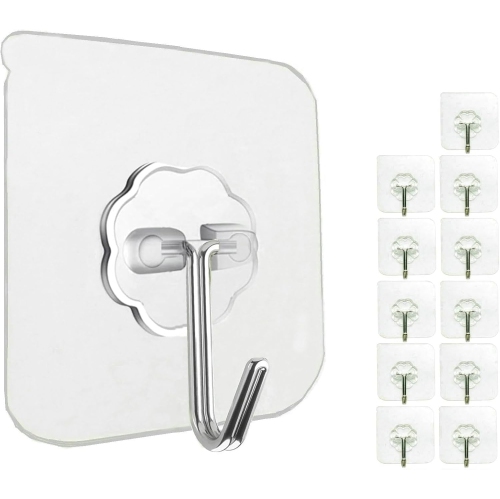
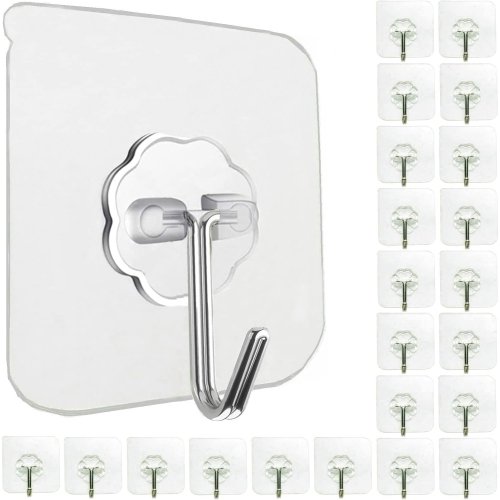
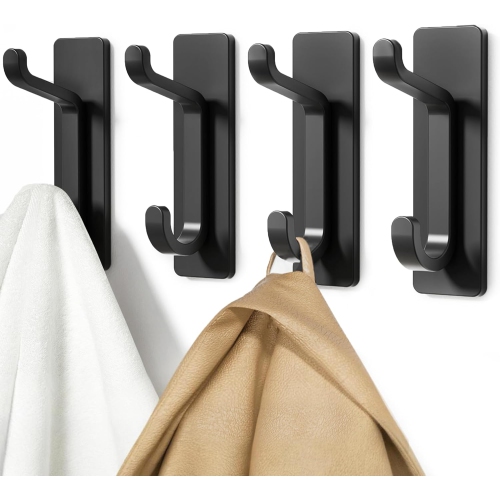
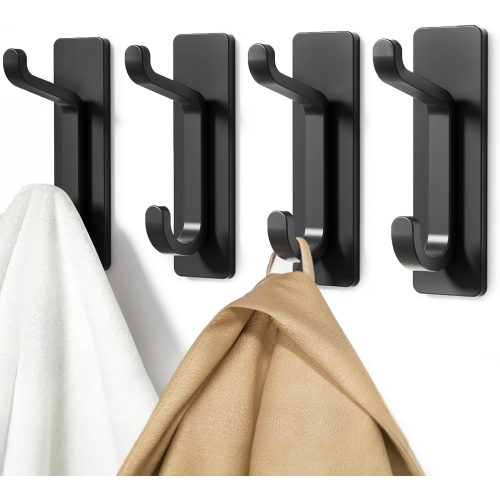
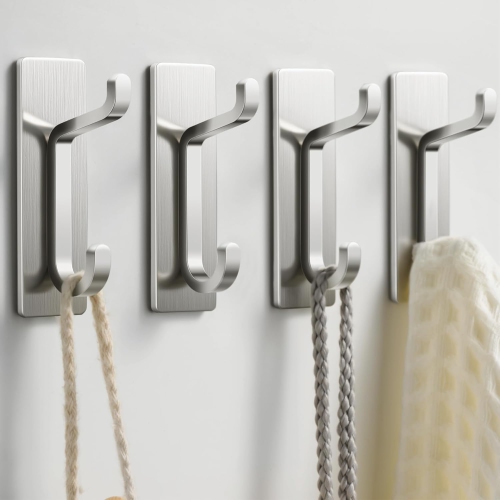
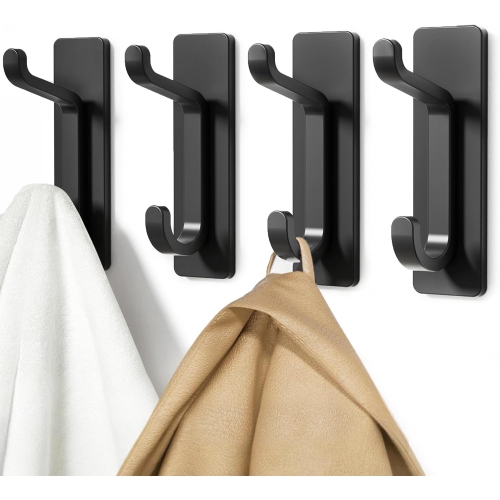
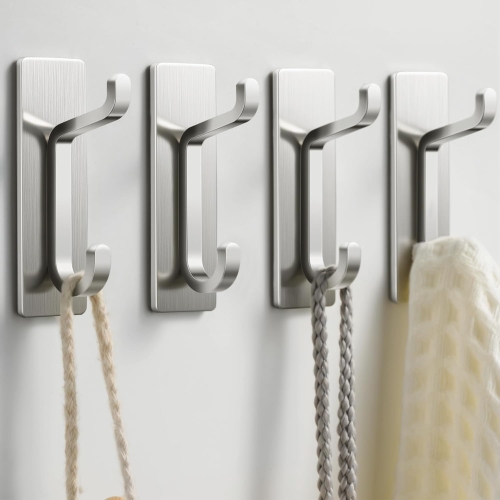
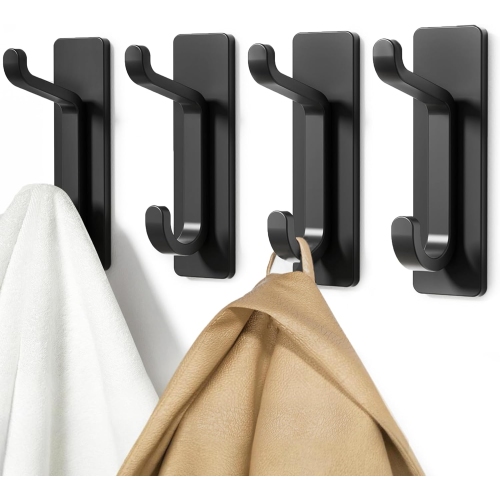
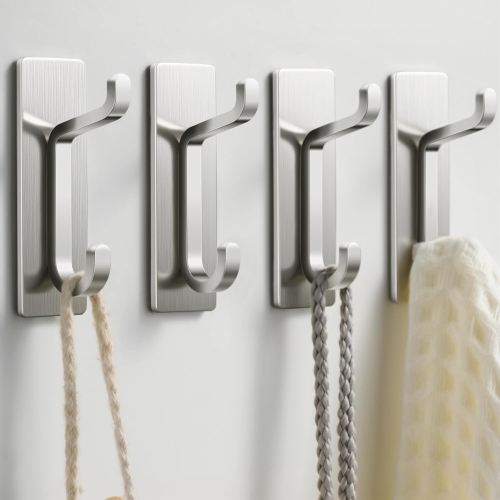
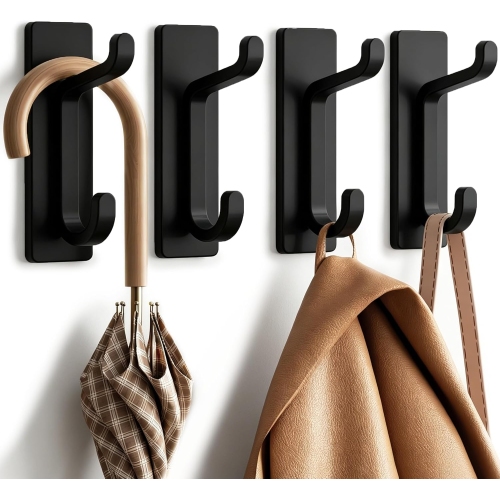
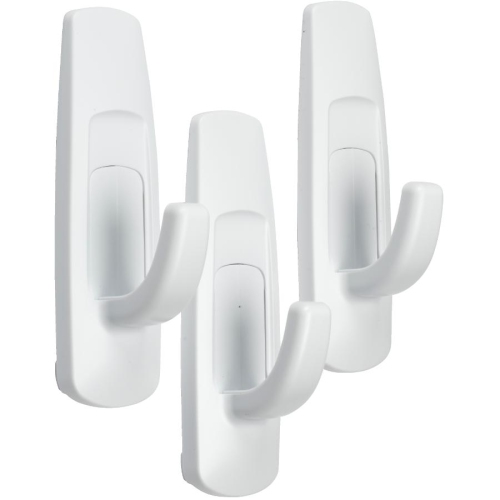
Heavy-duty adhesive wall hooks add hanging storage without the drilled holes, screws, or anchors used by traditional wall-mounted hardware. Their broad adhesive backing spreads the load across a contact area, making them useful for organizing everyday belongings on suitable surfaces. In an entryway, a hook can give a frequently used bag a place beside the door; in a bathroom, it can keep a robe within reach without adding a freestanding rack. The most important distinction is between a hook described as heavy duty and one with a stated weight capacity that suits the intended load. There is no single weight rating that applies to every heavy-duty adhesive hook, and holding strength depends on the adhesive system, mounting surface, installation, and direction of pull. A rating established on smooth tile may not apply to painted drywall, so the surface-specific information matters as much as the number on the packaging. The weight of the object should include everything it holds: an empty tote and the same tote filled with daily essentials place very different demands on a hook. Leaving room below the stated maximum helps account for ordinary variations in that load, although it does not make an unsuitable surface safe. Shape matters, too. A deep, rounded hook can accommodate a broad strap, while a narrower hook may better suit a small hanging loop. A raised tip helps keep a loop from slipping forward, and sufficient space between the hook and the wall allows thicker fabric to sit without being tightly wedged. These details make adhesive hanging hooks useful for households, renters, students, and people organizing compact spaces, provided the wall finish and property rules permit their use. They offer a practical way to use vertical space, but they are not substitutes for securely anchored hardware where falling objects could cause injury or significant damage.
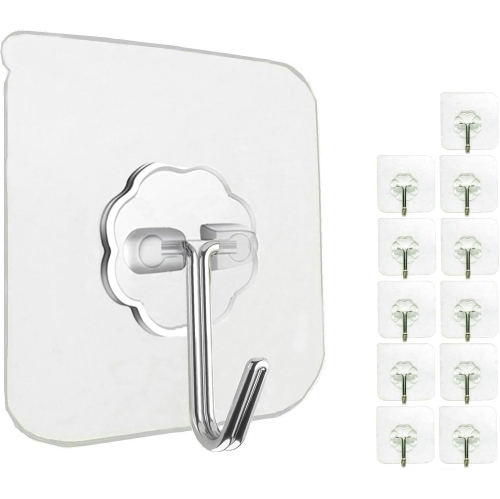
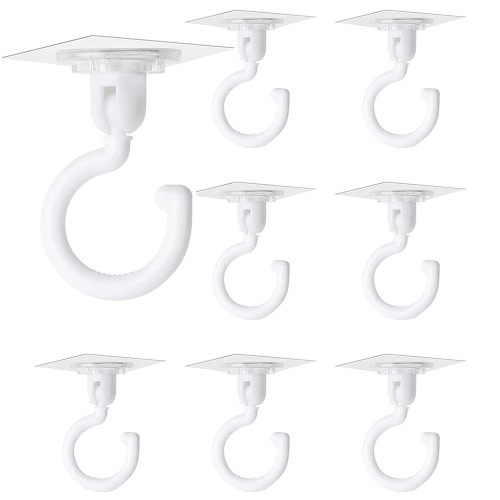
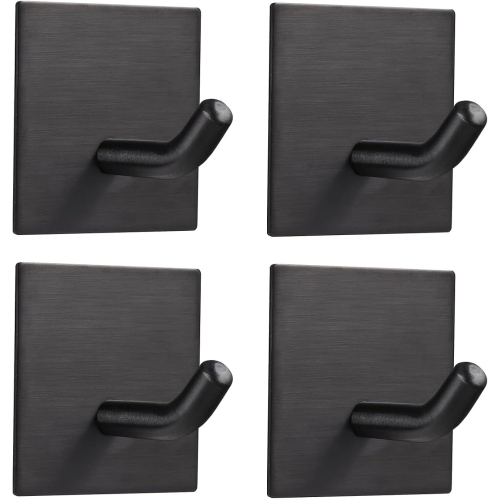
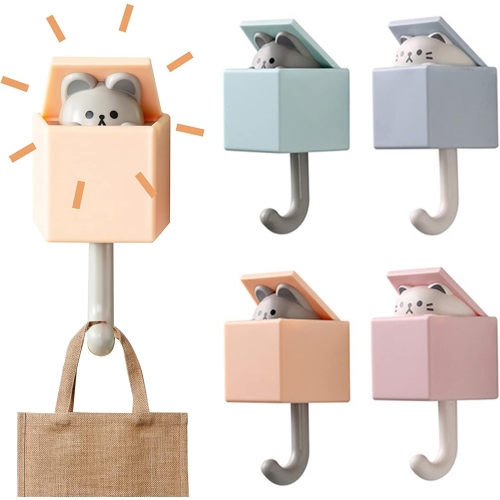
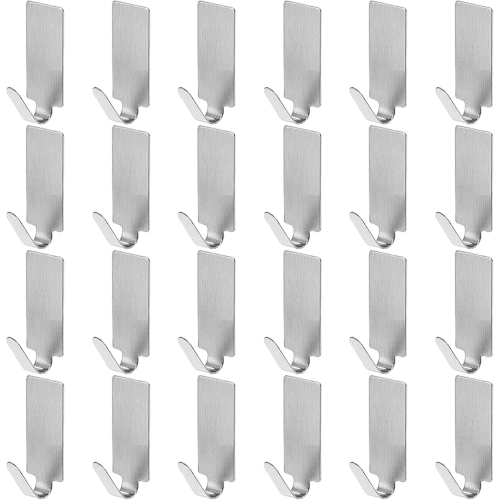
Materials and finishes influence both how an adhesive hook looks and how it handles regular use. Metal hooks can offer a firm, rigid hanging point, while moulded plastic designs may have rounded edges and a lighter visual presence. Stainless steel can be a suitable choice for areas exposed to moisture when the complete hook assembly, including its adhesive, is rated for that setting. A metal finish alone does not establish bathroom suitability, and a water-resistant face does not necessarily mean the bond can withstand repeated splashing. Clear backplates are less visually prominent on some surfaces, although the adhesive outline may still be visible; opaque backplates conceal the bonding area and create a more defined accent. Matte, polished, and brushed finishes each sit differently alongside nearby taps, handles, shelving, and furniture. Beyond appearance, the backplate needs enough uninterrupted flat space to make full contact. Smooth glass, glazed tile, metal, and certain sealed finishes are common compatible surfaces, but suitability varies by adhesive. Grout lines, surface texture, peeling paint, porous masonry, wallpaper, and unfinished wood can prevent a reliable bond or increase the chance of surface damage. Painted walls require particular care because the hook is attached to the paint layer rather than directly to the wall beneath it. Even a strong adhesive cannot compensate for paint that is poorly bonded, flaking, or insufficiently cured. Surface preparation and waiting time also affect performance. Some manufacturers specify an alcohol-based cleaner, while others give different preparation requirements; the approved method needs to suit both the adhesive and the surface finish. The mounting area generally needs to be clean, dry, and free of greasy residue before attachment. Firm application pressure and the stated waiting period before loading are part of the hook’s tested installation conditions, not interchangeable rules across all designs. A stated 24-hour wait should be followed when required, but that timing should not be assumed for every adhesive system. These practical differences help distinguish a suitable wall hook from one that merely looks right.
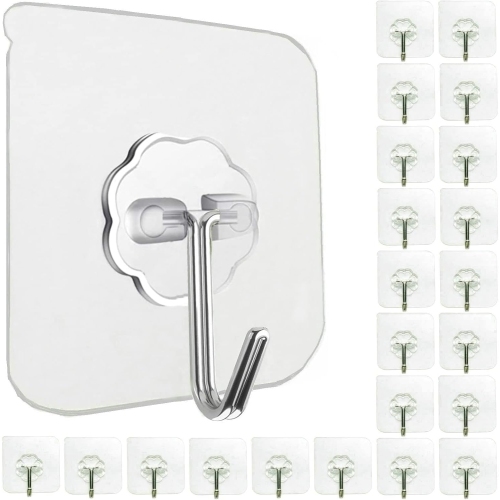
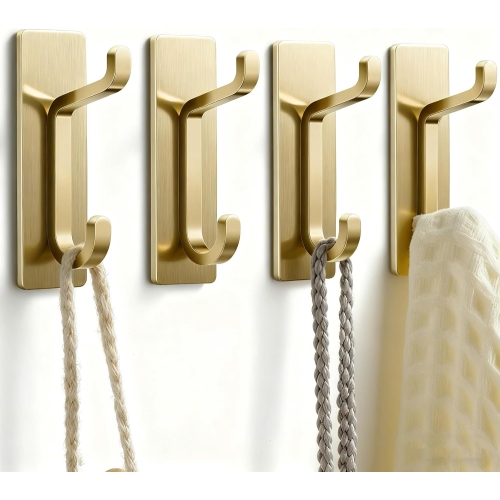
Everyday use places demands on wall hooks that go beyond the weight of a stationary object. Pulling a bag sideways, tugging a towel from a tight loop, or repeatedly dropping a strap onto the hook can place additional stress on the adhesive bond. A hanging point with enough clearance for easy lifting is more convenient and helps reduce unnecessary pulling against the wall. Placement also affects how well the storage works: a robe needs room to hang without resting on the floor, while a bag should clear nearby switches, drawers, and door handles. Closely grouped hooks need enough space for their contents, not just their backplates. Two hooks should not be assumed to provide twice the weight capacity, since a shared object may load them unevenly. Heavy, fragile, or valuable belongings are better kept on storage hardware suited to the consequences of a fall, and adhesive hooks should not be positioned above beds or seating where a detached load could hurt someone. For lighter personal touches in student spaces, Wall Safe Adhesive Hooks for Dorm Decorations offers a related category where removal method and wall compatibility are especially relevant. Removable designs may use stretch-release strips, pull tabs, or another specified release method, while other adhesives are intended for a more lasting attachment. Clean removal is not guaranteed on every finish, even when a hook is described as removable. Accessible release tabs and enough clearance to follow the removal directions are worth considering before placement. Pulling a backplate straight away from the wall can damage the finish when the adhesive is designed to release in another direction. Some hook bodies can be used again with compatible replacement strips, but reusability should not be assumed, and a detached adhesive pad generally should not be treated as ready for another full load. Routine care is usually straightforward: gentle cleaning suited to the finish, attention to any lifting edges or movement, and unloading a hook if its attachment changes. With an appropriate weight rating, compatible surface, and shape that fits the belongings being hung, heavy-duty adhesive wall hooks can make everyday storage feel more orderly without taking up shelf or floor space.
Read More

FAQ

Some products may be subject to Environmental Handling Fees (EHF) depending on your province. Learn more about EHFs.