Heavy Duty Fry Pans
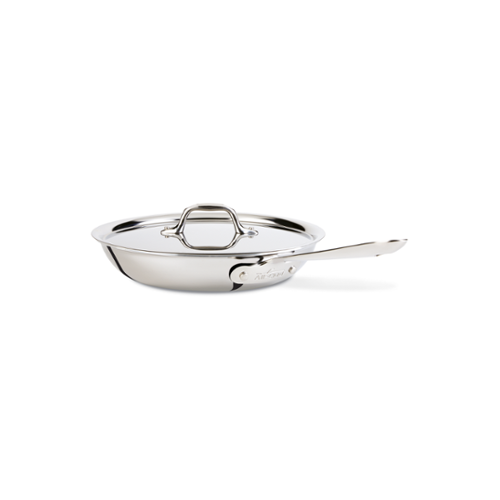
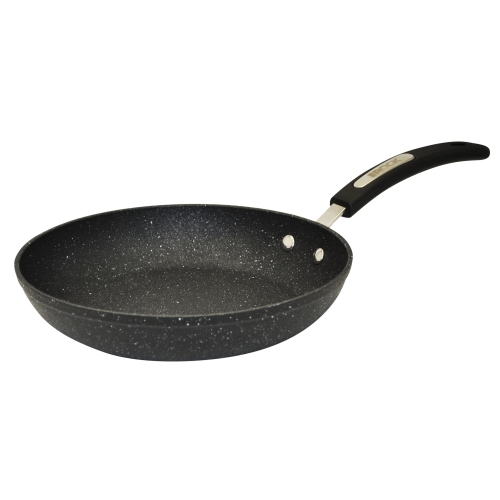
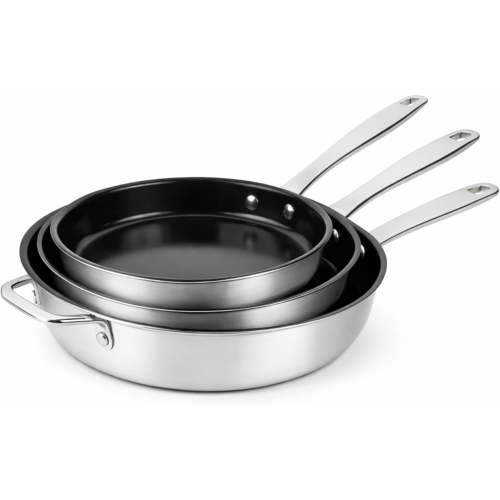
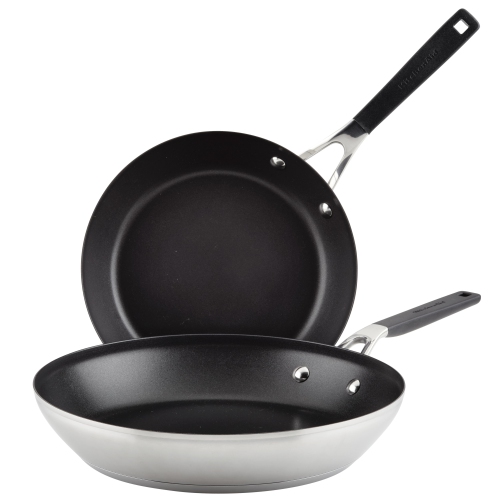
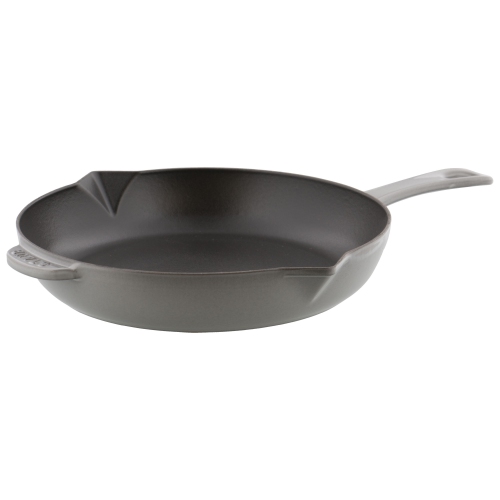
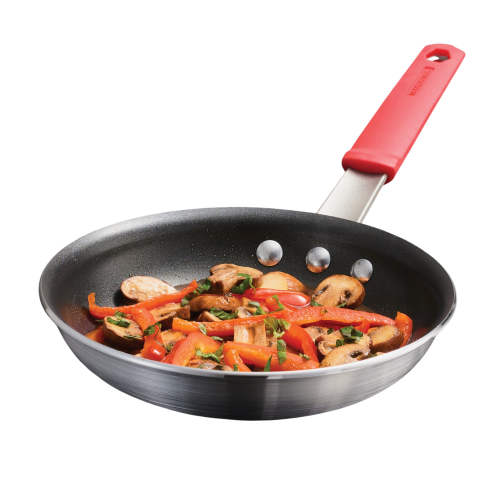
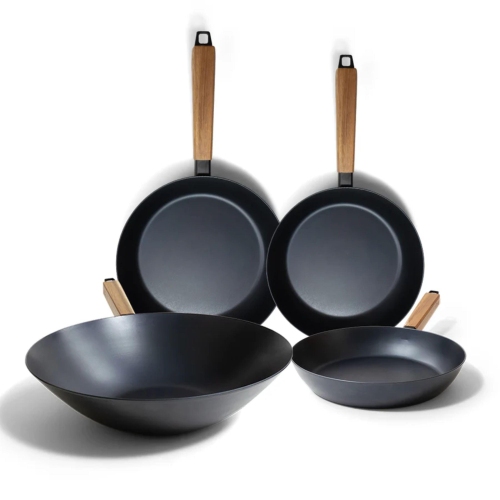
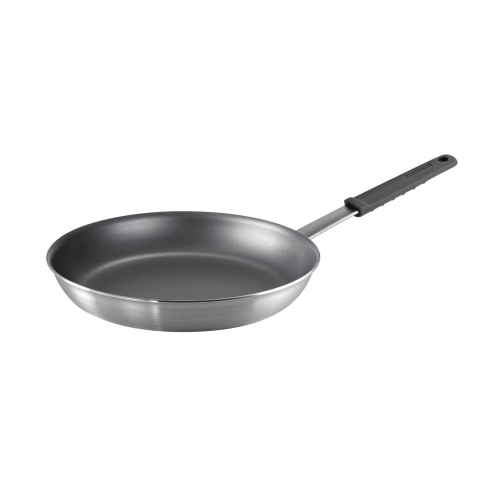
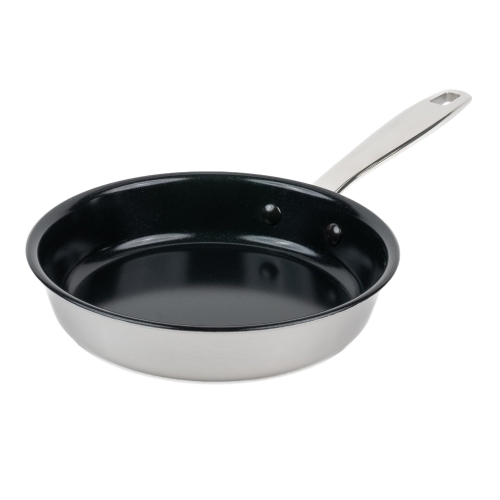
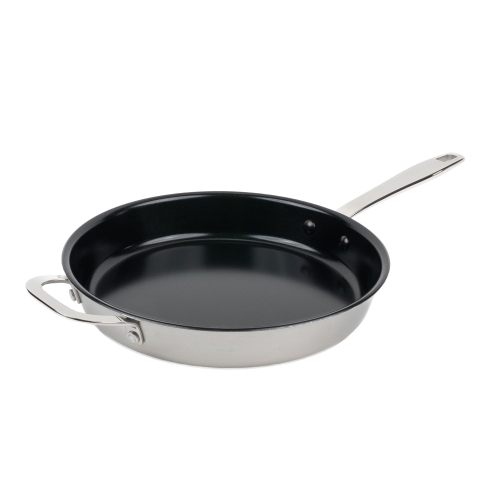
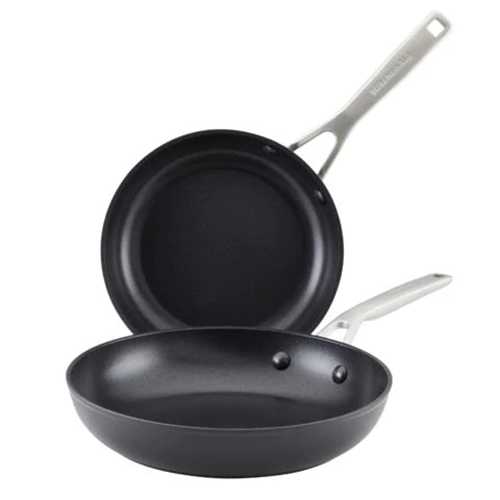
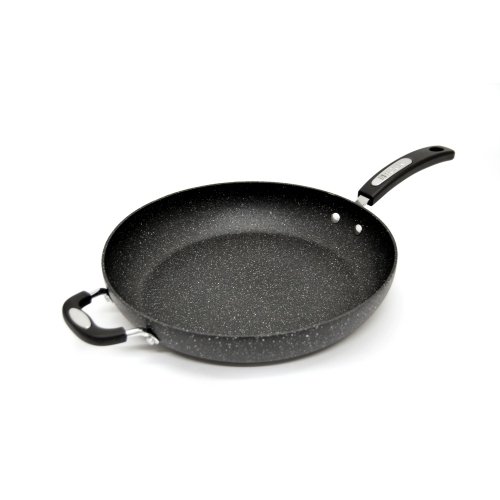
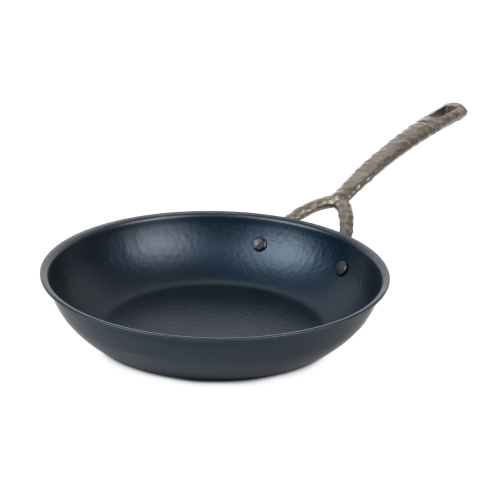
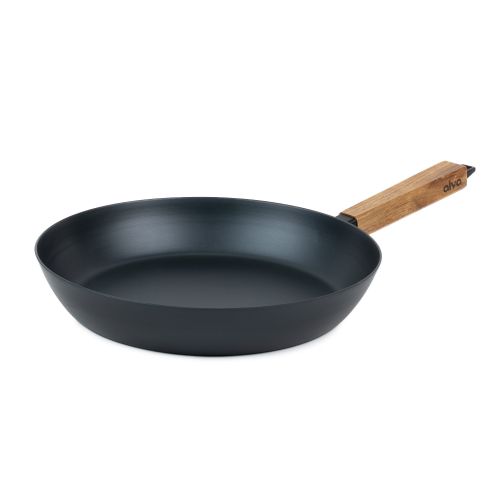
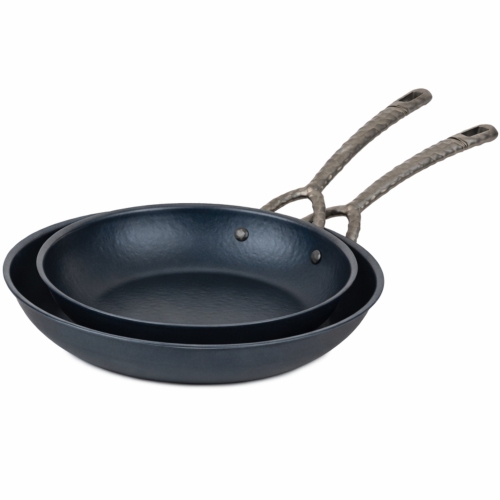
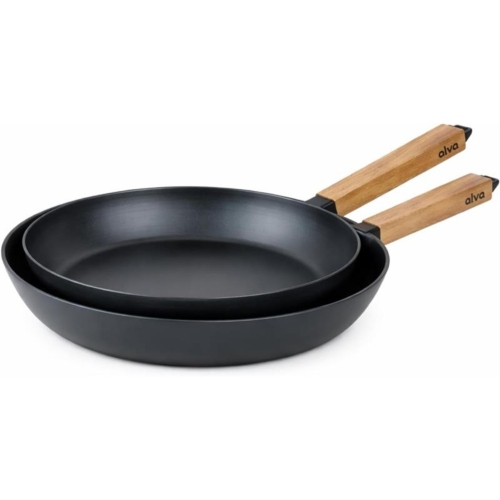
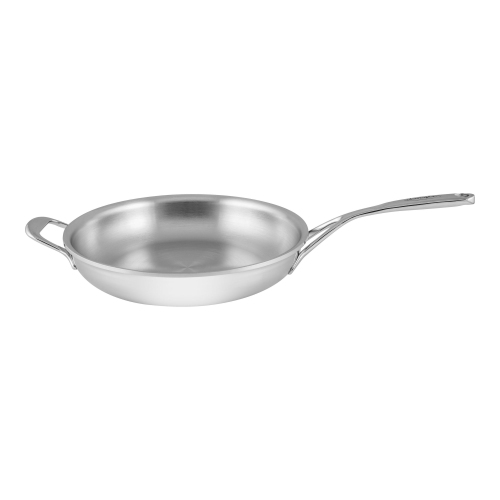
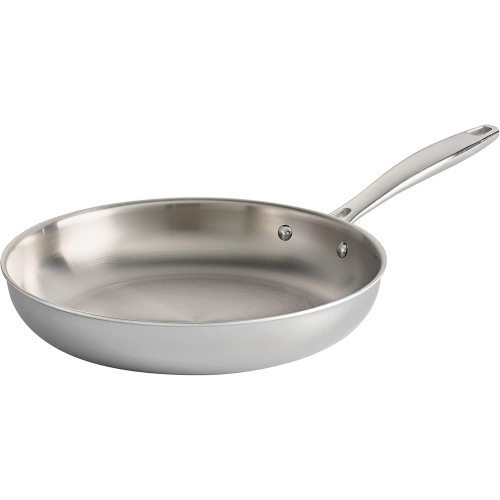
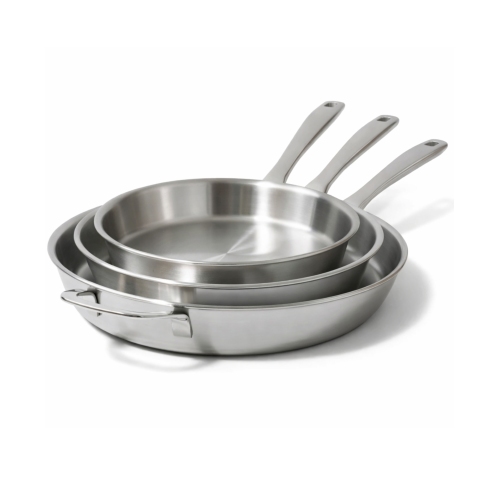
Heavy duty fry pans are a practical choice for everyday frying, searing, and sautéing. Compare skillets by size, weight, cooking surface, and cooktop compatibility to find one that suits your kitchen, whether you’re browning meat or preparing a quick breakfast. Check care requirements and oven-use limits before choosing.
FAQ
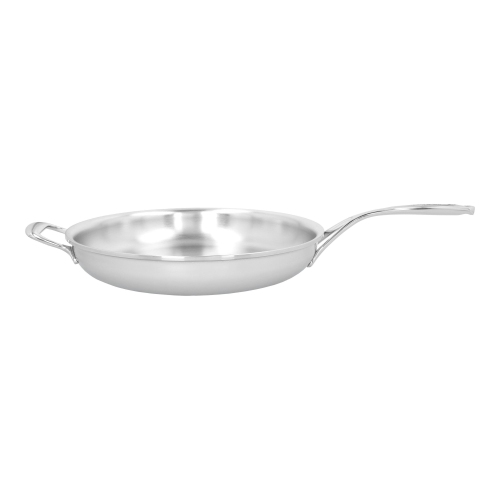
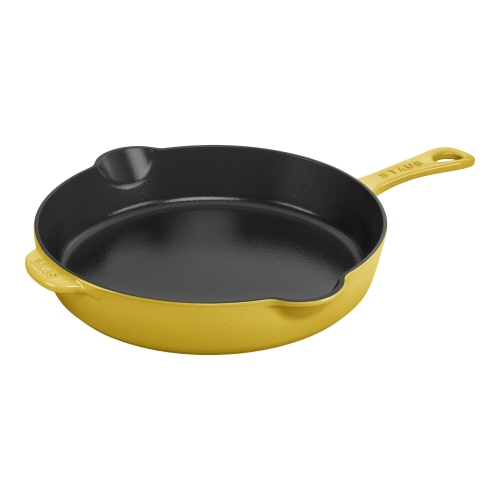
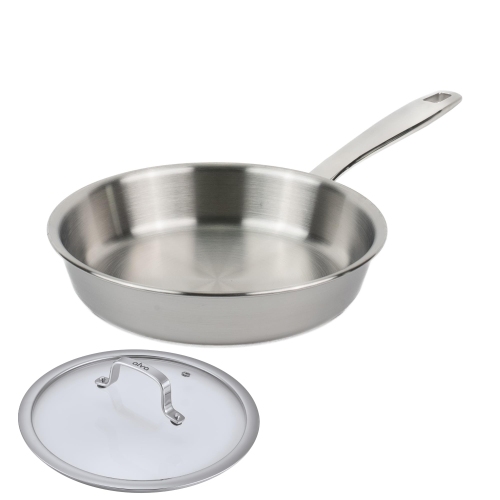
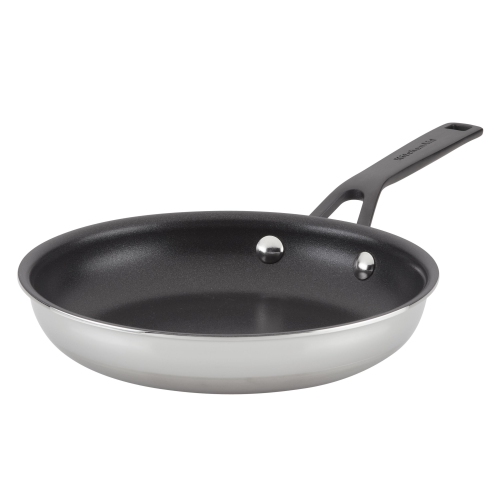
Heavy-duty fry pans are commonly made from cast iron, carbon steel, stainless steel, or hard-anodized aluminum. Some feature a non-stick coating, while others have an uncoated or enamelled cooking surface. Stainless steel models may also include layers of aluminum or copper.
Fully clad fry pans have bonded layers of metal that extend across the base and up the sides. Disc-bottom fry pans have a separate layered metal base attached beneath the cooking surface. These terms describe how the pan is constructed.
Pre-seasoned means a layer of oil has been applied and heated onto the pan during manufacturing, forming a bonded finish. This is common with cast iron and some carbon steel fry pans. Seasoning is different from an enamel or synthetic non-stick coating and requires ongoing care.
Induction compatibility depends on the material in the pan’s base. Cast iron and carbon steel pans are generally compatible, while stainless steel models need a magnetic base. Aluminum pans require an induction-compatible base. Check the manufacturer’s specifications for confirmation.
Care requirements vary by material and finish. Cast iron and carbon steel pans typically need handwashing, thorough drying, and a light application of oil. Stainless steel, enamelled, and non-stick pans have different cleaning requirements, so follow the manufacturer’s care instructions. When stacking pans, place a pan protector or soft cloth between cooking surfaces.
Top selling and popular products
Discover more categories related to Heavy Duty Fry Pans
Some products may be subject to Environmental Handling Fees (EHF) depending on your province. Learn more about EHFs.