Help for Sensitive Skin
Find help for sensitive skin with skin care options for your daily routine. Compare ingredient lists, fragrance information, and usage directions to narrow your choices, especially if your skin feels dry, tight, or easily irritated. Look for products labelled for sensitive skin, keeping your known sensitivities in mind.
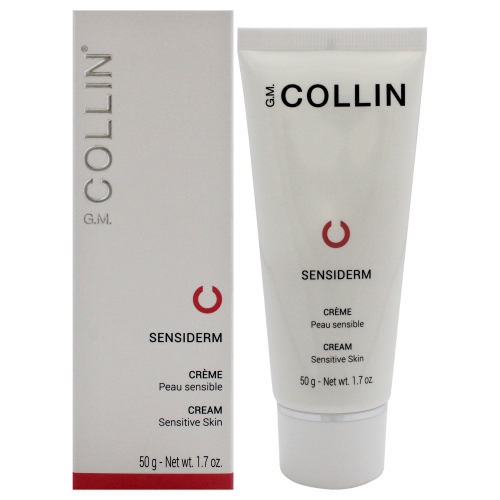
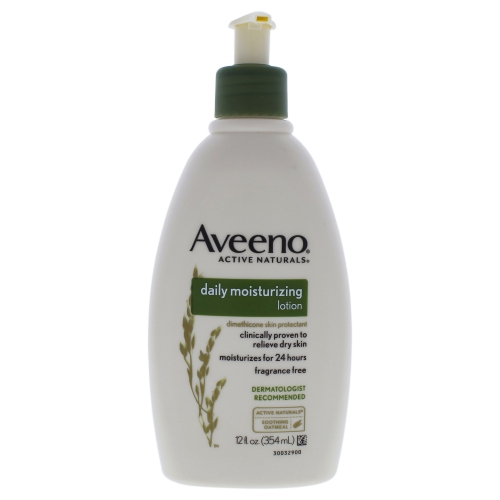
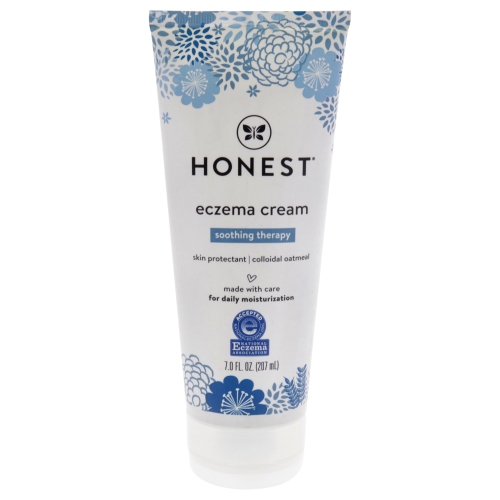
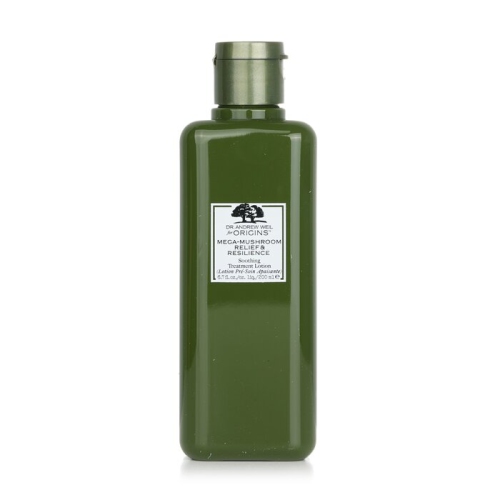

FAQ
Skincare ranges for sensitive skin commonly include facial cleansers, moisturizers, serums, body washes and body lotions. You can compare products by their ingredient lists, textures and whether they contain added fragrance.
Fragrance-free generally means a product has no added fragrance ingredients, although its raw ingredients may have a natural scent. Unscented means the product has little or no noticeable smell and may include ingredients that mask other odours. Check the ingredient list alongside the label.
Common formats include gels, creams, milks, oils and micellar waters. They differ in texture and application: some are massaged onto damp skin and rinsed off, while others are applied with a cotton pad. Follow the product’s directions for its intended use.
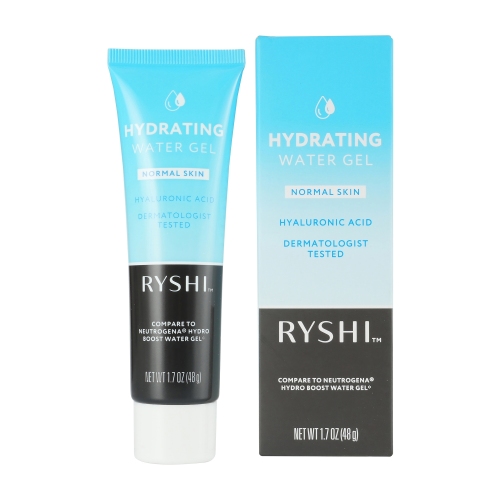
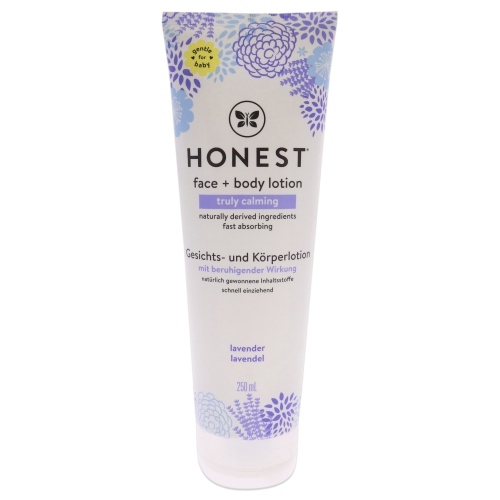
Lotions typically have a fluid consistency, while creams feel richer and balms have a denser texture. Gel moisturizers have a lightweight, jelly-like consistency. Your preference may depend on how a product spreads, its finish and how it fits with other steps in your routine.
Compare the full ingredient lists rather than relying only on front-label descriptions. Ingredients are generally listed in descending order by amount, with some exceptions for those present at low concentrations. Noting ingredients and textures you prefer can make it easier to compare different formulas.
Top selling and popular products
Discover more categories related to Help for Sensitive Skin

Some products may be subject to Environmental Handling Fees (EHF) depending on your province. Learn more about EHFs.