Hi-Res CD Players
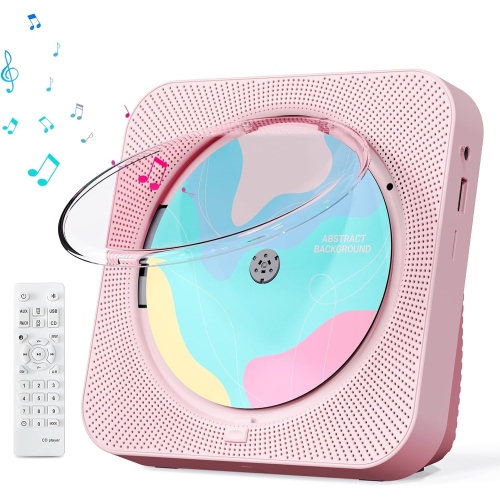
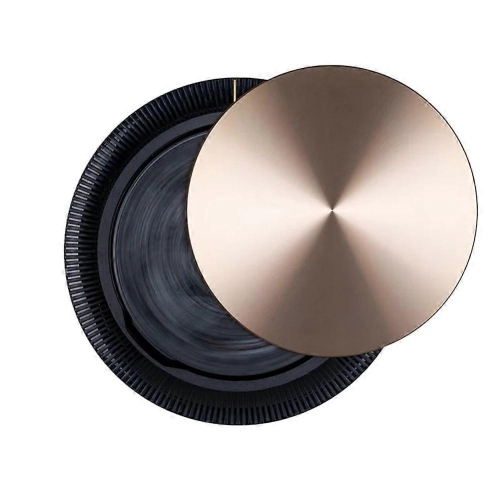
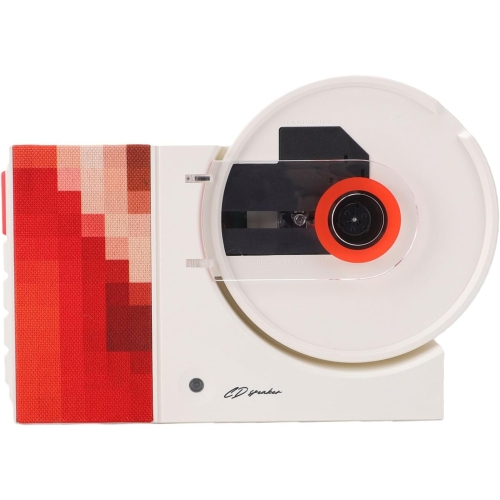
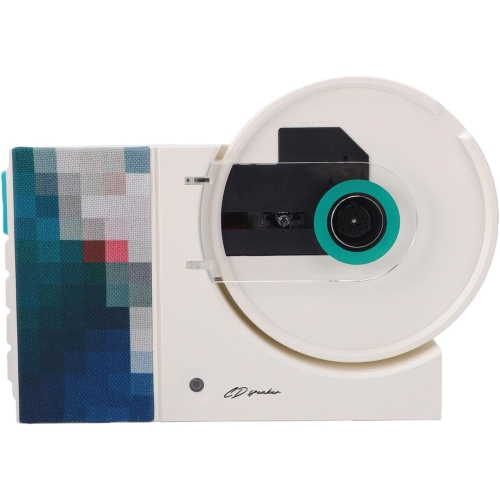
Explore hi-res CD players for enjoying your disc collection through your home audio system. Compare audio outputs, supported formats and compatibility with your existing equipment. Standard CDs use 16-bit/44.1 kHz audio, so check each player’s specifications if you also want support for higher-resolution digital files.
FAQ
Hi-Res can refer to a CD player’s ability to handle higher-resolution digital audio files, rather than the resolution of CDs themselves. Standard audio CDs use 16-bit/44.1 kHz audio. Upsampling may change the playback signal’s sample rate, but it does not add detail that was absent from the original recording.
No. Super Audio CDs, or SACDs, require a player that explicitly supports the format to access their high-resolution audio layer. A hybrid SACD also includes a standard CD layer, which can be played on a conventional CD player. Check disc-format compatibility when comparing players.
A digital-to-analogue converter, or DAC, converts digital audio into an analogue signal for an amplifier or receiver. A CD player with analogue outputs performs this conversion internally. A CD transport sends digital audio to a separate DAC or a receiver with a built-in DAC.
Connection options may include analogue RCA outputs and digital optical or coaxial outputs. Analogue outputs connect to a line-level input on an amplifier, receiver or compatible powered speakers. Digital outputs require a compatible digital input on an external DAC, receiver or other audio component.
Some CD players support audio files through USB storage, a computer connection or network playback. Supported formats may include FLAC, ALAC and WAV, but file compatibility, bit depths and sample rates vary. Check both format support and connection options, since a USB port alone does not confirm high-resolution file playback.
Top selling and popular products
Discover more categories related to Hi-Res CD Players
Some products may be subject to Environmental Handling Fees (EHF) depending on your province. Learn more about EHFs.