Computer Speakers

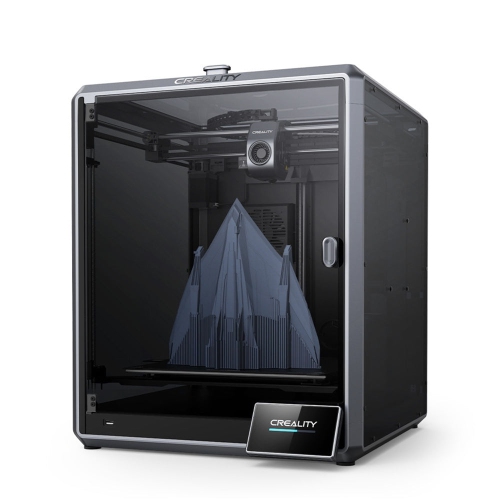
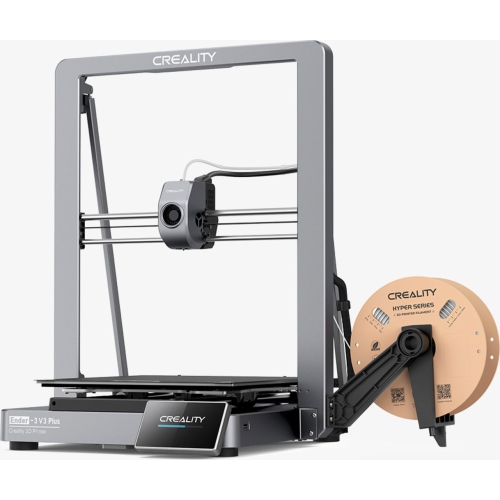
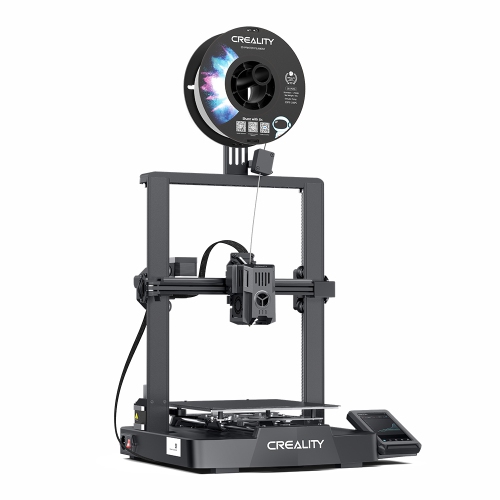
High precision 3D printers offer advanced capabilities for professionals, hobbyists, and creators who demand detailed results. Whether you’re working on intricate prototypes, complex models, or custom parts, these printers are designed to deliver exceptional accuracy and reliability. Explore a wide selection of high precision 3D printers to find the right fit for your projects and bring your ideas to life with confidence.

Read More

Sort

High precision 3D printers have transformed the landscape of digital fabrication, empowering creators, engineers, and hobbyists to bring their most intricate ideas to life with remarkable detail. Whether you’re designing complex prototypes for product development, crafting architectural models, or producing customized jewelry pieces, these advanced machines offer a level of accuracy that sets them apart from standard 3D printers. With their ability to print incredibly fine layers and reproduce even the smallest features with clarity, high precision 3D printers are ideal for professionals who rely on faithful reproductions of their digital designs. Artists appreciate the freedom to experiment with textures and delicate structures; engineers value the tight tolerances that make functional testing more reliable; and educators find new ways to inspire students by demonstrating advanced manufacturing techniques right in the classroom. For those seeking a thoughtful gift for a tech-savvy friend or family member, a high precision 3D printer can open up endless possibilities for creativity and hands-on learning.

When considering high precision 3D printers, it’s important to think about factors such as resolution specifications, build volume, compatible materials, and connectivity options. Many users look for printers that support a variety of filaments or resins, allowing them to choose the best medium for each project—whether it’s a tough engineering polymer for functional parts or a translucent resin for detailed miniatures. The ease of setup and calibration can make a world of difference, especially for those new to 3D printing or looking to streamline their workflow in a professional setting. Noise levels and print speeds might also influence your decision if you plan to use your printer in shared spaces or require rapid prototyping capabilities. High precision 3D printers often feature user-friendly interfaces and robust software suites that guide you through slicing models and managing print jobs efficiently.

For small business owners producing short-run parts or custom components, these printers can help reduce outsourcing costs and turnaround times while maintaining high standards of quality. Makerspaces benefit from having high precision equipment available for members tackling ambitious projects that demand accuracy down to fractions of a millimeter. Even hobbyists will find joy in seeing their designs come alive with crisp edges and smooth surfaces—whether they’re building scale models, cosplay props, or personalized gifts for loved ones. With technological advances making high precision 3D printers more accessible than ever before, there has never been a better time to explore what you can create when every detail counts.

Read More

What features should I look for in high precision 3D printers?

When choosing a high precision 3D printer, consider features such as advanced motion systems, high-resolution stepper motors, stable frame construction, and compatibility with fine nozzle sizes. Look for printers that support detailed layer heights and offer reliable calibration options for optimal print quality.

Which materials are commonly used with high precision 3D printers?

High precision 3D printers often work well with materials like PLA, ABS, PETG, resin, and specialty filaments designed for fine detail. Resin-based printers are especially popular for achieving intricate details in models and prototypes.

How do high precision 3D printers differ from standard 3D printers?

High precision 3D printers are designed to produce finer details and smoother surfaces compared to standard models. They typically feature higher resolution capabilities, more accurate movement controls, and enhanced stability to minimize vibrations during printing.

Can high precision 3D printers be used for professional applications?

Yes, high precision 3D printers are widely used in professional settings such as engineering, dental modeling, jewelry design, and prototyping due to their ability to create highly detailed and accurate parts.

What maintenance is required for high precision 3D printers?

Regular maintenance includes cleaning the print bed and nozzles, checking for firmware updates, lubricating moving parts, and ensuring proper calibration. For resin-based models, it's important to clean the vat and replace filters as needed to maintain print quality.

Some products may be subject to EHF charges depending on your province. Learn more about EHFs.