Peel and Stick Removable Tiles
Peel and stick removable tiles offer a simple way to refresh your home décor with minimal effort. Perfect for renters, DIY enthusiasts, or anyone looking to update their space, these versatile tiles make it easy to experiment with new styles in kitchens, bathrooms, and beyond. Explore a wide selection of peel and stick removable tiles to find the perfect fit for your next home project.
Sort
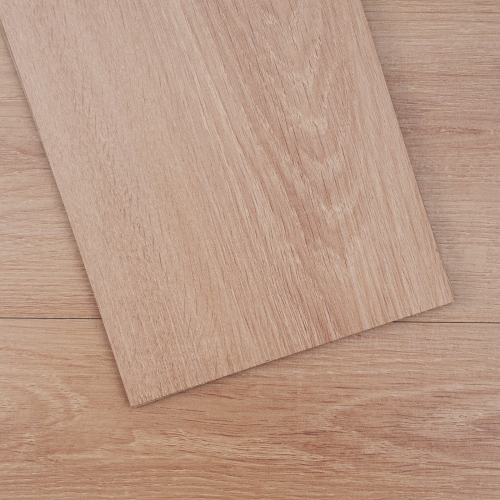
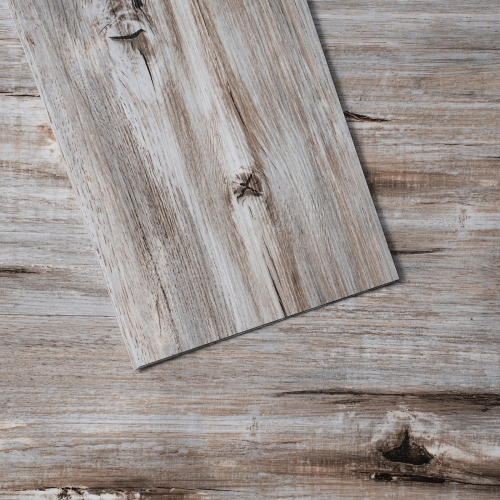
The look of tile without the mortar work
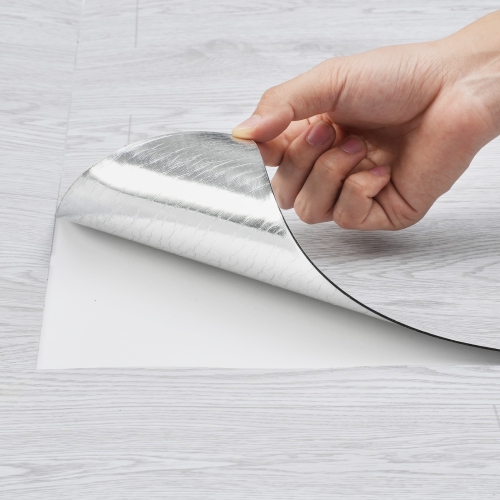
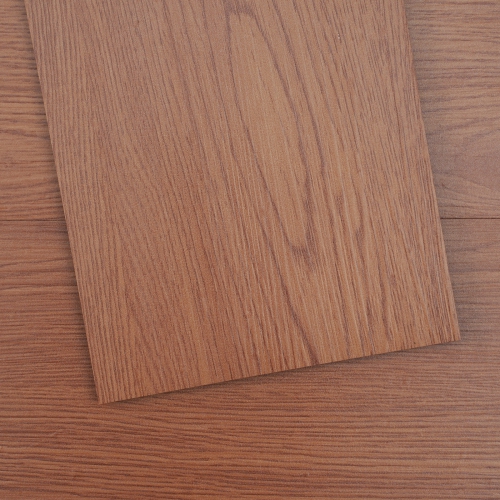
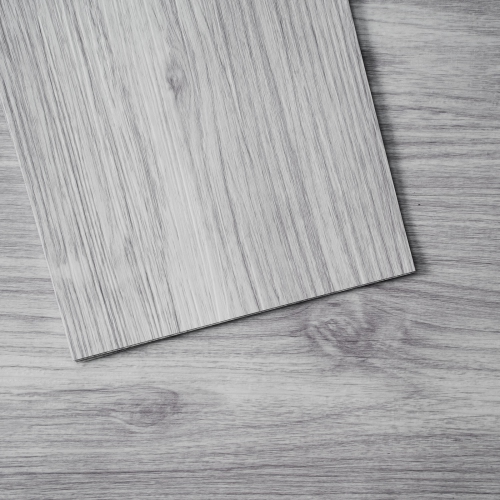
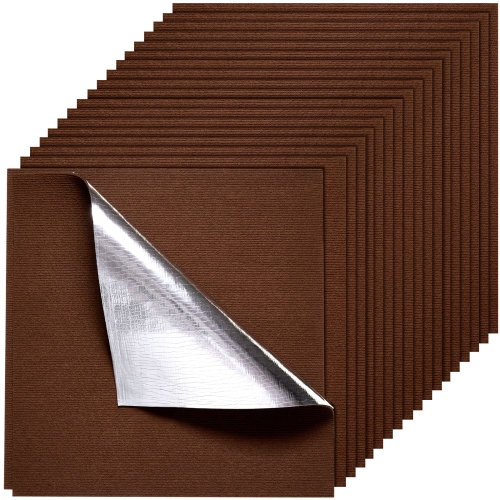
Peel and stick removable tiles are self-adhesive surface coverings that bring the look of tile to compatible walls or floors without the mortar work associated with traditional ceramic installation. Their adhesive backing holds each tile or sheet in place, while the visible face creates anything from a smooth subway-tile pattern to the appearance of veined marble, small mosaics, or patterned cement. Many styles need no separate grout, although installation requirements vary by material and intended use. That makes them a practical option for refreshing a kitchen backsplash, adding definition behind a bathroom vanity, or giving a laundry room a more finished appearance. The distinction between wall tiles and floor tiles matters: a lightweight backsplash sheet is not designed to withstand footsteps, moving chairs, or the repeated pressure of furniture. Floor applications require tiles specifically rated for that purpose, with a wear surface suited to the room’s activity. Materials also affect the finished result. Vinyl tiles can offer a flexible profile and printed detail, while gel or resin-faced wall sheets can add raised edges and a glossy, glass-like effect. Some self-adhesive tiles use metal or other rigid facing materials, which may need different cutting tools and more careful edge finishing. Not every self-adhesive tile is designed to be removable, so the removal claims deserve as much attention as the pattern. For someone updating a rental kitchen, a product expressly intended for later removal may be more appropriate than a permanent adhesive tile. For a homeowner refreshing a small alcove, the priorities might instead be realistic texture, neatly aligned joints, and a finish that complements nearby cabinetry. White or cream tile effects can provide a quiet backdrop for colourful countertop appliances, while charcoal, stone-look, or geometric patterns create a stronger focal point. A smaller repeat often suits a narrow strip beneath cupboards; a larger pattern needs enough uninterrupted space for its design to read clearly. Coordinating these surfaces with peel and stick wall décor can help connect a tiled accent with the rest of a room without making every surface look the same.
A convincing finish depends on the surface underneath as much as the tile itself. Most peel and stick tiles need a clean, dry, smooth, stable base, and compatibility with painted drywall, existing tile, sealed wood, or other surfaces varies by product. Grease behind a cooking area, soap residue beside a sink, and fine dust on a wall can all interfere with the adhesive bond. Deep grout lines or uneven patches may remain visible through thinner materials, while textured paint can leave too little contact area for secure adhesion. Loose paint, peeling wallpaper, damp surfaces, and unfinished porous materials are generally poor foundations unless the manufacturer specifically allows them with suitable preparation. Freshly painted walls also need the full curing period specified for the paint and adhesive, rather than simply feeling dry to the touch. These details are especially important in a compact backsplash where a lifting corner or uneven seam is easy to notice. Size and coverage deserve similar attention. Sheet dimensions do not always equal usable coverage because some designs overlap or interlock, and cuts around corners, switches, and outlets create offcuts. A repeating pattern may require extra material to keep the design aligned across an entire wall. Tile thickness affects how the finished edge meets a countertop, cabinet end, doorway, or adjacent surface; compatible trim can give exposed edges a more deliberate appearance. Flexible sheets may be trimmable with scissors or a utility knife, whereas thicker or rigid tiles can require other tools. The product’s stated cutting method is the reliable reference. Room suitability is equally specific. A splash-resistant face does not necessarily mean the seams form a waterproof barrier, and a bathroom wall outside the shower presents very different demands from a shower enclosure. Areas exposed to standing water, prolonged moisture, or direct heat require explicit manufacturer approval. Behind a cooktop, the required appliance clearances and tile heat rating still apply. For flooring, the condition of the base, expected foot traffic, and contact with water all help determine whether a removable adhesive tile is suitable for the intended space.
Day-to-day care is usually straightforward when the finish and location are well matched. Many peel and stick tile surfaces can be wiped with a soft cloth and a mild cleaner approved for the material, making them useful around everyday splashes and fingerprints. Abrasive pads, harsh solvents, and excessive water can damage some finishes or weaken exposed adhesive edges, so a wipeable face should not be treated as permission to scrub or soak the whole installation. Raised mosaic effects and textured finishes may need more attention along their grooves than a smooth, flat tile. On floors, tracked-in grit and dragged furniture can wear or scratch the surface; suitable furniture pads and prompt spill cleanup help reduce that damage. Durability depends on the quality of the underlying surface, the adhesive, installation accuracy, and how the space is used. A lightly used accent wall has different demands from a busy kitchen floor, and a tile intended for one should not be assumed to suit the other. Removability also needs a realistic interpretation. Even tiles described as removable can pull away paint, leave residue, or affect a delicate surface, particularly if the original finish was poorly bonded. Renters benefit from checking lease requirements and obtaining permission before covering painted walls or existing finishes. Testing a small, discreet area can offer useful insight into adhesion and removal, though it cannot guarantee that a larger installation will come away without marks. Some adhesives release more readily with gentle warmth from a hairdryer, but that method is appropriate only when the manufacturer recommends it for both the tile and the underlying surface. Others have different removal instructions, and forceful pulling can increase damage. For people who enjoy changing a room’s look, removable tiles offer a way to add pattern and texture without committing to a traditional tiled installation. They can make a compact kitchenette feel more complete, distinguish a vanity area from the surrounding wall, or turn a plain utility space into somewhere that feels thoughtfully finished. The most successful choice balances that visual change with clear surface compatibility, manageable care, and removal expectations that suit the home.
A convincing finish depends on the surface underneath as much as the tile itself. Most peel and stick tiles need a clean, dry, smooth, stable base, and compatibility with painted drywall, existing tile, sealed wood, or other surfaces varies by product. Grease behind a cooking area, soap residue beside a sink, and fine dust on a wall can all interfere with the adhesive bond. Deep grout lines or uneven patches may remain visible through thinner materials, while textured paint can leave too little contact area for secure adhesion. Loose paint, peeling wallpaper, damp surfaces, and unfinished porous materials are generally poor foundations unless the manufacturer specifically allows them with suitable preparation. Freshly painted walls also need the full curing period specified for the paint and adhesive, rather than simply feeling dry to the touch. These details are especially important in a compact backsplash where a lifting corner or uneven seam is easy to notice. Size and coverage deserve similar attention. Sheet dimensions do not always equal usable coverage because some designs overlap or interlock, and cuts around corners, switches, and outlets create offcuts. A repeating pattern may require extra material to keep the design aligned across an entire wall. Tile thickness affects how the finished edge meets a countertop, cabinet end, doorway, or adjacent surface; compatible trim can give exposed edges a more deliberate appearance. Flexible sheets may be trimmable with scissors or a utility knife, whereas thicker or rigid tiles can require other tools. The product’s stated cutting method is the reliable reference. Room suitability is equally specific. A splash-resistant face does not necessarily mean the seams form a waterproof barrier, and a bathroom wall outside the shower presents very different demands from a shower enclosure. Areas exposed to standing water, prolonged moisture, or direct heat require explicit manufacturer approval. Behind a cooktop, the required appliance clearances and tile heat rating still apply. For flooring, the condition of the base, expected foot traffic, and contact with water all help determine whether a removable adhesive tile is suitable for the intended space.
Day-to-day care is usually straightforward when the finish and location are well matched. Many peel and stick tile surfaces can be wiped with a soft cloth and a mild cleaner approved for the material, making them useful around everyday splashes and fingerprints. Abrasive pads, harsh solvents, and excessive water can damage some finishes or weaken exposed adhesive edges, so a wipeable face should not be treated as permission to scrub or soak the whole installation. Raised mosaic effects and textured finishes may need more attention along their grooves than a smooth, flat tile. On floors, tracked-in grit and dragged furniture can wear or scratch the surface; suitable furniture pads and prompt spill cleanup help reduce that damage. Durability depends on the quality of the underlying surface, the adhesive, installation accuracy, and how the space is used. A lightly used accent wall has different demands from a busy kitchen floor, and a tile intended for one should not be assumed to suit the other. Removability also needs a realistic interpretation. Even tiles described as removable can pull away paint, leave residue, or affect a delicate surface, particularly if the original finish was poorly bonded. Renters benefit from checking lease requirements and obtaining permission before covering painted walls or existing finishes. Testing a small, discreet area can offer useful insight into adhesion and removal, though it cannot guarantee that a larger installation will come away without marks. Some adhesives release more readily with gentle warmth from a hairdryer, but that method is appropriate only when the manufacturer recommends it for both the tile and the underlying surface. Others have different removal instructions, and forceful pulling can increase damage. For people who enjoy changing a room’s look, removable tiles offer a way to add pattern and texture without committing to a traditional tiled installation. They can make a compact kitchenette feel more complete, distinguish a vanity area from the surrounding wall, or turn a plain utility space into somewhere that feels thoughtfully finished. The most successful choice balances that visual change with clear surface compatibility, manageable care, and removal expectations that suit the home.
Top selling and popular products
-
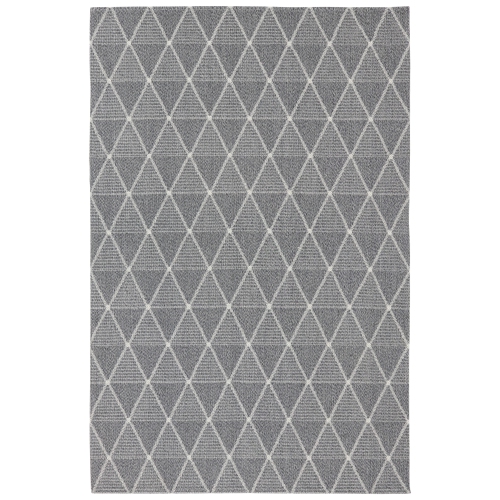 Your price for this item is $130.55
 -
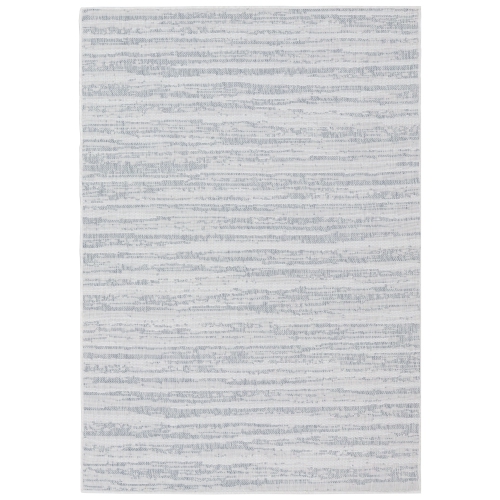 Your price for this item is $129.15
 -
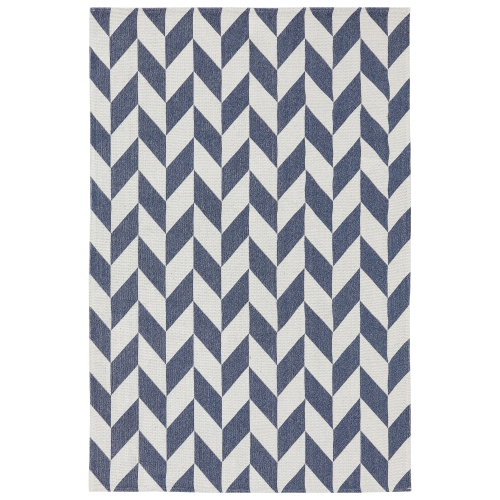 Your price for this item is $130.55
 -
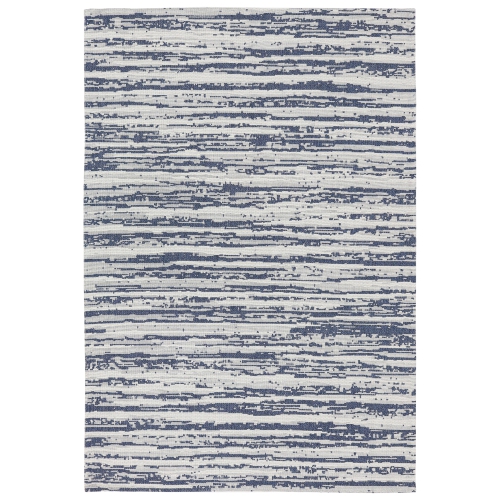 Your price for this item is $130.55
 -
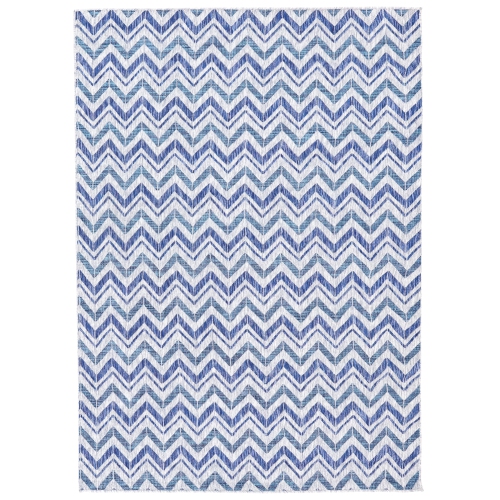 Your price for this item is $129.15
 -
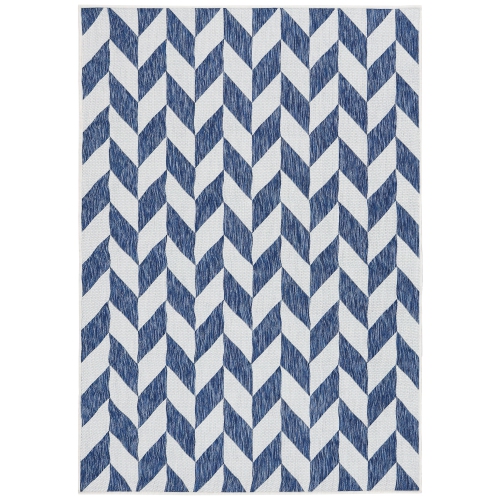 Your price for this item is $129.15
 -
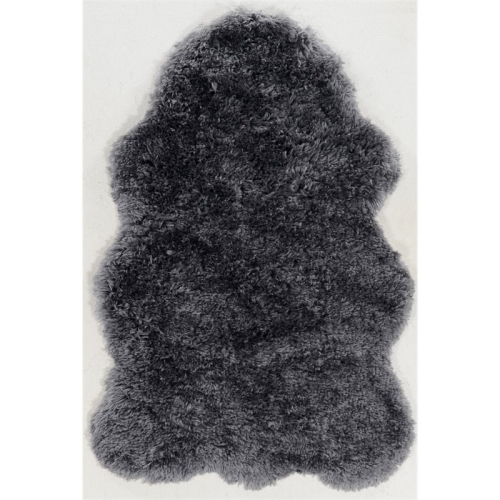 Your price for this item is $269.49
 -
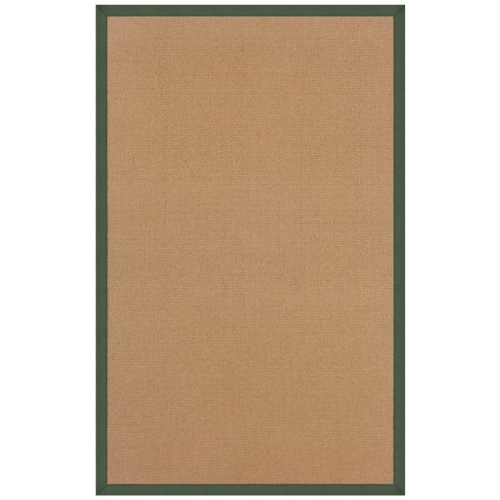 Your price for this item is $124.81
Discover more categories related to Peel and Stick Removable Tiles

Top Collections:
Pokemon Centers, Kindle Devices, Best Budget Office Chairs, Apple iPhones 16, Canon G7X Cameras, iPhone 15 Apple, Alarm Clock, Refurbished Apple Laptops, Flip Phones, Best Laptops for Writers
Some products may be subject to Environmental Handling Fees
(EHF) depending on your province.
Learn more about EHFs.