White Clock
A clock is an instrument for measuring time, usually in hours, minutes, and seconds. The clock is the most common type of timepiece, and is used to indicate the time of day. Here are some of the best white clocks available today.
Sort
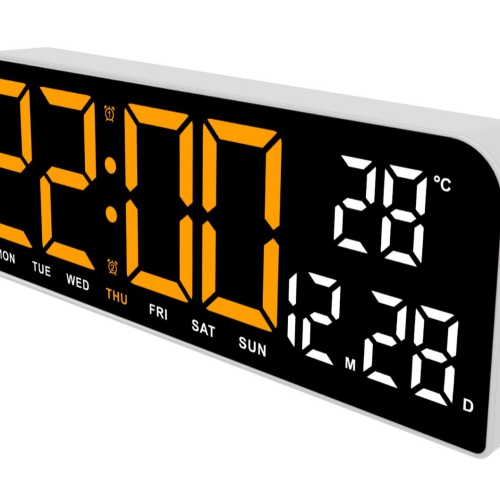
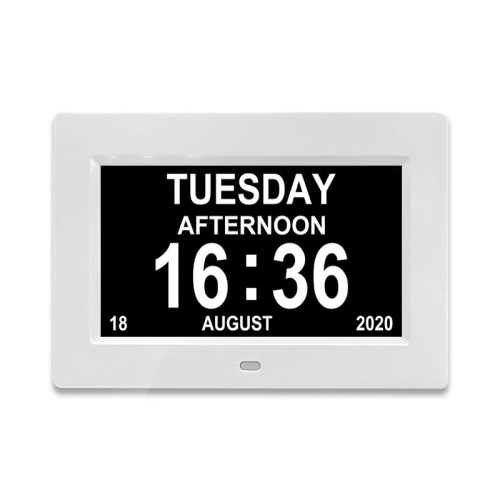
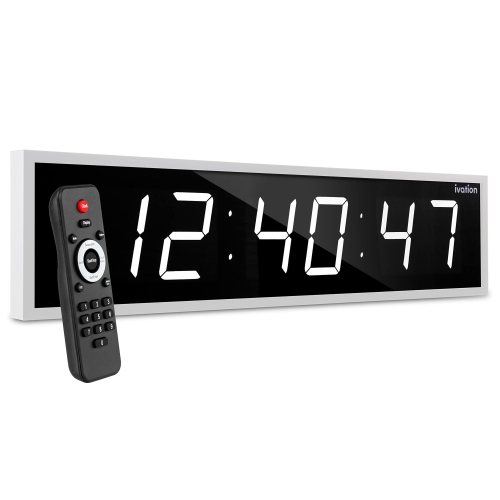
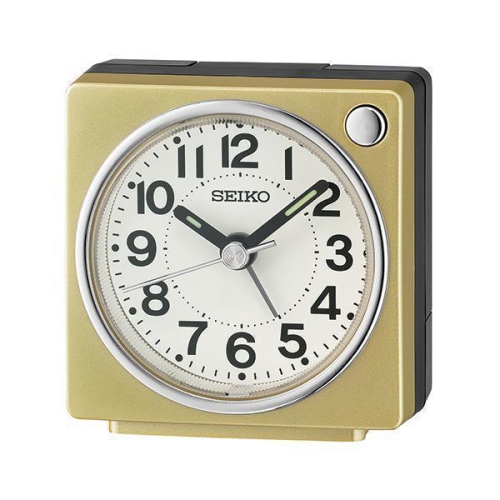
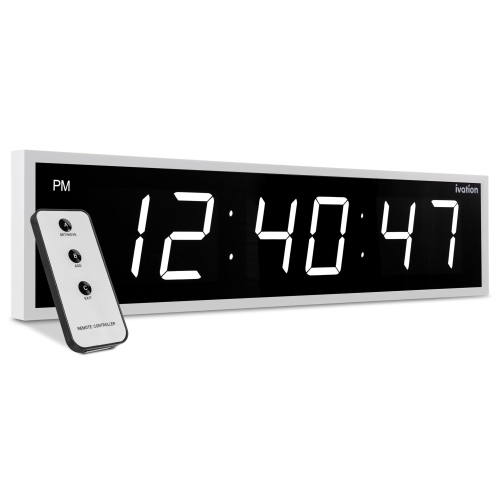
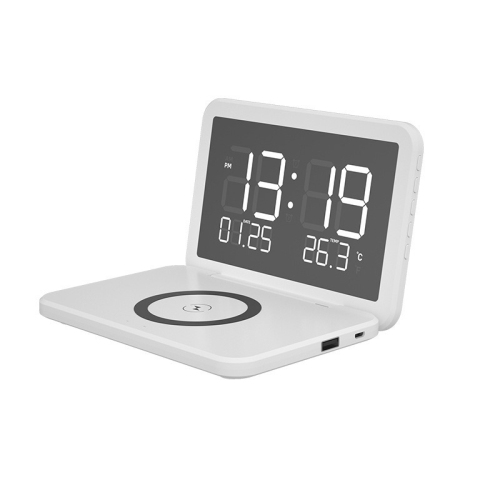
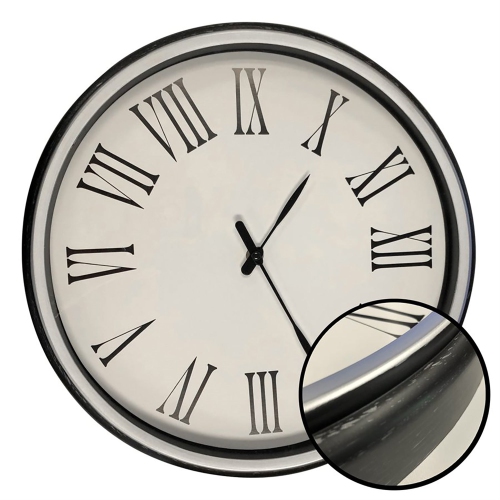
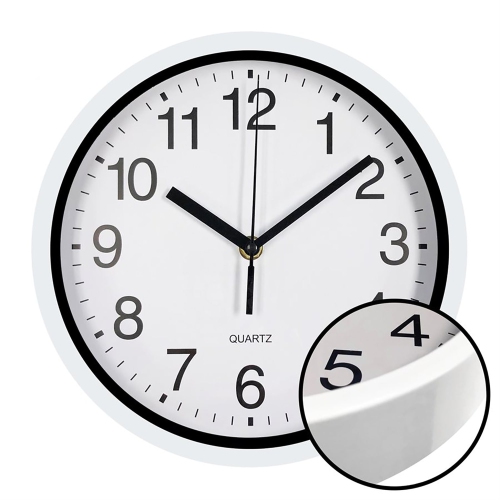
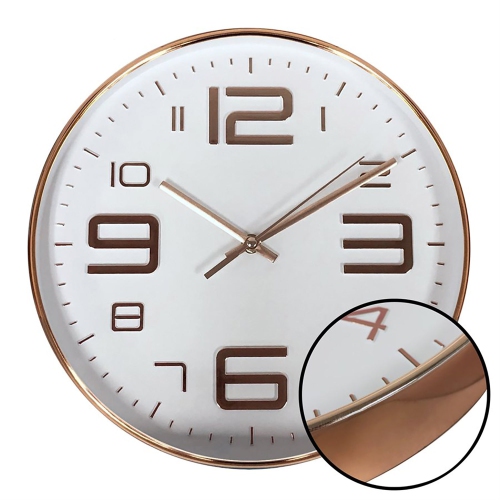
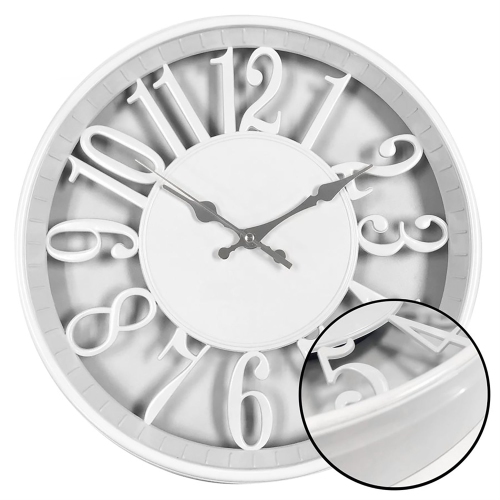
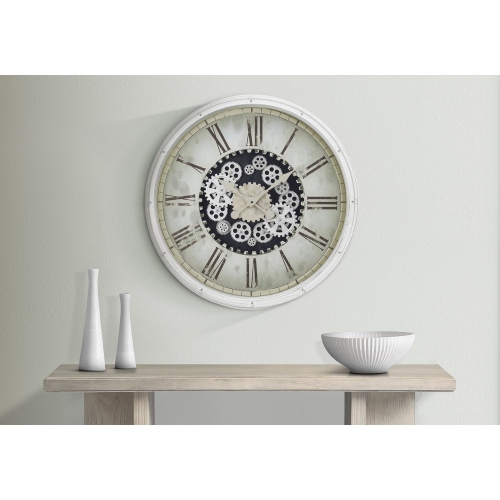
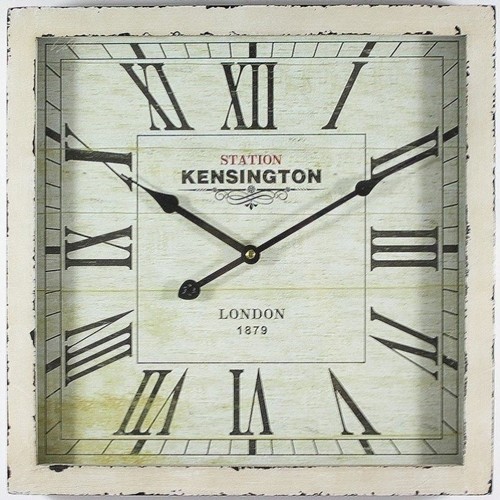
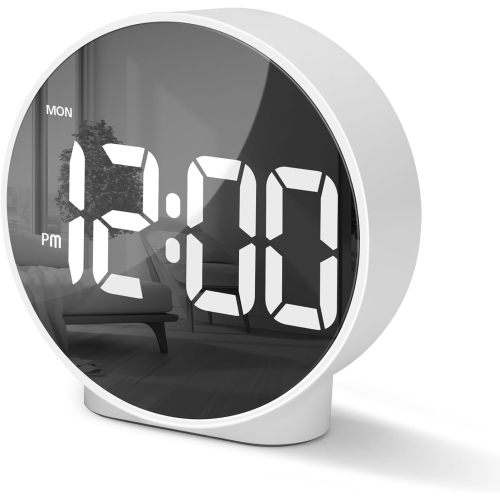
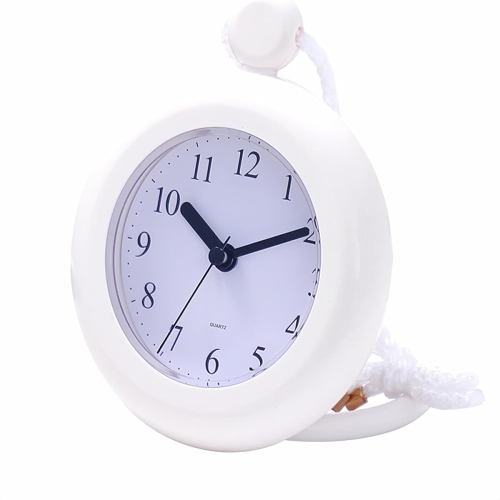
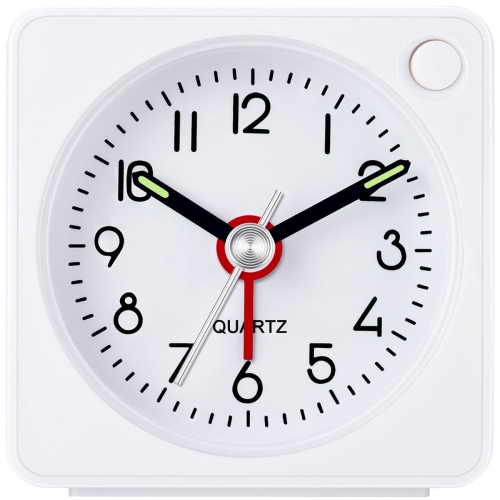
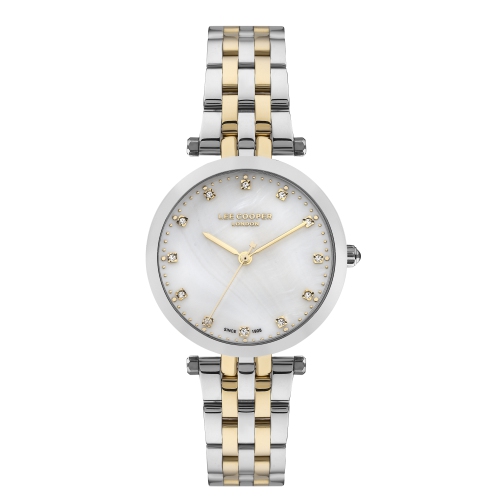
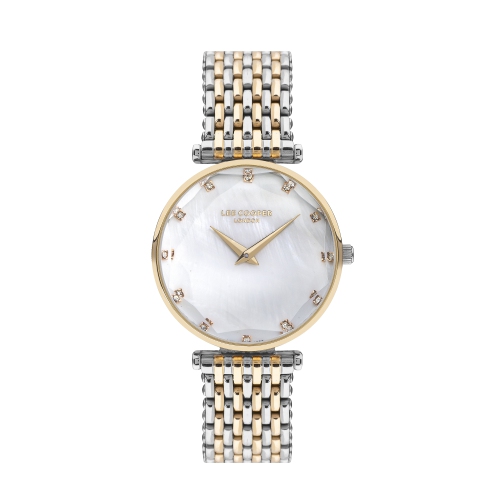
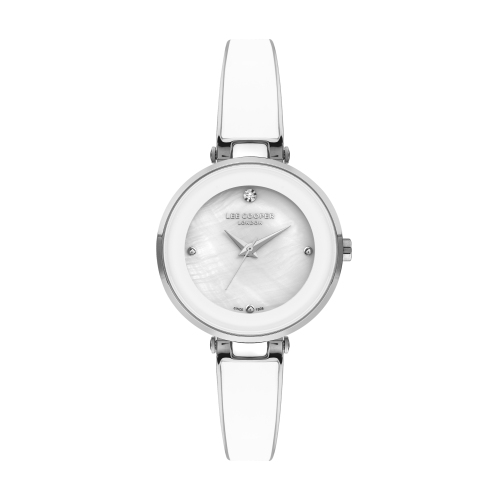
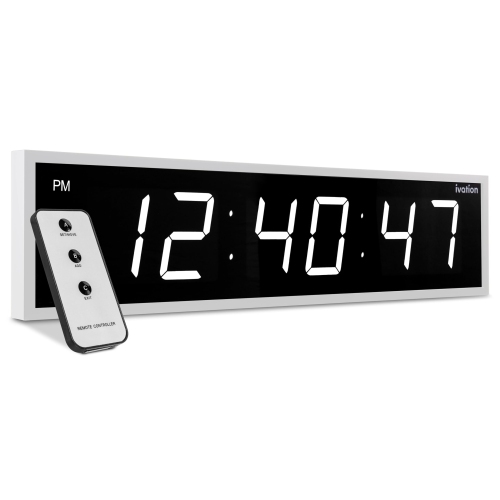
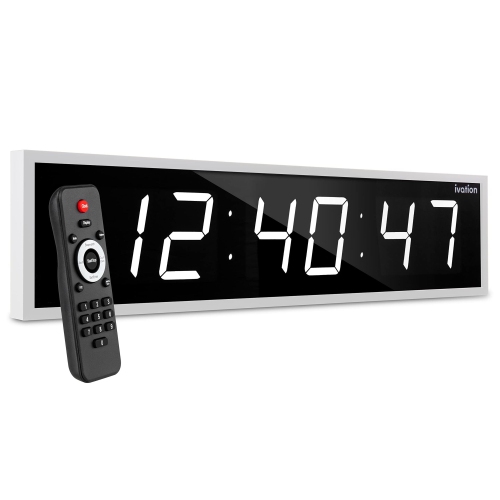
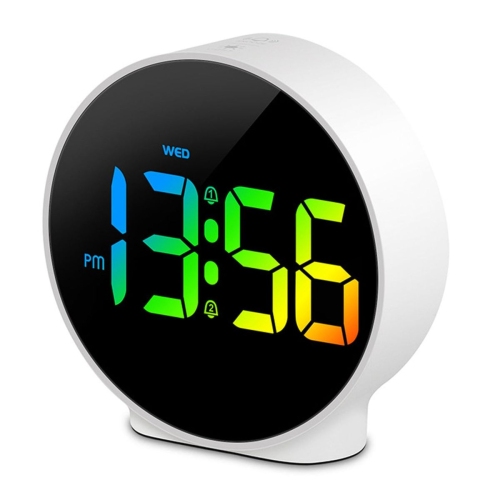
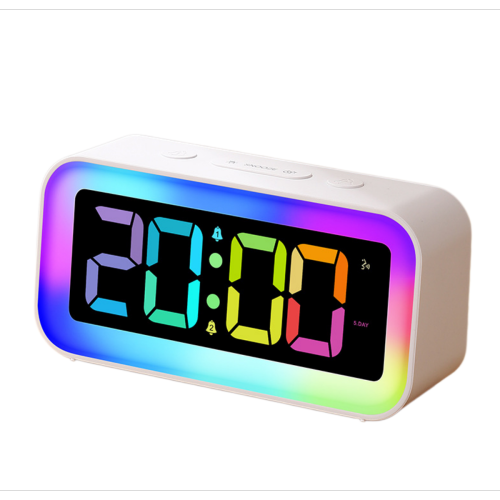
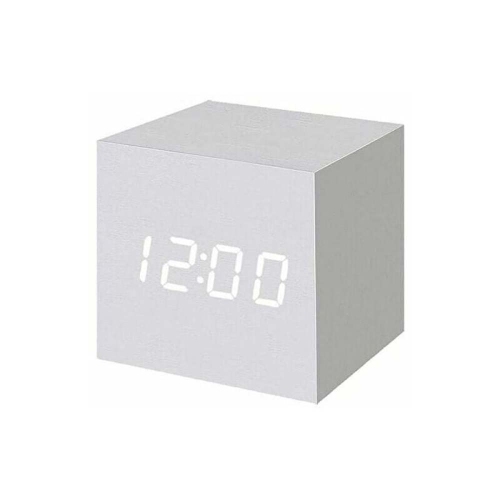
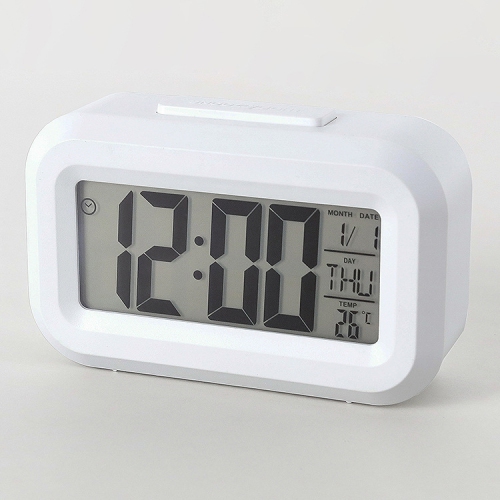
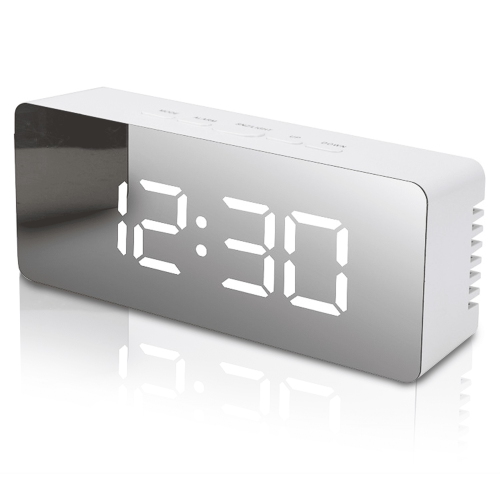
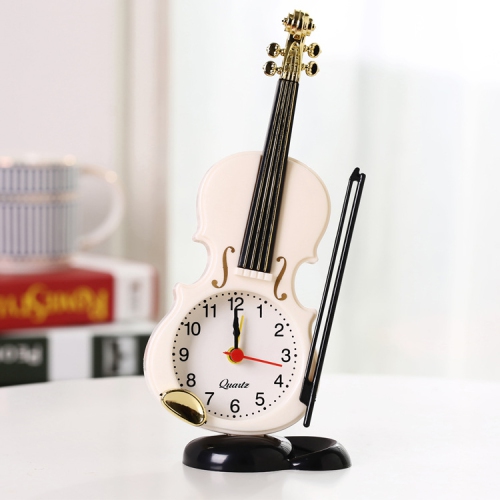
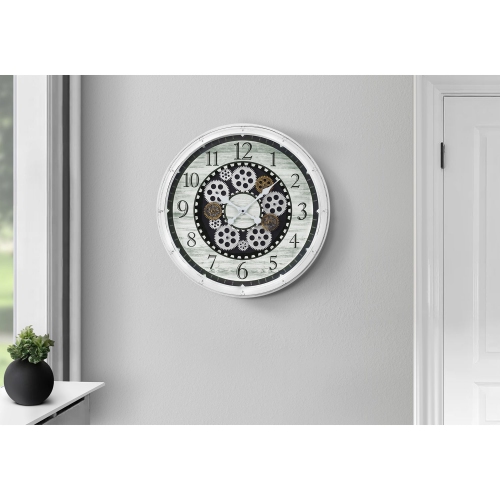
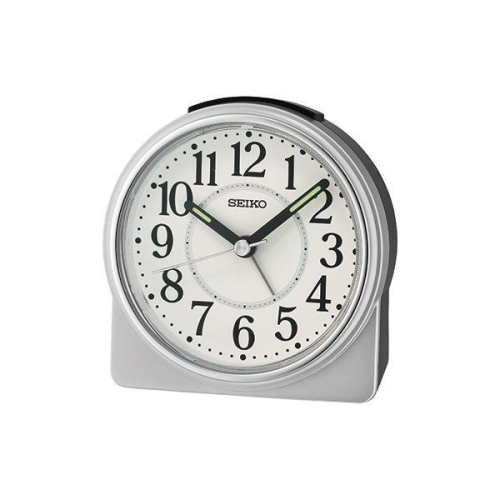
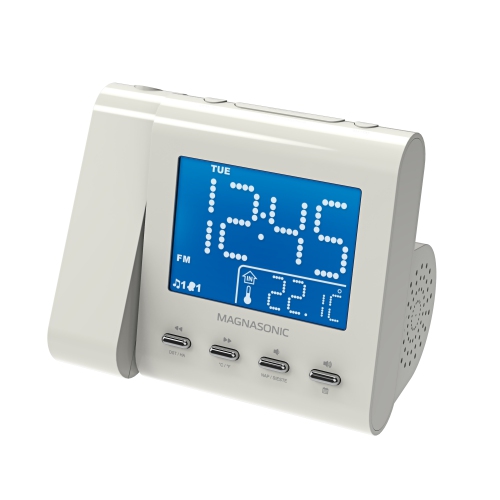
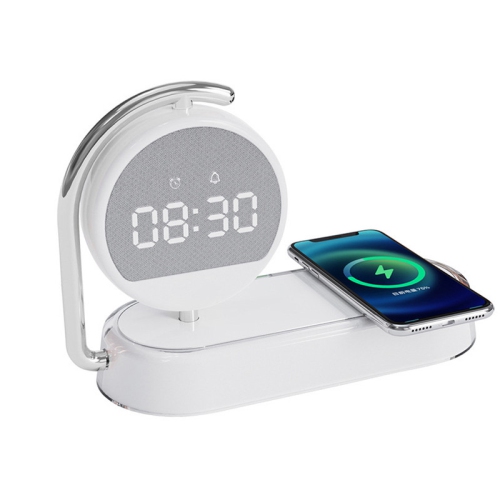
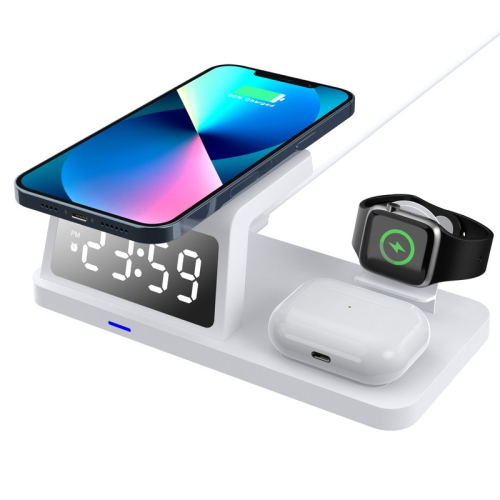
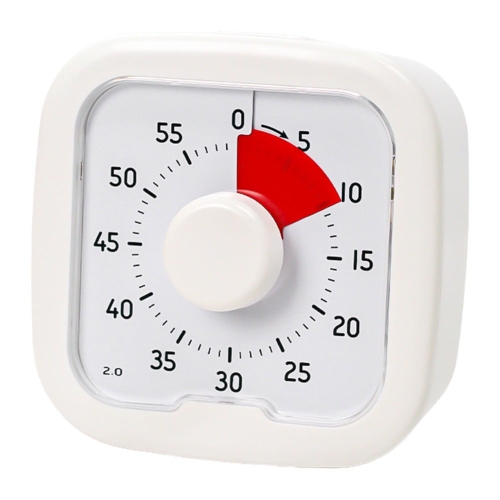
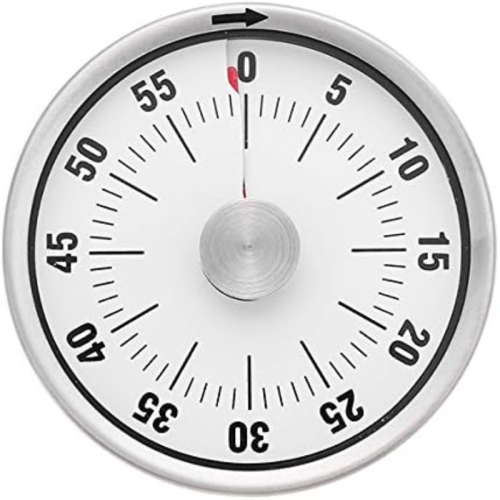
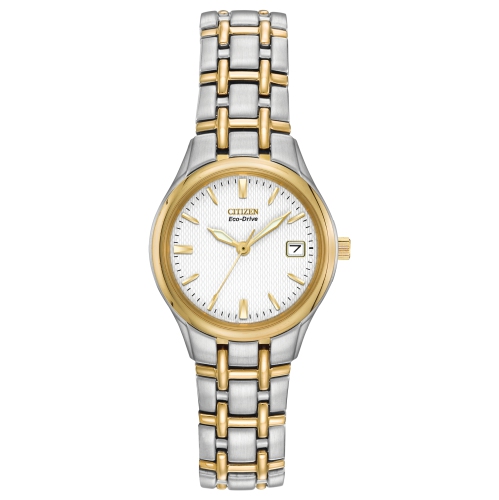
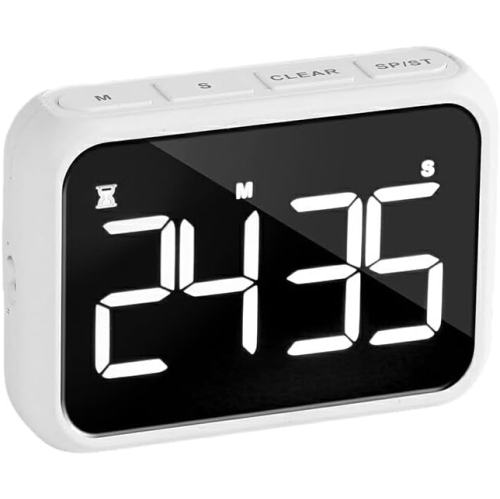
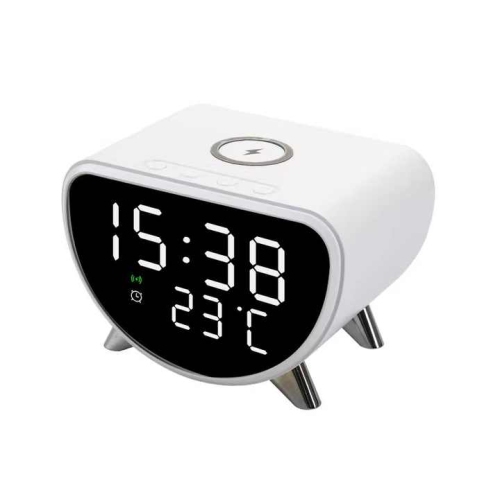
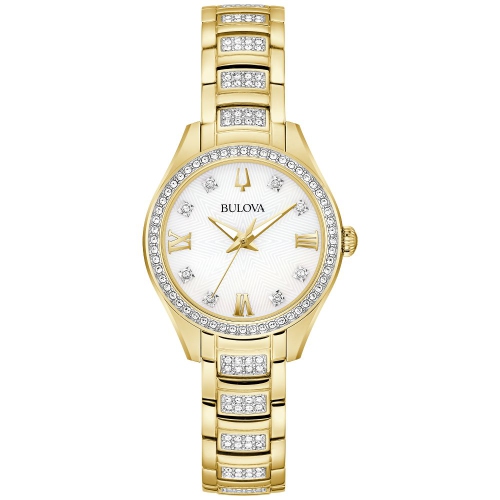
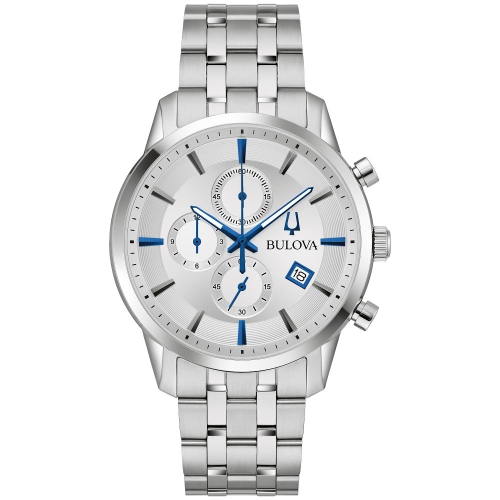
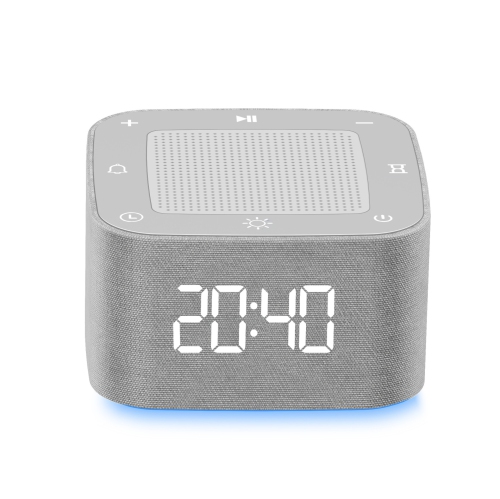
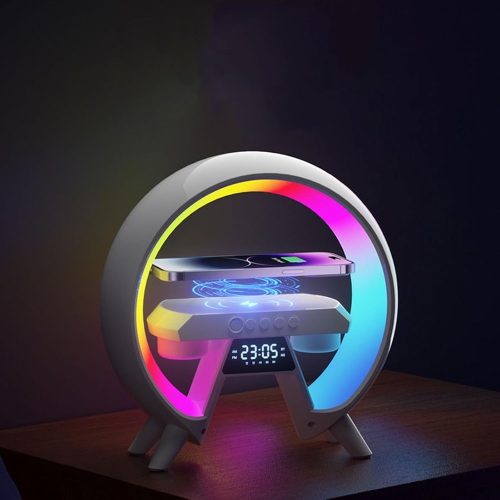
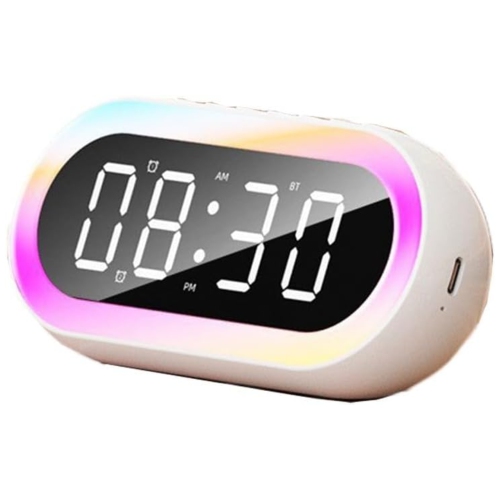
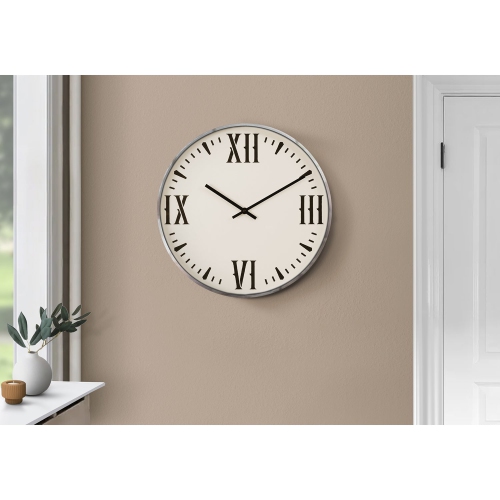
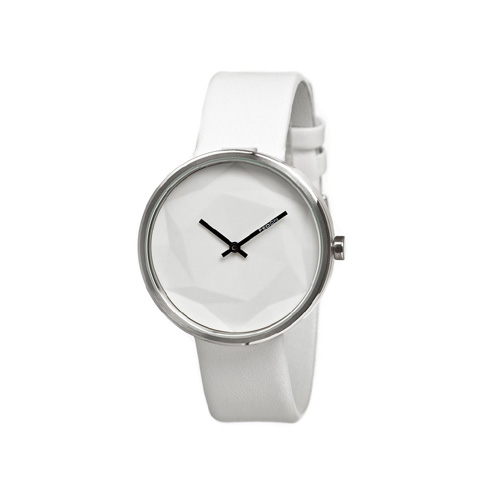
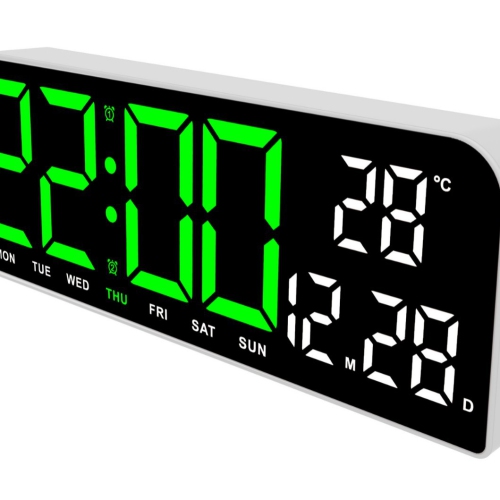
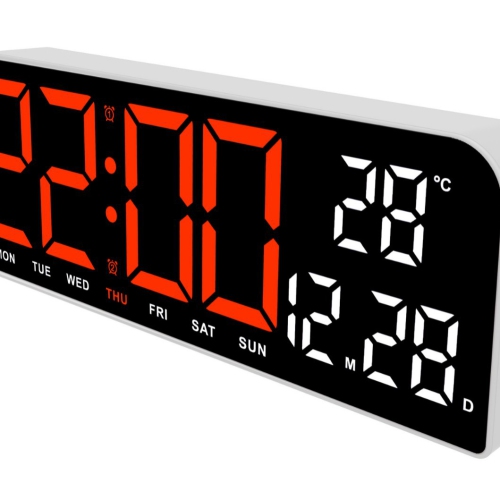
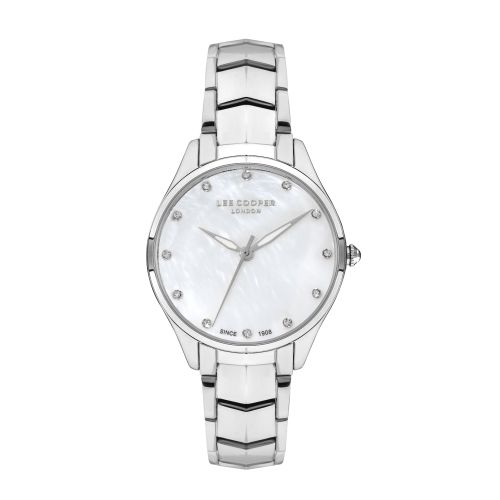
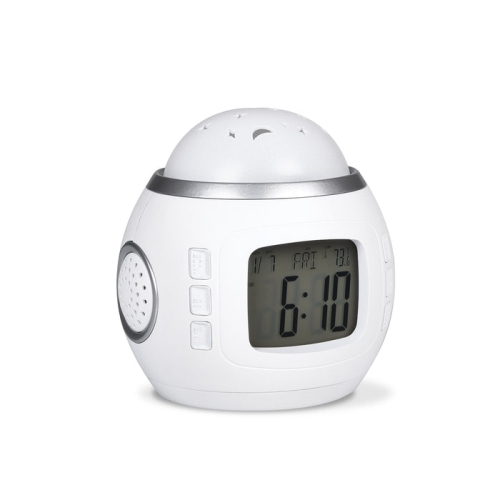
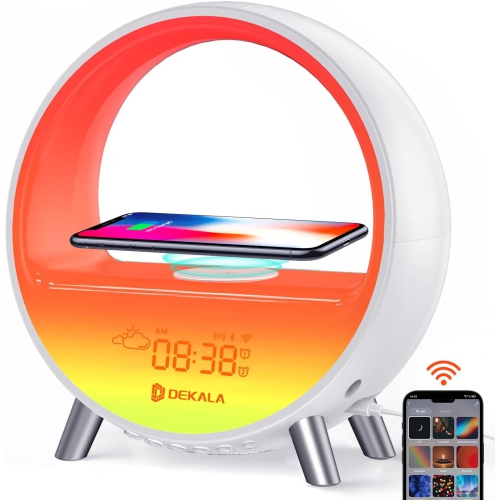
White clocks combine clear timekeeping with versatile room style
White clocks bring a clean, versatile accent to everyday spaces while keeping the time easy to see at a glance. A white face or frame can brighten a darker wall, soften a busy room, or create a crisp contrast against deeper paint colours and wood finishes. Because white works with so many decorating styles, these clocks can suit a modern kitchen, a traditional dining area, a home office, a classroom, a bedroom, or a cottage entryway without competing with the rest of the room. Look for a size that suits the viewing distance: a compact clock can work well on a narrow wall, shelf, or bedside table, while a larger wall clock is easier to read from across an open living space. A clock measuring approximately 25 centimetres can add a subtle decorative detail, while a 12-inch or larger design may be more practical above a desk, kitchen counter, or shared family calendar. The frame material also affects the overall impression. Plastic designs are often lightweight and simple to place, steel frames can add a more structured look, and a smooth white finish can blend naturally with painted walls, cabinetry, or light furniture. Round clocks offer a familiar, balanced appearance, while square or softly shaped designs can complement rooms with more geometric décor. When choosing between a clock for a wall and one intended for a desk or bedside table, consider how the time will be viewed throughout the day. Wall clocks are useful in rooms where several people need to check the time, whereas desk clocks and alarm clocks keep the display close at hand for study, work, or morning routines.
Practical details matter just as much as appearance. Many traditional analogue clocks use a single AA battery, making them straightforward to install and maintain; check the product specifications to confirm the required battery type before placing an order. Quartz movement is a popular choice for dependable timekeeping, and a silent or sweeping movement can be particularly helpful in bedrooms, nurseries, reading corners, and home offices where an audible tick may become distracting. If the clock will be placed in a room used for meetings, homework, or quiet relaxation, a quieter mechanism can help preserve the atmosphere. Legibility is another important consideration. Dark, well-defined hands and numerals usually stand out clearly against a white face, while uncluttered markers can make the time easier to read quickly. Think about the room’s lighting as well: a clock on a wall that receives limited daylight may benefit from strong contrast and larger markings, while a bright area can accommodate a more delicate face. Placement should leave enough surrounding space for the clock to act as a focal point rather than appearing crowded by frames, shelves, or wall art. A clock positioned at a comfortable eye level is easier to use, especially in a kitchen or hallway where people tend to glance at it while moving through the room. In a traditional layout, a white clock can look especially polished against a darker or north-facing wall, while a modern space may pair it with pale cabinetry and simple furnishings for a restrained monochromatic effect. During the cooler months, when more time is spent indoors, a clearly visible clock can help structure cooking, schoolwork, exercise, appointments, and evening routines without relying on a phone or computer screen.
A white clock can also be a thoughtful gift for someone settling into a new home, furnishing a first apartment, updating a student workspace, or creating a more organised family room. It is useful enough for everyday life but decorative enough to feel considered, and its neutral colouring makes it easier to match with existing furniture. For a child’s study area, choose a clear face with easy-to-read numbers and a sturdy design suited to regular use. For a home office, a quiet movement and a size visible from the desk can help keep meetings and focused work on schedule. In a kitchen, a wall clock with a wipeable surface and strong contrast can make it easier to check cooking times while hands are busy, while a compact desk clock may be a convenient addition to a bedside table or reception desk. White clocks can be styled with natural wood, brushed metal, pastel accents, or darker furniture, making them adaptable as a room changes over time. If your décor calls for a stronger contrast, black numerals or a darker frame can provide definition without changing the clean character of the clock; explore Black Clocks for another neutral option. Before buying, measure the intended wall or tabletop, confirm the clock’s dimensions, consider the viewing distance, and check whether the required battery is included. These simple checks help ensure that the finished clock is not only attractive but also easy to read, convenient to maintain, and well suited to the way the room is used every day.
Practical details matter just as much as appearance. Many traditional analogue clocks use a single AA battery, making them straightforward to install and maintain; check the product specifications to confirm the required battery type before placing an order. Quartz movement is a popular choice for dependable timekeeping, and a silent or sweeping movement can be particularly helpful in bedrooms, nurseries, reading corners, and home offices where an audible tick may become distracting. If the clock will be placed in a room used for meetings, homework, or quiet relaxation, a quieter mechanism can help preserve the atmosphere. Legibility is another important consideration. Dark, well-defined hands and numerals usually stand out clearly against a white face, while uncluttered markers can make the time easier to read quickly. Think about the room’s lighting as well: a clock on a wall that receives limited daylight may benefit from strong contrast and larger markings, while a bright area can accommodate a more delicate face. Placement should leave enough surrounding space for the clock to act as a focal point rather than appearing crowded by frames, shelves, or wall art. A clock positioned at a comfortable eye level is easier to use, especially in a kitchen or hallway where people tend to glance at it while moving through the room. In a traditional layout, a white clock can look especially polished against a darker or north-facing wall, while a modern space may pair it with pale cabinetry and simple furnishings for a restrained monochromatic effect. During the cooler months, when more time is spent indoors, a clearly visible clock can help structure cooking, schoolwork, exercise, appointments, and evening routines without relying on a phone or computer screen.
A white clock can also be a thoughtful gift for someone settling into a new home, furnishing a first apartment, updating a student workspace, or creating a more organised family room. It is useful enough for everyday life but decorative enough to feel considered, and its neutral colouring makes it easier to match with existing furniture. For a child’s study area, choose a clear face with easy-to-read numbers and a sturdy design suited to regular use. For a home office, a quiet movement and a size visible from the desk can help keep meetings and focused work on schedule. In a kitchen, a wall clock with a wipeable surface and strong contrast can make it easier to check cooking times while hands are busy, while a compact desk clock may be a convenient addition to a bedside table or reception desk. White clocks can be styled with natural wood, brushed metal, pastel accents, or darker furniture, making them adaptable as a room changes over time. If your décor calls for a stronger contrast, black numerals or a darker frame can provide definition without changing the clean character of the clock; explore Black Clocks for another neutral option. Before buying, measure the intended wall or tabletop, confirm the clock’s dimensions, consider the viewing distance, and check whether the required battery is included. These simple checks help ensure that the finished clock is not only attractive but also easy to read, convenient to maintain, and well suited to the way the room is used every day.
Top selling and popular products
-
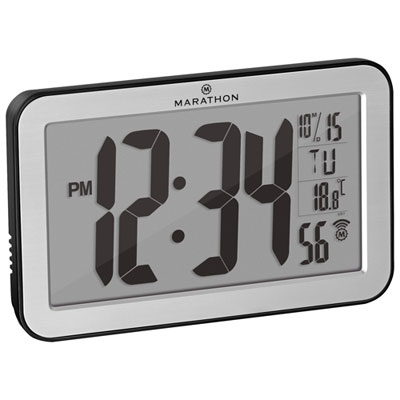 Your price for this item is $44.99
 -
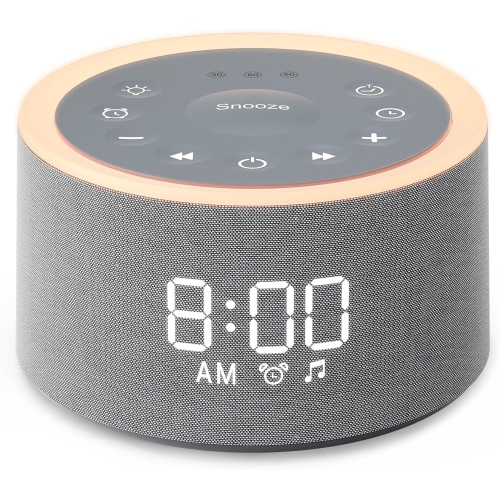 Your price for this item is $44.99
 -
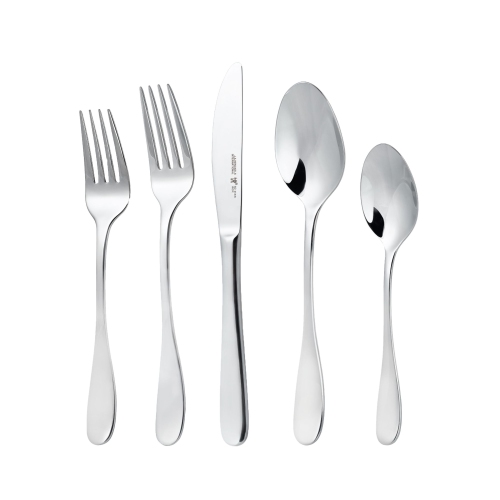 Your price for this item is $89.99
 -
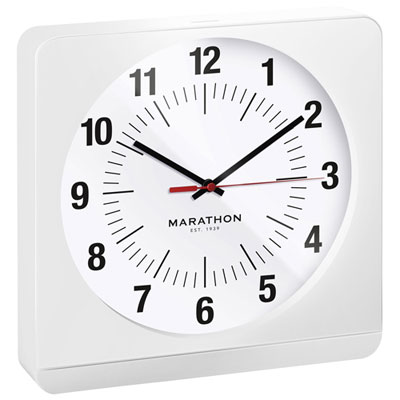 Your price for this item is $114.99
 -
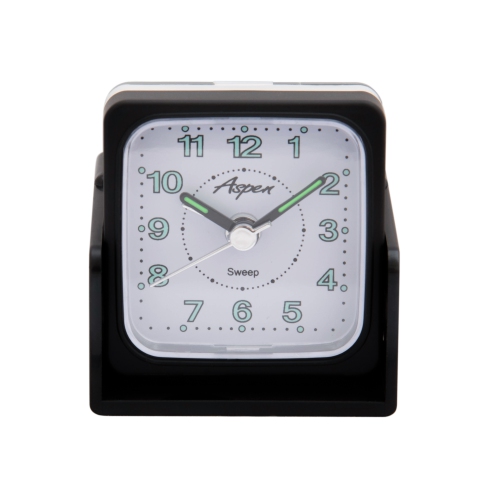 Your price for this item is $19.95
 -
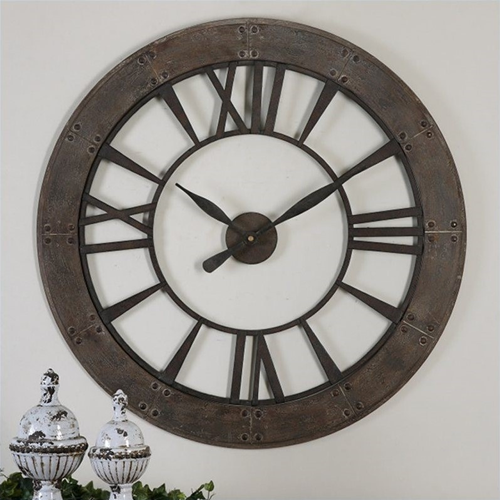 Your price for this item is $907.16
 -
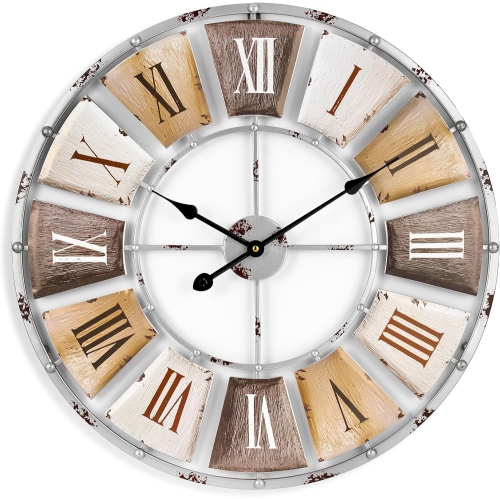 Your price for this item is $79.99
 -
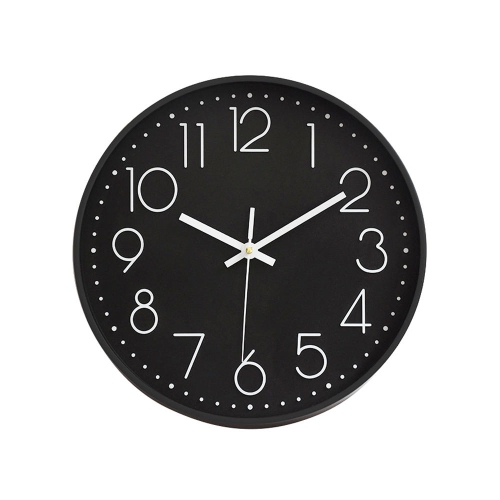 Your price for this item is $19.99
Discover more categories related to White Clock
Top Collections:
Pokemon Centers, Kindle Devices, Best Budget Office Chairs, Apple iPhones 16, Best Laptops for Writers, iPhone 15 Apple, Canon G7X Cameras, Refurbished Apple Laptops, Alarm Clock, Motorola Razr Phones
Some products may be subject to Environmental Handling Fees
(EHF) depending on your province.
Learn more about EHFs.