3 Panel Room Dividers
Create stylish and functional spaces with our selection of 3 panel room dividers. These versatile pieces are perfect for dividing a room, creating privacy, or adding a decorative touch to any living area. Whether you're looking to separate your home office from your living space or want to create a cozy reading nook in your bedroom, our range of 3 panel room dividers offers endless possibilities. With various styles, materials, and finishes to choose from, you can find the perfect divider to suit your unique taste and needs. Explore our collection today and transform any space with ease.
Sort
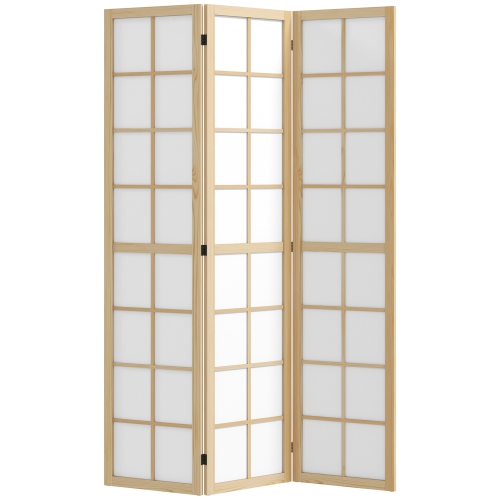
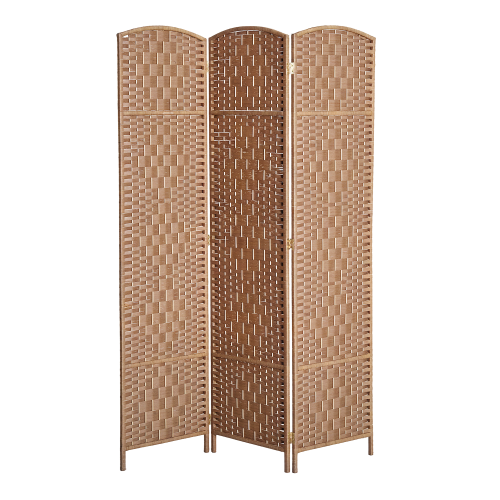
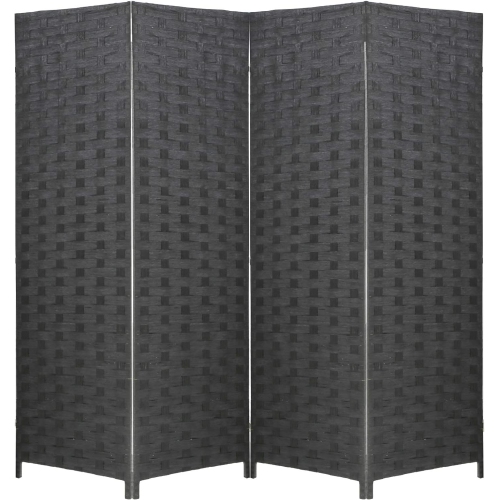
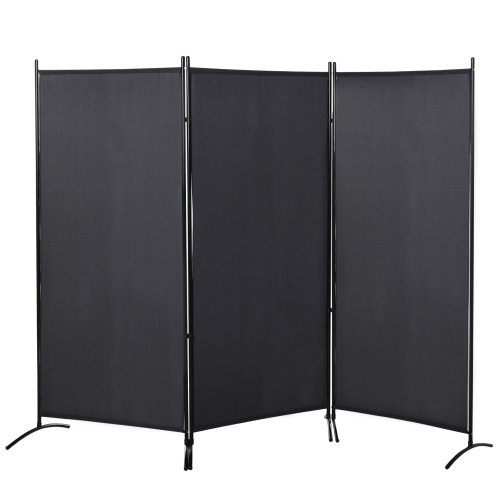
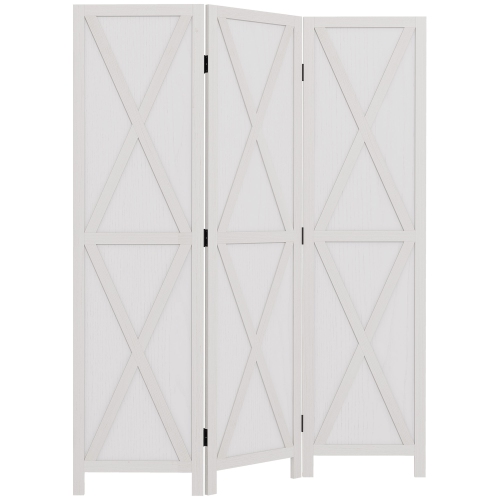
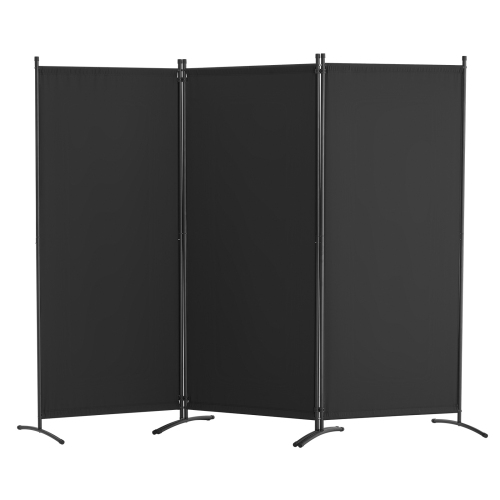
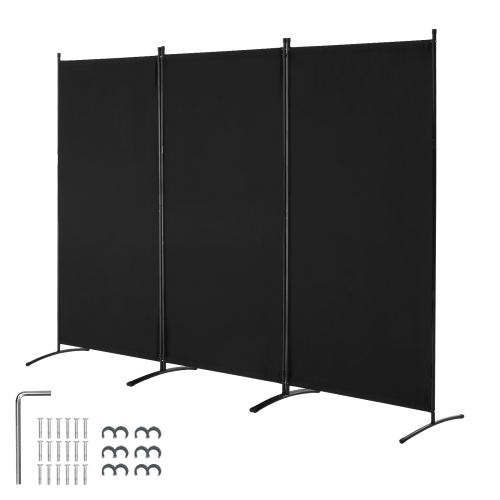
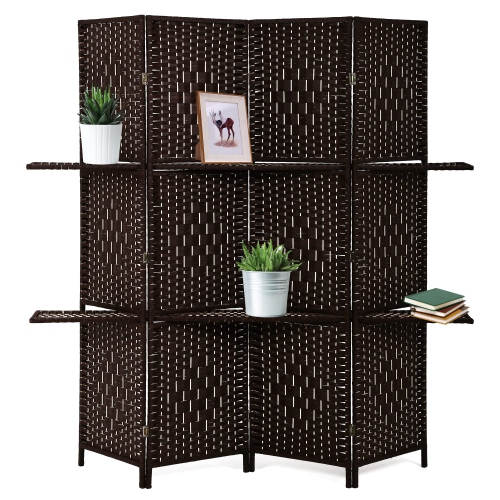
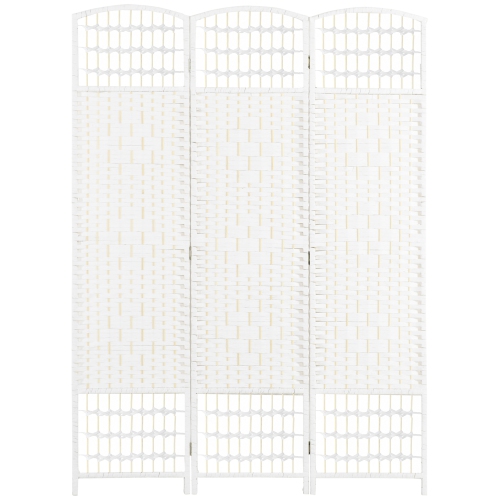
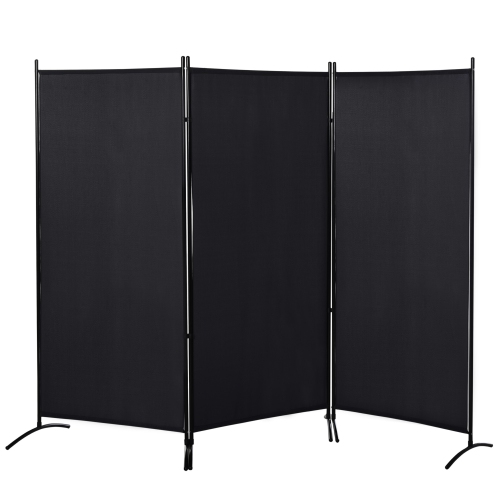
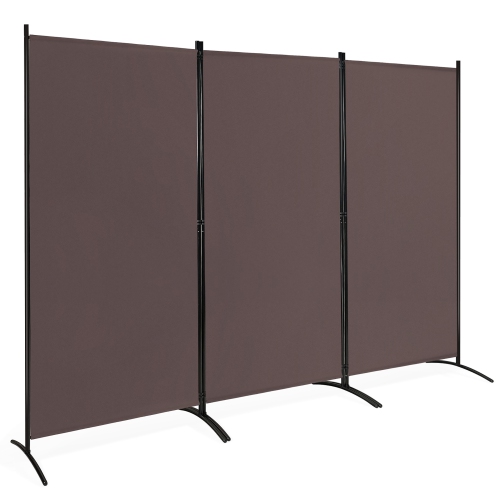
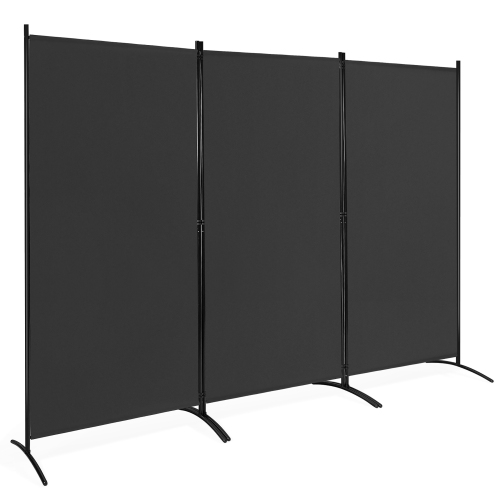
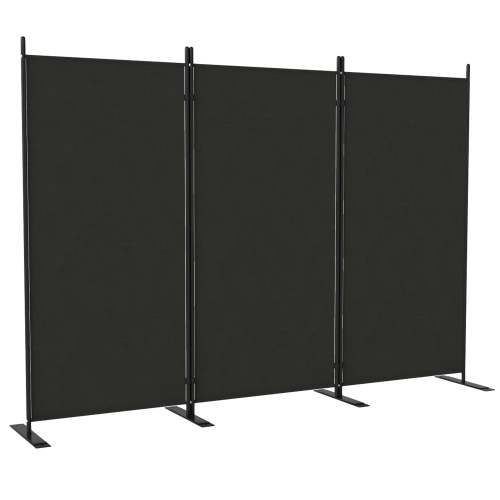
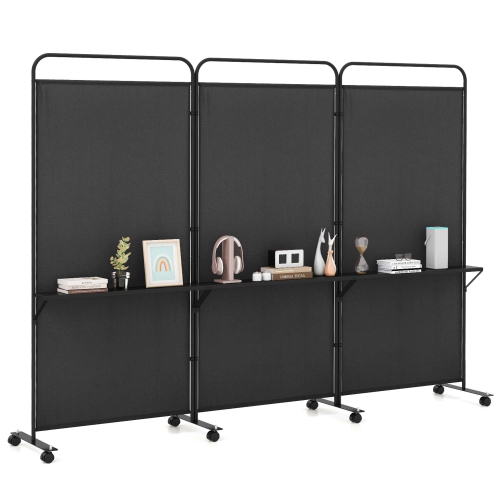
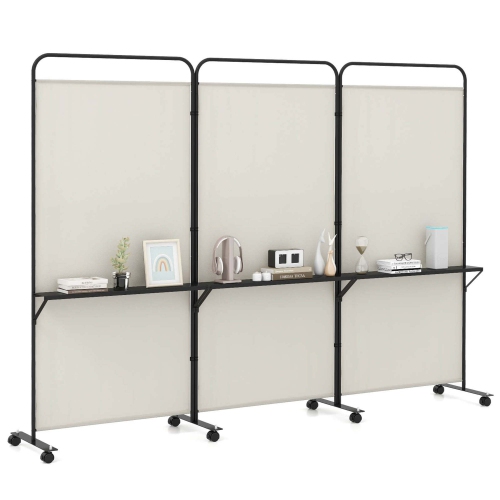
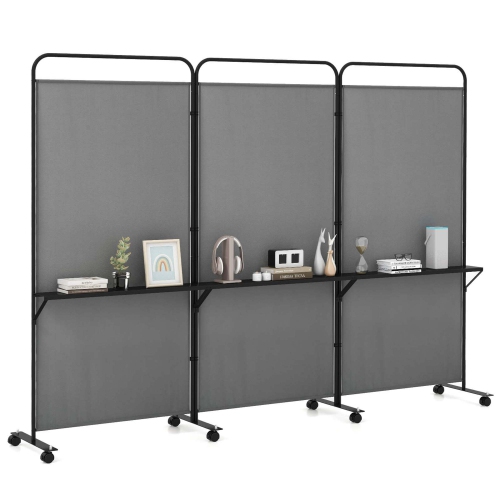
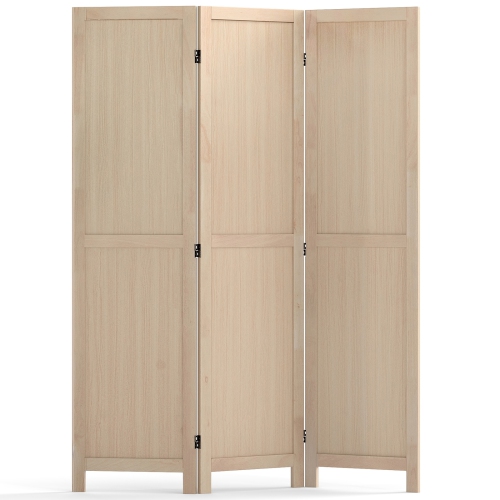
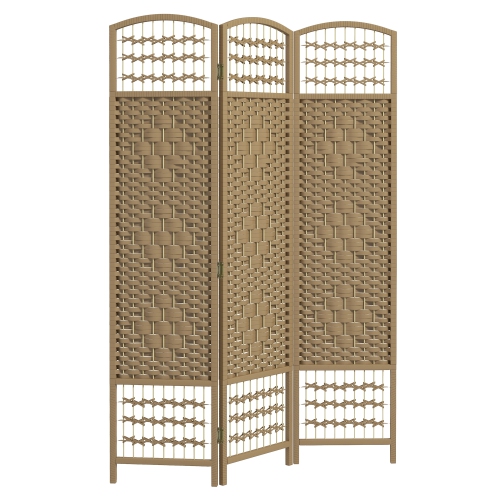
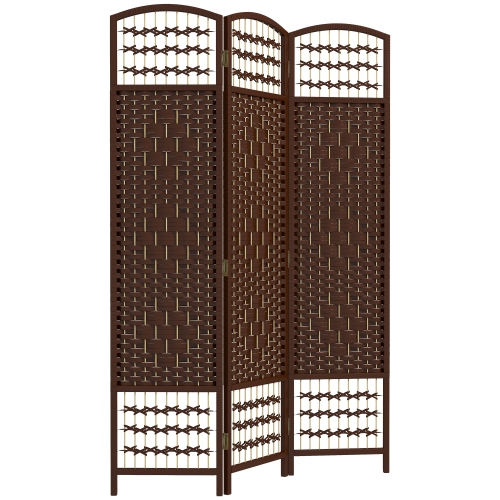
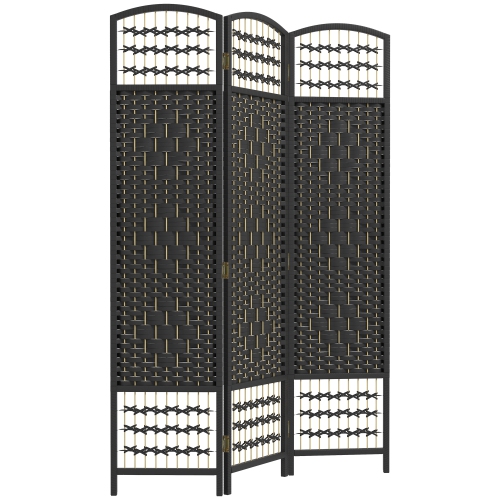

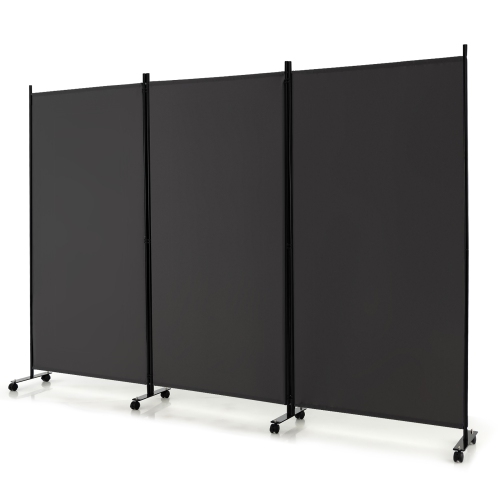
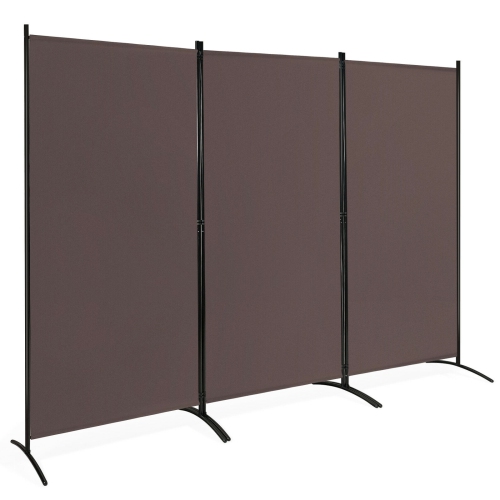
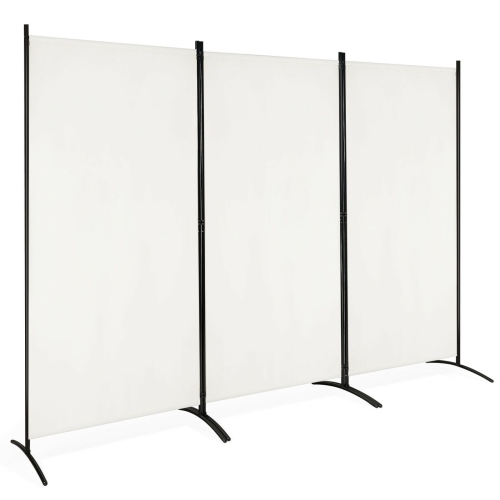
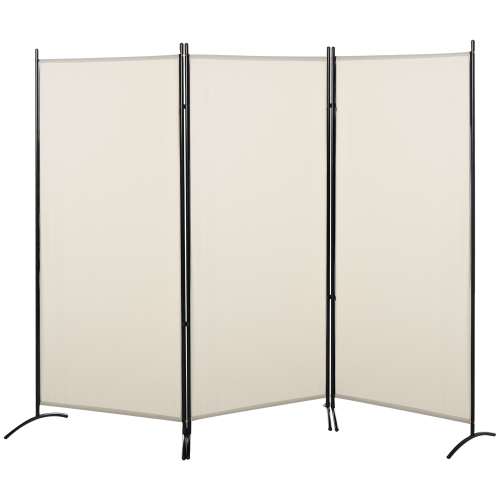
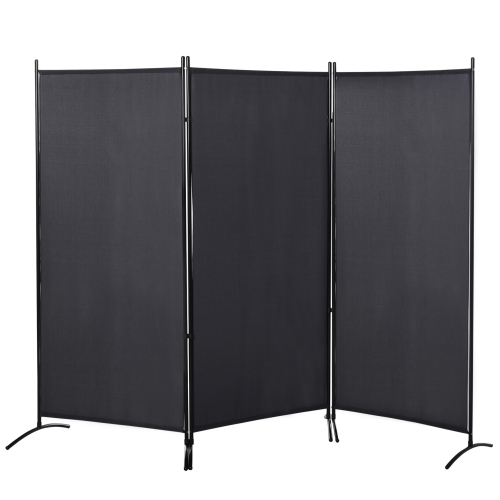
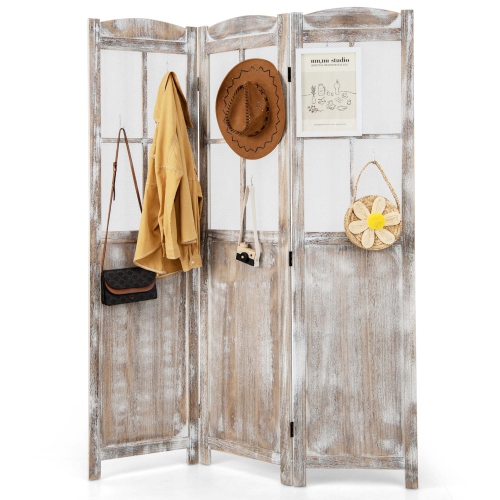
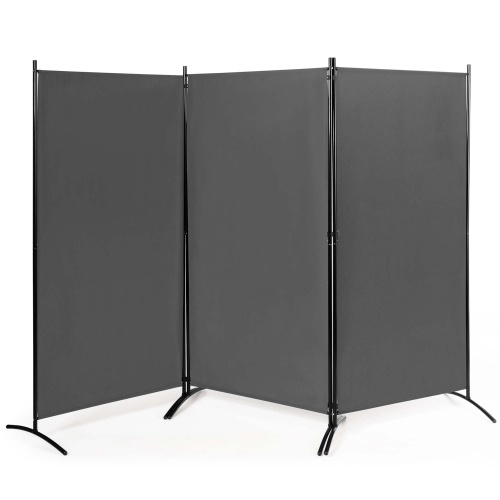
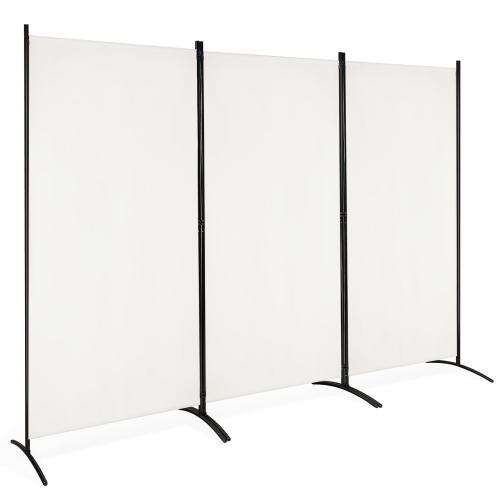
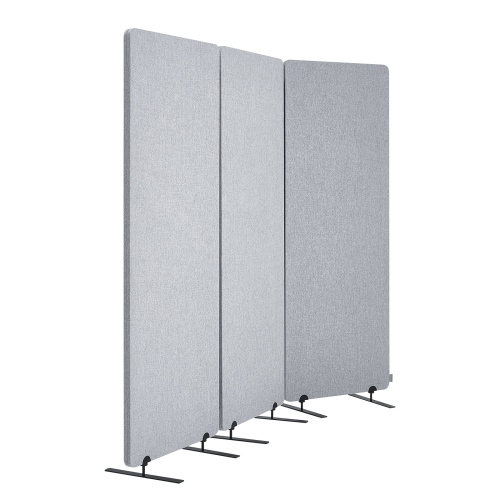
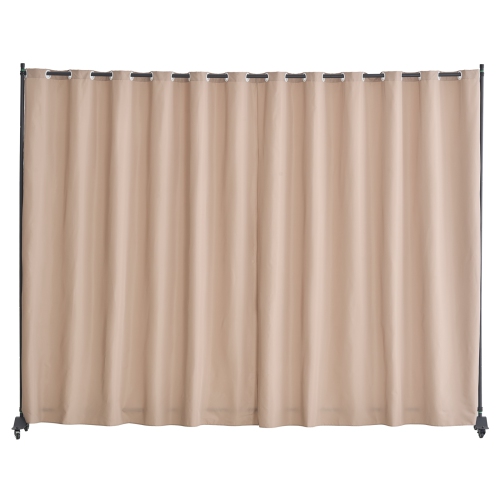
Flexible privacy and visual separation for everyday spaces
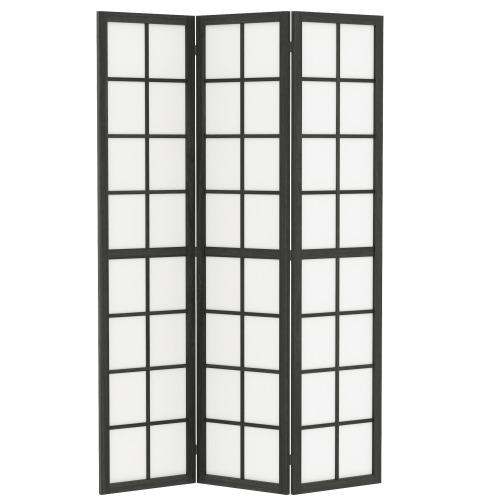
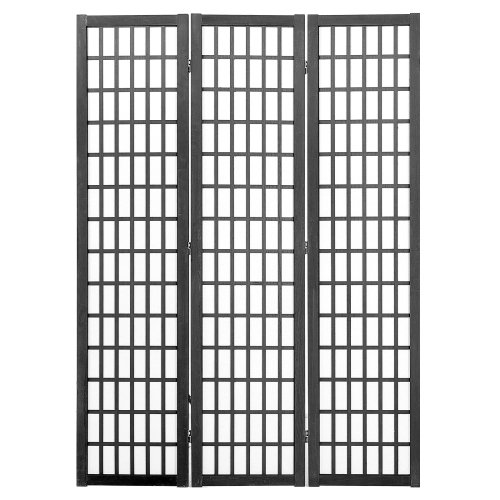
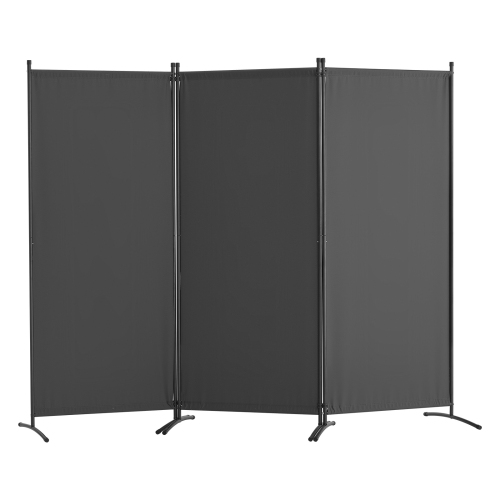
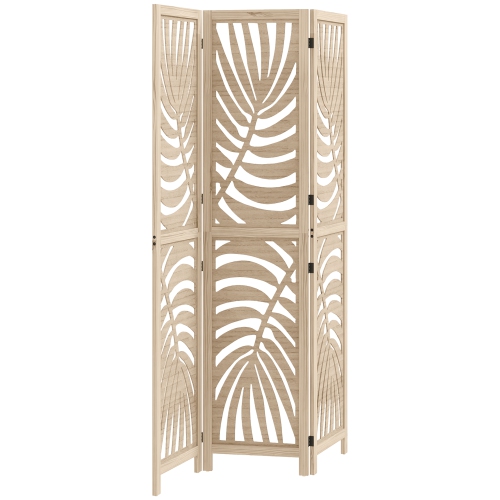
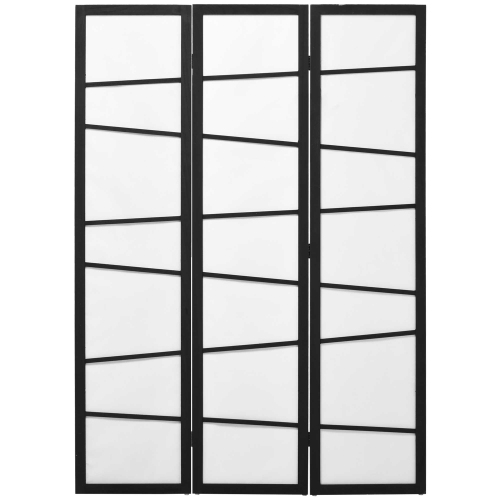
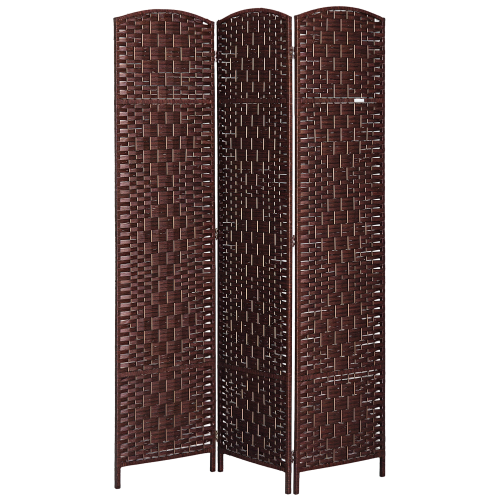
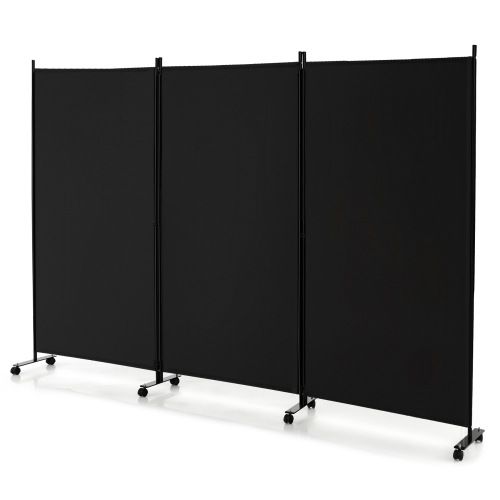
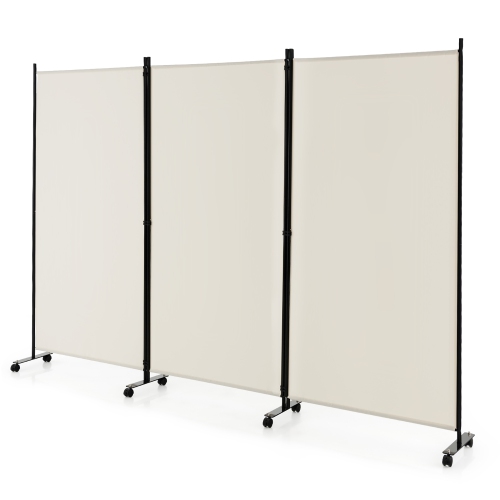
Three panel room dividers offer a practical way to reshape an open room without committing to permanent construction. Their hinged panels can be arranged in a straight line, a gentle zigzag, or a wider angle that helps the screen stand securely on its own. In many homes, a three-panel divider is tall enough to create a sense of separation while remaining easy to move when the room needs to serve another purpose. Use one to define a work area in a living room, give a studio apartment a more private sleeping zone, or create a tidy background behind a desk for video calls. They can also help organize a shared bedroom, separate a dressing area, or screen storage, exercise equipment, and household items from the main living space. During the cooler months, when more time is often spent indoors, a divider can make an open-plan room feel more comfortable and intentional by giving each activity its own visual boundary. The panels do not block sound completely, but they can reduce visual distractions and make a space feel calmer. They are also useful for renters, students, home office users, and anyone who wants a flexible layout without drilling into walls or installing tracks. A three-panel screen can be a thoughtful housewarming, graduation, or first-apartment gift because it combines everyday function with decorative appeal, especially for someone furnishing a compact home or creating a multipurpose room.
Size is one of the first details to compare when choosing a three-panel room divider. Many standard screens are approximately 6 feet, or 72 inches, tall, while the overall width can range from about 60 inches to more than 100 inches depending on each panel’s width and how the hinges are positioned. A screen set in a shallow zigzag usually covers more space than one folded tightly, so measure the area with the divider fully opened and leave enough room to walk around it. Check the panel height against nearby furniture, windows, ceiling fixtures, and power outlets, particularly if the screen will sit behind a desk or sofa. The material also affects the way the divider looks and performs. Fabric panels are often lightweight and easy to reposition, with opaque or semi-sheer choices that provide different levels of privacy and allow varying amounts of light through. Woven finishes and wood-style frames can add warmth to a bedroom or living area, while a clean fabric surface may suit a home office, rental, or minimalist setting. Heavier panels may feel more substantial and can help soften the appearance of a busy room, but they may be less convenient to move. Look for a sturdy frame, well-connected hinges, and feet or a base that keeps the screen balanced on hard flooring and carpet. If you plan to use it as a video-call background, consider a surface with a simple pattern or solid colour that will not compete with your face, and position the divider where daylight or a lamp will not create distracting shadows.
A three-panel room divider works best when its placement reflects how the room is actually used. For a work-from-home setup, place it behind or beside the desk to establish a visual office that can be folded away at the end of the day. In a bedroom, angle the panels beside a wardrobe or near the foot of the bed to create a changing area without making the room feel permanently divided. In a larger living space, a divider can distinguish a reading chair from a television area or give children a defined place for play, crafts, or quiet activities. Keep the screen away from high-traffic paths, door swings, heaters, and areas where it could be bumped frequently. A level floor and a broad, stable angle will generally provide the most reliable setup. When not needed, most folding designs can be collapsed into a narrower footprint and stored beside a wardrobe, behind a door, or along a wall. If you need a wider visual barrier or want to divide a larger room into more distinct zones, explore Five Panel Room Dividers as another format. Before ordering, compare the folded and expanded dimensions, the listed materials, the level of opacity, the assembly requirements, and the care instructions. A quick sketch of the room with furniture measurements can make it easier to choose a screen that feels useful rather than crowded. With the right size, finish, and placement, a three-panel room divider can bring privacy and structure to everyday spaces while remaining flexible enough to adapt as your home changes.
Size is one of the first details to compare when choosing a three-panel room divider. Many standard screens are approximately 6 feet, or 72 inches, tall, while the overall width can range from about 60 inches to more than 100 inches depending on each panel’s width and how the hinges are positioned. A screen set in a shallow zigzag usually covers more space than one folded tightly, so measure the area with the divider fully opened and leave enough room to walk around it. Check the panel height against nearby furniture, windows, ceiling fixtures, and power outlets, particularly if the screen will sit behind a desk or sofa. The material also affects the way the divider looks and performs. Fabric panels are often lightweight and easy to reposition, with opaque or semi-sheer choices that provide different levels of privacy and allow varying amounts of light through. Woven finishes and wood-style frames can add warmth to a bedroom or living area, while a clean fabric surface may suit a home office, rental, or minimalist setting. Heavier panels may feel more substantial and can help soften the appearance of a busy room, but they may be less convenient to move. Look for a sturdy frame, well-connected hinges, and feet or a base that keeps the screen balanced on hard flooring and carpet. If you plan to use it as a video-call background, consider a surface with a simple pattern or solid colour that will not compete with your face, and position the divider where daylight or a lamp will not create distracting shadows.
A three-panel room divider works best when its placement reflects how the room is actually used. For a work-from-home setup, place it behind or beside the desk to establish a visual office that can be folded away at the end of the day. In a bedroom, angle the panels beside a wardrobe or near the foot of the bed to create a changing area without making the room feel permanently divided. In a larger living space, a divider can distinguish a reading chair from a television area or give children a defined place for play, crafts, or quiet activities. Keep the screen away from high-traffic paths, door swings, heaters, and areas where it could be bumped frequently. A level floor and a broad, stable angle will generally provide the most reliable setup. When not needed, most folding designs can be collapsed into a narrower footprint and stored beside a wardrobe, behind a door, or along a wall. If you need a wider visual barrier or want to divide a larger room into more distinct zones, explore Five Panel Room Dividers as another format. Before ordering, compare the folded and expanded dimensions, the listed materials, the level of opacity, the assembly requirements, and the care instructions. A quick sketch of the room with furniture measurements can make it easier to choose a screen that feels useful rather than crowded. With the right size, finish, and placement, a three-panel room divider can bring privacy and structure to everyday spaces while remaining flexible enough to adapt as your home changes.
Top selling and popular products
-
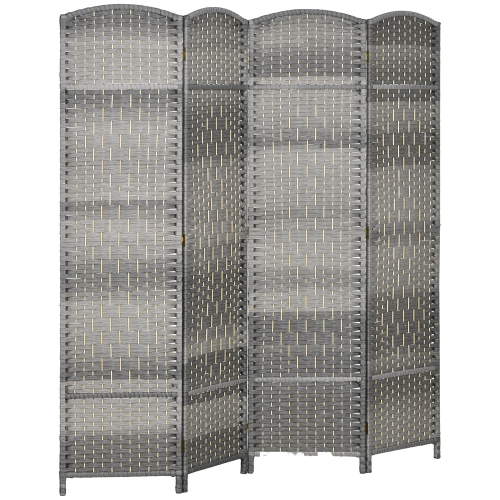 Your price for this item is $106.69
 -
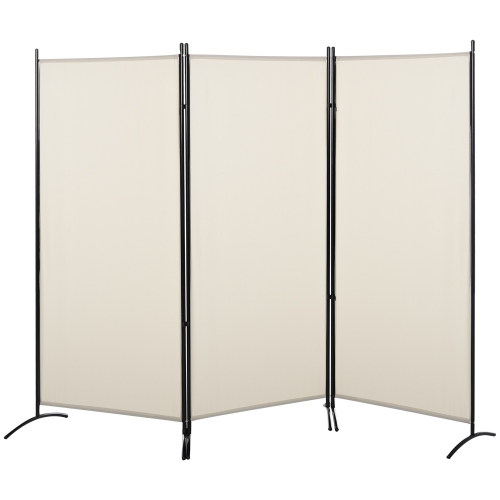 Your price for this item is $80.99
 -
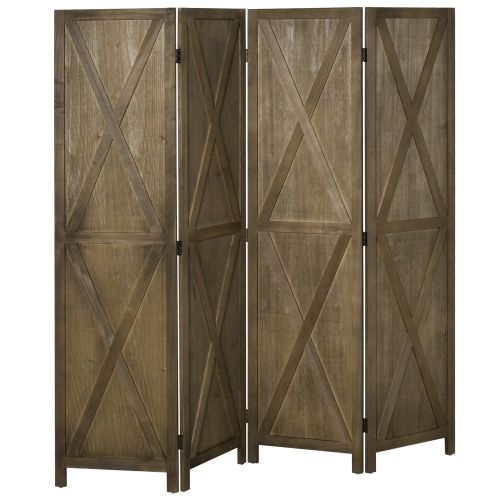 Your price for this item is $129.99
 -
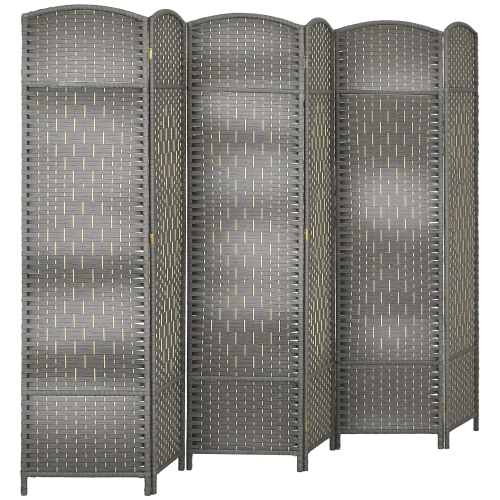 Your price for this item is $149.99
 -
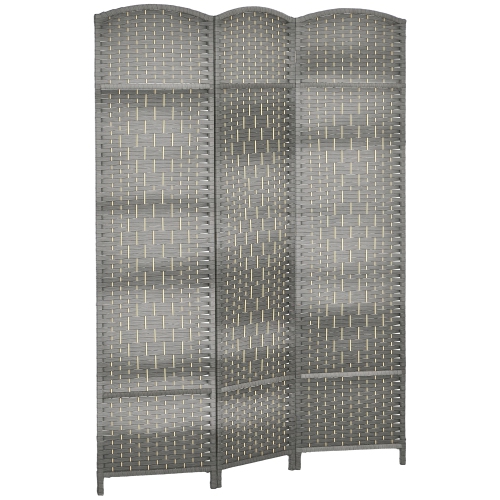 Your price for this item is $89.99
 -
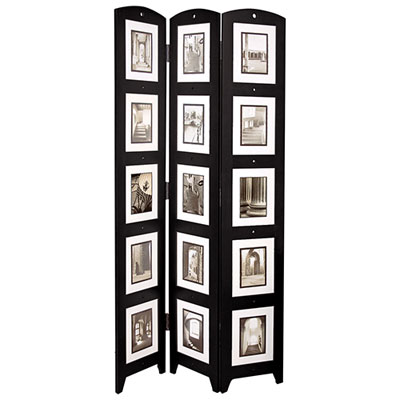 Your price for this item is $179.98
 -
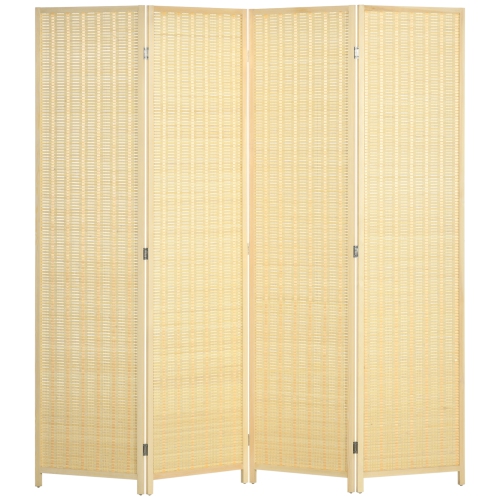 Your price for this item is $114.99
 -
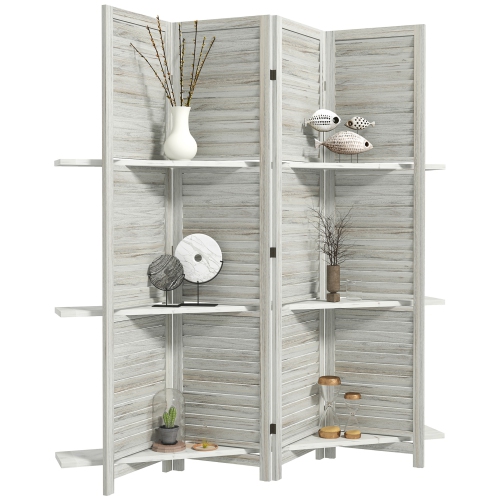 Your price for this item is $144.99
Discover more categories related to 3 Panel Room Dividers
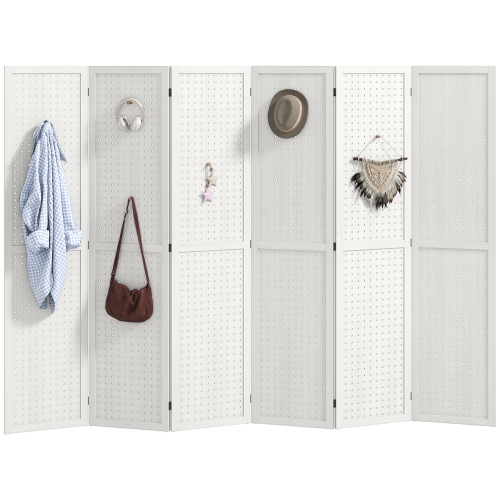
Top Collections:
Best Laptops for Video Editing, Pokemon Centers, Samsung Z Fold, Kindle Devices, Best Cell Phones Under $300, Best Laptops for Writers, Best Budget Office Chairs, Best Cell Phones Under $500, Best Laptop Computers for Students, iPhone 15 Apple
Some products may be subject to Environmental Handling Fees
(EHF) depending on your province.
Learn more about EHFs.