3d Molds
Unlock a world of creativity and precision with 3D molds, the essential tools for crafting intricate designs in a variety of materials. Whether you're a hobbyist or a professional, these molds offer endless possibilities for your projects, from detailed art pieces to functional prototypes. Perfect for use in baking, crafting, or industrial applications, 3D molds provide the versatility and reliability needed to bring your imaginative concepts to life. Explore the diverse selection available and discover how 3D molds can enhance your creative process with their innovative design and adaptability.
Sort
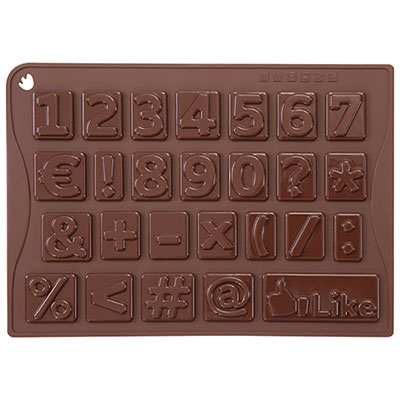
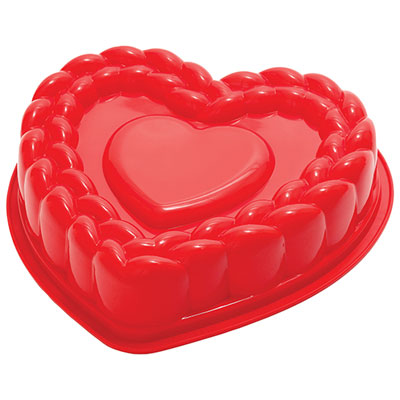
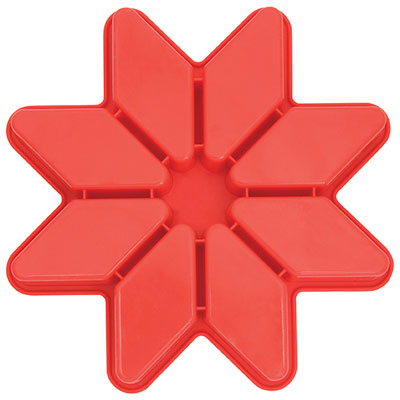
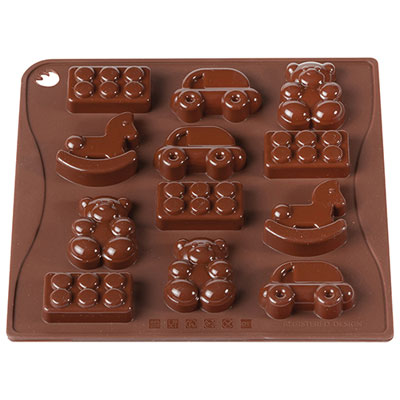
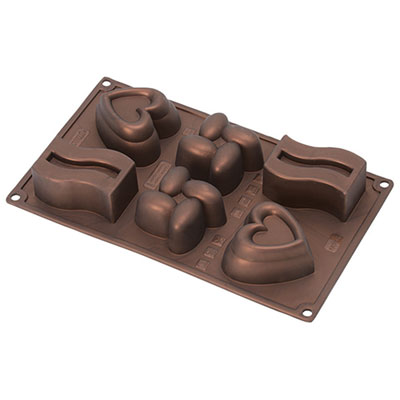
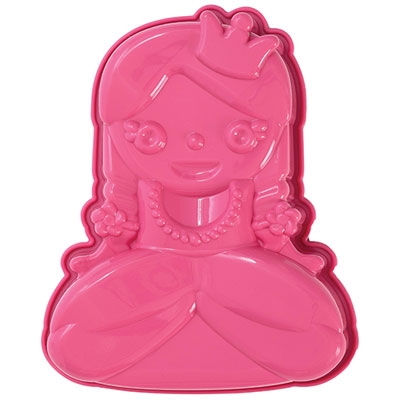
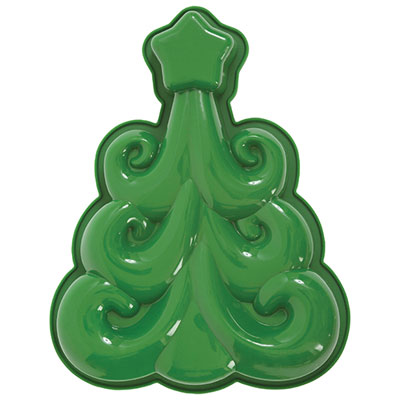
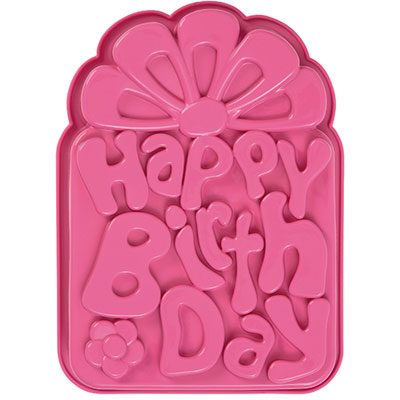
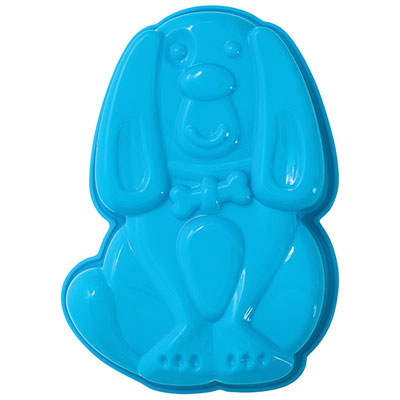
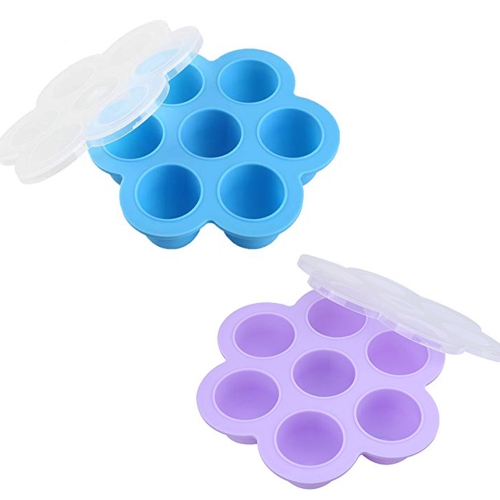
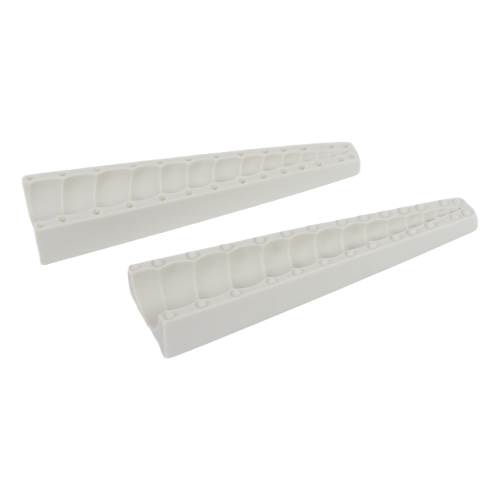

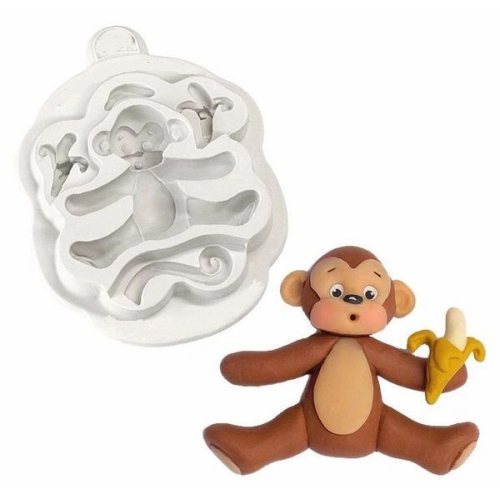
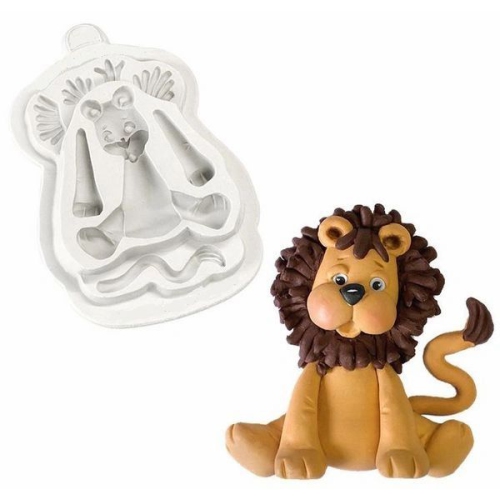
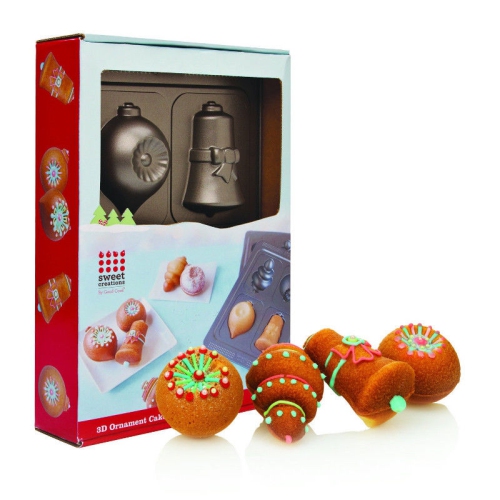
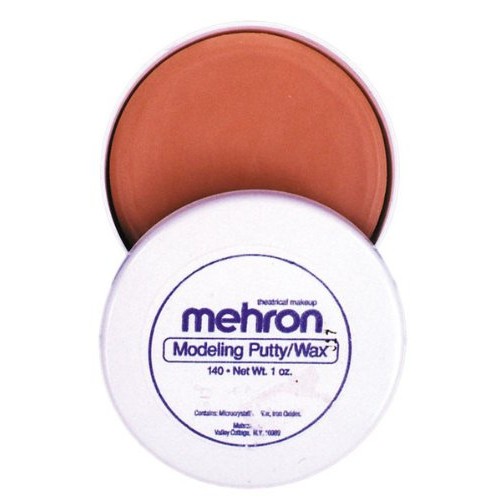
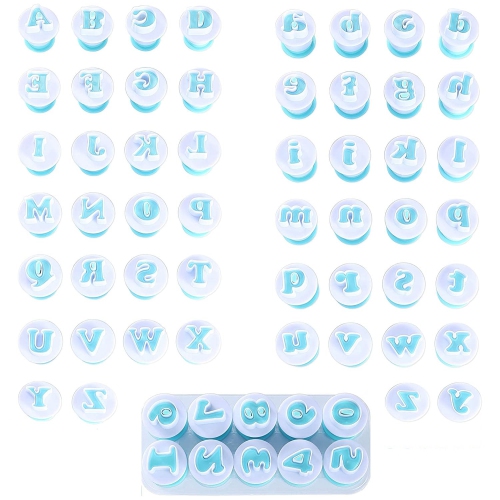
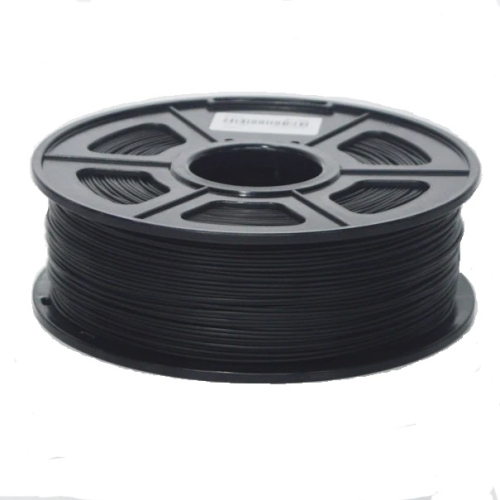
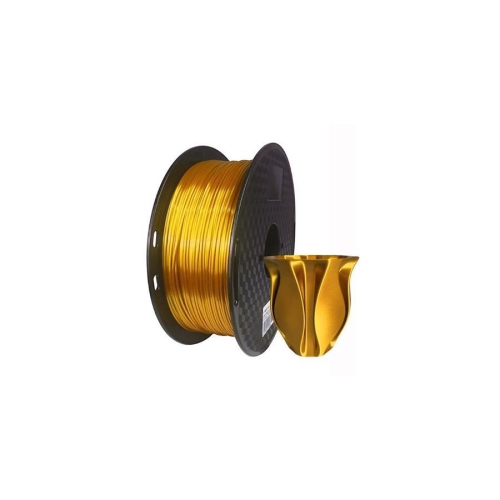
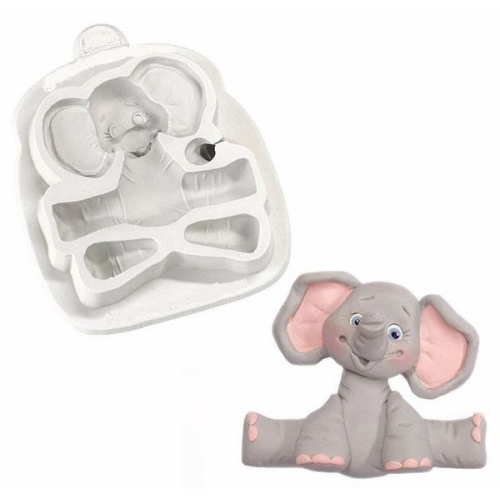
Versatile forms for baking, casting, crafting, and decorating
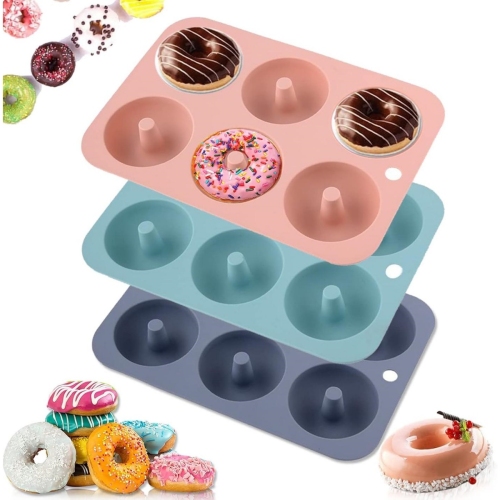
3D molds are shaped forms used to create objects with depth, texture, and clearly defined details, making them useful for baking, decorating, crafting, casting, and hands-on creative projects. Unlike flat cutters or simple trays, a three-dimensional mold can produce a finished piece with multiple surfaces, raised patterns, recessed features, or a sculpted silhouette. Depending on the design, it may be used with chocolate, fondant, gelatin, cake batter, soap base, wax, plaster, resin, clay, concrete, or other pourable and mouldable materials. Flexible silicone is a popular choice because it can release detailed shapes with less effort, while rigid plastic or printed forms may provide firm support for materials that need a stable outer structure. When browsing 3d molds, consider the intended material first. A mold designed for food preparation should be clearly identified as food-safe and suitable for the temperatures involved, while a mold intended for resin, plaster, wax, or craft casting may have different care and handling requirements. Heat resistance matters for oven use, and flexibility matters when the finished piece has narrow sections, deep grooves, or an intricate surface that could be difficult to remove from a rigid form. Size is equally important: a compact mould can be practical for small decorations, ornaments, treats, and sample pieces, whereas a larger design may be better suited to centrepieces, display projects, planters, or statement creations. Details such as the opening, depth, wall thickness, and number of cavities can affect both the finished appearance and the amount of material required. For a broad selection of flexible shapes suitable for many kitchen and craft applications, explore Silicone Molds.
The right 3D mold can make an approachable project feel polished while still leaving room for personal expression. Home bakers may use dimensional molds to create themed desserts, decorative chocolate pieces, fondant accents, mousse cakes, jelly treats, or individual portions with a professional-looking finish. Crafters can use them to form wax melts, soaps, plaster decorations, resin pieces, jewellery components, desk accessories, ornaments, and small containers. Artists and makers may also use a rigid printed form as a casting shape or as a master from which a flexible mould can be made. In that process, a three-dimensional original is placed inside a suitable mould box, and liquid silicone is poured around it and left to cure, creating a reusable negative form that captures the original’s contours. More advanced users may work with 3D-printed masters, concrete mixes, clay, or casting compounds, but the same basic considerations apply: the material must be compatible with the mould, the form should be supported properly, and the finished item needs adequate time to set before removal. Look for smooth interiors when easy release and simple cleaning are priorities, or choose a highly detailed surface when texture is the main feature. A mould with separate cavities can help create multiple matching pieces, while a single large cavity may be more suitable for a focal project. For food-related use, it is helpful to confirm whether the mould is dishwasher-safe, freezer-safe, microwave-safe, or oven-safe rather than assuming that all silicone or plastic performs the same way. For craft use, check whether the material can withstand curing heat, pressure, or chemical ingredients. Keeping separate moulds for kitchen and non-food projects is also a sensible way to prevent residue, staining, or odours from transferring between uses.
3D molds can be a thoughtful gift for creative relatives, new homeowners, students, hobby bakers, weekend crafters, and anyone who enjoys making personalised items by hand. They are especially useful for people who like to experiment because one mould can often support several projects when paired with different colours, finishes, fillings, or casting materials. A baking enthusiast might use a sculpted form to add an eye-catching shape to a gathering during the cooler months, while a craft lover could make seasonal decorations, keepsakes, or small gifts as indoor projects when outdoor activities are less appealing. They can also complement a broader creative setup that includes measuring tools, mixing containers, decorating supplies, a curing area, or a 3D printer used to produce custom masters. Before purchasing, think about storage as well as use: intricate moulds are easier to protect when they can lie flat or hang without being folded, and larger forms need enough cupboard or workbench space to remain accessible. Flexible moulds should generally be handled gently so thin edges and fine details retain their shape, while rigid moulds benefit from careful cleaning that avoids scratches and warped surfaces. Thoroughly removing leftover batter, wax, resin, or casting material helps preserve the details for future projects. With the right match between mould shape, material, temperature, and intended result, 3D molds can turn a simple mixture into something tactile and memorable, from a carefully decorated dessert to a handmade display piece that brings character to a room.
The right 3D mold can make an approachable project feel polished while still leaving room for personal expression. Home bakers may use dimensional molds to create themed desserts, decorative chocolate pieces, fondant accents, mousse cakes, jelly treats, or individual portions with a professional-looking finish. Crafters can use them to form wax melts, soaps, plaster decorations, resin pieces, jewellery components, desk accessories, ornaments, and small containers. Artists and makers may also use a rigid printed form as a casting shape or as a master from which a flexible mould can be made. In that process, a three-dimensional original is placed inside a suitable mould box, and liquid silicone is poured around it and left to cure, creating a reusable negative form that captures the original’s contours. More advanced users may work with 3D-printed masters, concrete mixes, clay, or casting compounds, but the same basic considerations apply: the material must be compatible with the mould, the form should be supported properly, and the finished item needs adequate time to set before removal. Look for smooth interiors when easy release and simple cleaning are priorities, or choose a highly detailed surface when texture is the main feature. A mould with separate cavities can help create multiple matching pieces, while a single large cavity may be more suitable for a focal project. For food-related use, it is helpful to confirm whether the mould is dishwasher-safe, freezer-safe, microwave-safe, or oven-safe rather than assuming that all silicone or plastic performs the same way. For craft use, check whether the material can withstand curing heat, pressure, or chemical ingredients. Keeping separate moulds for kitchen and non-food projects is also a sensible way to prevent residue, staining, or odours from transferring between uses.
3D molds can be a thoughtful gift for creative relatives, new homeowners, students, hobby bakers, weekend crafters, and anyone who enjoys making personalised items by hand. They are especially useful for people who like to experiment because one mould can often support several projects when paired with different colours, finishes, fillings, or casting materials. A baking enthusiast might use a sculpted form to add an eye-catching shape to a gathering during the cooler months, while a craft lover could make seasonal decorations, keepsakes, or small gifts as indoor projects when outdoor activities are less appealing. They can also complement a broader creative setup that includes measuring tools, mixing containers, decorating supplies, a curing area, or a 3D printer used to produce custom masters. Before purchasing, think about storage as well as use: intricate moulds are easier to protect when they can lie flat or hang without being folded, and larger forms need enough cupboard or workbench space to remain accessible. Flexible moulds should generally be handled gently so thin edges and fine details retain their shape, while rigid moulds benefit from careful cleaning that avoids scratches and warped surfaces. Thoroughly removing leftover batter, wax, resin, or casting material helps preserve the details for future projects. With the right match between mould shape, material, temperature, and intended result, 3D molds can turn a simple mixture into something tactile and memorable, from a carefully decorated dessert to a handmade display piece that brings character to a room.
Top selling and popular products
-
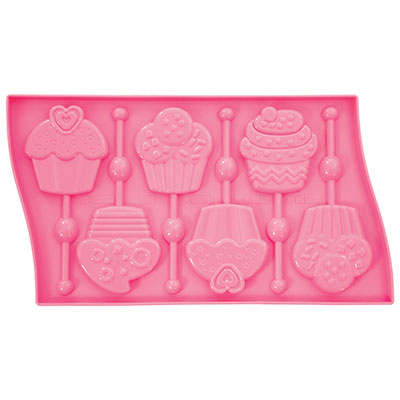 Your price for this item is $29.99
 -
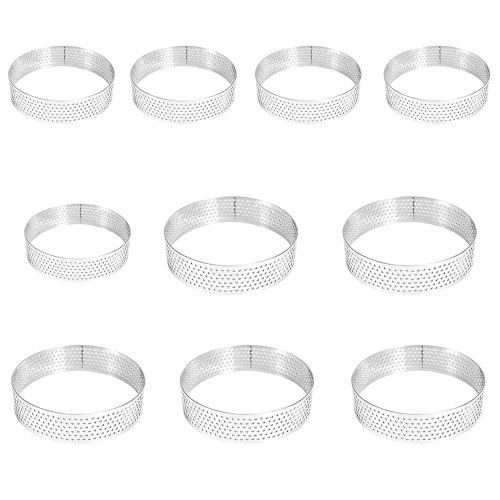 Your price for this item is $32.77
 -
 Your price for this item is $26.77
 -
 Your price for this item is $31.7
 -
 Your price for this item is $20.89
 -
 Your price for this item is $30
 -
 Your price for this item is $33.04
 -
 Your price for this item is $33.54
Discover more categories related to 3d Molds


Top Collections:
Pokemon Centers, Kindle Devices, Best Budget Office Chairs, Apple iPhones 16, Best Laptops for Writers, iPhone 15 Apple, Canon G7X Cameras, Refurbished Apple Laptops, Alarm Clock, Motorola Razr Phones
Some products may be subject to Environmental Handling Fees
(EHF) depending on your province.
Learn more about EHFs.