4-Tier Shelving Units
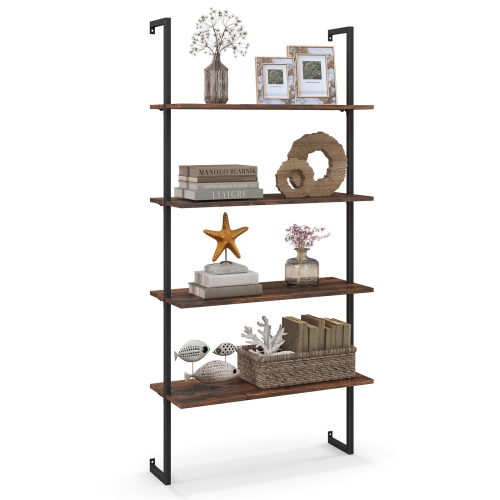
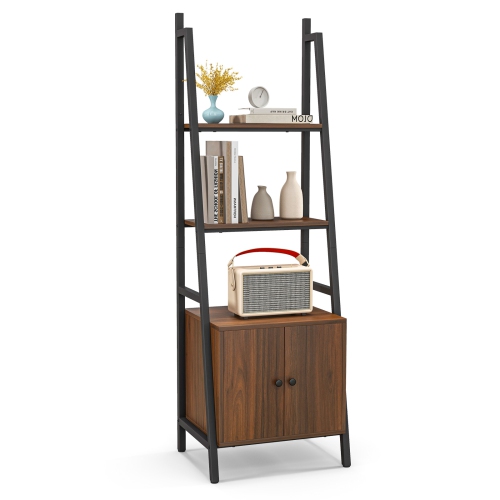
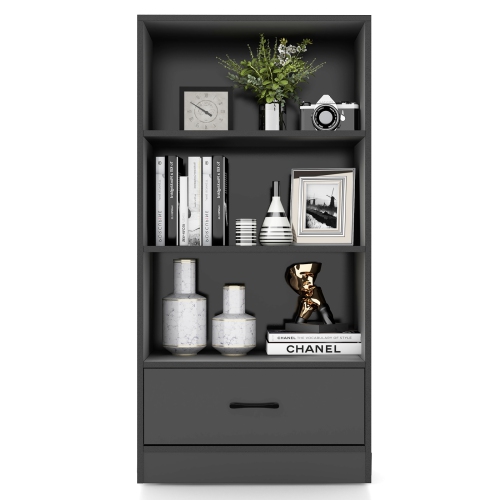
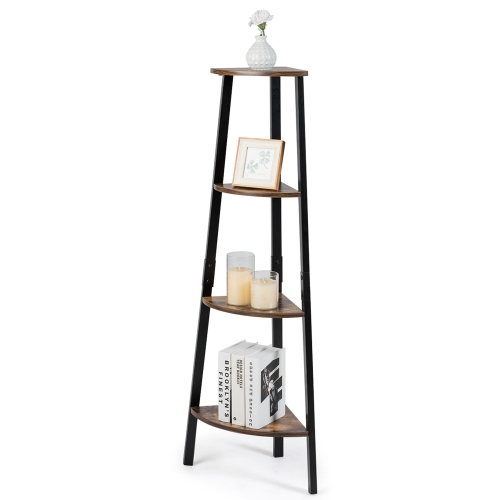
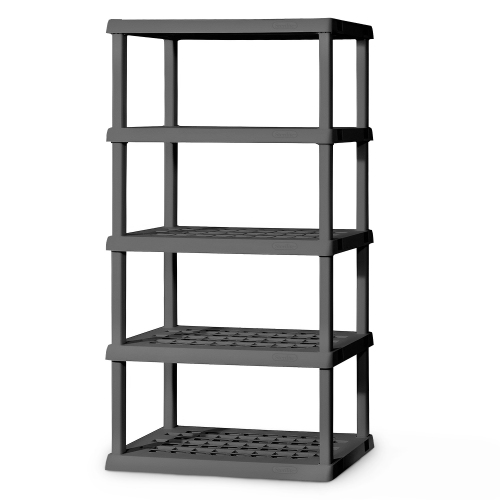
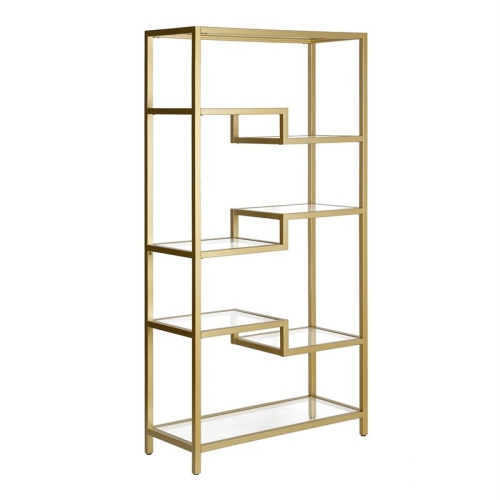
Organize your space efficiently with our versatile 4-tier shelving unit. Perfect for decluttering almost any room in your home, this shelving unit offers ample storage space for displaying decor, storing essentials, or keeping your belongings neatly arranged. With its sturdy construction and sleek design, this shelving unit is a practical and stylish solution to keep your living space tidy and organized.
Sort




A practical guide to materials, capacities, and room-by-room storage
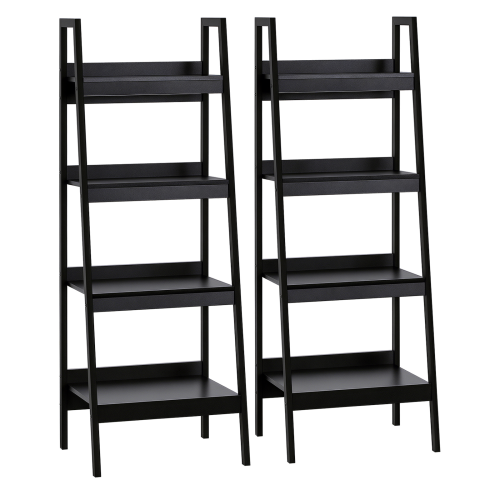
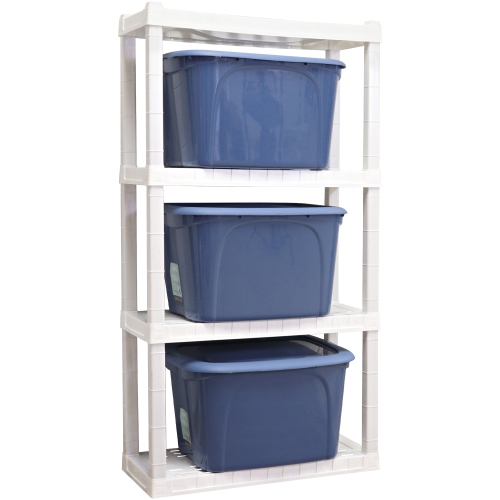
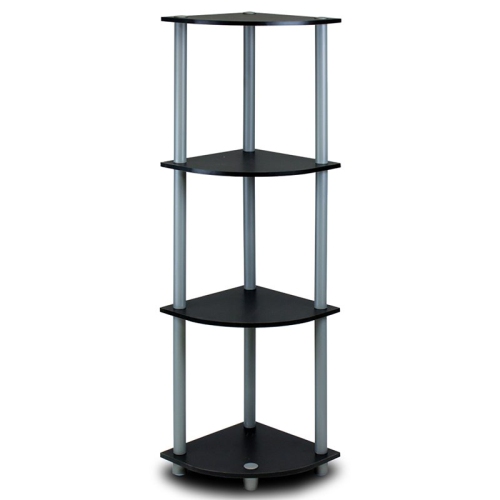
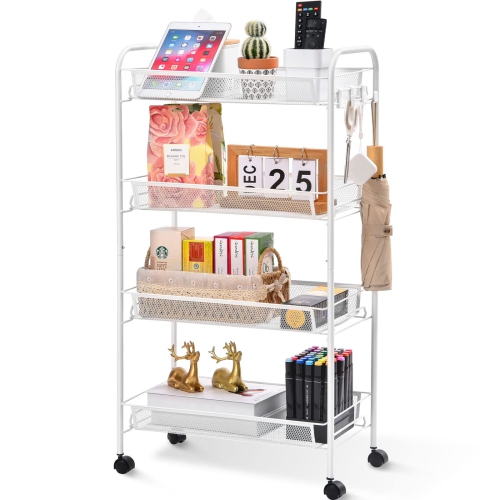
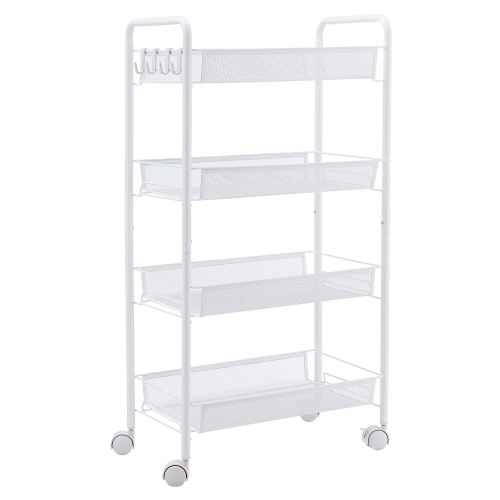
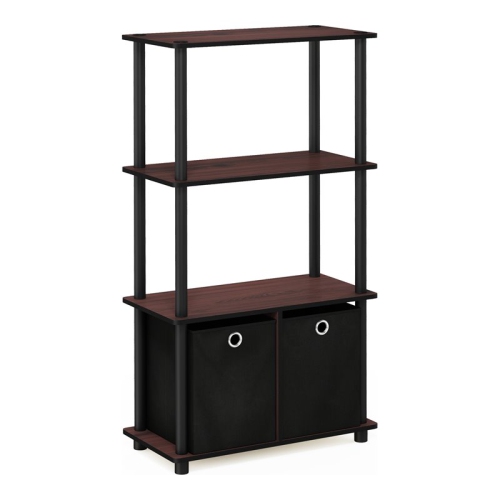
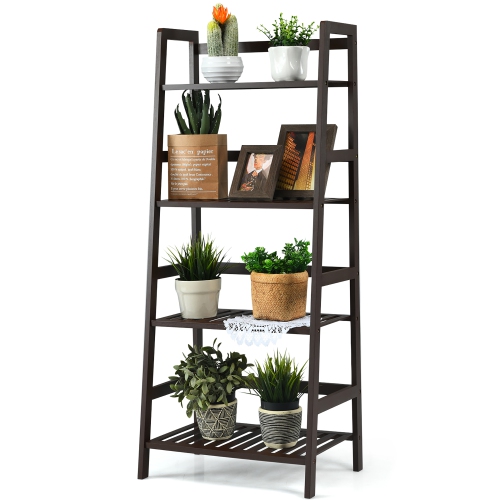
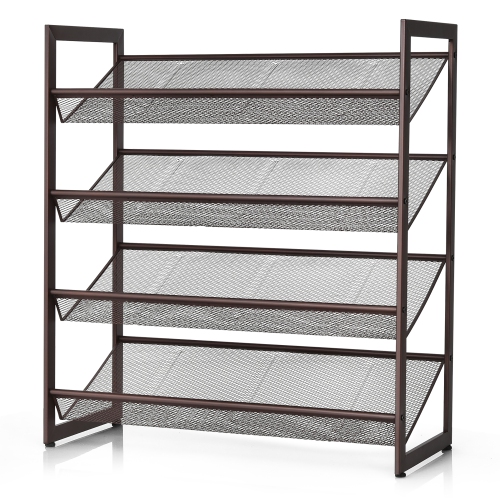
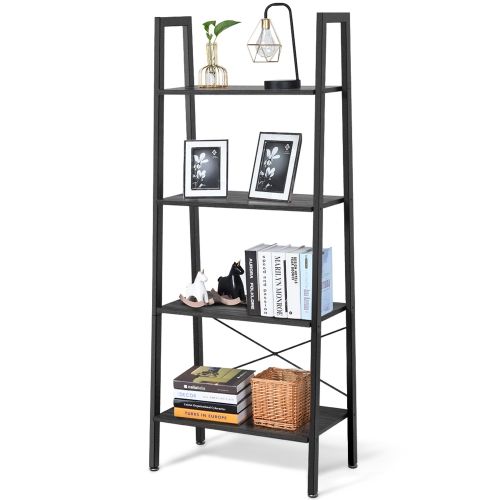
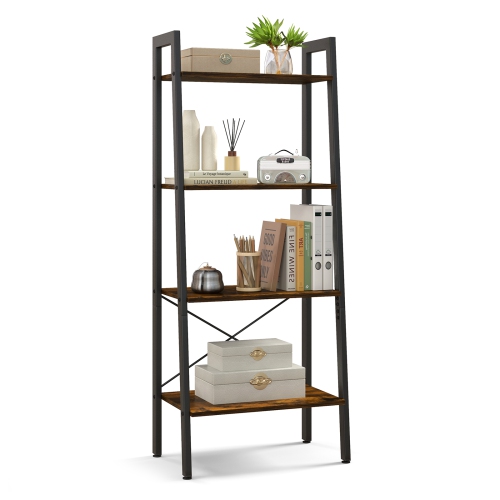
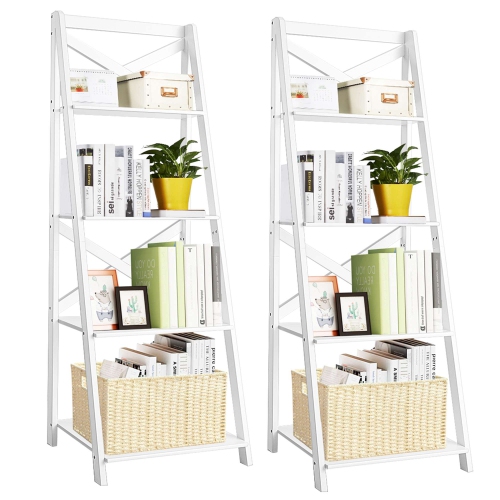
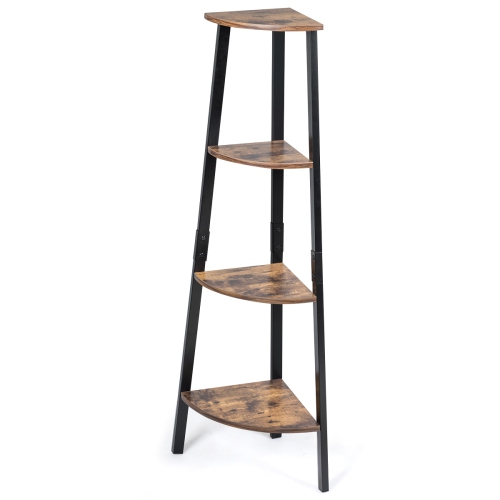
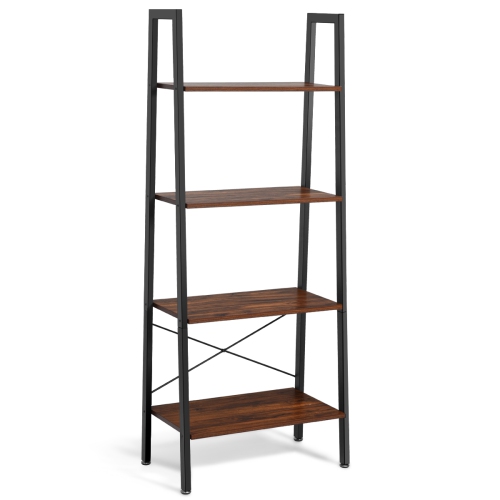
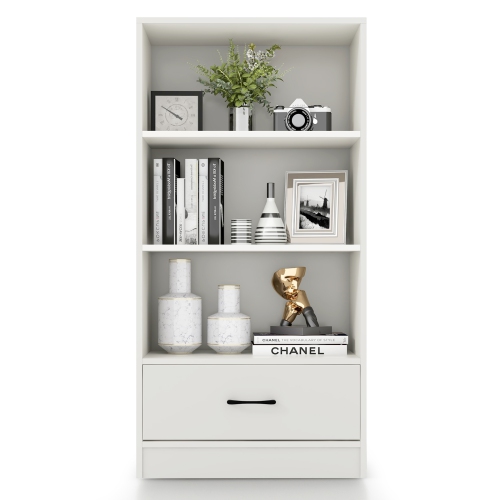
A 4-tier shelving unit is a practical way to add four levels of vertical storage without taking up the floor space of several separate cabinets or bins. With a typical footprint of roughly 36 to 40 inches wide, 14 to 20 inches deep, and 54 to 60 inches tall, these shelves can fit along a garage wall, beside a laundry area, inside a pantry, or in a home office while keeping frequently used items visible and within reach. The open design makes it easy to see what is stored on each level, which can be especially useful for household supplies, small appliances, books, folded linens, tools, craft materials, or pantry containers. Browse the selection of 4-Tier Storage Shelves to compare styles suited to different rooms and storage needs. Wire shelving is a popular choice for utility areas because its ventilated surface helps air circulate around stored items and its open frame is easy to wipe clean. Steel wire racks may include adjustable shelves that can be repositioned in small increments, often around 1 inch, so taller objects can be accommodated without sacrificing an entire level. Some use a slip-sleeve assembly system that requires little or no hardware, while others include fasteners or brackets for added stability. Solid wood shelves offer a warmer appearance for living rooms, bedrooms, entryways, and offices, and can hold baskets, décor, plants, or everyday accessories. Resin and plastic shelving can be lightweight and convenient for closets, basements, laundry rooms, and other areas where simple, low-maintenance storage is the priority. The best material depends on the surroundings, the appearance you want, and the type of items that will be placed on each tier.
Capacity is one of the most important details to check before choosing a 4-tier shelving unit. Light-duty shelves may be suitable for clothing, towels, toys, office supplies, or packaged food, while heavy-duty steel models are designed for denser loads such as tools, paint cans, small appliances, storage totes, and automotive equipment. Weight ratings can range from about 100 pounds per shelf for lighter utility designs to 600 pounds or more per shelf for industrial-style construction, but ratings are not always presented in the same way. Some manufacturers list the maximum capacity when the weight is evenly distributed, while others specify a total capacity for the complete unit. Always check whether the stated limit applies per shelf or to the entire rack, and allow for a safety margin rather than loading every level to its maximum. A shelf may support a substantial amount of weight overall but still be less suitable for concentrated loads, such as a single heavy toolbox placed in the centre. Consider the shelf surface as well. Wire grids work well for bins and containers, but small items may need a liner or tray to prevent them from tipping through the openings. Solid shelves provide a continuous surface for books, jars, folded garments, and compact equipment. Raised edges, reinforced frames, cross braces, and wall-anchoring hardware can also improve stability, particularly in homes with children, pets, or busy walkways. For a garage or workshop, a powder-coated steel frame can offer a durable finish for regular use, while a wood unit may blend more naturally with existing furniture. Dimensions matter just as much as capacity: measure the available width, depth, and ceiling clearance, and leave enough room to assemble the unit and remove items comfortably. A tall rack placed in a narrow passage can make the area feel crowded, even if it fits on paper.
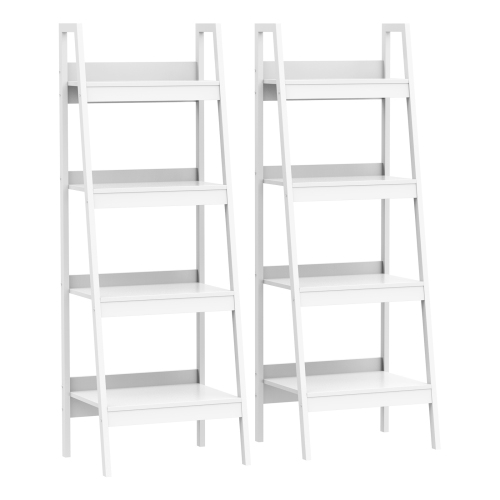
Four-tier shelving units can serve very different purposes depending on how each level is organized. In a pantry, matching containers can group dry ingredients by category, leaving the lower tier for heavier stock and the upper levels for lighter, less frequently used supplies. In a laundry room, shelves can separate detergent, stain treatments, towels, and cleaning cloths, with a basket on one tier to collect items that need attention. In an entryway, a four-level design can hold footwear, bags, hats, keys, and seasonal accessories without requiring a large storage cabinet. In a bedroom or dressing area, fabric bins can turn open shelves into a tidy wardrobe extension for sweaters, linens, or accessories. During the warmer seasons, a shelving unit can help organize gardening supplies, sports equipment, or outdoor dining items; during the cooler months, it can provide a home for blankets, boots, winter accessories, and indoor activity supplies. A home office user might reserve one shelf for paper and stationery, one for electronics accessories, one for reference materials, and one for archive boxes. In a creative space, clear containers make it easier to spot yarn, art supplies, hand tools, or project components without opening multiple drawers. Some heavy-duty units can be divided into two shorter racks, creating flexibility for separate rooms or lower storage beneath windows and work surfaces. Caster wheels can make a fully loaded rack easier to reposition, while locking brakes help keep it steady once it is in place; levelling feet are useful on uneven basement or garage floors. These features can also make a shelving unit a thoughtful housewarming gift for someone setting up a first home, workshop, study, or apartment, provided the recipient has enough space and a clear storage need. Before assembly, sort the items intended for each tier and place the heaviest loads on the lowest level to lower the centre of gravity. Keep frequently reached items between waist and shoulder height, and use labels or uniform bins to create a more orderly arrangement. With the right combination of material, dimensions, weight capacity, and accessories, a 4-tier shelving unit can turn an underused wall into dependable storage that remains useful in many areas of the home.
Capacity is one of the most important details to check before choosing a 4-tier shelving unit. Light-duty shelves may be suitable for clothing, towels, toys, office supplies, or packaged food, while heavy-duty steel models are designed for denser loads such as tools, paint cans, small appliances, storage totes, and automotive equipment. Weight ratings can range from about 100 pounds per shelf for lighter utility designs to 600 pounds or more per shelf for industrial-style construction, but ratings are not always presented in the same way. Some manufacturers list the maximum capacity when the weight is evenly distributed, while others specify a total capacity for the complete unit. Always check whether the stated limit applies per shelf or to the entire rack, and allow for a safety margin rather than loading every level to its maximum. A shelf may support a substantial amount of weight overall but still be less suitable for concentrated loads, such as a single heavy toolbox placed in the centre. Consider the shelf surface as well. Wire grids work well for bins and containers, but small items may need a liner or tray to prevent them from tipping through the openings. Solid shelves provide a continuous surface for books, jars, folded garments, and compact equipment. Raised edges, reinforced frames, cross braces, and wall-anchoring hardware can also improve stability, particularly in homes with children, pets, or busy walkways. For a garage or workshop, a powder-coated steel frame can offer a durable finish for regular use, while a wood unit may blend more naturally with existing furniture. Dimensions matter just as much as capacity: measure the available width, depth, and ceiling clearance, and leave enough room to assemble the unit and remove items comfortably. A tall rack placed in a narrow passage can make the area feel crowded, even if it fits on paper.
Four-tier shelving units can serve very different purposes depending on how each level is organized. In a pantry, matching containers can group dry ingredients by category, leaving the lower tier for heavier stock and the upper levels for lighter, less frequently used supplies. In a laundry room, shelves can separate detergent, stain treatments, towels, and cleaning cloths, with a basket on one tier to collect items that need attention. In an entryway, a four-level design can hold footwear, bags, hats, keys, and seasonal accessories without requiring a large storage cabinet. In a bedroom or dressing area, fabric bins can turn open shelves into a tidy wardrobe extension for sweaters, linens, or accessories. During the warmer seasons, a shelving unit can help organize gardening supplies, sports equipment, or outdoor dining items; during the cooler months, it can provide a home for blankets, boots, winter accessories, and indoor activity supplies. A home office user might reserve one shelf for paper and stationery, one for electronics accessories, one for reference materials, and one for archive boxes. In a creative space, clear containers make it easier to spot yarn, art supplies, hand tools, or project components without opening multiple drawers. Some heavy-duty units can be divided into two shorter racks, creating flexibility for separate rooms or lower storage beneath windows and work surfaces. Caster wheels can make a fully loaded rack easier to reposition, while locking brakes help keep it steady once it is in place; levelling feet are useful on uneven basement or garage floors. These features can also make a shelving unit a thoughtful housewarming gift for someone setting up a first home, workshop, study, or apartment, provided the recipient has enough space and a clear storage need. Before assembly, sort the items intended for each tier and place the heaviest loads on the lowest level to lower the centre of gravity. Keep frequently reached items between waist and shoulder height, and use labels or uniform bins to create a more orderly arrangement. With the right combination of material, dimensions, weight capacity, and accessories, a 4-tier shelving unit can turn an underused wall into dependable storage that remains useful in many areas of the home.
Top selling and popular products
-
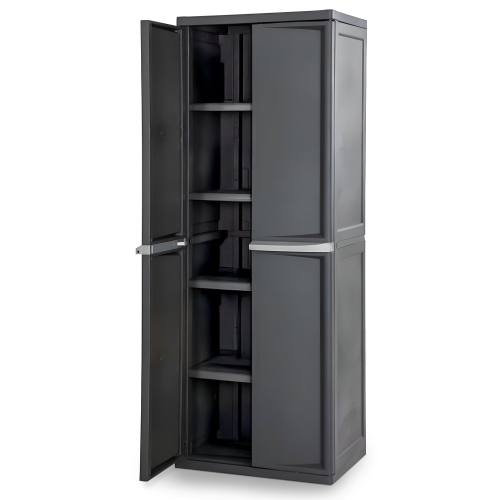 Your price for this item is $772.99
 -
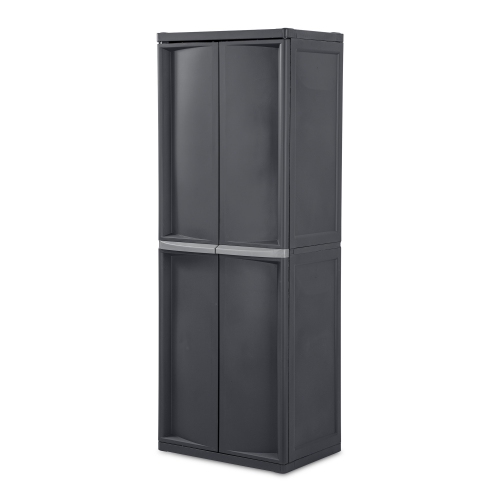 Your price for this item is $1522.99
 -
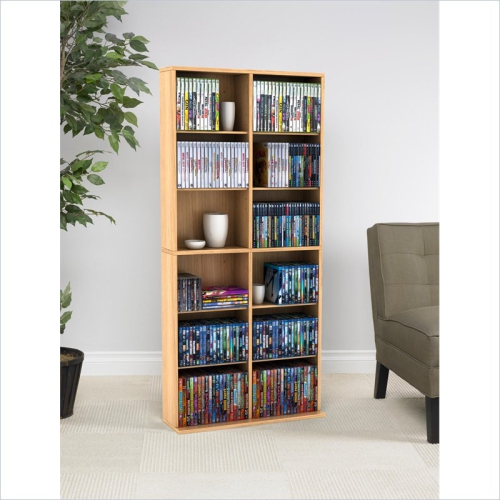 Your price for this item is $234.68
 -
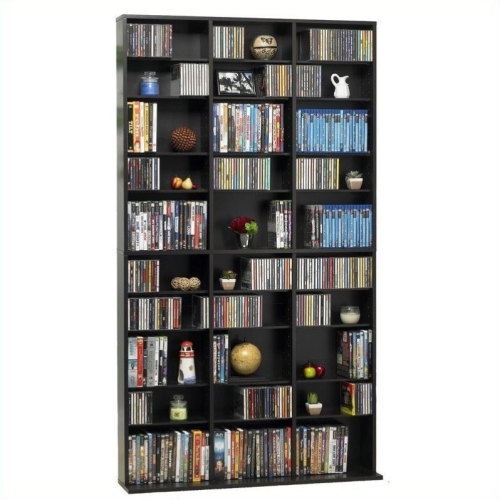 Your price for this item is $365.38
 -
 Your price for this item is $468.99
 -
 Your price for this item is $295.84
 -
 Your price for this item is $999.77
 -
 Your price for this item is $998.43
Discover more categories related to 4-Tier Shelving Units
Top Collections:
Pokemon Centers, Kindle Devices, Best Budget Office Chairs, Apple iPhones 16, Best Laptops for Writers, iPhone 15 Apple, Canon G7X Cameras, Refurbished Apple Laptops, Alarm Clock, Motorola Razr Phones
Some products may be subject to Environmental Handling Fees
(EHF) depending on your province.
Learn more about EHFs.