Acacia Benches
Looking to add a touch of natural beauty and functionality to your home? Acacia benches are the perfect addition. Crafted from solid acacia wood, these benches are both stylish and durable. They offer a unique look that can be used as a statement piece in the entryway or as a seating option at the dining table. Here are some great options available.
Sort
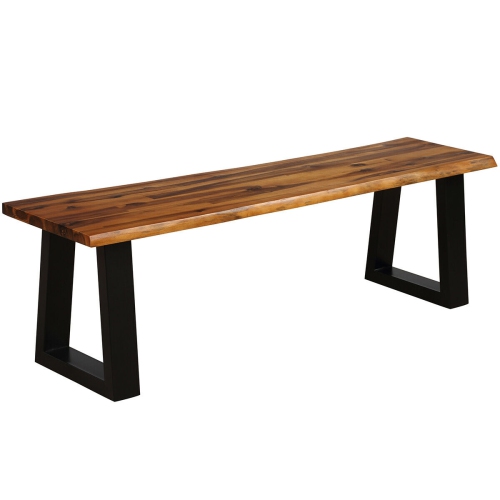
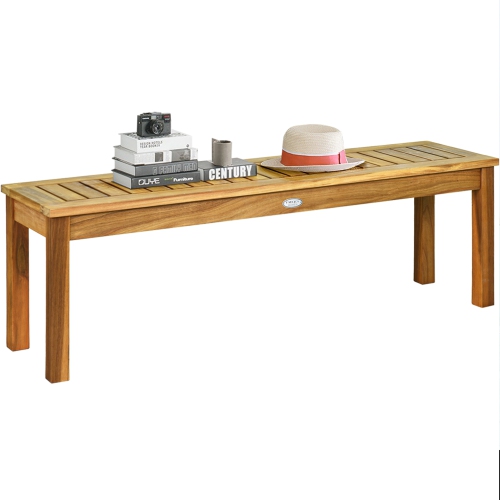
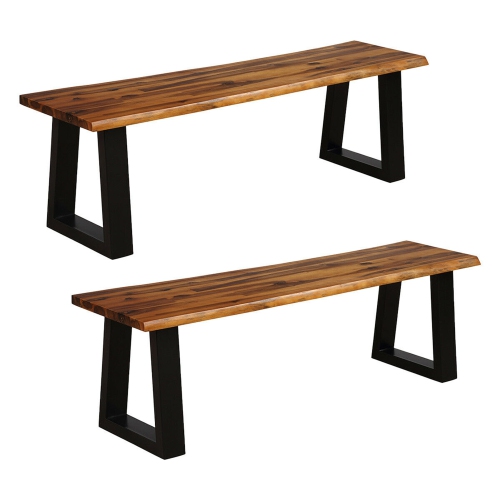
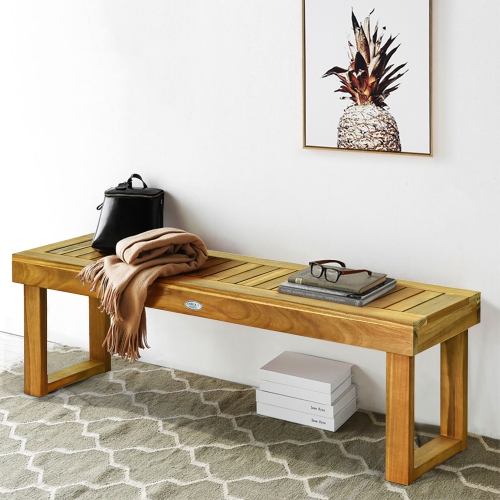
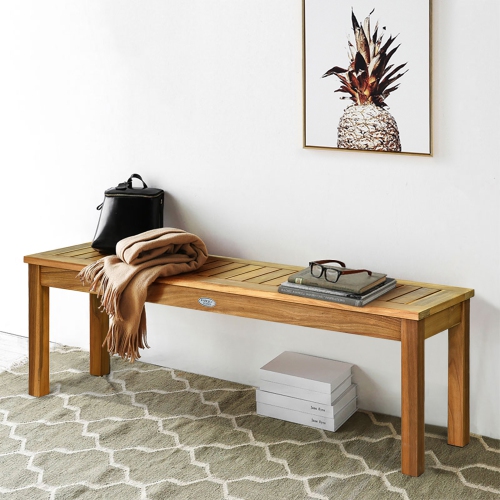
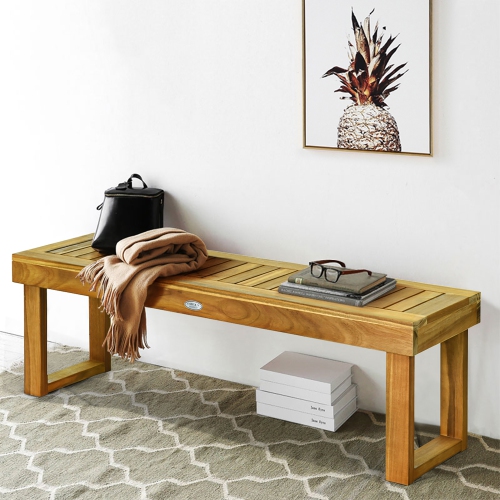
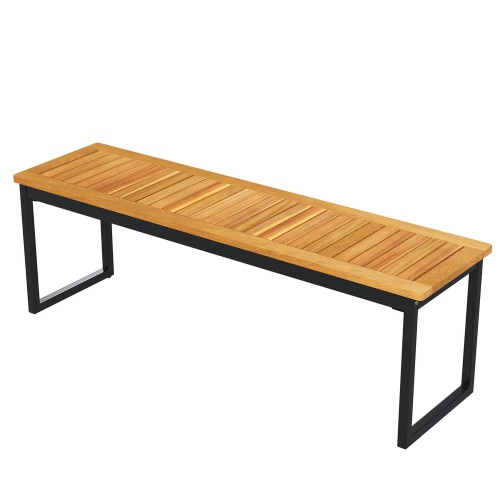
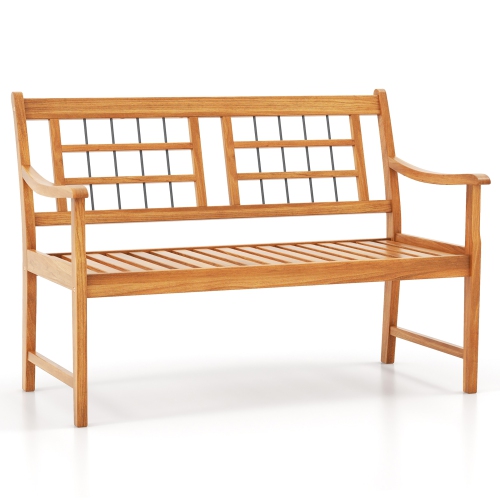

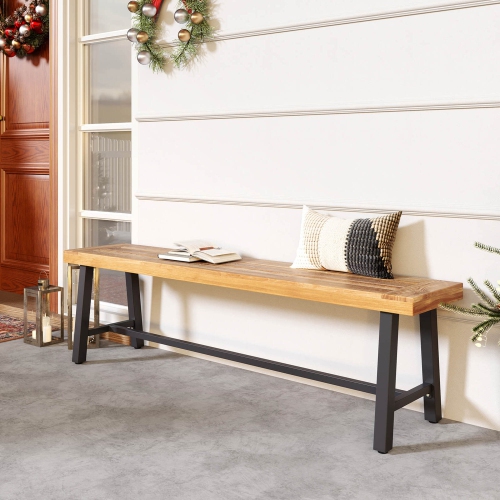
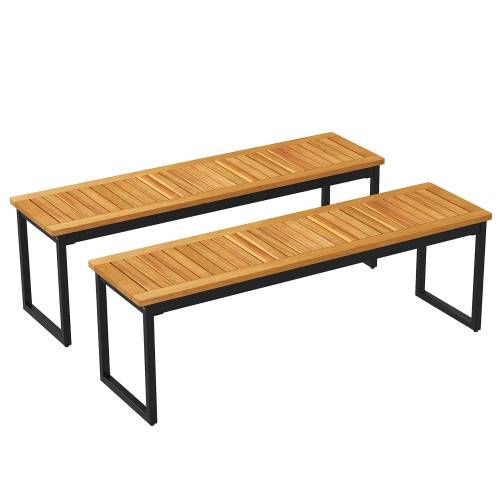
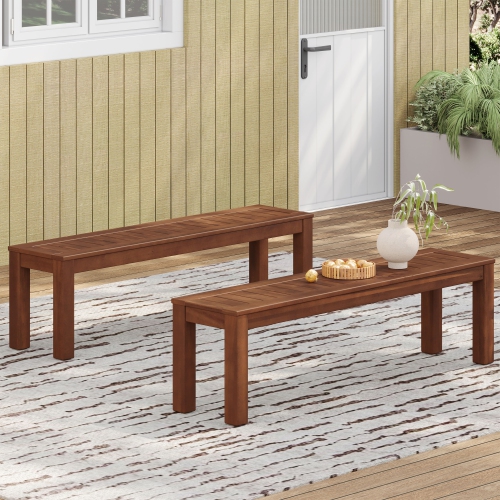

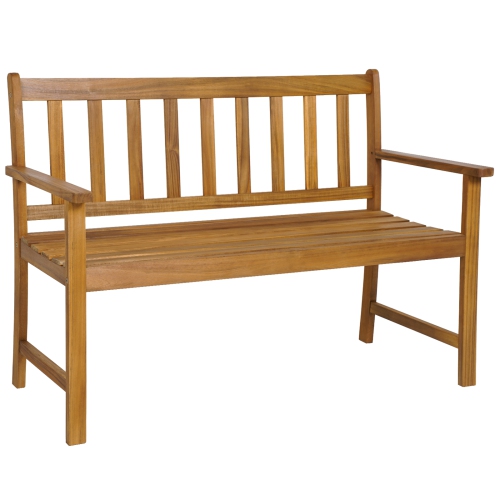
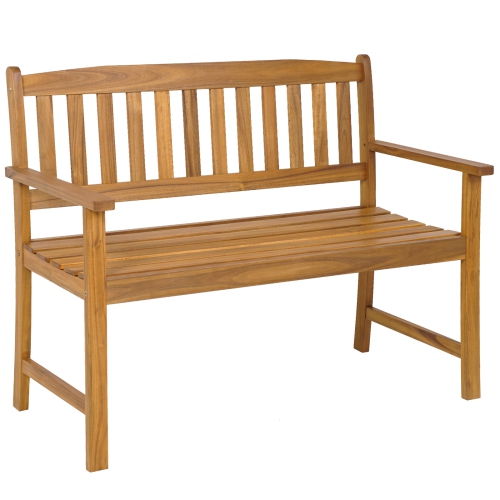

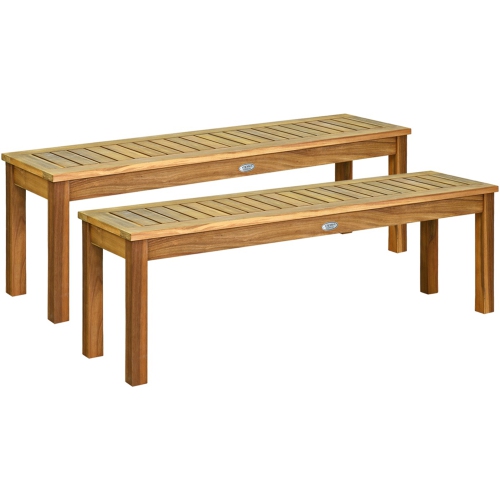
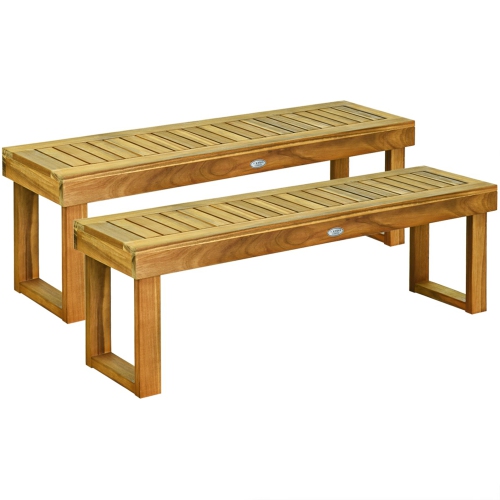
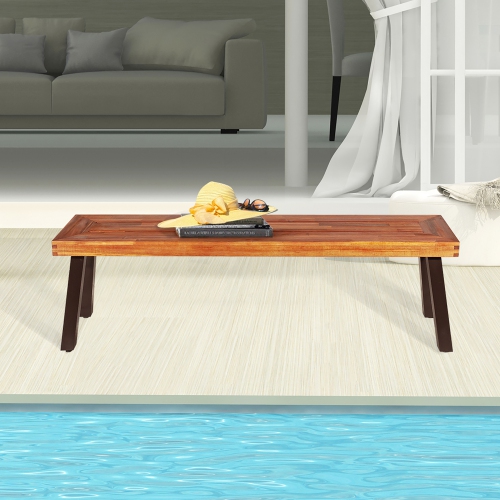
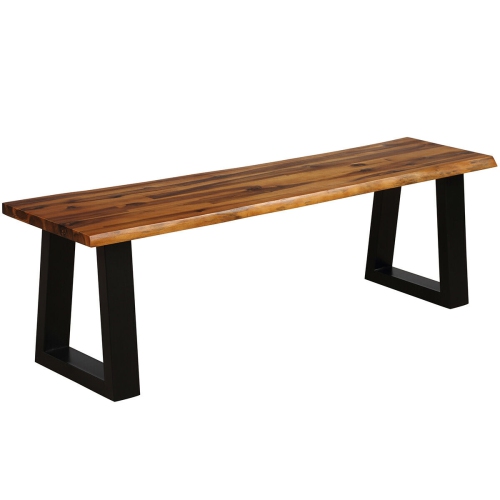
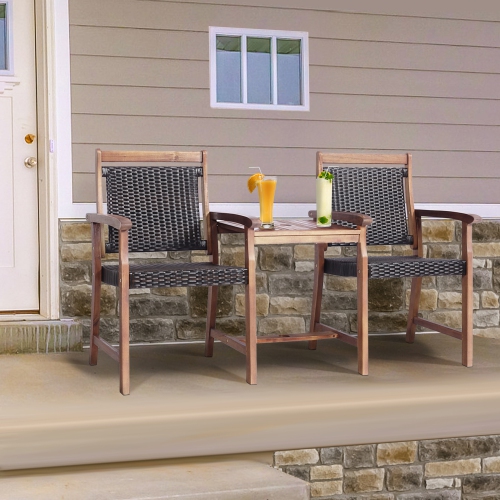

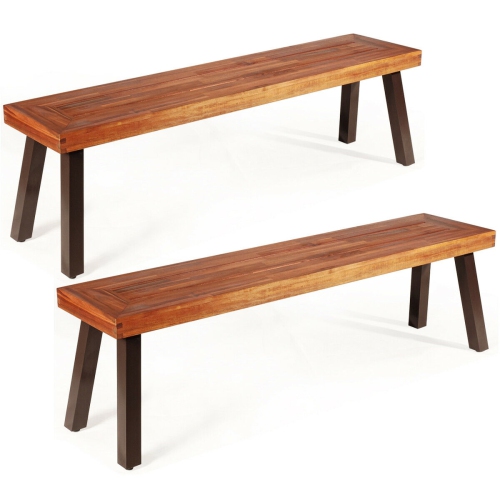
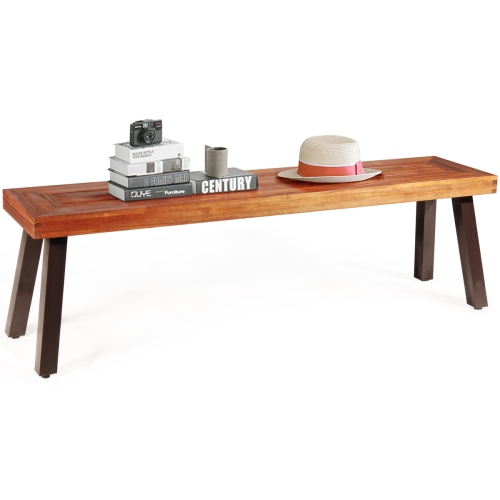
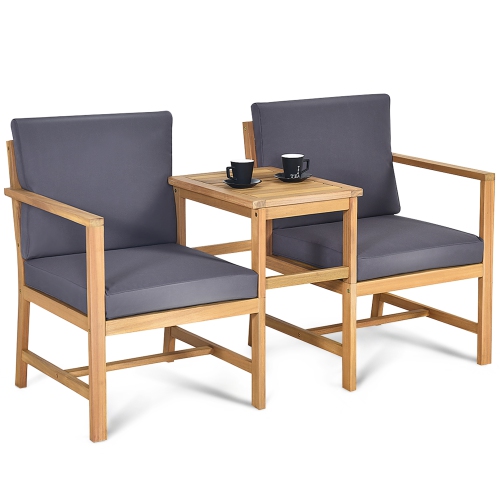
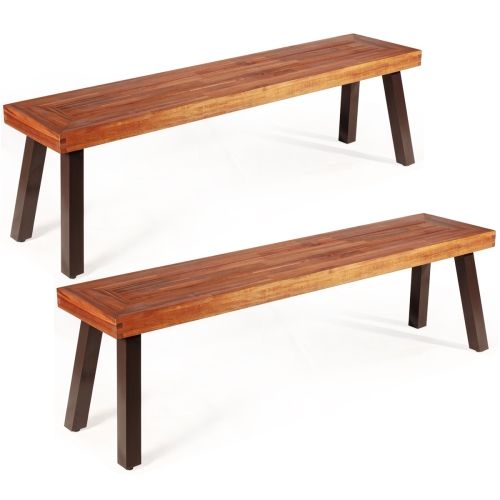
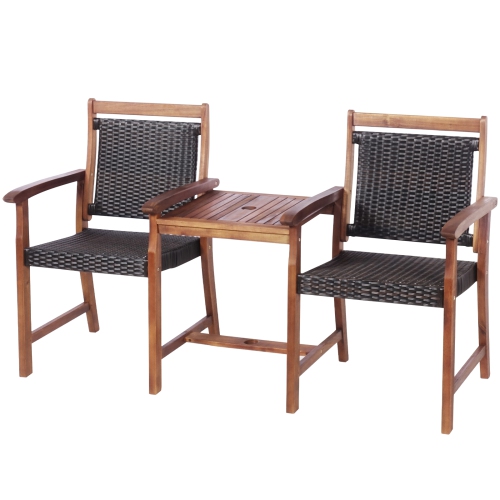
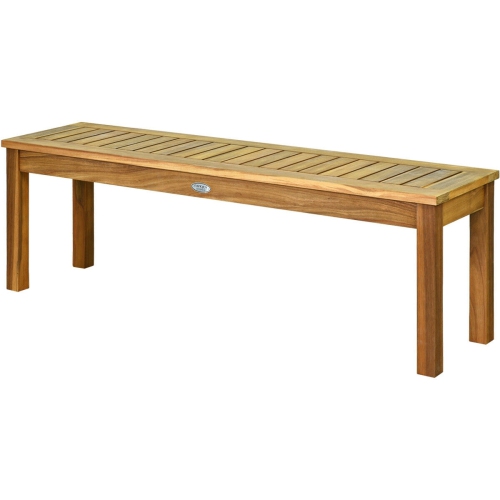
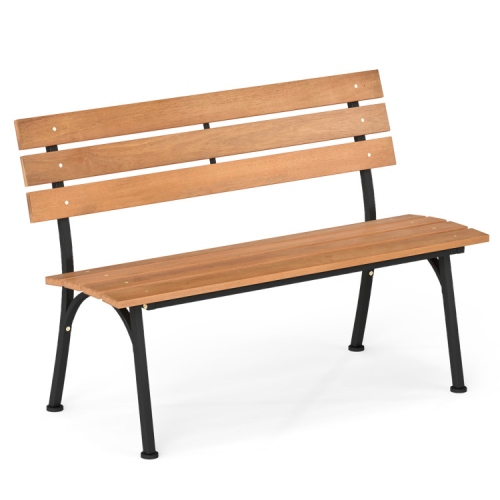

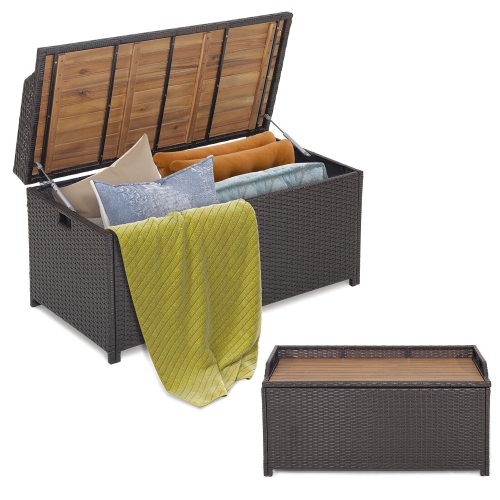
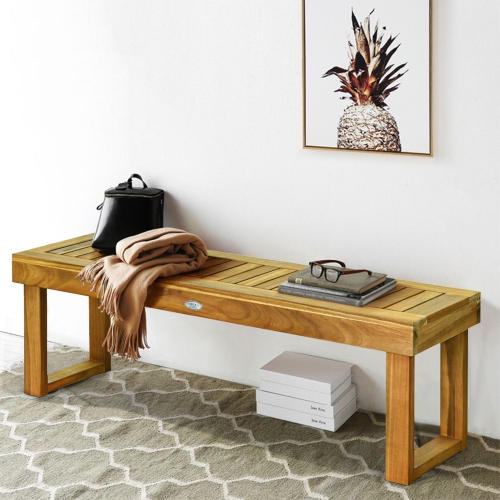
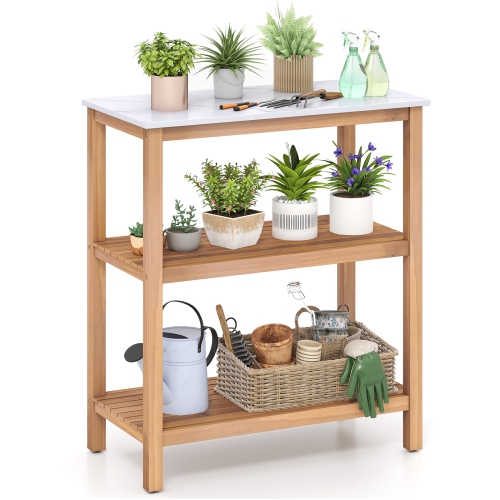
Rich acacia grain gives everyday seating its own character
Acacia benches are wood seating pieces valued for their dense hardwood construction, distinctive grain, and suitability for a range of indoor and outdoor spaces. Depending on the design and finish, an acacia bench can provide seating beside a dining table, a place to put on shoes in an entryway, or a comfortable spot to pause on a patio. The wood often displays a mix of golden, reddish, and deep brown tones, with grain patterns that give each surface its own character. These variations are part of the appeal: a broad seat can reveal flowing lines and contrasting shades that remain visible through a clear finish. Acacia is generally hard and durable, making it a practical material for furniture that sees regular use, although its surface can still scratch, dent, or stain. Its natural moisture resistance is useful in outdoor furniture, but it does not make every acacia bench waterproof or suitable for exposure outdoors. Construction, protective finish, hardware, and the manufacturer’s intended use all matter. A bench made for an indoor dining room should not be treated as patio furniture simply because it contains acacia. Solid acacia and acacia veneer also serve different purposes. Solid wood brings grain through the thickness of the component and may allow refinishing, depending on its construction and finish; veneer provides a thin layer of real wood over another material and requires care that respects that surface. Some benches combine an acacia seat with metal legs, while others use wood throughout for a more unified appearance. Straight edges and slim supports can feel understated, while thicker legs and a substantial seat create a more grounded look. Slatted seats bring a different texture from continuous wood surfaces and are common in outdoor designs. Beyond appearance, the most useful distinction is how a bench fits into daily life: shared seating for meals, a convenient landing place near the front door, or a dedicated seat in an outdoor gathering area.
The right fit involves more than finding a bench that matches the length of an open wall. In a dining area, seat height needs to work with the tabletop and any apron beneath it so that people can sit without their thighs pressing against the underside. If the bench will tuck under the table, the space between the table legs is more important than the tabletop’s overall length. Bench legs, arms, and backrests can also affect how far the seat slides in. A backless design often keeps sightlines open and can be approached from either side, which is useful around an open-plan dining space. A bench with a back offers more support for sitting through a meal or conversation, while armrests can provide a place to rest the arms but may limit access from the ends. Seat depth, edge shape, and the position of the legs influence comfort just as much as the overall silhouette. A gently rounded front edge may feel more comfortable behind the knees than a sharply squared one, especially without a cushion. Seating capacity should be based on usable seat width and the manufacturer’s stated limits rather than appearance alone; a wide bench is not automatically designed for several adults. In an entryway, enough clear floor space should remain for an open door, passing foot traffic, and someone leaning forward to tie their shoes. A lower shelf can help keep footwear together, provided it does not intrude on foot placement or become a tripping obstacle. At the foot of a bed, a bench can offer a place to sit while dressing, but its depth should leave a comfortable route around the room. For households where furniture gets moved frequently, weight is another practical consideration. Dense wood can make a bench substantial to lift, particularly in longer designs. Cushions can soften a firm seat and introduce colour, but their dimensions, fastening method, and care requirements should suit the bench. For outdoor seating, both the bench and any cushion need to be intended for that use.
Care and construction play a large part in how an acacia bench looks and feels over time. Well-fitted joints, stable legs, appropriate fasteners, and a smooth finish are useful details to assess alongside the wood itself. Once assembled, the bench should sit securely on a level surface without rocking, and hardware should be checked as directed by the manufacturer. Lifting rather than dragging helps protect joints, feet, and flooring; suitable furniture pads can reduce marking on indoor floors. For routine cleaning, a soft cloth and a mild cleaning solution approved for the finish are generally preferable to abrasive pads or harsh chemicals. Wipe up spills promptly, avoid leaving the surface wet, and keep cleaning methods consistent with the care instructions. A sealed dining bench may need different treatment from an oiled outdoor bench, so applying oil or varnish without checking compatibility can create an uneven or sticky surface. Acacia used outdoors can gradually change colour, and exposure to sunlight and moisture may affect both the wood and its finish. Some owners appreciate a more muted, aged appearance, while others prefer to maintain the original tone with the treatment specified for their furniture. Neither approach removes the need to inspect for rough areas, loose fittings, or finish wear. Slatted outdoor seats can help water drain, but the joints and spaces between boards still need to stay clear of debris. Where a cover is recommended, a suitable breathable cover and a dry surface underneath help avoid trapping moisture. Benches also work well as part of a coordinated outdoor seating arrangement, with acacia outdoor furniture offering a related material palette for tables and other seating. Exact wood tones need not match, since natural grain and finish can vary, but similar proportions and complementary shapes help pieces feel connected. Whether used for family meals, welcoming visitors, or taking a quiet break outside, an acacia bench is most useful when its dimensions, support, finish, and maintenance needs suit the people and space it serves.
The right fit involves more than finding a bench that matches the length of an open wall. In a dining area, seat height needs to work with the tabletop and any apron beneath it so that people can sit without their thighs pressing against the underside. If the bench will tuck under the table, the space between the table legs is more important than the tabletop’s overall length. Bench legs, arms, and backrests can also affect how far the seat slides in. A backless design often keeps sightlines open and can be approached from either side, which is useful around an open-plan dining space. A bench with a back offers more support for sitting through a meal or conversation, while armrests can provide a place to rest the arms but may limit access from the ends. Seat depth, edge shape, and the position of the legs influence comfort just as much as the overall silhouette. A gently rounded front edge may feel more comfortable behind the knees than a sharply squared one, especially without a cushion. Seating capacity should be based on usable seat width and the manufacturer’s stated limits rather than appearance alone; a wide bench is not automatically designed for several adults. In an entryway, enough clear floor space should remain for an open door, passing foot traffic, and someone leaning forward to tie their shoes. A lower shelf can help keep footwear together, provided it does not intrude on foot placement or become a tripping obstacle. At the foot of a bed, a bench can offer a place to sit while dressing, but its depth should leave a comfortable route around the room. For households where furniture gets moved frequently, weight is another practical consideration. Dense wood can make a bench substantial to lift, particularly in longer designs. Cushions can soften a firm seat and introduce colour, but their dimensions, fastening method, and care requirements should suit the bench. For outdoor seating, both the bench and any cushion need to be intended for that use.
Care and construction play a large part in how an acacia bench looks and feels over time. Well-fitted joints, stable legs, appropriate fasteners, and a smooth finish are useful details to assess alongside the wood itself. Once assembled, the bench should sit securely on a level surface without rocking, and hardware should be checked as directed by the manufacturer. Lifting rather than dragging helps protect joints, feet, and flooring; suitable furniture pads can reduce marking on indoor floors. For routine cleaning, a soft cloth and a mild cleaning solution approved for the finish are generally preferable to abrasive pads or harsh chemicals. Wipe up spills promptly, avoid leaving the surface wet, and keep cleaning methods consistent with the care instructions. A sealed dining bench may need different treatment from an oiled outdoor bench, so applying oil or varnish without checking compatibility can create an uneven or sticky surface. Acacia used outdoors can gradually change colour, and exposure to sunlight and moisture may affect both the wood and its finish. Some owners appreciate a more muted, aged appearance, while others prefer to maintain the original tone with the treatment specified for their furniture. Neither approach removes the need to inspect for rough areas, loose fittings, or finish wear. Slatted outdoor seats can help water drain, but the joints and spaces between boards still need to stay clear of debris. Where a cover is recommended, a suitable breathable cover and a dry surface underneath help avoid trapping moisture. Benches also work well as part of a coordinated outdoor seating arrangement, with acacia outdoor furniture offering a related material palette for tables and other seating. Exact wood tones need not match, since natural grain and finish can vary, but similar proportions and complementary shapes help pieces feel connected. Whether used for family meals, welcoming visitors, or taking a quiet break outside, an acacia bench is most useful when its dimensions, support, finish, and maintenance needs suit the people and space it serves.
Top selling and popular products
-
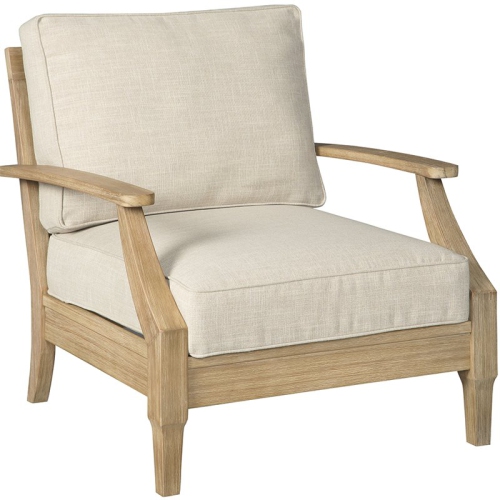 Your price for this item is $1228.64
 -
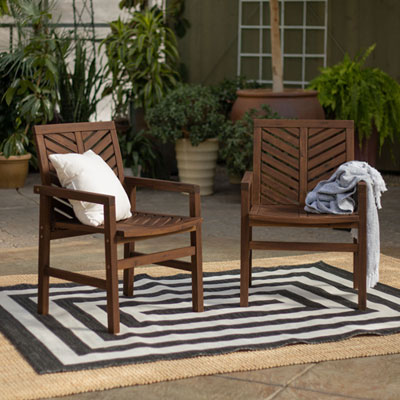 Your price for this item is $604.99
 -
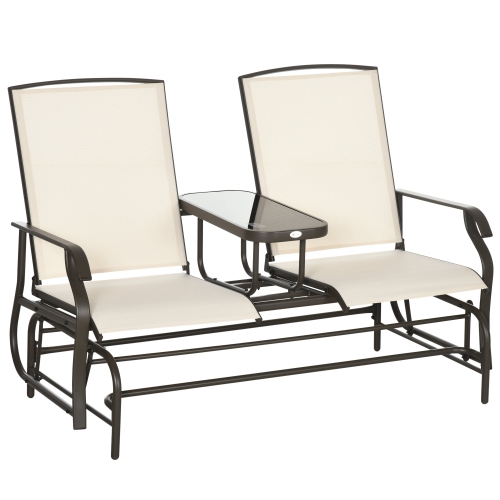 Your price for this item is $189.99
 -
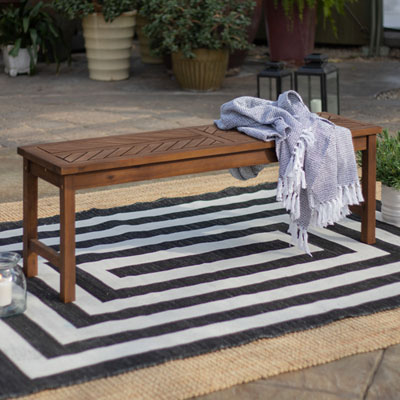 Your price for this item is $371.99
 -
 Your price for this item is $204.99
 -
 Your price for this item is $461.99
 -
 Your price for this item is $170.99
 -
 Your price for this item is $240.99
Discover more categories related to Acacia Benches
Top Collections:
Pokemon Centers, Kindle Devices, Best Budget Office Chairs, Apple iPhones 16, Canon G7X Cameras, iPhone 15 Apple, Alarm Clock, Refurbished Apple Laptops, Flip Phones, Best Laptops for Writers
Some products may be subject to Environmental Handling Fees
(EHF) depending on your province.
Learn more about EHFs.