Accent Chairs for Office
Enhance your workspace with style and comfort by exploring this selection of accent chairs designed specifically for the office. Whether you're looking to add a pop of color, a touch of sophistication, or simply a cozy seating option, our range of office accent chairs offers both functionality and aesthetics. From sleek modern designs to classic and timeless pieces, find the perfect chair that not only complements your office decor but also provides the support you need during those long work hours.
Sort
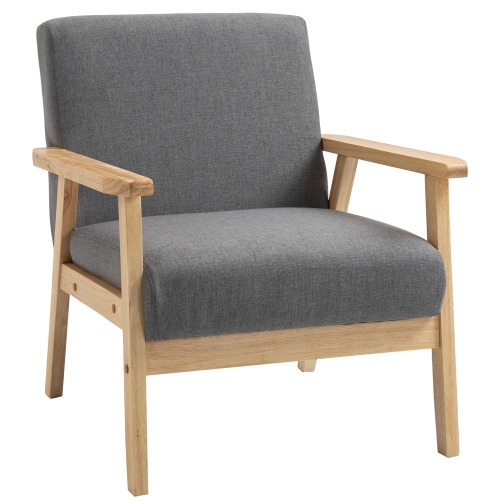

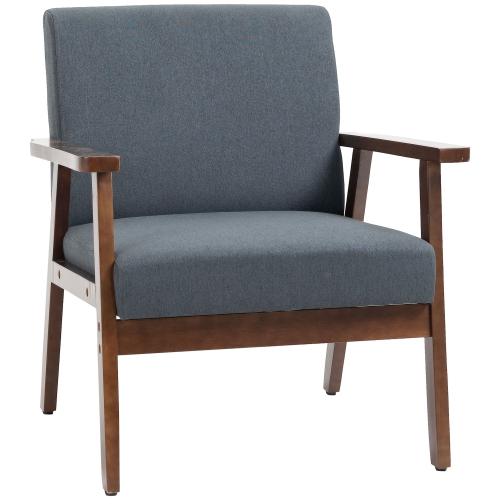
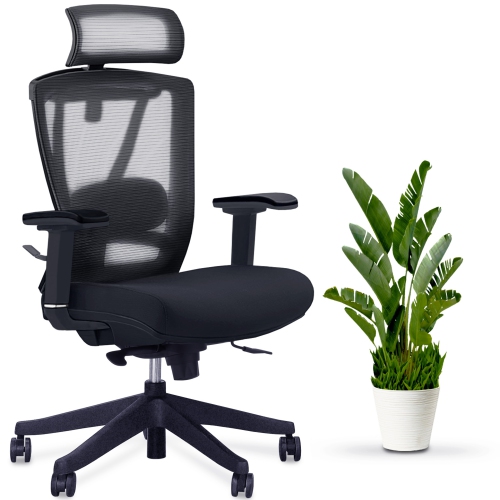
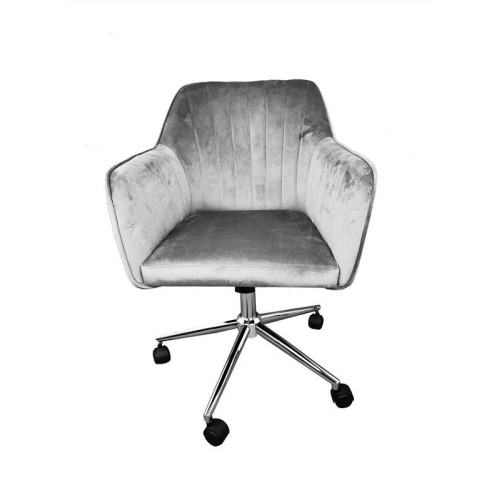
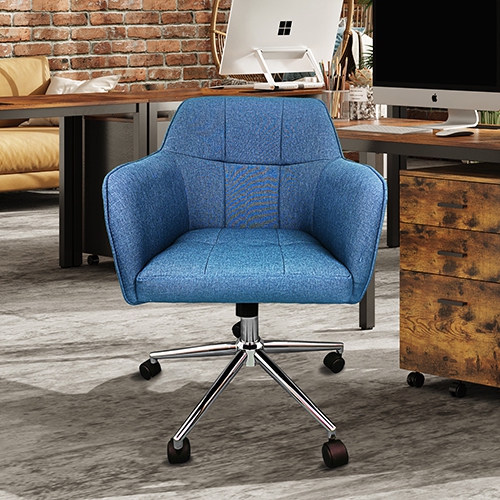
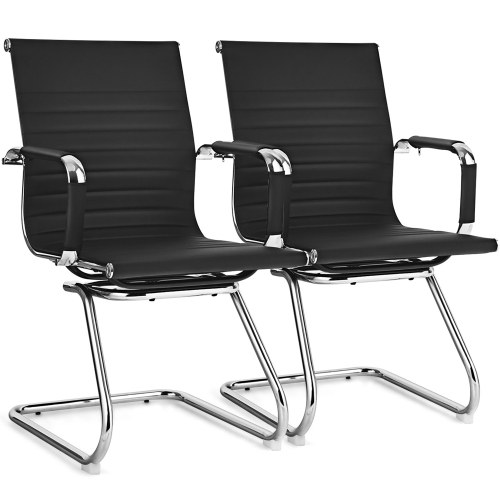
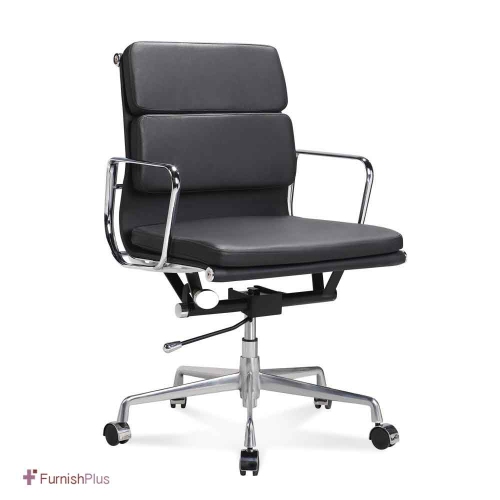
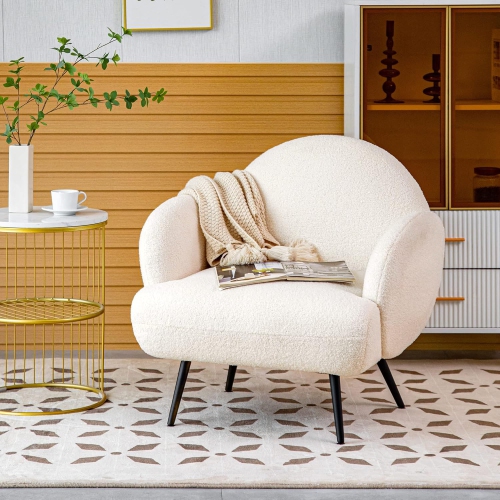
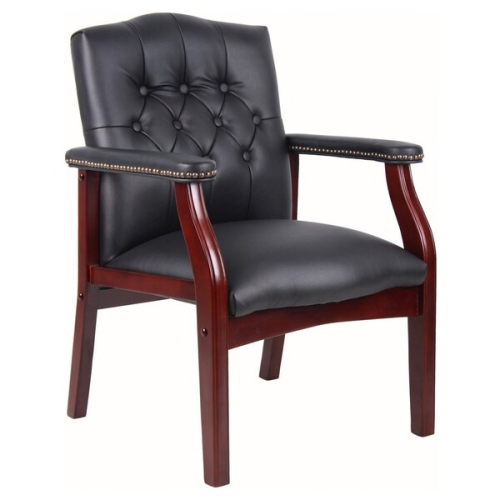
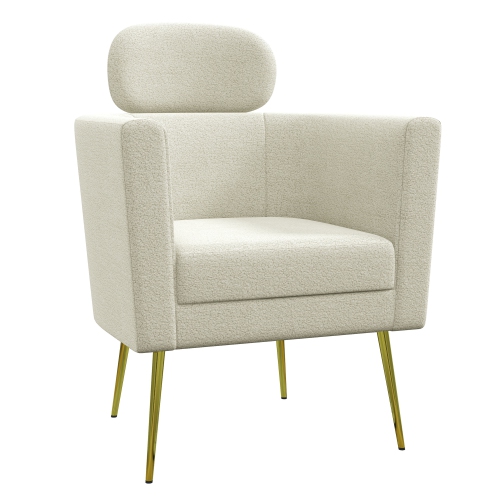
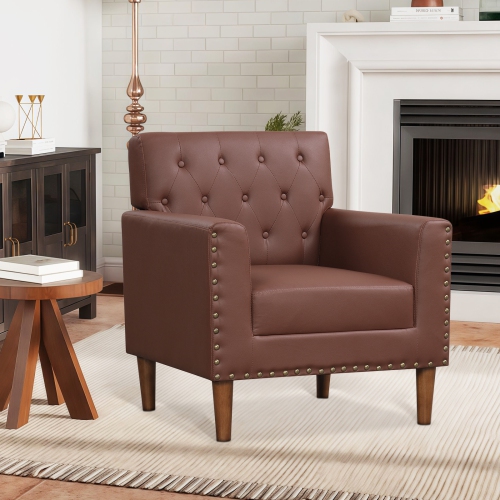
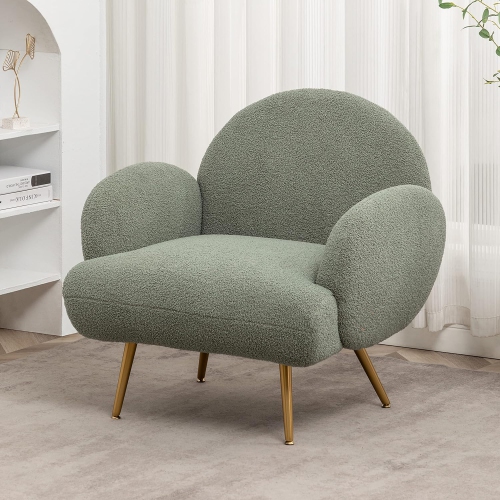
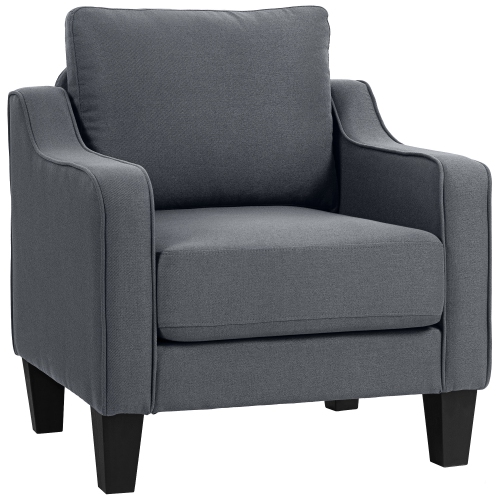
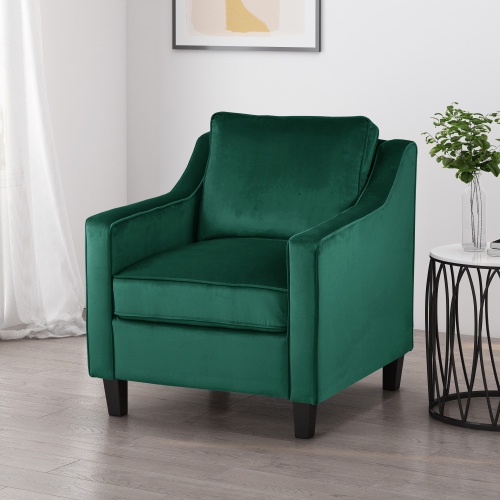
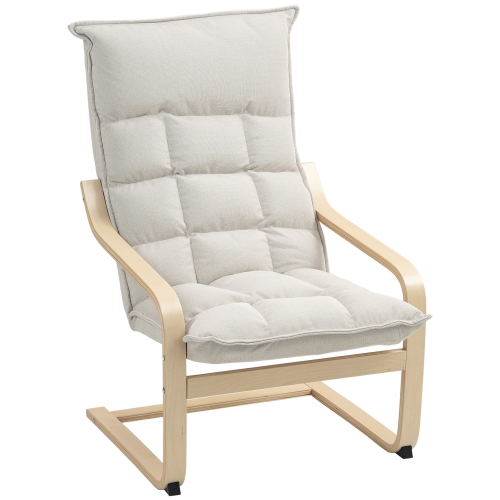
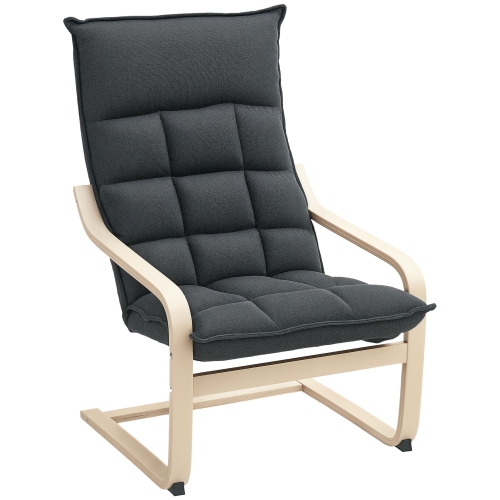
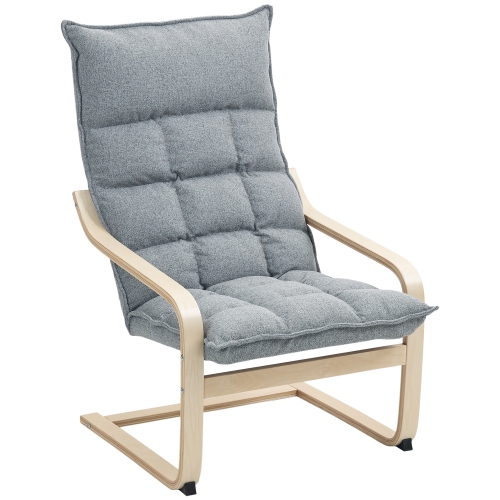

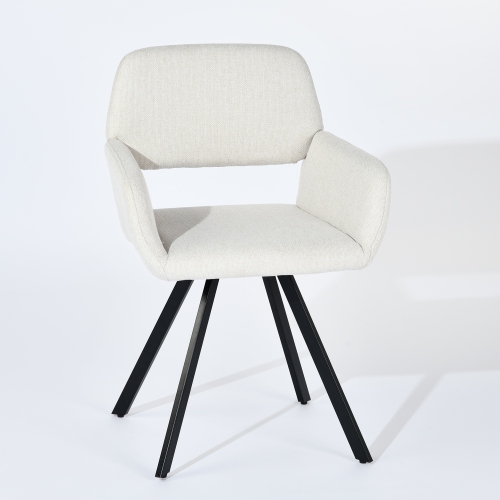
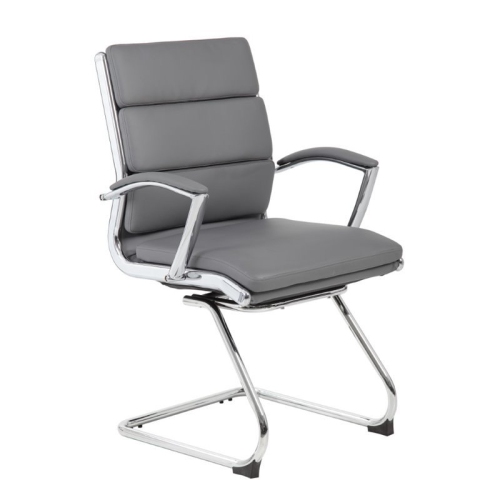
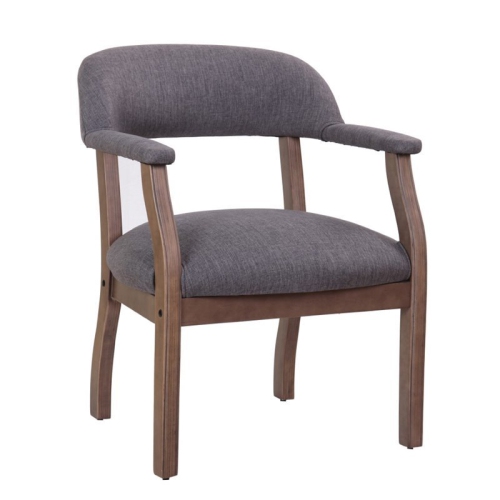
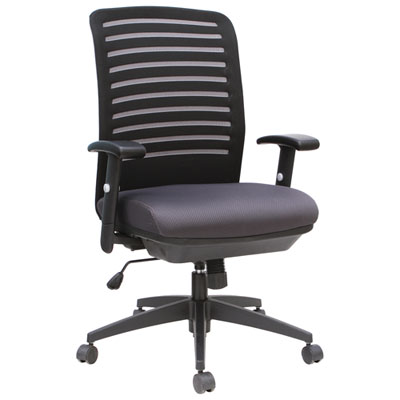
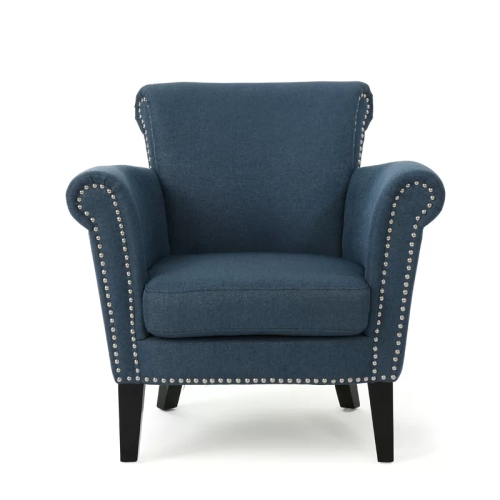
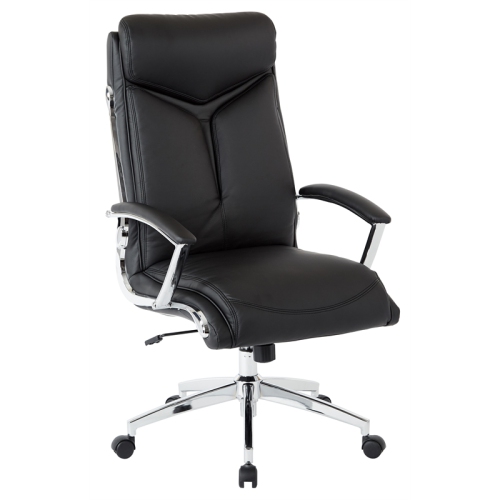
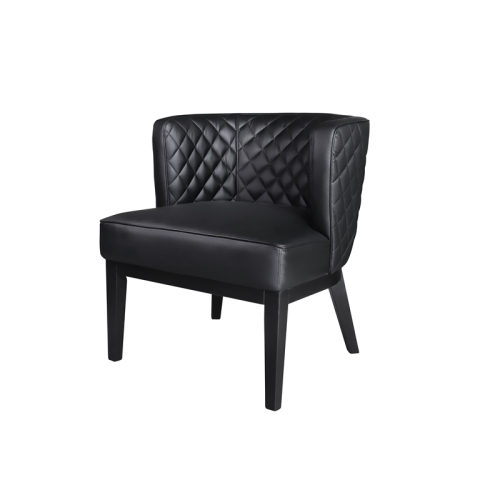
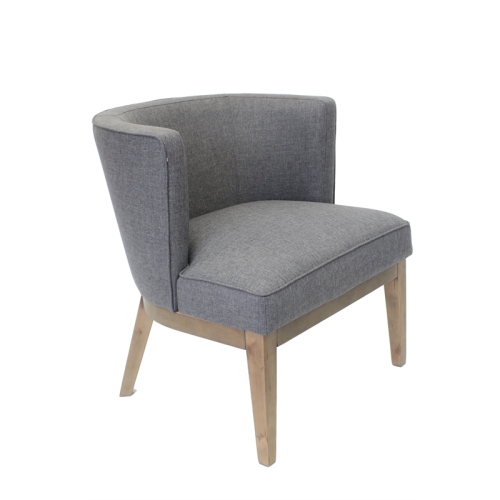
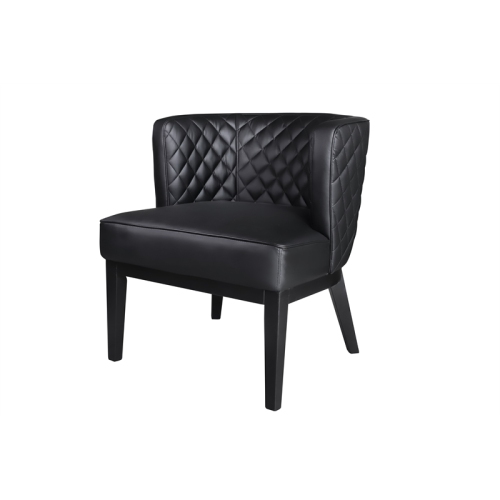
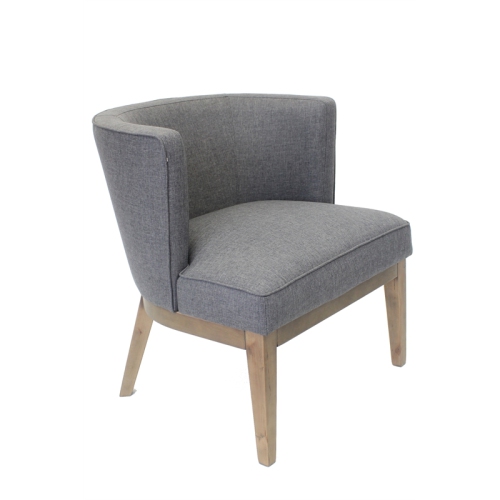
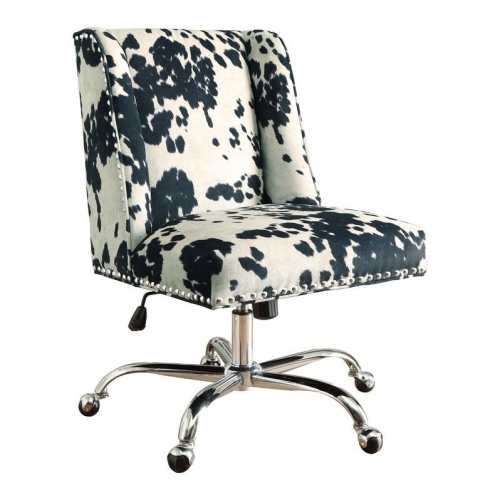
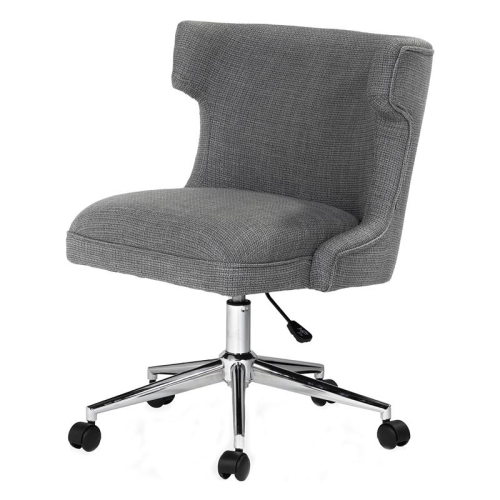
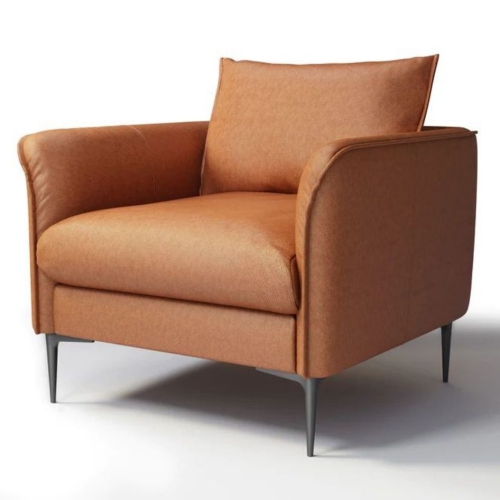
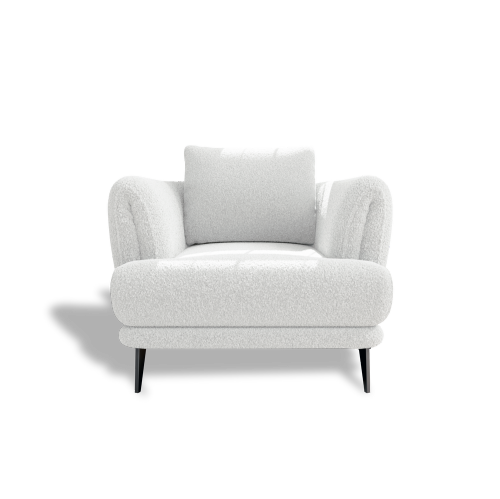
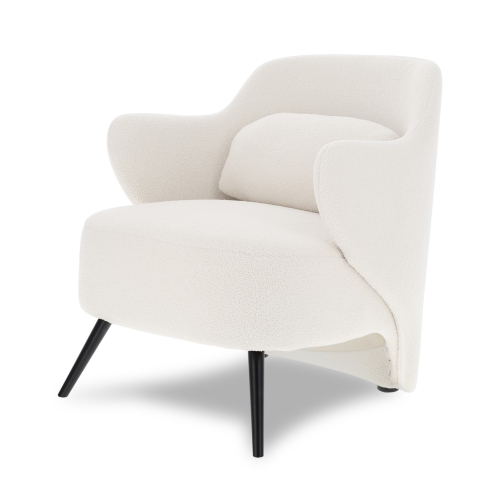
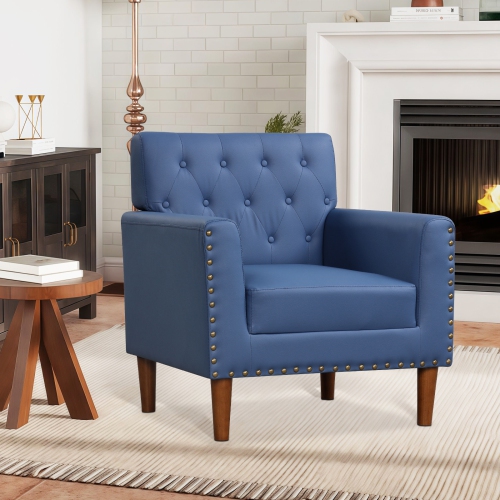
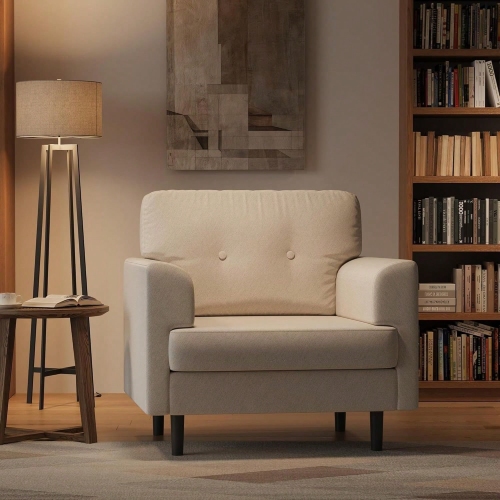
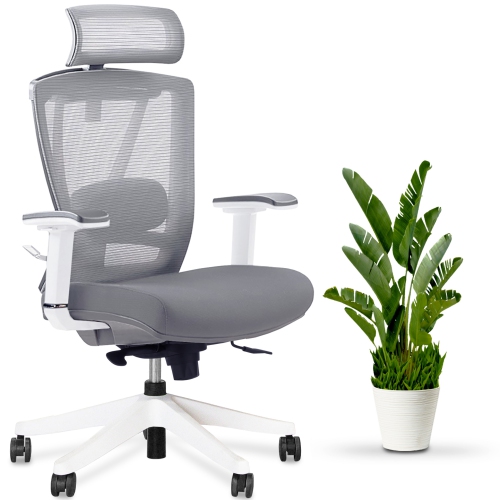
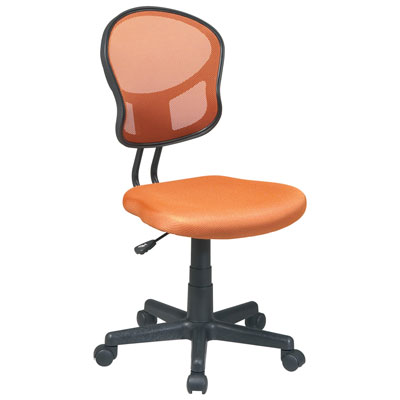
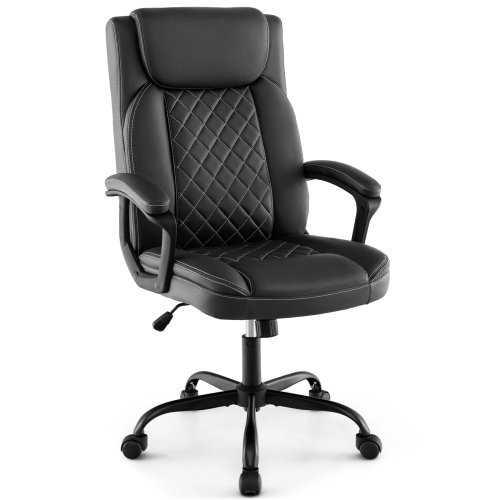
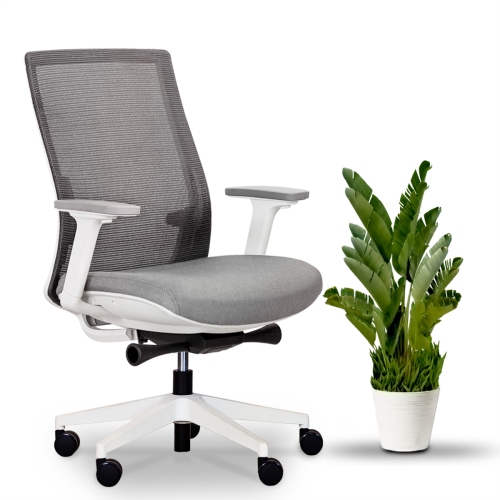
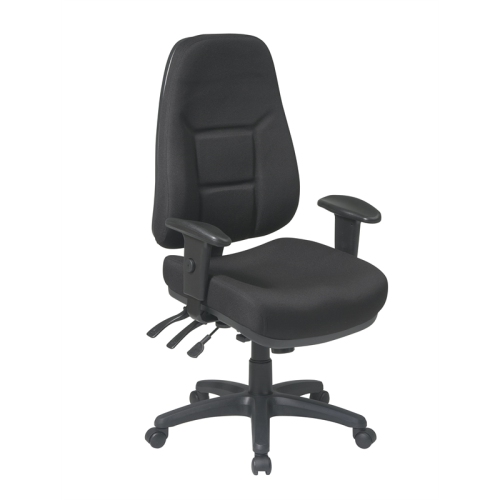
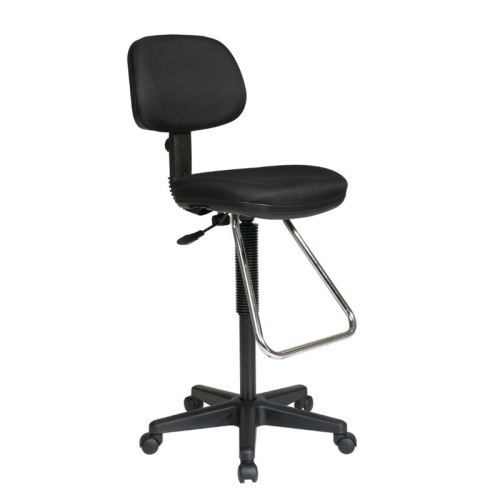
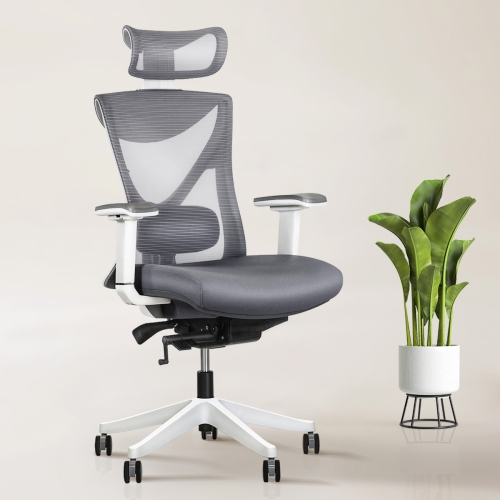
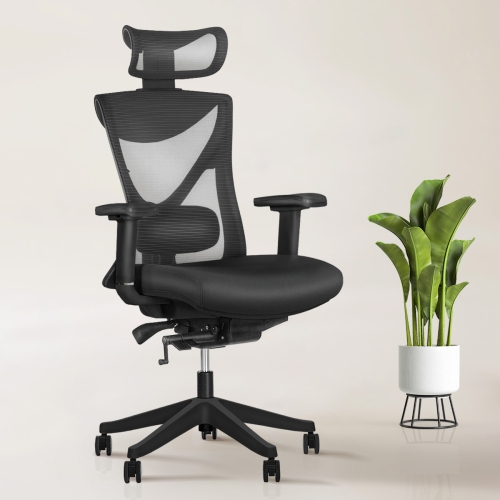
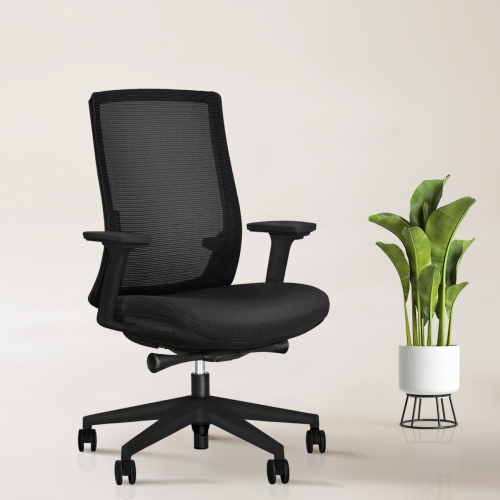
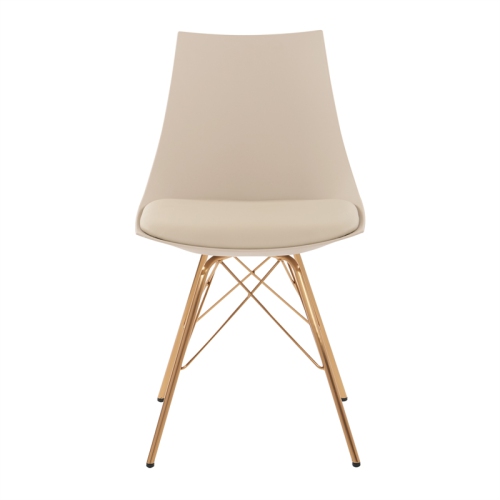
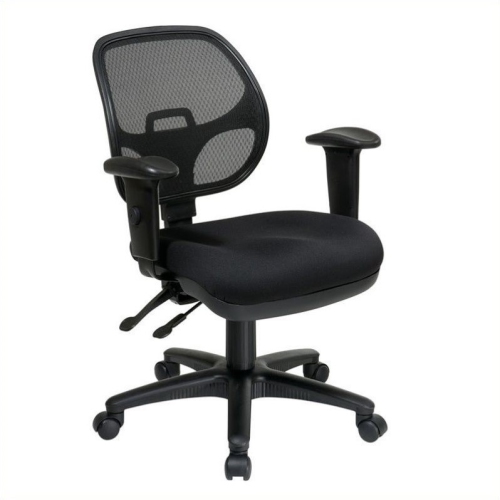
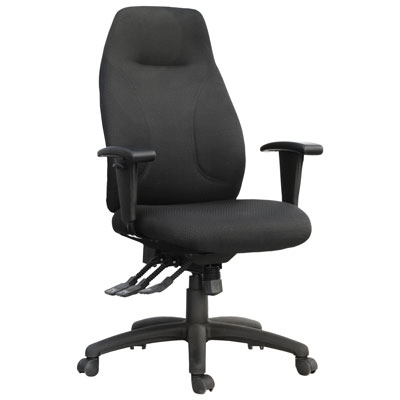
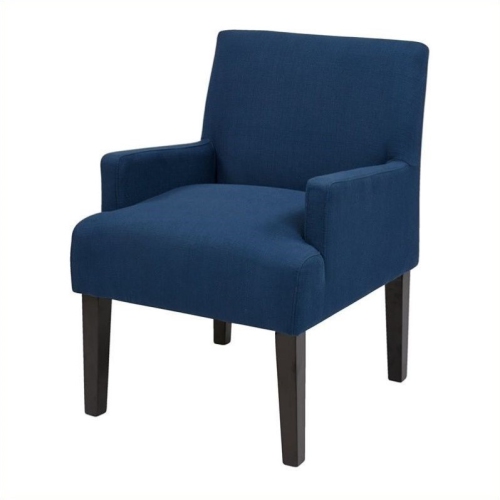
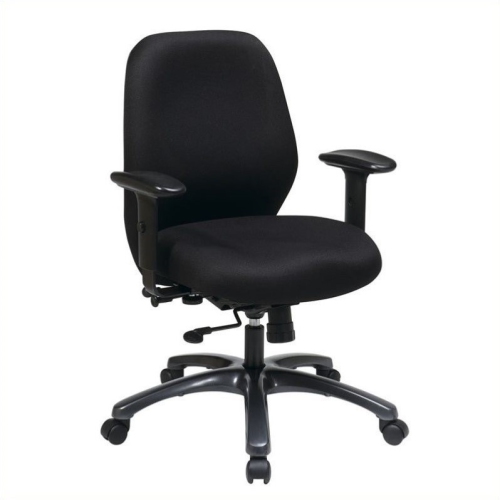
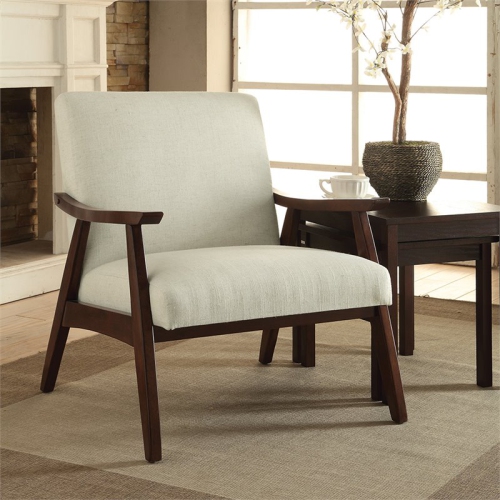
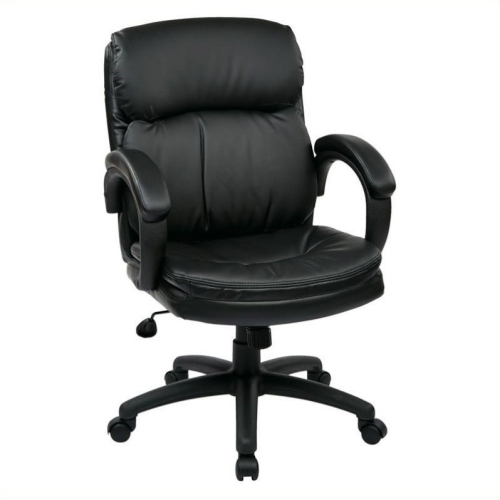
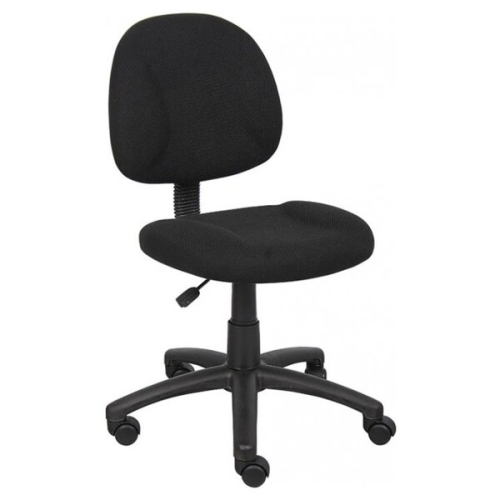
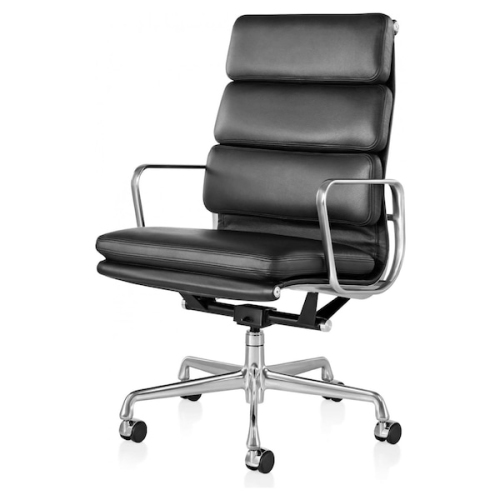
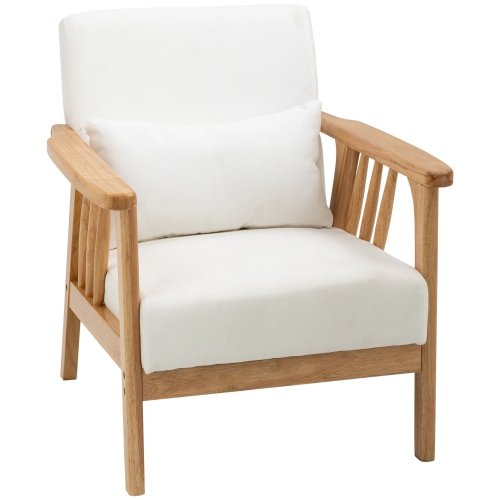
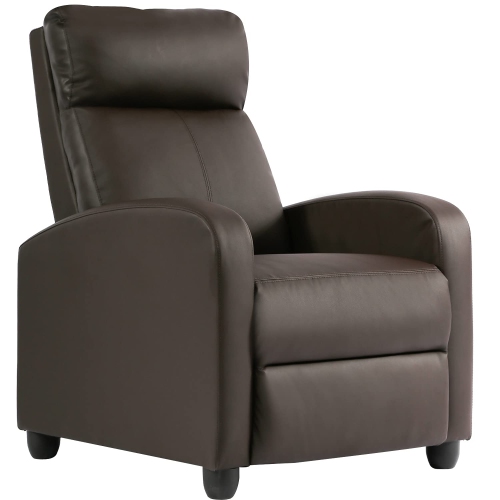
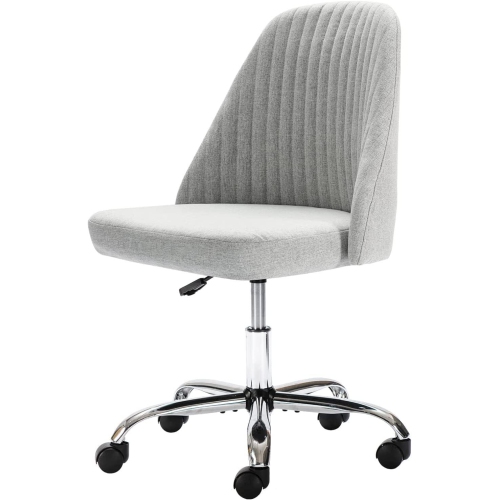
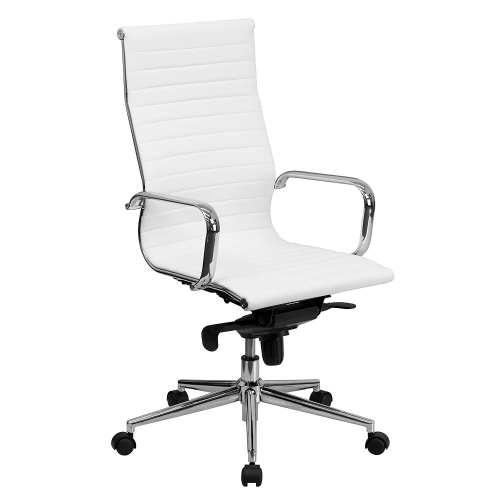
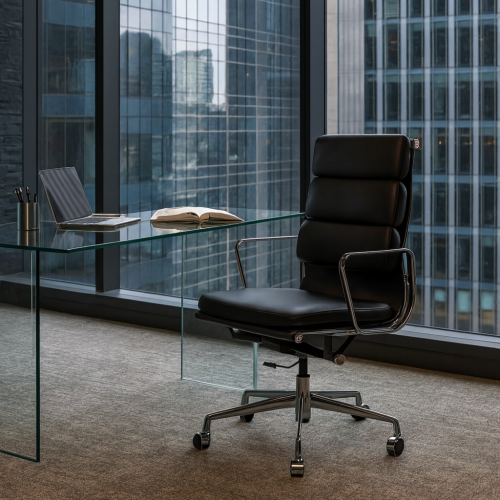
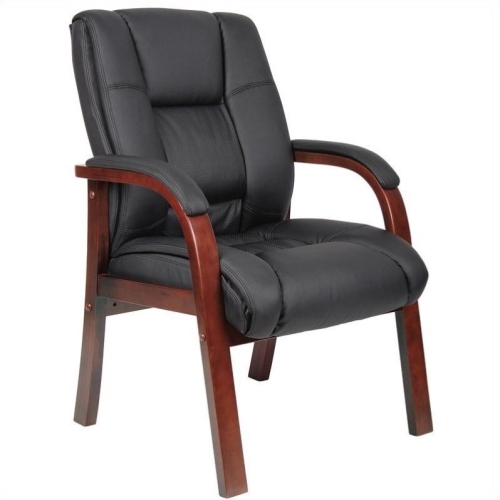
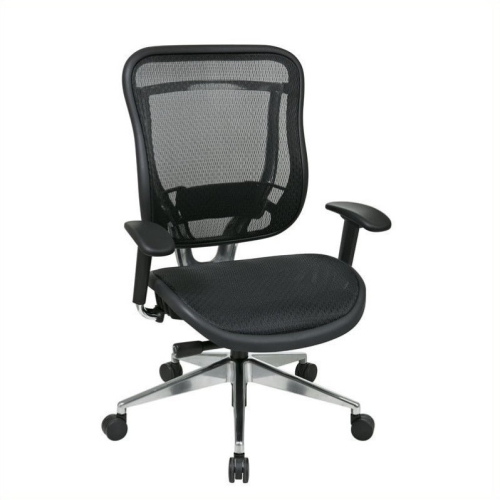
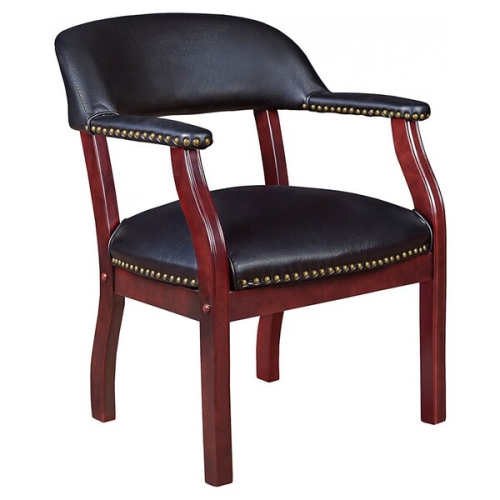
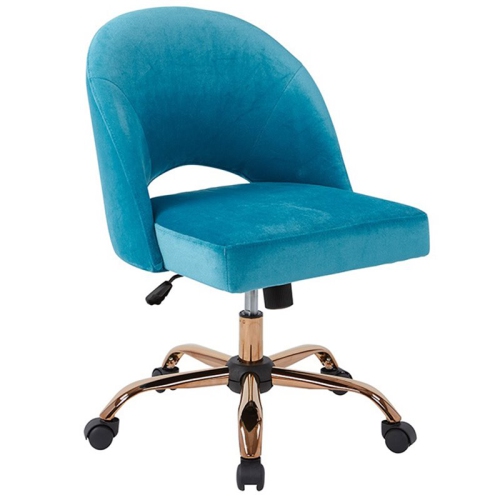
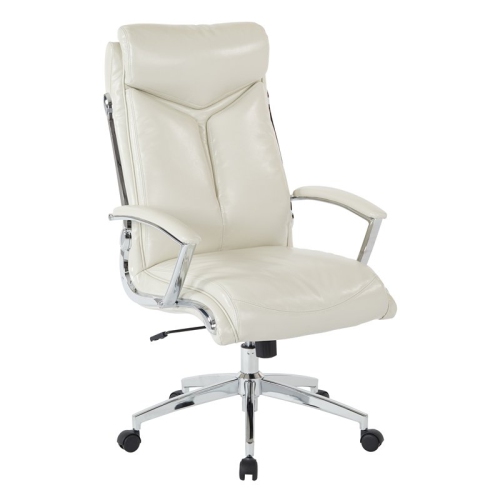
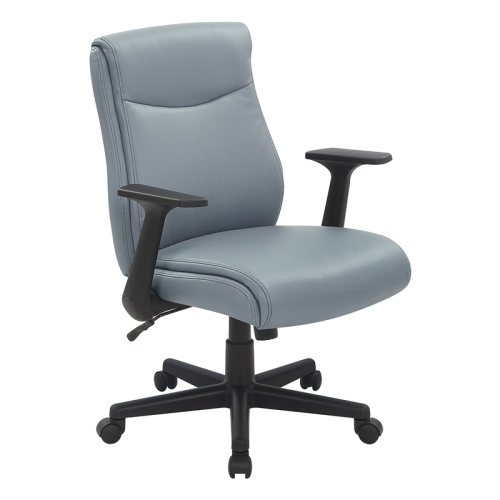
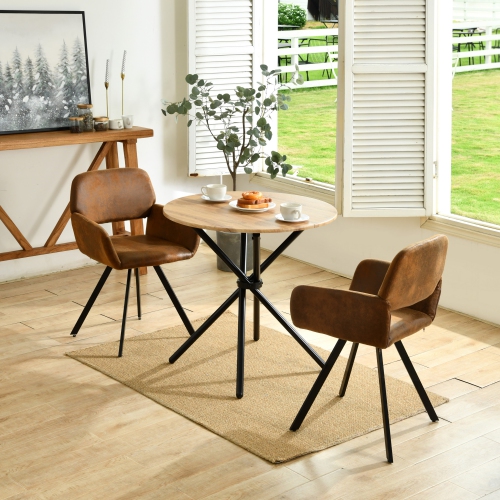
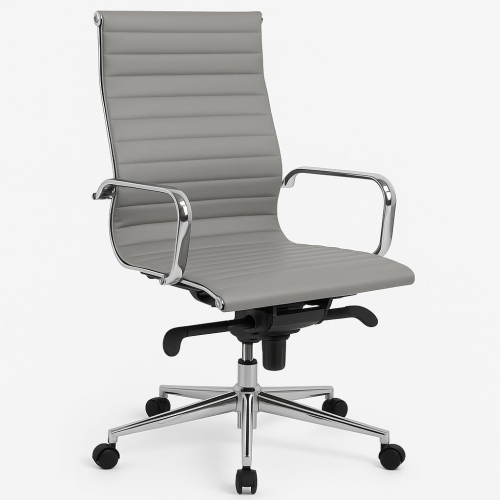
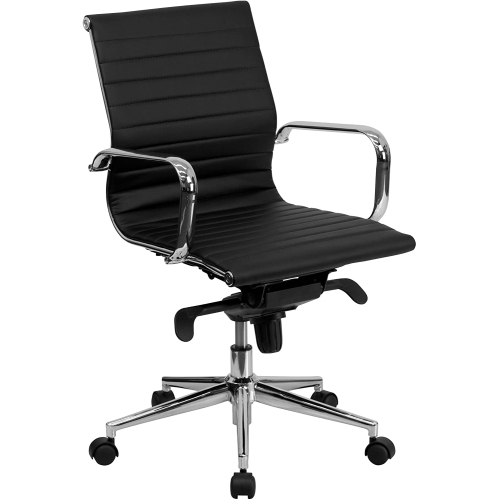
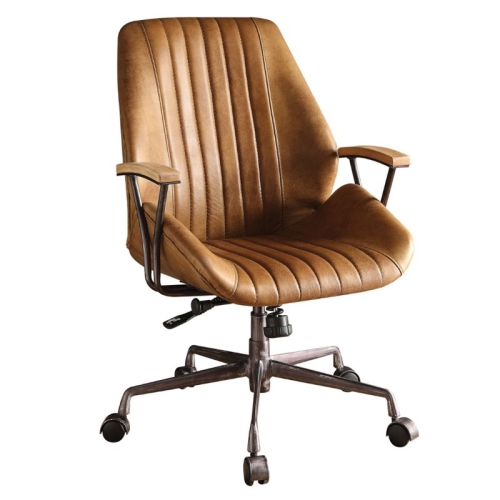
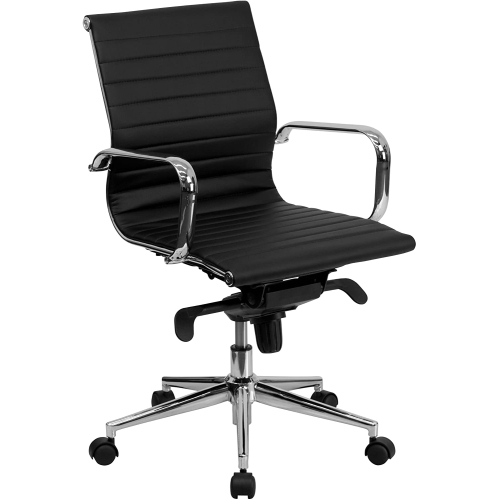
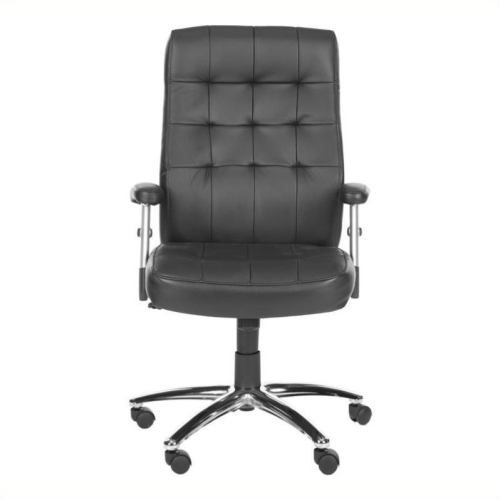


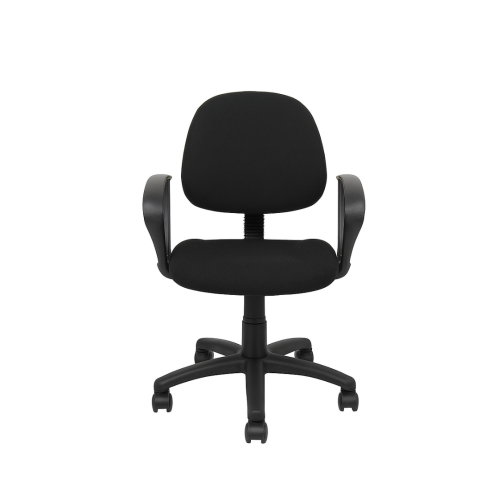
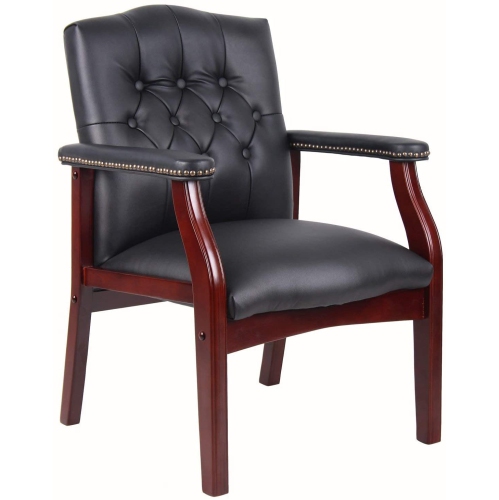
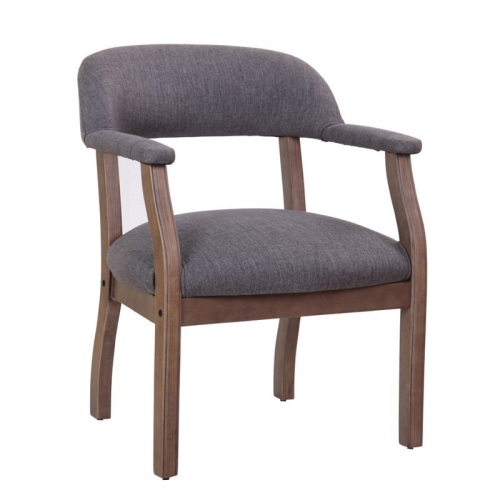
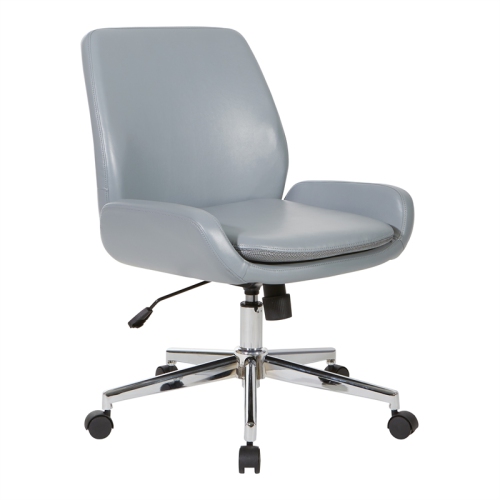
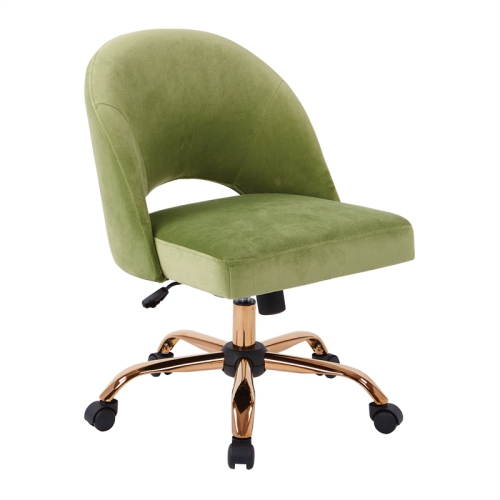
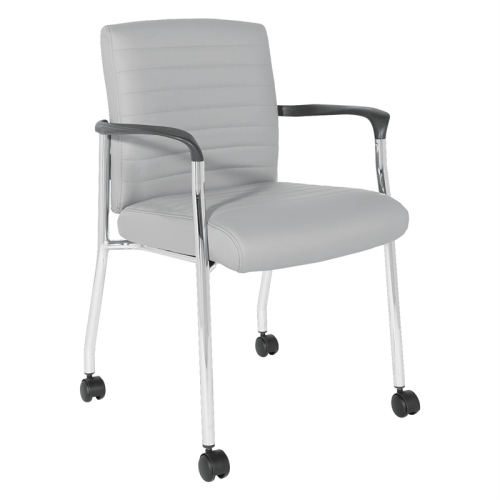
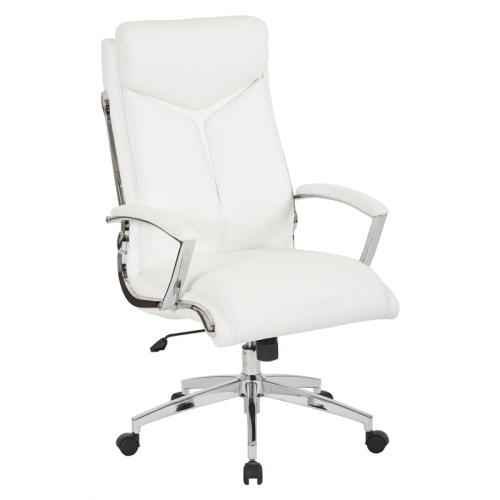
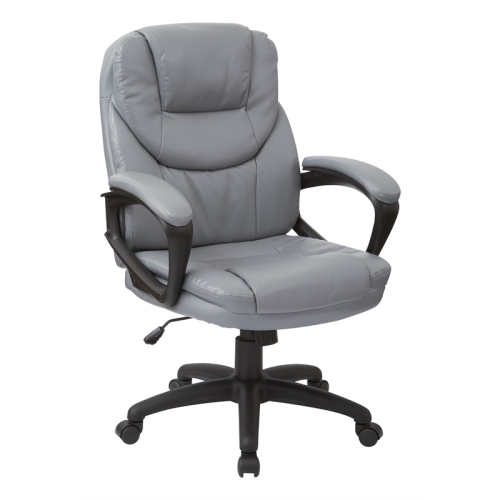
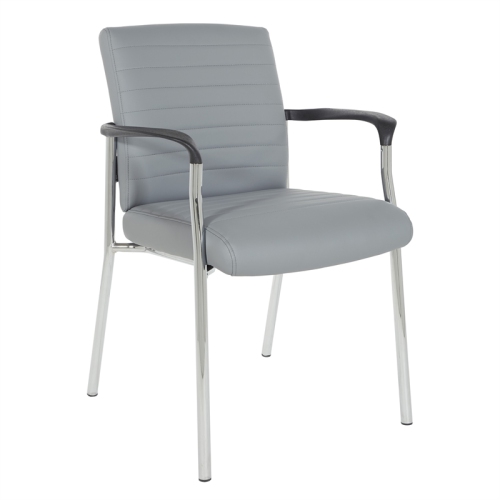
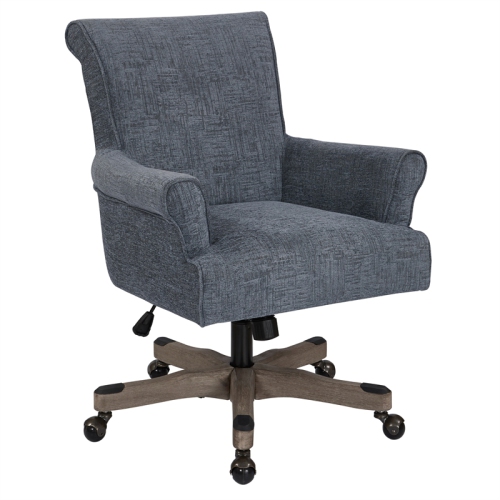
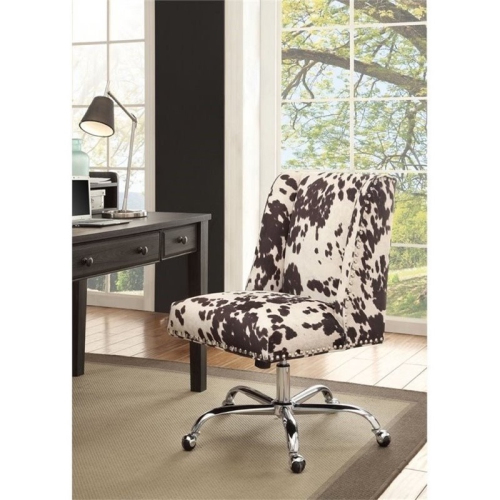
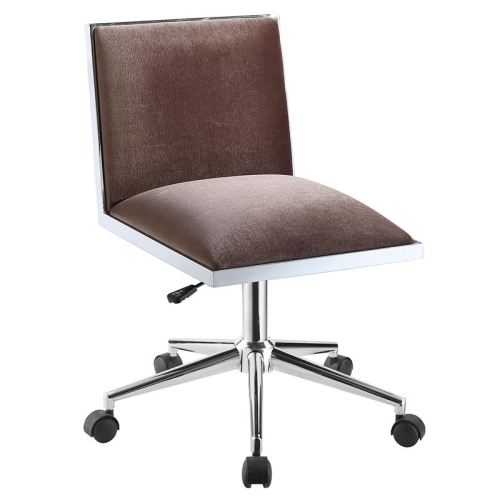
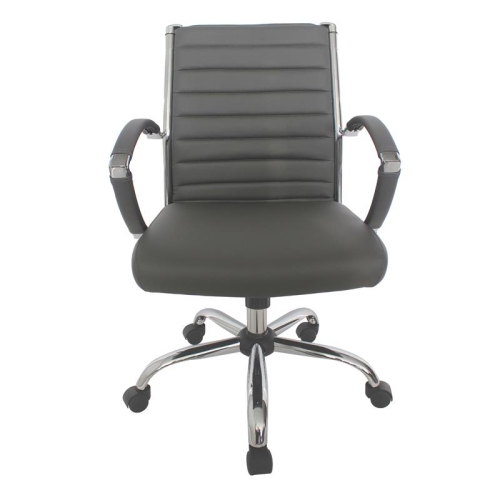
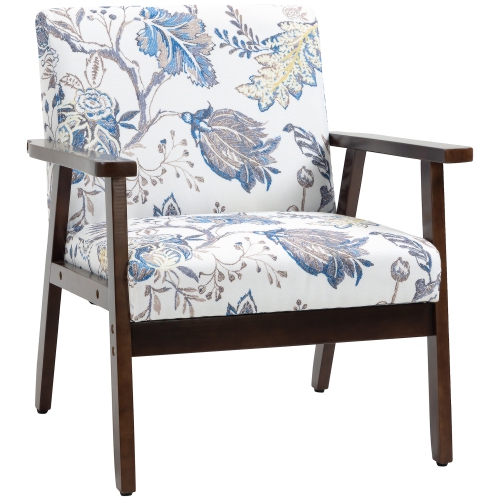
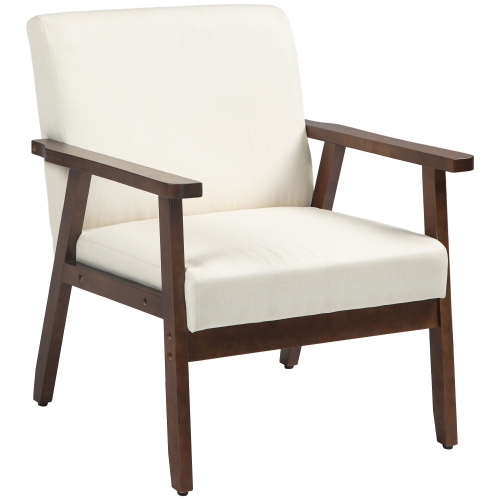
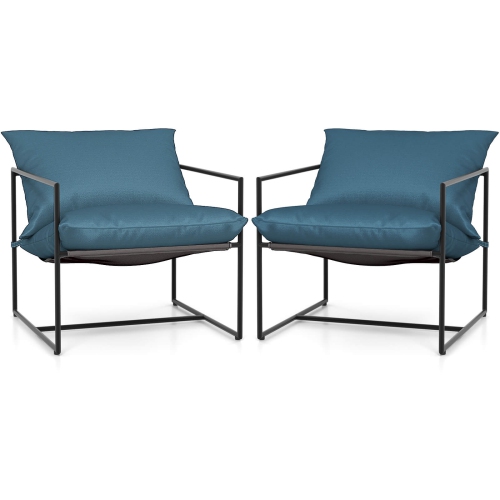
Comfortable seating for conversations away from the desk
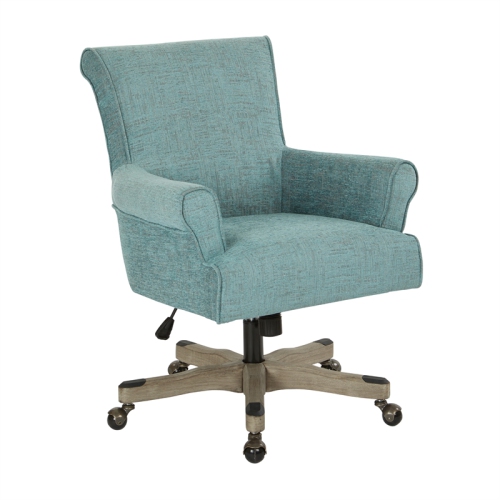
Accent chairs for office spaces provide seating for visitors, reading, informal conversations, and breaks away from a desk. Unlike task chairs designed for extended computer work, they generally emphasize a comfortable sitting position and a furniture-like appearance rather than a full range of ergonomic adjustments. An upholstered armchair beside a bookcase can create a place to review printed documents, while a pair of compact chairs across from a desk gives clients or colleagues somewhere to sit without turning the room into a meeting area. In a home office that also serves as a guest room or living space, an accent chair can help the work area feel connected to the rest of the home. The right shape depends on how the chair will be used: an upright back and moderately firm seat tend to suit conversation, while a deeper seat with a gently reclined back may be more inviting for reading. Armrests offer support when settling in or standing up, though wide, heavily padded arms take up more floor space. Armless designs have a lighter visual presence and can be easier to position in a narrow room. Barrel chairs, with backs that curve into the arms, create a contained seating area; open-frame designs leave more of the floor visible. A swivel base can make it easier to turn between a desk and a nearby conversation area, provided there is enough clearance around the chair. For anyone comparing seating styles, Ball Chairs for Office offer a different format from upholstered guest seating, with fit and intended use worth assessing separately. An accent chair is usually most useful as a complement to a desk chair, not a substitute for adjustable seating during a full day of typing. Writers, remote workers, and professionals who welcome occasional visitors may all appreciate a dedicated place to sit away from the main workstation.
Size and placement matter just as much as appearance when choosing an office accent chair. Overall width and depth show how much floor space the chair occupies, but seat width, seat depth, and seat height give a clearer picture of how it may feel to use. A chair can look compact from the front yet extend far into the room because of a sloped back or angled legs. Marking its footprint on the floor with removable tape helps show whether there is still room to open a filing cabinet, pull out the desk chair, and walk comfortably through the space. Allow extra room for a swivel mechanism or reclining function where applicable, and check doorways, stair turns, and lift dimensions before moving larger seating into an office. For guest seating, a height that lets the intended user rest their feet on the floor is generally more practical than a very low lounge profile. A seat that is too deep may leave a shorter person sitting forward without back support, while a narrow seat or closely spaced arms may feel restrictive to someone with a broader build. People who find standing from low furniture difficult may prefer a stable chair with supportive arms and a firmer cushion. In a small office, exposed legs and a relatively slim frame can keep the layout feeling open; in a larger room, two chairs with a small table between them can establish a clear conversation area. The table should be within easy reach without obstructing entry to either seat. Colour and texture can connect the seating to existing furnishings without requiring an exact match. Grey, cream, tan, or navy upholstery can sit comfortably alongside many desk finishes, while a stronger colour can give an otherwise restrained room a focal point. Curved upholstery can soften the lines of storage cabinets, and wood or metal legs can echo details elsewhere in the room. Visible backs also deserve attention when chairs face into an open space rather than sitting against a wall.
Materials, construction, and care requirements help determine whether an accent chair suits occasional home use or a busier office reception area. Woven fabric offers texture and a soft feel, although cleaning methods vary by fibre and finish; linen and linen blends, for example, should not automatically be treated as wipe-clean surfaces. Tightly woven upholstery may be a practical choice where bags, clothing, and frequent use create friction, while loose weaves and raised textures can be more prone to catching. Velvet brings depth to a colour but may show pressure marks or changes in the direction of the pile. Leather can develop a lived-in appearance with use and needs care appropriate to its finish. Faux leather often allows straightforward surface cleaning when the manufacturer permits it, but abrasive cleaners and unsuitable conditioning products can damage the coating. Performance fabric is another option, though its stated stain resistance, cleaning instructions, and wear specifications matter more than the label alone. Cushion construction also affects everyday comfort: softer padding may feel inviting initially, while a firmer seat can provide a steadier surface for short meetings and repeated sitting and standing. Removable cushions or covers can make some maintenance tasks easier, but a removable cover is not necessarily machine washable. For durability, look at frame materials, joint construction, the stated weight capacity, and any testing information provided rather than judging strength by appearance alone. A solid-feeling base, secure legs, and upholstery that sits neatly around seams are useful details to assess. Follow assembly instructions carefully and check fasteners as directed, especially on chairs that see frequent use. Floor protectors suited to the flooring can help limit scratches, while a stable position on a level surface helps prevent rocking. Routine care usually begins with gentle vacuuming using an upholstery attachment and prompt attention to spills, following the care label and testing permitted cleaners on an inconspicuous area first. These practical details help an office accent chair remain a comfortable, presentable part of the workspace, whether it holds a visiting client for a brief appointment or provides a quiet seat for reviewing the day's paperwork.
Size and placement matter just as much as appearance when choosing an office accent chair. Overall width and depth show how much floor space the chair occupies, but seat width, seat depth, and seat height give a clearer picture of how it may feel to use. A chair can look compact from the front yet extend far into the room because of a sloped back or angled legs. Marking its footprint on the floor with removable tape helps show whether there is still room to open a filing cabinet, pull out the desk chair, and walk comfortably through the space. Allow extra room for a swivel mechanism or reclining function where applicable, and check doorways, stair turns, and lift dimensions before moving larger seating into an office. For guest seating, a height that lets the intended user rest their feet on the floor is generally more practical than a very low lounge profile. A seat that is too deep may leave a shorter person sitting forward without back support, while a narrow seat or closely spaced arms may feel restrictive to someone with a broader build. People who find standing from low furniture difficult may prefer a stable chair with supportive arms and a firmer cushion. In a small office, exposed legs and a relatively slim frame can keep the layout feeling open; in a larger room, two chairs with a small table between them can establish a clear conversation area. The table should be within easy reach without obstructing entry to either seat. Colour and texture can connect the seating to existing furnishings without requiring an exact match. Grey, cream, tan, or navy upholstery can sit comfortably alongside many desk finishes, while a stronger colour can give an otherwise restrained room a focal point. Curved upholstery can soften the lines of storage cabinets, and wood or metal legs can echo details elsewhere in the room. Visible backs also deserve attention when chairs face into an open space rather than sitting against a wall.
Materials, construction, and care requirements help determine whether an accent chair suits occasional home use or a busier office reception area. Woven fabric offers texture and a soft feel, although cleaning methods vary by fibre and finish; linen and linen blends, for example, should not automatically be treated as wipe-clean surfaces. Tightly woven upholstery may be a practical choice where bags, clothing, and frequent use create friction, while loose weaves and raised textures can be more prone to catching. Velvet brings depth to a colour but may show pressure marks or changes in the direction of the pile. Leather can develop a lived-in appearance with use and needs care appropriate to its finish. Faux leather often allows straightforward surface cleaning when the manufacturer permits it, but abrasive cleaners and unsuitable conditioning products can damage the coating. Performance fabric is another option, though its stated stain resistance, cleaning instructions, and wear specifications matter more than the label alone. Cushion construction also affects everyday comfort: softer padding may feel inviting initially, while a firmer seat can provide a steadier surface for short meetings and repeated sitting and standing. Removable cushions or covers can make some maintenance tasks easier, but a removable cover is not necessarily machine washable. For durability, look at frame materials, joint construction, the stated weight capacity, and any testing information provided rather than judging strength by appearance alone. A solid-feeling base, secure legs, and upholstery that sits neatly around seams are useful details to assess. Follow assembly instructions carefully and check fasteners as directed, especially on chairs that see frequent use. Floor protectors suited to the flooring can help limit scratches, while a stable position on a level surface helps prevent rocking. Routine care usually begins with gentle vacuuming using an upholstery attachment and prompt attention to spills, following the care label and testing permitted cleaners on an inconspicuous area first. These practical details help an office accent chair remain a comfortable, presentable part of the workspace, whether it holds a visiting client for a brief appointment or provides a quiet seat for reviewing the day's paperwork.
Top selling and popular products
-
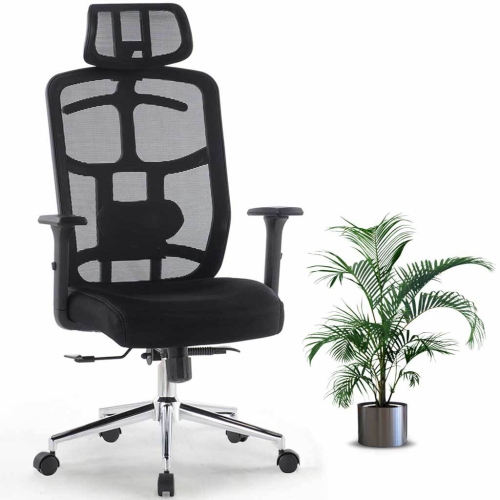 Your price for this item is $114.99
 -
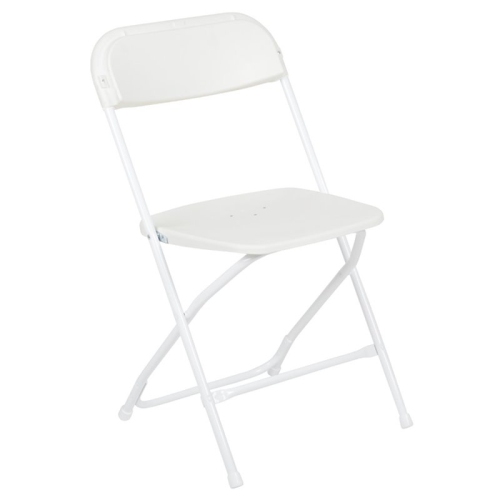 Your price for this item is $123
 -
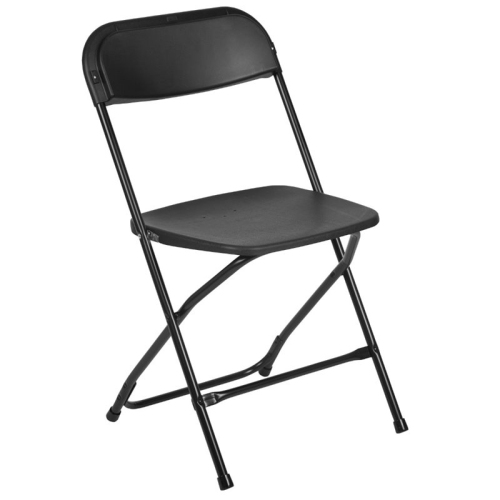 Your price for this item is $139.99
 -
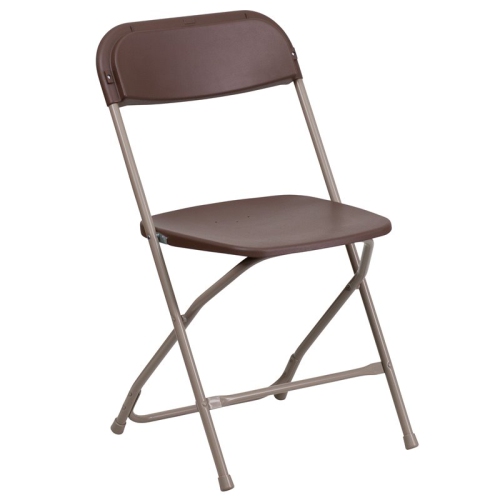 Your price for this item is $139.99
 -
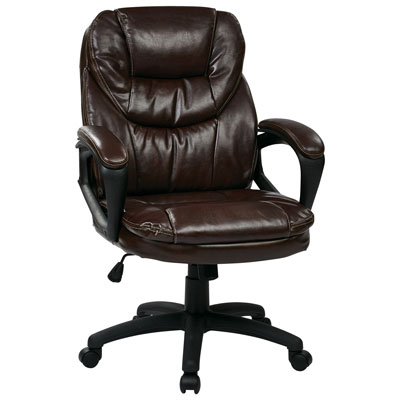 Your price for this item is $203.98
 -
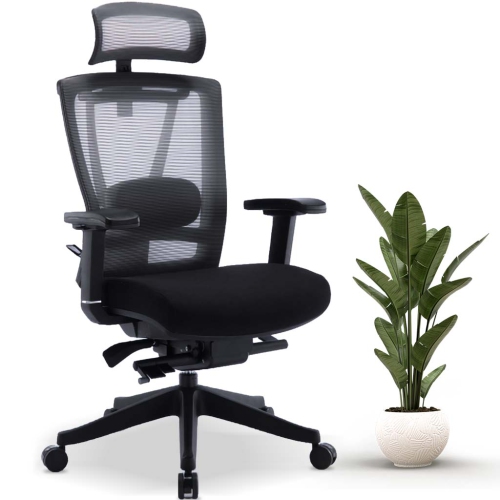 Your price for this item is $379.99
 -
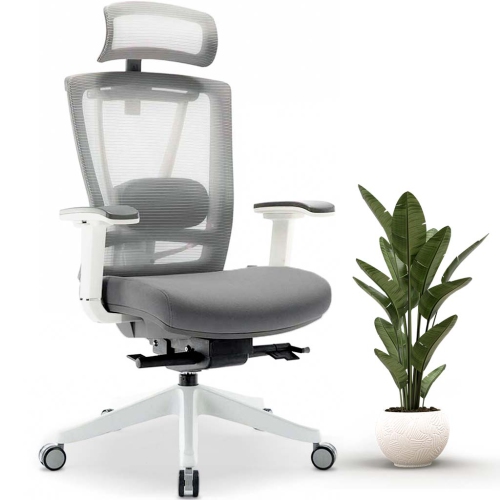 Your price for this item is $379.99
 -
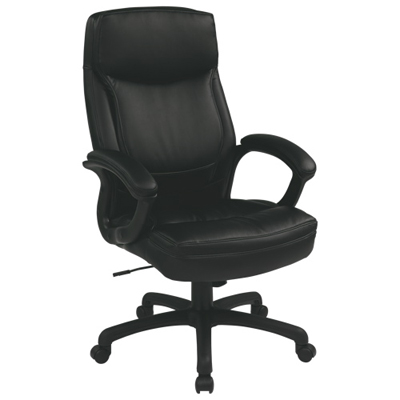 Your price for this item is $594.99
Discover more categories related to Accent Chairs for Office
Top Collections:
Pokemon Centers, Kindle Devices, Best Budget Office Chairs, Apple iPhones 16, Best Laptops for Writers, iPhone 15 Apple, Canon G7X Cameras, Refurbished Apple Laptops, Alarm Clock, Motorola Razr Phones
Some products may be subject to Environmental Handling Fees
(EHF) depending on your province.
Learn more about EHFs.