Adjustable Chaise Lounge Chairs
Elevate your relaxation experience with Adjustable Chaise Lounge Chairs, perfect for adding comfort and style to any indoor or outdoor space. Whether you’re looking to unwind by the pool, enjoy a good book on the patio, or enhance your living room seating, these versatile chairs offer a flexible solution for all your lounging needs. Explore a variety of designs and finishes to find the ideal match for your décor and lifestyle. Discover how Adjustable Chaise Lounge Chairs can transform your favorite spaces into inviting retreats for leisure and comfort.
Sort
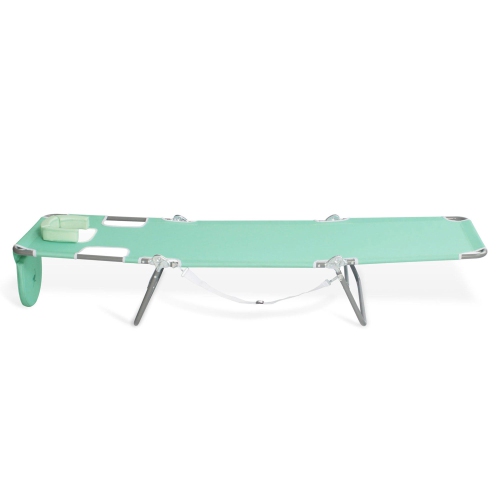
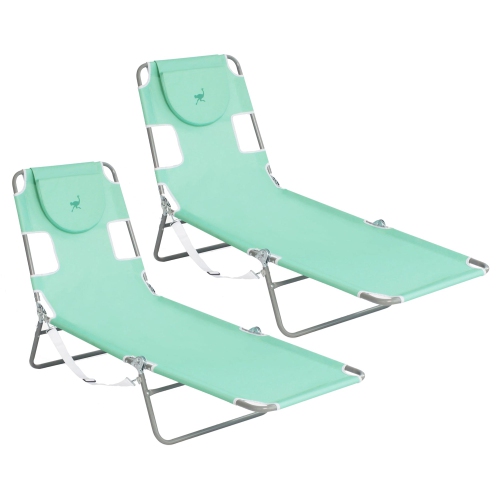
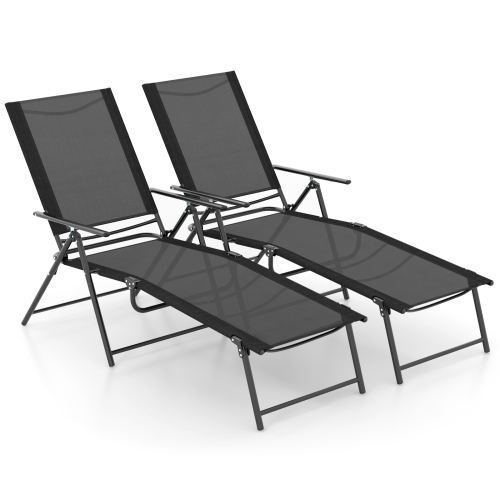
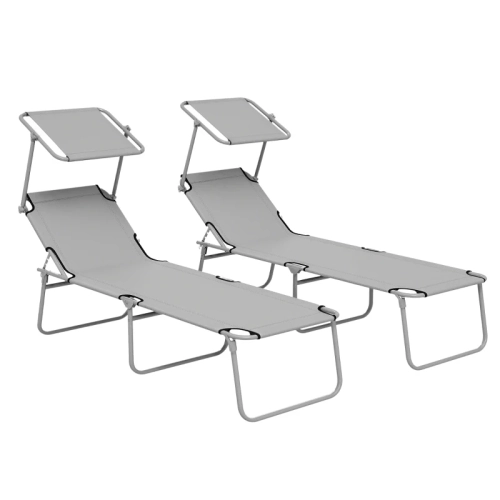
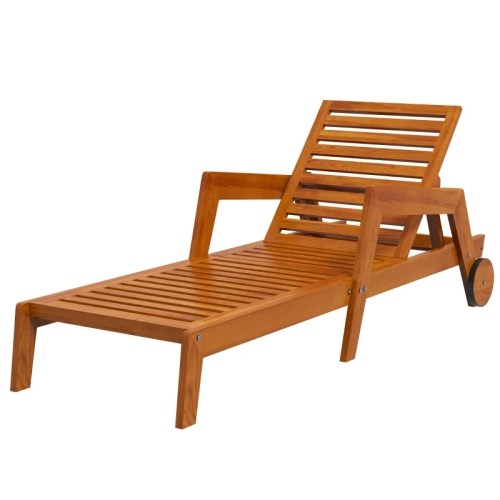
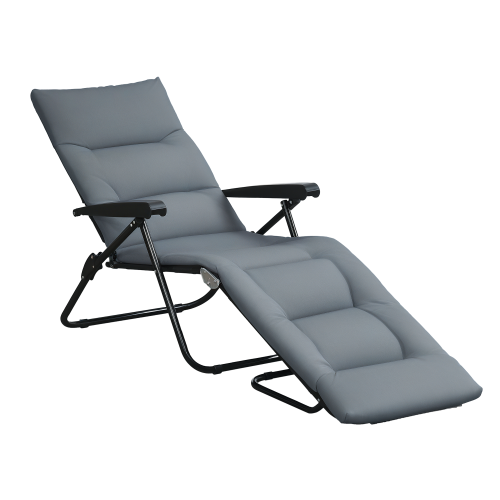
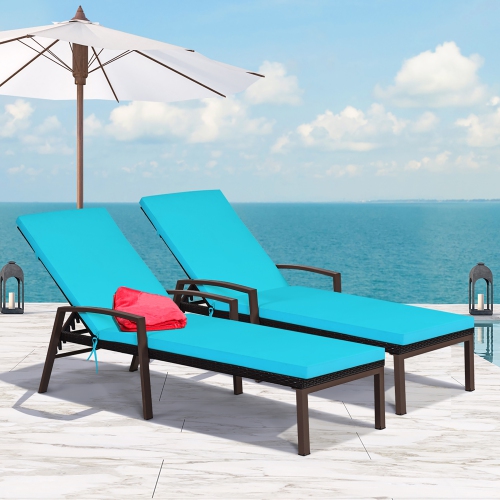
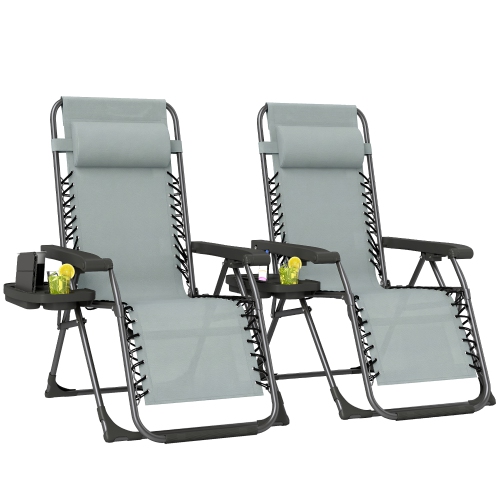
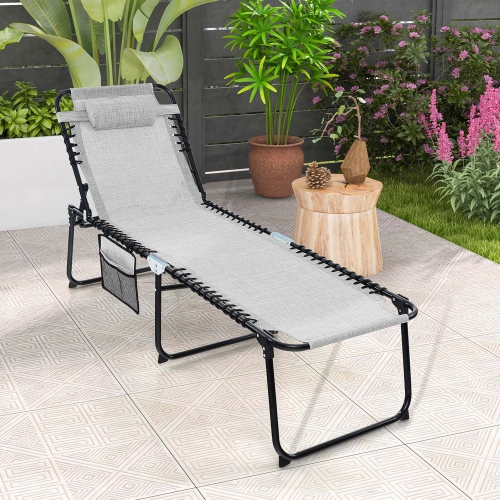
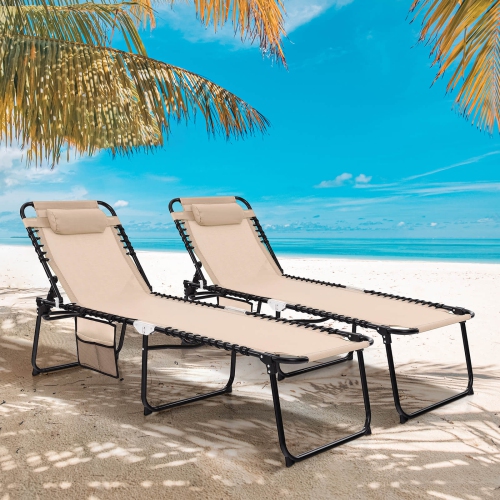
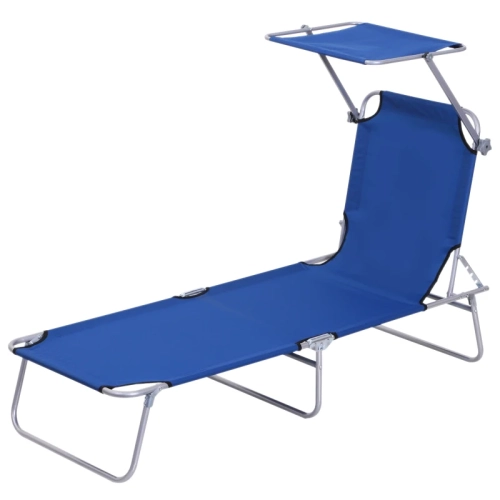
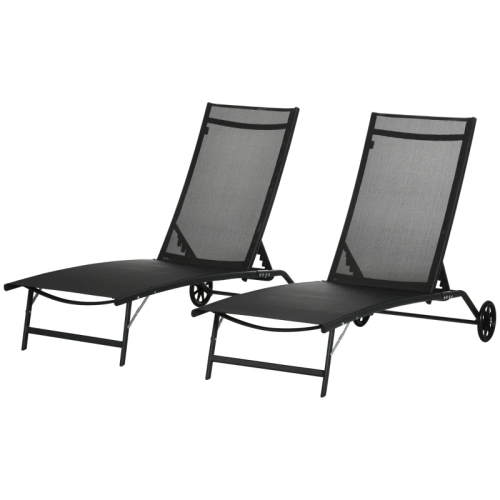
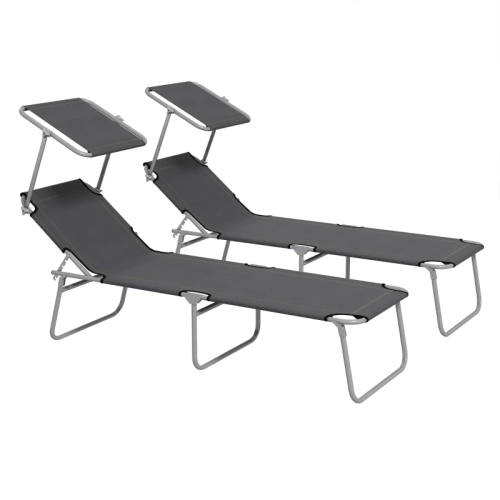
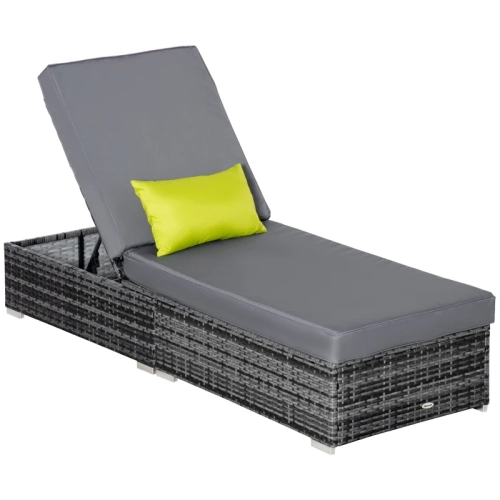
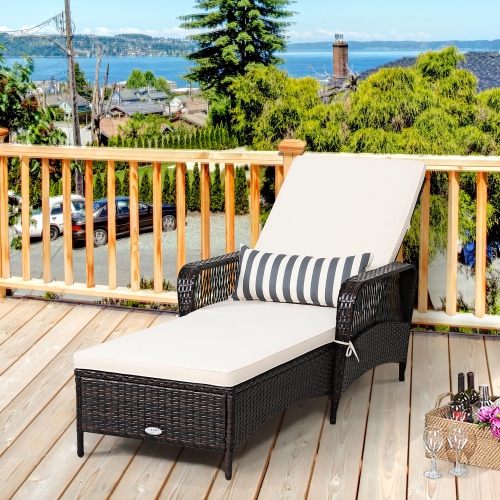
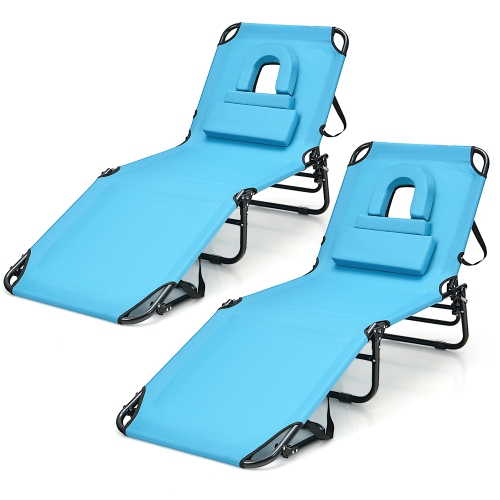
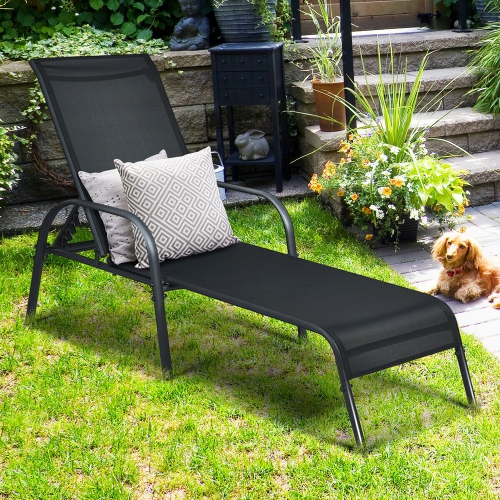
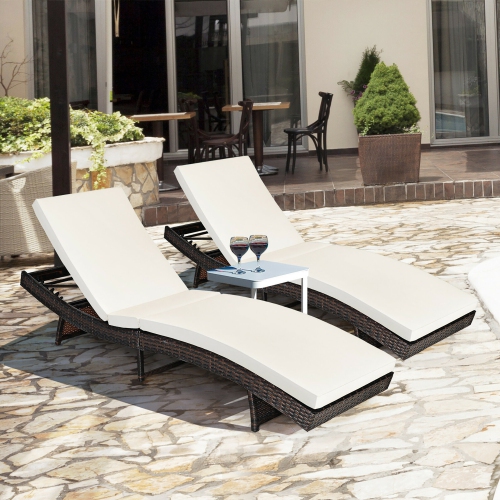
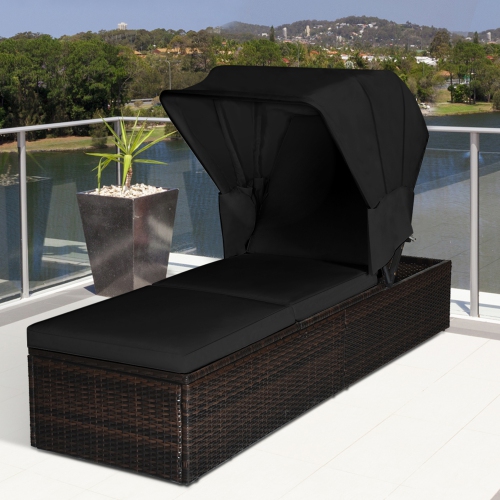
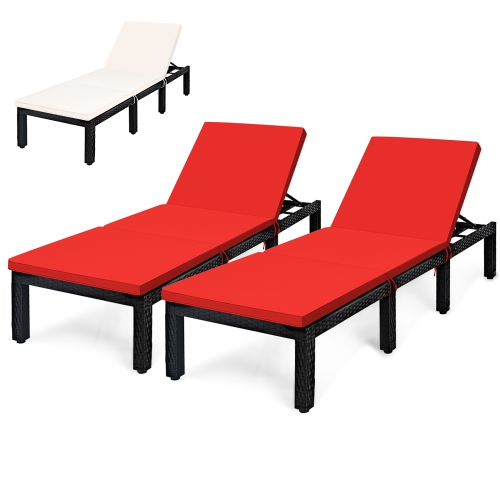
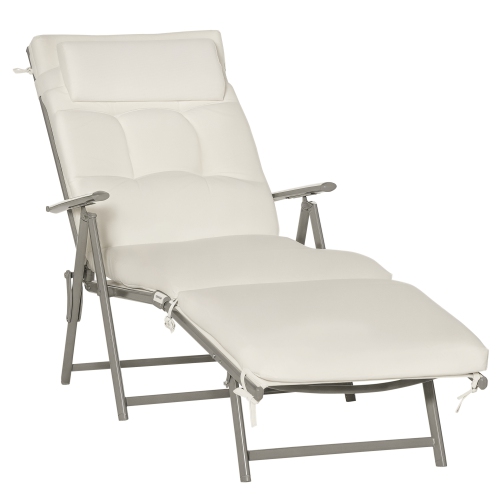
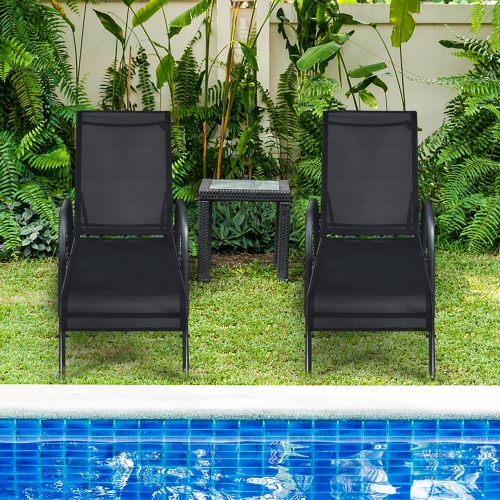
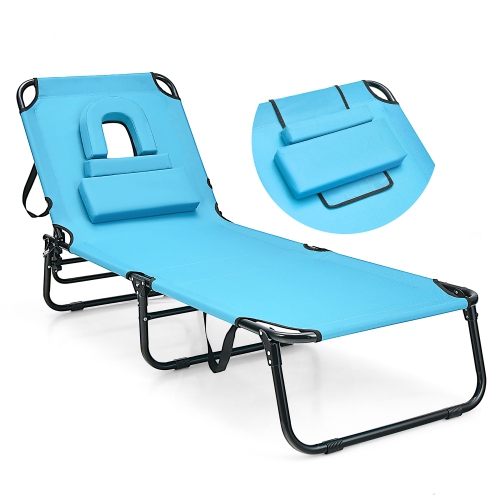
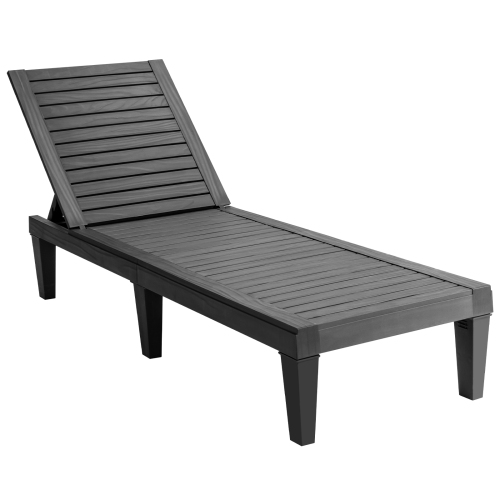
From upright reading to resting with legs stretched out
Adjustable chaise lounge chairs combine an extended lounging surface with a backrest that changes position, making it possible to sit upright for reading or lean back for a more relaxed rest. Unlike a standard patio chair, a chaise provides support along much of the length of the legs, although the exact fit depends on the chair’s dimensions and the person using it. Some designs have several fixed reclining positions, while others offer a wider range of adjustment; a fully flat position is a feature to confirm rather than assume. Outdoor versions commonly pair metal, resin, or wood frames with mesh sling seats or separate cushions, while indoor styles often use upholstered padding over a supportive frame. The intended setting makes a meaningful difference: a poolside chaise needs materials suited to outdoor exposure, whereas a chair in a reading nook may place more emphasis on upholstery texture and cushioning. On a patio, an adjustable backrest can accommodate an upright conversation over coffee, a slightly reclined position with a book, or a deeper recline with the legs stretched out. Indoors, the same flexibility can make a chaise a comfortable addition to a bedroom corner or a shared living area where different people prefer different sitting angles. Shoppers comparing extended loungers with other adjustable seating can also explore Reclining Lounge Chairs, paying attention to whether leg support comes from a continuous seat or a separate footrest. Armrests, a removable head pillow, and a contoured seat can each influence comfort, but none replaces a suitable seat length and backrest height. A taller person may prefer more room from the hip to the heel, while someone who likes to sit up frequently may find a higher seat and stable armrests more practical. Adjustable chaise lounge chairs can also make a thoughtful housewarming gift for someone furnishing a deck or quiet sitting space, provided the chair suits their space, comfort preferences, and storage arrangements.
Materials shape how an adjustable chaise lounge chair feels, how easily it moves, and how much attention it needs over time. Aluminium frames are generally lighter to reposition and do not rust like untreated steel, though finishes, fasteners, and joints still need appropriate care. Steel can provide a substantial feel, with durability depending in part on the quality and condition of its protective coating. Scratches that expose the underlying metal deserve attention according to the manufacturer’s care directions. Resin frames offer a different look and cleaning routine, but their resistance to sunlight, fading, and temperature changes varies by construction and formulation. Wood brings visible grain and a warmer visual texture to a patio arrangement; depending on the species and finish, it may need periodic cleaning and a suitable protective treatment. For the lounging surface, mesh sling fabric offers airflow and can allow water to pass through, making it practical around a pool when the chair is rated for that use. The tension of the sling matters as much as its texture, since a firm surface and a deeply yielding one provide different sensations under the shoulders and hips. Cushioned chaises add softness, but cushion thickness alone does not establish lasting support. Foam construction, cover fabric, seams, and how the cushion attaches to the frame all contribute to everyday performance. Ties or straps can help keep a cushion aligned as the backrest moves, while removable covers may simplify cleaning if their care labels permit washing. Indoor upholstery calls for its own considerations, including resistance to abrasion and suitability for a household with pets or frequent guests. Outdoor furniture is not automatically waterproof, and a water-resistant cushion should not be treated as suitable for prolonged soaking. Regularly removing grit, wiping up spills, and allowing fabric to dry thoroughly before covering or storing it helps keep a chaise pleasant to use. Any cleaning solution, stain treatment, or wood finish should be compatible with the chair’s particular materials rather than chosen solely by appearance.
Fit involves both the person using the chaise and the space surrounding it. Overall length in a reclined position is especially important on a narrow balcony or compact deck, where a chair that fits upright may obstruct a doorway once lowered. Leave usable space beside the chaise for getting on and off, and behind the backrest wherever its movement requires clearance. A small side table within easy reach can hold a drink, glasses, or a book without taking up the lounging surface. Seat width, seat height, and the stated weight capacity deserve separate attention: a chair can meet a weight requirement yet still feel too narrow or too low for comfortable everyday use. Anyone who finds low seating difficult may appreciate a firmer surface, supportive armrests, and a height that makes standing less awkward. The reclining mechanism should be understandable and accessible, with each position securely engaged before use. Some backrests need adjustment while the chair is unoccupied, so operating directions matter, particularly in a shared household. Keep fingers clear of hinges and moving supports, and place the chair on a stable, level surface. Portability is another practical distinction. Folding designs can simplify storage between uses, wheels can help with repositioning, and stackable frames may suit a pair or larger group of loungers, but these features are not interchangeable. Folded dimensions, chair weight, and the route through a gate or doorway can determine how manageable storage really is. For outdoor use, follow the stated limits for exposure and storage rather than assuming a patio label means the chair can remain outside in every condition. A correctly sized cover may help protect surfaces when recommended, while dry, sheltered storage is often useful for cushions and folding furniture when not in use. A well-matched chaise should feel equally considered when occupied and when put away: long enough to stretch out, easy enough to adjust, and suited to the care routine and floor space of the home.
Materials shape how an adjustable chaise lounge chair feels, how easily it moves, and how much attention it needs over time. Aluminium frames are generally lighter to reposition and do not rust like untreated steel, though finishes, fasteners, and joints still need appropriate care. Steel can provide a substantial feel, with durability depending in part on the quality and condition of its protective coating. Scratches that expose the underlying metal deserve attention according to the manufacturer’s care directions. Resin frames offer a different look and cleaning routine, but their resistance to sunlight, fading, and temperature changes varies by construction and formulation. Wood brings visible grain and a warmer visual texture to a patio arrangement; depending on the species and finish, it may need periodic cleaning and a suitable protective treatment. For the lounging surface, mesh sling fabric offers airflow and can allow water to pass through, making it practical around a pool when the chair is rated for that use. The tension of the sling matters as much as its texture, since a firm surface and a deeply yielding one provide different sensations under the shoulders and hips. Cushioned chaises add softness, but cushion thickness alone does not establish lasting support. Foam construction, cover fabric, seams, and how the cushion attaches to the frame all contribute to everyday performance. Ties or straps can help keep a cushion aligned as the backrest moves, while removable covers may simplify cleaning if their care labels permit washing. Indoor upholstery calls for its own considerations, including resistance to abrasion and suitability for a household with pets or frequent guests. Outdoor furniture is not automatically waterproof, and a water-resistant cushion should not be treated as suitable for prolonged soaking. Regularly removing grit, wiping up spills, and allowing fabric to dry thoroughly before covering or storing it helps keep a chaise pleasant to use. Any cleaning solution, stain treatment, or wood finish should be compatible with the chair’s particular materials rather than chosen solely by appearance.
Fit involves both the person using the chaise and the space surrounding it. Overall length in a reclined position is especially important on a narrow balcony or compact deck, where a chair that fits upright may obstruct a doorway once lowered. Leave usable space beside the chaise for getting on and off, and behind the backrest wherever its movement requires clearance. A small side table within easy reach can hold a drink, glasses, or a book without taking up the lounging surface. Seat width, seat height, and the stated weight capacity deserve separate attention: a chair can meet a weight requirement yet still feel too narrow or too low for comfortable everyday use. Anyone who finds low seating difficult may appreciate a firmer surface, supportive armrests, and a height that makes standing less awkward. The reclining mechanism should be understandable and accessible, with each position securely engaged before use. Some backrests need adjustment while the chair is unoccupied, so operating directions matter, particularly in a shared household. Keep fingers clear of hinges and moving supports, and place the chair on a stable, level surface. Portability is another practical distinction. Folding designs can simplify storage between uses, wheels can help with repositioning, and stackable frames may suit a pair or larger group of loungers, but these features are not interchangeable. Folded dimensions, chair weight, and the route through a gate or doorway can determine how manageable storage really is. For outdoor use, follow the stated limits for exposure and storage rather than assuming a patio label means the chair can remain outside in every condition. A correctly sized cover may help protect surfaces when recommended, while dry, sheltered storage is often useful for cushions and folding furniture when not in use. A well-matched chaise should feel equally considered when occupied and when put away: long enough to stretch out, easy enough to adjust, and suited to the care routine and floor space of the home.
Top selling and popular products
-
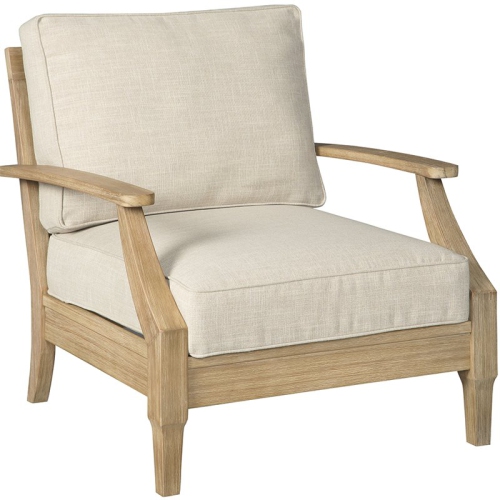 Your price for this item is $1227.67
 -
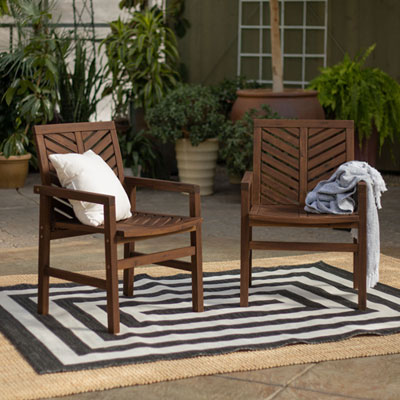 Your price for this item is $604.99
 -
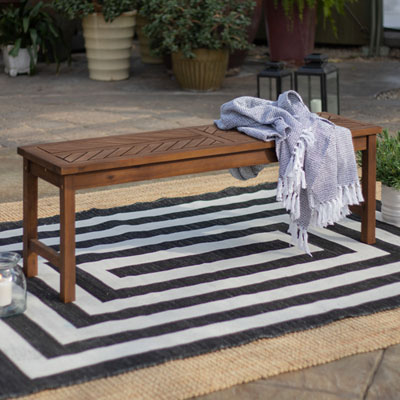 Your price for this item is $371.99
 -
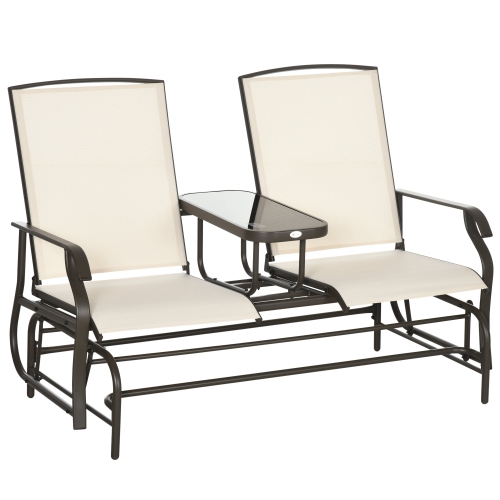 Your price for this item is $189.99
 -
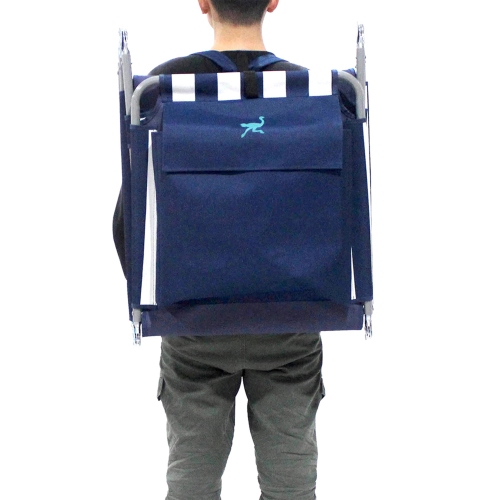 Your price for this item is $204.99
 -
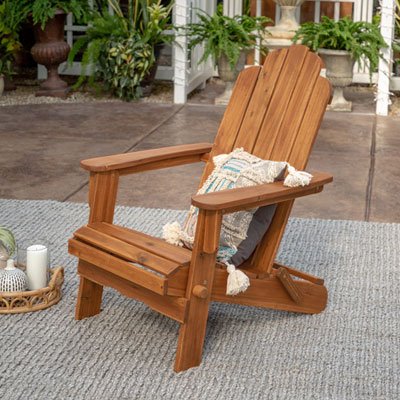 Your price for this item is $461.99
 -
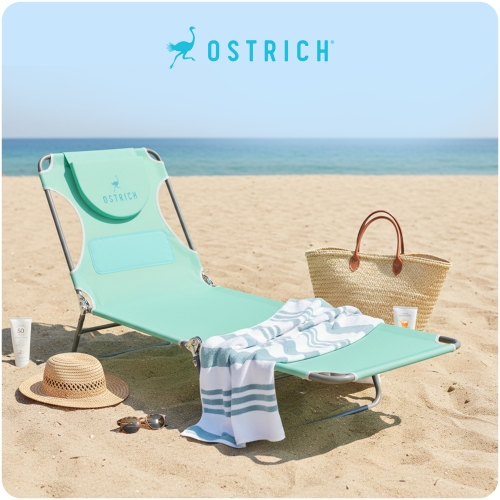 Your price for this item is $170.99
 -
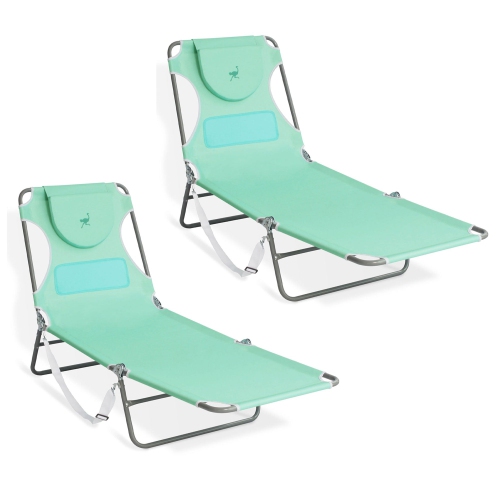 Your price for this item is $392.99
Discover more categories related to Adjustable Chaise Lounge Chairs

Top Collections:
Pokemon Centers, Kindle Devices, Best Budget Office Chairs, Apple iPhones 16, Best Laptops for Writers, iPhone 15 Apple, Canon G7X Cameras, Refurbished Apple Laptops, Alarm Clock, Motorola Razr Phones
Some products may be subject to Environmental Handling Fees
(EHF) depending on your province.
Learn more about EHFs.