Affordable Sectionals
Looking to upgrade your living room with a comfortable and stylish seating option without breaking the bank? Our collection of affordable sectionals offers the perfect solution for those seeking both value and quality. Whether you're hosting movie nights with friends or simply lounging with family, these budget-friendly sectionals provide ample seating space, modern designs, and durability to withstand everyday use. Explore our range of affordable sectionals to find the ideal choice that fits your space and style preferences.
Sort
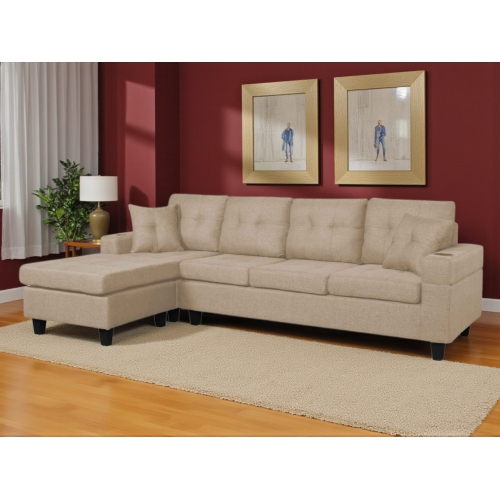
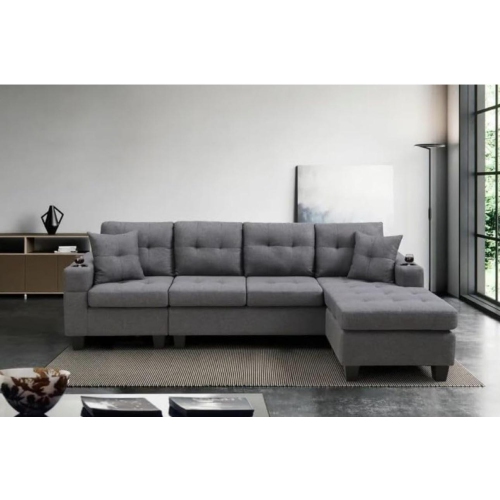

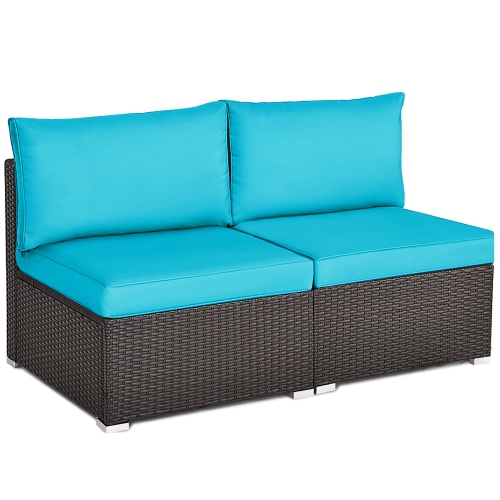
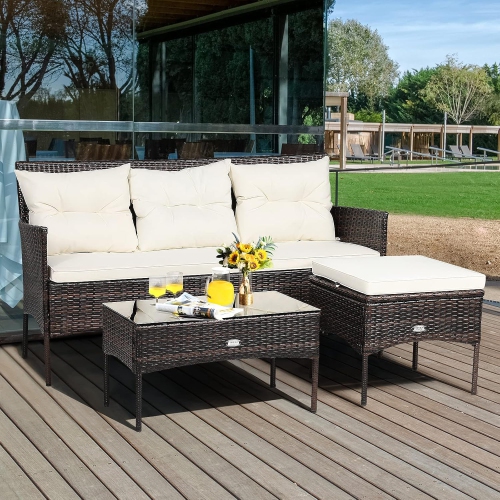
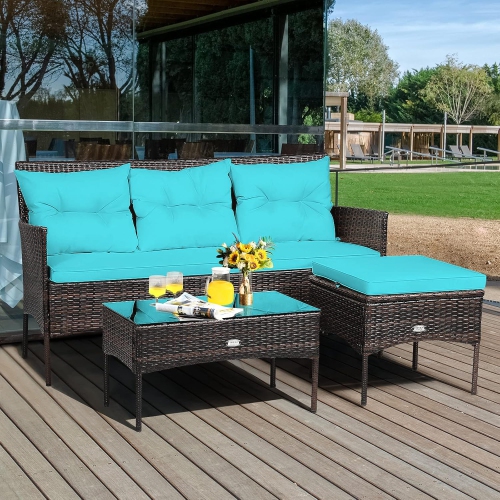
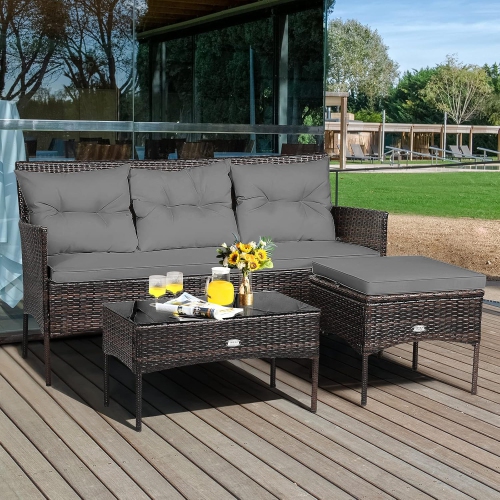
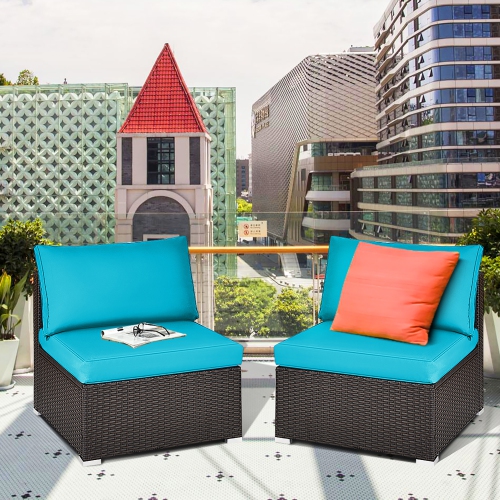
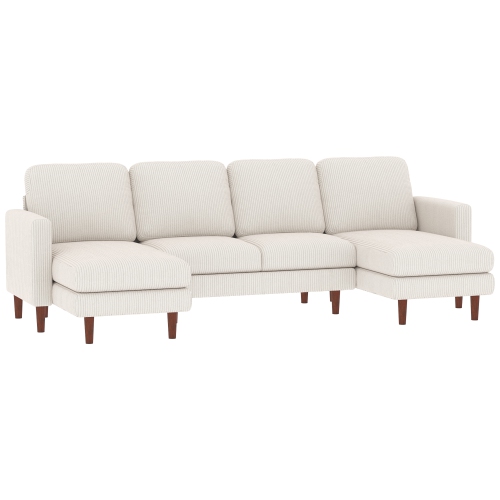
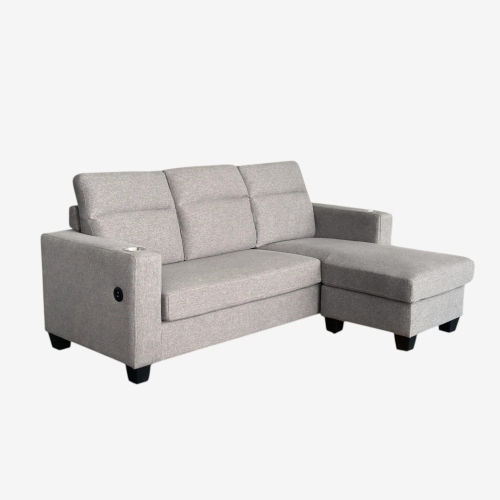
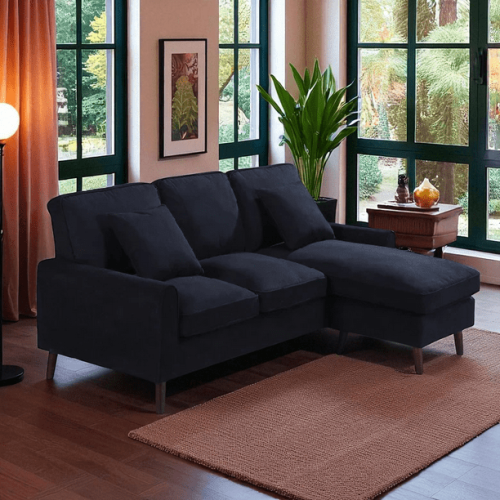
How sectional layouts shape the way you lounge
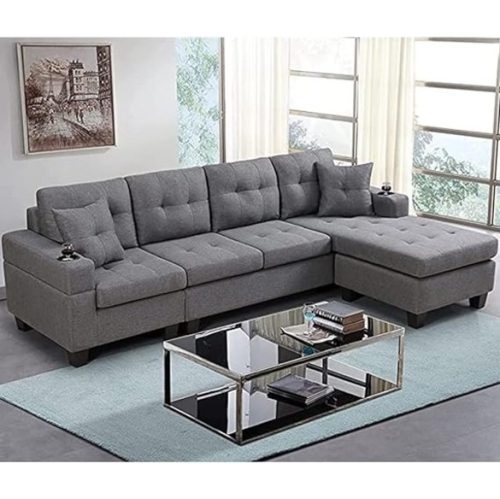
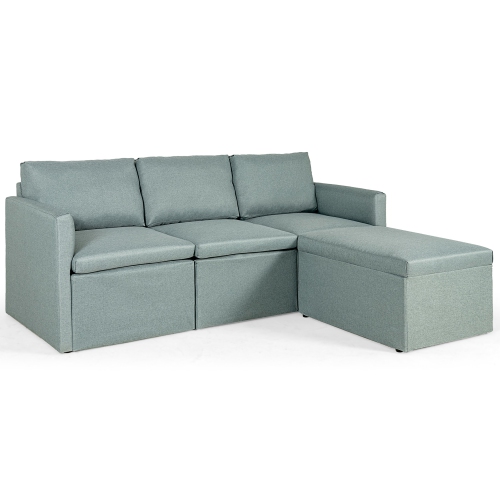
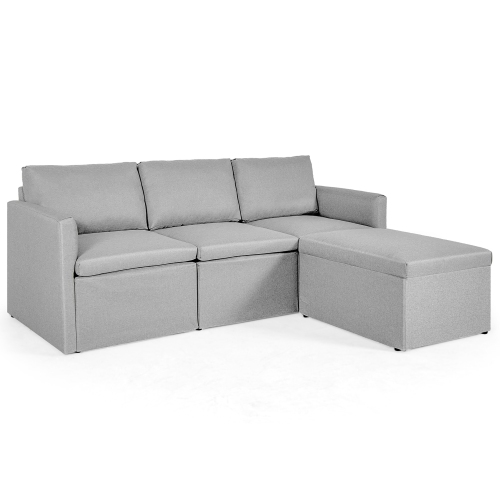
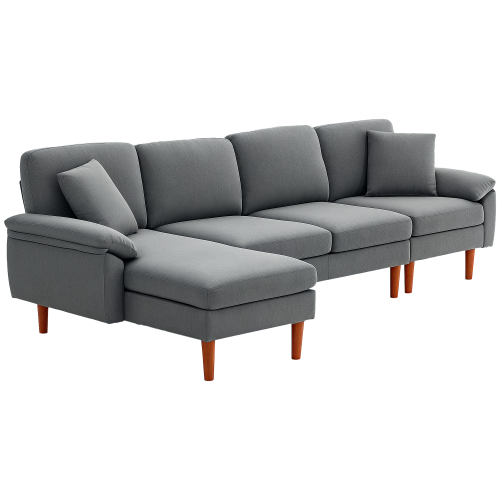
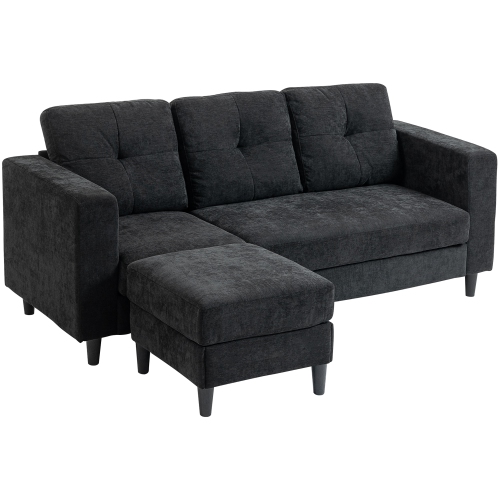
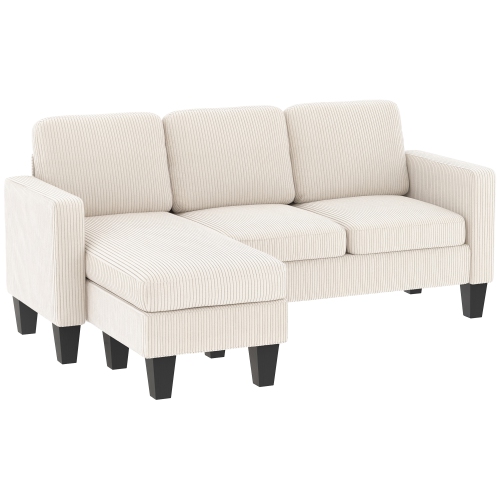
Affordable sectionals bring connected seating to living rooms, apartments, condos, and shared spaces, with layouts that make room for conversation, movie nights, and stretching out with a book. Unlike a standard sofa paired with separate chairs, a sectional combines adjoining seats into one arrangement, often with a chaise or corner section. An L-shaped sectional can define a sitting area in an open-plan room, while a compact sofa-and-chaise layout can provide a lounging spot without filling every wall. Larger U-shaped configurations offer seating on several sides, making them well suited to households that regularly gather around the same coffee table. Modular sectionals consist of separate components that connect in different arrangements, although the possible layouts depend on the design and connectors. Some chaise sectionals have a reversible configuration; others have a fixed left-facing or right-facing orientation that needs to suit the room from the start. Because retailers and manufacturers may describe orientation differently, the layout diagram is more useful than the name alone. The way a sectional gets used matters as much as its shape. A deep chaise suits someone who likes to curl up with their feet tucked underneath them, while a more upright seat can feel better for conversation or getting up frequently. For roommates, clearly defined cushions can create comfortable individual places to sit. For families, a broad corner seat can become a favourite reading spot, though corner sections do not always provide the same usable legroom as straight seats. A sectional with an ottoman adds flexibility: the ottoman can serve as a footrest or an extra perch when its construction allows. Storage compartments can hold throws, cushions, or board games, helping the surrounding room stay organized. Sleeper sectionals add another function for homes that host overnight guests, with comfort, opening space, and setup requirements varying by mechanism. These differences give the category a wide range of everyday uses, from furnishing a first apartment to making a multipurpose family room more comfortable.
A sectional feels at home when its proportions work with both the room and the people using it. Overall width and depth describe its footprint, but chaise length, back height, arm thickness, and usable seat width help explain how it will feel once in place. Wide, padded arms create a substantial silhouette and a comfortable leaning surface, while slimmer arms leave more seating space within a similar footprint. Raised legs expose more of the floor and may leave room for cleaning underneath; low bases give the seating a more grounded appearance but can limit access beneath the frame. In a smaller living room, the important measurement is often the passage beside the chaise rather than the length of the wall behind the sofa. Doors, drawers, heating vents, and routes to adjoining rooms need to remain accessible. Painter’s tape on the floor can make the outline easier to picture, including the space needed to move between the sectional and a coffee table. A sleeper mechanism or reclining seat requires additional clearance in its extended position, not just when closed. Getting the furniture into the home is another part of fit: packaged dimensions, the largest individual section, elevator space, stair turns, and doorway openings all matter. Removable legs or backs may help with access when the design permits, but a modular format does not automatically mean every component fits through a narrow entrance. Upholstery also changes how a sectional sits within the room visually. A softly textured neutral fabric can blend with patterned cushions and rugs, while a deeper colour can anchor a space with pale walls or light flooring. For a closer look at fabric-covered seating, upholstered sectionals offer varied textures and finishes. Smooth weaves, visibly textured fabrics, and plush surfaces each have a distinct appearance, and their practical qualities depend on fibre content and construction. Fabric swatches, when provided, can help show how a colour looks beside existing furniture and under the room’s lighting.
Everyday comfort and durability come from the combination of upholstery, cushioning, suspension, and frame construction rather than any single feature. A firm cushion may provide a more supported sitting position, while a softer cushion allows more sinking in; neither description alone establishes how well the seating will hold its shape. Foam density and firmness describe different properties, and fibre-filled cushions generally need regular fluffing to maintain an even appearance. Seat depth deserves particular attention in homes where people have different preferences. A deep seat can be inviting for lounging but may leave a shorter person needing a cushion behind their back to keep their feet comfortably on the floor. A shallower seat and supportive back can better suit upright sitting. Frames with well-secured joints, appropriate internal support, and stable legs help a sectional withstand repeated use, while secure connectors help adjoining sections stay aligned. Upholstery needs to suit the household’s routines, too. Tightly woven fabrics can be practical around frequent activity, whereas loose loops may catch on pet claws or jewellery. No fabric is entirely resistant to wear, stains, or scratching, and a textured or darker surface may disguise some marks without preventing them. Care instructions should determine the cleaning method: some covers allow removal for cleaning, but removable does not necessarily mean machine washable. Regular vacuuming with an appropriate upholstery attachment helps remove crumbs and grit from seams and cushion edges. Promptly blotting spills rather than rubbing them can limit their spread, followed by the treatment specified for the material. Reversible cushions can be turned and rotated if the construction allows, helping distribute wear across seating positions. Keeping upholstery away from prolonged direct sunlight can also help reduce uneven fading. For a household that uses the same seats every evening, these small maintenance habits are especially useful. The most suitable sectional balances a comfortable sitting position, a workable layout, and care requirements that fit daily life, whether its main role is a quiet reading corner, a shared television area, or a welcoming place for guests to settle in.
A sectional feels at home when its proportions work with both the room and the people using it. Overall width and depth describe its footprint, but chaise length, back height, arm thickness, and usable seat width help explain how it will feel once in place. Wide, padded arms create a substantial silhouette and a comfortable leaning surface, while slimmer arms leave more seating space within a similar footprint. Raised legs expose more of the floor and may leave room for cleaning underneath; low bases give the seating a more grounded appearance but can limit access beneath the frame. In a smaller living room, the important measurement is often the passage beside the chaise rather than the length of the wall behind the sofa. Doors, drawers, heating vents, and routes to adjoining rooms need to remain accessible. Painter’s tape on the floor can make the outline easier to picture, including the space needed to move between the sectional and a coffee table. A sleeper mechanism or reclining seat requires additional clearance in its extended position, not just when closed. Getting the furniture into the home is another part of fit: packaged dimensions, the largest individual section, elevator space, stair turns, and doorway openings all matter. Removable legs or backs may help with access when the design permits, but a modular format does not automatically mean every component fits through a narrow entrance. Upholstery also changes how a sectional sits within the room visually. A softly textured neutral fabric can blend with patterned cushions and rugs, while a deeper colour can anchor a space with pale walls or light flooring. For a closer look at fabric-covered seating, upholstered sectionals offer varied textures and finishes. Smooth weaves, visibly textured fabrics, and plush surfaces each have a distinct appearance, and their practical qualities depend on fibre content and construction. Fabric swatches, when provided, can help show how a colour looks beside existing furniture and under the room’s lighting.
Everyday comfort and durability come from the combination of upholstery, cushioning, suspension, and frame construction rather than any single feature. A firm cushion may provide a more supported sitting position, while a softer cushion allows more sinking in; neither description alone establishes how well the seating will hold its shape. Foam density and firmness describe different properties, and fibre-filled cushions generally need regular fluffing to maintain an even appearance. Seat depth deserves particular attention in homes where people have different preferences. A deep seat can be inviting for lounging but may leave a shorter person needing a cushion behind their back to keep their feet comfortably on the floor. A shallower seat and supportive back can better suit upright sitting. Frames with well-secured joints, appropriate internal support, and stable legs help a sectional withstand repeated use, while secure connectors help adjoining sections stay aligned. Upholstery needs to suit the household’s routines, too. Tightly woven fabrics can be practical around frequent activity, whereas loose loops may catch on pet claws or jewellery. No fabric is entirely resistant to wear, stains, or scratching, and a textured or darker surface may disguise some marks without preventing them. Care instructions should determine the cleaning method: some covers allow removal for cleaning, but removable does not necessarily mean machine washable. Regular vacuuming with an appropriate upholstery attachment helps remove crumbs and grit from seams and cushion edges. Promptly blotting spills rather than rubbing them can limit their spread, followed by the treatment specified for the material. Reversible cushions can be turned and rotated if the construction allows, helping distribute wear across seating positions. Keeping upholstery away from prolonged direct sunlight can also help reduce uneven fading. For a household that uses the same seats every evening, these small maintenance habits are especially useful. The most suitable sectional balances a comfortable sitting position, a workable layout, and care requirements that fit daily life, whether its main role is a quiet reading corner, a shared television area, or a welcoming place for guests to settle in.
Top selling and popular products
-
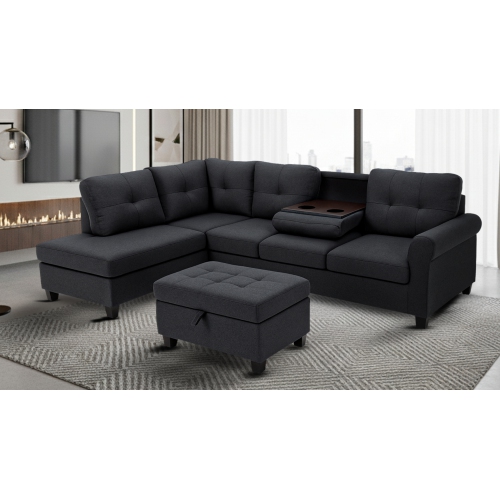 Your price for this item is $1399
 -
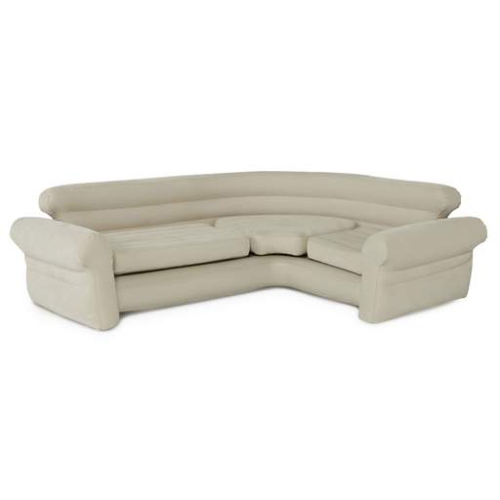 Your price for this item is $363.99
 -
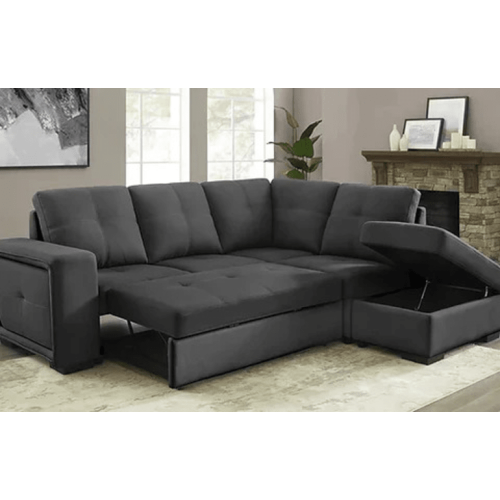 Your price for this item is $1699
 -
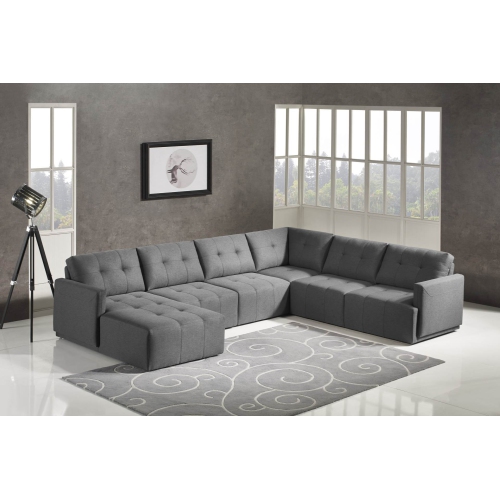 Your price for this item is $3999
 -
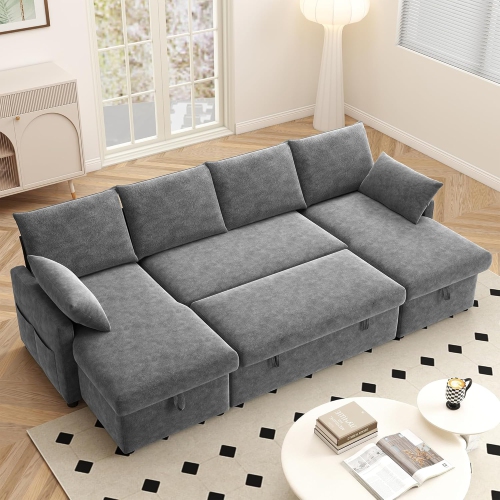 Your price for this item is $849.99
 -
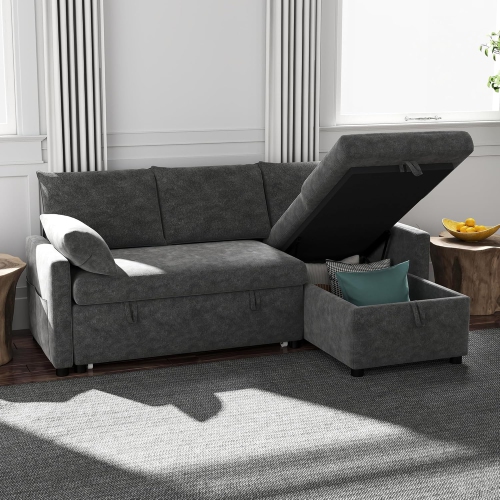 Your price for this item is $649.99
 -
 Your price for this item is $999
 -
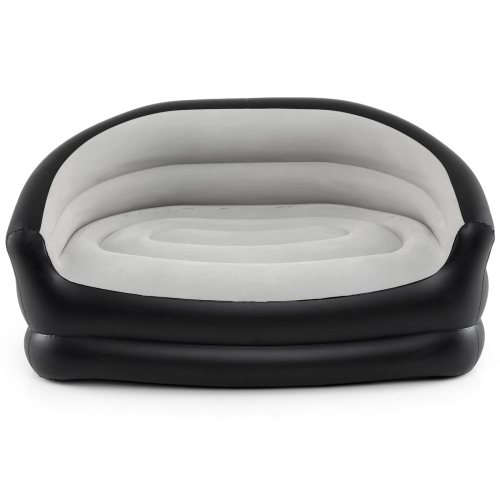 Your price for this item is $74.99
Discover more categories related to Affordable Sectionals
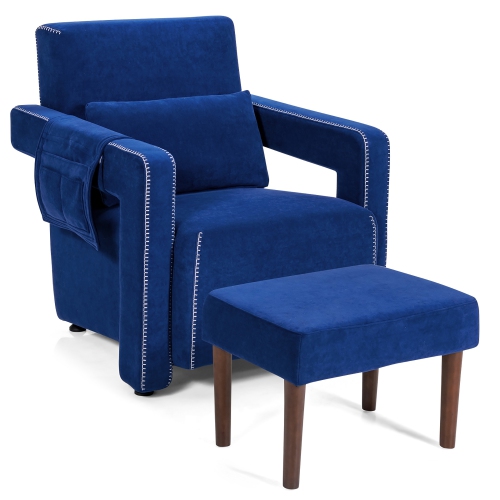
Top Collections:
Pokemon Centers, Kindle Devices, Best Budget Office Chairs, Apple iPhones 16, Best Laptops for Writers, iPhone 15 Apple, Canon G7X Cameras, Refurbished Apple Laptops, Alarm Clock, Motorola Razr Phones
Some products may be subject to Environmental Handling Fees
(EHF) depending on your province.
Learn more about EHFs.