Aluminum Side Tables
Aluminum side tables are a great addition to almost any living room, bedroom, or outdoor space. These tables provide a sturdy and lightweight option that can be used as a side table or end table. These tables are lightweight and durable, making them easy to move around and perfect for outdoor use. Here are some great options available.
Sort
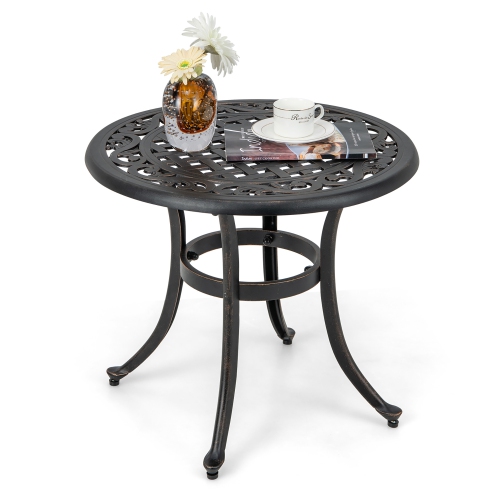
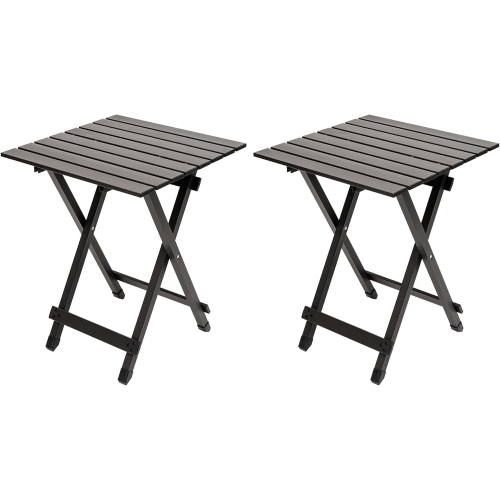
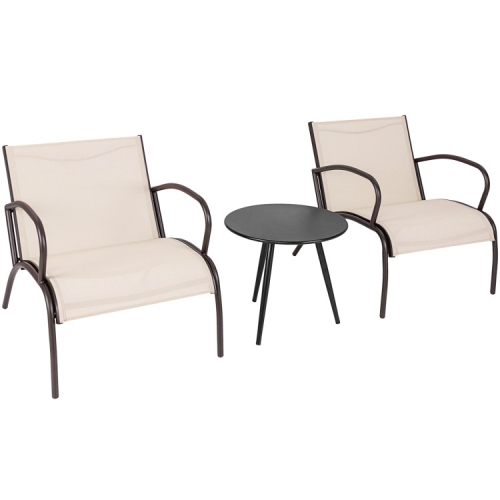
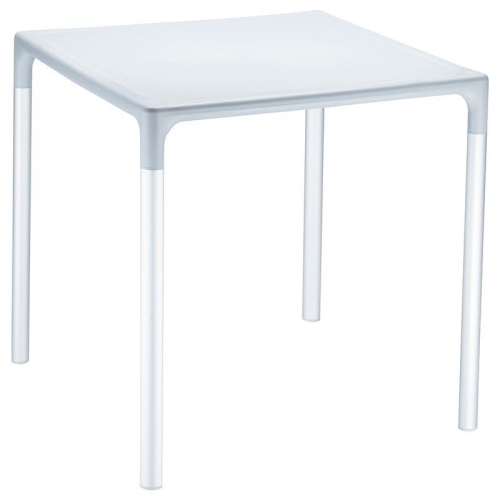
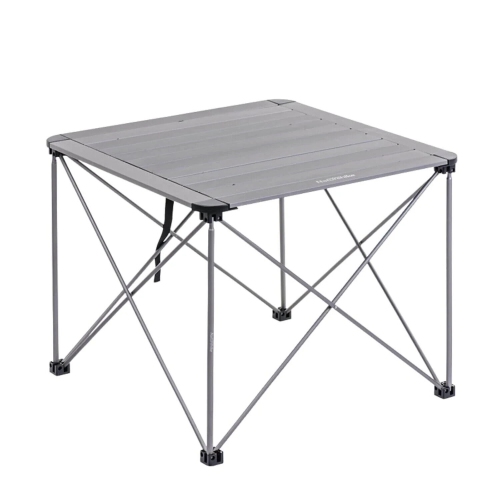
Compact tables that put everyday essentials within reach
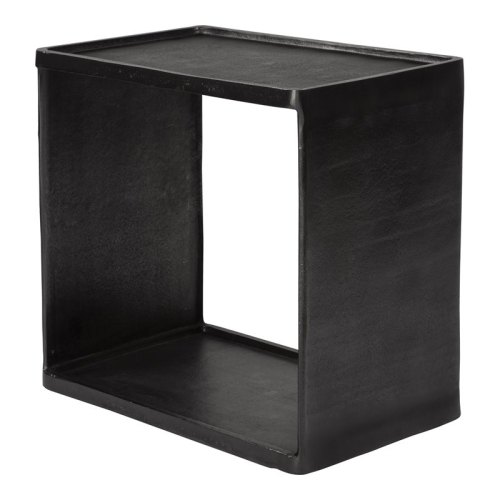
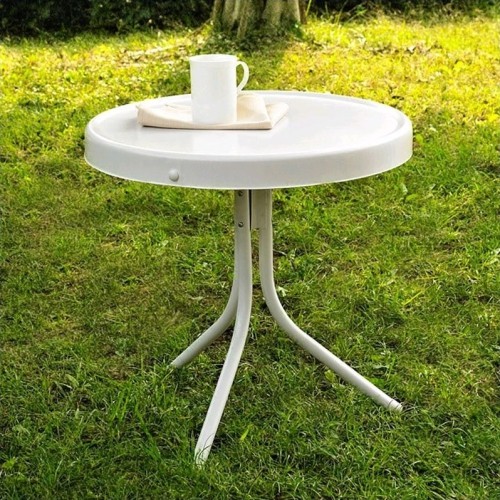
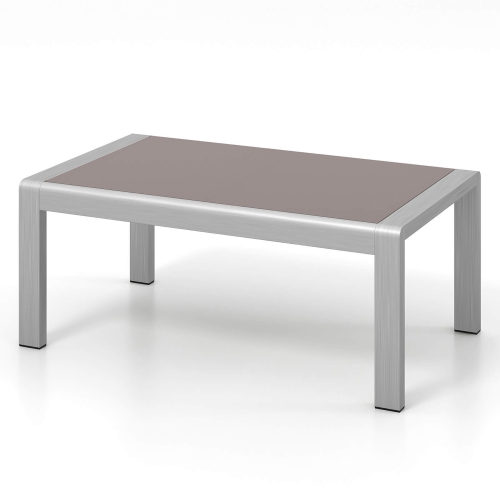
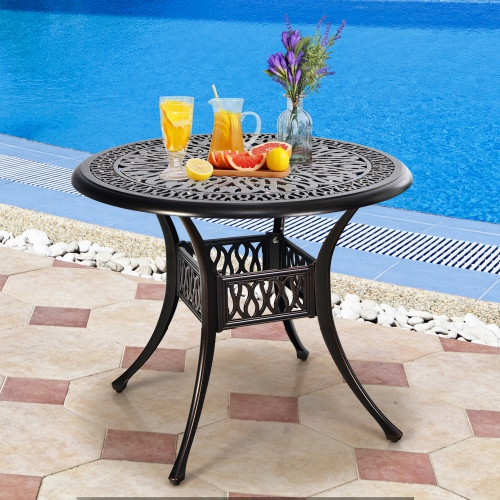
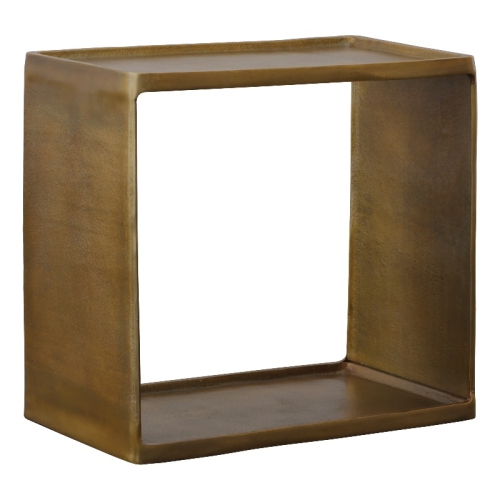
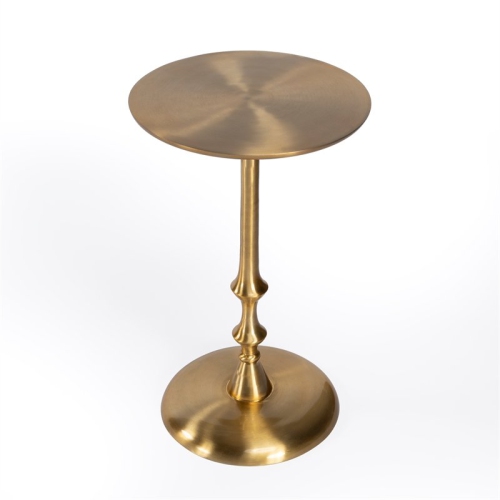
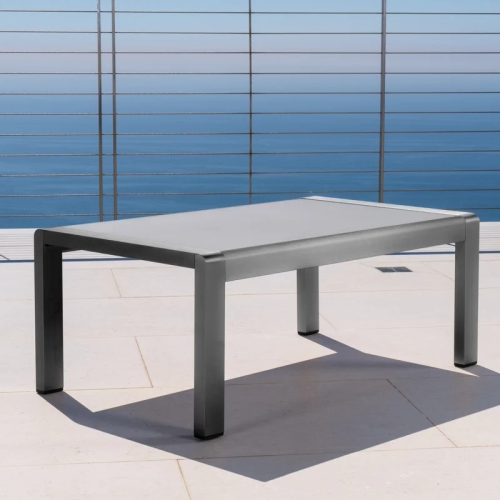
Aluminum side tables bring a useful surface to the small spaces beside sofas, armchairs, and beds without necessarily adding much visual weight. A slim tabletop on an open base can leave a seating area feeling airy, while a solid drum or pedestal shape creates a more substantial accent. Both serve the same everyday purpose: keeping a drink, a book, or a pair of glasses close enough to reach comfortably. Aluminum is generally lighter than steel in comparable furniture designs, making many of these tables practical for rooms where the layout changes or an extra surface moves between seats. The finished weight still depends on the table’s size, construction, and any additional materials, such as a stone top or a weighted base. Appearance varies just as much. Brushed aluminum has a softly lined texture, polished finishes catch light, and powder-coated surfaces introduce colour with a more uniform look. Cast aluminum can offer rounded edges, sculptural forms, or subtle surface variations that give a compact table a distinctive presence. Those differences make aluminum side tables suitable for more than one decorating style. A simple cylindrical design can sit comfortably beside a low upholstered sofa, while a textured metal finish can add contrast to a room with wood furniture and woven fabrics. Tables that combine aluminum frames with glass, wood, or other tabletop materials offer another way to balance textures, although each surface brings its own care requirements. When comparing designs, it helps to distinguish between an aluminum tabletop, an aluminum frame, and a table made predominantly from aluminum; the description alone may not describe every component. Construction details also matter more than a metallic appearance. Secure joints, a level top, and a base that sits evenly on the floor contribute to a table that feels dependable in daily use. The most useful choice balances that solid feel with a shape and finish that suit the furniture already in the room.
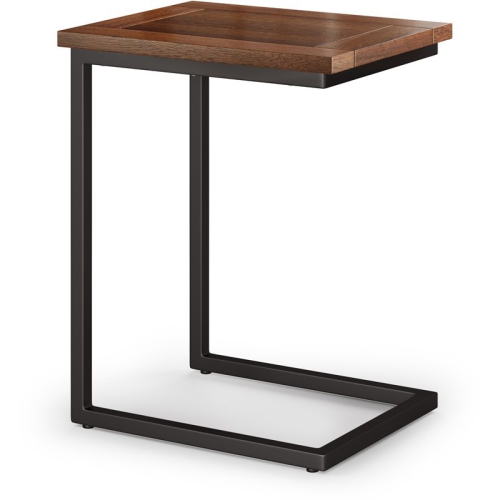
Fit starts with the spot where an aluminum side table will actually stand. Beside a sofa or reading chair, a tabletop close to the height of the arm usually makes setting down a mug feel natural, rather than requiring an awkward reach up or down. Beside a bed, compare the table height with the top of the mattress and consider whether a lamp, phone, and water glass can share the surface comfortably. Measure the full footprint, including legs or a base that extends beyond the tabletop, and leave room for walking past, opening drawers, and getting in and out of the seat. A narrow table can make good use of the gap between an armchair and a wall, but it still needs enough usable surface for its intended job. A broad lamp base, for example, may occupy most of a small round top before there is space for anything else. Round shapes avoid projecting corners in tight layouts, while square and rectangular tops often sit neatly alongside straight sofa arms or against walls. A C-shaped design can bring a surface closer to someone seated on a sofa, provided its base fits beneath the furniture and clears the sofa’s legs. Nesting designs offer separate surfaces when needed and a smaller combined footprint when tucked together. For these styles, check the dimensions of each table rather than relying only on the overall measurements. Stability deserves particular attention wherever a table might be nudged by a passing foot, a pet, or a child. Lightweight construction makes repositioning easier, but a narrow or tall design may feel less steady than one with a wider, well-balanced base. Follow the stated load capacity, and consider how weight will be distributed across the top. A table intended for a cup and a paperback is not automatically suitable for a heavy planter or a large piece of equipment. In a shared living room, a lower shelf can keep reading material away from the main surface; in a compact bedroom, an open base may leave more room for cleaning around the bed.
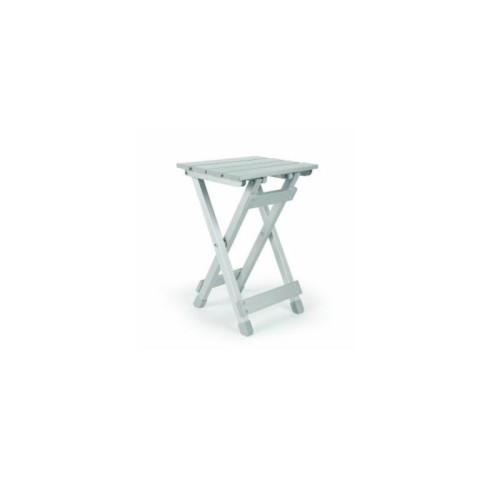
Care and intended use help determine how well an aluminum side table will hold up over time. Aluminum does not develop iron rust, but it is not immune to corrosion, staining, scratches, or dents. Its finish and the materials used in fasteners, joints, and other components all affect durability. For a balcony, patio, or other outdoor setting, choose a table specifically described as suitable for outdoor use rather than assuming that any aluminum design belongs outside. The tabletop, coating, and hardware need to be appropriate for that use as well. Indoors, coasters help limit drink rings and spills, while a protective mat beneath a planter can reduce contact with moisture and grit. Lift objects rather than dragging them across the surface, especially on polished or painted finishes where fine scratches may be more noticeable. Routine cleaning usually calls for a soft cloth, with mild soap and water where permitted by the manufacturer, followed by drying. Abrasive pads, harsh cleaners, and metal polishes can damage certain coatings, so the care directions for the particular finish should take priority. Check assembly fittings occasionally if the table is moved often, and lift it by a secure structural section rather than pulling it by a decorative edge. Suitable floor protectors can help prevent marks on hard flooring, provided they do not interfere with the table’s balance. For someone furnishing a first apartment, creating a reading corner, or adding a bedside surface to a guest room, a compact aluminum table can be a practical gift when the room dimensions and preferred finish are known. A permanent side table suits a dedicated spot beside a seat, while a portable surface serves a different purpose. For spaces that need a table only occasionally, Aluminum Folding Tables offer a related option worth considering, with folded dimensions and locking mechanisms among the details to compare. Whether the priority is easy repositioning, a distinctive metal texture, or simply a convenient place to set down a cup, the right proportions and thoughtful construction make an aluminum side table useful well beyond its small footprint.
Fit starts with the spot where an aluminum side table will actually stand. Beside a sofa or reading chair, a tabletop close to the height of the arm usually makes setting down a mug feel natural, rather than requiring an awkward reach up or down. Beside a bed, compare the table height with the top of the mattress and consider whether a lamp, phone, and water glass can share the surface comfortably. Measure the full footprint, including legs or a base that extends beyond the tabletop, and leave room for walking past, opening drawers, and getting in and out of the seat. A narrow table can make good use of the gap between an armchair and a wall, but it still needs enough usable surface for its intended job. A broad lamp base, for example, may occupy most of a small round top before there is space for anything else. Round shapes avoid projecting corners in tight layouts, while square and rectangular tops often sit neatly alongside straight sofa arms or against walls. A C-shaped design can bring a surface closer to someone seated on a sofa, provided its base fits beneath the furniture and clears the sofa’s legs. Nesting designs offer separate surfaces when needed and a smaller combined footprint when tucked together. For these styles, check the dimensions of each table rather than relying only on the overall measurements. Stability deserves particular attention wherever a table might be nudged by a passing foot, a pet, or a child. Lightweight construction makes repositioning easier, but a narrow or tall design may feel less steady than one with a wider, well-balanced base. Follow the stated load capacity, and consider how weight will be distributed across the top. A table intended for a cup and a paperback is not automatically suitable for a heavy planter or a large piece of equipment. In a shared living room, a lower shelf can keep reading material away from the main surface; in a compact bedroom, an open base may leave more room for cleaning around the bed.
Care and intended use help determine how well an aluminum side table will hold up over time. Aluminum does not develop iron rust, but it is not immune to corrosion, staining, scratches, or dents. Its finish and the materials used in fasteners, joints, and other components all affect durability. For a balcony, patio, or other outdoor setting, choose a table specifically described as suitable for outdoor use rather than assuming that any aluminum design belongs outside. The tabletop, coating, and hardware need to be appropriate for that use as well. Indoors, coasters help limit drink rings and spills, while a protective mat beneath a planter can reduce contact with moisture and grit. Lift objects rather than dragging them across the surface, especially on polished or painted finishes where fine scratches may be more noticeable. Routine cleaning usually calls for a soft cloth, with mild soap and water where permitted by the manufacturer, followed by drying. Abrasive pads, harsh cleaners, and metal polishes can damage certain coatings, so the care directions for the particular finish should take priority. Check assembly fittings occasionally if the table is moved often, and lift it by a secure structural section rather than pulling it by a decorative edge. Suitable floor protectors can help prevent marks on hard flooring, provided they do not interfere with the table’s balance. For someone furnishing a first apartment, creating a reading corner, or adding a bedside surface to a guest room, a compact aluminum table can be a practical gift when the room dimensions and preferred finish are known. A permanent side table suits a dedicated spot beside a seat, while a portable surface serves a different purpose. For spaces that need a table only occasionally, Aluminum Folding Tables offer a related option worth considering, with folded dimensions and locking mechanisms among the details to compare. Whether the priority is easy repositioning, a distinctive metal texture, or simply a convenient place to set down a cup, the right proportions and thoughtful construction make an aluminum side table useful well beyond its small footprint.
Top selling and popular products
-
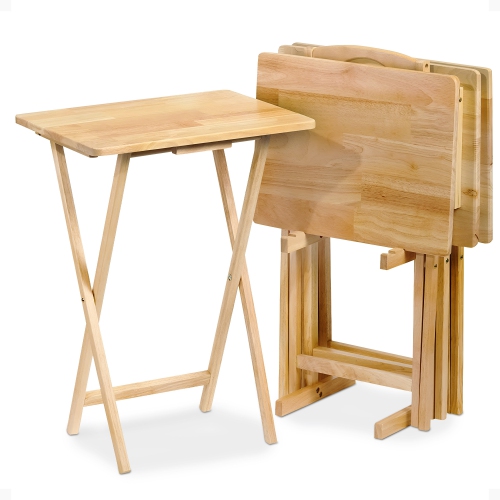 Your price for this item is $162.99
 -
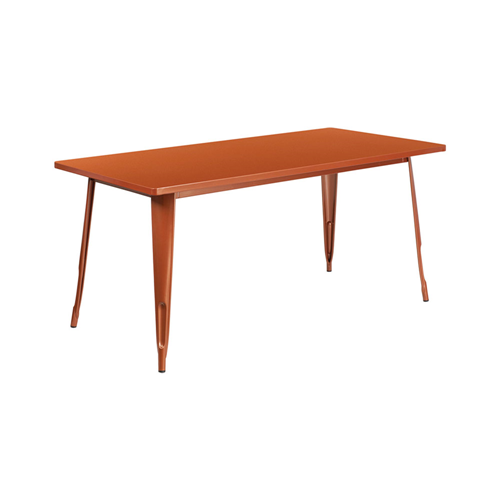 Your price for this item is $516.69
 -
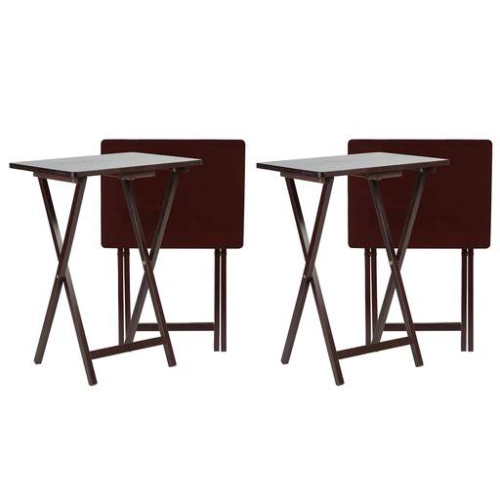 Your price for this item is $210.99
 -
 Your price for this item is $115.99
 -
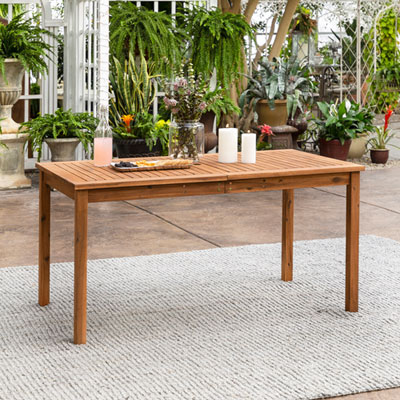 Your price for this item is $550.99
 -
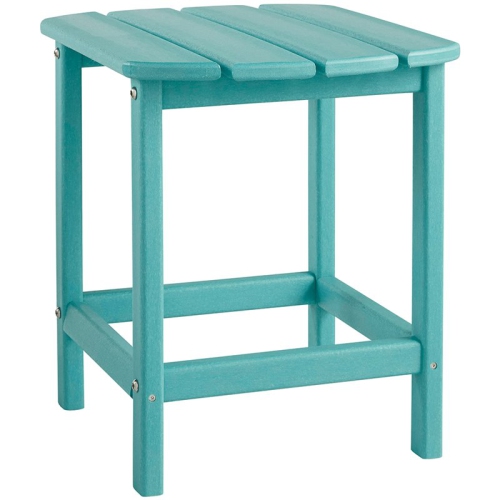 Your price for this item is $301.07
 -
 Your price for this item is $149
 -
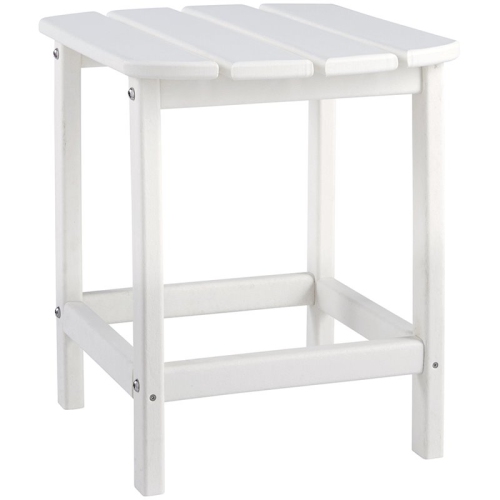 Your price for this item is $301.14
Discover more categories related to Aluminum Side Tables
Top Collections:
Pokemon Centers, Kindle Devices, Best Budget Office Chairs, Apple iPhones 16, Best Laptops for Writers, iPhone 15 Apple, Canon G7X Cameras, Refurbished Apple Laptops, Alarm Clock, Motorola Razr Phones
Some products may be subject to Environmental Handling Fees
(EHF) depending on your province.
Learn more about EHFs.