Apple Slicers
Looking to add a touch of convenience and efficiency to your kitchen routine? Look no further than our collection of apple slicers. Whether you're a seasoned chef or simply love indulging in a fresh, juicy apple snack, these handy tools are designed to make slicing and coring apples a breeze. With their sharp blades and ergonomic designs, our apple slicers are perfect for creating uniform slices, removing cores effortlessly, and saving you time in the process. Discover the joy of perfectly sliced apples with our range of high-quality apple slicers, which are sure to become an essential addition to your culinary arsenal.
Sort
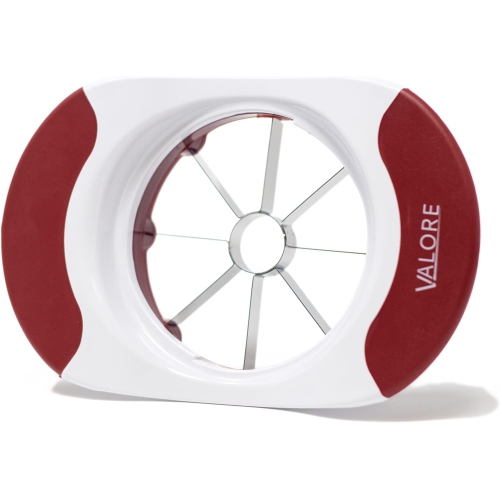
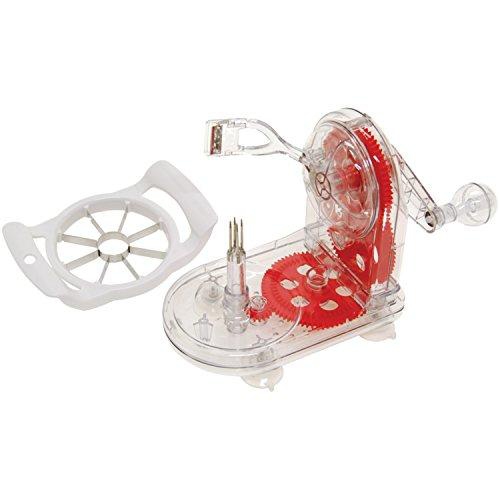
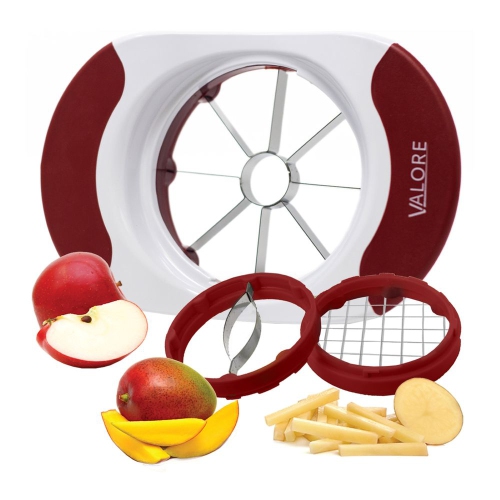
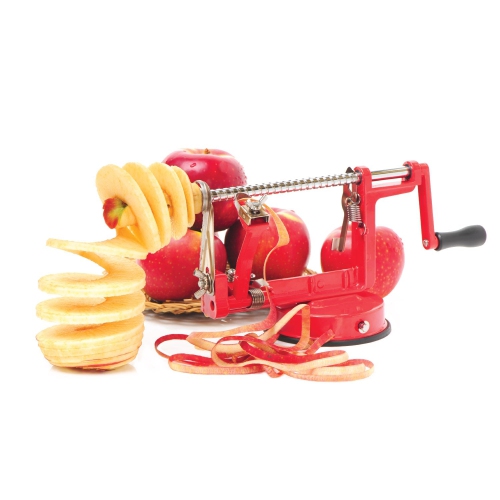
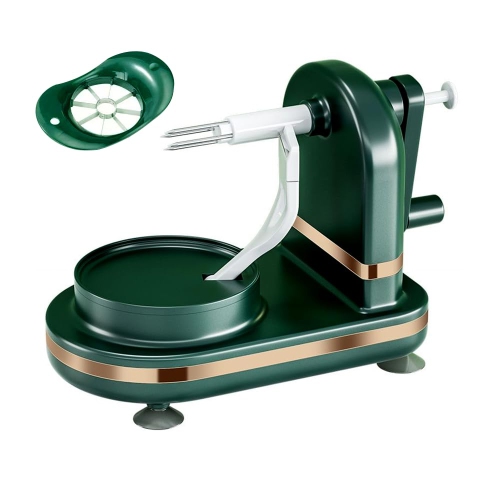
Even wedges and easy coring for everyday food prep
Apple slicers are practical kitchen tools designed to turn a whole apple into evenly sized wedges while removing the core in one smooth motion. Most handheld models use a circular arrangement of approximately 8 to 16 blades with a central coring ring, allowing the fruit to be divided into consistent pieces for snacking, lunch boxes, baking, or serving. They are especially useful for households that enjoy fresh fruit but prefer to avoid the uneven cuts and extra mess that can come with using a chef’s knife. A slicer can make a crisp apple easier for children to eat, create tidy pieces for a fruit platter, or prepare several apples quickly for a salad or dessert. The compact size of many models also makes them convenient to keep in a kitchen drawer, picnic basket, office kitchenette, or cottage cupboard. When selecting an apple slicer, consider the size of the fruit it can accommodate, the number and sharpness of the blades, the comfort of the handles, and how simple it is to clean. A wider opening may be helpful for large apples, while a smaller design can be easier for children or anyone with limited hand strength to manage under supervision. Stainless steel blades are commonly chosen for their durability and resistance to staining, while plastic or silicone components may add grip and make the tool more comfortable to hold. Some slicers are designed with protective covers, folding parts, or enclosed blades for safer storage. These features can be valuable in busy kitchens where utensils are stored in crowded drawers or where sharp tools need to be kept away from young children. For anyone building a useful collection of everyday kitchen tools, apple slicers offer a simple way to make routine food preparation feel more organized.
Using an apple slicer is straightforward, but a steady technique helps produce clean wedges and keeps hands away from the blades. Begin by washing and drying the apple, then place it upright on a flat, sturdy cutting board. Position the central coring ring directly over the stem and make sure the cutting surface is stable. Hold the side handles with both hands, keep fingers above the blade area, and press down firmly in one controlled motion. Harder apples may require a little more pressure, while very soft or oversized fruit may be easier to cut in half first, depending on the slicer’s design and instructions. Once the wedges have been separated, lift the tool away from the board and remove the core from the underside rather than pushing it through the blades with your fingers. Rinsing the slicer soon after use can help prevent apple juice and bits of fruit from drying around the blade connections. Some models are dishwasher safe, while others should be washed by hand with warm water, mild dish soap, and a soft brush. Drying the tool thoroughly before storing it can help preserve its finish and prevent moisture from collecting in seams or handles. Apple slicers come in several formats to suit different routines. Handheld wedge slicers are compact and well suited to quick snacks, school lunches, and simple serving preparation. Designs with covers or protected folding sections can be useful for kitchens where storage safety is a priority. Crank-style countertop slicers are larger and intended for people who prepare apples in greater quantities, since they can peel, core, and spiral-slice fruit for pies, tarts, sauces, garnishes, and dried snacks. Buyers who already enjoy preparing vegetables may also appreciate browsing Carrot Slicers for another convenient cutting option.
Apple slicers can be useful for a wide range of people, from busy parents preparing lunches to home bakers getting fruit ready for a family recipe. A child who tends to skip whole fruit may be more likely to reach for neatly arranged apple wedges in a lunch container, especially when they are paired with yogurt, cheese, nut-free spread, or another favourite snack. Adults can use sliced apples for oatmeal toppings, salads, charcuterie-style boards, smoothies, and quick snacks between activities. During the warmer part of the year, evenly cut wedges are convenient for picnics, patio meals, road trips, and gatherings where food needs to be prepared ahead of time. During the cooler months, the same tool can speed up preparation for baked apples, crisps, pies, compotes, and warm breakfasts. Apple slicers can also make thoughtful gifts for students setting up a first kitchen, new homeowners, frequent hosts, or anyone who enjoys practical cooking accessories. For a gift, look for a comfortable design that is easy to understand and simple to store rather than choosing solely by appearance. A person who mainly eats apples fresh may prefer a compact handheld model, while someone who regularly bakes or preserves fruit may benefit from a countertop style with peeling and spiral-slicing functions. Before purchasing, check whether the tool is intended for apples of a particular size, whether the blades are removable or dishwasher safe, and whether replacement parts or care instructions are available. It is also worth considering the counter space and storage habits of the intended user. With the right fit, an apple slicer can become one of those small kitchen essentials that earns its place through frequent use, making everything from a morning snack to a homemade dessert faster, tidier, and more consistent.
Using an apple slicer is straightforward, but a steady technique helps produce clean wedges and keeps hands away from the blades. Begin by washing and drying the apple, then place it upright on a flat, sturdy cutting board. Position the central coring ring directly over the stem and make sure the cutting surface is stable. Hold the side handles with both hands, keep fingers above the blade area, and press down firmly in one controlled motion. Harder apples may require a little more pressure, while very soft or oversized fruit may be easier to cut in half first, depending on the slicer’s design and instructions. Once the wedges have been separated, lift the tool away from the board and remove the core from the underside rather than pushing it through the blades with your fingers. Rinsing the slicer soon after use can help prevent apple juice and bits of fruit from drying around the blade connections. Some models are dishwasher safe, while others should be washed by hand with warm water, mild dish soap, and a soft brush. Drying the tool thoroughly before storing it can help preserve its finish and prevent moisture from collecting in seams or handles. Apple slicers come in several formats to suit different routines. Handheld wedge slicers are compact and well suited to quick snacks, school lunches, and simple serving preparation. Designs with covers or protected folding sections can be useful for kitchens where storage safety is a priority. Crank-style countertop slicers are larger and intended for people who prepare apples in greater quantities, since they can peel, core, and spiral-slice fruit for pies, tarts, sauces, garnishes, and dried snacks. Buyers who already enjoy preparing vegetables may also appreciate browsing Carrot Slicers for another convenient cutting option.
Apple slicers can be useful for a wide range of people, from busy parents preparing lunches to home bakers getting fruit ready for a family recipe. A child who tends to skip whole fruit may be more likely to reach for neatly arranged apple wedges in a lunch container, especially when they are paired with yogurt, cheese, nut-free spread, or another favourite snack. Adults can use sliced apples for oatmeal toppings, salads, charcuterie-style boards, smoothies, and quick snacks between activities. During the warmer part of the year, evenly cut wedges are convenient for picnics, patio meals, road trips, and gatherings where food needs to be prepared ahead of time. During the cooler months, the same tool can speed up preparation for baked apples, crisps, pies, compotes, and warm breakfasts. Apple slicers can also make thoughtful gifts for students setting up a first kitchen, new homeowners, frequent hosts, or anyone who enjoys practical cooking accessories. For a gift, look for a comfortable design that is easy to understand and simple to store rather than choosing solely by appearance. A person who mainly eats apples fresh may prefer a compact handheld model, while someone who regularly bakes or preserves fruit may benefit from a countertop style with peeling and spiral-slicing functions. Before purchasing, check whether the tool is intended for apples of a particular size, whether the blades are removable or dishwasher safe, and whether replacement parts or care instructions are available. It is also worth considering the counter space and storage habits of the intended user. With the right fit, an apple slicer can become one of those small kitchen essentials that earns its place through frequent use, making everything from a morning snack to a homemade dessert faster, tidier, and more consistent.
Top selling and popular products
-
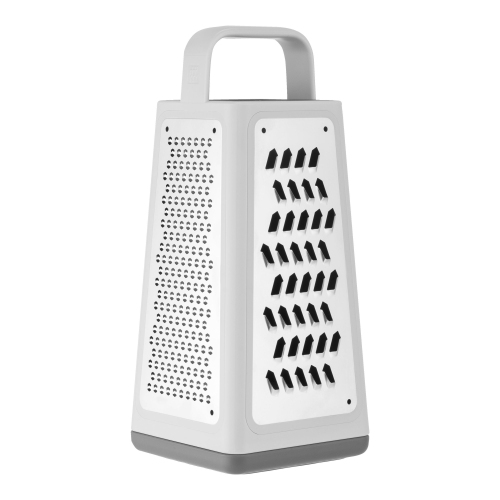 Your price for this item is $49.99
 -
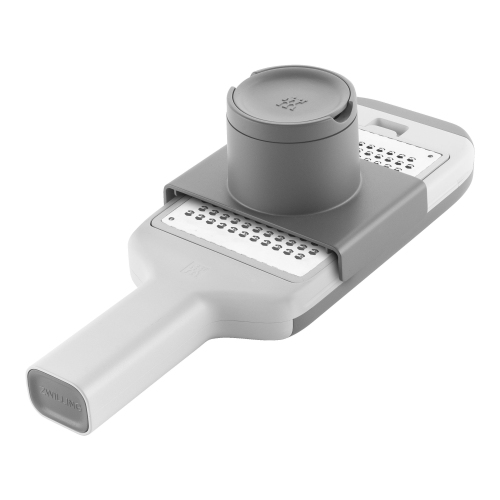 Your price for this item is $49.99
 -
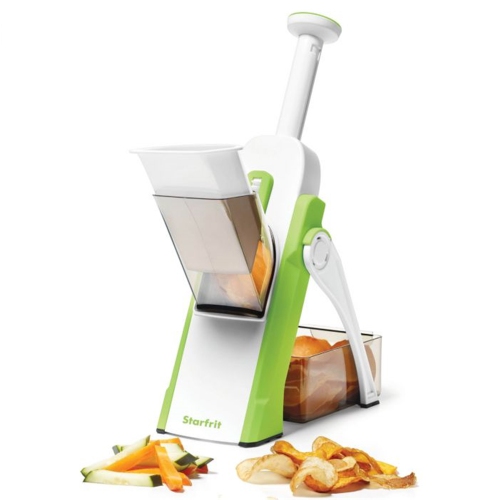 Your price for this item is $44.97
 -
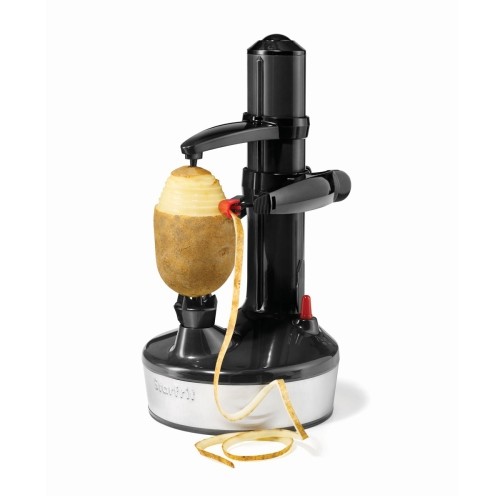 Your price for this item is $29.99
 -
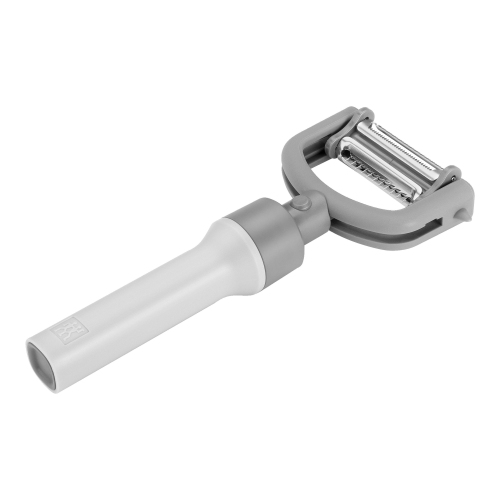 Your price for this item is $24.99
 -
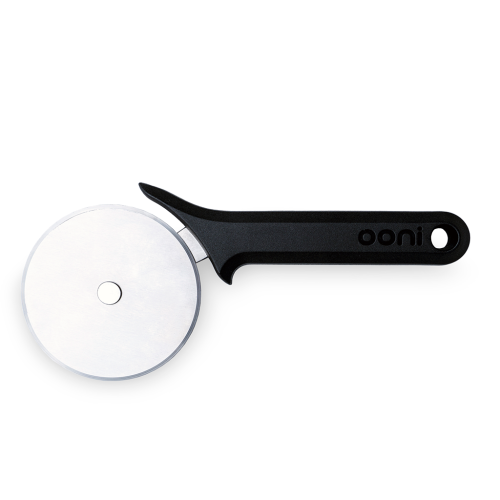 Your price for this item is $18.99
 -
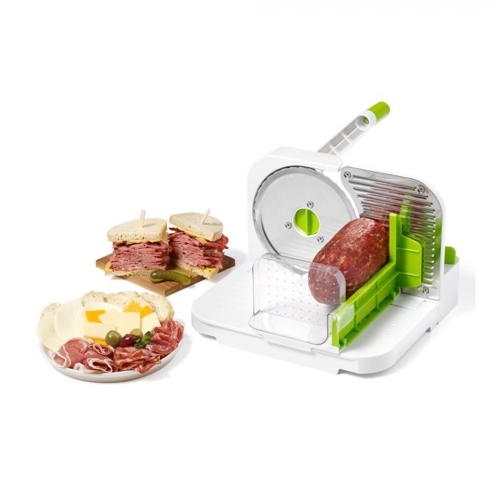 Your price for this item is $49.97
 -
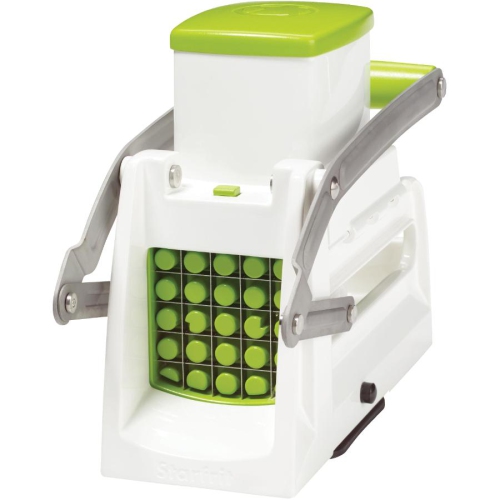 Your price for this item is $29.99
Discover more categories related to Apple Slicers
Top Collections:
Pokemon Centers, Kindle Devices, Best Cell Phones Under $500, Alarm Clock, Canon G7X Cameras, iPhone 15 Apple, Apple iPhones 16, Laptops for Students, iPhone 14 256GB, Budget Smartphones
Some products may be subject to Environmental Handling Fees
(EHF) depending on your province.
Learn more about EHFs.