Carrot Slicers
If you're looking to add some convenience to your kitchen prep, look no further than these carrot slicers. These handy gadgets are designed to effortlessly slice and dice carrots, making meal preparation a breeze. Whether you're looking to create beautiful garnishes for your dishes or simply want to speed up the process of chopping carrots for soups and salads, this range of carrot slicers has you covered. With various options to choose from, you'll find the perfect tool to suit your needs.
Sort



















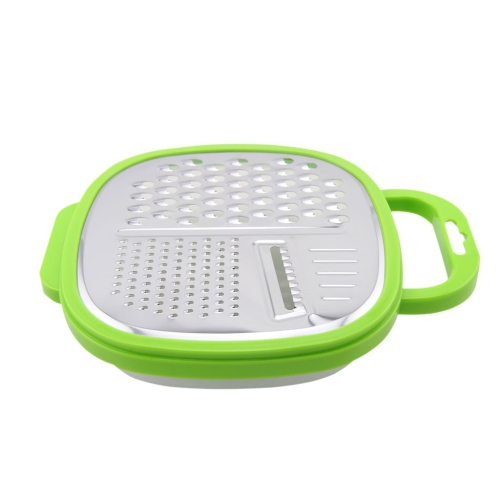
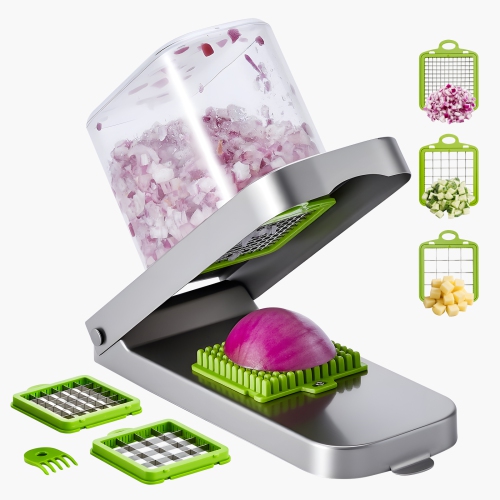
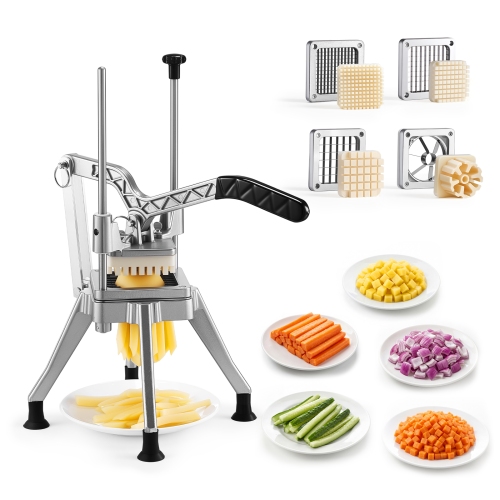
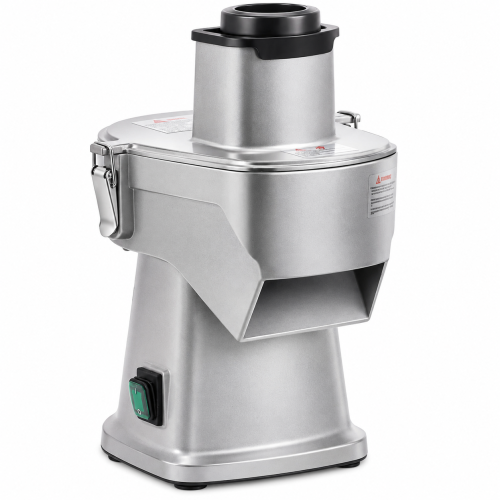

Why slice thickness matters for your favourite recipes
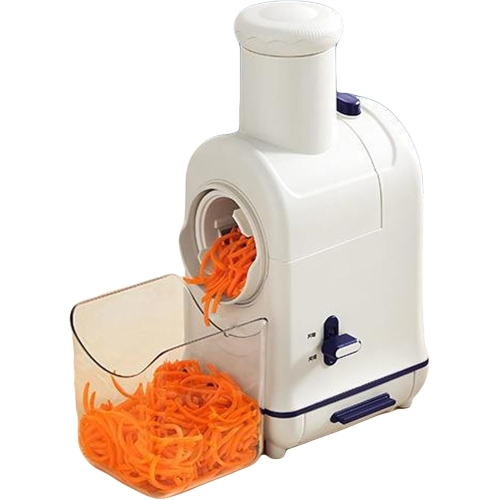
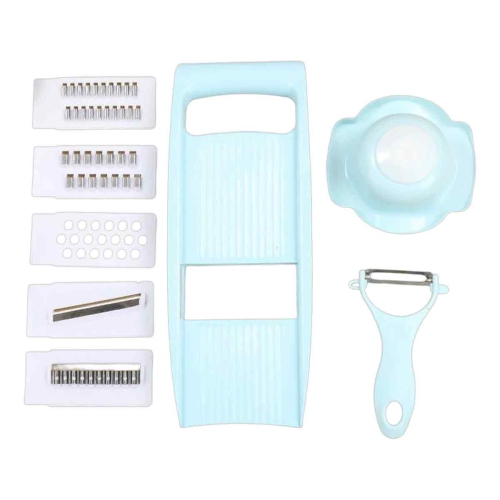
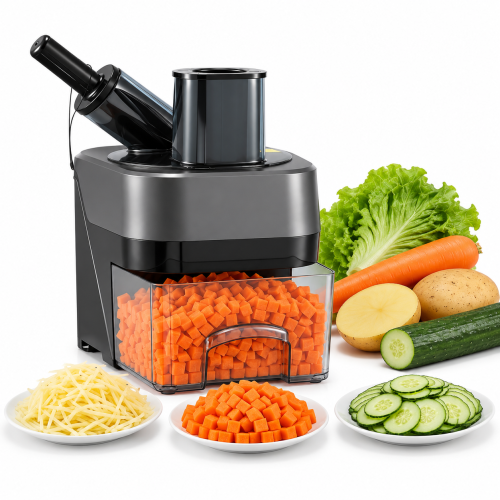
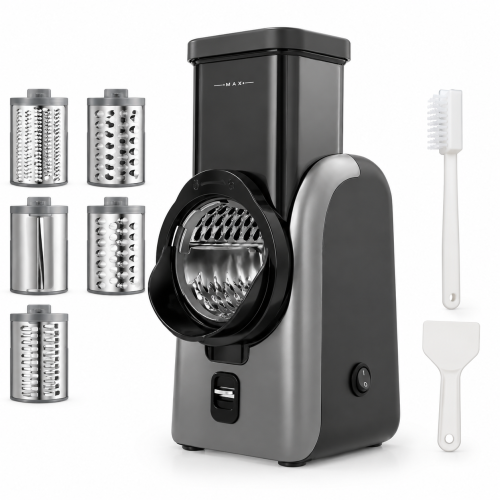
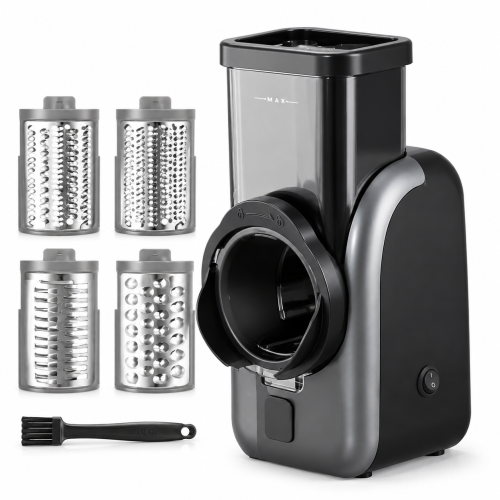
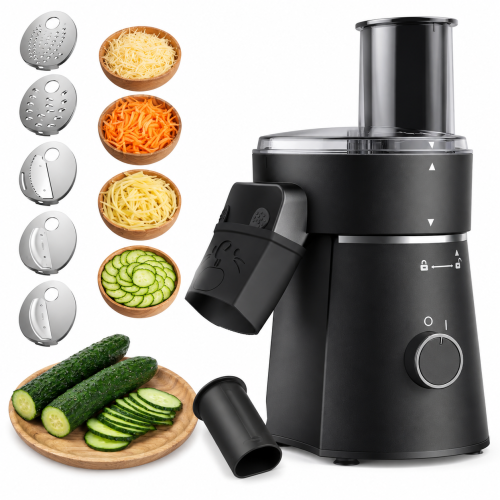
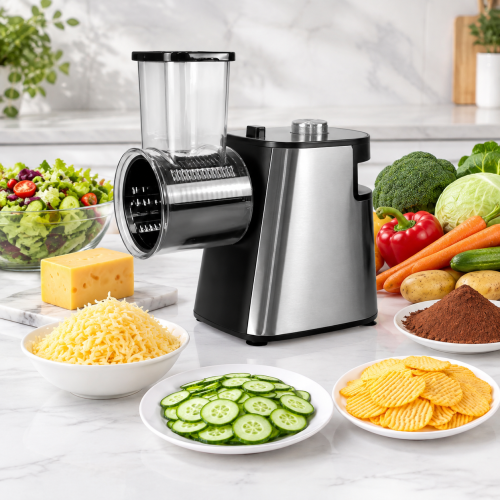
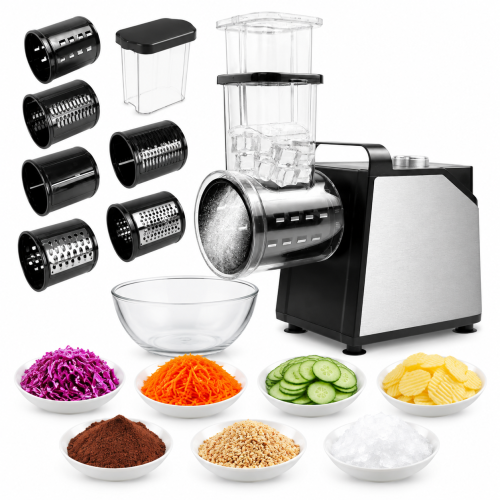
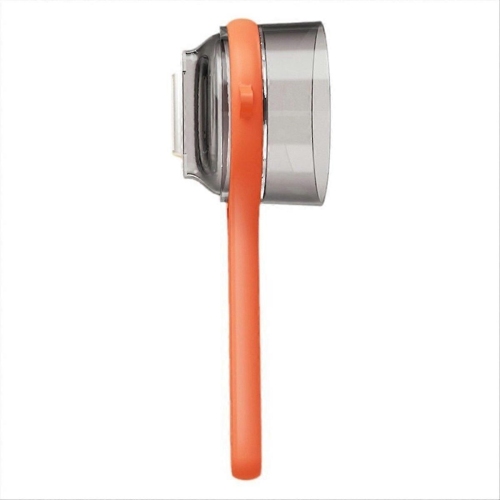
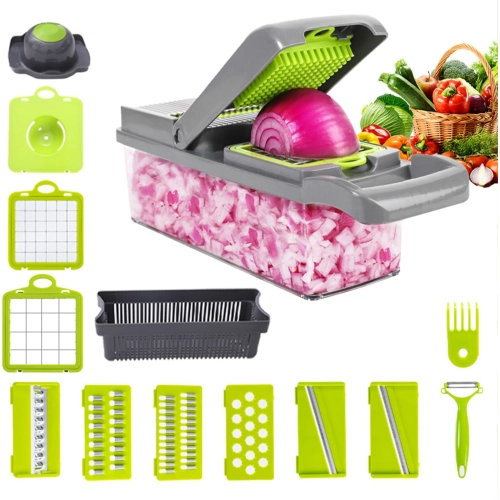
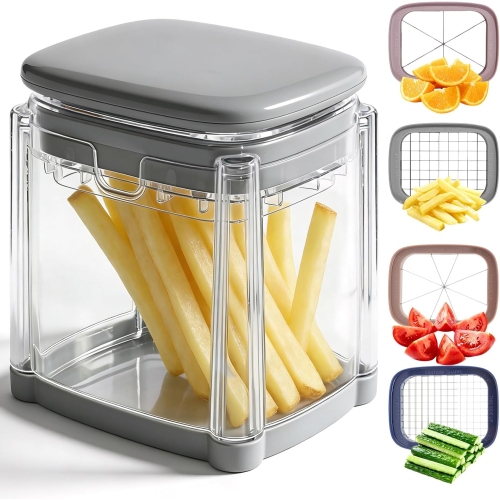
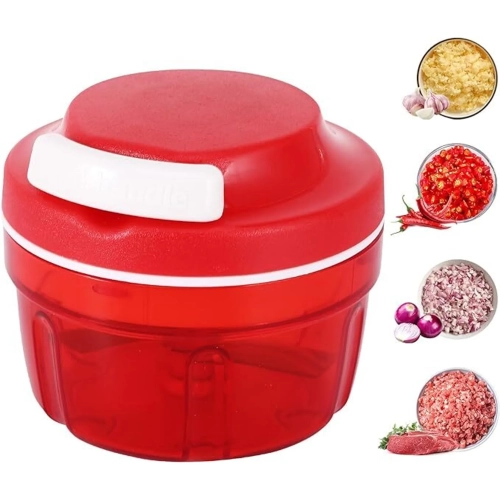
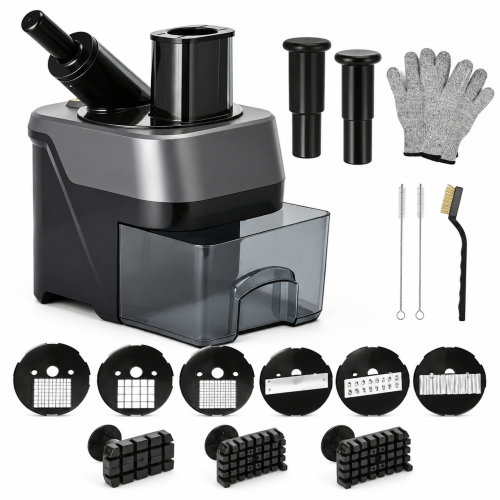
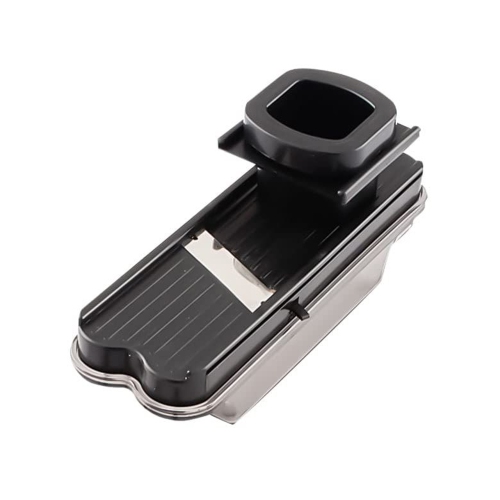
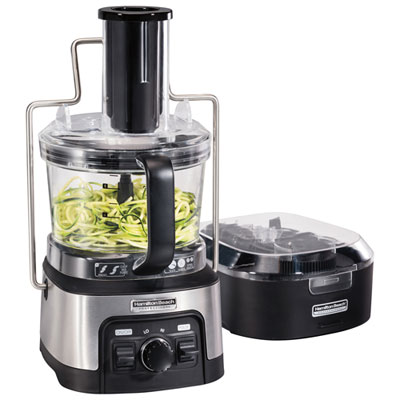
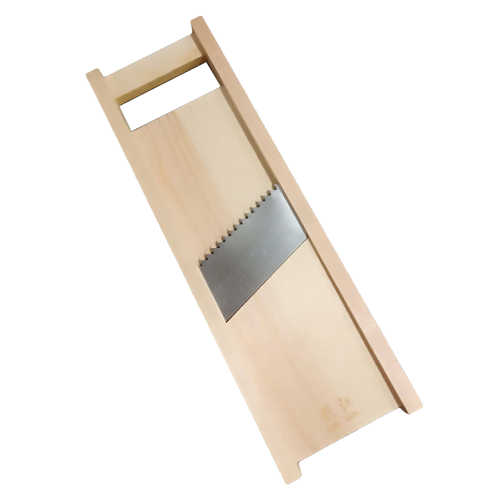
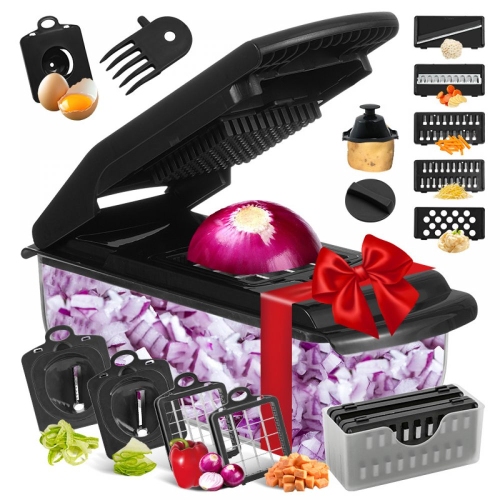
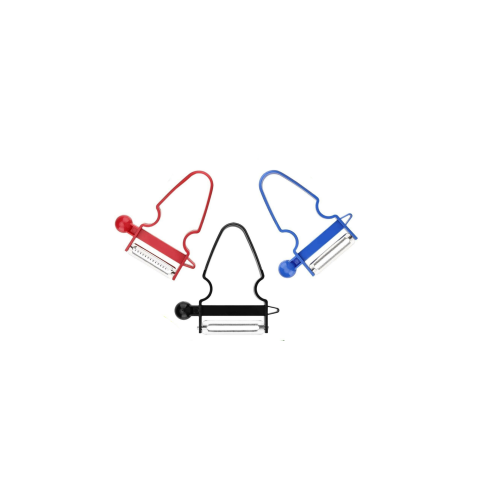
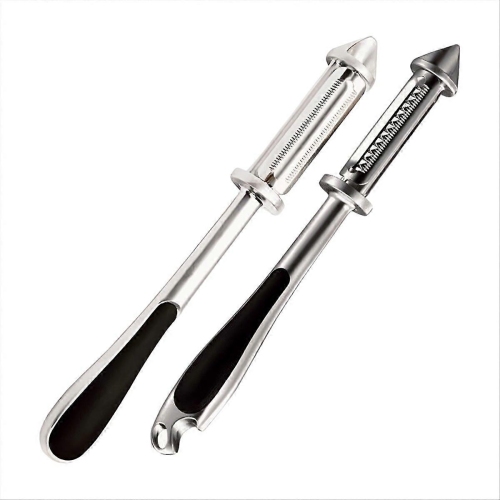
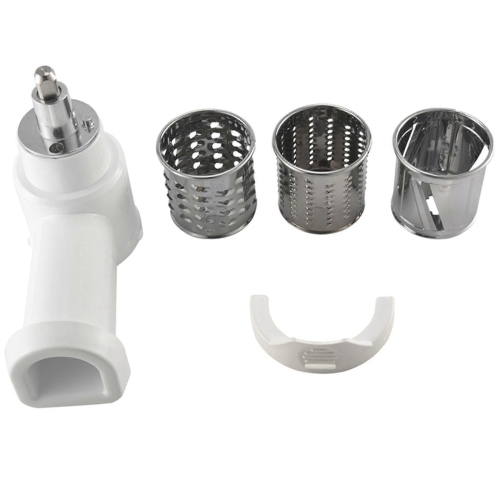
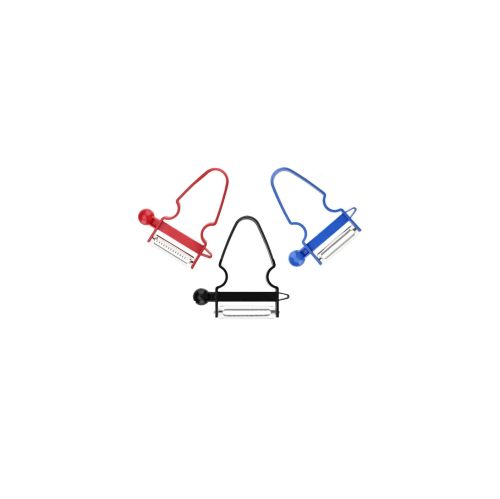
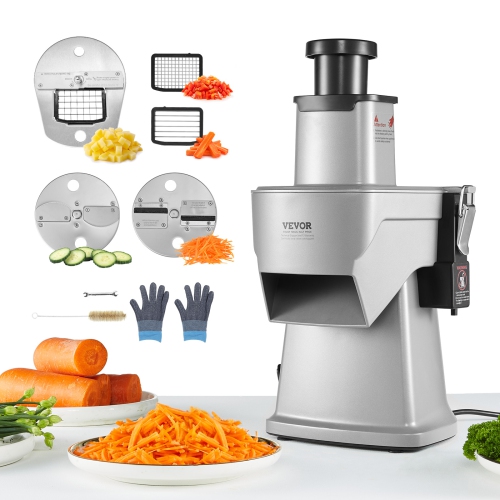
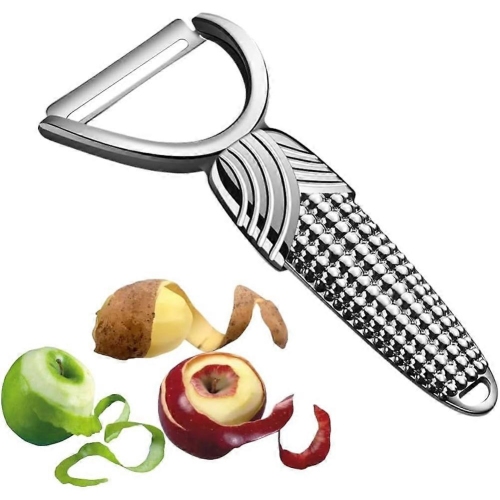
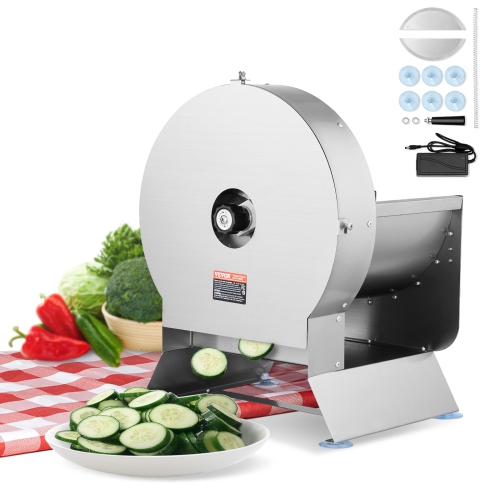
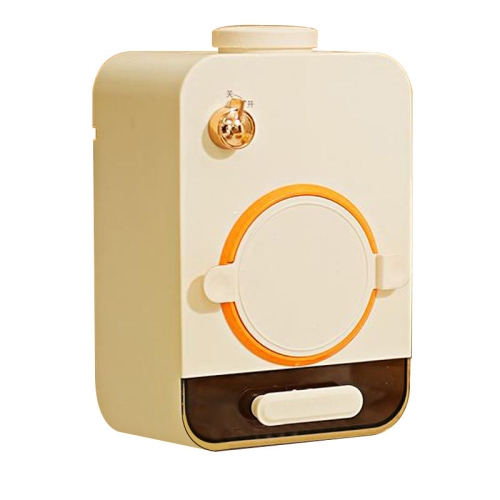
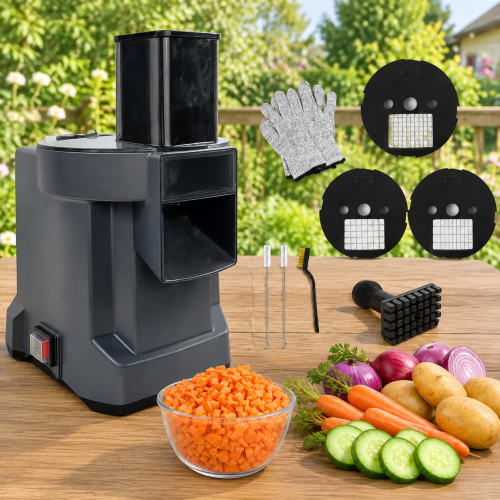
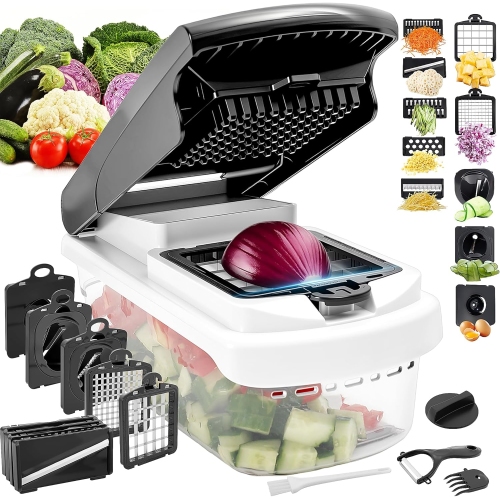
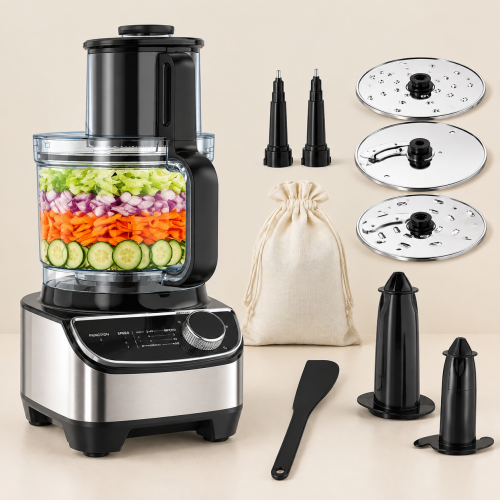
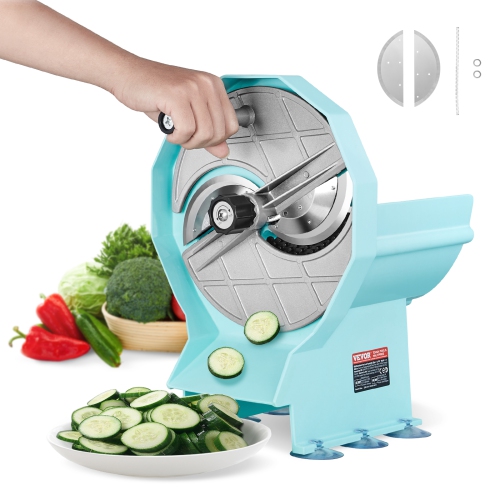
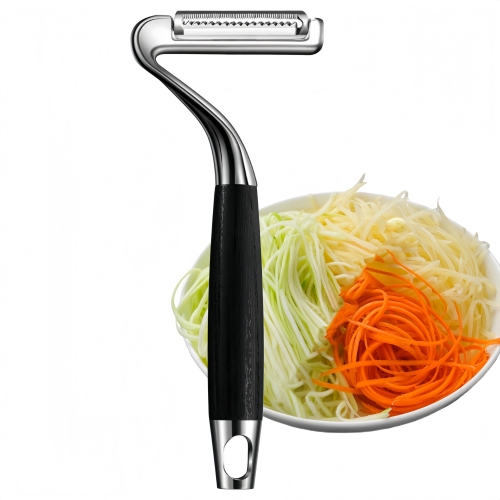
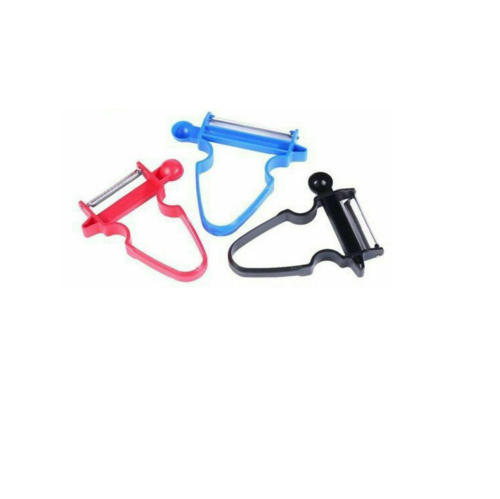
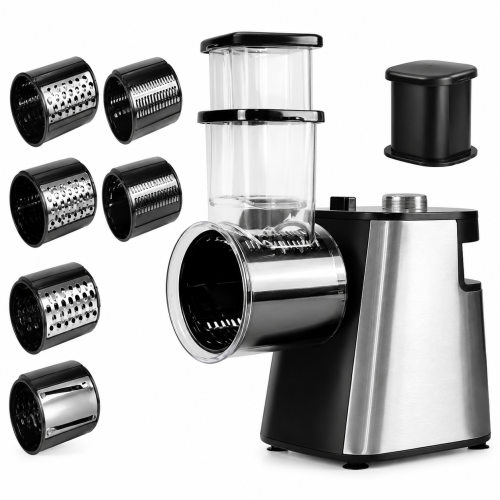
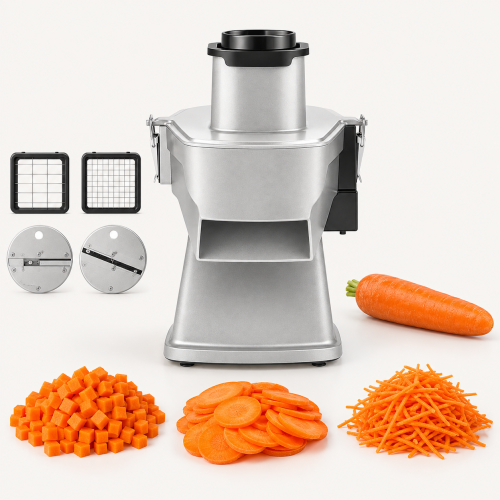
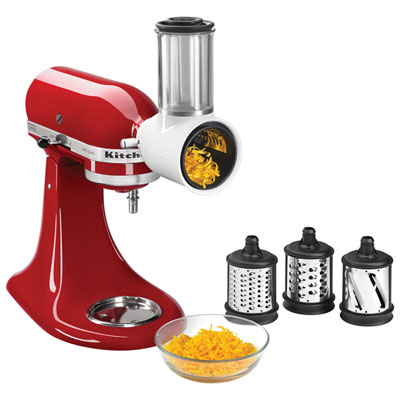
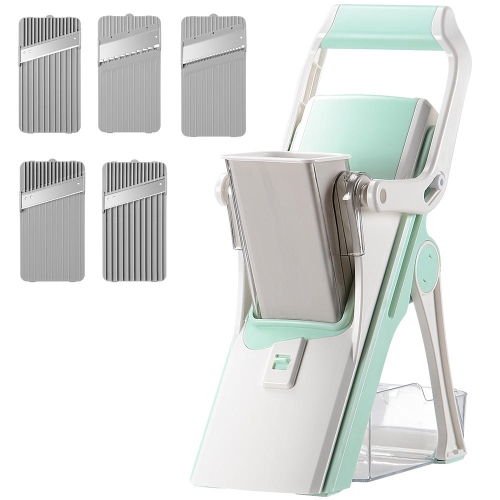
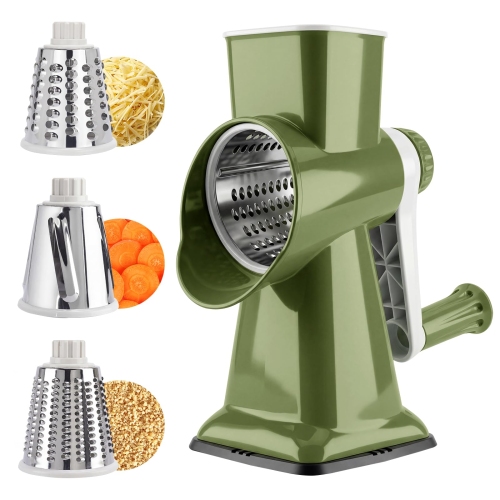
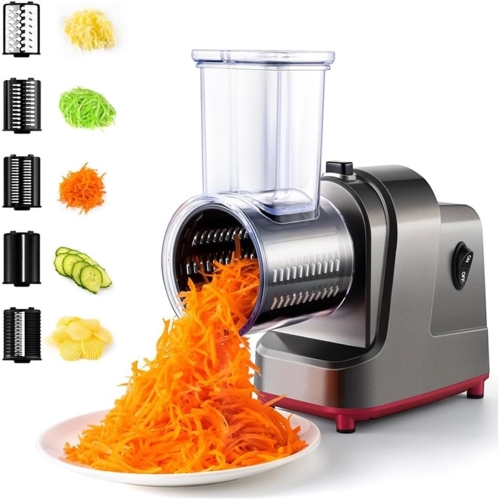
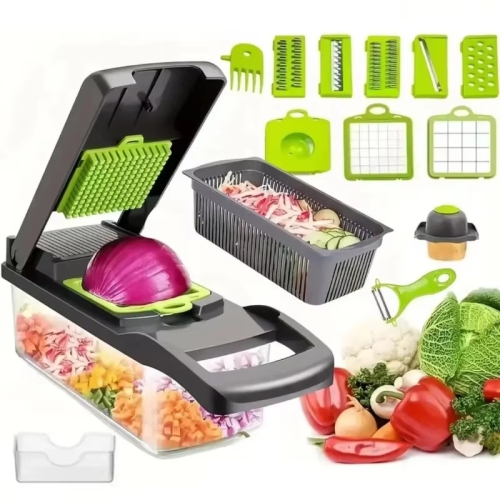
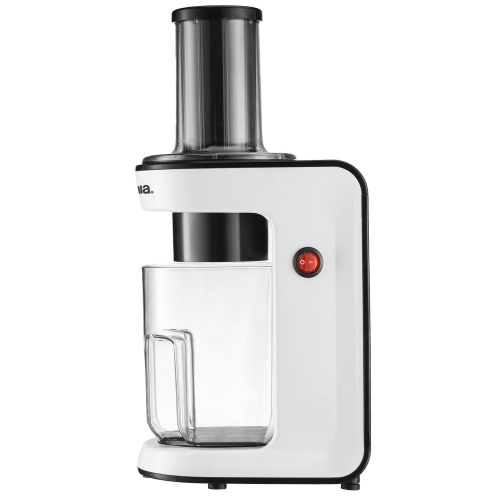
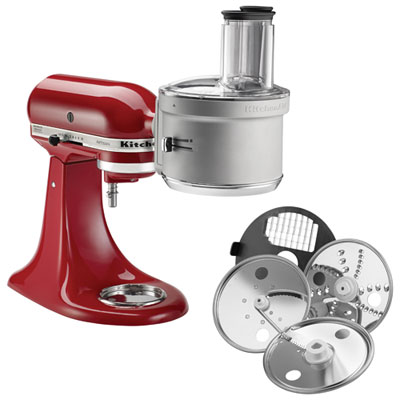
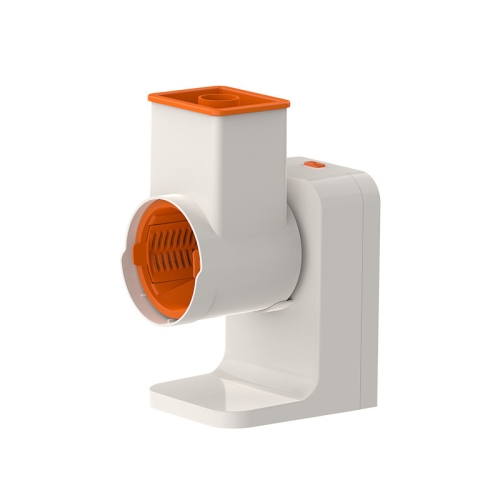
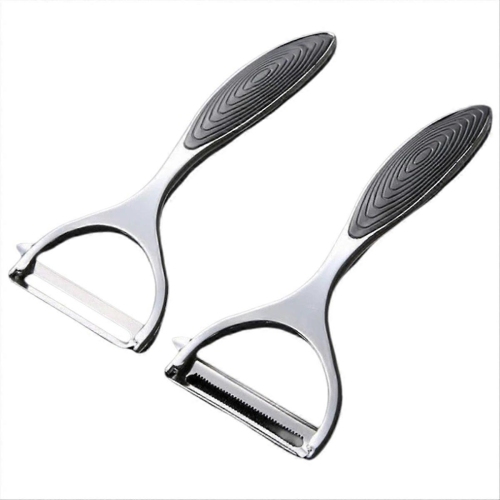
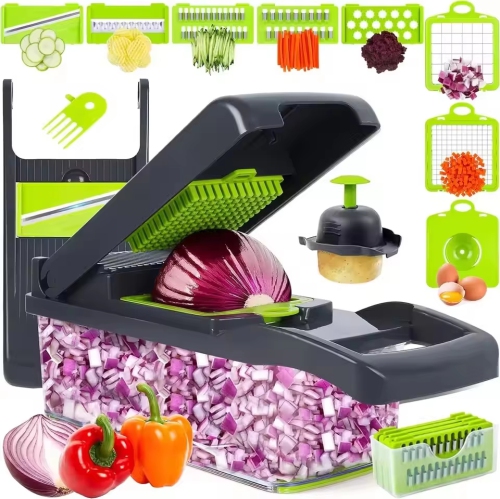
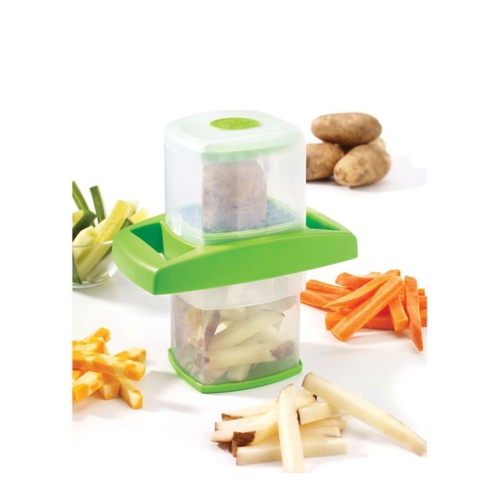
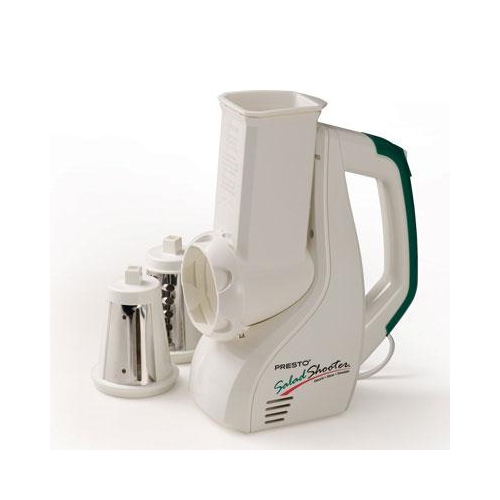
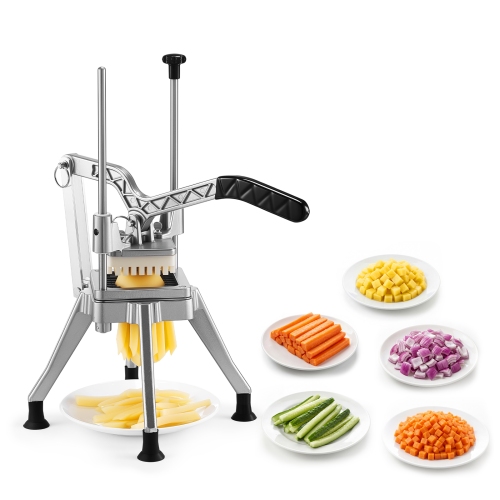
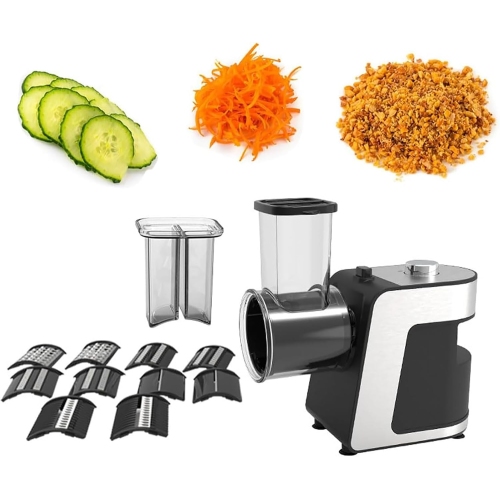
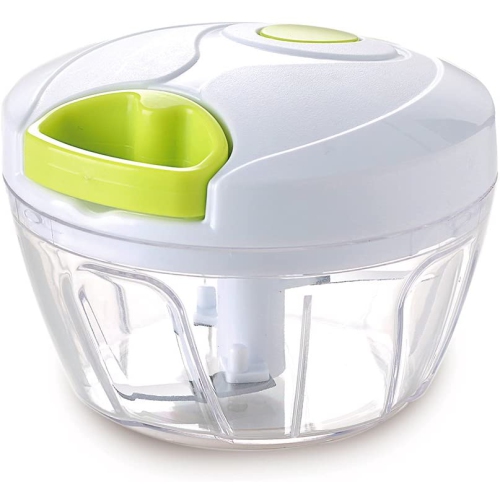
Carrot slicers are kitchen tools that cut carrots into even rounds, angled slices, ribbons, or narrow strips for salads and cooking, with the shape depending on the blade and design. They can make repetitive preparation more manageable, especially when several carrots need to be cut to a similar thickness. Uniform pieces are useful for dishes where texture matters: thin rounds soften readily in a soup, thicker slices hold their shape in a stir-fry, and fine julienne strips tuck neatly into wraps or combine with cabbage in a crunchy slaw. A straight slicing blade produces flat pieces, while a julienne blade creates narrow strips; a grating surface produces shreds rather than distinct slices. These differences matter when matching a tool to a favourite recipe. Handheld slicers and julienne peelers suit smaller amounts and take up relatively little drawer space. A mandoline provides a surface that supports the carrot as it passes across the blade, with some designs offering adjustable thickness or interchangeable cutting inserts. Hand-crank rotary cutters use a feed opening and rotating drum to slice or shred, depending on the drum fitted. Their handles move the cutting surface while a food pusher helps keep fingers away from it. Neither a guard nor a pusher makes a sharp blade risk-free, so controlled movement and a secure working position remain important. For cooks who regularly prepare bowls of vegetables, the size of the feed opening and the capacity beneath the cutting surface can be as relevant as the cutting options. A narrow opening may require a thick carrot to be cut into smaller sections first, while a low clearance can limit how much sliced food collects underneath. The best fit is often the simplest tool that produces the shape used most often, rather than one with many attachments that rarely leave the drawer. Someone preparing carrot coins for a family meal has different needs from someone making delicate strips for a small salad.
Materials, construction, and fit influence how comfortable a carrot slicer feels in everyday use. Stainless steel is common for blades because it can provide a precise cutting edge and resist corrosion, although blade quality and proper care still affect performance over time. Food-contact plastic may form the handle, frame, collection container, or pusher, keeping many designs relatively light. A sturdy frame should feel stable under normal cutting pressure, since raw carrots are firm and place greater demands on a slicer than softer vegetables. Secure blade inserts, a comfortable grip, and a thickness adjustment that stays in place help support consistent results. A broad base or non-slip feet can help a countertop model remain steady; suction bases generally need a smooth, clean surface to hold properly. Handheld designs benefit from a grip that allows control without excessive squeezing, particularly during longer preparation sessions. Size deserves attention beyond the tool’s overall dimensions. A slicing surface needs enough room for the carrot to travel smoothly, a food holder needs to grip its shape, and a collection container should fit the amount usually prepared. Storage is another practical consideration, especially in a shared kitchen drawer where exposed blades can be difficult to spot. Blade covers, enclosed inserts, or dedicated attachment storage help keep sharp components separated from other utensils. Cleaning requirements vary by design and material. Dishwasher suitability should be confirmed for each component rather than assumed for the whole tool, and handwashing may be specified for certain blades or moving parts. Narrow blade slots and drum openings can trap carrot fibres, making accessible surfaces and removable parts valuable features. A brush can help clear residue without fingers contacting the cutting edge, while thorough drying is especially useful around joints and metal fittings. Durability also depends on using the tool within its intended limits: forcing a carrot through a small opening or pressing harder against a dull edge can strain the frame and reduce control. Replaceable blades or attachments, where supported, may extend the useful life of a well-built slicer.
The appeal of a carrot slicer often becomes clearest in familiar kitchen routines. A handful of thin carrot slices can add crunch to a lunch salad, while julienne strips mix easily with a dressing and distribute through a sandwich filling without forming bulky layers. For a noodle bowl, narrow strips sit alongside other toppings; for a casserole or pan of mixed vegetables, more substantial slices may better suit the cooking time. Consistent cutting does not guarantee that every ingredient will cook at the same rate, but it helps make the carrots themselves more predictable. Carrots vary in diameter, firmness, and shape, so a tool that handles a straight, medium-sized carrot comfortably may need smaller sections when working with a particularly thick or curved one. Compact handheld tools can be appealing to occasional cooks, students, and people with limited kitchen storage, while a stable countertop design may suit households that prepare larger quantities of chopped vegetables. A crank mechanism can reduce repeated slicing strokes for some users, although handle resistance, setup, and cleaning effort still need to suit the person using it. Beyond carrots, some vegetable slicers are designed to work with ingredients such as cucumber, courgette, or radish, but the supported foods and blade attachments vary. Shoppers looking specifically for neat rounds or long slices from softer vegetables may also find Cucumber Slicers relevant to their usual salad preparation. A versatile tool is useful only when its cutting options match the foods and recipes regularly made. As a gift, a carrot slicer can suit a keen home cook, someone setting up a kitchen, or a person who enjoys assembling colourful salads and vegetable platters. A straightforward design with comfortable handling and uncomplicated cleaning is often more useful than a large set of unfamiliar parts. Whether the aim is a small serving of crisp carrot ribbons or a generous bowl of evenly cut vegetables, cutting style, stability, storage, and care requirements help distinguish a tool that fits naturally into daily meal preparation.
Top selling and popular products
-
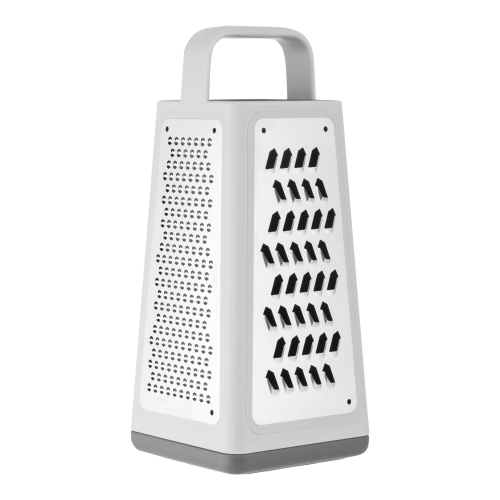 Your price for this item is $49.99
-
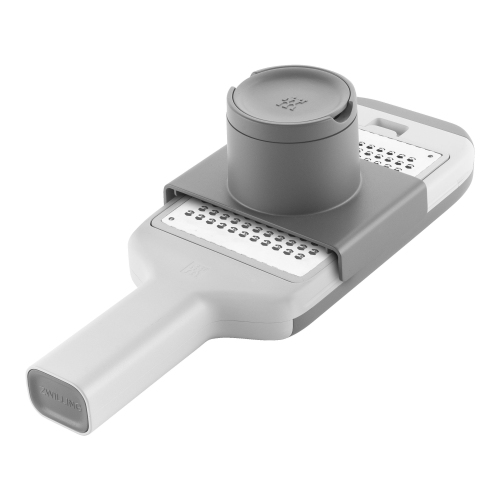 Your price for this item is $49.99
-
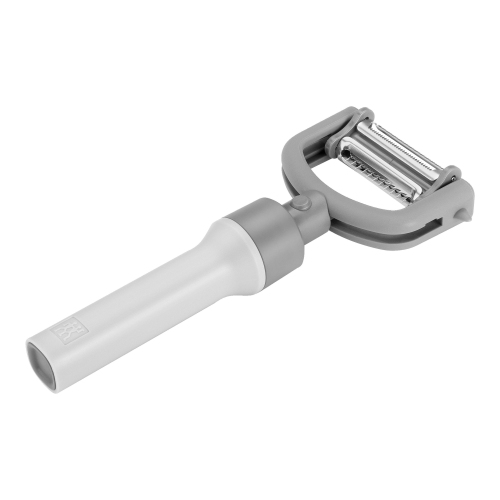 Your price for this item is $24.99
-
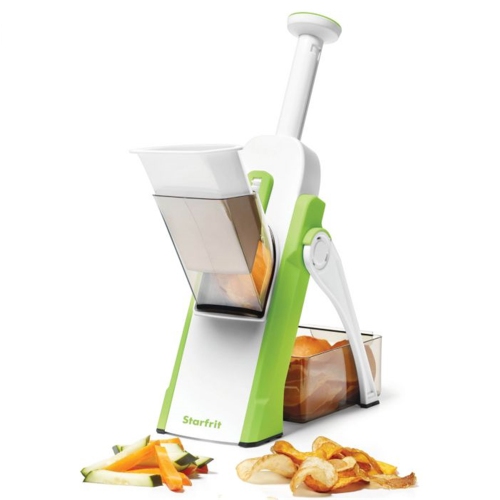 Your price for this item is $44.97
-
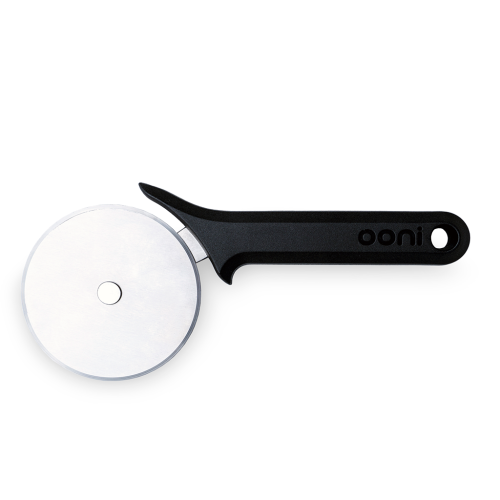 Your price for this item is $18.99
-
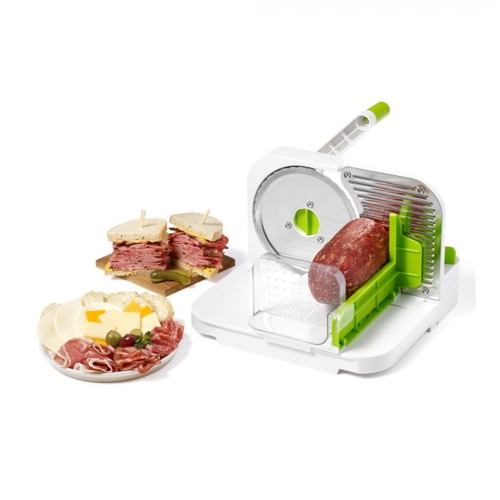 Your price for this item is $48.97
-
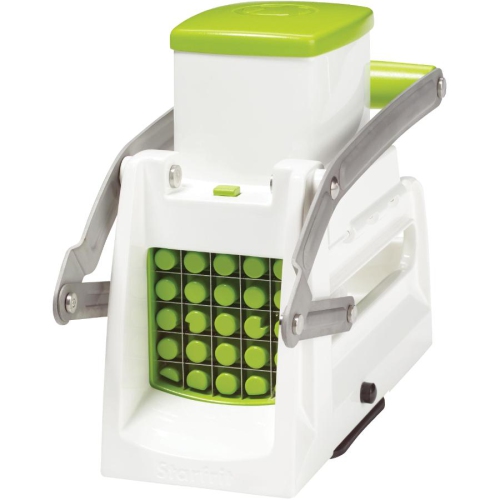 Your price for this item is $29.99
-
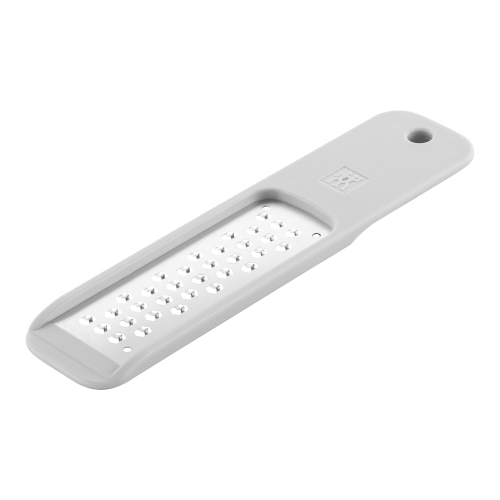 Your price for this item is $9.99
Discover more categories related to Carrot Slicers

Top Collections:
Pokemon Centers, Best Cameras for Sports Photography, Kindle Devices, Samsung Galaxy Phones, Canon G7X Cameras, Pokémon 30th Celebration Cards, Refurbished Apple Laptops, iPhone 15 Apple, Laptops for Students, Budget Smartphones
Some products may be subject to Environmental Handling Fees
(EHF) depending on your province.
Learn more about EHFs.