Armoire for Jewelry
An armoire for jewelry is a great way to organize and protect your jewelry collection. With its various compartments and drawers, it allows you to easily access and display your jewelry while keeping it safe from damage and theft. Here are some of the best armoires for jewelry.
Sort
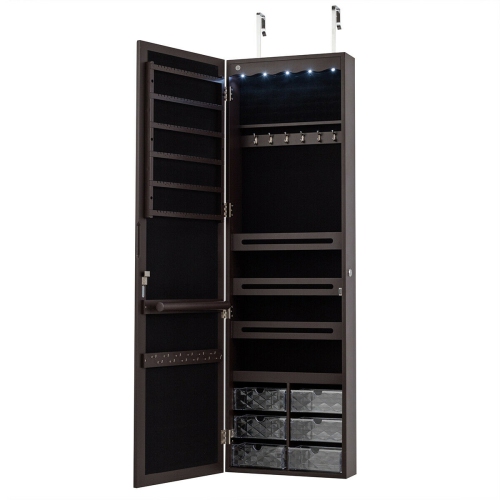
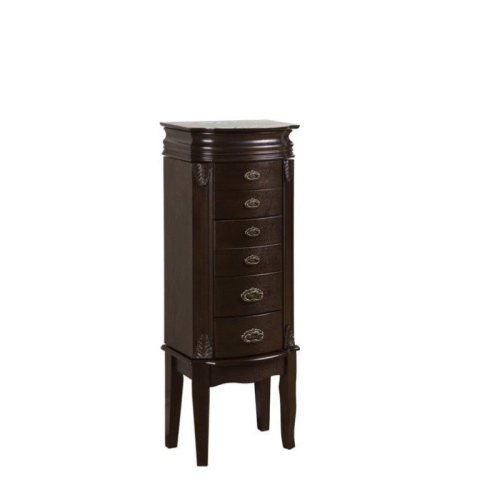
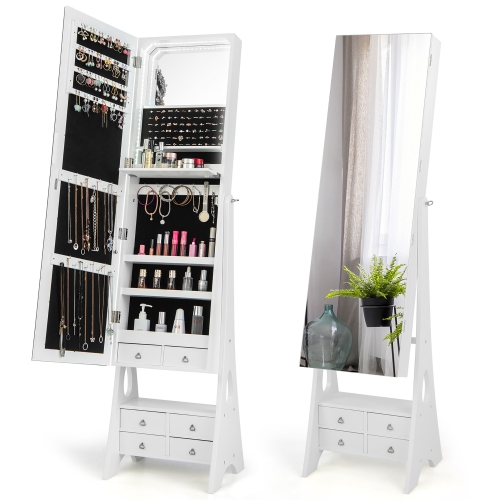
More room for necklaces, less time untangling
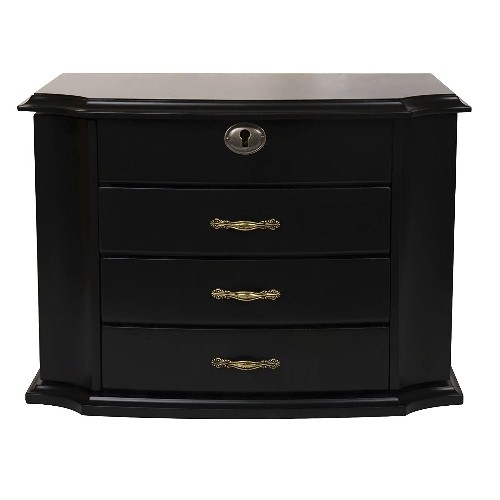
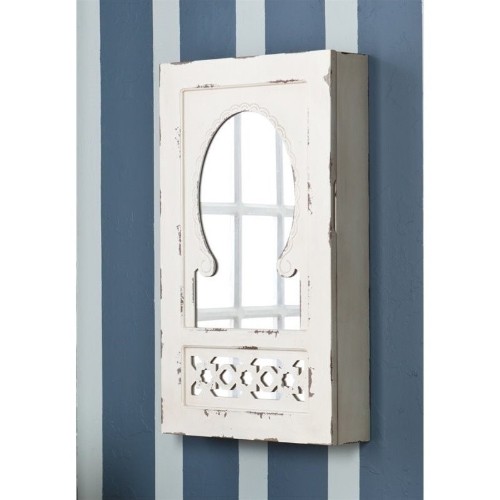
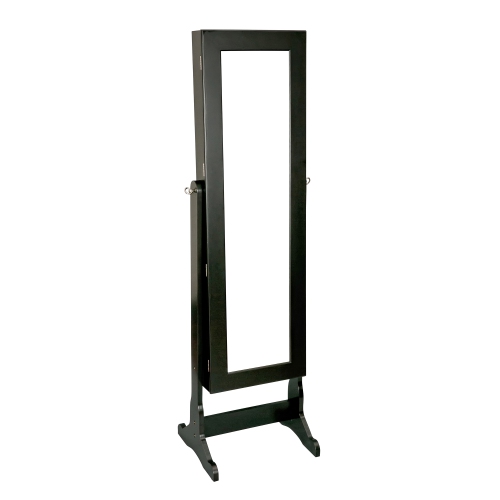
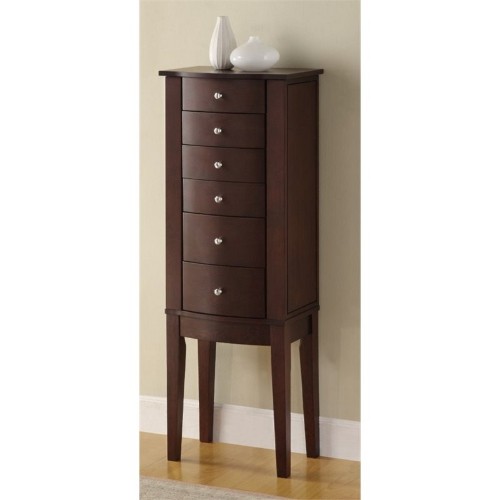
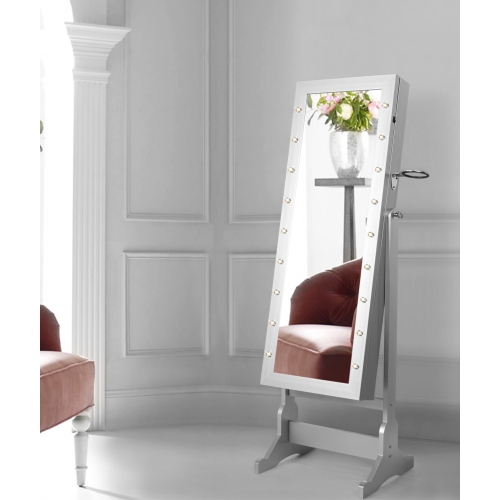
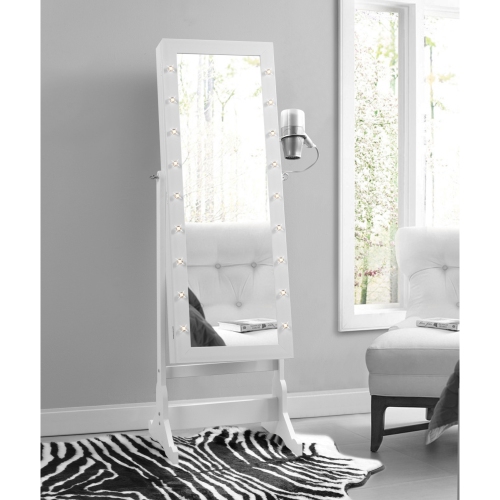
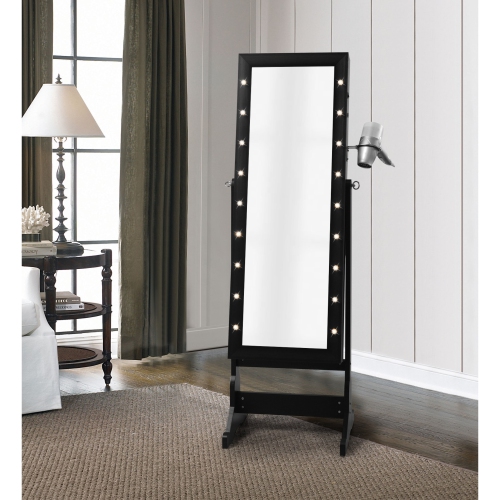
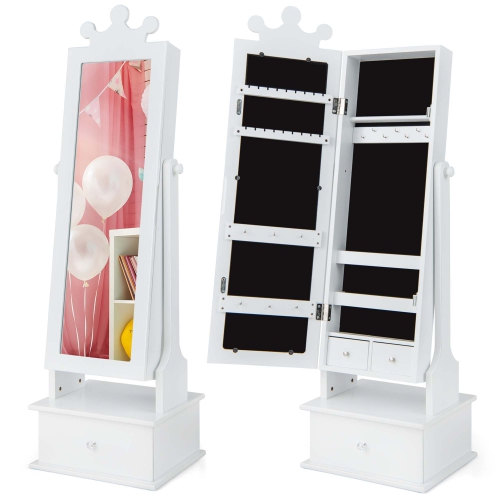
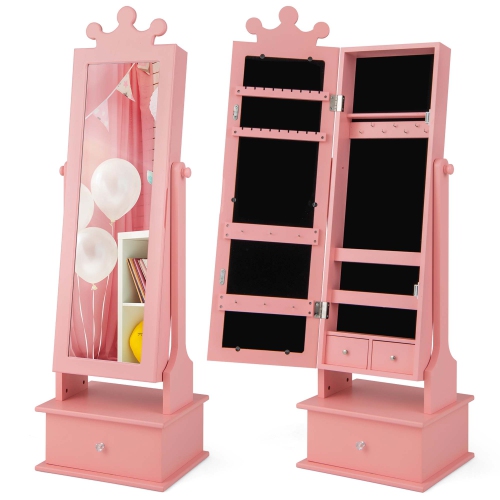
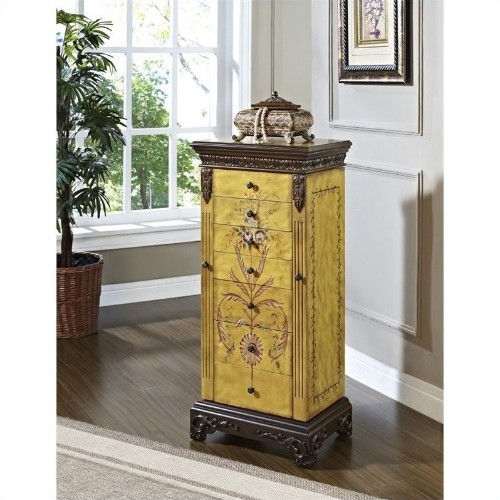
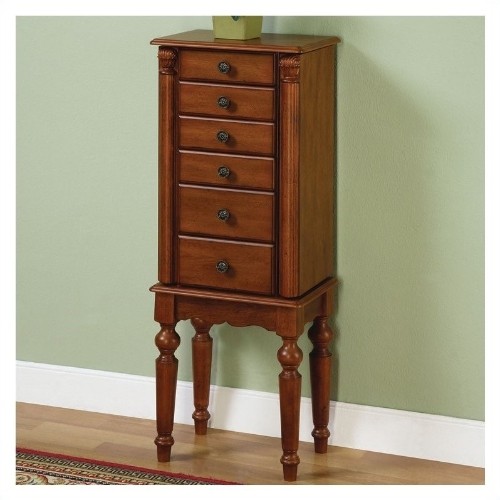
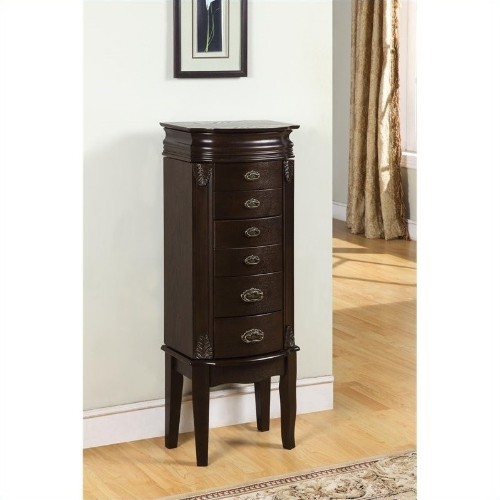
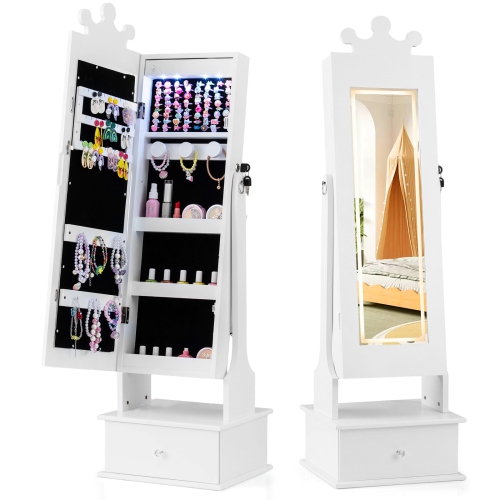
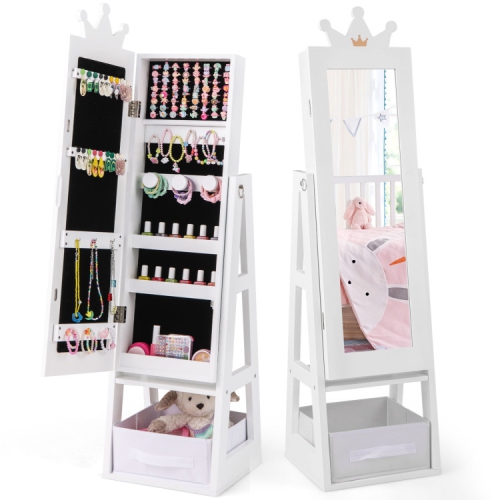
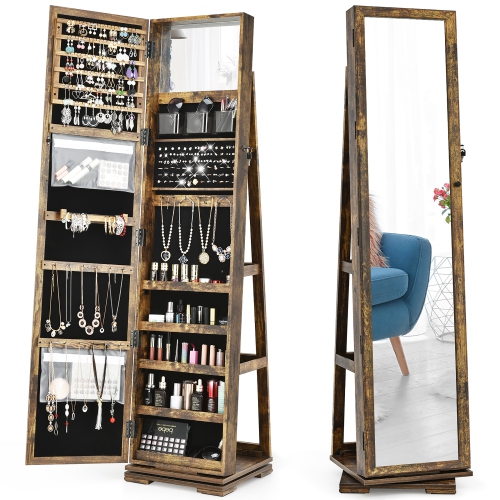
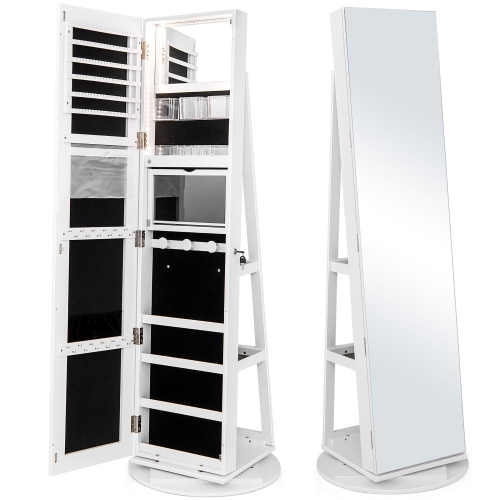
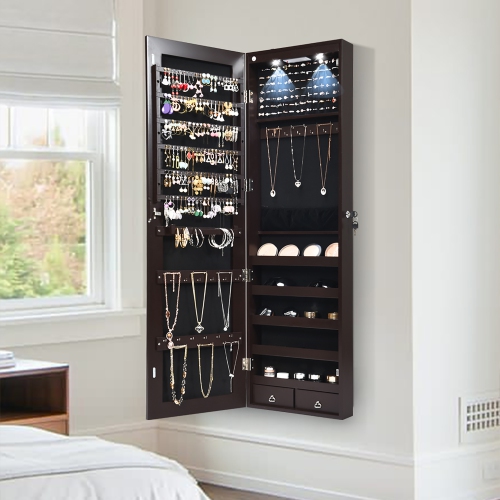
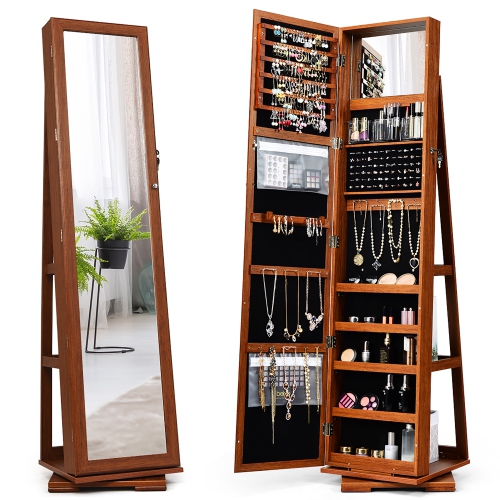
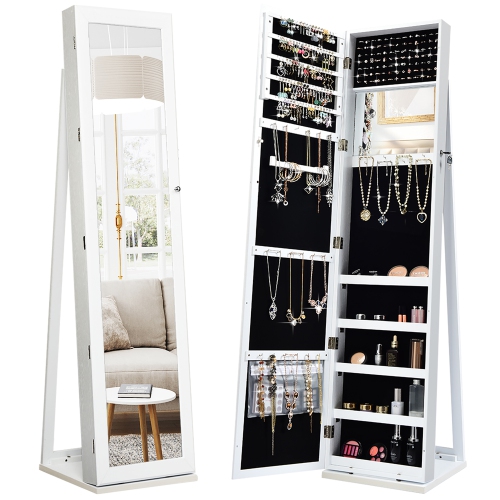
A jewellery armoire is a storage cabinet designed to keep necklaces, earrings, rings, bracelets, and other small accessories organized in one place. Compared with a jewellery box, it generally offers more vertical storage, making room for necklaces to hang separately rather than collect in a tangled pile. Its interior may combine hooks, padded ring slots, earring holders, shallow drawers, and shelves, with each section suited to a different shape or size of accessory. The main formats are freestanding, wall-mounted, and over-the-door armoires. Freestanding designs sit on the floor and can serve as a dedicated dressing area in a bedroom or walk-in closet, while wall-mounted cabinets leave the floor clear and make use of an otherwise empty wall. Over-the-door designs use hanging brackets and may suit rooms where floor space is limited, provided the door and frame have enough clearance for the hardware. Rotating armoires offer another layout, sometimes pairing a mirrored front with shelves behind the cabinet; they need enough space around the base to turn without catching nearby furniture. For a dressing area that combines accessory storage with a place to check an outfit, jewellery armoires with a mirror bring both functions into a single piece of furniture. A tall exterior mirror is useful for seeing how a pendant falls against a neckline, while a smaller interior mirror can help with fastening earrings or adjusting a clasp. Some designs also include interior lighting, which can make small studs and fine chains easier to distinguish against the lining. Whether the cabinet holds a few everyday favourites or a larger collection of occasion pieces, its value comes from giving accessories a clear, accessible home. A pair of earrings returned to its own holder after work is easier to find the next morning, and a necklace hung at full length needs less untangling before an evening out.
The most useful interior arrangement depends on the jewellery it needs to hold, not simply the cabinet’s overall size. Long necklaces benefit from generous space below the hooks, especially when pendants would otherwise rest on a shelf or brush against pieces beneath them. Short chains can occupy shallower hanging sections, but closely packed hooks may still allow neighbouring necklaces to overlap. Rings need padded slots with enough room for raised settings, while earrings may require different arrangements depending on whether they have posts, hooks, hoops, or clip-on backs. Stud earrings are easier to manage when both the front and back of the holder are accessible. Broad cuffs, watches, and rigid bangles usually need deeper compartments than fine bracelets, and a shallow drawer can keep delicate pieces from disappearing beneath larger accessories. A cabinet intended for shared use may work best with clearly separated sections, so each person can maintain their own arrangement. Fit also includes the room around the armoire. The closed footprint is only part of the space required: the door must open far enough to reach the interior, drawers need room to extend, and a tilting mirror needs clearance behind it. In a narrow bedroom, a cabinet beside a dresser should not block the dresser drawers or interrupt the path to the closet. Wall-mounted designs need suitable fixings for the wall construction and the cabinet’s loaded weight, following the manufacturer’s installation requirements. Over-the-door brackets should match the door thickness without preventing it from closing properly, and the cabinet should not interfere with the handle. Freestanding units need a level surface and any specified anti-tip restraints, particularly in homes with children or pets. For illuminated interiors, the power source matters too: battery-operated lighting needs accessible battery compartments, while plug-in lighting requires a nearby outlet and a cord path that stays clear of walking areas. These practical details help the armoire feel like part of the room rather than an obstacle added to it.
Materials, construction, and care all influence how a jewellery armoire looks and performs over time. Solid wood can offer visible grain and substantial weight, while engineered wood allows for a range of painted, laminated, or veneered finishes. Neither material alone determines durability; well-supported shelves, secure joints, firmly attached hooks, and doors that close evenly are equally important. Smooth drawer movement and hinges that hold the door steadily make a noticeable difference when the cabinet is used every day. Interior fabric should feel smooth, without exposed fasteners or rough edges that could catch a fine chain. Soft lining helps cushion jewellery against hard surfaces, but it does not automatically prevent tarnish, and separate pouches or suitable anti-tarnish storage may still be appropriate for certain metals. Pearls, softer gemstones, and delicate finishes can require individual care, so jewellery-specific cleaning and storage instructions remain important even inside a lined cabinet. The armoire itself generally benefits from gentle dusting with a soft cloth and prompt attention to spills. Mirror cleaner is best applied to the cloth rather than sprayed near frame edges or fabric compartments, unless the care instructions specify otherwise. Excess moisture, direct heat, and prolonged sunlight can affect furniture finishes, adhesives, and some jewellery materials, making a dry bedroom or dressing space a more suitable location than a steamy bathroom. During the cooler months, leaving a little separation from heating vents can help avoid concentrated heat on the cabinet. A locking door may offer privacy and discourage casual access, but it should not be treated as a substitute for a security safe. As a gift, a jewellery armoire can suit someone establishing a first dressing space, bringing order to a growing accessory collection, or replacing several small boxes with one organized cabinet. The thoughtful match is between the recipient’s habits and the storage layout: ample hanging space for someone who wears necklaces daily, accessible ring storage for a ring collector, or a balanced mix of compartments for someone who changes accessories with each outfit. With the right proportions and interior arrangement, an armoire makes those familiar finishing touches easier to enjoy.
The most useful interior arrangement depends on the jewellery it needs to hold, not simply the cabinet’s overall size. Long necklaces benefit from generous space below the hooks, especially when pendants would otherwise rest on a shelf or brush against pieces beneath them. Short chains can occupy shallower hanging sections, but closely packed hooks may still allow neighbouring necklaces to overlap. Rings need padded slots with enough room for raised settings, while earrings may require different arrangements depending on whether they have posts, hooks, hoops, or clip-on backs. Stud earrings are easier to manage when both the front and back of the holder are accessible. Broad cuffs, watches, and rigid bangles usually need deeper compartments than fine bracelets, and a shallow drawer can keep delicate pieces from disappearing beneath larger accessories. A cabinet intended for shared use may work best with clearly separated sections, so each person can maintain their own arrangement. Fit also includes the room around the armoire. The closed footprint is only part of the space required: the door must open far enough to reach the interior, drawers need room to extend, and a tilting mirror needs clearance behind it. In a narrow bedroom, a cabinet beside a dresser should not block the dresser drawers or interrupt the path to the closet. Wall-mounted designs need suitable fixings for the wall construction and the cabinet’s loaded weight, following the manufacturer’s installation requirements. Over-the-door brackets should match the door thickness without preventing it from closing properly, and the cabinet should not interfere with the handle. Freestanding units need a level surface and any specified anti-tip restraints, particularly in homes with children or pets. For illuminated interiors, the power source matters too: battery-operated lighting needs accessible battery compartments, while plug-in lighting requires a nearby outlet and a cord path that stays clear of walking areas. These practical details help the armoire feel like part of the room rather than an obstacle added to it.
Materials, construction, and care all influence how a jewellery armoire looks and performs over time. Solid wood can offer visible grain and substantial weight, while engineered wood allows for a range of painted, laminated, or veneered finishes. Neither material alone determines durability; well-supported shelves, secure joints, firmly attached hooks, and doors that close evenly are equally important. Smooth drawer movement and hinges that hold the door steadily make a noticeable difference when the cabinet is used every day. Interior fabric should feel smooth, without exposed fasteners or rough edges that could catch a fine chain. Soft lining helps cushion jewellery against hard surfaces, but it does not automatically prevent tarnish, and separate pouches or suitable anti-tarnish storage may still be appropriate for certain metals. Pearls, softer gemstones, and delicate finishes can require individual care, so jewellery-specific cleaning and storage instructions remain important even inside a lined cabinet. The armoire itself generally benefits from gentle dusting with a soft cloth and prompt attention to spills. Mirror cleaner is best applied to the cloth rather than sprayed near frame edges or fabric compartments, unless the care instructions specify otherwise. Excess moisture, direct heat, and prolonged sunlight can affect furniture finishes, adhesives, and some jewellery materials, making a dry bedroom or dressing space a more suitable location than a steamy bathroom. During the cooler months, leaving a little separation from heating vents can help avoid concentrated heat on the cabinet. A locking door may offer privacy and discourage casual access, but it should not be treated as a substitute for a security safe. As a gift, a jewellery armoire can suit someone establishing a first dressing space, bringing order to a growing accessory collection, or replacing several small boxes with one organized cabinet. The thoughtful match is between the recipient’s habits and the storage layout: ample hanging space for someone who wears necklaces daily, accessible ring storage for a ring collector, or a balanced mix of compartments for someone who changes accessories with each outfit. With the right proportions and interior arrangement, an armoire makes those familiar finishing touches easier to enjoy.
Top selling and popular products
-
 Your price for this item is $224.99
 -
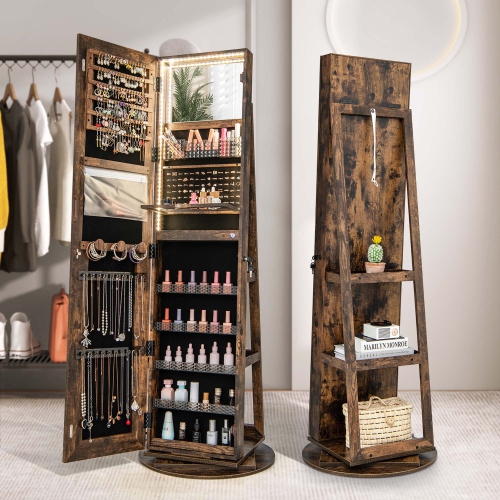 Your price for this item is $289.99
 -
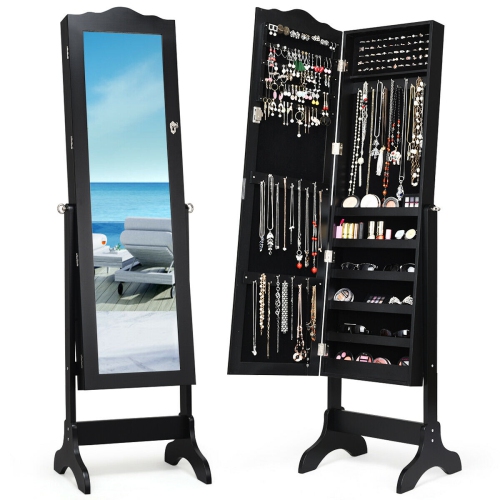 Your price for this item is $169.99
 -
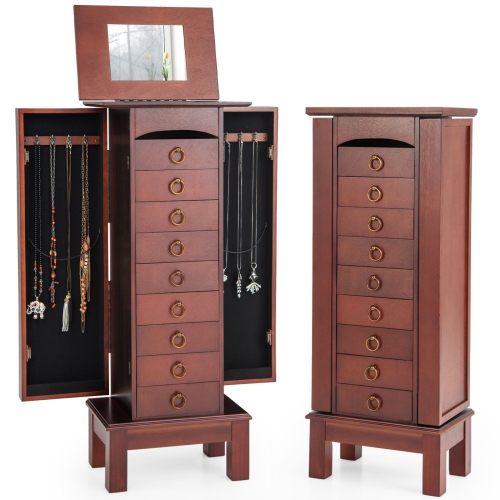 Your price for this item is $199.99
 -
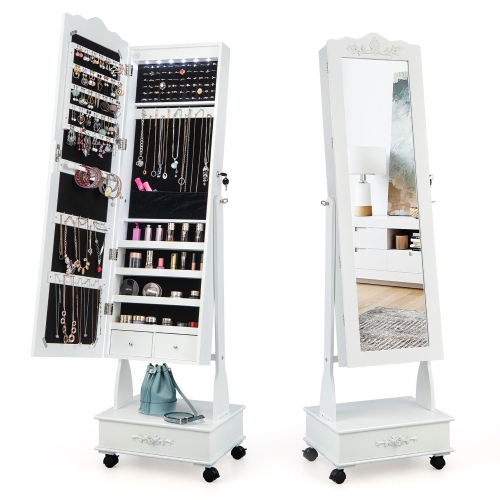 Your price for this item is $189.99
 -
 Your price for this item is $199.99
 -
 Your price for this item is $169.99
 -
 Your price for this item is $229.99
Discover more categories related to Armoire for Jewelry
Top Collections:
Pokemon Centers, Kindle Devices, Best Budget Office Chairs, Apple iPhones 16, Best Laptops for Writers, iPhone 15 Apple, Canon G7X Cameras, Refurbished Apple Laptops, Alarm Clock, Motorola Razr Phones
Some products may be subject to Environmental Handling Fees
(EHF) depending on your province.
Learn more about EHFs.