Awning Tents
Create a cozy outdoor retreat with our selection of awning tents, designed to enhance your camping experience. Offering shelter from the elements while maximizing your living space, these versatile tents are perfect for extended trips or weekend getaways. Whether you're seeking extra shade on a sunny day or a dry spot during unexpected rain showers, our awning tents provide the perfect solution for all your outdoor adventures. Explore our range of sizes and styles to find the ideal tent that suits your needs and enjoy the great outdoors in comfort and style.
Sort
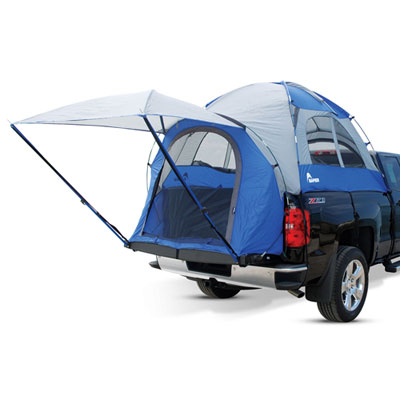
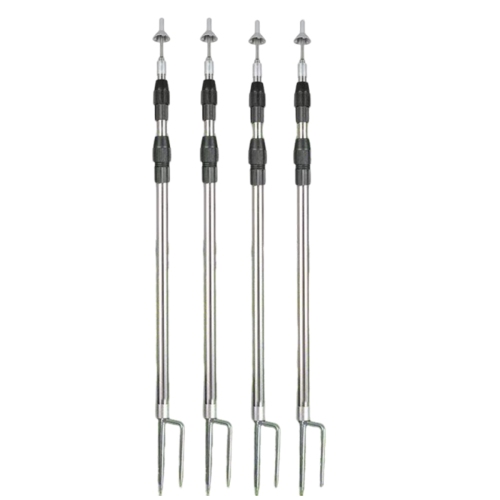
More covered living space beside your camper
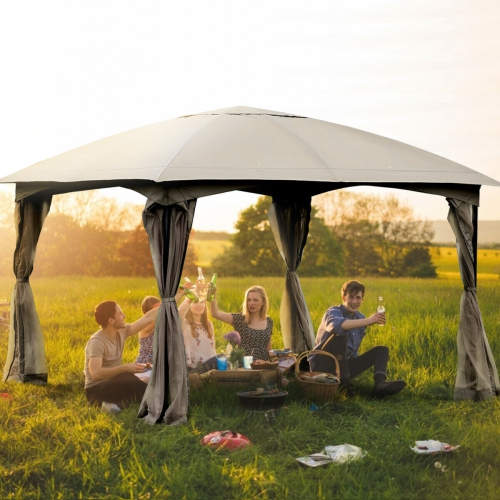
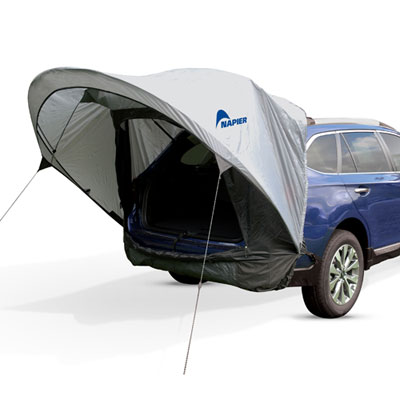
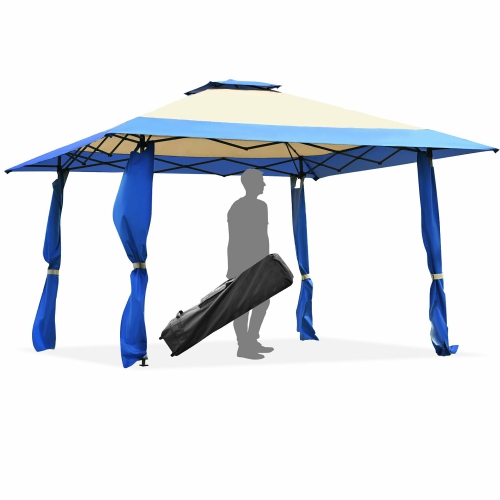
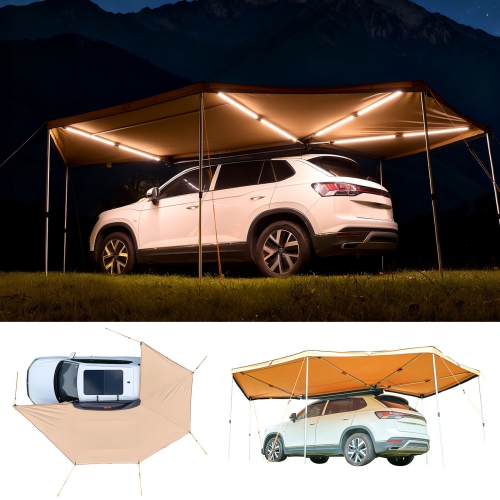
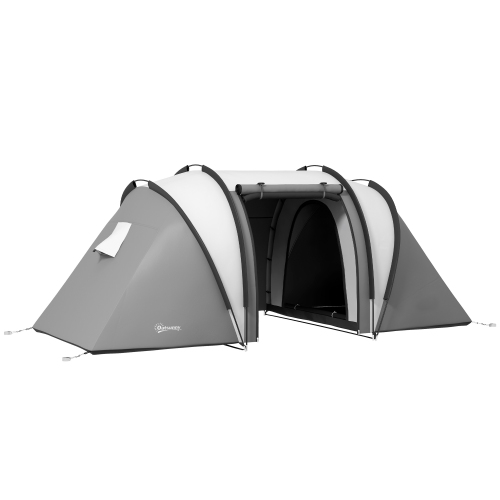
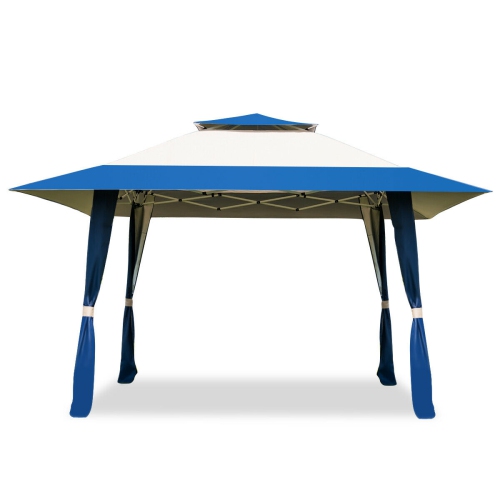
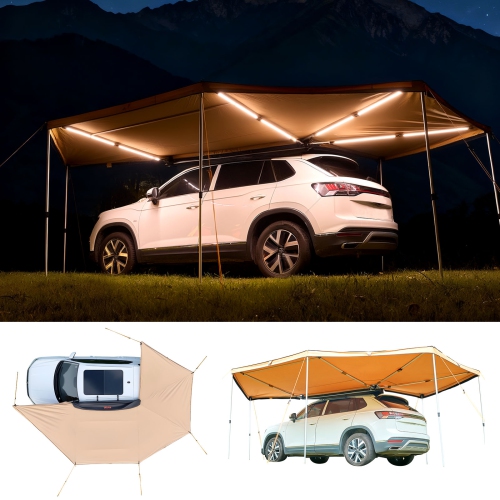
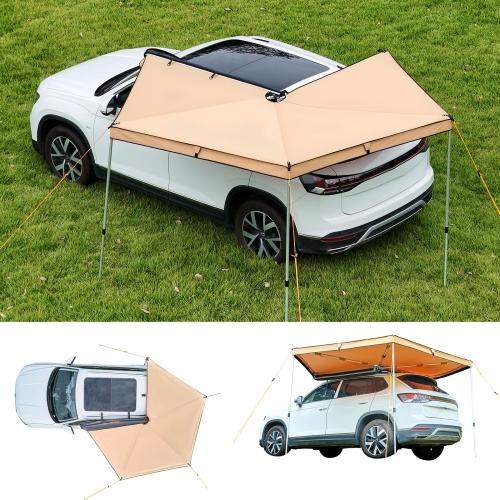
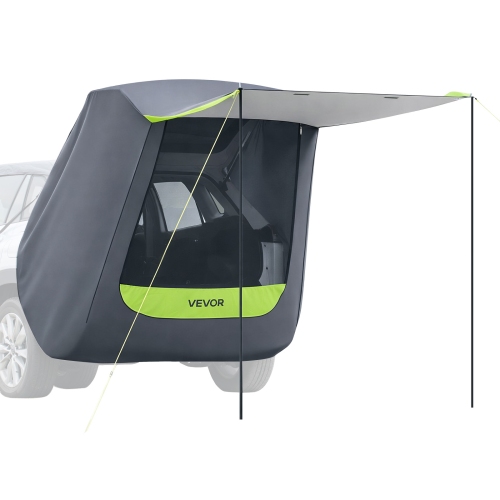
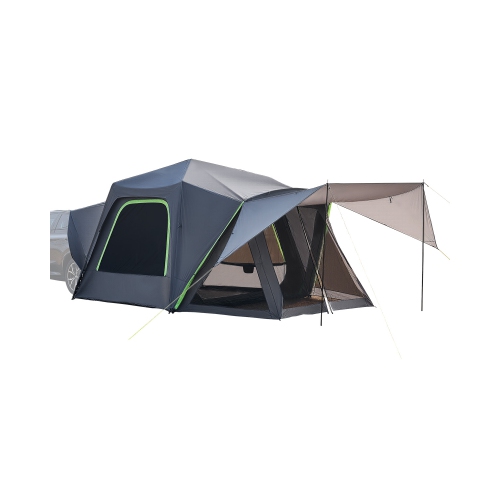
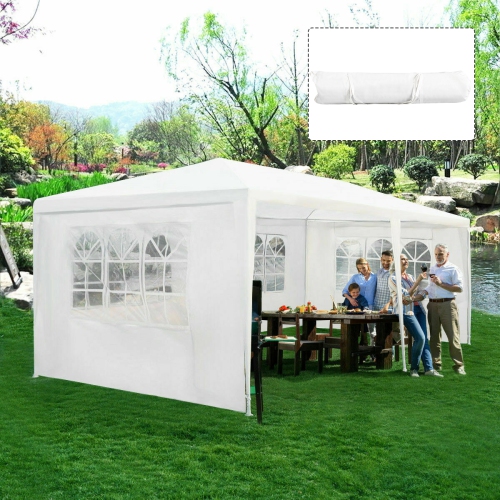
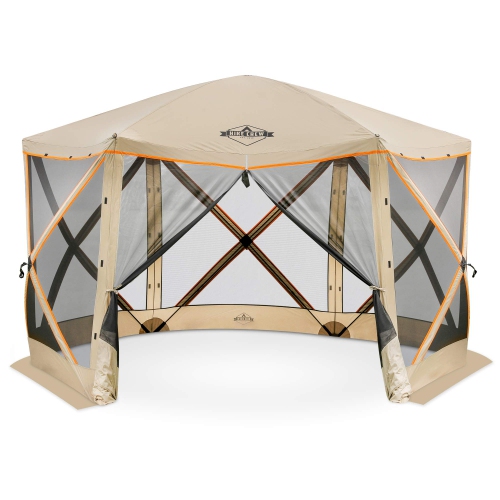
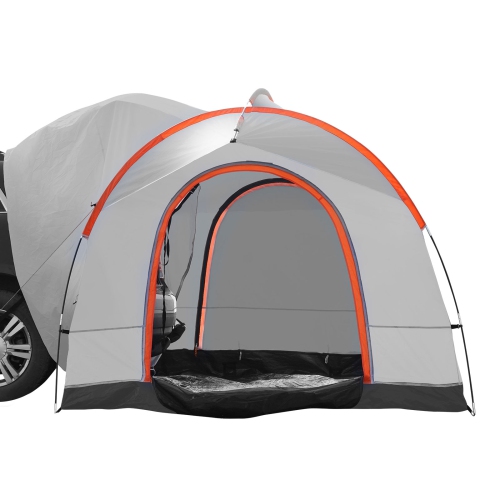
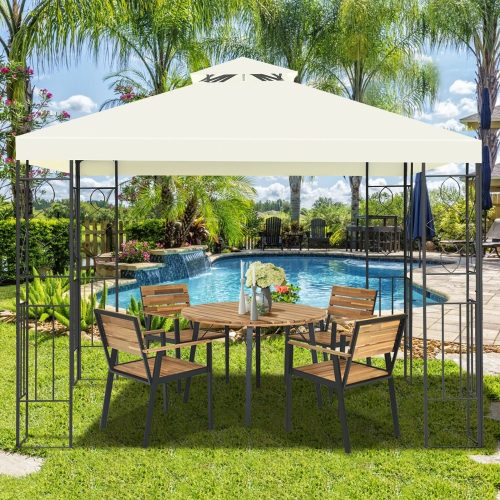
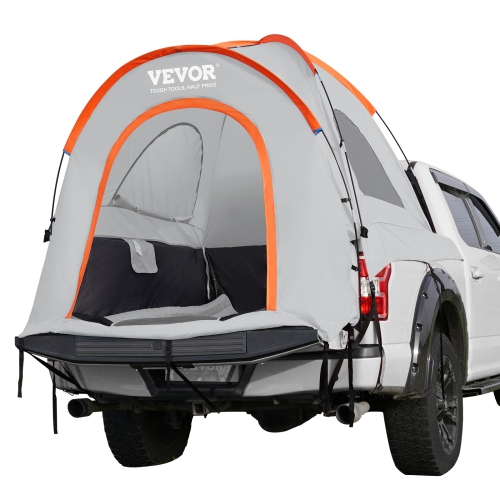
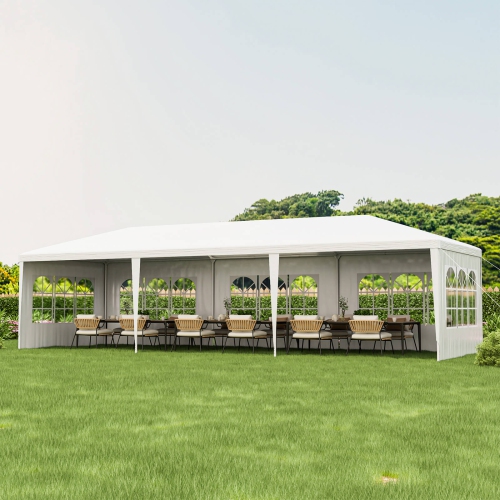
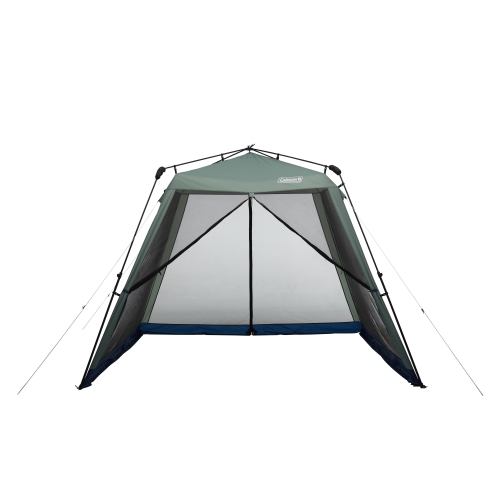
Awning tents extend usable living space beside a vehicle, RV, camper, or compatible shelter, creating a covered area for relaxing, eating, or keeping everyday camping gear close at hand. The term includes several designs: open-sided shelters that provide overhead shade, partially enclosed setups with removable walls, and accessory rooms that attach beneath an existing awning. Some connect directly to a vehicle, while others require an awning frame or mounting system already in place. That distinction matters when picturing how the space will work at a campsite. An open canopy can make a comfortable spot for folding chairs and a picnic table, while an enclosed awning room adds privacy for changing clothes or spending a quiet evening beside the camper. Mesh panels allow airflow while helping keep insects out; solid panels provide more privacy and protection from wind-driven rain. Neither feature makes every awning tent suitable for sleeping, so overnight use depends on the shelter’s intended purpose, floor design, ventilation, and weather rating. Families may appreciate a separate place for muddy shoes, outdoor toys, and damp jackets before anyone steps inside the vehicle. Couples travelling in a compact camper can use the additional room for a small table without rearranging their sleeping area. For paddlers, cyclists, and other outdoor travellers, a covered staging area gives helmets, dry bags, and footwear a place off the main path through camp. Interior dimensions deserve a closer look than a simple capacity label: enough floor space for several chairs does not necessarily leave room to walk around them. Peak height, wall slope, doorway width, and the position of support poles all affect how spacious a shelter feels once furnished. A layout with more than one entrance can also make it easier to reach the vehicle without stepping around a table or moving someone’s chair. For a camping enthusiast receiving an awning tent as a gift, knowing their vehicle and existing awning setup is more useful than choosing by size alone.
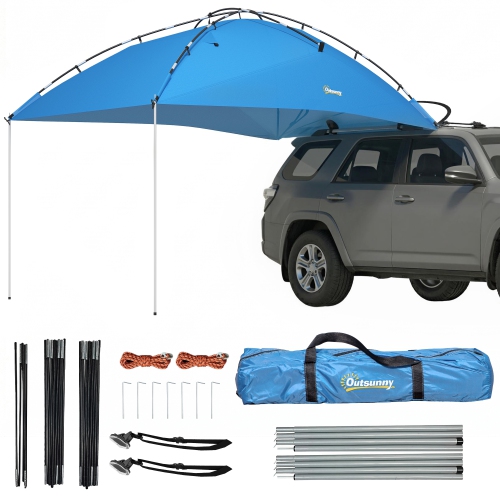
Fit begins with the attachment method and the measurements of the vehicle or supporting structure. Vehicle-mounted awning tents may connect through a compatible awning rail, zip-on attachment, straps, roof-rack hardware, or another specified mounting arrangement. These connections are not interchangeable, and a description such as “universal fit” still needs to be checked against the stated dimensions and mounting requirements. Suction attachments, where supplied, depend on suitable clean, smooth surfaces and should not be treated as a substitute for required structural supports or anchoring. The attachment height is especially important: a tent that hangs correctly from a tall camper may leave excess fabric beside a lower vehicle, while a short connection panel may not reach a higher awning. Awning length, projection, rail profile, and clearance around doors or a rear hatch also influence compatibility. A vehicle door should be able to open without scraping the roof fabric or pressing against a pole. Some drive-away designs allow the vehicle to leave while the shelter remains pitched, but that function requires a self-supporting structure and a connection designed to detach. It should not be assumed for every vehicle awning tent. Materials play a different but equally practical role. Polyester is common in portable shelters, with coatings used to improve resistance to rain; heavier woven fabrics may offer a more substantial feel but add carrying weight and take longer to dry. A stated waterproof rating describes the fabric’s resistance to water pressure under test conditions, not a guarantee that the entire shelter will stay dry in every storm. Sealed seams, protected zips, roof tension, and the fit of the vehicle connection all contribute to rain protection. A sewn-in groundsheet can help limit draughts and moisture entering at ground level, whereas a floorless room may suit a dining area where chairs and shoes move in and out frequently. Fine mesh, adjustable vents, and doors that can be secured open help manage airflow. Shade alone does not establish a specific level of UV protection; that requires a stated rating for the fabric.
Day-to-day usability often comes down to details that are easy to overlook when comparing overall dimensions. Aluminium poles can help reduce packed weight, while steel frames may be heavier to carry; strength also depends on tube size, joint construction, and the complete frame design. Inflatable supports remove some rigid-pole assembly steps but require the specified pump pressure and care around sharp objects. Labelled poles, accessible clips, and clearly positioned guy-line points can make pitching less awkward, particularly when arriving at a campsite with limited daylight. Setup time varies with the design, ground conditions, familiarity, and the number of people helping, so a practice pitch before travelling is worthwhile. Packed length matters as much as weight when the shelter needs to fit beside luggage, a cooler, and folding furniture. Once pitched, an awning tent needs anchoring appropriate to both its instructions and the ground beneath it; pegs suited to firm soil may not hold well in loose sand. Guy lines should remain tensioned without distorting the frame, and their placement should leave a clear walking route around entrances. Even a well-secured awning has limits in strong wind, heavy rain, or snow. Follow its stated operating limits and take it down when conditions exceed them rather than relying on additional weights or improvised supports. Unless explicitly designed and rated for snow loading, an awning tent should not be treated as a winter shelter. Fuel-burning stoves, barbecues, and heaters do not belong inside an enclosed awning room because of fire and carbon monoxide risks. Routine care helps preserve the fabric and moving parts: brush away loose dirt, clean with products permitted by the manufacturer, rinse as directed, and let every panel dry fully before packing. Zips work more smoothly when grit is removed rather than forced through the teeth. Periodic checks of seams, attachment points, poles, and guy lines can reveal wear before the next trip. For setups with a separate retractable awning, Awning Covers may provide protection during storage, provided the cover matches the awning’s dimensions and design. A dry storage location and a properly sized carry bag keep the tent organized between outings without compressing damp fabric or bending components.
Fit begins with the attachment method and the measurements of the vehicle or supporting structure. Vehicle-mounted awning tents may connect through a compatible awning rail, zip-on attachment, straps, roof-rack hardware, or another specified mounting arrangement. These connections are not interchangeable, and a description such as “universal fit” still needs to be checked against the stated dimensions and mounting requirements. Suction attachments, where supplied, depend on suitable clean, smooth surfaces and should not be treated as a substitute for required structural supports or anchoring. The attachment height is especially important: a tent that hangs correctly from a tall camper may leave excess fabric beside a lower vehicle, while a short connection panel may not reach a higher awning. Awning length, projection, rail profile, and clearance around doors or a rear hatch also influence compatibility. A vehicle door should be able to open without scraping the roof fabric or pressing against a pole. Some drive-away designs allow the vehicle to leave while the shelter remains pitched, but that function requires a self-supporting structure and a connection designed to detach. It should not be assumed for every vehicle awning tent. Materials play a different but equally practical role. Polyester is common in portable shelters, with coatings used to improve resistance to rain; heavier woven fabrics may offer a more substantial feel but add carrying weight and take longer to dry. A stated waterproof rating describes the fabric’s resistance to water pressure under test conditions, not a guarantee that the entire shelter will stay dry in every storm. Sealed seams, protected zips, roof tension, and the fit of the vehicle connection all contribute to rain protection. A sewn-in groundsheet can help limit draughts and moisture entering at ground level, whereas a floorless room may suit a dining area where chairs and shoes move in and out frequently. Fine mesh, adjustable vents, and doors that can be secured open help manage airflow. Shade alone does not establish a specific level of UV protection; that requires a stated rating for the fabric.
Day-to-day usability often comes down to details that are easy to overlook when comparing overall dimensions. Aluminium poles can help reduce packed weight, while steel frames may be heavier to carry; strength also depends on tube size, joint construction, and the complete frame design. Inflatable supports remove some rigid-pole assembly steps but require the specified pump pressure and care around sharp objects. Labelled poles, accessible clips, and clearly positioned guy-line points can make pitching less awkward, particularly when arriving at a campsite with limited daylight. Setup time varies with the design, ground conditions, familiarity, and the number of people helping, so a practice pitch before travelling is worthwhile. Packed length matters as much as weight when the shelter needs to fit beside luggage, a cooler, and folding furniture. Once pitched, an awning tent needs anchoring appropriate to both its instructions and the ground beneath it; pegs suited to firm soil may not hold well in loose sand. Guy lines should remain tensioned without distorting the frame, and their placement should leave a clear walking route around entrances. Even a well-secured awning has limits in strong wind, heavy rain, or snow. Follow its stated operating limits and take it down when conditions exceed them rather than relying on additional weights or improvised supports. Unless explicitly designed and rated for snow loading, an awning tent should not be treated as a winter shelter. Fuel-burning stoves, barbecues, and heaters do not belong inside an enclosed awning room because of fire and carbon monoxide risks. Routine care helps preserve the fabric and moving parts: brush away loose dirt, clean with products permitted by the manufacturer, rinse as directed, and let every panel dry fully before packing. Zips work more smoothly when grit is removed rather than forced through the teeth. Periodic checks of seams, attachment points, poles, and guy lines can reveal wear before the next trip. For setups with a separate retractable awning, Awning Covers may provide protection during storage, provided the cover matches the awning’s dimensions and design. A dry storage location and a properly sized carry bag keep the tent organized between outings without compressing damp fabric or bending components.
Top selling and popular products
-
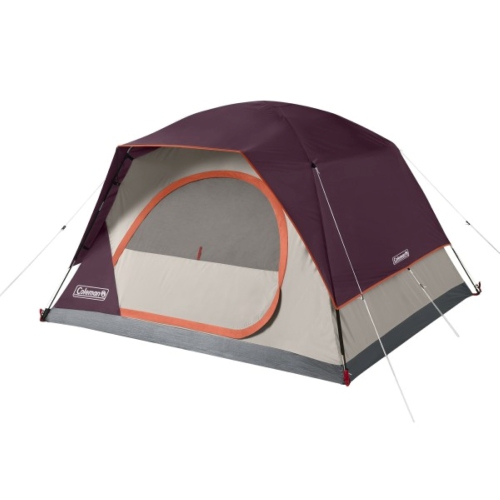 Your price for this item is $240.99
 -
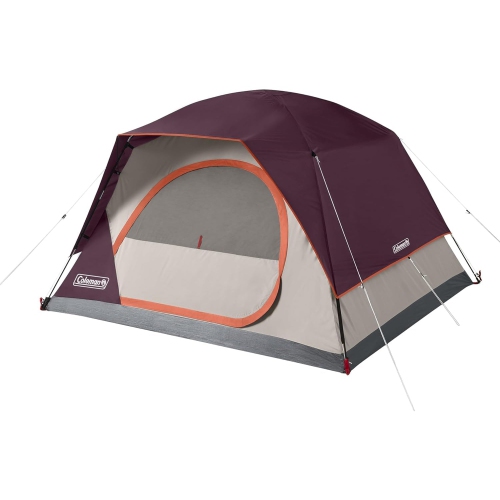 Your price for this item is $239.97
 -
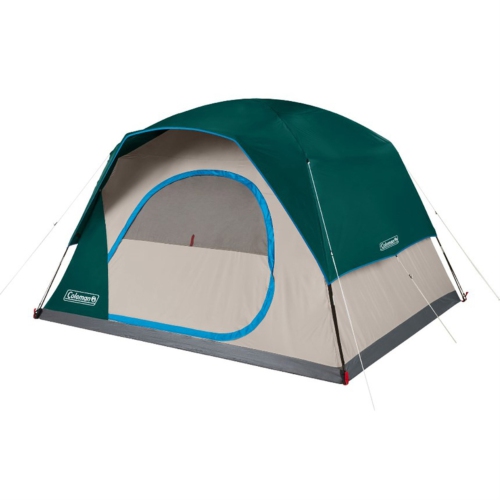 Your price for this item is $241.12
 -
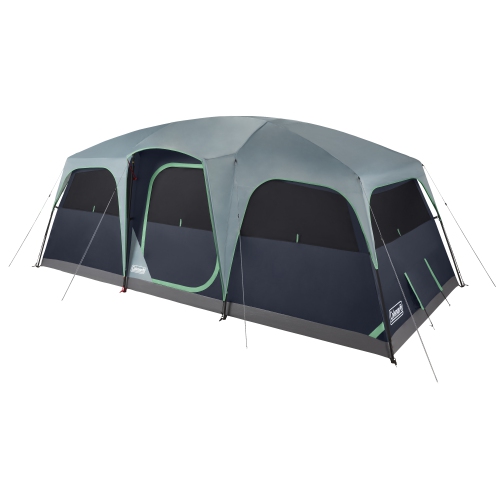 Your price for this item is $509.99
 -
 Your price for this item is $199.99
 -
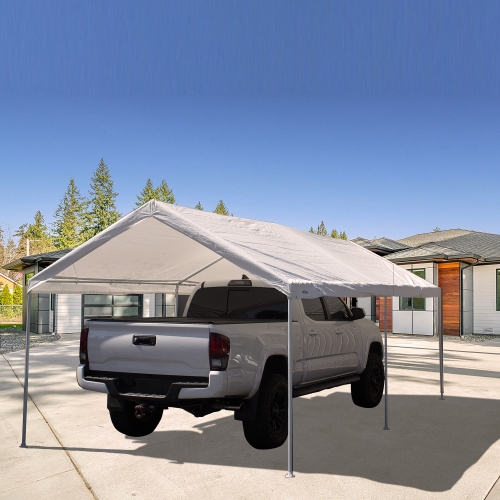 Your price for this item is $727.99
 -
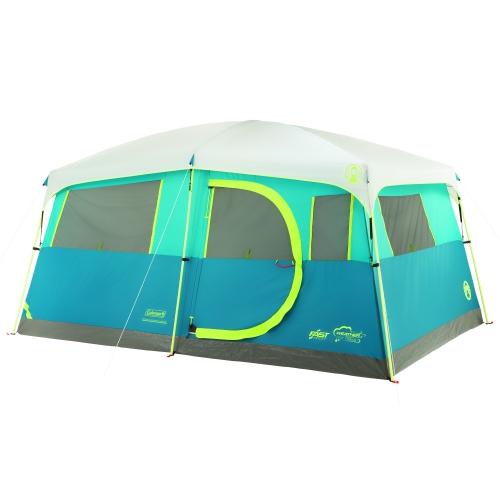 Your price for this item is $427.99
 -
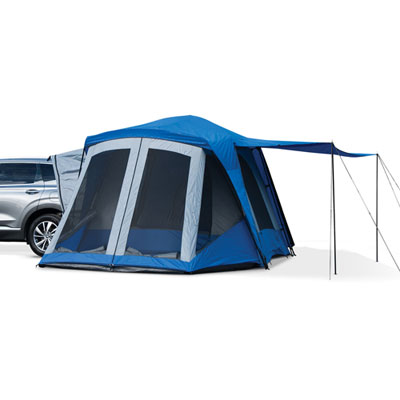 Your price for this item is $499.99
Discover more categories related to Awning Tents
Top Collections:
Pokemon Centers, Kindle Devices, Best Budget Office Chairs, Apple iPhones 16, Best Laptops for Writers, iPhone 15 Apple, Canon G7X Cameras, Refurbished Apple Laptops, Alarm Clock, Motorola Razr Phones
Some products may be subject to Environmental Handling Fees
(EHF) depending on your province.
Learn more about EHFs.