Backpack Leaf Blowers

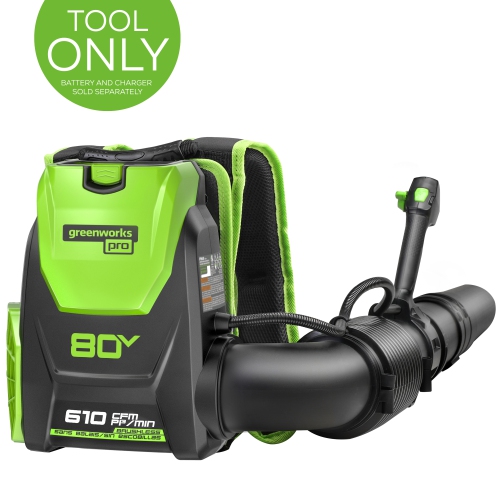
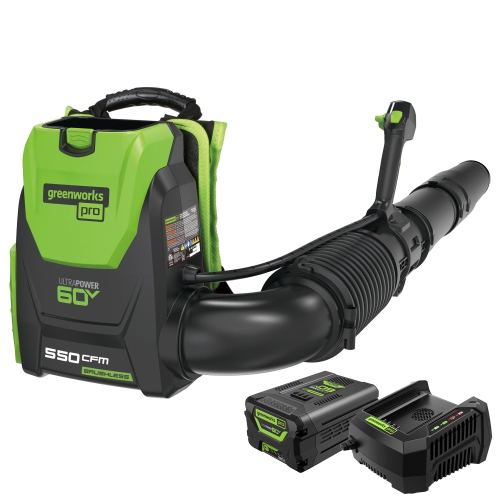
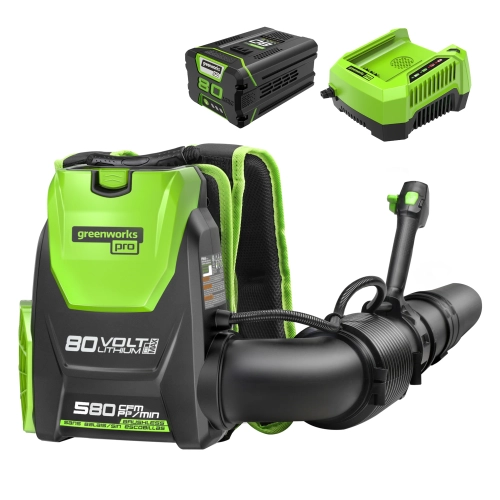
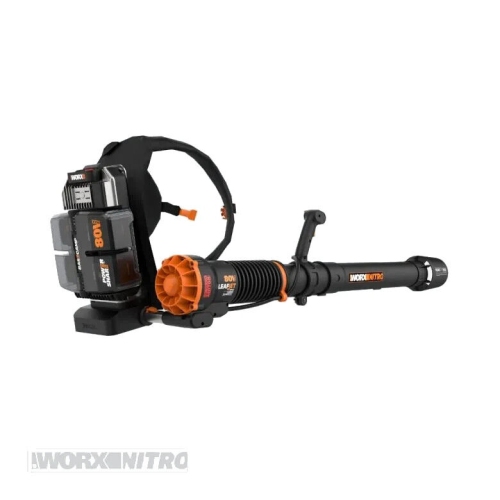
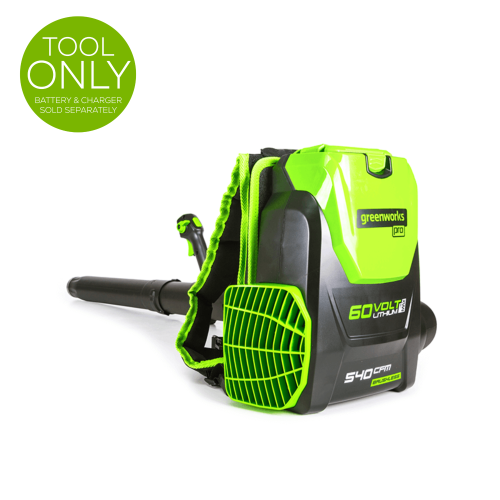
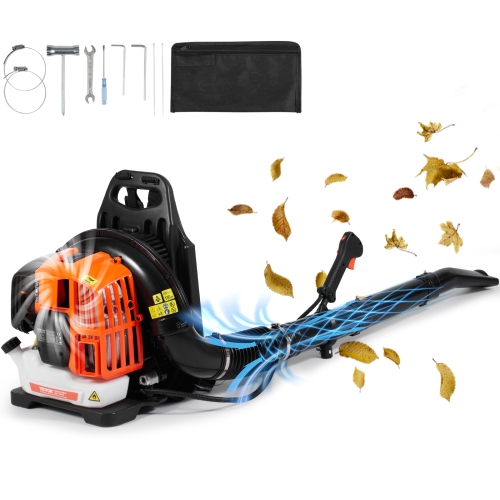
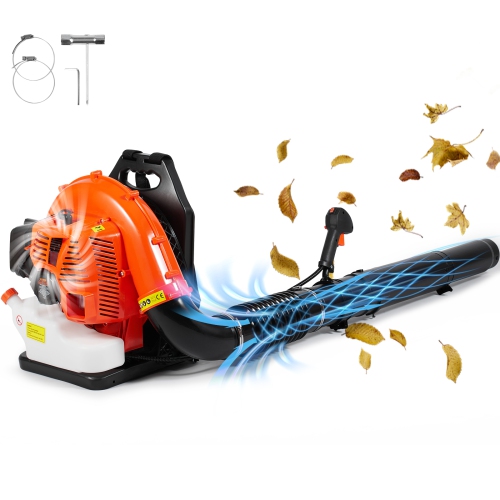
Backpack leaf blowers help you clear leaves and yard debris while carrying the blower’s weight on your back. Compare options by power source, weight, airflow and air speed to find a model suited to your property size and cleanup needs, and look for adjustable straps and accessible controls for a comfortable fit.
Read More

Sort

Why airflow and harness fit matter for bigger cleanups

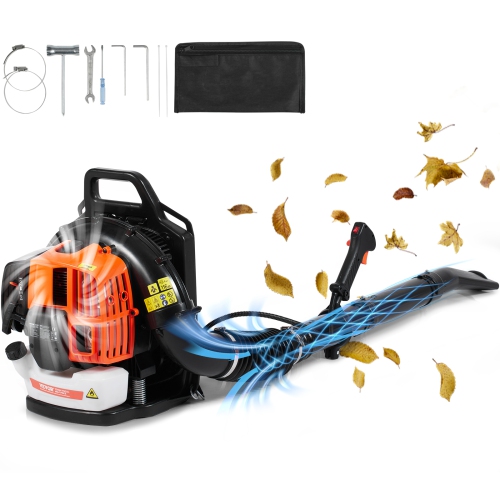
Backpack leaf blowers are built for outdoor cleanup jobs that involve more ground, more leaves, or longer stretches of work than a handheld blower comfortably suits. A shoulder harness carries the motor or engine assembly against the back, while a flexible tube directs airflow through a nozzle held at the side. This layout moves much of the tool’s weight away from the hand and forearm, although overall comfort still depends on the loaded weight, harness adjustment, and length of the job. For homeowners with broad lawns, long driveways, or several mature trees, a backpack design can make it easier to gather scattered leaves into manageable rows before collection. Property caretakers and landscaping crews also use these tools to clear grass clippings from paved areas and tidy paths after routine grounds maintenance. Fall leaf cleanup is a familiar use, especially where leaves collect along fence lines or beneath hedges, but the right fit depends more on the amount and type of debris than on yard size alone. Dry leaves on an open lawn move differently from damp leaves pressed into turf, and narrow passages between garden beds call for more control than a wide parking area. Air volume, usually measured in cubic feet per minute, or CFM, describes how much air the blower moves; air speed describes how quickly that air leaves the nozzle. Both matter, and neither figure on its own gives a complete picture of clearing performance. Higher air volume can help move broad piles, while air speed helps loosen stubborn material. Where blowing force is listed in newtons, it offers another useful performance measure, provided the testing conditions are comparable. Adjustable airflow is just as important for everyday handling: a lower setting can move leaves away from mulch without scattering the mulch across the lawn. Backpack leaf blowers are most useful when their output, weight, and controls match the actual cleanup task, rather than simply offering the largest number on a specification sheet.

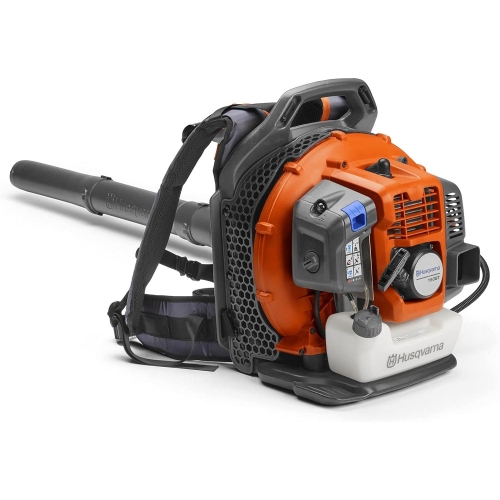
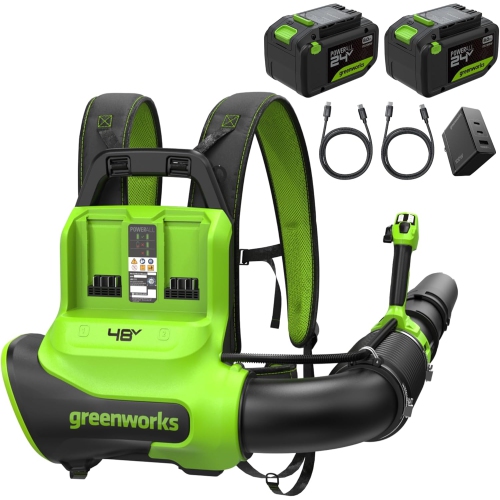
Gas and battery-powered backpack leaf blowers suit different working routines. Gas models can support extended clearing sessions with refuelling breaks, making them a practical option for larger properties and repeated heavy cleanup. Their operation involves engine noise, exhaust, fuel handling, and scheduled maintenance. Many use two-stroke engines that require a specified petrol-and-oil mixture, while other engine designs have different lubrication requirements; the manufacturer’s instructions determine the correct fuel and oil procedure. Battery-powered models offer starting without a pull cord and avoid fuel mixing, with no engine exhaust at the point of use. They still produce substantial fan and airflow noise, so hearing protection and local noise rules remain relevant. Runtime depends on battery capacity, power settings, debris conditions, and the tool’s design. A maximum-output setting may be useful for a patch of matted leaves but can drain a battery faster than moderate airflow used for steady sweeping. For cordless equipment, battery compatibility, charging time, and the weight of the complete operating setup deserve attention alongside output. A blower’s listed bare-tool weight may not include the batteries needed to run it; gas models also become heavier when fuel is added. Fit makes a noticeable difference once a job extends beyond a quick pass along the driveway. Broad, padded shoulder straps, an adjustable back panel, and a supportive harness can help spread the load, while a waist or chest strap, where fitted, can limit shifting as the operator walks. Padding should sit comfortably without forcing the shoulders forward, and the control handle should be reachable without an awkward wrist angle. Tube length and handle adjustment matter for users of different heights, helping keep the nozzle near the working surface without constant bending. Vibration isolation, accessible speed controls, and a setting that holds steady output can further reduce effort during repetitive passes. For groundskeeping routes, extensive paved spaces, and other demanding applications, Commercial Leaf Blowers offer a related category to explore when frequent use and sustained clearing performance are priorities.

Durability in a backpack leaf blower comes from the complete assembly, not just the engine or motor. Moulded housings help keep weight manageable, but the tube connections, flexible hose, frame, buckles, and harness stitching also face repeated movement and contact during normal use. Secure connections help keep the air tube positioned correctly, while accessible intake screens and service points make routine care less awkward. Leaves and loose debris should be kept clear of the air intake, and the tool should be switched off and made safe according to its manual before cleaning or inspection. Gas equipment may need air-filter cleaning, spark-plug checks, and other engine servicing at specified intervals. Battery-powered equipment avoids those engine tasks but still needs inspection of the housing, controls, electrical contacts, and batteries. Charging and storage should follow the manufacturer’s temperature and moisture limits, and neither the blower nor its battery should be assumed suitable for rain or wet storage. After a cleanup session, removing clinging debris and allowing damp straps to dry before storage helps keep the harness comfortable and ready for its next use. Safe handling matters equally on a quiet residential lot and a busy maintained property. Eye protection, hearing protection, sturdy footwear, and suitable clothing belong with the task, and people and pets should stay outside the working area at the distance specified in the manual. Airflow should point away from windows, vehicles, loose gravel, and neighbouring properties. Leaves gathered into small rows are generally easier to contain than a large pile pushed across the full width of a yard, particularly when working around shrubs and raised beds. A blower gathers material rather than disposing of it, so collection remains a separate part of the job unless the equipment explicitly supports another function. For someone who regularly maintains a large yard, a backpack blower can also be a practical gift, provided its weight, harness fit, power source, and maintenance demands suit the recipient. The strongest match is a tool that feels manageable throughout the work and handles the property’s usual debris without unnecessary bulk.
Read More

FAQ

Some products may be subject to Environmental Handling Fees (EHF) depending on your province. Learn more about EHFs.