Backyard Composters
Transform your backyard into an eco-friendly haven with this selection of backyard composters. Reduce waste and nurture your garden with nutrient-rich compost made right at home. Say goodbye to food scraps filling up landfills and hello to sustainable living. This range of backyard composters offers a convenient and efficient way to recycle organic materials, helping you contribute to a greener planet while reaping the benefits for your garden.
Sort
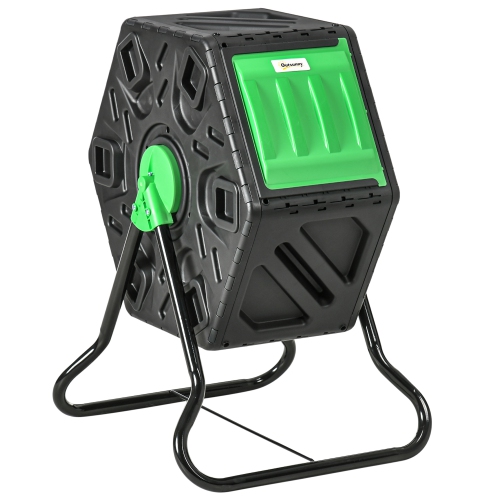
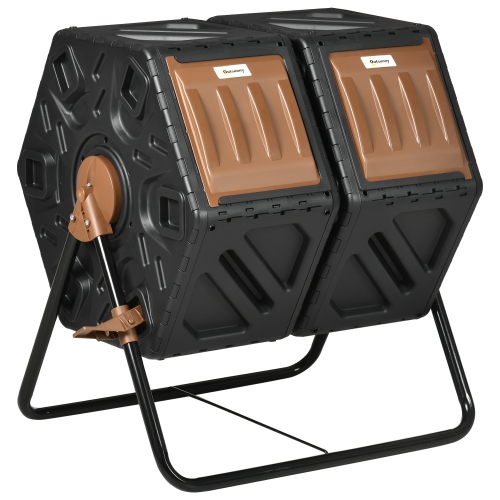
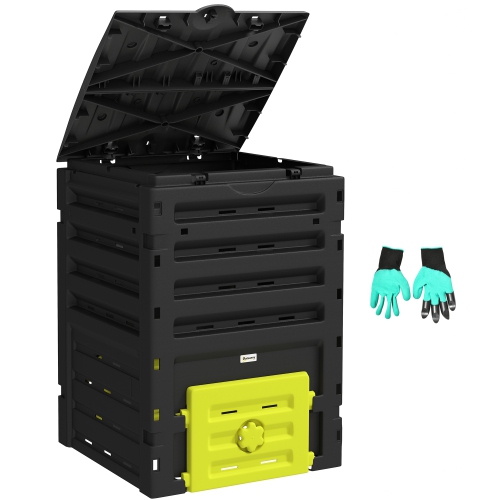
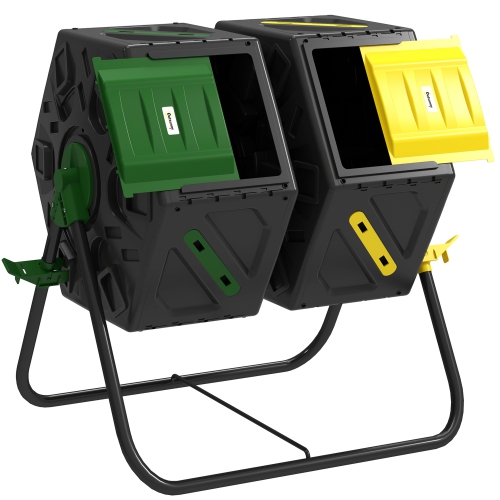
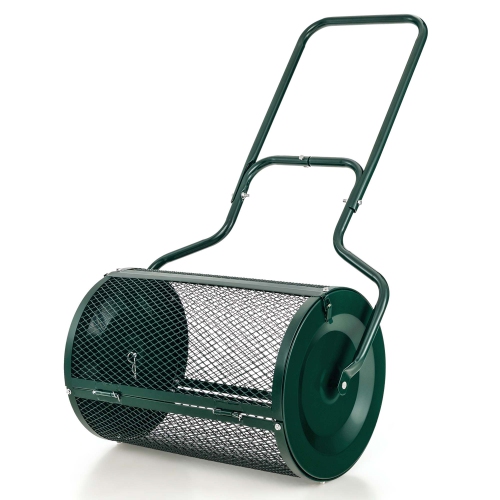
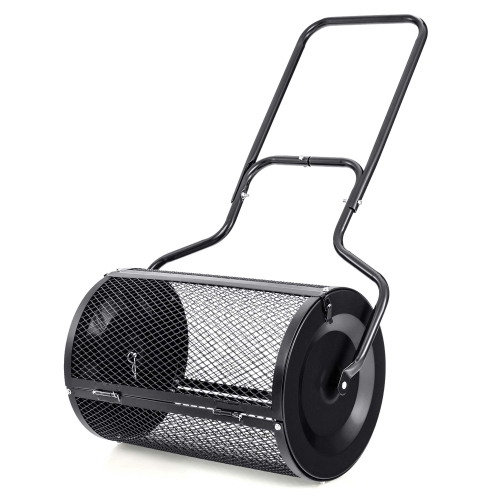
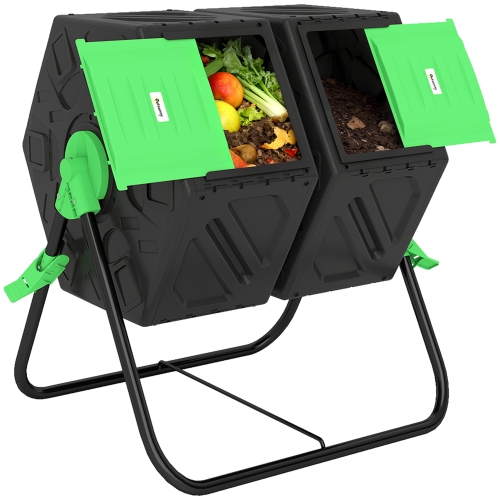
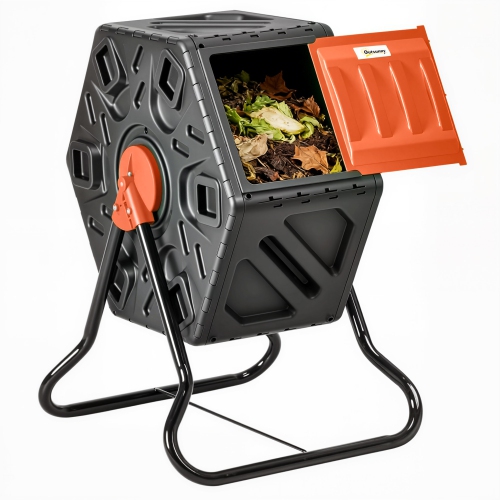
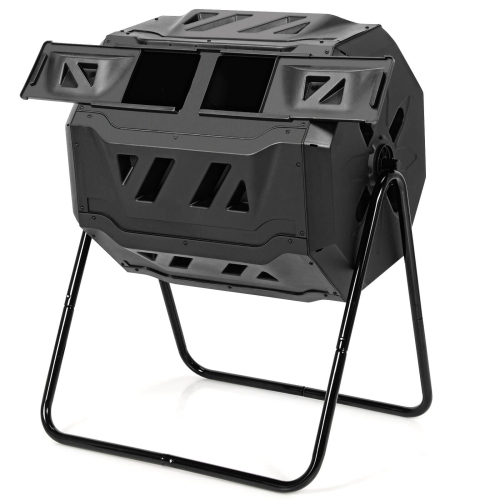
A practical path from kitchen scraps to garden compost
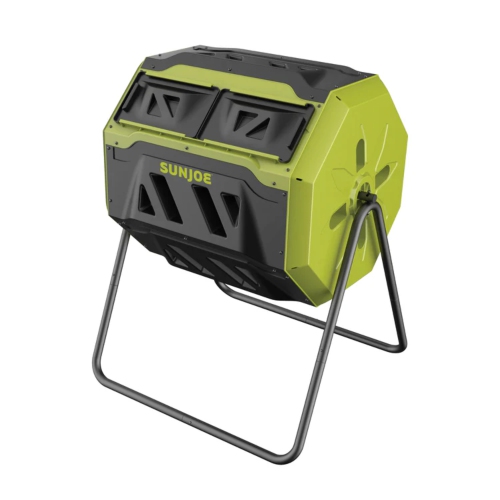
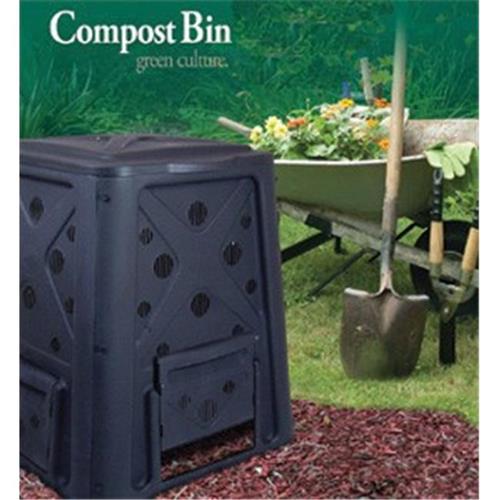
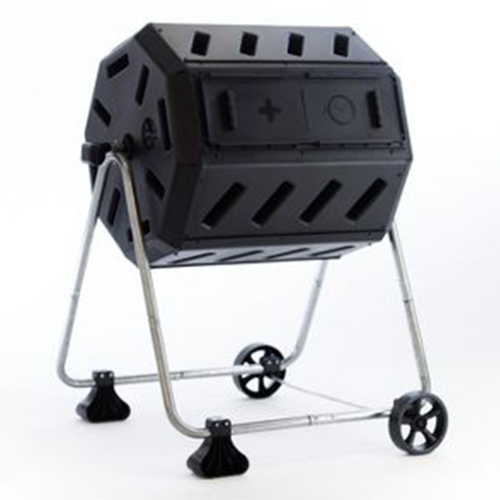
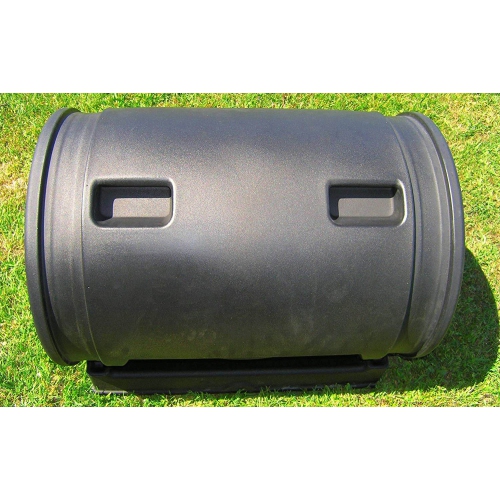
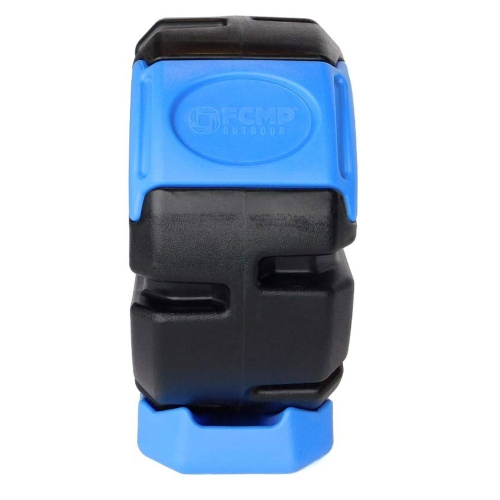
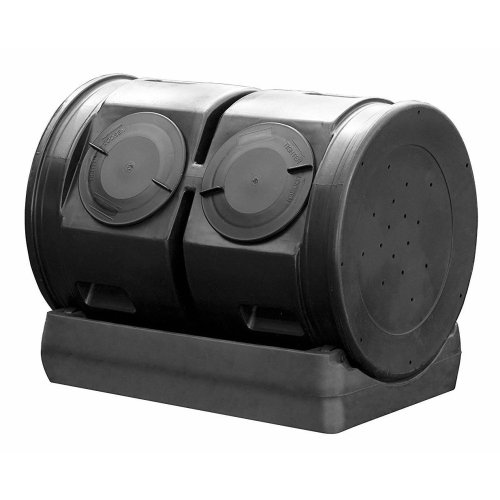
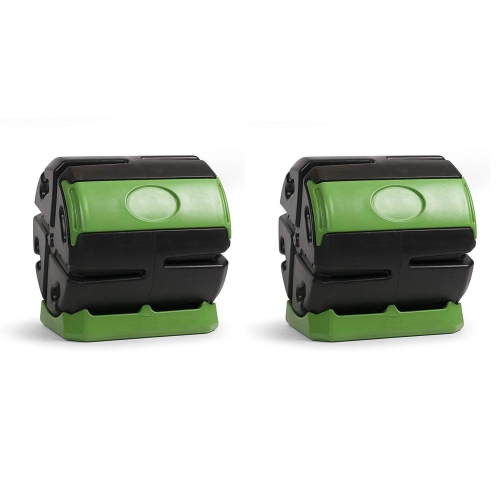
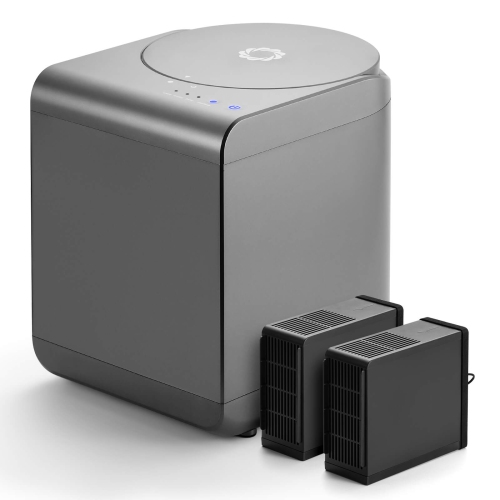
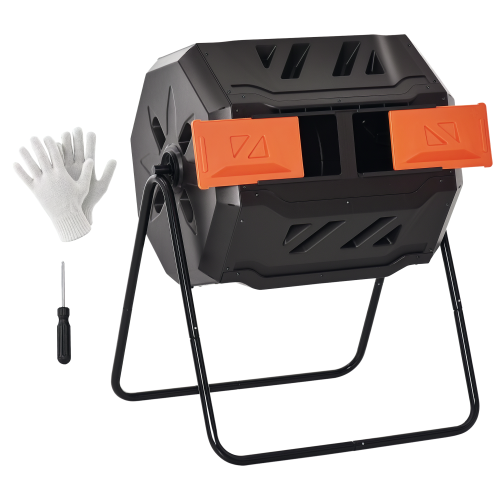
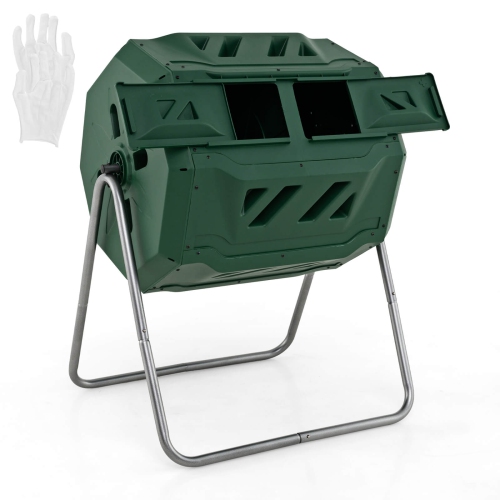
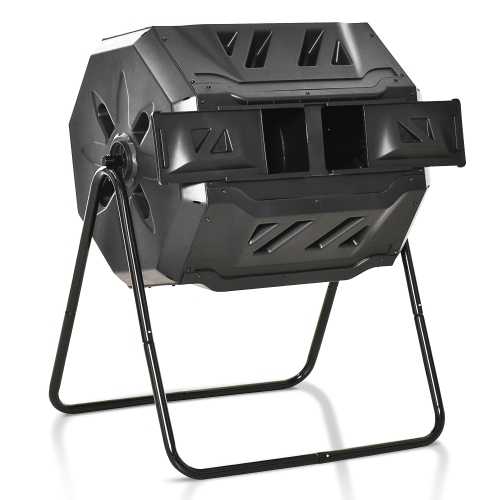
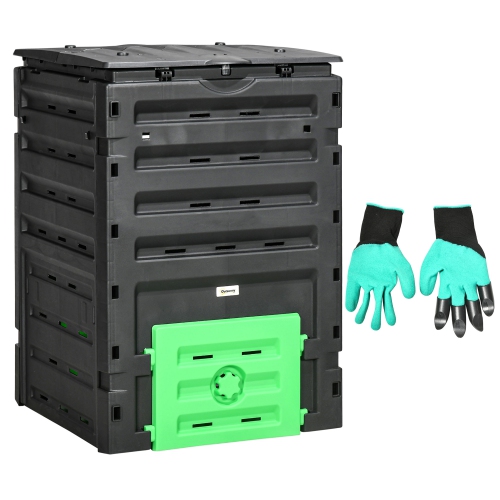
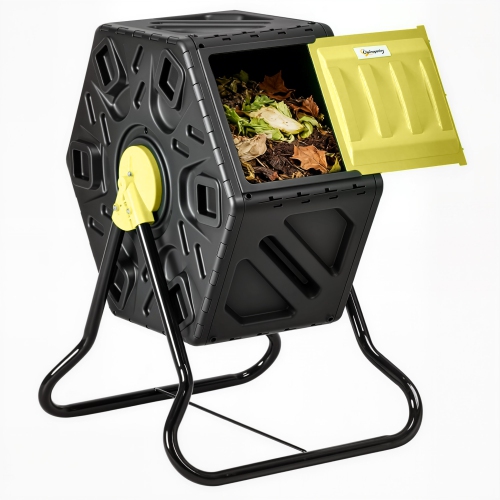
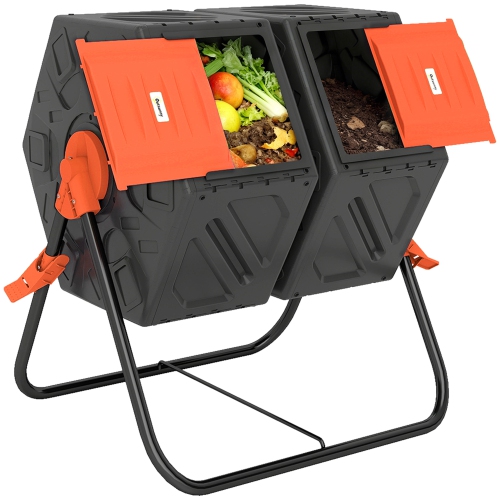
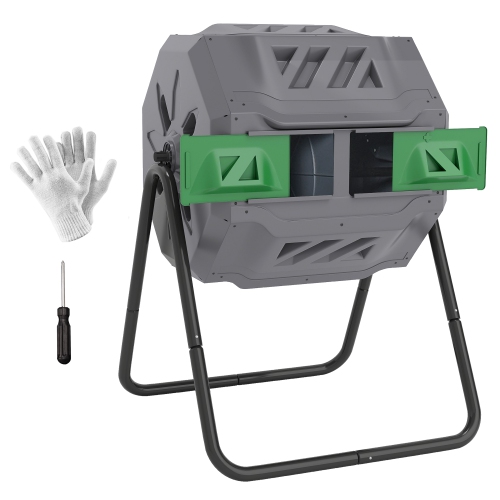
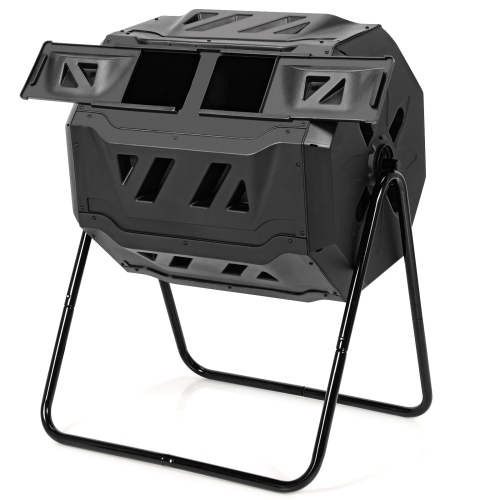
Backyard composters provide a practical way to turn everyday kitchen scraps and yard materials into dark, crumbly compost for gardens, planters, flower beds and outdoor containers. A well-chosen composter gives the process a dedicated space, keeps the contents contained and makes it easier to manage the balance of materials, moisture and airflow. For shoppers comparing backyard composters, capacity is a useful starting point. A compact bin may suit a balcony-adjacent yard, townhouse or household that produces modest amounts of peelings, coffee grounds and garden clippings, while a larger composter is better suited to an active garden, several people or a property with plenty of leaves and grass. The available space matters just as much as the size: measure the area before buying and leave enough room around the unit to add materials, open a lid, turn a tumbler or remove finished compost. A location with convenient access from the kitchen and garden is more likely to become part of a regular routine. Level ground helps stationary bins remain stable, while tumbling models are often easiest to use on a firm surface where the drum can rotate freely. During warmer weather, decomposition can move along quickly when the contents have the right mix of air and moisture; during cooler months, the process may slow, so a generously sized bin can provide useful capacity while the material continues to break down. Homeowners, renters with suitable outdoor space, gardeners, families and anyone who enjoys growing herbs or vegetables may appreciate these products. A backyard composter can also make a thoughtful housewarming, gardening or new-home gift, especially for someone who spends weekends tending raised beds, collecting leaves or preparing planters for the next growing season.
When filling a backyard composter, aim for a blend of nitrogen-rich “greens” and carbon-rich “browns.” Greens can include fruit and vegetable scraps, coffee grounds, tea leaves, crushed eggshells and fresh grass clippings. Browns may include dry leaves, small twigs, untreated shredded cardboard, plain paper and straw. A practical starting point is roughly two to three parts browns for every one part greens. This balance helps keep the mixture loose and manageable rather than overly wet or compacted. Add food scraps in modest layers and cover them with dry leaves, shredded cardboard or another brown material to help limit odours and discourage unwanted visitors. Materials should be damp, similar to a wrung-out sponge, rather than dripping wet; if the contents look dry, add a little water, and if they appear soggy, mix in more browns. Cutting larger scraps into smaller pieces can help them break down more evenly. Gentle aeration is also important. Depending on the design, this may mean turning a tumbler every week or two, mixing the contents with a garden fork or using the structure’s ventilation openings to maintain airflow. Tumbling composters can be convenient for people who prefer a contained, easy-to-turn setup and may offer separate chambers for adding fresh materials while another batch finishes. Stationary bins can provide greater volume and a simple, open-access format for households with a steady supply of leaves and garden material. Whichever style fits the space, avoid adding meat, dairy, oils, pet waste or diseased plants, as these materials can create odours, attract pests or introduce problems into the finished compost. Check municipal requirements as well, since local guidance can vary for backyard composting and acceptable materials.
Finished compost is usually ready when it has a deep brown colour, an earthy smell and a loose texture, with the original ingredients no longer easily recognizable. It can be mixed into garden soil, spread around established plants, added to raised beds or used as a top dressing for outdoor containers. It is best to allow visible food scraps and coarse pieces more time to break down before using the material around delicate plants. A backyard composter is especially useful for people who like a hands-on gardening routine: the quick scrape of a peel into a countertop container, the soft rustle of dry leaves added on top and the satisfying turn of a full drum can become small, familiar parts of caring for an outdoor space. It also pairs naturally with gloves, garden tools, raised planters and containers for herbs or flowers. Shoppers who are setting up an indoor food-scrap routine may also wish to browse Home Composting Bins for complementary options. Before choosing, consider whether a rotating or stationary design is more comfortable to maintain, how much material the household produces, how frequently the bin can be tended and whether the finished compost will be used for vegetables, ornamentals, lawn areas or container gardening. With an appropriate location and a steady supply of balanced materials, backyard composters can support a tidy, rewarding outdoor routine from the warmer part of the season through the cooler months.
When filling a backyard composter, aim for a blend of nitrogen-rich “greens” and carbon-rich “browns.” Greens can include fruit and vegetable scraps, coffee grounds, tea leaves, crushed eggshells and fresh grass clippings. Browns may include dry leaves, small twigs, untreated shredded cardboard, plain paper and straw. A practical starting point is roughly two to three parts browns for every one part greens. This balance helps keep the mixture loose and manageable rather than overly wet or compacted. Add food scraps in modest layers and cover them with dry leaves, shredded cardboard or another brown material to help limit odours and discourage unwanted visitors. Materials should be damp, similar to a wrung-out sponge, rather than dripping wet; if the contents look dry, add a little water, and if they appear soggy, mix in more browns. Cutting larger scraps into smaller pieces can help them break down more evenly. Gentle aeration is also important. Depending on the design, this may mean turning a tumbler every week or two, mixing the contents with a garden fork or using the structure’s ventilation openings to maintain airflow. Tumbling composters can be convenient for people who prefer a contained, easy-to-turn setup and may offer separate chambers for adding fresh materials while another batch finishes. Stationary bins can provide greater volume and a simple, open-access format for households with a steady supply of leaves and garden material. Whichever style fits the space, avoid adding meat, dairy, oils, pet waste or diseased plants, as these materials can create odours, attract pests or introduce problems into the finished compost. Check municipal requirements as well, since local guidance can vary for backyard composting and acceptable materials.
Finished compost is usually ready when it has a deep brown colour, an earthy smell and a loose texture, with the original ingredients no longer easily recognizable. It can be mixed into garden soil, spread around established plants, added to raised beds or used as a top dressing for outdoor containers. It is best to allow visible food scraps and coarse pieces more time to break down before using the material around delicate plants. A backyard composter is especially useful for people who like a hands-on gardening routine: the quick scrape of a peel into a countertop container, the soft rustle of dry leaves added on top and the satisfying turn of a full drum can become small, familiar parts of caring for an outdoor space. It also pairs naturally with gloves, garden tools, raised planters and containers for herbs or flowers. Shoppers who are setting up an indoor food-scrap routine may also wish to browse Home Composting Bins for complementary options. Before choosing, consider whether a rotating or stationary design is more comfortable to maintain, how much material the household produces, how frequently the bin can be tended and whether the finished compost will be used for vegetables, ornamentals, lawn areas or container gardening. With an appropriate location and a steady supply of balanced materials, backyard composters can support a tidy, rewarding outdoor routine from the warmer part of the season through the cooler months.
Top selling and popular products
-
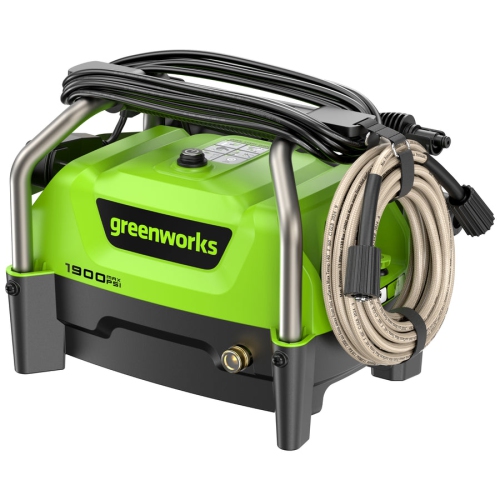 Your price for this item is $169.99
 -
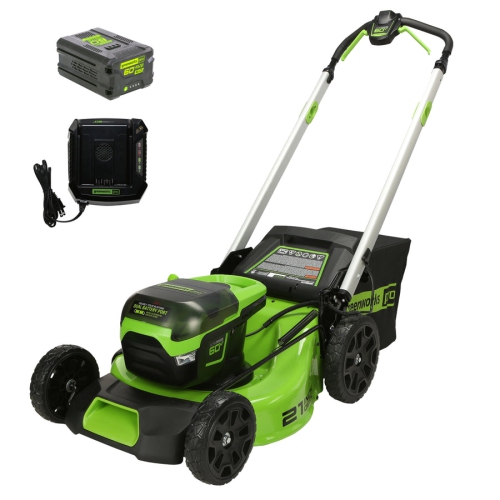 Your price for this item is $554.39
 -
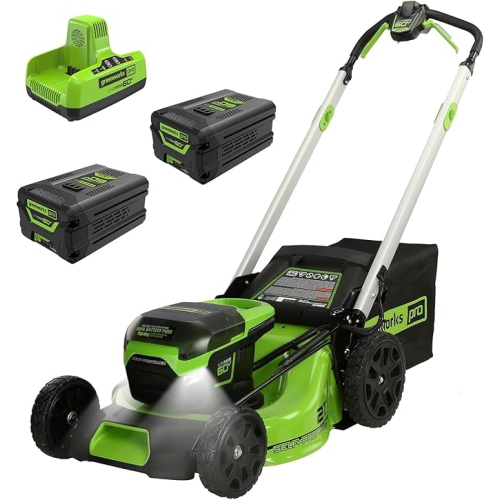 Your price for this item is $879.99
 -
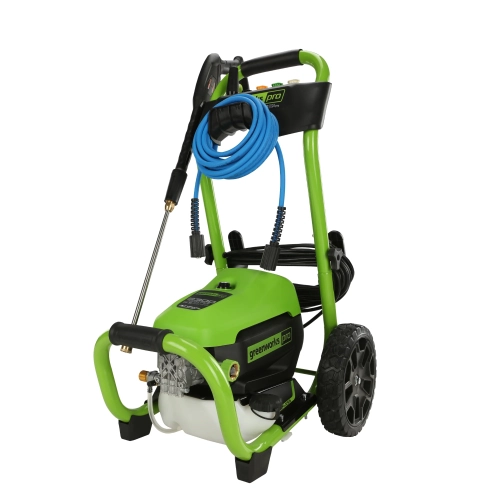 Your price for this item is $439.99
 -
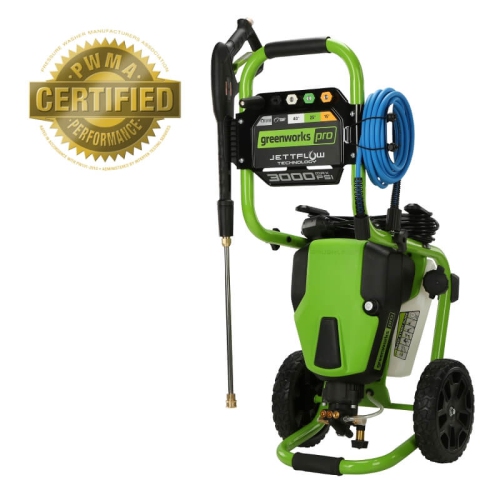 Your price for this item is $499
 -
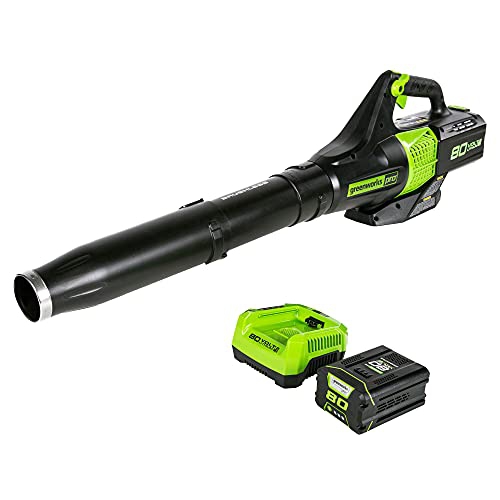 Your price for this item is $255
 -
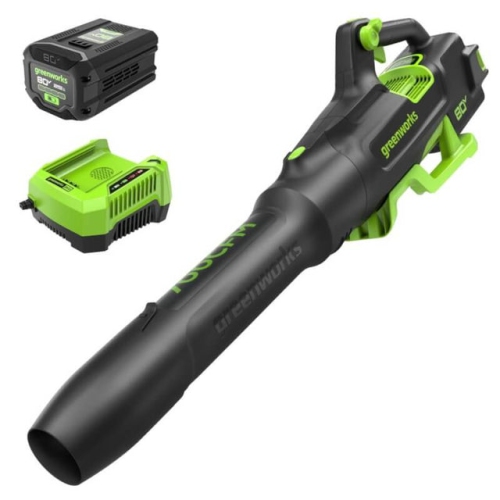 Your price for this item is $272
 -
 Your price for this item is $329.99
Discover more categories related to Backyard Composters
Top Collections:
Pokemon Centers, Kindle Devices, Best Budget Office Chairs, Apple iPhones 16, Best Laptops for Writers, iPhone 15 Apple, Canon G7X Cameras, Refurbished Apple Laptops, Alarm Clock, Motorola Razr Phones
Some products may be subject to Environmental Handling Fees
(EHF) depending on your province.
Learn more about EHFs.