Bamboo Barriers
Bamboo barriers offer an eco-friendly and stylish solution for enhancing privacy and defining spaces in your outdoor or indoor areas. These versatile barriers are crafted from sustainable bamboo, providing a natural aesthetic that complements any décor while promoting environmental responsibility. Perfect for gardens, patios, or even as room dividers, bamboo barriers can transform your space into a serene retreat. Discover the beauty and functionality of bamboo barriers and create a tranquil atmosphere with their timeless appeal.
Sort
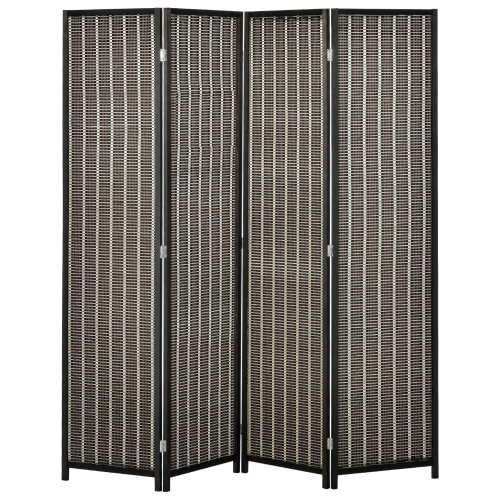
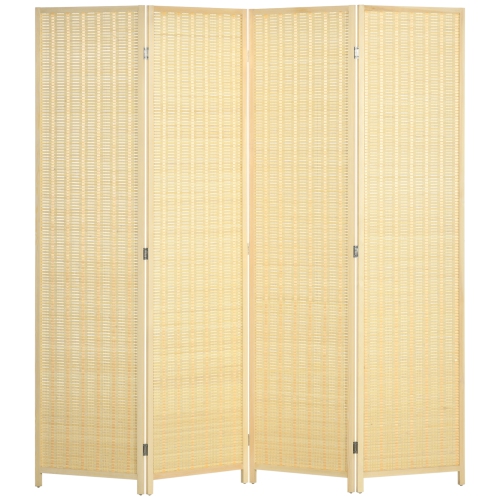
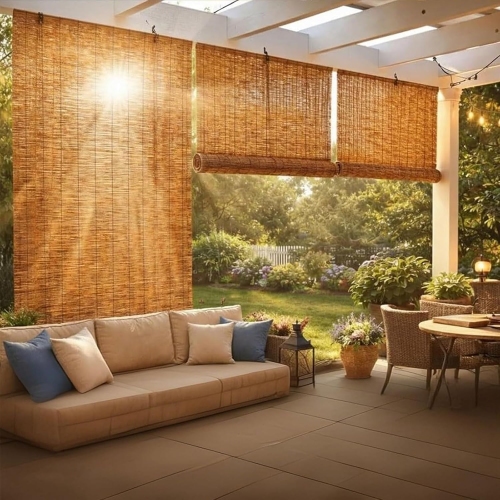
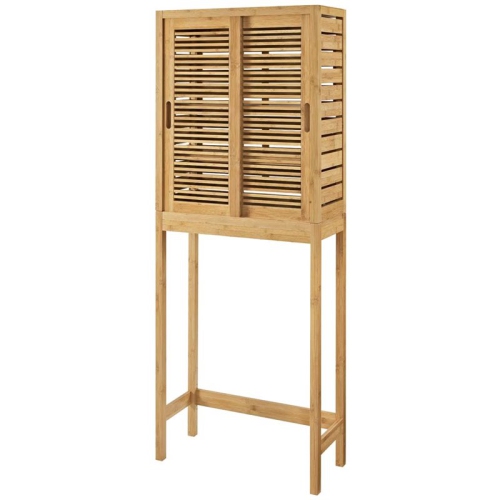
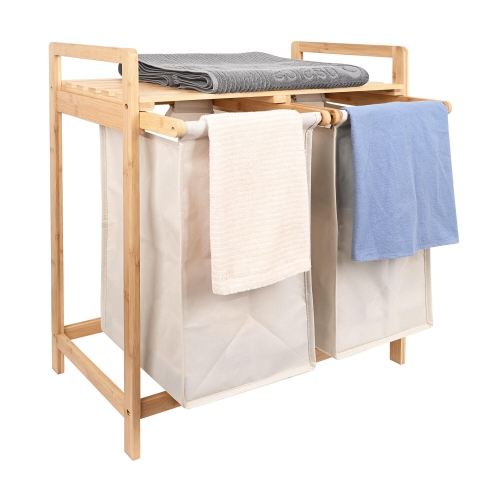
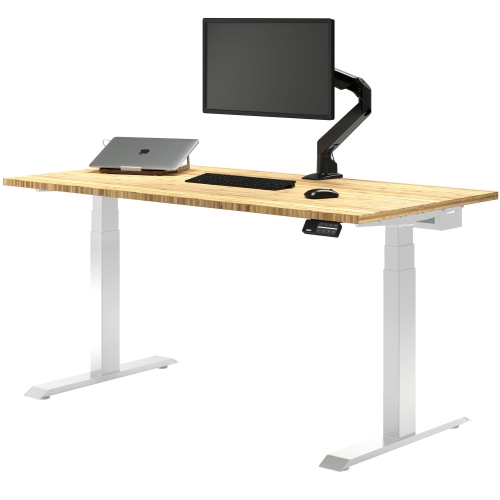

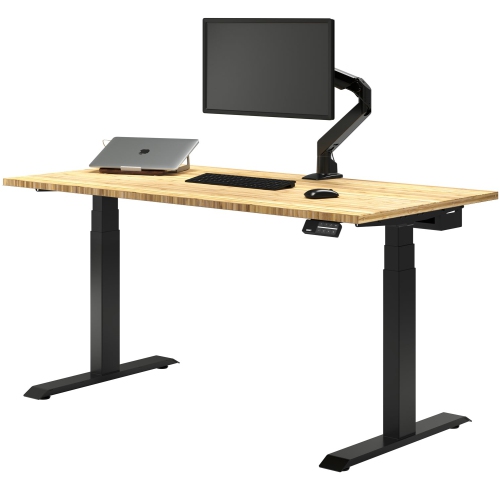



Long-lasting root control for ornamental bamboo landscapes
Bamboo barriers have become an essential solution for gardeners, landscapers, and property owners looking to manage the vigorous growth of running bamboo species. These sturdy barriers, typically crafted from high-density polyethylene (HDPE), are designed to prevent bamboo rhizomes from spreading uncontrollably beneath the soil. The material’s resilience ensures long-lasting performance, resisting rust and degradation even with prolonged exposure to moisture and soil conditions. For the most effective containment, bamboo barriers are installed vertically in the ground, extending 24 to 36 inches deep to intercept rhizomes that travel near the surface. A key installation detail is maintaining a 1-2 inch lip above ground level, which helps direct roots upward for easy monitoring and removal. This design consideration is especially important as the weather warms and bamboo enters its most active growth period, making it easier to spot and address any rhizomes attempting to breach the barrier.
The utility of a bamboo barrier extends beyond simple containment—it can be a thoughtful addition for anyone cultivating ornamental bamboo as a privacy screen, windbreak, or decorative feature. Homeowners with established gardens, landscape architects working on urban projects, and even hobbyists experimenting with bamboo in backyard spaces all benefit from the peace of mind that comes with effective root control. Installing a bamboo barrier is a practical step for those who appreciate bamboo’s aesthetic appeal but want to avoid its reputation for aggressive spreading. The process involves digging a trench around the planting area, placing the barrier with a secure overlap, and fastening the ends with stainless steel hardware for a seamless, continuous shield. While these barriers do an excellent job of containing growth, it’s wise to inspect the perimeter annually, especially during the transition from summer to the cooler months, to catch any adventurous rhizomes that may have crept over the top edge. For smaller spaces or container gardening, using large pots can serve as an alternative, but for larger landscapes, a properly installed bamboo barrier remains the gold standard.
Gifting a bamboo barrier or recommending one to a friend or family member can be a considerate gesture for anyone embarking on a new landscaping project or struggling with bamboo encroachment. These barriers are especially appreciated by those who value low-maintenance gardens or want to preserve the integrity of hardscaping elements like patios, walkways, and fences. The versatility of bamboo in outdoor design—whether as a lush green backdrop or a living privacy wall—makes root management a top priority for long-term enjoyment. For those seeking to enhance their outdoor living spaces further, pairing a bamboo barrier with complementary features such as Bamboo Screens can create a harmonious, private retreat. As the seasons shift and outdoor spaces become a hub for gatherings and relaxation, investing in quality bamboo containment solutions ensures that beauty and order go hand in hand, allowing you to enjoy the unique charm of bamboo without worry.
The utility of a bamboo barrier extends beyond simple containment—it can be a thoughtful addition for anyone cultivating ornamental bamboo as a privacy screen, windbreak, or decorative feature. Homeowners with established gardens, landscape architects working on urban projects, and even hobbyists experimenting with bamboo in backyard spaces all benefit from the peace of mind that comes with effective root control. Installing a bamboo barrier is a practical step for those who appreciate bamboo’s aesthetic appeal but want to avoid its reputation for aggressive spreading. The process involves digging a trench around the planting area, placing the barrier with a secure overlap, and fastening the ends with stainless steel hardware for a seamless, continuous shield. While these barriers do an excellent job of containing growth, it’s wise to inspect the perimeter annually, especially during the transition from summer to the cooler months, to catch any adventurous rhizomes that may have crept over the top edge. For smaller spaces or container gardening, using large pots can serve as an alternative, but for larger landscapes, a properly installed bamboo barrier remains the gold standard.
Gifting a bamboo barrier or recommending one to a friend or family member can be a considerate gesture for anyone embarking on a new landscaping project or struggling with bamboo encroachment. These barriers are especially appreciated by those who value low-maintenance gardens or want to preserve the integrity of hardscaping elements like patios, walkways, and fences. The versatility of bamboo in outdoor design—whether as a lush green backdrop or a living privacy wall—makes root management a top priority for long-term enjoyment. For those seeking to enhance their outdoor living spaces further, pairing a bamboo barrier with complementary features such as Bamboo Screens can create a harmonious, private retreat. As the seasons shift and outdoor spaces become a hub for gatherings and relaxation, investing in quality bamboo containment solutions ensures that beauty and order go hand in hand, allowing you to enjoy the unique charm of bamboo without worry.
Top selling and popular products
-
 Your price for this item is $304.99
 -
 Your price for this item is $109.99
 -
 Your price for this item is $79.99
 -
 Your price for this item is $79.99
 -
 Your price for this item is $84.99
 -
 Your price for this item is $63.39
 -
 Your price for this item is $79.99
 -
 Your price for this item is $109.99
Discover more categories related to Bamboo Barriers

Top Collections:
Best Laptops for Video Editing, Pokemon Centers, Samsung Z Fold, Kindle Devices, Best Cell Phones Under $300, Best Laptops for Writers, Best Budget Office Chairs, Best Cell Phones Under $500, Best Laptop Computers for Students, iPhone 15 Apple
Some products may be subject to Environmental Handling Fees
(EHF) depending on your province.
Learn more about EHFs.