Barn Door Track Kits
Upgrade your home with the rustic charm and practical functionality of barn door track kits. Perfect for adding a touch of farmhouse style to any space, these kits are a versatile solution for maximizing space and enhancing the overall aesthetic of your interior design. Whether you're looking to create a statement piece in your living room or seeking a space-saving option for your bedroom or closet, barn door track kits offer a stylish and modern alternative to traditional swinging doors. Discover the perfect kit to suit your needs and elevate the look of your home today.
Sort
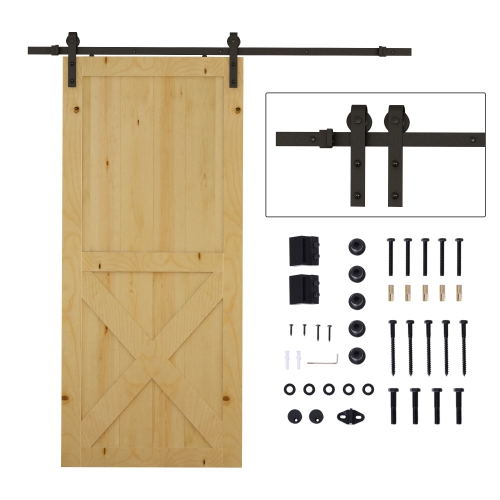
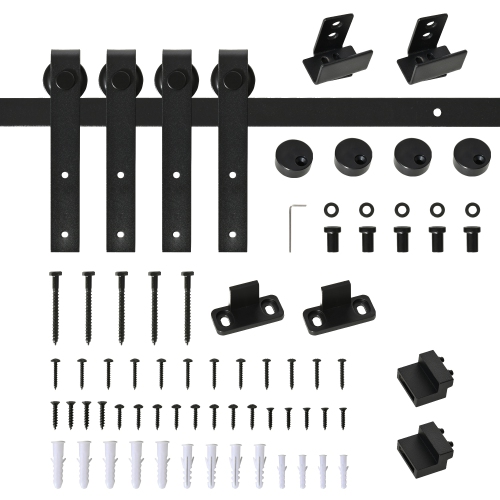
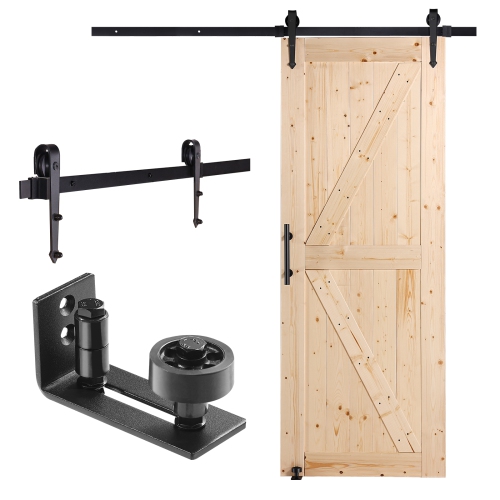
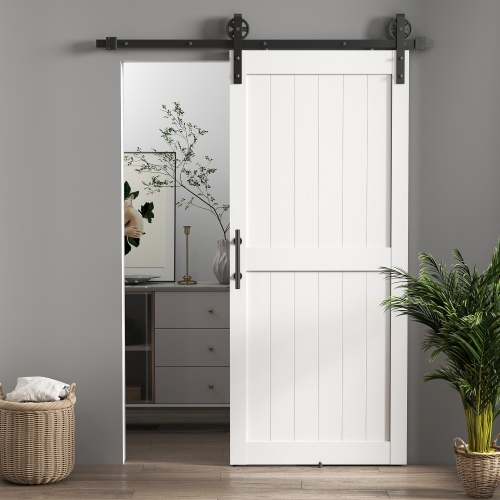
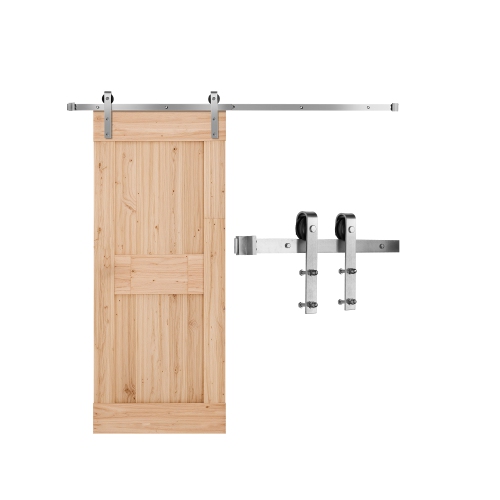
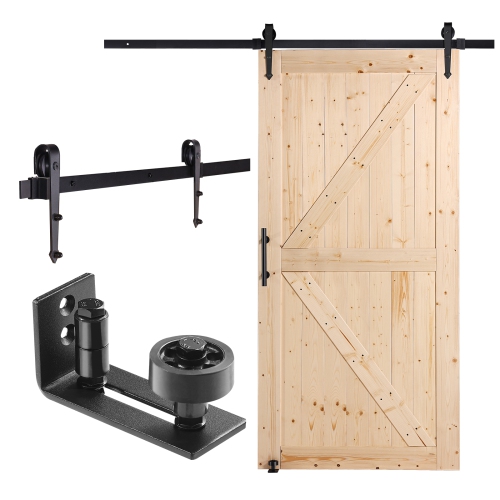
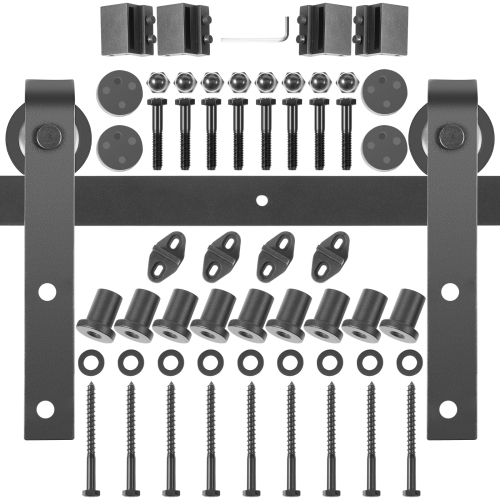
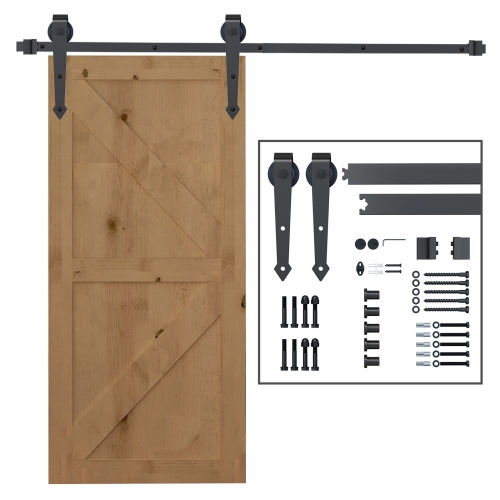
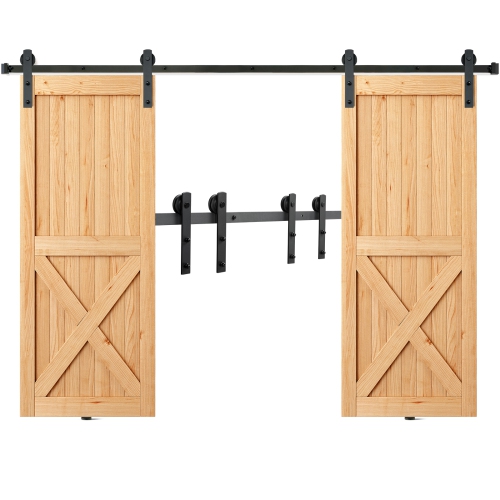
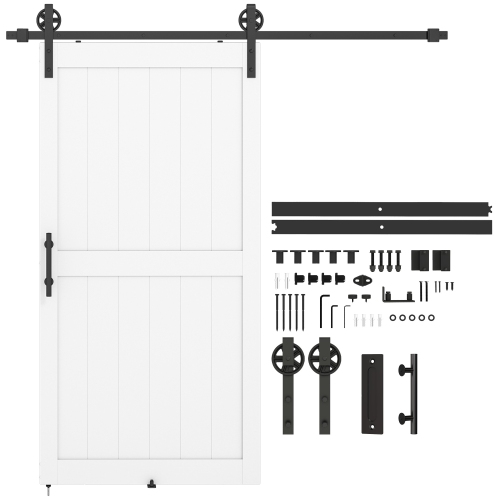
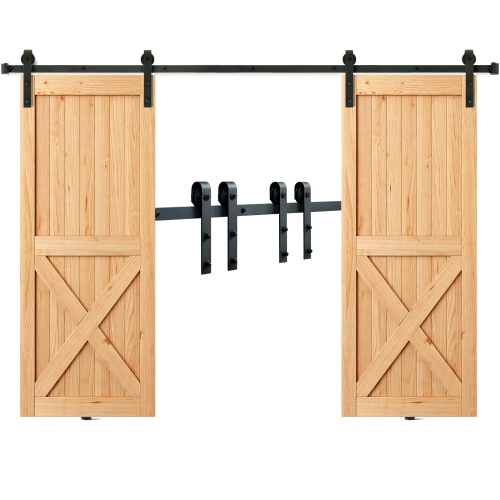
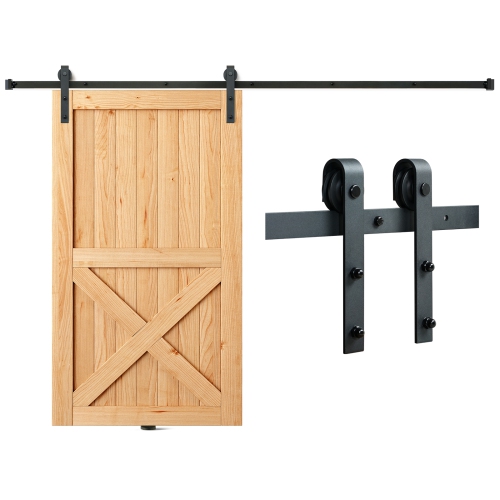
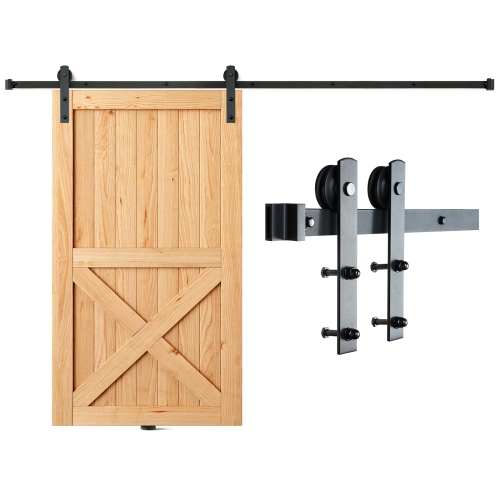
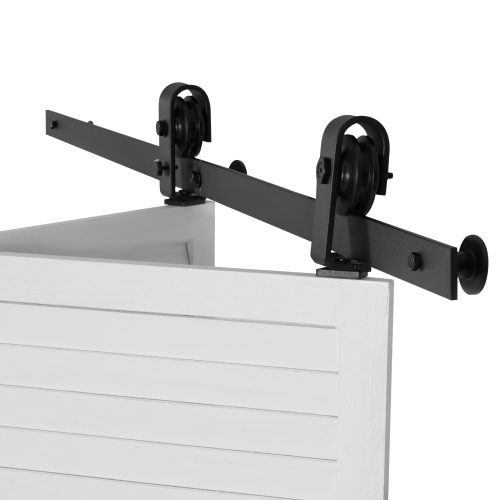
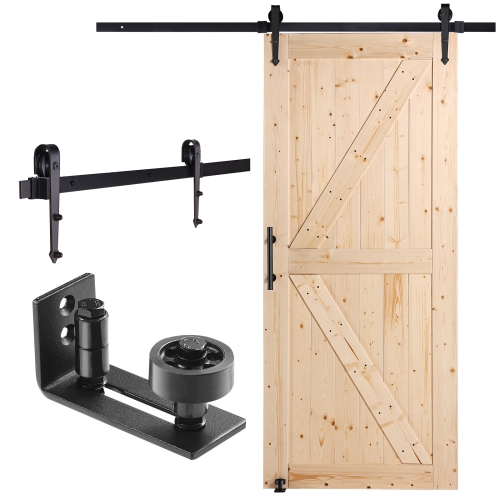
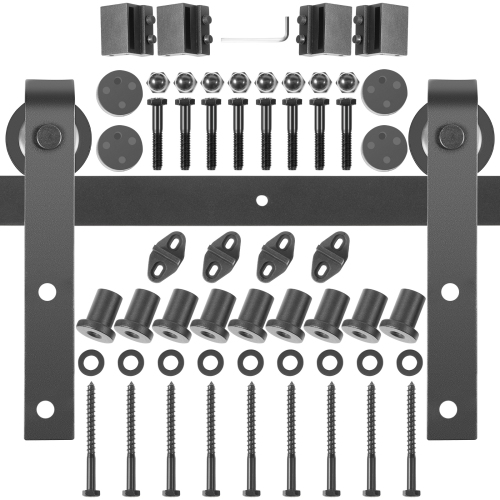
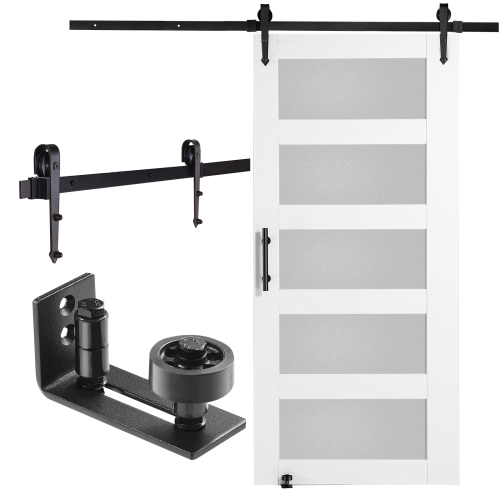
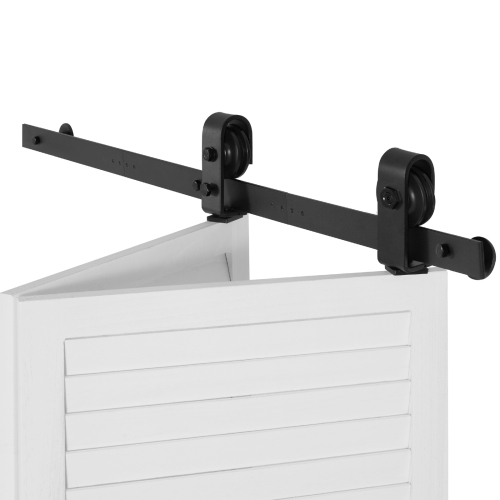
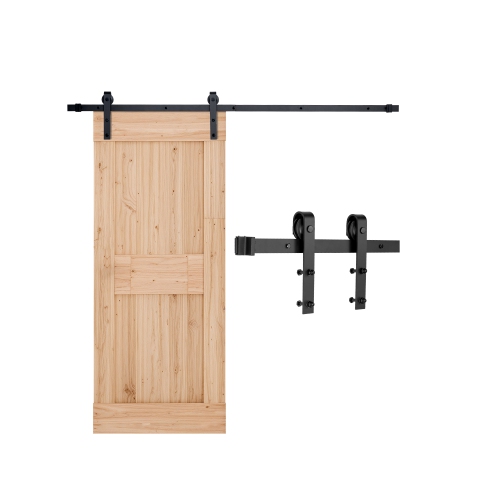
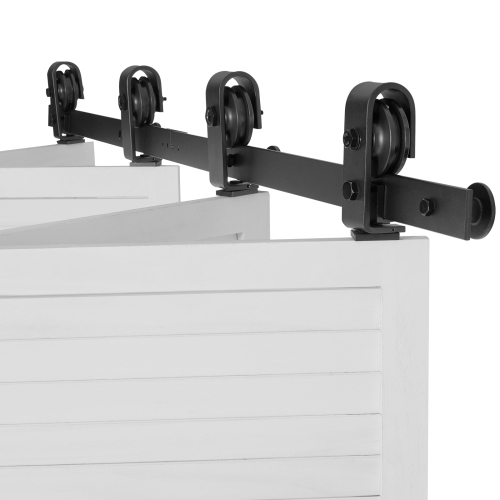
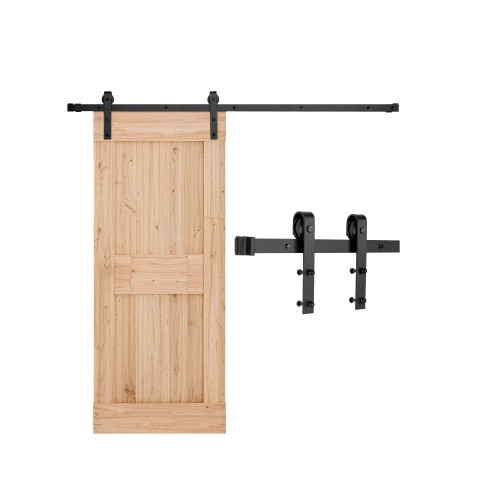
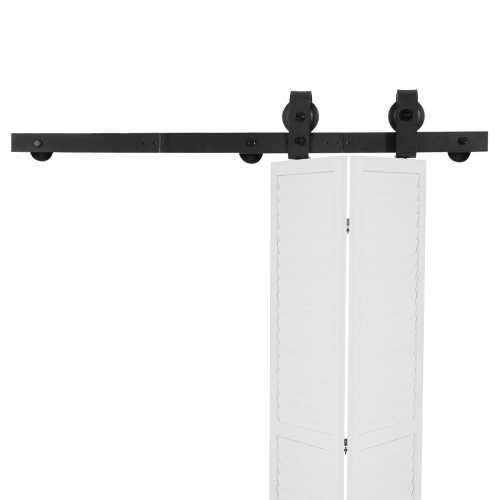
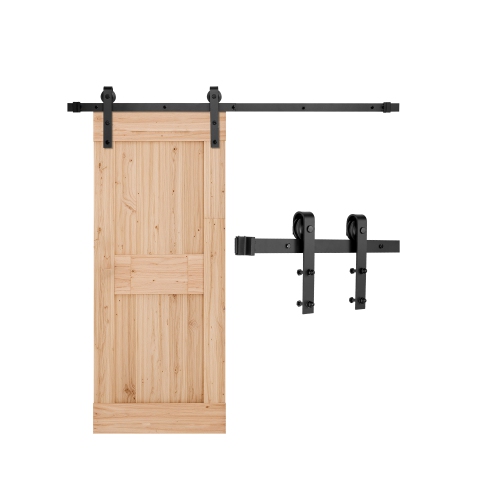
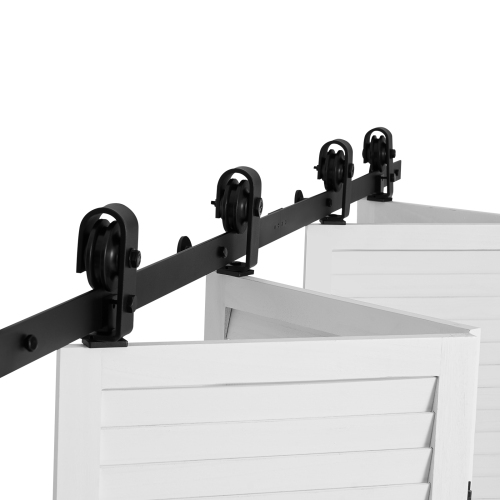
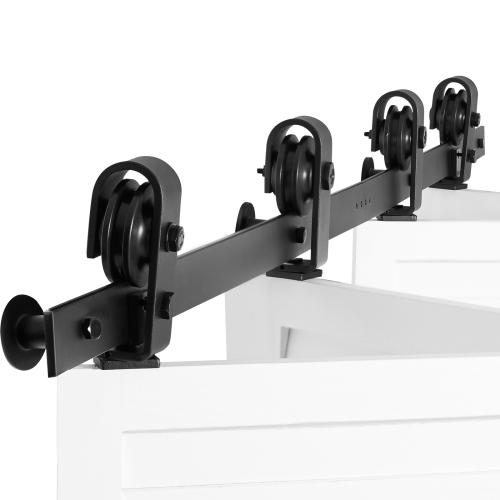
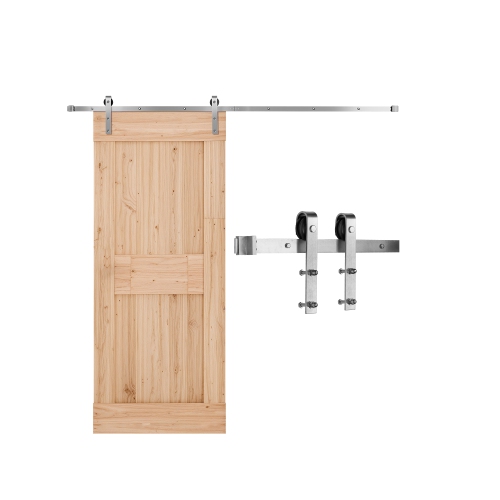
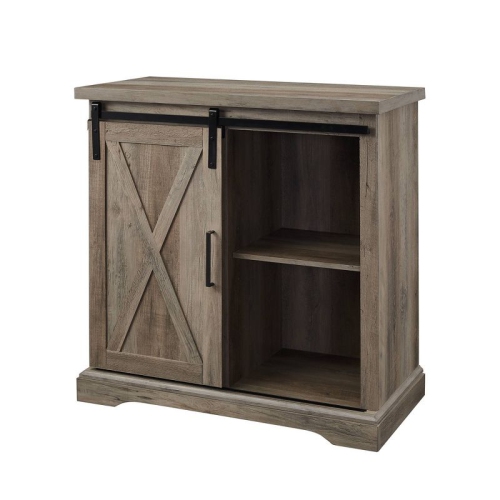
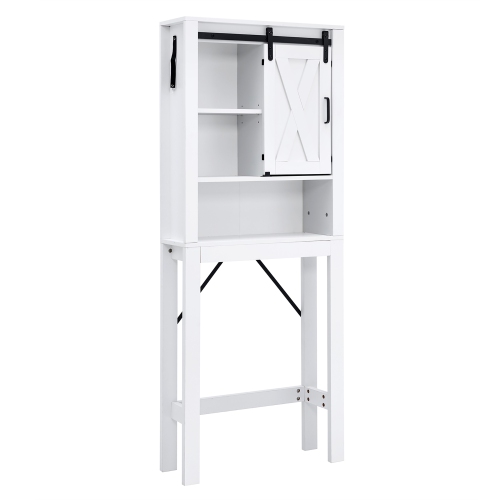
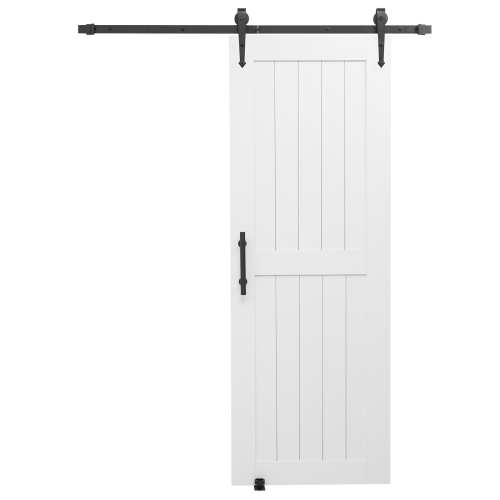
Visible hardware that lets doors slide instead of swing
Barn door track kits bring the mechanics of a sliding door into view, making the rail and rollers part of a room’s finished look. Instead of swinging into a hallway or across a furniture layout, the door travels along the wall, which can make a useful difference beside a pantry, laundry area, closet, or home office. A typical kit includes a track, roller hangers, mounting spacers, door stops, and fasteners, although the exact contents vary. Floor guides, anti-jump devices, handles, and soft-close mechanisms may be included or supplied separately, and the door panel itself is often not part of the kit. The track supports the moving assembly, while the rollers carry the panel along it; a correctly fitted floor guide helps keep the bottom of the door from swaying. For a conventional single-door setup, the track is generally about twice the width of the door panel, giving the panel room to slide clear of the opening. That is a starting point rather than a universal sizing rule, since stops, roller placement, and the hardware design affect usable travel. Door width also needs to allow suitable overlap at the sides of the opening, rather than simply matching the opening width. The wall beside the doorway must have enough unobstructed space for the open panel, including clearance from light switches, sockets, shelves, and furniture. In a compact dining area, for example, a sliding pantry door can avoid the swing path of a nearby chair, but it still needs a clear stretch of wall to park against. These kits suit homeowners updating interior doorways, renovators finishing a new layout, and experienced DIYers pairing hardware with a compatible door slab. Their appeal is both practical and visual: a narrow rail can keep the treatment understated, while exposed wheels and substantial hangers give the doorway a more architectural presence.
Fit depends on the complete door and wall assembly, not track length alone. The panel’s width, height, thickness, and finished weight all matter, as do the space above the opening and the distance between the door and the wall. Published weight capacities apply to the particular hardware assembly under the manufacturer’s specified installation conditions; there is no single load rating that applies to every barn door track kit. A heavy solid-wood slab needs hardware rated for its actual weight, including attached handles or other fittings, while a hollow-core panel needs mounting points suitable for the chosen hangers. Door thickness affects bolt length and hanger compatibility, and thicker trim may require a mounting arrangement that provides additional clearance. Many kits are designed around common interior door thicknesses, such as 1 3/8 inch or 1 3/4 inch, but compatibility should always be confirmed in the specifications. Overhead clearance is especially important beneath a low ceiling, where the rollers need space above the rail. Single-door systems move one panel to one side; double-door systems usually move two panels apart; bypass systems allow panels to slide past one another on separate tracks. Each layout has different clearance and access requirements, so a bypass arrangement may be useful where side wall space is limited, but it does not necessarily expose the full opening at once. Secure structural attachment is essential because the wall carries both the door’s weight and the forces created as it moves. Mounting generally requires suitable wall studs or a structural header properly secured to framing, with the exact fasteners and spacing determined by the hardware instructions and wall construction. Drywall alone is not a suitable load-bearing attachment point. Masonry and other wall types require an appropriate specified mounting method. For a broader view of the fittings that work together around the doorway, Barn Door Hardware Kits provides a related category to explore alongside track-focused options.
Materials, finish quality, and roller construction influence how a sliding barn door feels in everyday use. Steel tracks are common for their strength and rigidity, with painted or powder-coated finishes that can range from matte black to lighter tones. Stainless steel can suit a cleaner, contemporary look, although suitability for damp spaces depends on the grade, finish, and the rest of the hardware. A dark rail against pale walls draws attention to the door’s movement and outline, while a finish close to the surrounding trim makes the assembly less prominent. Rollers may use metal bodies with polymer wheels or other running surfaces, and their construction, bearings, and alignment all affect noise and smoothness. Soft-close hardware can slow the panel near the end of its travel when it is compatible with the door’s weight and the track layout, but it does not replace correctly positioned stops or safe handling. Anti-jump devices help keep the door seated on the rail, and floor guides should remain engaged throughout the intended travel. Households with children or pets also need to consider accessible pinch points and keep hands, paws, and loose objects away from the moving panel. For a home office, a sliding door can provide visual separation during a video call; for a laundry area, it can screen baskets and shelving without a swinging door projecting into a passage. However, the gaps around a typical surface-mounted barn door mean it usually provides less sound isolation and privacy than a well-fitted hinged door. Bathroom or bedroom applications deserve particular attention to overlap, privacy hardware, and sightlines. Routine care is straightforward: remove dust from the rail and wheels, wipe finished surfaces with a soft cloth, and use cleaning products approved for the finish. Lubrication should follow the manufacturer’s directions, since some rollers do not need added oil and excess lubricant can collect dirt. Periodic checks of fasteners, stops, guides, and alignment help maintain smooth movement, especially on frequently used doors. A properly matched kit, securely installed and kept in adjustment, supports reliable daily use while allowing the door panel and visible hardware to feel like a considered part of the room.
Fit depends on the complete door and wall assembly, not track length alone. The panel’s width, height, thickness, and finished weight all matter, as do the space above the opening and the distance between the door and the wall. Published weight capacities apply to the particular hardware assembly under the manufacturer’s specified installation conditions; there is no single load rating that applies to every barn door track kit. A heavy solid-wood slab needs hardware rated for its actual weight, including attached handles or other fittings, while a hollow-core panel needs mounting points suitable for the chosen hangers. Door thickness affects bolt length and hanger compatibility, and thicker trim may require a mounting arrangement that provides additional clearance. Many kits are designed around common interior door thicknesses, such as 1 3/8 inch or 1 3/4 inch, but compatibility should always be confirmed in the specifications. Overhead clearance is especially important beneath a low ceiling, where the rollers need space above the rail. Single-door systems move one panel to one side; double-door systems usually move two panels apart; bypass systems allow panels to slide past one another on separate tracks. Each layout has different clearance and access requirements, so a bypass arrangement may be useful where side wall space is limited, but it does not necessarily expose the full opening at once. Secure structural attachment is essential because the wall carries both the door’s weight and the forces created as it moves. Mounting generally requires suitable wall studs or a structural header properly secured to framing, with the exact fasteners and spacing determined by the hardware instructions and wall construction. Drywall alone is not a suitable load-bearing attachment point. Masonry and other wall types require an appropriate specified mounting method. For a broader view of the fittings that work together around the doorway, Barn Door Hardware Kits provides a related category to explore alongside track-focused options.
Materials, finish quality, and roller construction influence how a sliding barn door feels in everyday use. Steel tracks are common for their strength and rigidity, with painted or powder-coated finishes that can range from matte black to lighter tones. Stainless steel can suit a cleaner, contemporary look, although suitability for damp spaces depends on the grade, finish, and the rest of the hardware. A dark rail against pale walls draws attention to the door’s movement and outline, while a finish close to the surrounding trim makes the assembly less prominent. Rollers may use metal bodies with polymer wheels or other running surfaces, and their construction, bearings, and alignment all affect noise and smoothness. Soft-close hardware can slow the panel near the end of its travel when it is compatible with the door’s weight and the track layout, but it does not replace correctly positioned stops or safe handling. Anti-jump devices help keep the door seated on the rail, and floor guides should remain engaged throughout the intended travel. Households with children or pets also need to consider accessible pinch points and keep hands, paws, and loose objects away from the moving panel. For a home office, a sliding door can provide visual separation during a video call; for a laundry area, it can screen baskets and shelving without a swinging door projecting into a passage. However, the gaps around a typical surface-mounted barn door mean it usually provides less sound isolation and privacy than a well-fitted hinged door. Bathroom or bedroom applications deserve particular attention to overlap, privacy hardware, and sightlines. Routine care is straightforward: remove dust from the rail and wheels, wipe finished surfaces with a soft cloth, and use cleaning products approved for the finish. Lubrication should follow the manufacturer’s directions, since some rollers do not need added oil and excess lubricant can collect dirt. Periodic checks of fasteners, stops, guides, and alignment help maintain smooth movement, especially on frequently used doors. A properly matched kit, securely installed and kept in adjustment, supports reliable daily use while allowing the door panel and visible hardware to feel like a considered part of the room.
Top selling and popular products
-
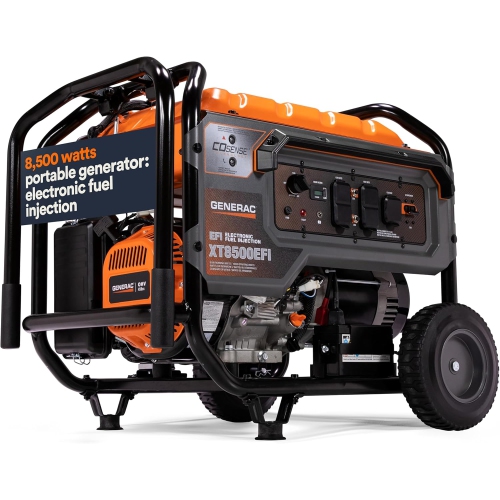 Your price for this item is $3000
 -
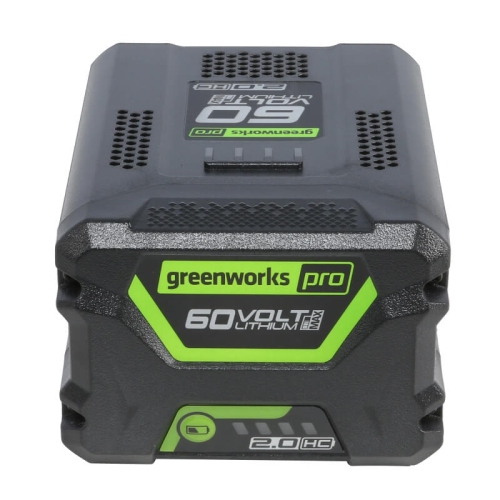 Your price for this item is $124.45
 -
 Your price for this item is $329.99
 -
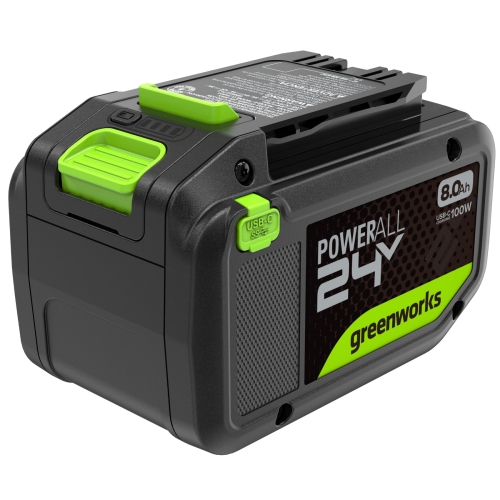 Your price for this item is $139.99
 -
 Your price for this item is $264
 -
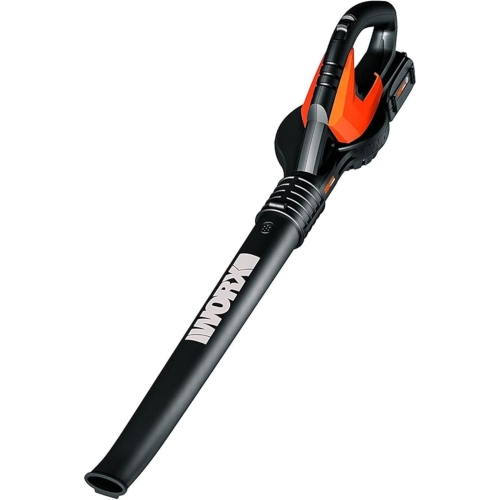 Your price for this item is $217.55
 -
 Your price for this item is $739.99
 -
 Your price for this item is $599.99
Discover more categories related to Barn Door Track Kits
Top Collections:
Pokemon Centers, Kindle Devices, Best Budget Office Chairs, Apple iPhones 16, Best Laptops for Writers, iPhone 15 Apple, Canon G7X Cameras, Refurbished Apple Laptops, Alarm Clock, Motorola Razr Phones
Some products may be subject to Environmental Handling Fees
(EHF) depending on your province.
Learn more about EHFs.