Bathroom Space Savers
If you're looking to optimize your bathroom space and create a more organized and functional area, these bathroom space savers have got you covered! Whether you have a small bathroom or simply want to make the most out of the available space, these clever solutions are designed to maximize storage without compromising style. From over-the-toilet shelves to wall-mounted cabinets, our selection offers a variety of options to suit your needs and preferences.
Sort


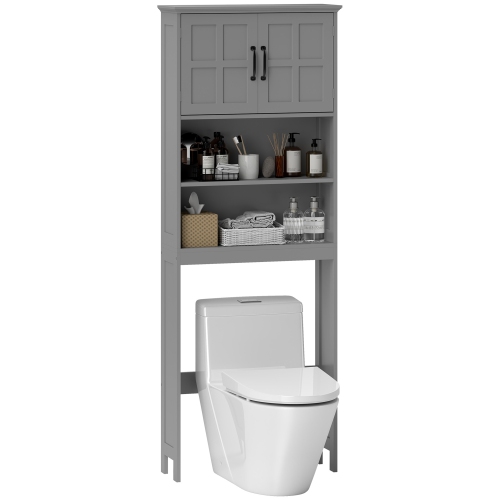
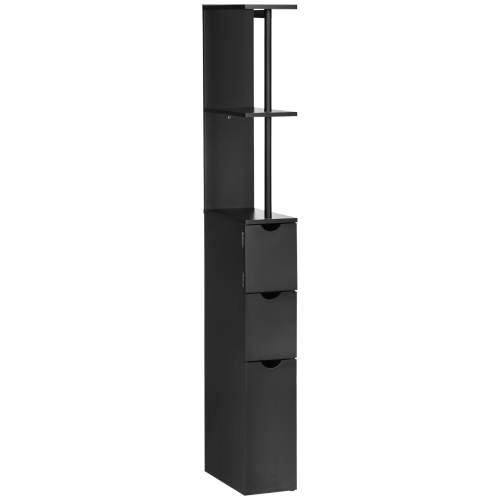
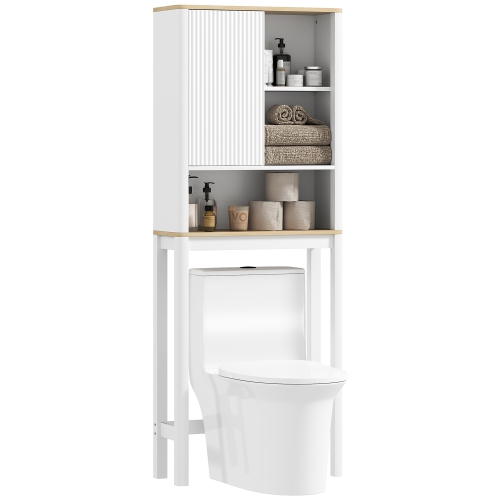
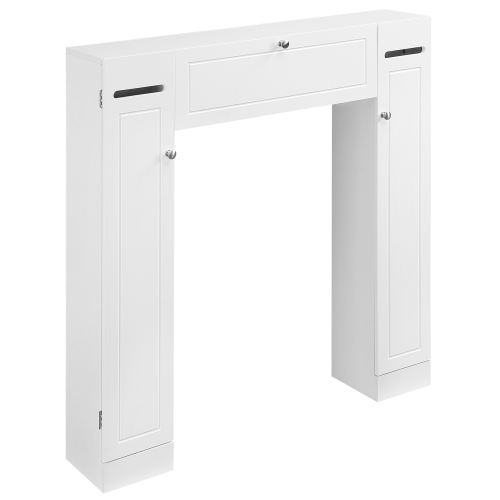


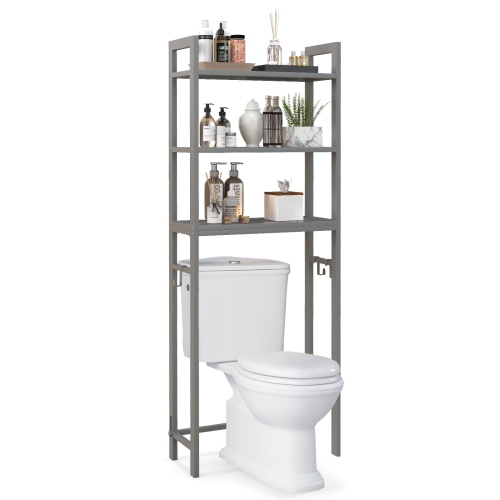
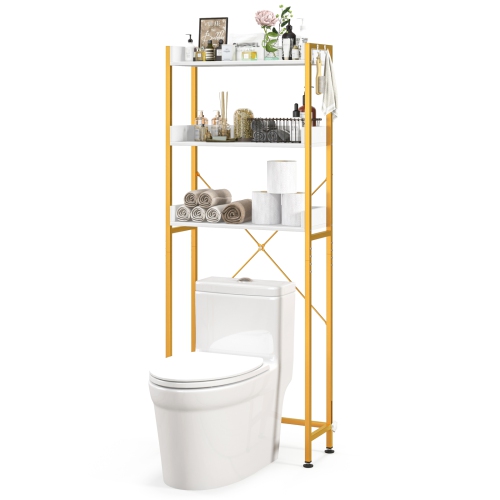
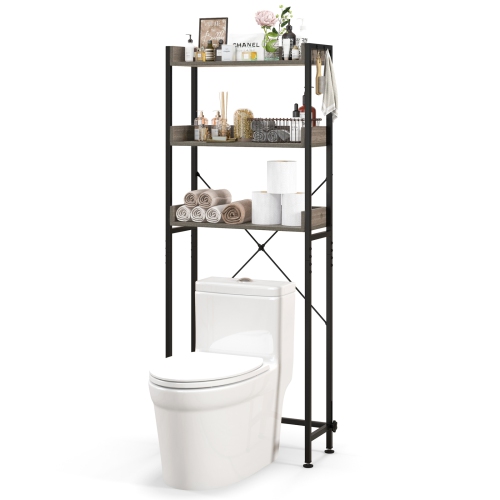
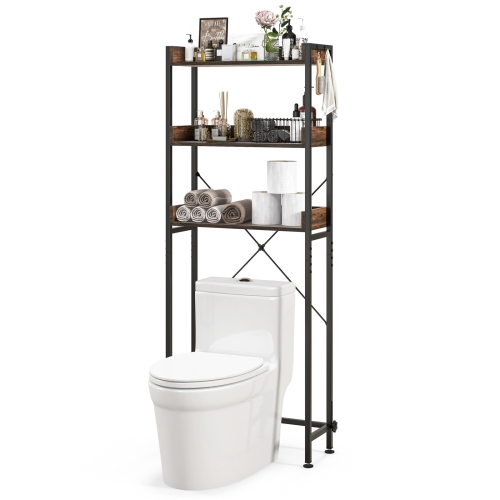
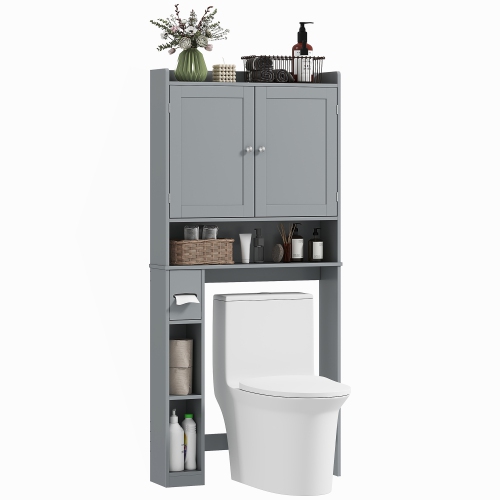
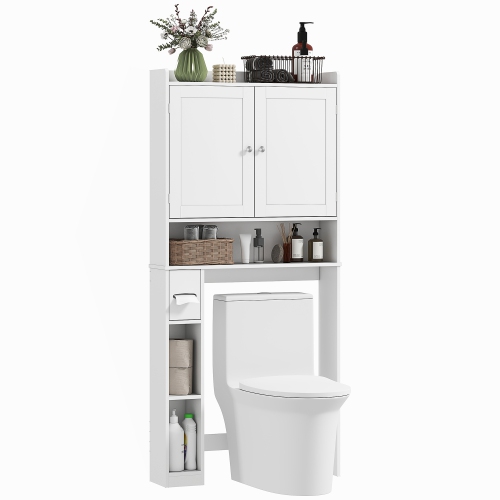
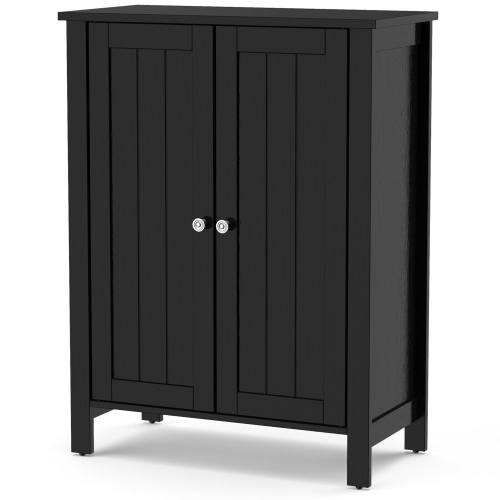
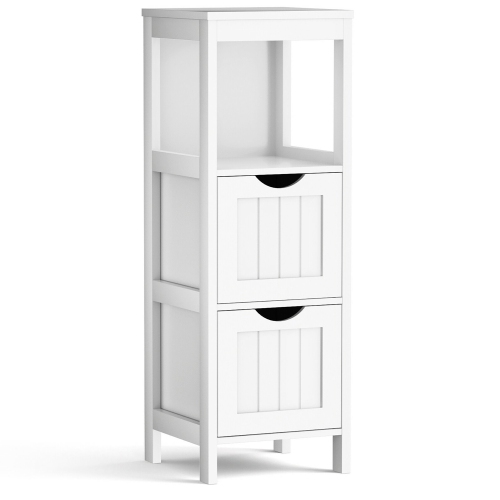
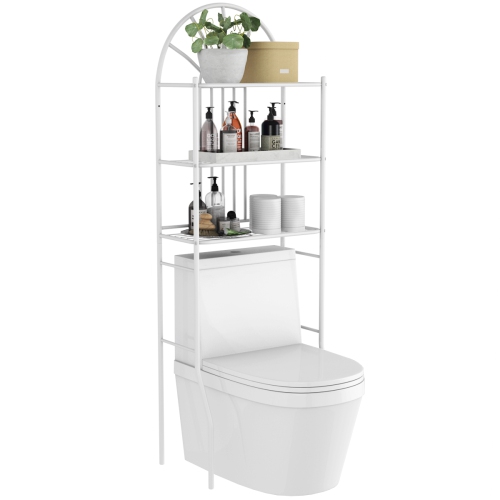
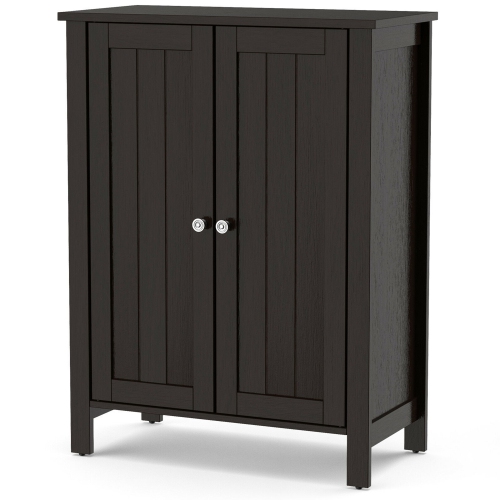
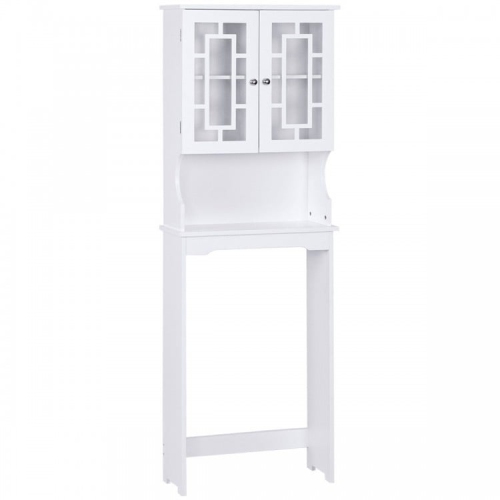
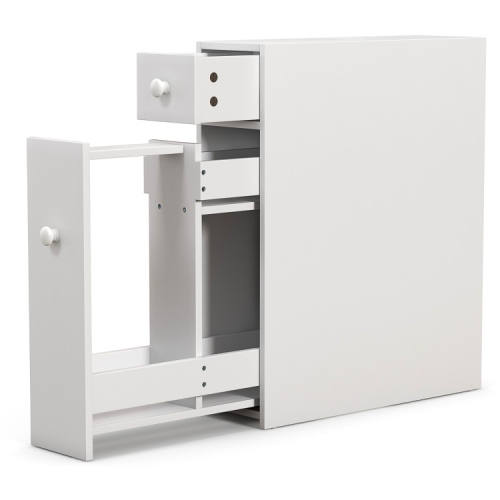
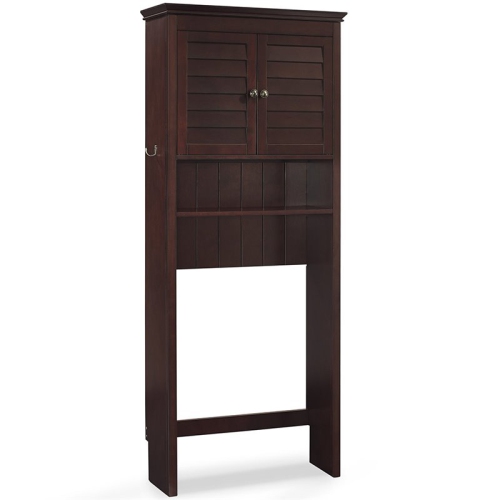
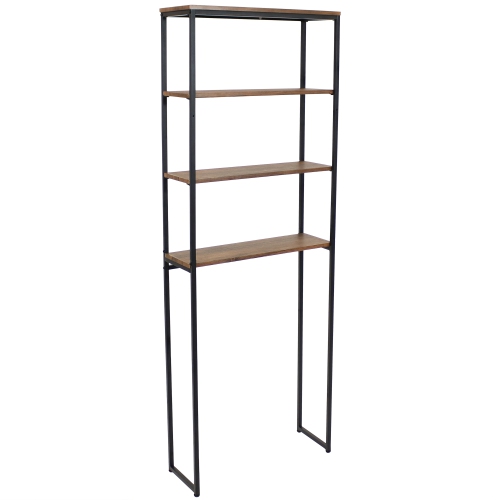

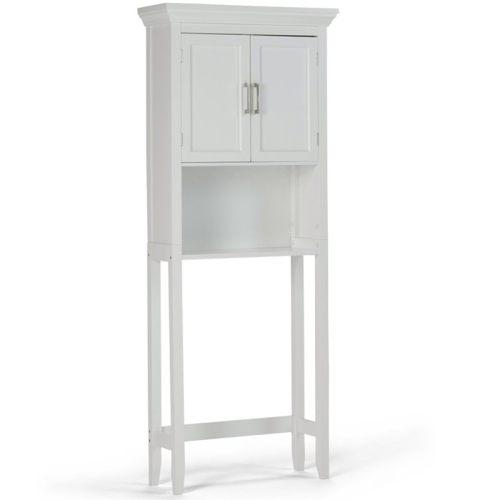
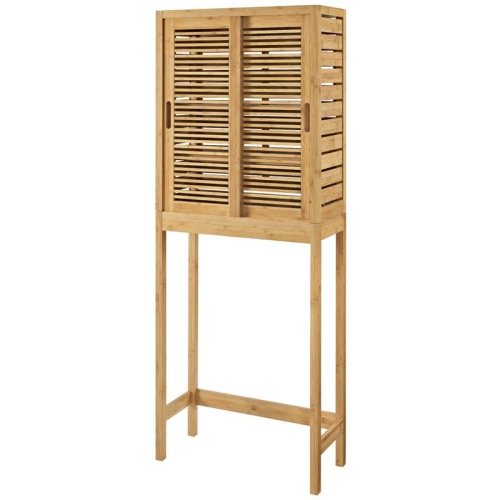
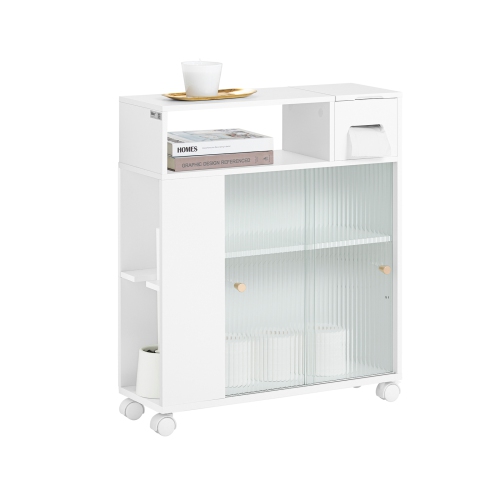
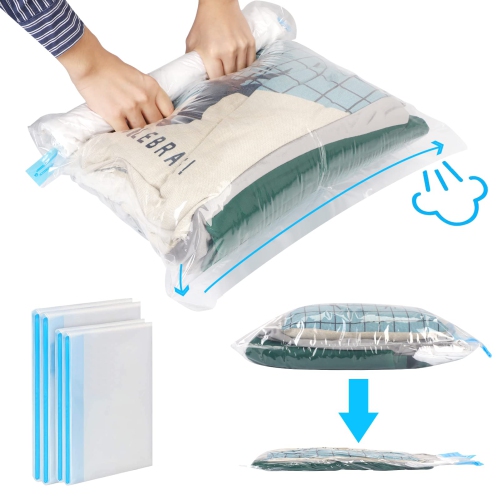
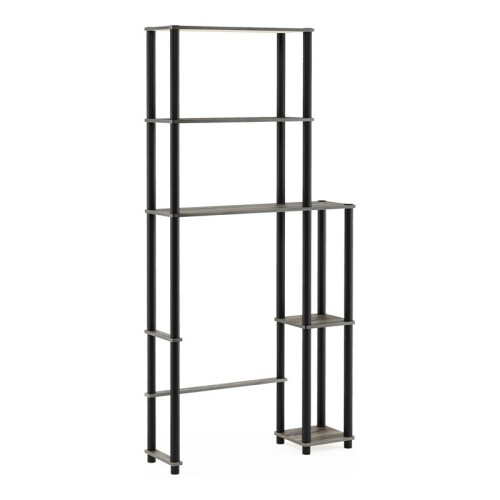
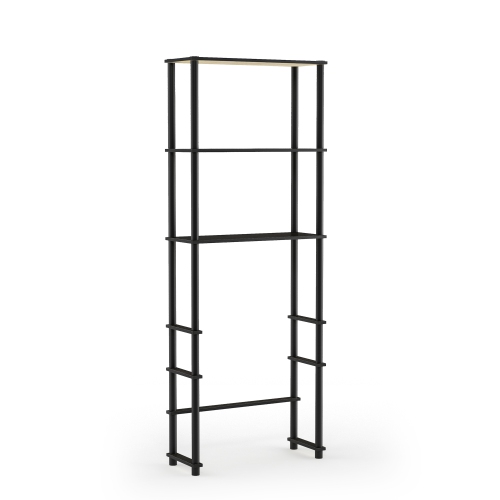
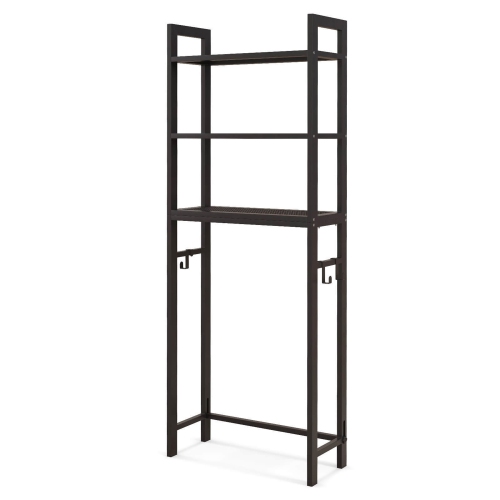
More room for essentials without a bathroom renovation
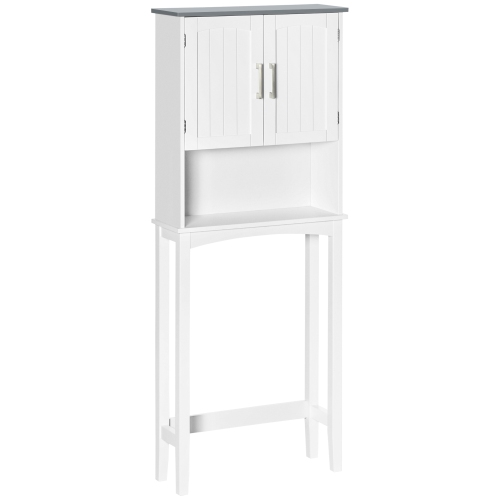
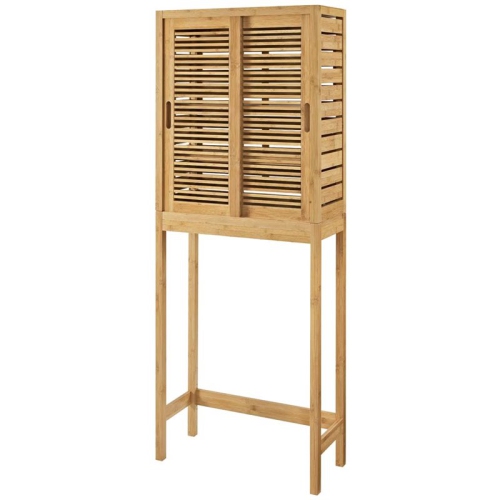
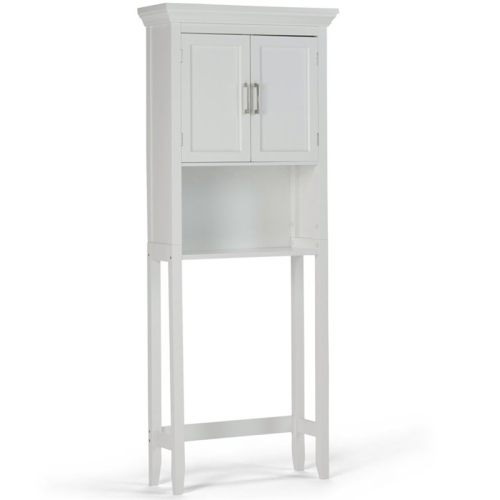
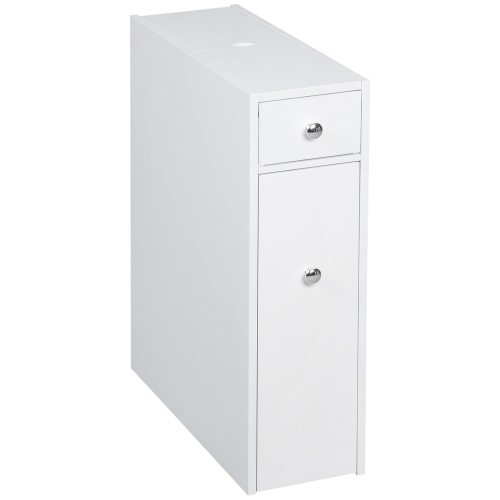
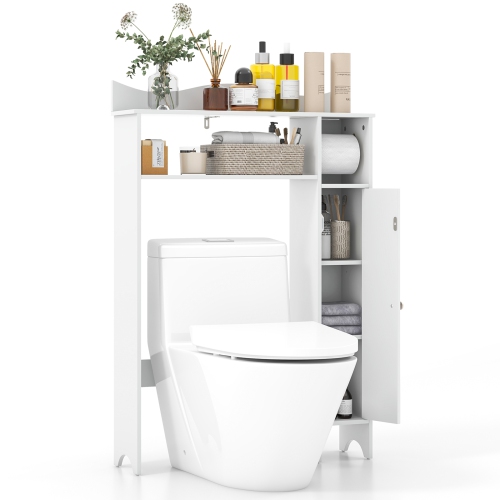
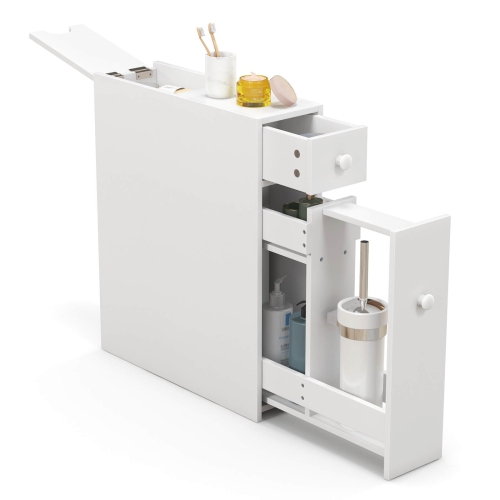
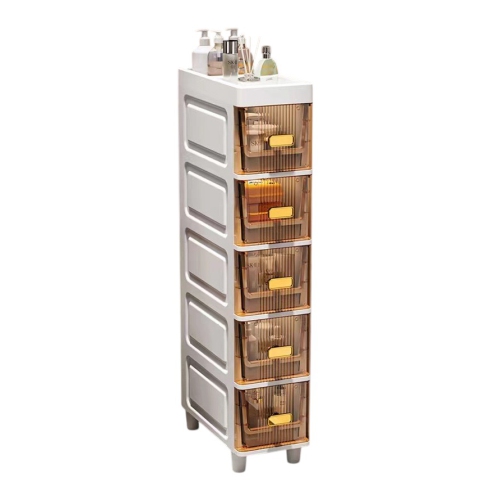
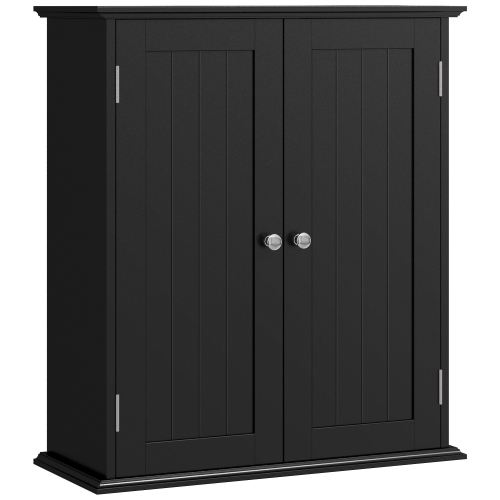
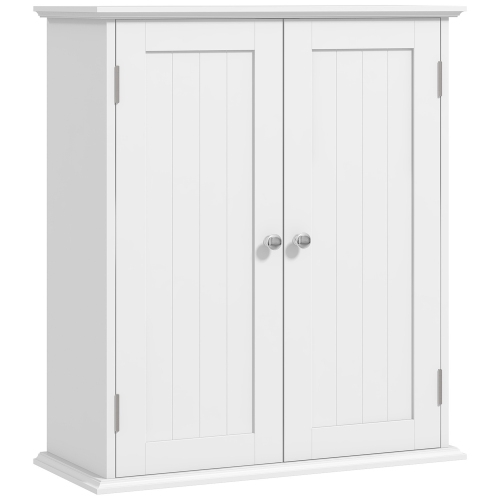
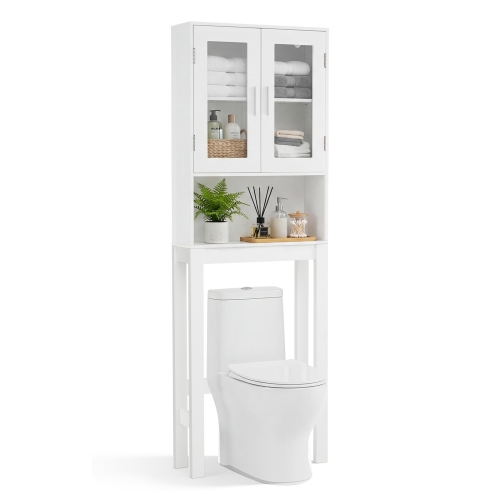
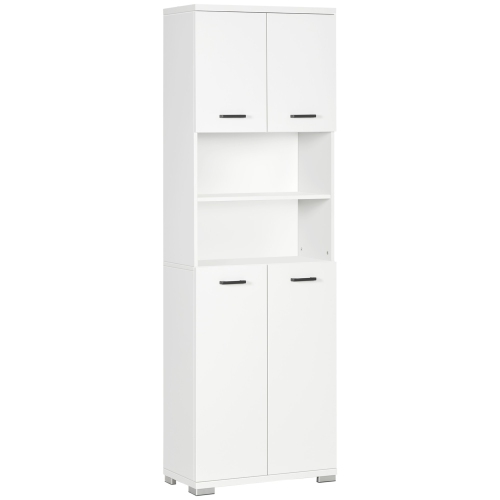
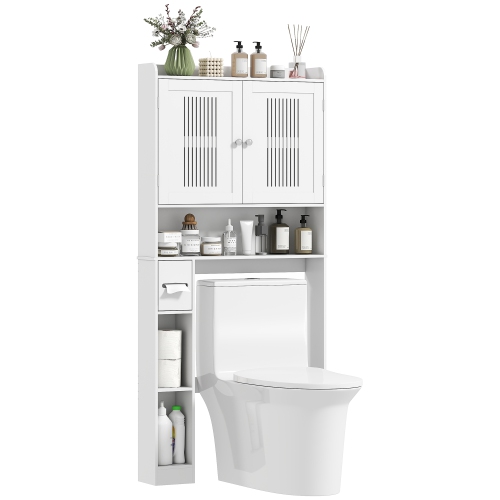
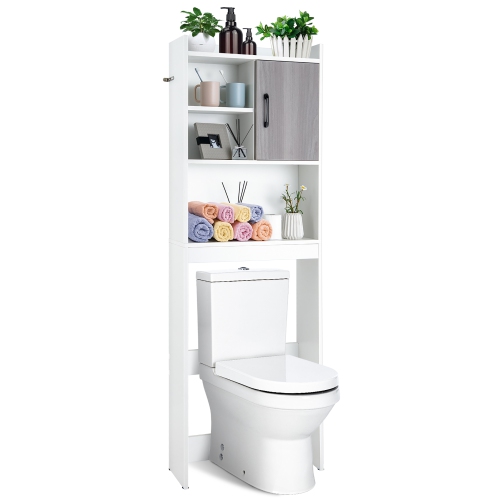
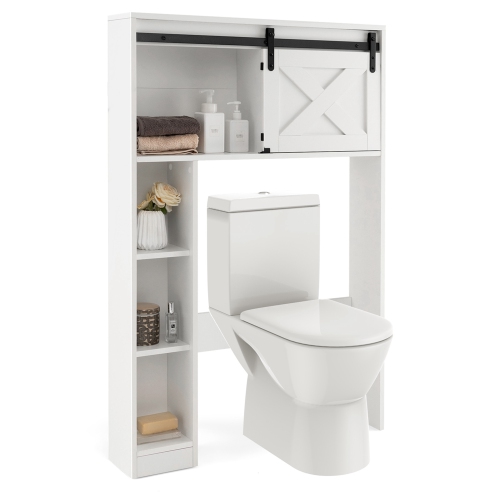
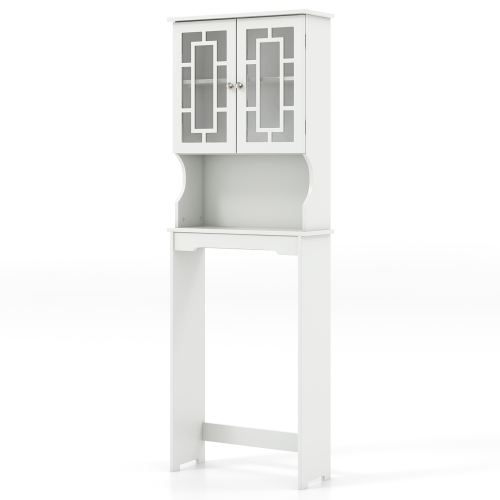
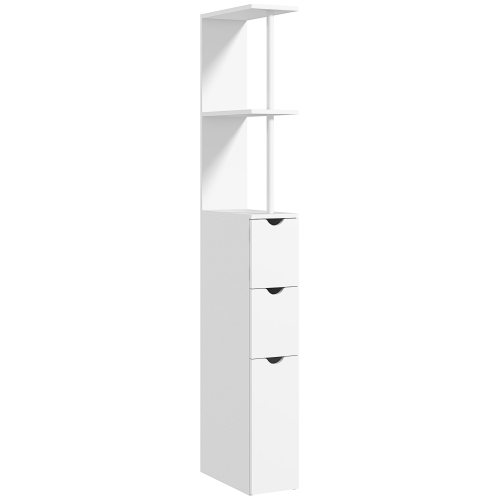
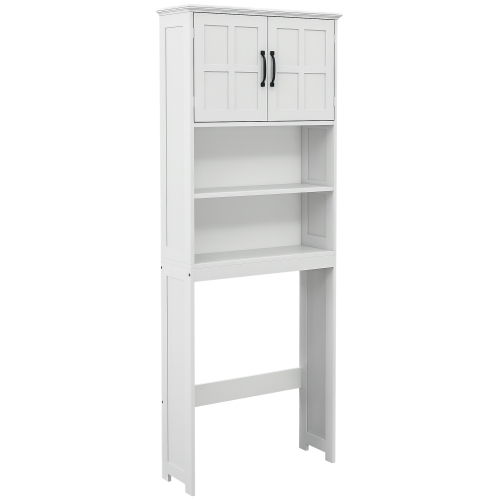
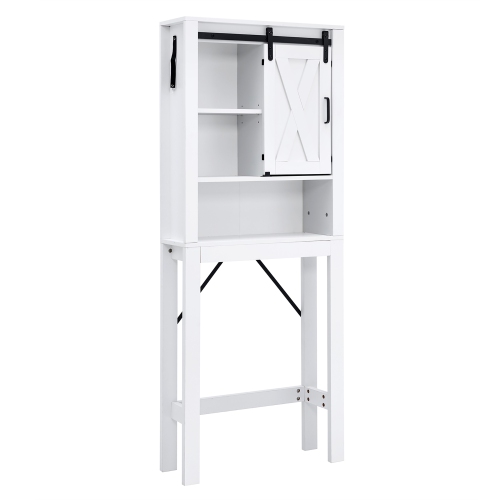
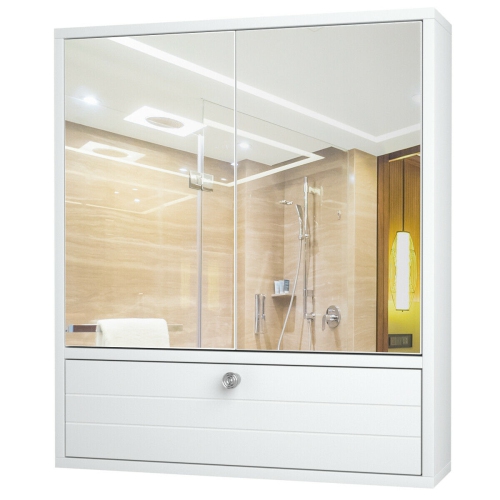
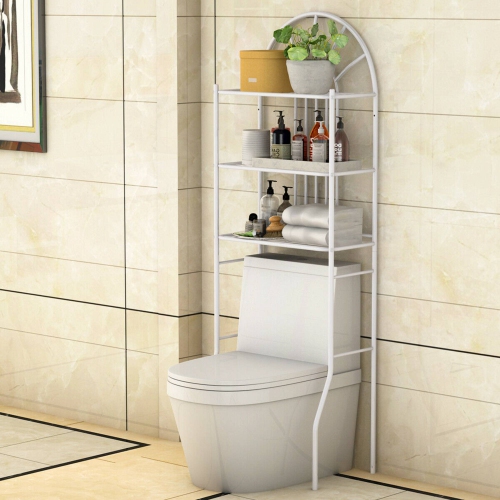
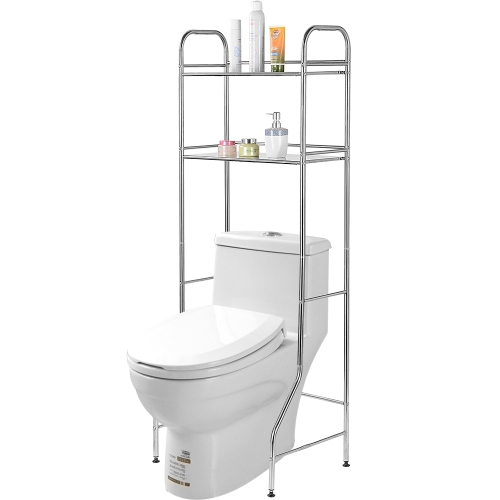
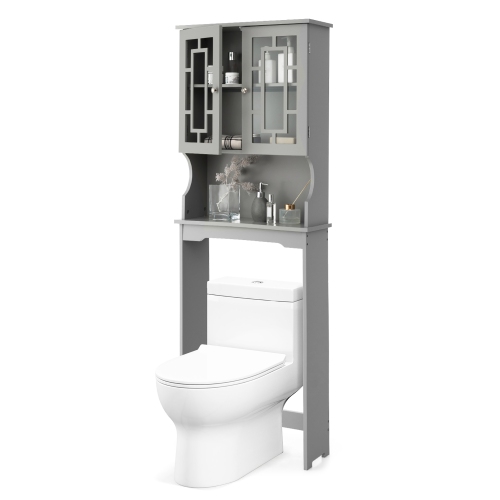
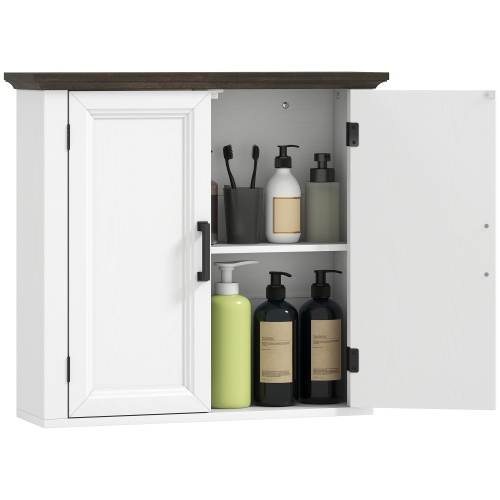
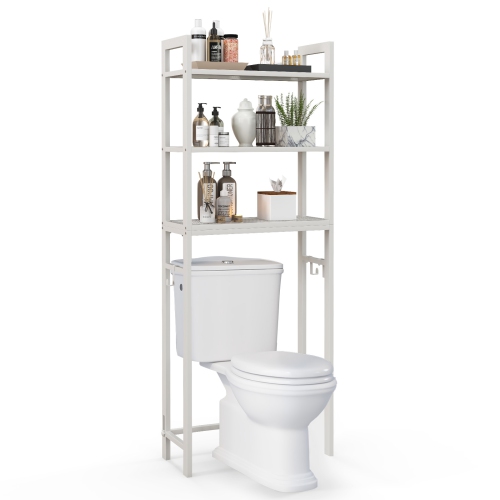
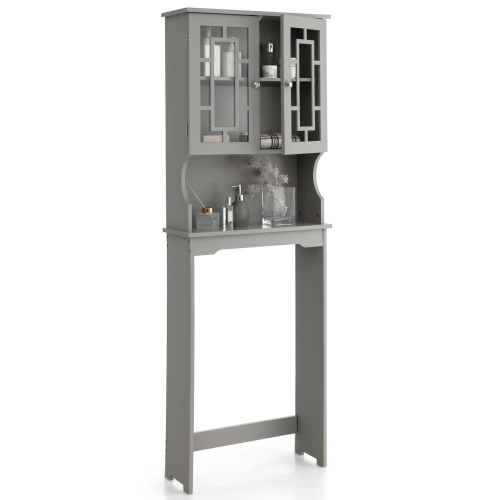
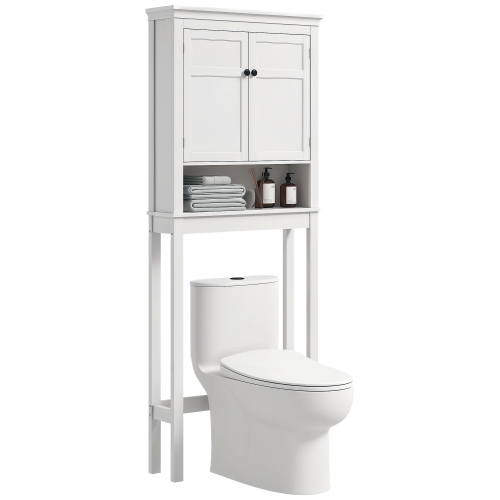
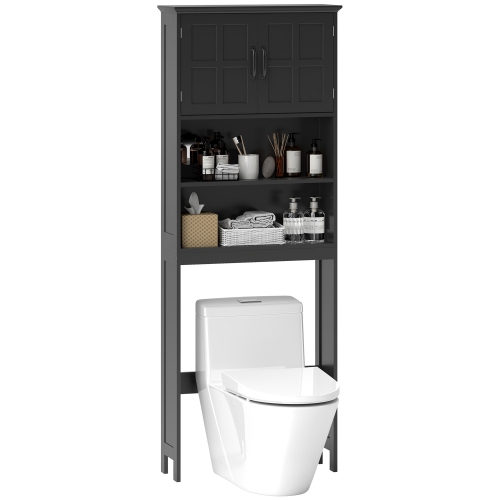
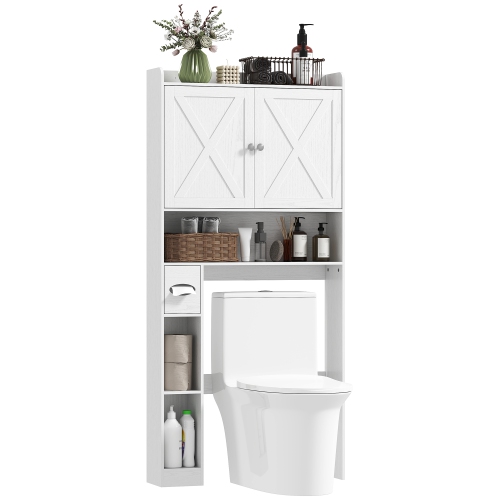
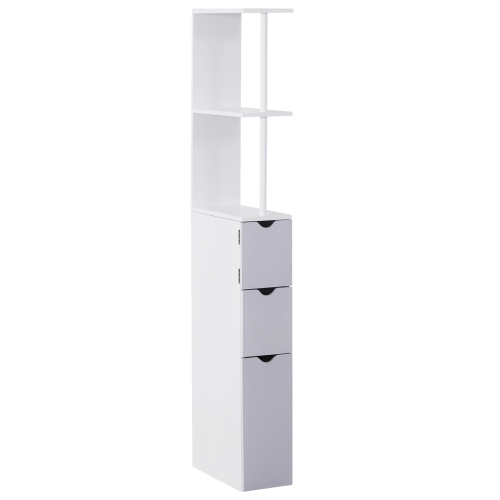
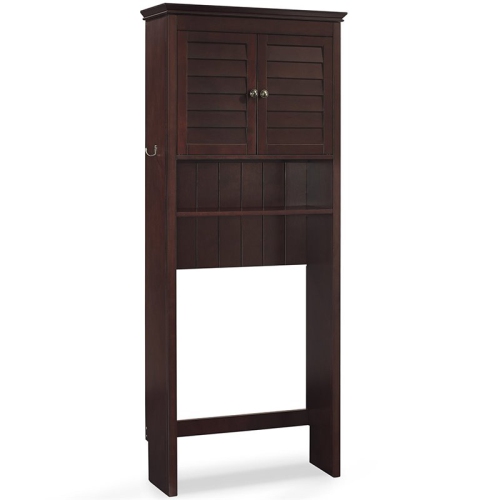
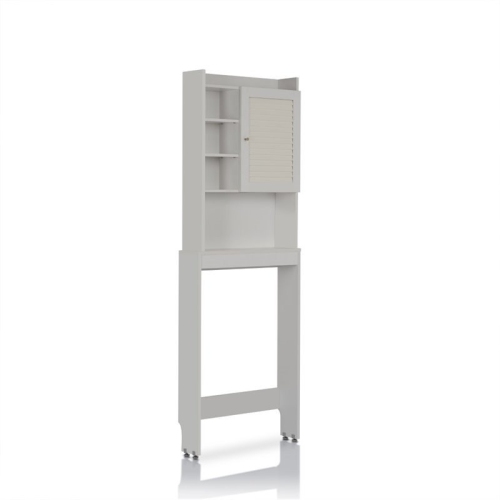
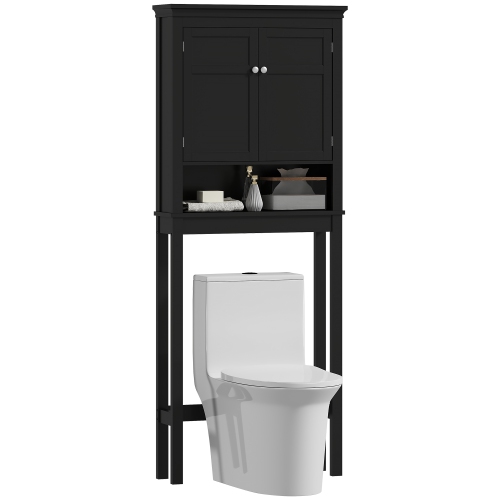
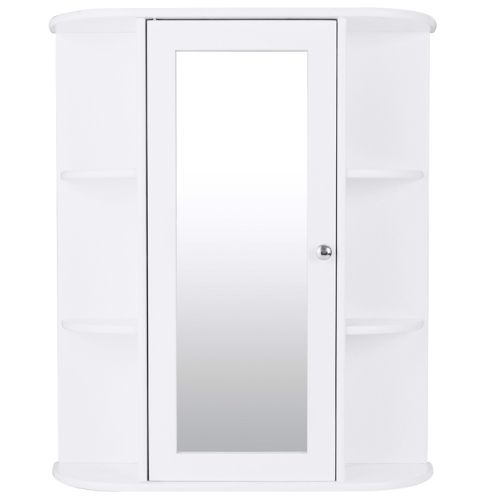
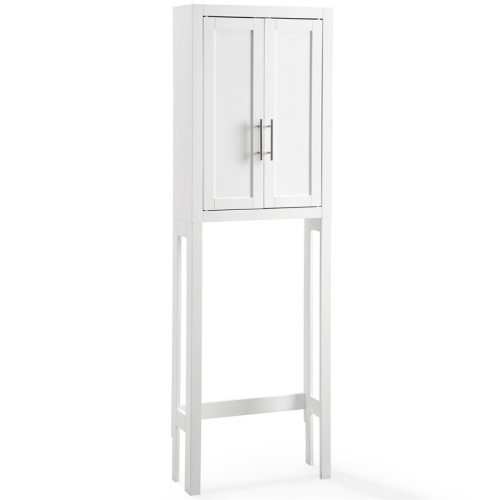
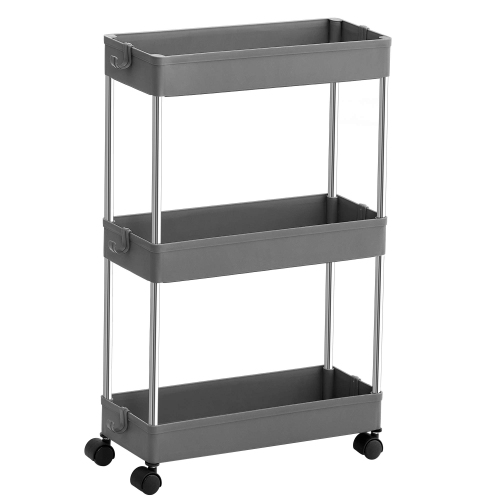
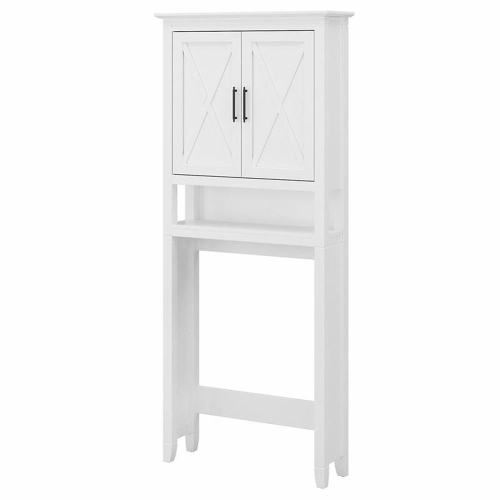
Bathroom space savers are storage furnishings and organizers designed to make practical use of narrow gaps, unused corners, wall space, and the area above a toilet. They create room for towels, toiletries, grooming supplies, and spare toilet paper without requiring a larger vanity or a complete bathroom renovation. Common formats include over-the-toilet shelving, slim freestanding cabinets, corner towers, wall-mounted cupboards, and compact drawer units. Each suits a different part of the room: an open shelf keeps folded washcloths within reach, while a cabinet with doors conceals the mismatched bottles and refill packages that can make a small bathroom feel crowded. In an apartment bathroom with little counter space, vertical storage can give everyday essentials a home without filling the sink ledge. In a shared family bathroom, separate shelves or compartments help keep personal belongings organized, making it easier to find a hairbrush or clean hand towel during a busy morning. A guest bathroom may need only a modest amount of storage for extra tissue and fresh linens, whereas a main bathroom often benefits from a mix of open and enclosed sections. The most useful arrangement depends as much on daily habits as on the size of the room. Frequently used toiletries belong at a comfortable reaching height, while less-used supplies can occupy upper shelves, provided their weight stays within the unit’s stated limits. Shallow shelves make smaller containers easier to see; deeper compartments accommodate folded bath towels but need enough clearance for easy access. Baskets and removable bins can group loose belongings together, although their dimensions should leave enough room to slide them out without catching on the shelf above. For a more enclosed look, Space Saver Cabinets offer another approach to keeping bathroom necessities behind doors. The goal is usable storage that fits naturally into the room, rather than simply adding more shelves to an already tight layout.
Fit involves more than matching a unit’s width to an empty patch of floor. Over-the-toilet storage needs clearance around the toilet tank, including space to lift the lid for maintenance and reach the flush control, water connection, and shut-off valve. A lower support bar can interfere with plumbing or a baseboard even when the overall dimensions appear suitable. Likewise, a narrow cabinet beside a vanity needs room for its doors or drawers to open without striking a toilet, towel rail, or neighbouring cupboard. Wall-mounted storage leaves the floor beneath it clear, but its depth matters near a sink or along a walkway, where a projecting corner can get in the way. Corner shelving makes use of an awkward footprint, though the shape of each shelf affects what it can actually hold: a tapered shelf may suit bottles better than a broad stack of towels. Measurements are most helpful when they account for the widest and deepest points, including handles, feet, trim, and any required installation clearance. Adjustable shelves provide flexibility for tall pump bottles and shorter jars, while fixed shelves offer a straightforward layout for belongings of similar sizes. Open sides can make contents easy to reach, but raised edges or enclosed compartments help prevent small containers from slipping off. Stability is particularly important for tall, shallow furnishings. Freestanding does not necessarily mean a unit can safely remain unanchored; any supplied restraints and the manufacturer’s securing instructions still apply. Wall-mounted cabinets also need fasteners suited to the wall construction and the intended load, with installation positioned clear of concealed plumbing and wiring. In households with children, cleaning supplies, medicines, and sharp grooming tools need appropriate secure storage rather than an accessible open shelf. Renters may also need to consider permission for drilling before choosing a mounting method. A well-fitted bathroom space saver preserves comfortable movement, allows routine cleaning and maintenance, and does not obstruct access to fixtures.
Materials and construction influence how bathroom storage looks, feels, and stands up to daily use. Powder-coated metal frames often have a slim profile that works well with open shelving, although chips in the coating can leave the underlying metal more vulnerable to corrosion. Stainless steel can be suitable for humid rooms, but its performance depends on the grade, finish, and care instructions; it should not automatically be treated as rust-proof. Solid wood brings visible grain and warmth, while engineered wood can provide smooth, consistent surfaces in a range of colours. For either type, sealed edges and an intact finish matter around damp towels and occasional splashes. A moisture-resistant finish does not make a cabinet waterproof, and standing water can damage joints, edges, and the bases of wooden furnishings. Plastic storage is generally lightweight and easy to wipe down, though shelf strength and the manufacturer’s intended use remain important, especially when storing full bottles. Storage placed inside a shower needs to be specifically designed for direct water exposure, with drainage that prevents water from collecting around its contents. Smooth shelves are convenient for small jars and easy wiping, while slatted or wire surfaces allow airflow but may need a suitable tray beneath narrow containers. Durability also comes from practical details such as secure joints, evenly supported shelves, smoothly operating hinges, and drawers that open without pulling the whole unit forward. Heavier supplies are generally better placed lower down, within the stated weight limits, rather than concentrated on a top shelf. Routine care usually involves prompt attention to splashes and cleaning with a soft cloth and a product compatible with the finish; abrasive pads or harsh cleaners can damage protective surfaces. Enough space around the base makes it easier to remove dust and clean the floor, while removable compartments simplify the task of wiping away toothpaste or lotion spills. Visually, pale finishes and slender frames can keep a compact room feeling open, while closed fronts give a calmer appearance when storage is full. Whether furnishing a first apartment, organizing a shared bathroom, or making essentials easier to reach, bathroom space savers work best when their proportions, surfaces, and storage layout support the way the room is used every day.
Fit involves more than matching a unit’s width to an empty patch of floor. Over-the-toilet storage needs clearance around the toilet tank, including space to lift the lid for maintenance and reach the flush control, water connection, and shut-off valve. A lower support bar can interfere with plumbing or a baseboard even when the overall dimensions appear suitable. Likewise, a narrow cabinet beside a vanity needs room for its doors or drawers to open without striking a toilet, towel rail, or neighbouring cupboard. Wall-mounted storage leaves the floor beneath it clear, but its depth matters near a sink or along a walkway, where a projecting corner can get in the way. Corner shelving makes use of an awkward footprint, though the shape of each shelf affects what it can actually hold: a tapered shelf may suit bottles better than a broad stack of towels. Measurements are most helpful when they account for the widest and deepest points, including handles, feet, trim, and any required installation clearance. Adjustable shelves provide flexibility for tall pump bottles and shorter jars, while fixed shelves offer a straightforward layout for belongings of similar sizes. Open sides can make contents easy to reach, but raised edges or enclosed compartments help prevent small containers from slipping off. Stability is particularly important for tall, shallow furnishings. Freestanding does not necessarily mean a unit can safely remain unanchored; any supplied restraints and the manufacturer’s securing instructions still apply. Wall-mounted cabinets also need fasteners suited to the wall construction and the intended load, with installation positioned clear of concealed plumbing and wiring. In households with children, cleaning supplies, medicines, and sharp grooming tools need appropriate secure storage rather than an accessible open shelf. Renters may also need to consider permission for drilling before choosing a mounting method. A well-fitted bathroom space saver preserves comfortable movement, allows routine cleaning and maintenance, and does not obstruct access to fixtures.
Materials and construction influence how bathroom storage looks, feels, and stands up to daily use. Powder-coated metal frames often have a slim profile that works well with open shelving, although chips in the coating can leave the underlying metal more vulnerable to corrosion. Stainless steel can be suitable for humid rooms, but its performance depends on the grade, finish, and care instructions; it should not automatically be treated as rust-proof. Solid wood brings visible grain and warmth, while engineered wood can provide smooth, consistent surfaces in a range of colours. For either type, sealed edges and an intact finish matter around damp towels and occasional splashes. A moisture-resistant finish does not make a cabinet waterproof, and standing water can damage joints, edges, and the bases of wooden furnishings. Plastic storage is generally lightweight and easy to wipe down, though shelf strength and the manufacturer’s intended use remain important, especially when storing full bottles. Storage placed inside a shower needs to be specifically designed for direct water exposure, with drainage that prevents water from collecting around its contents. Smooth shelves are convenient for small jars and easy wiping, while slatted or wire surfaces allow airflow but may need a suitable tray beneath narrow containers. Durability also comes from practical details such as secure joints, evenly supported shelves, smoothly operating hinges, and drawers that open without pulling the whole unit forward. Heavier supplies are generally better placed lower down, within the stated weight limits, rather than concentrated on a top shelf. Routine care usually involves prompt attention to splashes and cleaning with a soft cloth and a product compatible with the finish; abrasive pads or harsh cleaners can damage protective surfaces. Enough space around the base makes it easier to remove dust and clean the floor, while removable compartments simplify the task of wiping away toothpaste or lotion spills. Visually, pale finishes and slender frames can keep a compact room feeling open, while closed fronts give a calmer appearance when storage is full. Whether furnishing a first apartment, organizing a shared bathroom, or making essentials easier to reach, bathroom space savers work best when their proportions, surfaces, and storage layout support the way the room is used every day.
Top selling and popular products
-
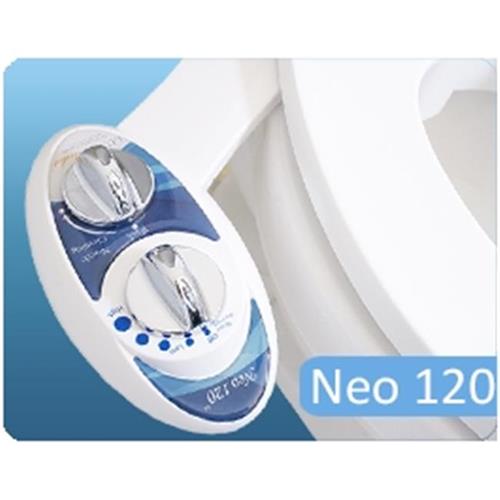 Your price for this item is $109.31
 -
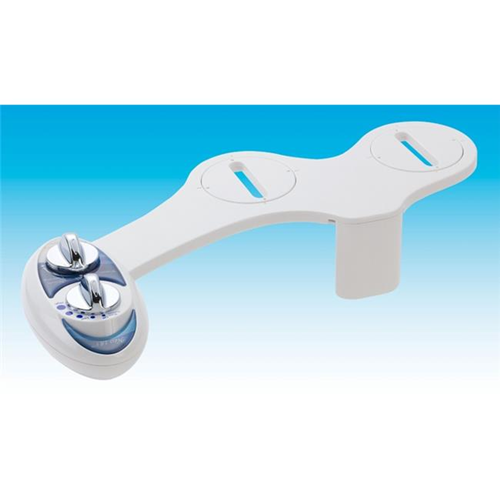 Your price for this item is $200.83
 -
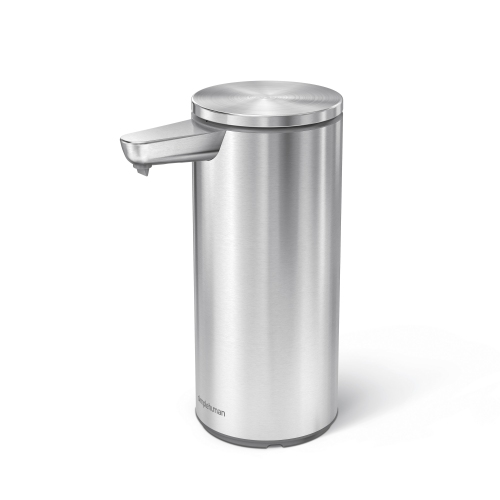 Your price for this item is $90
 -
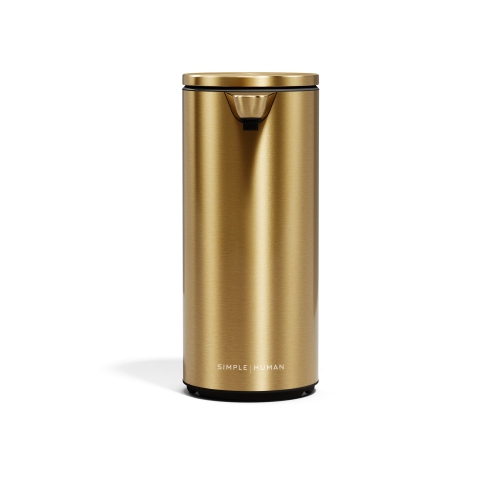 Your price for this item is $100
 -
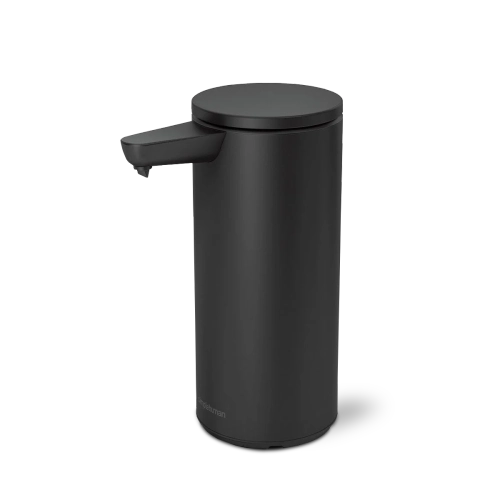 Your price for this item is $100
 -
 Your price for this item is $426.55
 -
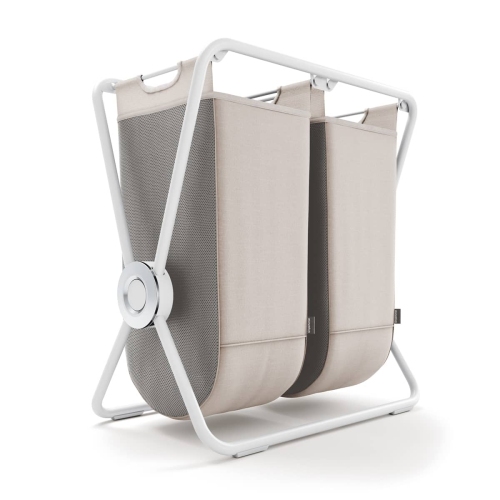 Your price for this item is $300
 -
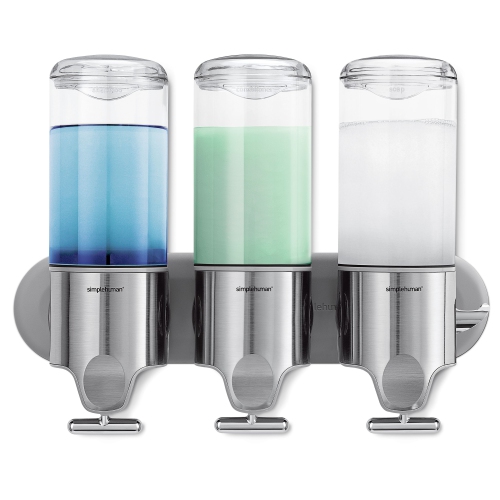 Your price for this item is $120
Discover more categories related to Bathroom Space Savers
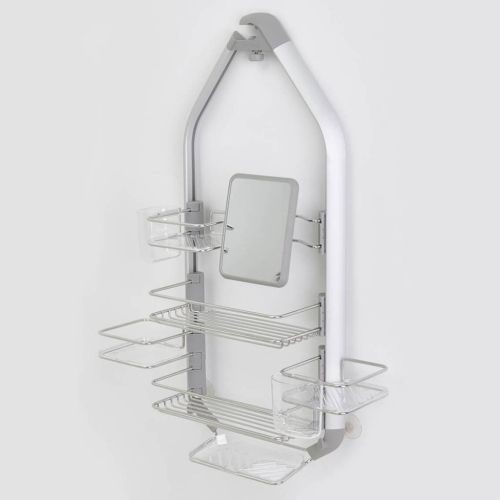
Top Collections:
Pokemon Centers, Kindle Devices, Best Budget Office Chairs, Apple iPhones 16, Best Laptops for Writers, iPhone 15 Apple, Canon G7X Cameras, Refurbished Apple Laptops, Alarm Clock, Motorola Razr Phones
Some products may be subject to Environmental Handling Fees
(EHF) depending on your province.
Learn more about EHFs.