Beach Umbrellas
Beach umbrellas are a great way to stay cool and protect yourself from the sun’s harmful rays while spending time at the beach. These umbrellas are designed to provide shade from the sun's rays and protect against wind and rain. Here are some great options available.
Sort
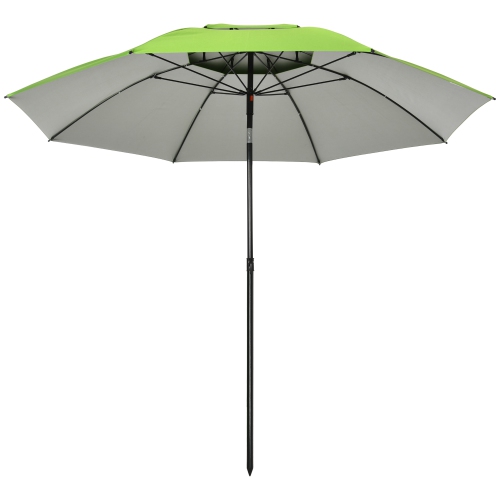


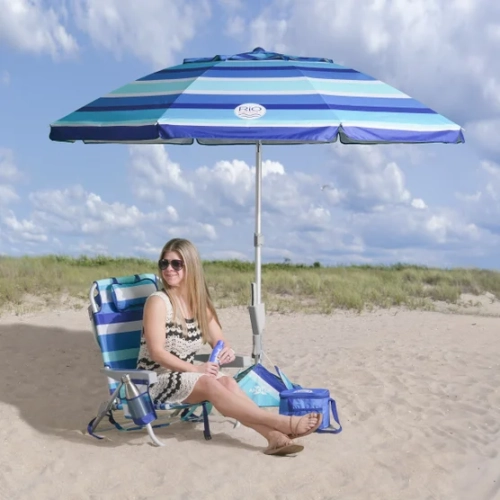
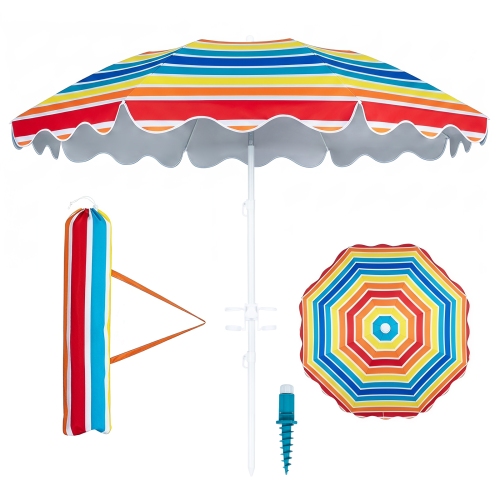
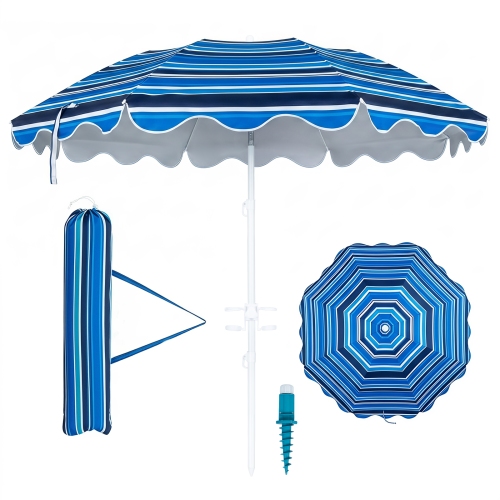
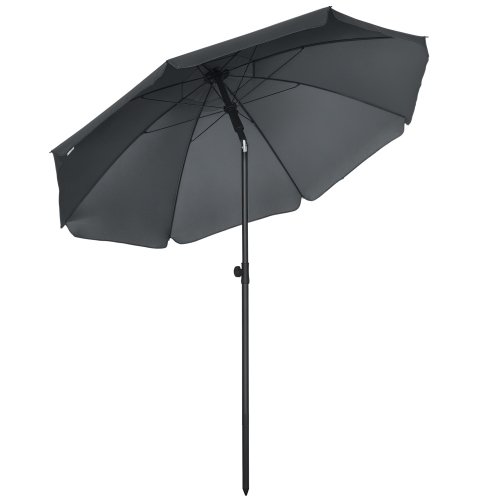
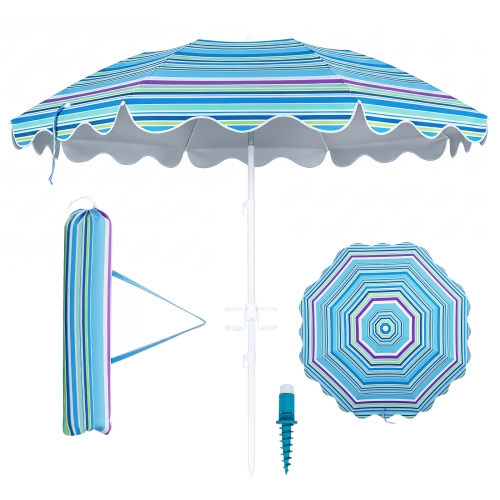
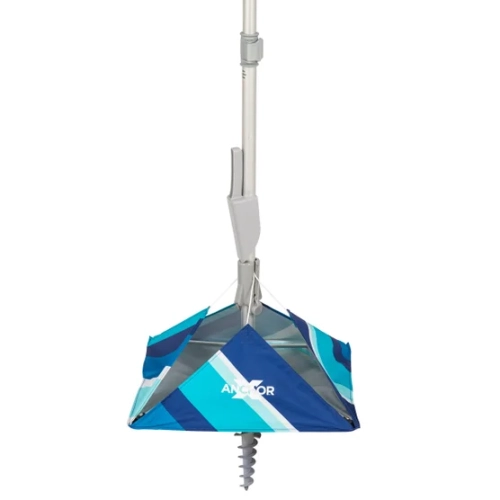
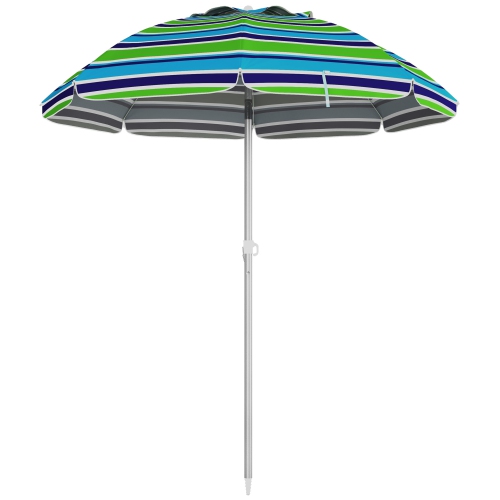


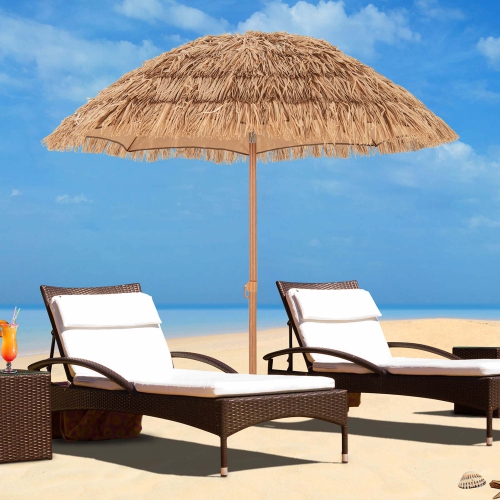


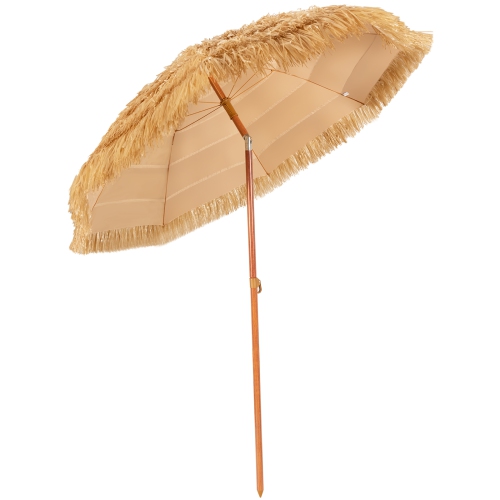

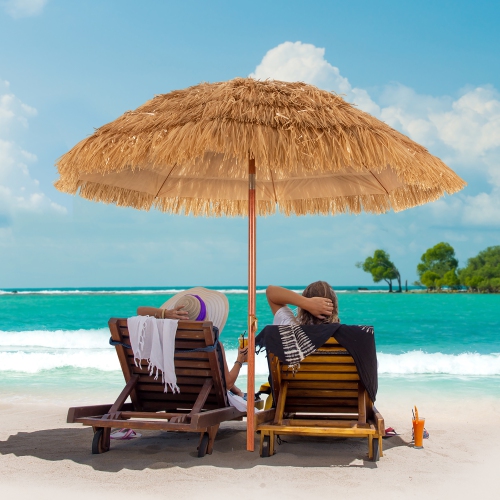


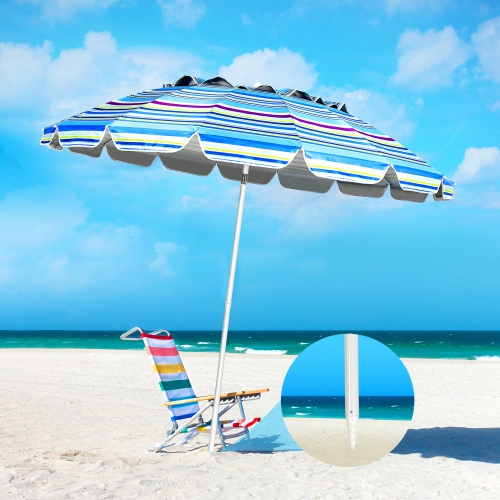

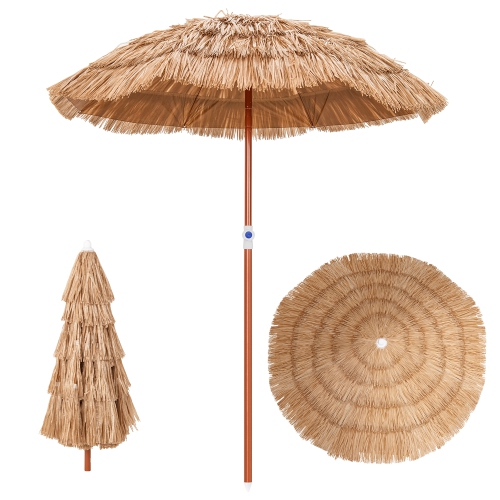


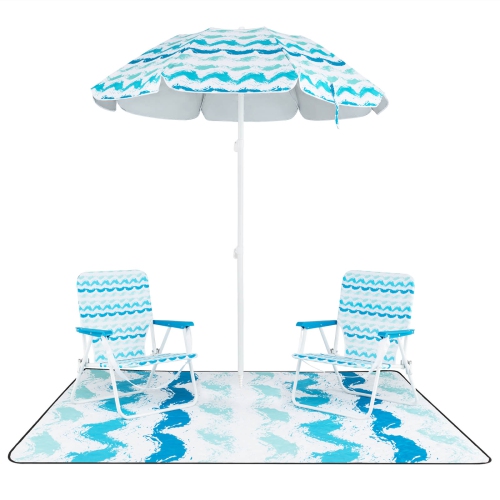
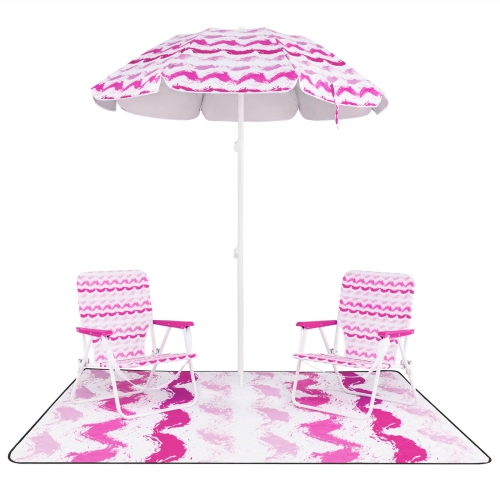


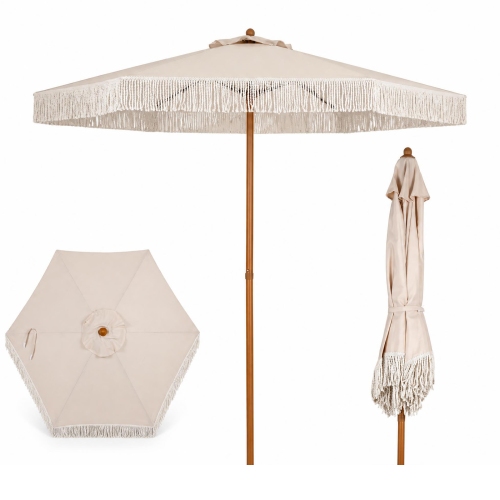


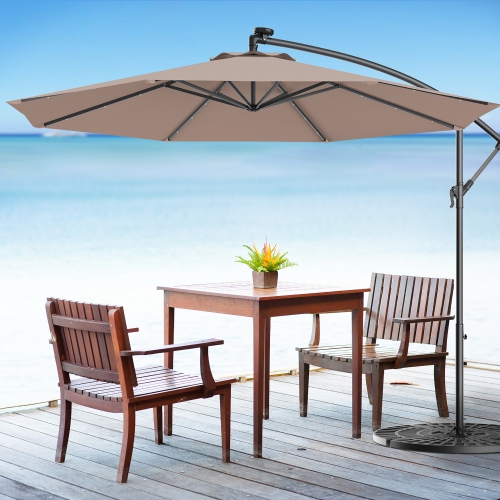


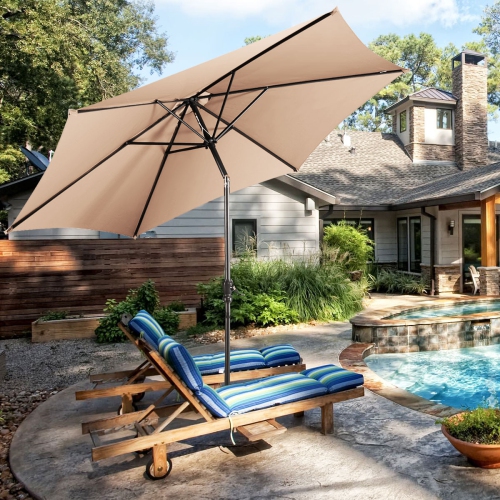


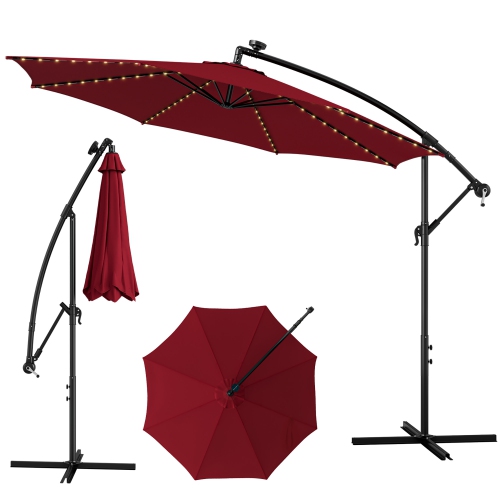


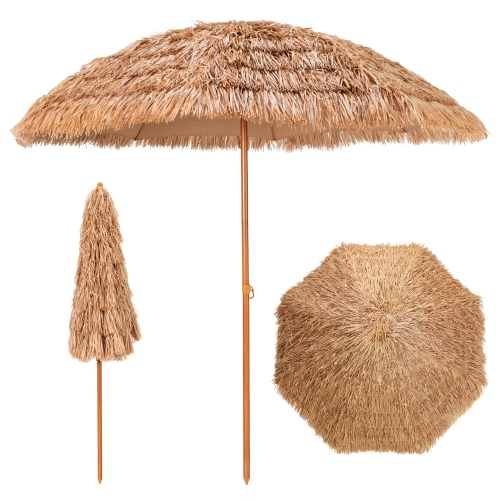

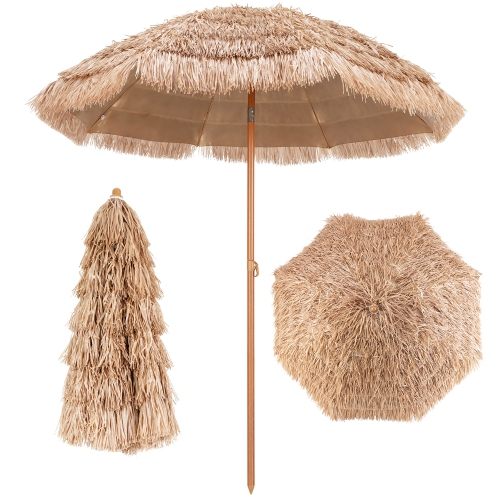
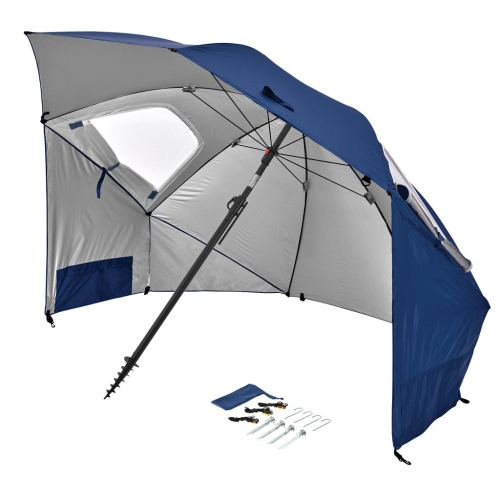
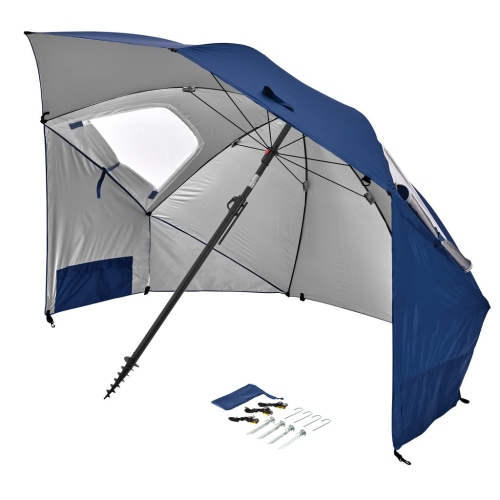


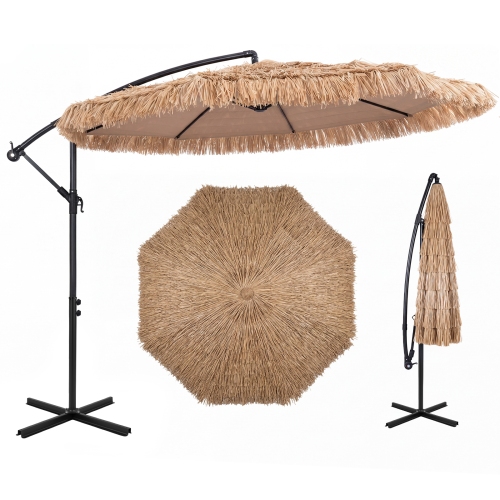
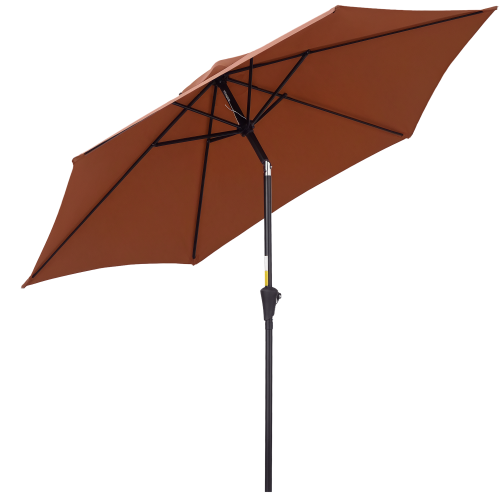
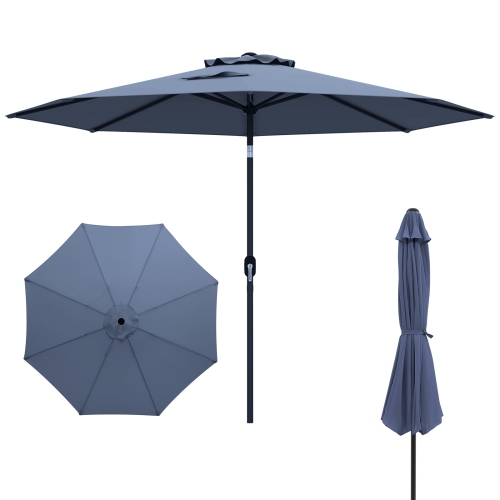


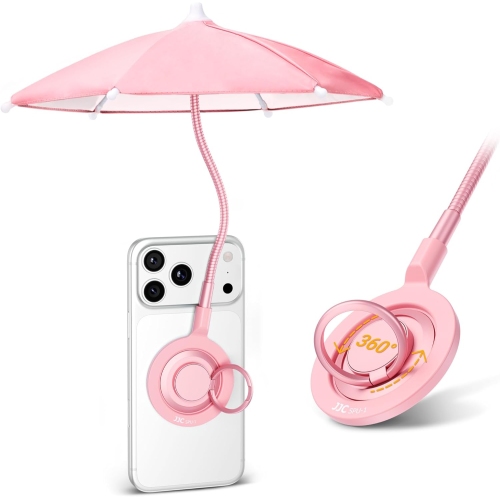
Comfortable shoreline shade takes more than a wide canopy
Beach umbrellas provide portable shade for sandy shorelines, lakeside outings, and afternoons spent relaxing beside the water. Unlike heavier patio umbrellas designed to stay in one place, beach styles typically have a collapsible canopy, a lightweight pole, and a carrying bag that makes the walk from the car to the sand more manageable. Their appeal is practical: a shaded spot for reading, sharing a picnic, or taking a break between swims, without needing a permanent outdoor setup. Canopy size shapes how that space can be used. A smaller umbrella may suit a single beach chair, while a broader canopy can accommodate a pair of seats or a blanket with room for a beach bag. Listed measurements deserve attention because canopy width measured along the curved fabric is not necessarily the same as the straight-line diameter beneath it. The useful patch of shade also changes with the sun’s angle, so adjustable height and a tilt mechanism can help keep shade over a seated person rather than behind the chair. Polyester is a common canopy material because it is relatively lightweight and dries readily, while some fabrics have additional coatings or treatments for water resistance and UV protection. These features serve different purposes: water resistance does not establish a fabric’s ability to block ultraviolet radiation. A stated ultraviolet protection factor, or UPF rating, provides more relevant information about sun protection. Fabric rated UPF 50+ blocks at least 98% of UV radiation under test conditions, but that rating applies to the fabric rather than the entire shaded area. Reflected light from sand and water can still reach people underneath, making sunscreen, protective clothing, and sunglasses useful companions to an umbrella. Colours and patterns add another practical consideration. A distinctive striped or brightly coloured canopy can make a resting spot easier to recognize along a busy shoreline, while neutral shades offer a quieter look. Dense, intact fabric and a clearly stated protection rating matter more than colour alone when assessing sun protection.
The frame and anchoring system influence how a beach umbrella handles repeated setup, transport, and exposure to coastal air. Aluminum poles are generally light and resistant to rust, making them convenient for carrying alongside folding chairs and towels. Steel components can provide strength but may require closer attention to protective finishes, particularly after contact with salt water. Fibreglass ribs offer flexibility, although the performance of the complete umbrella depends on its construction, joints, and intended use rather than one material alone. Reinforced rib pockets, secure stitching, and a firmly locking pole connection are useful details for an umbrella that will be opened and packed away frequently. A telescoping pole can make height adjustment straightforward, while a two-piece pole may fit more easily into a car boot or storage cupboard. Packed length matters as much as weight when an umbrella needs to share space with a stroller, cooler, or other beach gear. Carrying bags with a comfortable shoulder strap help keep hands free, and a roomy opening makes packing less awkward when sand clings to the folded canopy. At the beach, a pointed pole and a screw-style sand anchor are not interchangeable features. Some umbrellas have an integrated anchor, while others require a separate compatible accessory. Pole diameter, attachment method, and the manufacturer’s instructions determine whether an anchor is suitable; a connection that looks close in size may still be insecure. Sand conditions also affect stability, and secure installation remains essential even when the canopy is vented. A vent allows some air to pass through the top, but it does not make an umbrella windproof. Gusts can lift or overturn an inadequately secured umbrella, so it should be closed when conditions exceed the manufacturer’s recommendations and never left open unattended. Tilt joints and height locks should be fully engaged before use. For concrete, decks, or other hard surfaces, a beach anchor is not a substitute for a properly matched base. These distinctions make intended placement an important consideration, especially for an umbrella expected to move between beach trips and outdoor spaces at home.
Care and storage have a noticeable effect on how well beach umbrellas retain their appearance and function. Sand caught in a tilt joint or telescoping section can interfere with smooth movement, while salt residue can affect exposed metal parts over time. Shaking loose sand from the canopy and carrying bag before packing helps keep grit out of seams and moving components. Where the care instructions permit, a gentle fresh-water rinse can remove salt and remaining sand; harsh cleaners, abrasive brushes, and unapproved treatments may damage fabric coatings or finishes. The umbrella should dry fully before being folded and placed in its bag, including around seams and overlapping fabric where moisture can linger. A dry storage space, away from prolonged direct sunlight, helps protect the canopy between outings. Before another trip, a quick check of the ribs, stitching, pole connection, and locking mechanisms can reveal wear that would be harder to address once everything is set up on the shore. A carry bag is useful for keeping components together, but it should not become a place to leave damp fabric sealed for extended periods. Those everyday details matter for households that use an umbrella repeatedly throughout a holiday, as well as occasional beachgoers who bring it out for a few outings each year. Families may value generous coverage and a straightforward setup, while couples carrying everything on foot may place greater emphasis on low weight and a compact folded shape. Someone who enjoys reading by the lake might appreciate a tilt mechanism that keeps shade over a chair without moving the entire setup. Beach umbrellas can also make thoughtful gifts for cottage visitors, frequent swimmers, or friends who enjoy waterside picnics, particularly when their usual seating arrangement and transport space are known. For outdoor spaces beyond the shoreline, Summer Umbrellas offer a related category to explore, with attention to the support and base required for the intended surface. A well-matched beach umbrella brings together manageable carrying weight, useful shade coverage, suitable anchoring, and care requirements that fit the way it will be used.
Top selling and popular products
-
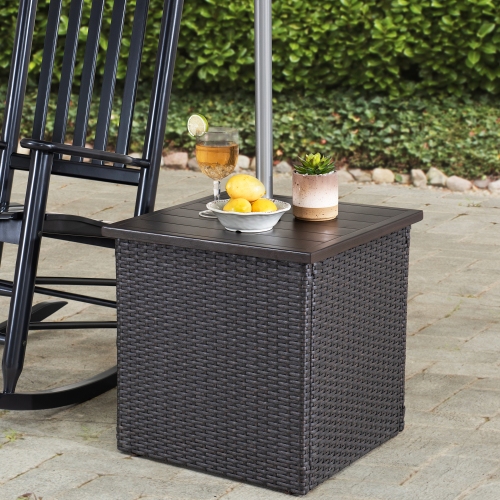 Your price for this item is $160.99
-
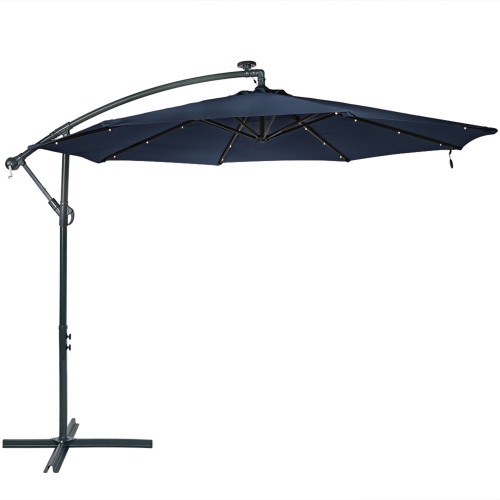 Your price for this item is $248.55
-
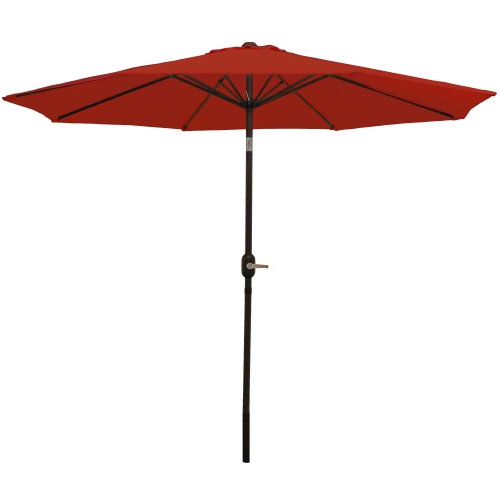 Your price for this item is $146.95
-
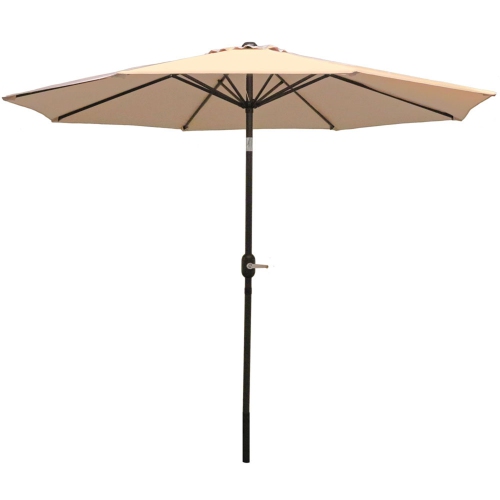 Your price for this item is $146.95
-
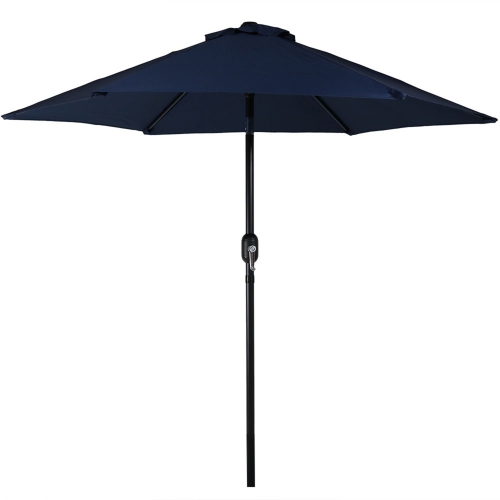 Your price for this item is $146.95
-
 Your price for this item is $146.95
-
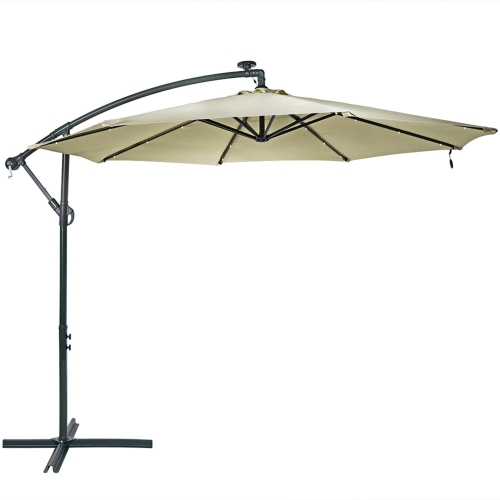 Your price for this item is $248.55
-
 Your price for this item is $152.35
Discover more categories related to Beach Umbrellas

Top Collections:
Pokemon Centers, Kindle Devices, Best Budget Office Chairs, Canon G7X Cameras, Apple iPhones 16, Samsung Galaxy Phones, Refurbished Apple Laptops, Laptops for Students, iPhone 15 Apple, Budget Smartphones
Some products may be subject to Environmental Handling Fees
(EHF) depending on your province.
Learn more about EHFs.