Bed Frames King
Upgrade your bedroom with a sleek and sturdy king-size bed frame that combines both style and functionality. Crafted to provide ample support for your mattress while enhancing the aesthetic appeal of your sleeping space, these bed frames are designed to elevate your bedroom decor effortlessly. Whether you prefer a modern, minimalist look or a more traditional design, our selection of king-size bed frames offers versatility to suit any taste. Explore our range of bed frames to find the perfect piece that complements your bedroom decor and provides you with a comfortable and stylish place to rest each night.
Sort



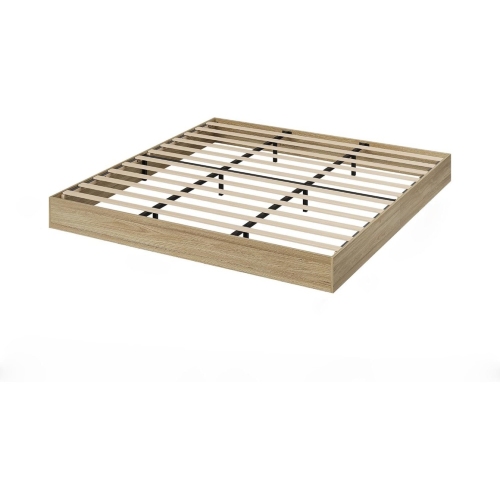
Why mattress size is only part of the fit
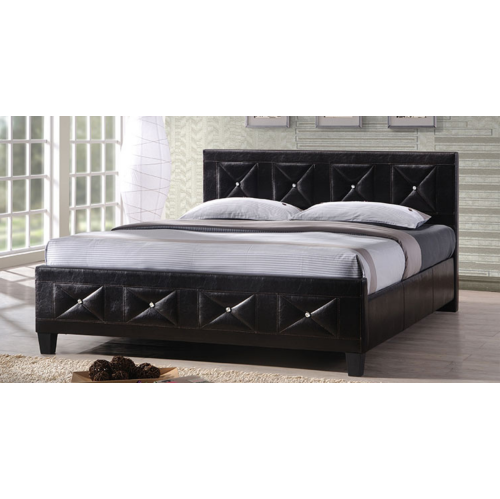
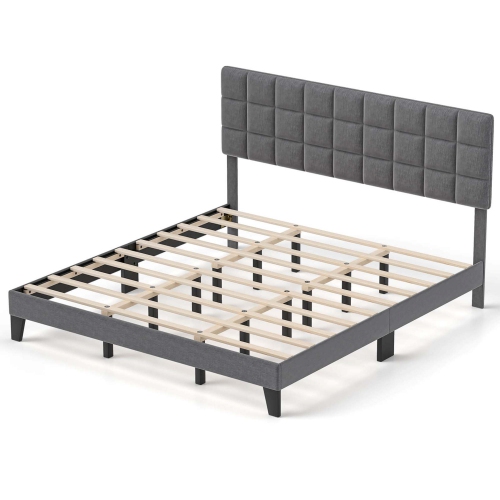
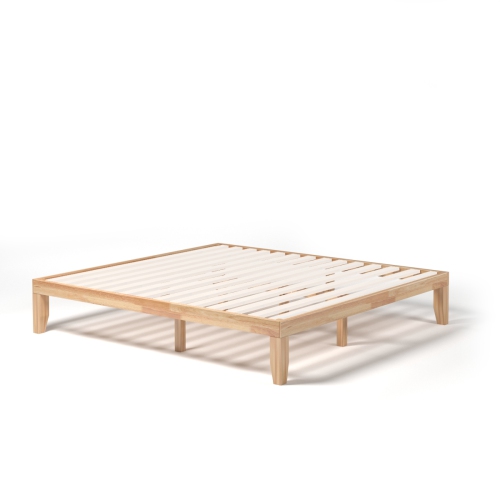
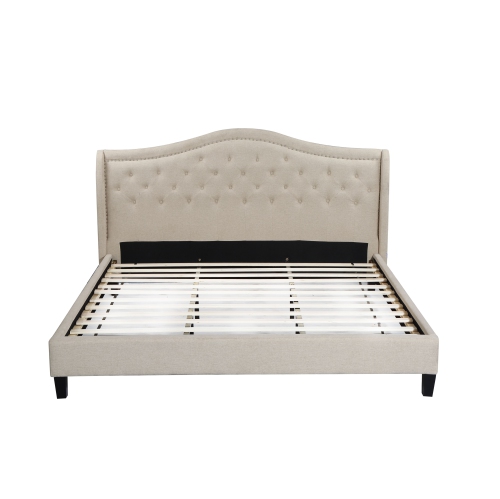
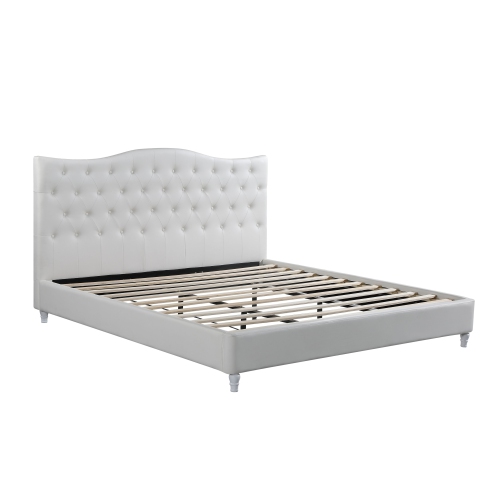
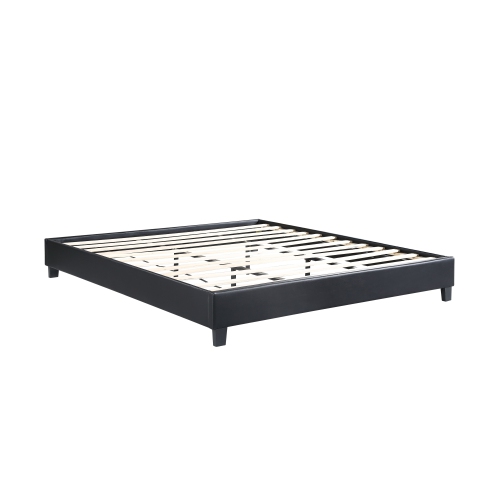
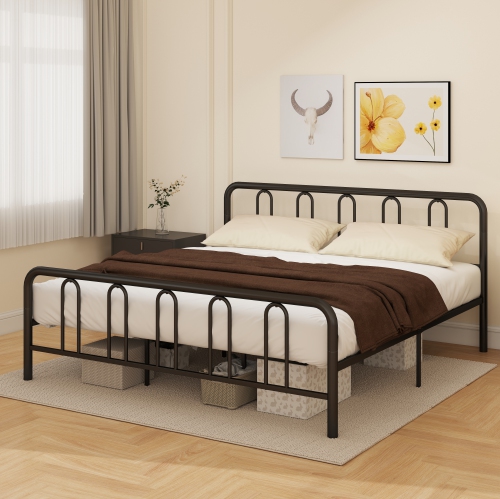
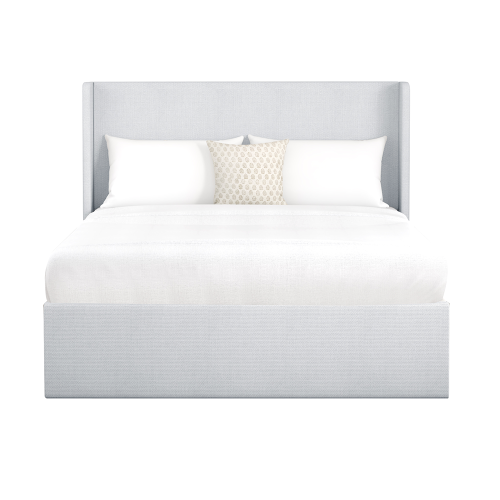
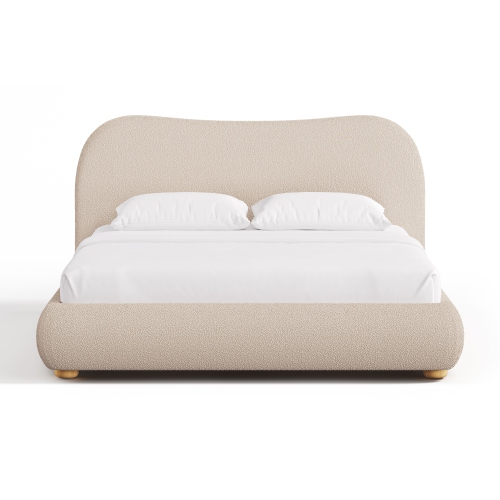
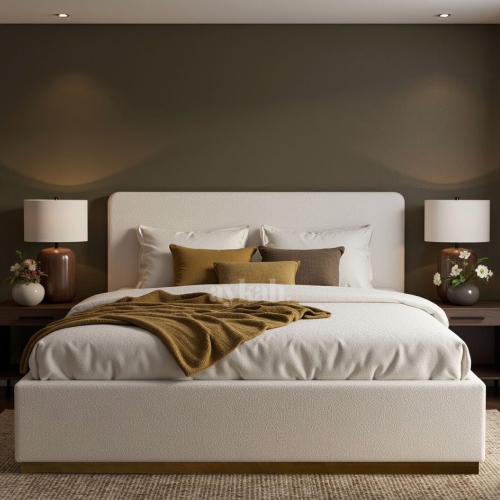
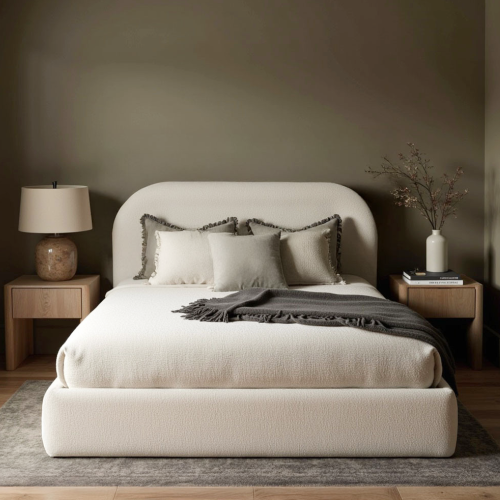
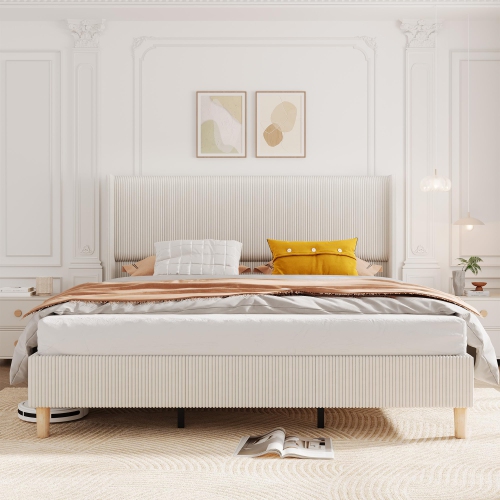
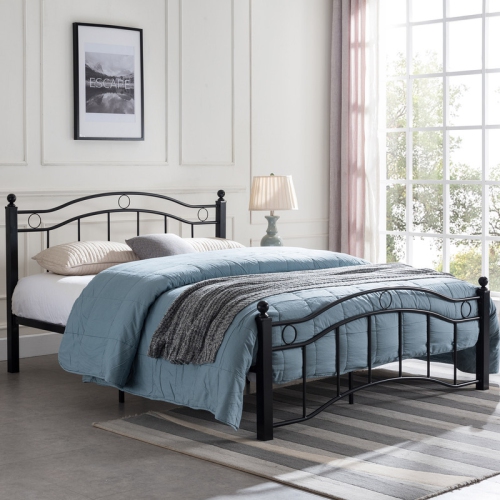
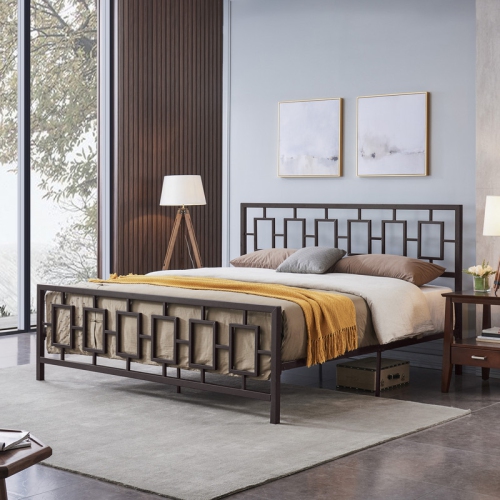
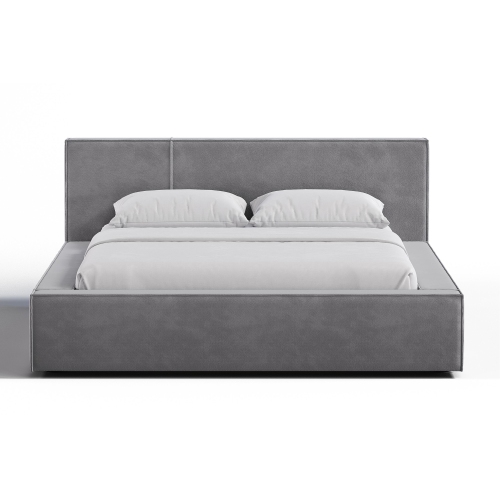
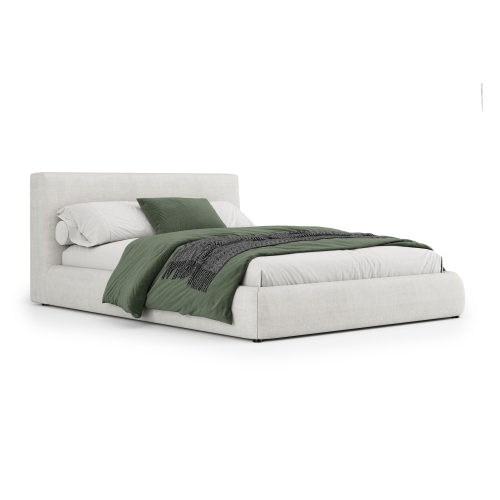
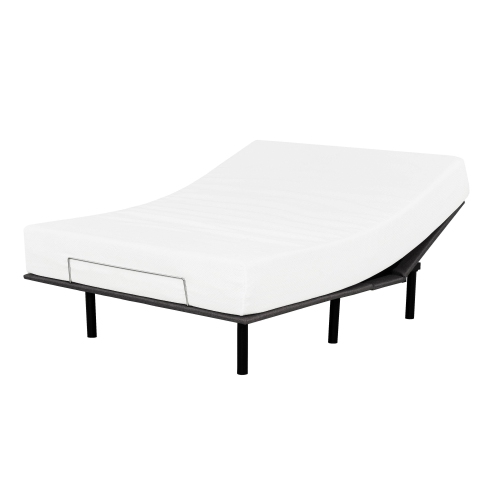
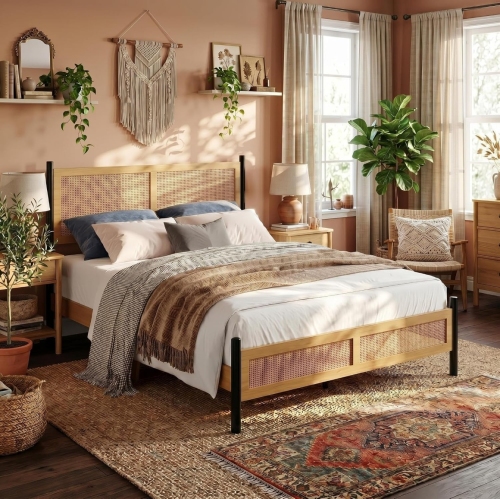
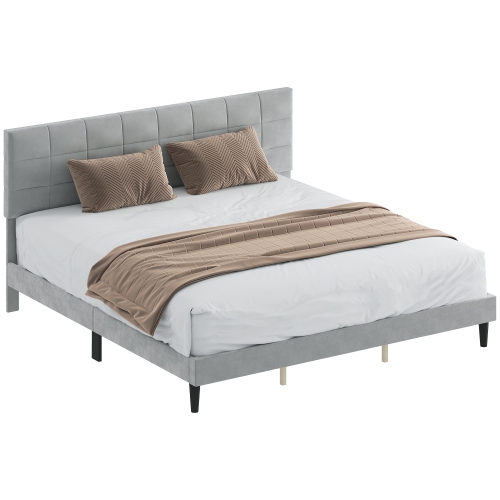
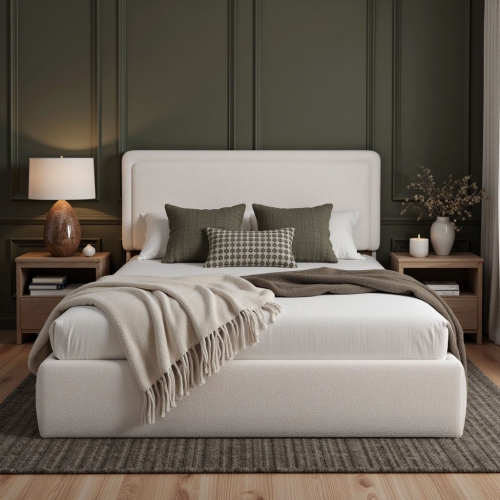
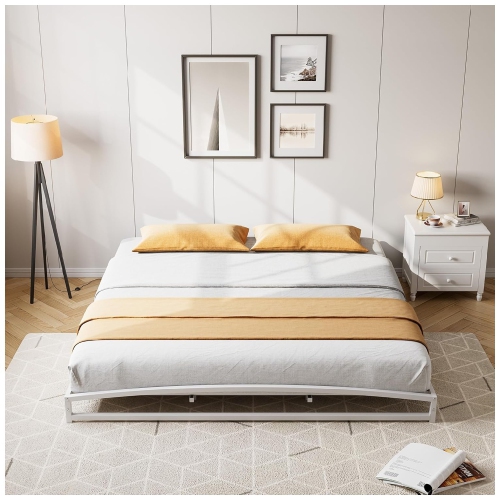
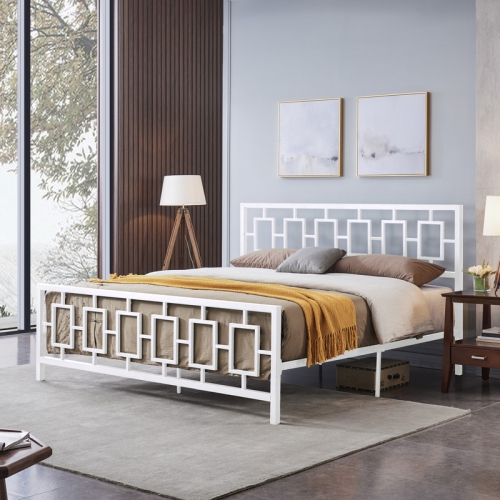
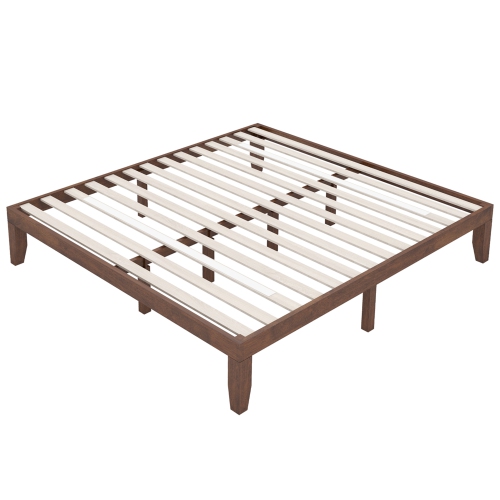
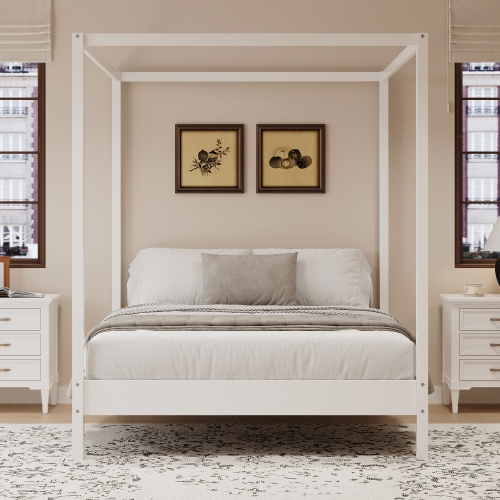
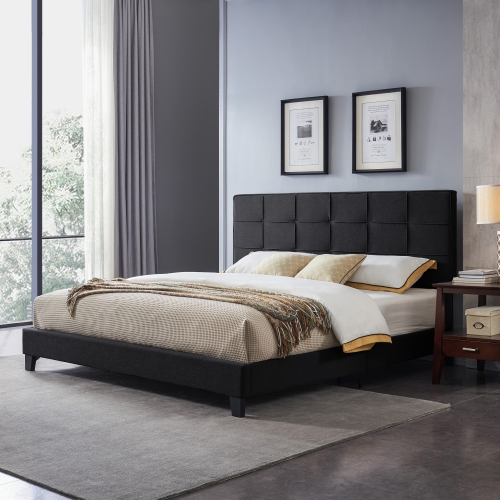
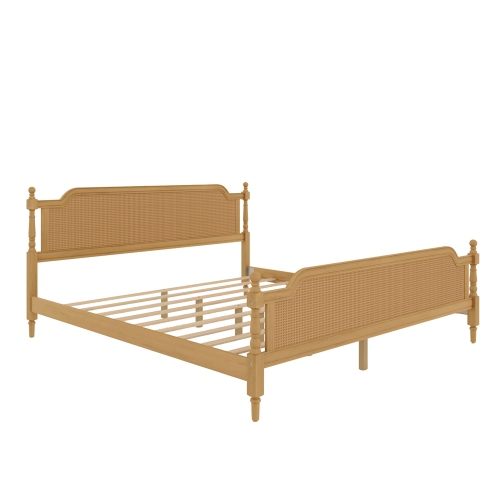
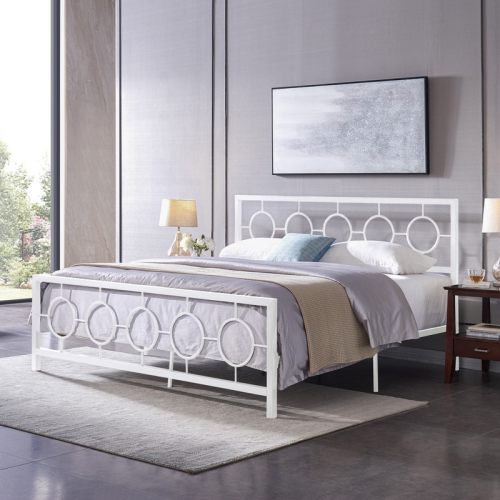
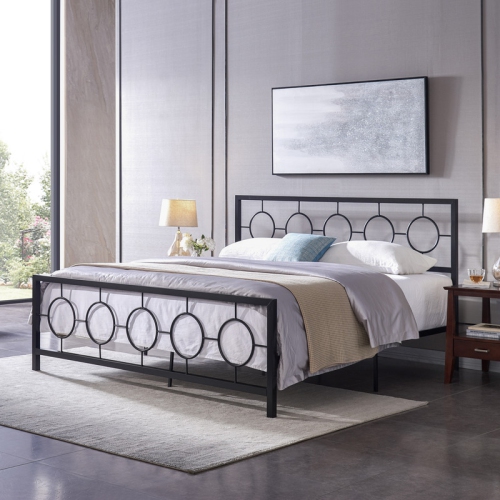
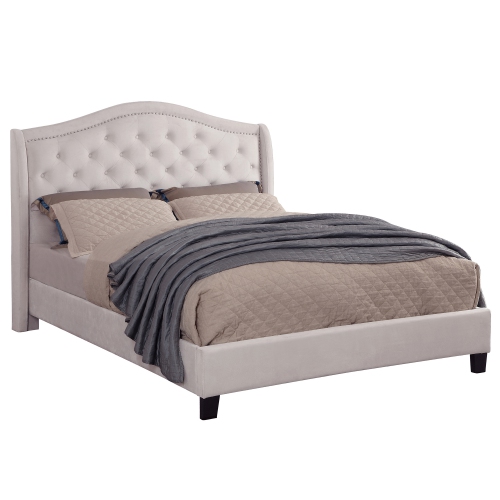
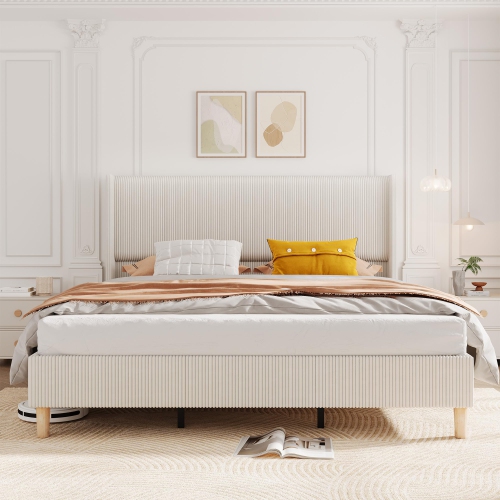
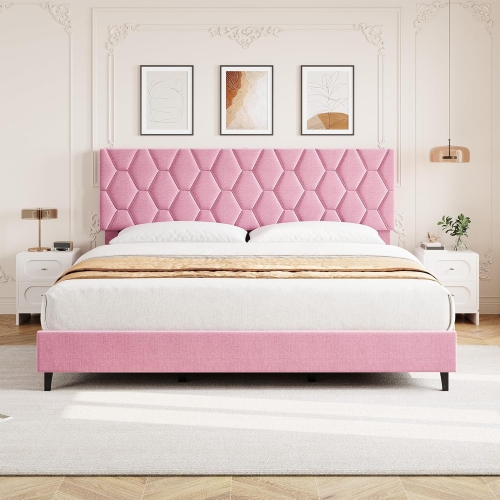
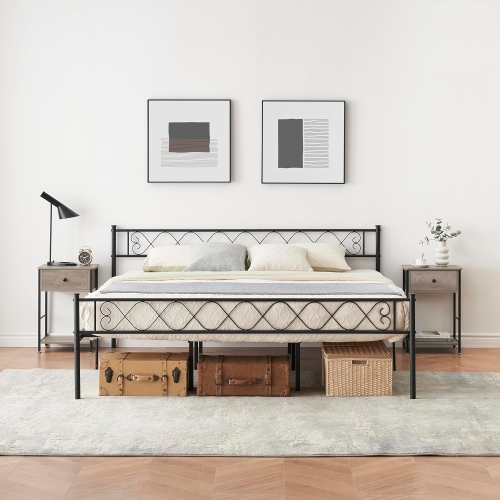
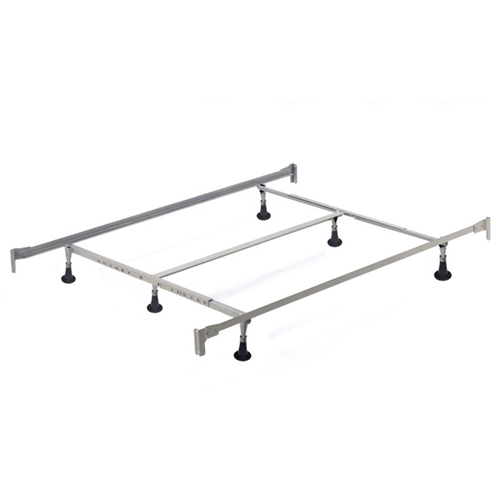
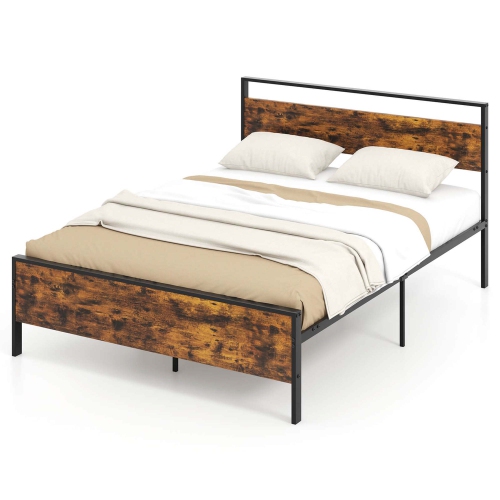
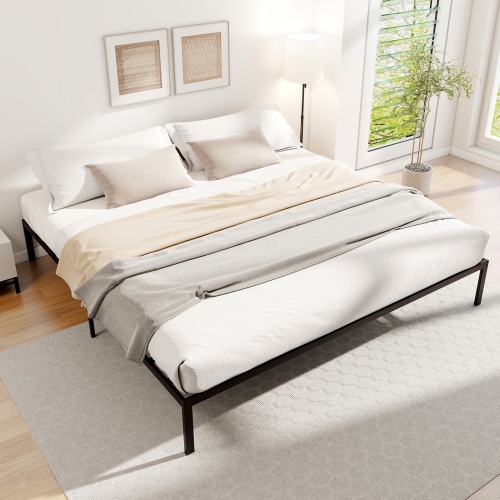
King bed frames provide the structure and support for a spacious sleeping setup, with styles that range from simple metal bases to upholstered platform beds and substantial wooden designs. A standard king-size mattress in Canada typically measures 76 inches wide by 80 inches long, making it a comfortable option for couples who want more room to stretch out or sleepers who prefer a generous surface. The frame’s outside dimensions are usually larger than the mattress itself, especially when the design includes a thick headboard, projecting side rails, or a footboard. Those measurements matter in a furnished bedroom: a bed that fits between two walls may still leave little space to open a dresser or walk past the end. Allowing room beside the bed for everyday movement, bedside tables, and drawer access helps the space feel comfortable rather than crowded. Standard king and California king sizes are not interchangeable; a California king mattress typically measures 72 inches wide by 84 inches long and needs a frame designed for those dimensions. Mattress support is another important distinction. Platform bed frames generally use slats or a solid deck to support a compatible mattress without a box spring, while other frames require a separate foundation. The mattress manufacturer’s requirements for slat spacing, support surfaces, and centre support help determine whether a particular frame is suitable. Memory foam, latex, and hybrid mattresses can have different support needs, so mattress size alone does not establish compatibility. For a king-size bed, a well-supported centre rail and properly positioned support legs help distribute weight across the wider span. Frame height also changes how the bed feels in daily use. A low platform creates an open sightline, while a taller base can leave useful space underneath. The finished sitting height depends on the frame, any foundation, and the mattress together, which is particularly relevant for anyone who finds very low or high seats difficult to use.
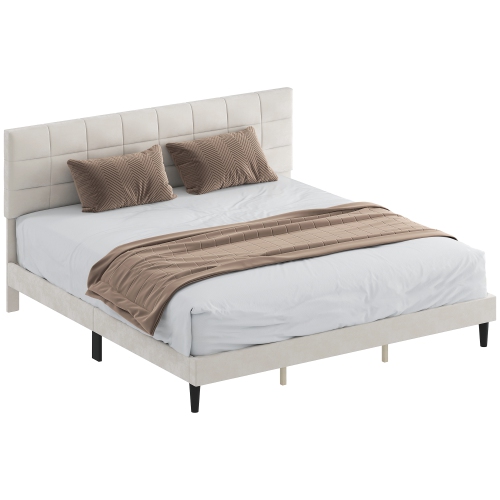
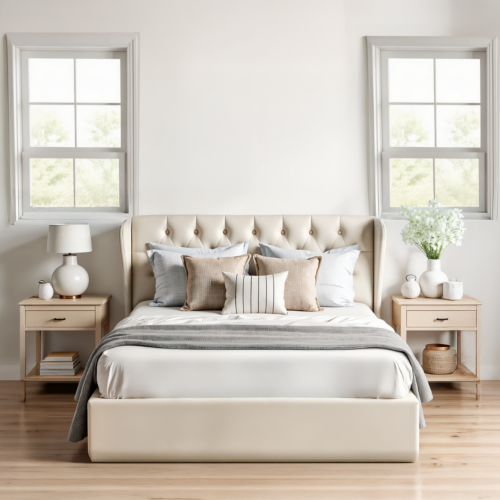
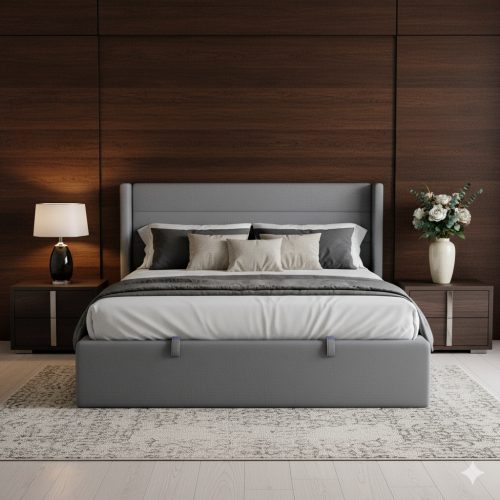
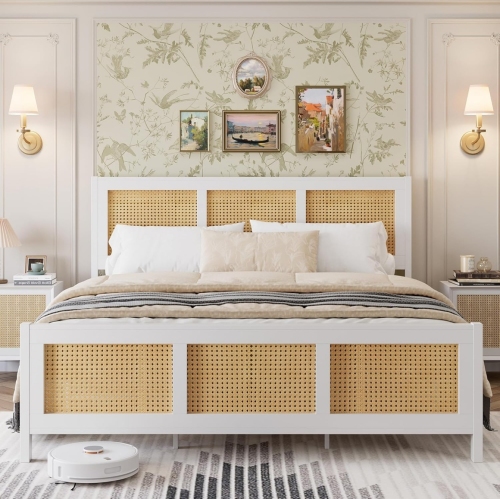
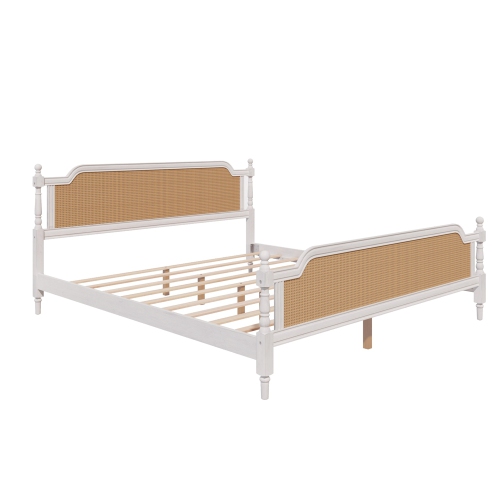
Materials give king bed frames much of their character, but their practical differences extend beyond appearance. Solid wood brings natural grain and variation, with finishes that can suit a softly furnished bedroom, a clean-lined contemporary space, or a room with traditional case furniture. Shoppers drawn to these textures can explore Wood King Bed Frames for a material-focused approach to the same spacious bed size. Wood veneers provide a real-wood surface over a supporting core, while engineered wood components can offer a uniform finish and varied design possibilities. Durability depends on construction, connections, support, and care as well as the material name. Metal frames can create a light visual outline with slender rails or a more substantial look with broad posts and a defined headboard. Their firmness and stability depend on the quality of the joints, the support layout, and correct assembly; no material alone guarantees a silent bed. Upholstered king bed frames add fabric texture and a softer surface around the headboard, which can be pleasant for sitting up with a book or watching television. Closely woven fabrics, textured weaves, and tufted finishes each have a different feel, and seams or deep button details may need more attention during cleaning. In a household with pets, fabric texture and ease of removing hair can be just as important as colour. A footboard adds a finished outline but may feel restrictive for a tall sleeper who likes to extend their feet beyond the mattress. An open-ended design leaves that area less enclosed. Headboard proportions also deserve attention: a thick mattress and stacked pillows can hide much of a shorter headboard, while a tall upholstered panel becomes a prominent feature of the room. Matching every furniture finish is not essential. A wood frame can sit comfortably beside painted bedside tables, and a metal frame can balance a room with upholstered seating. Repeated colours, similar lines, or complementary textures can bring the arrangement together without making it feel overly matched.
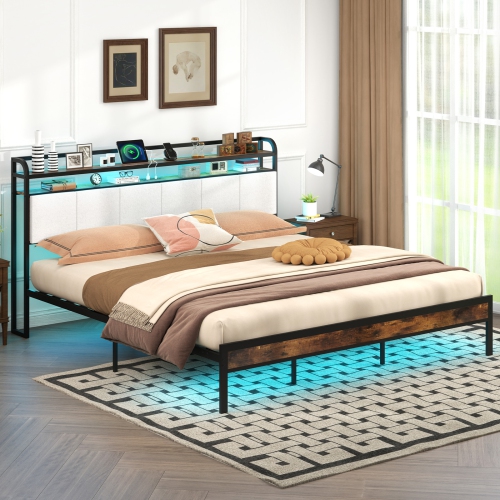
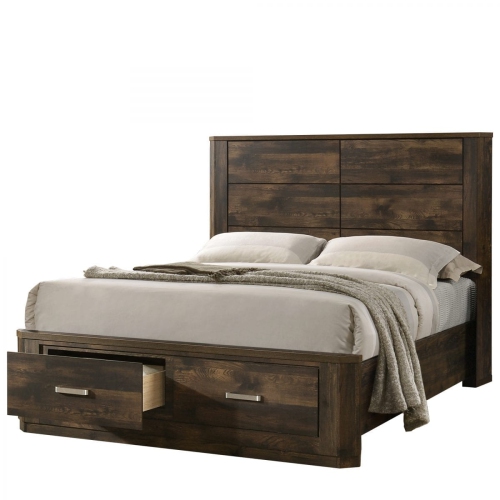
Storage king bed frames put the footprint beneath the mattress to work, which can be useful when wardrobes are full or a bedroom has limited space for extra furniture. Built-in drawers provide a place for spare sheets, blankets, and clothing, but they need enough clearance to open without hitting a bedside table, rug edge, or nearby cabinet. Drawer placement makes a difference when one side of the bed sits close to a wall. Lift-up storage offers access beneath the mattress without side-opening drawers, although the lifting mechanism, mattress weight limits, and effort required should suit the person using it. Open under-bed space offers a simpler alternative for shallow storage bins, provided there is enough height to slide them in and out. It also affects cleaning access: a vacuum head or robot vacuum needs sufficient clearance beneath the rails and around support legs. Some bed frame designs include lighting, charging ports, or headboard shelves for everyday convenience. These features are most useful when outlet locations, cord routing, and access to switches fit the room’s layout. Beyond added features, long-term satisfaction often comes down to the basics: secure hardware, adequate support, a suitable weight capacity, and surfaces that are manageable to maintain. Weight ratings should be checked for whether they include the mattress and foundation as well as the sleepers. A king frame may arrive in several large sections, so doorway widths, stair turns, and assembly space matter before it reaches the bedroom. Once assembled according to its instructions, connections may need periodic checks, particularly after a move or if movement develops. Wood and metal surfaces generally benefit from gentle dusting and prompt attention to spills, using cleaning methods approved for the finish. Upholstery may need regular vacuuming with a suitable attachment, with spot treatment guided by its care label. Floor protectors can help limit marks, while support legs should sit firmly as intended rather than hover above an uneven floor. Whether furnishing a shared primary bedroom or replacing a frame beneath an existing mattress, the right combination of fit, support, accessible storage, and manageable care makes a king-size bed easier to enjoy every day.
Materials give king bed frames much of their character, but their practical differences extend beyond appearance. Solid wood brings natural grain and variation, with finishes that can suit a softly furnished bedroom, a clean-lined contemporary space, or a room with traditional case furniture. Shoppers drawn to these textures can explore Wood King Bed Frames for a material-focused approach to the same spacious bed size. Wood veneers provide a real-wood surface over a supporting core, while engineered wood components can offer a uniform finish and varied design possibilities. Durability depends on construction, connections, support, and care as well as the material name. Metal frames can create a light visual outline with slender rails or a more substantial look with broad posts and a defined headboard. Their firmness and stability depend on the quality of the joints, the support layout, and correct assembly; no material alone guarantees a silent bed. Upholstered king bed frames add fabric texture and a softer surface around the headboard, which can be pleasant for sitting up with a book or watching television. Closely woven fabrics, textured weaves, and tufted finishes each have a different feel, and seams or deep button details may need more attention during cleaning. In a household with pets, fabric texture and ease of removing hair can be just as important as colour. A footboard adds a finished outline but may feel restrictive for a tall sleeper who likes to extend their feet beyond the mattress. An open-ended design leaves that area less enclosed. Headboard proportions also deserve attention: a thick mattress and stacked pillows can hide much of a shorter headboard, while a tall upholstered panel becomes a prominent feature of the room. Matching every furniture finish is not essential. A wood frame can sit comfortably beside painted bedside tables, and a metal frame can balance a room with upholstered seating. Repeated colours, similar lines, or complementary textures can bring the arrangement together without making it feel overly matched.
Storage king bed frames put the footprint beneath the mattress to work, which can be useful when wardrobes are full or a bedroom has limited space for extra furniture. Built-in drawers provide a place for spare sheets, blankets, and clothing, but they need enough clearance to open without hitting a bedside table, rug edge, or nearby cabinet. Drawer placement makes a difference when one side of the bed sits close to a wall. Lift-up storage offers access beneath the mattress without side-opening drawers, although the lifting mechanism, mattress weight limits, and effort required should suit the person using it. Open under-bed space offers a simpler alternative for shallow storage bins, provided there is enough height to slide them in and out. It also affects cleaning access: a vacuum head or robot vacuum needs sufficient clearance beneath the rails and around support legs. Some bed frame designs include lighting, charging ports, or headboard shelves for everyday convenience. These features are most useful when outlet locations, cord routing, and access to switches fit the room’s layout. Beyond added features, long-term satisfaction often comes down to the basics: secure hardware, adequate support, a suitable weight capacity, and surfaces that are manageable to maintain. Weight ratings should be checked for whether they include the mattress and foundation as well as the sleepers. A king frame may arrive in several large sections, so doorway widths, stair turns, and assembly space matter before it reaches the bedroom. Once assembled according to its instructions, connections may need periodic checks, particularly after a move or if movement develops. Wood and metal surfaces generally benefit from gentle dusting and prompt attention to spills, using cleaning methods approved for the finish. Upholstery may need regular vacuuming with a suitable attachment, with spot treatment guided by its care label. Floor protectors can help limit marks, while support legs should sit firmly as intended rather than hover above an uneven floor. Whether furnishing a shared primary bedroom or replacing a frame beneath an existing mattress, the right combination of fit, support, accessible storage, and manageable care makes a king-size bed easier to enjoy every day.
Top selling and popular products
-
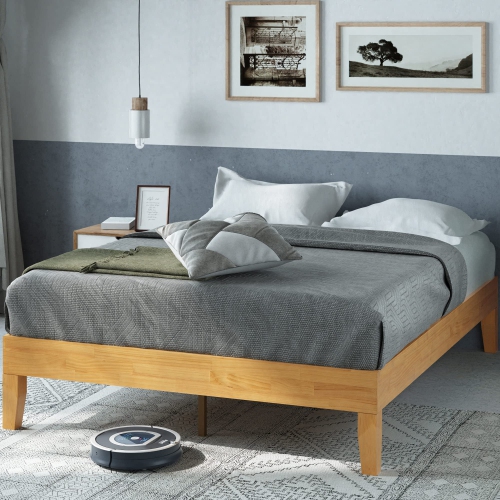 Your price for this item is $493.52
 -
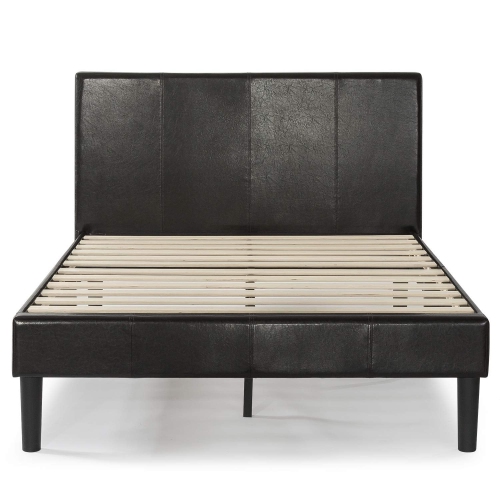 Your price for this item is $611.85
 -
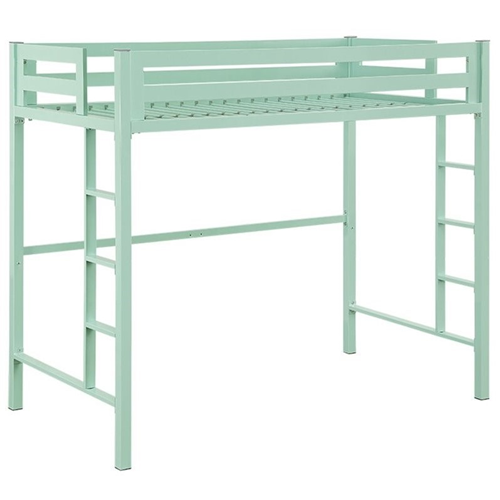 Your price for this item is $824.18
 -
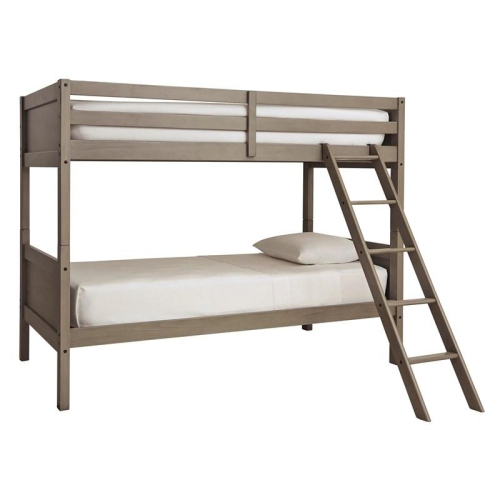 Your price for this item is $799.99
 -
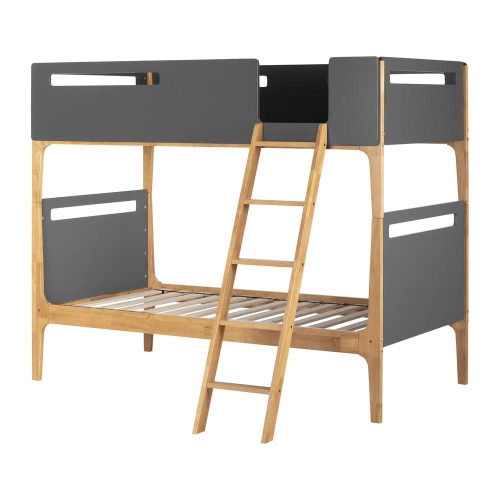 Your price for this item is $985.42
 -
 Your price for this item is $157.99
 -
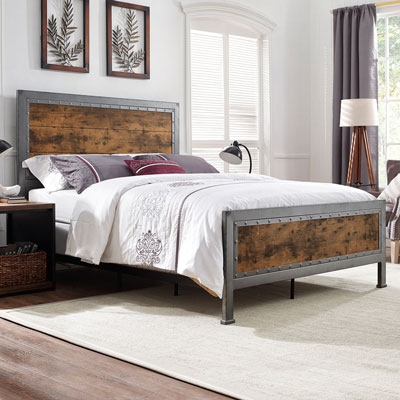 Your price for this item is $862.99
 -
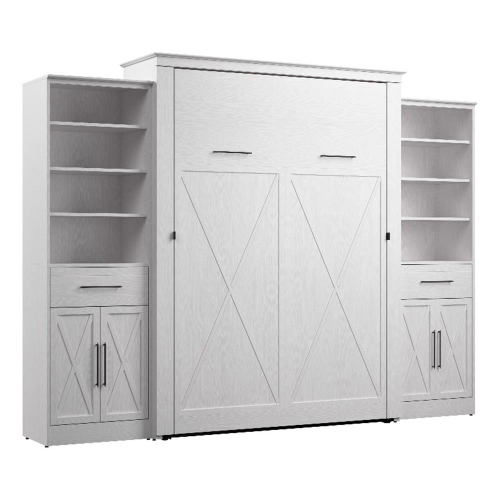 Your price for this item is $3519.99
Discover more categories related to Bed Frames King
Top Collections:
Pokemon Centers, Kindle Devices, Best Budget Office Chairs, Apple iPhones 16, Best Laptops for Writers, iPhone 15 Apple, Canon G7X Cameras, Refurbished Apple Laptops, Alarm Clock, Motorola Razr Phones
Some products may be subject to Environmental Handling Fees
(EHF) depending on your province.
Learn more about EHFs.