Beds for Adults
Transform your bedroom into a sanctuary of comfort and style with this diverse selection of beds for adults. Whether you're looking for sleek modern designs, timeless classics, or space-saving solutions, you'll find the perfect fit to match your personal taste and lifestyle needs. Explore options that offer superior support and luxurious finishes, ensuring a restful night's sleep while enhancing your bedroom's aesthetic appeal.
Sort
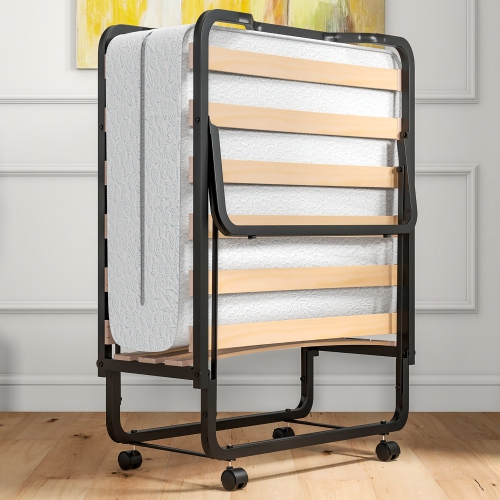
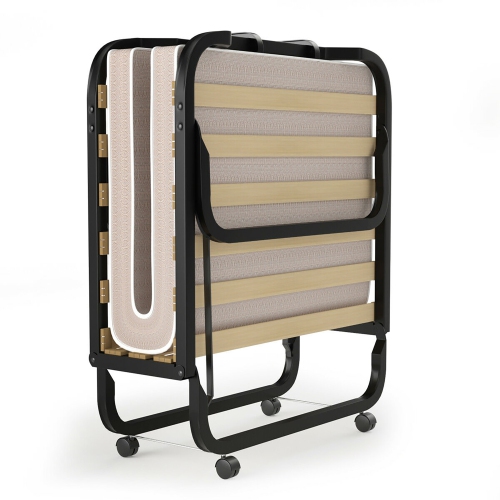
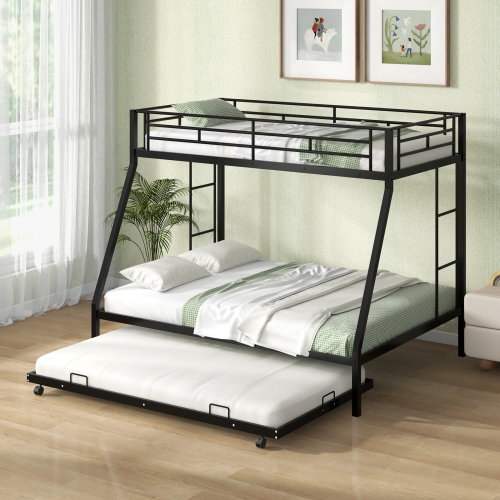
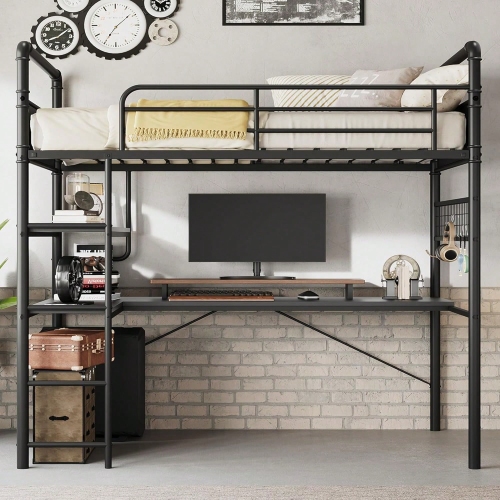
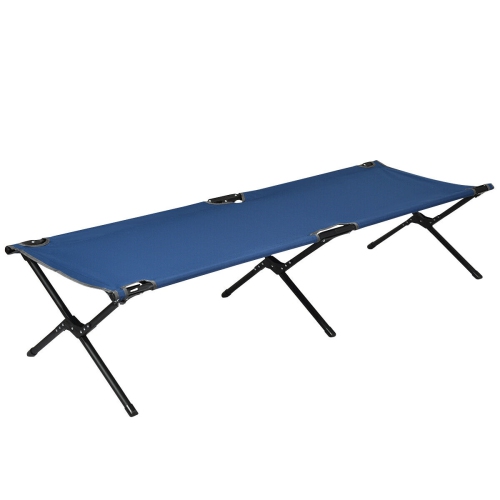
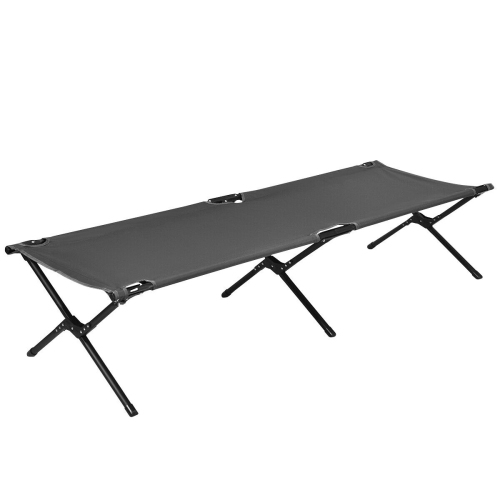
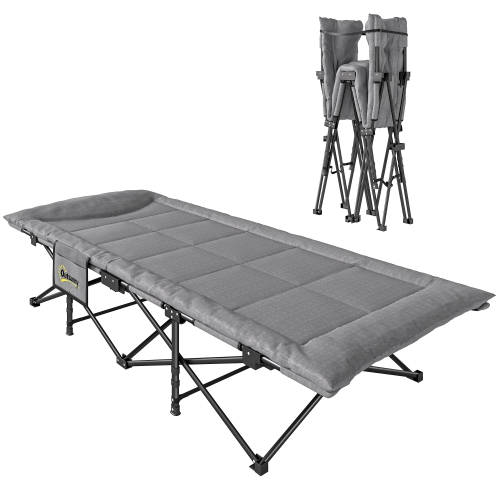
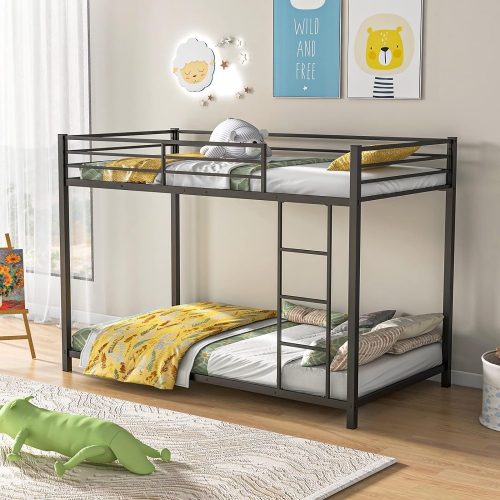
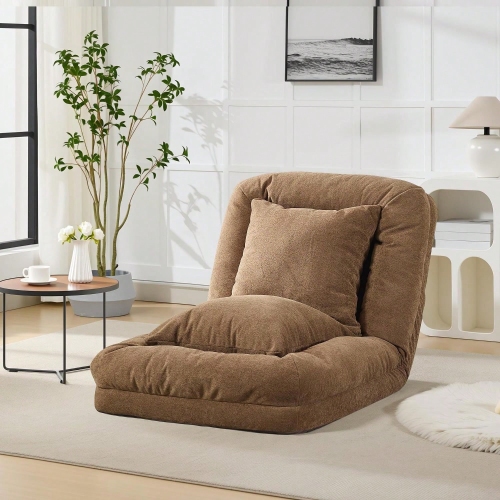
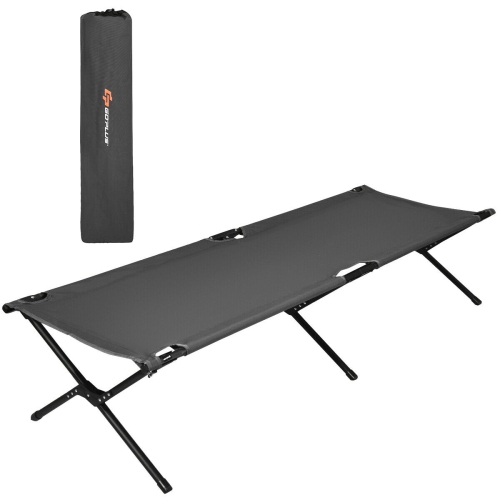
A comfortable fit goes beyond the mattress size
Beds for adults provide the foundation for a comfortable sleeping space, whether that space is a primary bedroom, a compact condo, or a guest room that also serves as a home office. The right fit involves both the mattress dimensions and the frame’s overall footprint: an upholstered headboard, wide side rails, or a footboard can add several inches beyond the sleeping surface. Standard Canadian mattress dimensions are generally 54 by 75 inches for a double or full, 60 by 80 inches for a queen, and 76 by 80 inches for a king, although exact measurements should be checked before pairing a mattress with a frame. A double bed can suit a single adult or a smaller guest bedroom, while a queen offers additional length and width for couples or solo sleepers who prefer more room to stretch out. A king gives two sleepers more individual space but needs enough floor area to keep bedside tables, doors, and walkways accessible. Twin XL beds, typically 38 by 80 inches, can also suit adults who need extra length without a wider footprint. In a narrow room, a slim frame without a projecting footboard can make it easier to move around the end of the bed. Bed height matters just as much as width: the combined height of the frame, any required foundation, and the mattress determines how far someone needs to lower themselves or rise when getting in and out. A low platform creates a relaxed, streamlined appearance, but a taller sleeping surface may feel more practical for someone who finds deep bending difficult. For shared bedrooms, access from both sides can make everyday routines less awkward. In a guest room, a bed with a straightforward shape and sufficient clearance around it leaves space for luggage and makes changing sheets easier. Measuring the room, the intended mattress, and the delivery route through doorways and stairwells helps establish whether a bed will fit comfortably beyond the floor plan alone.
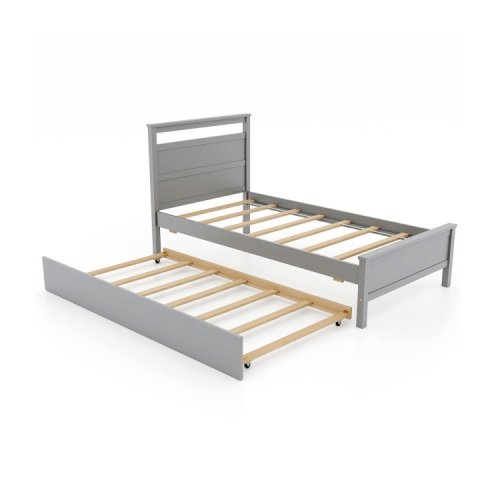
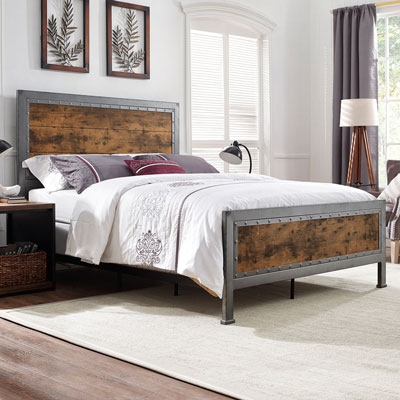
Adult bed frames come in several constructions, each with a different look, feel, and support arrangement. Platform beds use a slatted or solid support surface and often hold a compatible mattress without a separate box spring, while other frames require a foundation specified by the manufacturer. Slat spacing, centre supports, and weight capacity all matter; a mattress needs the type of base its manufacturer permits, and the bed’s stated capacity should accommodate the intended load according to its specifications. Solid wood frames bring visible grain and a substantial appearance, with finishes that range from pale natural tones to deep browns. Wood can show dents or scratches with use, and joints still need sound construction and secure hardware to remain steady. Engineered wood offers a consistent surface and a range of finishes, though exposed edges and prolonged contact with moisture can be concerns. Metal frames can create an open, understated silhouette, with the strength of the assembly depending on the tubing, welds, fasteners, and support layout rather than appearance alone. Upholstered beds add texture and a padded surface behind the pillows, which can be appealing for someone who reads or sits up in bed. Woven fabrics, velvet-like finishes, and leather-look coverings each have different care needs, so the cleaning label is more useful than assumptions based on appearance. A tightly textured fabric may be easier to brush free of lint than a deep, tufted design, while seams and buttons can need extra attention during vacuuming. For lasting everyday use, secure connections and adequate mattress support are more important than decorative details. Periodic checks for loose bolts, shifted slats, or movement at the headboard can help address minor issues before they affect stability. Care is usually straightforward: a soft cloth for finished wood or metal, a suitable vacuum attachment for upholstery, and prompt attention to spills using the recommended cleaning method. Moving a frame by lifting its components as directed, rather than dragging the assembled bed across the floor, also helps protect its joints, legs, and flooring.
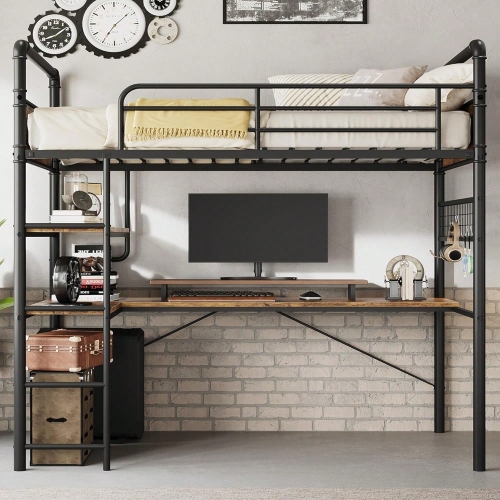
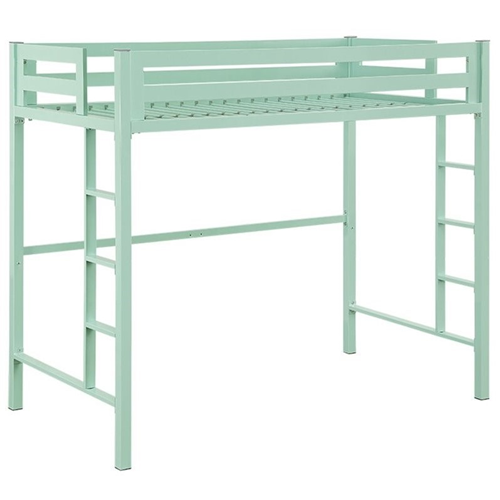
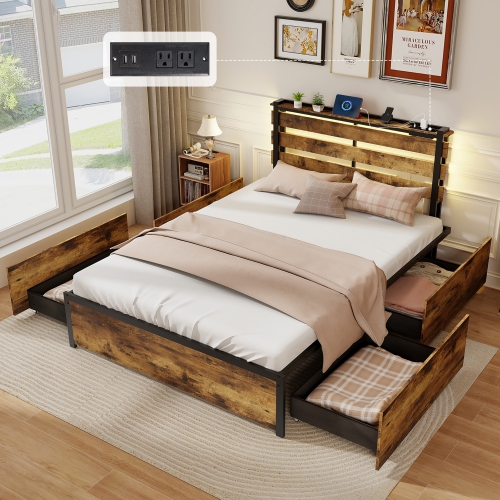
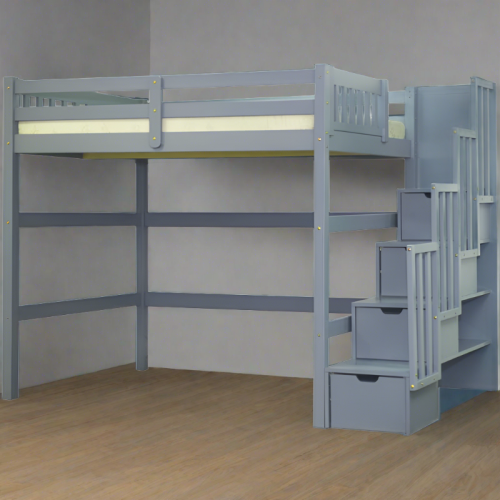
Storage beds make the area beneath the mattress useful without adding a separate chest or cabinet. Built-in drawers can hold spare sheets, folded blankets, or clothing, but their usefulness depends on clearance: a drawer beside a wall or blocked by a bedside table may not open fully. Lift-up storage beds provide access to a larger compartment beneath the mattress, which can suit a room with limited space along the sides. Their lifting mechanisms have specific mattress weight requirements and operating instructions, and bedding or stored belongings should never interfere with moving parts. An open under-bed area offers another approach, leaving room for low storage bins while keeping belongings separate from the frame itself. For a studio or a room that needs to accommodate both sleep and work, vertical layouts offer a different way to use the same floor area. The Loft Beds for Adult page focuses on raised sleeping arrangements that can leave space below for a desk, seating, or storage, depending on the design. An adult loft bed needs an explicit adult-suitable weight rating, secure access, appropriate guardrails, and enough ceiling clearance for the intended mattress and sleeper. Mattress thickness must remain within the manufacturer’s limit so the guardrails retain their intended height above the sleeping surface. Ceiling fans, light fixtures, and nearby windows also affect placement, and climbing access may not suit someone with limited mobility or balance. Conventional beds remain a practical choice where easy access, simple sheet changes, and flexibility in room layout take priority. Headboard height and shape can further influence how a bed works in daily life: a tall padded back provides a generous surface behind pillows, while a lower, open design keeps a small room visually lighter. Integrated shelves can put a book or glasses within reach, provided they do not crowd the sleeping area. Whether furnishing a first apartment, replacing a long-used frame, or preparing a welcoming room for adult guests, the most useful features are those that fit the sleeper’s routines, the mattress requirements, and the space around the bed.
Adult bed frames come in several constructions, each with a different look, feel, and support arrangement. Platform beds use a slatted or solid support surface and often hold a compatible mattress without a separate box spring, while other frames require a foundation specified by the manufacturer. Slat spacing, centre supports, and weight capacity all matter; a mattress needs the type of base its manufacturer permits, and the bed’s stated capacity should accommodate the intended load according to its specifications. Solid wood frames bring visible grain and a substantial appearance, with finishes that range from pale natural tones to deep browns. Wood can show dents or scratches with use, and joints still need sound construction and secure hardware to remain steady. Engineered wood offers a consistent surface and a range of finishes, though exposed edges and prolonged contact with moisture can be concerns. Metal frames can create an open, understated silhouette, with the strength of the assembly depending on the tubing, welds, fasteners, and support layout rather than appearance alone. Upholstered beds add texture and a padded surface behind the pillows, which can be appealing for someone who reads or sits up in bed. Woven fabrics, velvet-like finishes, and leather-look coverings each have different care needs, so the cleaning label is more useful than assumptions based on appearance. A tightly textured fabric may be easier to brush free of lint than a deep, tufted design, while seams and buttons can need extra attention during vacuuming. For lasting everyday use, secure connections and adequate mattress support are more important than decorative details. Periodic checks for loose bolts, shifted slats, or movement at the headboard can help address minor issues before they affect stability. Care is usually straightforward: a soft cloth for finished wood or metal, a suitable vacuum attachment for upholstery, and prompt attention to spills using the recommended cleaning method. Moving a frame by lifting its components as directed, rather than dragging the assembled bed across the floor, also helps protect its joints, legs, and flooring.
Storage beds make the area beneath the mattress useful without adding a separate chest or cabinet. Built-in drawers can hold spare sheets, folded blankets, or clothing, but their usefulness depends on clearance: a drawer beside a wall or blocked by a bedside table may not open fully. Lift-up storage beds provide access to a larger compartment beneath the mattress, which can suit a room with limited space along the sides. Their lifting mechanisms have specific mattress weight requirements and operating instructions, and bedding or stored belongings should never interfere with moving parts. An open under-bed area offers another approach, leaving room for low storage bins while keeping belongings separate from the frame itself. For a studio or a room that needs to accommodate both sleep and work, vertical layouts offer a different way to use the same floor area. The Loft Beds for Adult page focuses on raised sleeping arrangements that can leave space below for a desk, seating, or storage, depending on the design. An adult loft bed needs an explicit adult-suitable weight rating, secure access, appropriate guardrails, and enough ceiling clearance for the intended mattress and sleeper. Mattress thickness must remain within the manufacturer’s limit so the guardrails retain their intended height above the sleeping surface. Ceiling fans, light fixtures, and nearby windows also affect placement, and climbing access may not suit someone with limited mobility or balance. Conventional beds remain a practical choice where easy access, simple sheet changes, and flexibility in room layout take priority. Headboard height and shape can further influence how a bed works in daily life: a tall padded back provides a generous surface behind pillows, while a lower, open design keeps a small room visually lighter. Integrated shelves can put a book or glasses within reach, provided they do not crowd the sleeping area. Whether furnishing a first apartment, replacing a long-used frame, or preparing a welcoming room for adult guests, the most useful features are those that fit the sleeper’s routines, the mattress requirements, and the space around the bed.
Top selling and popular products
-
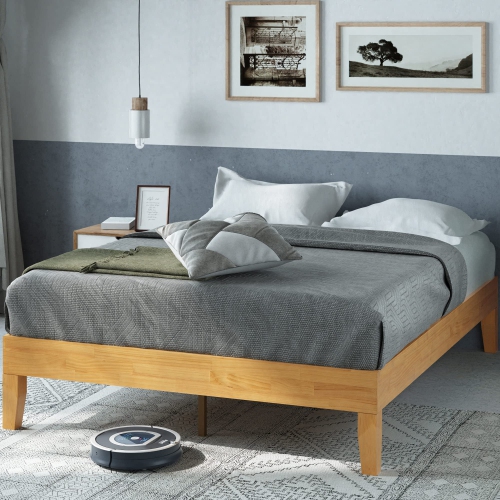 Your price for this item is $493.52
 -
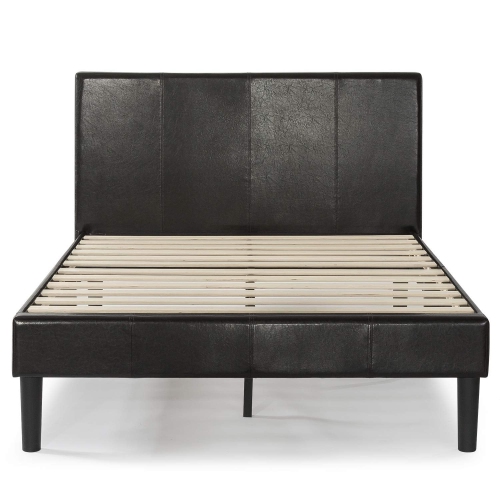 Your price for this item is $611.85
 -
 Your price for this item is $824.18
 -
 Your price for this item is $799.99
 -
 Your price for this item is $985.42
 -
 Your price for this item is $157.99
 -
 Your price for this item is $862.99
 -
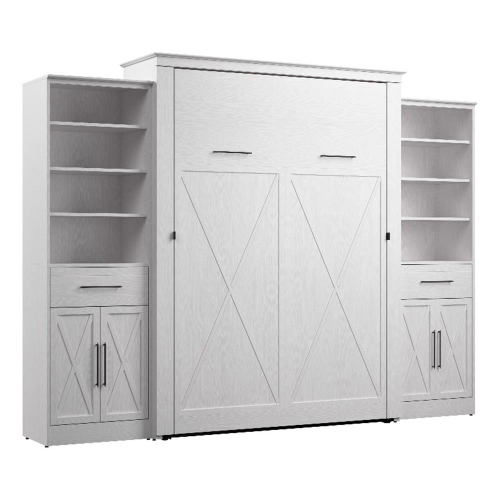 Your price for this item is $3519.99
Discover more categories related to Beds for Adults
Top Collections:
Pokemon Centers, Kindle Devices, Best Budget Office Chairs, Apple iPhones 16, Best Laptops for Writers, iPhone 15 Apple, Canon G7X Cameras, Refurbished Apple Laptops, Alarm Clock, Motorola Razr Phones
Some products may be subject to Environmental Handling Fees
(EHF) depending on your province.
Learn more about EHFs.