Beige Sun Lounger Cushions
Elevate your outdoor relaxation with Beige Sun Lounger Cushions, designed to add comfort and style to any patio or poolside setting. The timeless beige color effortlessly complements a variety of outdoor décor themes, creating a warm and inviting atmosphere. Whether you're looking to refresh your current setup or complete a new lounge arrangement, these cushions offer an easy way to enhance both the look and feel of your outdoor space. Discover options that fit different lounger styles and sizes, making it simple to find the perfect match for your needs.
Sort
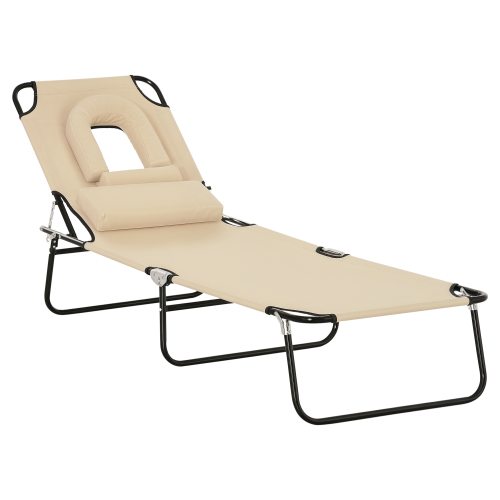
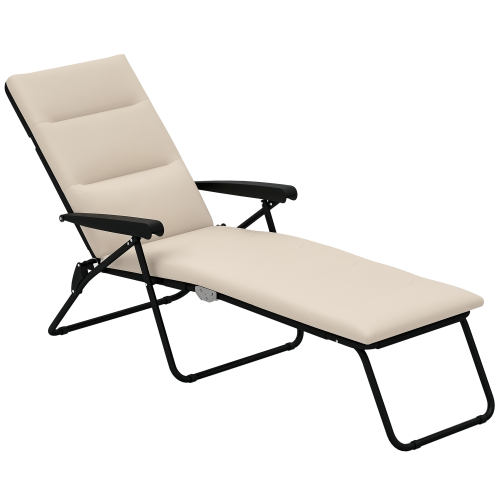
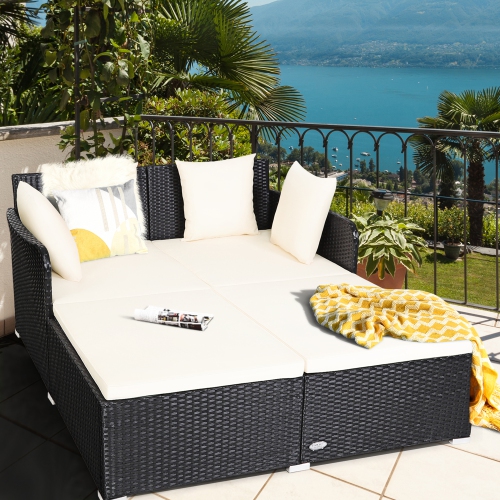
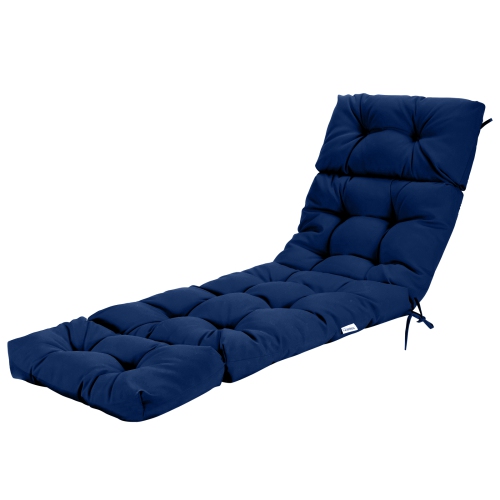
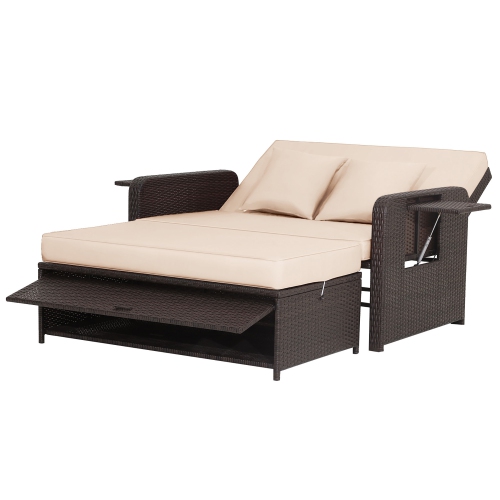
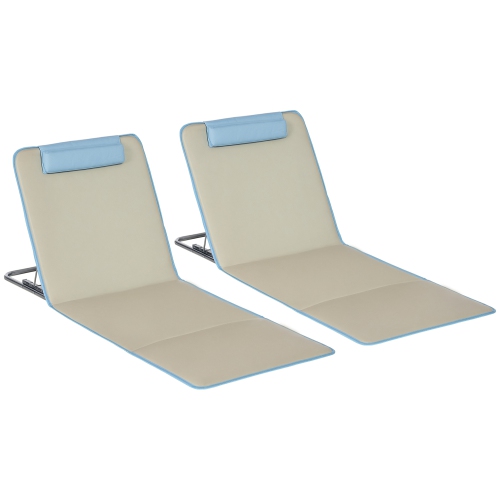
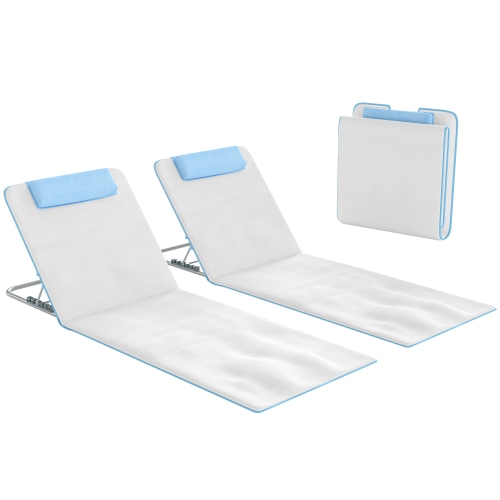
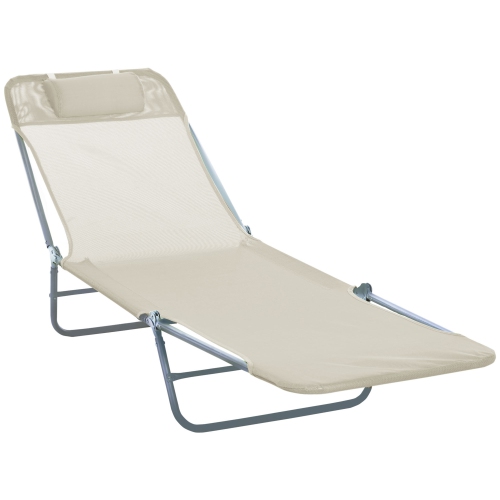
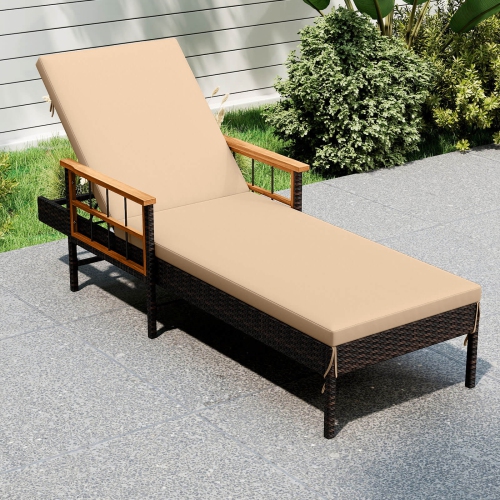
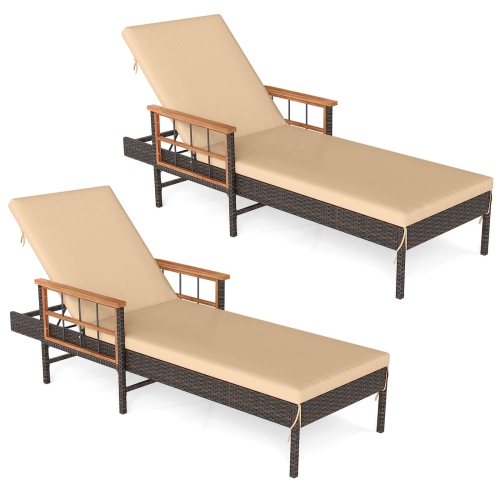
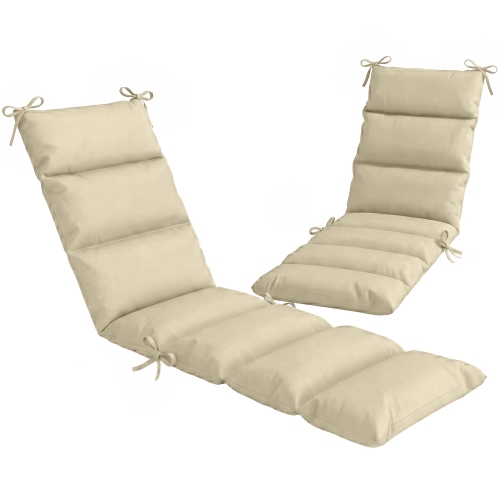
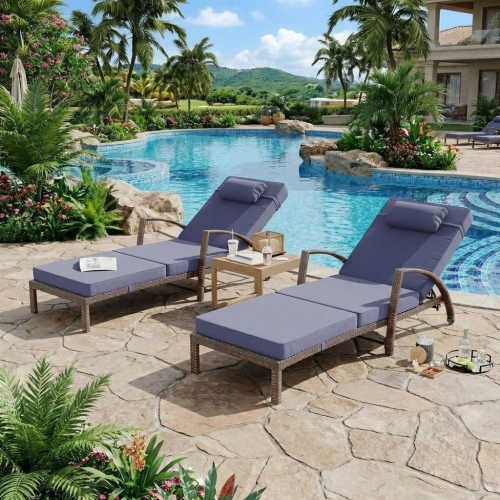
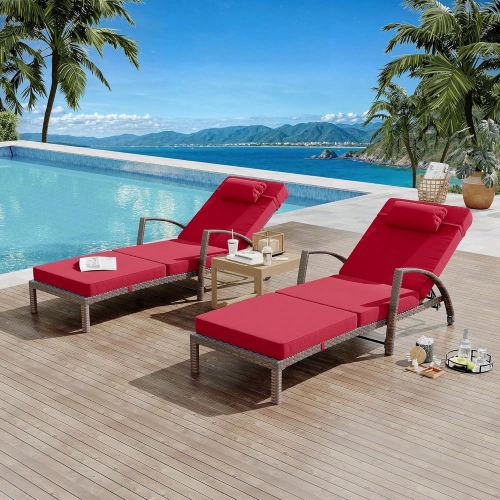
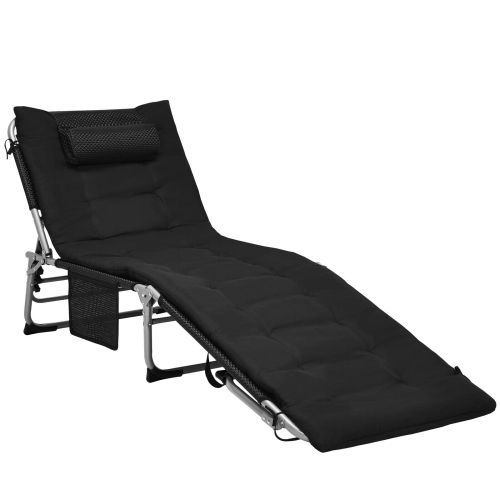
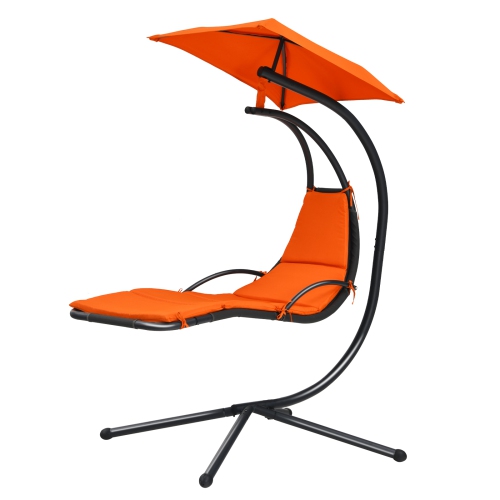
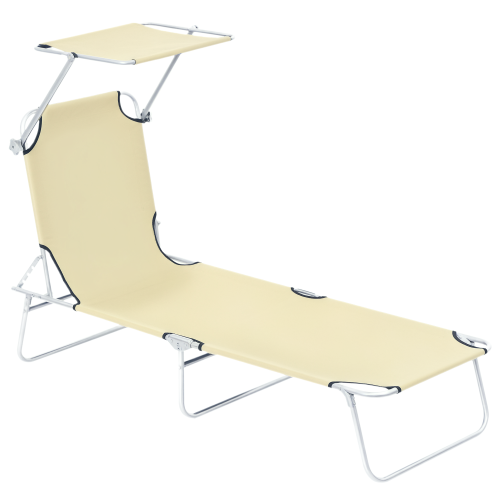
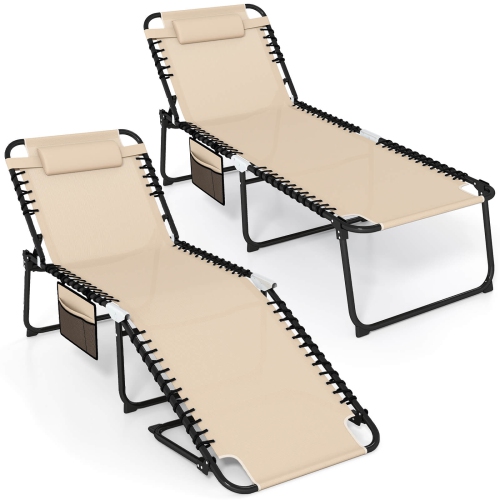
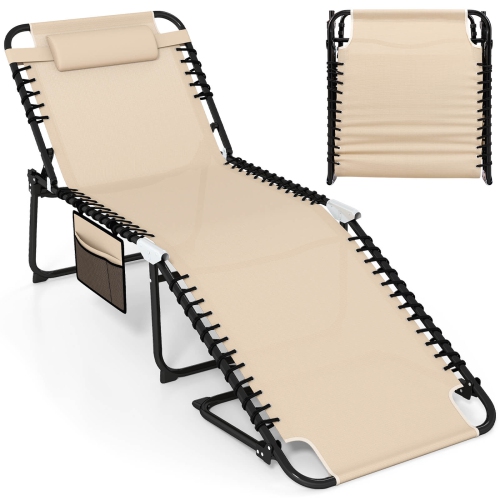
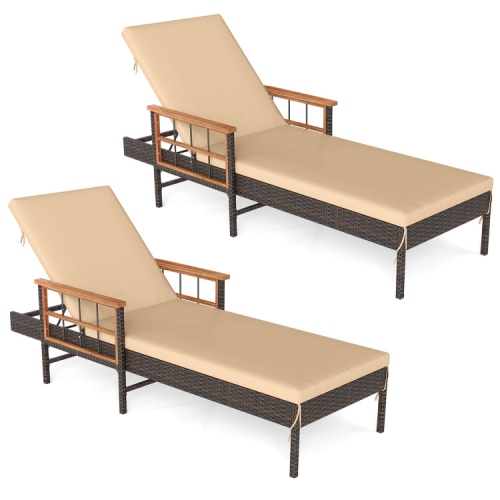
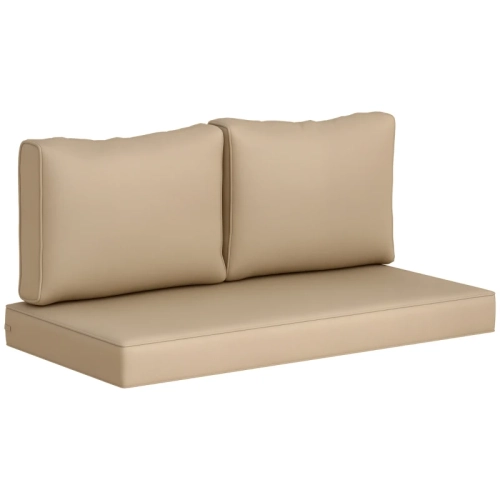
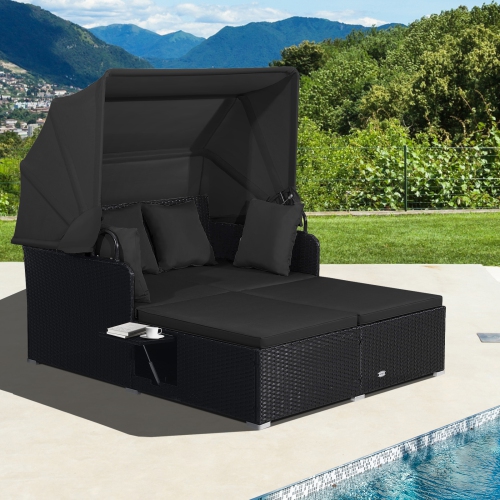
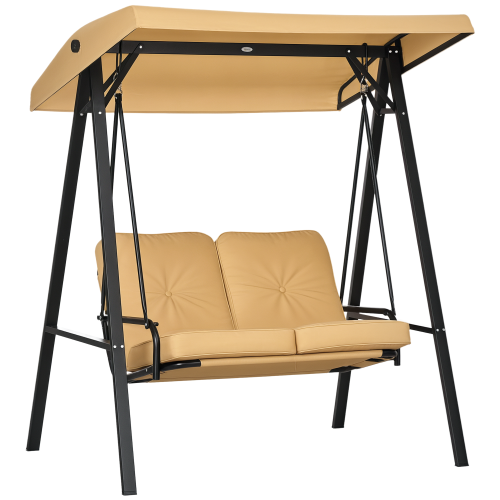
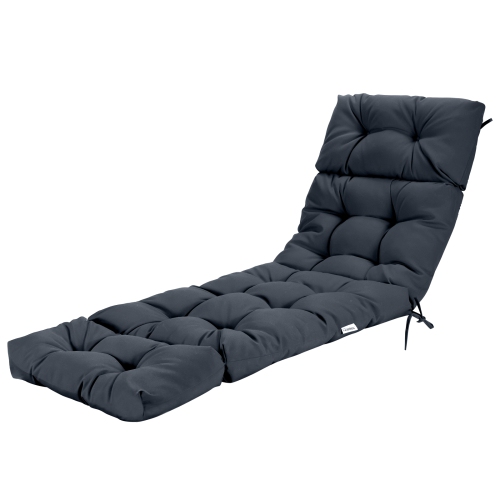
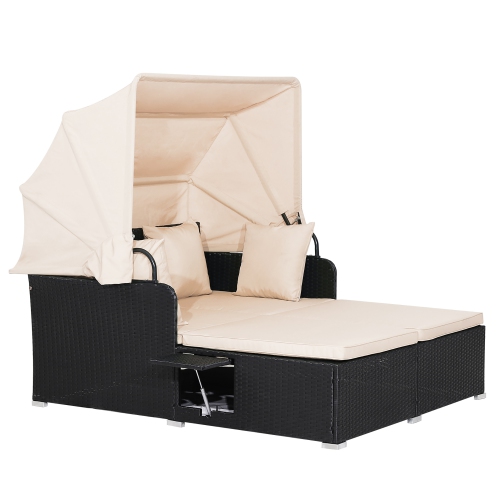
Soft neutral tones meet full-length lounging comfort
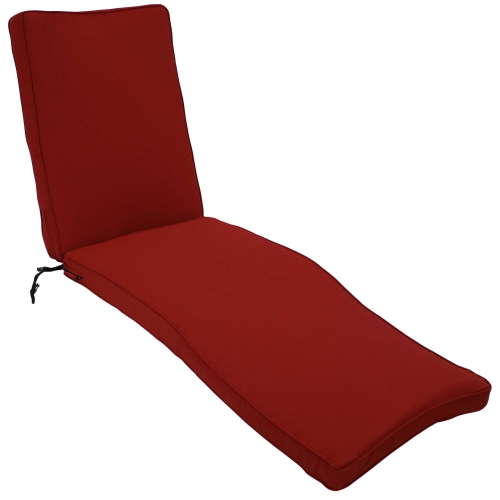
Beige sun lounger cushions add a padded layer to outdoor chaise lounges while giving a patio, deck, or poolside seating area a soft, neutral finish. Their elongated shape supports the body from the backrest through the seat and leg section, making them suited to stretching out with a book, listening to music, or taking a quiet break outdoors. Beige can range from pale oatmeal and sandy cream to warmer tan or muted stone, so the colour can look quite different against honey-toned wood, dark metal, or woven furniture. A subtly textured fabric adds depth without a strong pattern, while a smooth weave creates a cleaner, more understated appearance. These shades pair naturally with white towels, terracotta planters, navy accessories, and timber finishes, allowing the cushion to sit comfortably alongside existing patio furnishings. For a coordinated seating area that includes chairs or benches as well as loungers, Beige Outdoor Furniture Cushions can help carry the same neutral palette across different furniture shapes. Comfort depends on more than thickness alone: the filling, the firmness of the support beneath it, and the placement of folds all affect how a cushion feels during use. A slim pad may be enough to soften a closely woven lounger, whereas a frame with widely spaced slats may feel better with a more substantial layer of padding. Firmer foam generally gives a steadier surface, while soft fibre filling tends to have a more yielding feel. Someone who spends time sitting upright to read may value back support differently from someone who prefers to recline fully. For households with several loungers, matching cushions give the space a consistent look, although the dimensions still need to suit each frame. Beige also offers a useful middle ground visually: it is lighter than charcoal or brown without the crisp contrast of bright white, creating an inviting place to settle in without dominating the surrounding furniture.
The right fit starts with the usable lounging surface rather than the overall outside dimensions of the chair. Length and width matter, but so do the separate measurements of the backrest and the seat-to-foot section, especially on an adjustable chaise. A cushion fold that lines up with the chair’s hinge allows the padding to follow changes in position more naturally; a poorly placed fold can bunch behind the hips or pull the lower section upward when the backrest rises. Rounded corners, tapered frames, raised edges, and armrests can also affect how neatly a rectangular cushion sits. A little variation in size may be manageable, but excessive overhang can leave the edges unsupported, while a cushion that is too narrow exposes the frame along the sides. Attachment details are equally practical. Ties, straps, or an elastic back band, where included, help limit shifting as someone sits down or adjusts the recline. Their position needs to correspond with a secure point on the lounger, without crossing moving joints or interfering with the adjustment mechanism. Fabric and filling determine how the cushion handles everyday outdoor use. Polyester, acrylic, and olefin are among the materials used in outdoor cushion covers, with performance varying according to the weave, finish, and construction. Water-resistant fabric can help shed a light splash, but it does not necessarily prevent moisture from entering through seams or zips. A waterproof claim should be checked carefully to understand whether it applies to the cover material or the complete cushion. Similarly, resistance to fading does not mean a cushion can stay in direct sunlight indefinitely without a change in appearance. Breathable fabrics and fillings designed to release moisture can be useful where cushions may encounter damp towels or passing showers, though drying time still depends on thickness, airflow, and weather. Removable covers make some cleaning tasks easier, but a zip alone does not establish that a cover is machine washable. The stated care instructions remain the best reference for washing methods, drying temperatures, and whether the inner pad can be cleaned separately.
Day-to-day care makes a noticeable difference to the feel and appearance of beige sun lounger cushions. Light neutral fabric can show muddy paw marks, spilled drinks, sunscreen, and food residue, particularly on the edges where hands rest or feet brush past. Regularly brushing away loose dirt with a soft brush keeps grit from settling into the weave, and prompt attention to spills helps prevent a small mark from spreading. For fabrics that permit spot cleaning, a mild soap solution and gentle blotting are often more suitable than vigorous scrubbing; testing an inconspicuous area first helps check for a colour change. Thorough rinsing, when allowed, prevents soap residue from remaining in the fabric, and the cushion should dry completely before being used again or put away. Machine-washable covers require attention to their individual instructions, since hot water or high drying heat may affect the fit or finish. Tufting, piping, and seams give a cushion shape and definition, but they can also hold crumbs or moisture, making those details worth checking during routine cleaning. During the cooler months, dry indoor storage is generally a better choice than leaving cushions exposed to repeated rain, frost, or snow. A sheltered patio may reduce direct exposure without keeping wind-driven moisture away, and placing damp cushions in a closed storage box can trap that moisture. Folding cushions along their intended joints, rather than forcing a thick pad into a tight space, helps preserve their shape. Where the design allows, occasional turning or rotation can distribute wear across the lounging surface. These practical details matter for anyone furnishing a compact balcony, refreshing a backyard seating area, or replacing flattened padding on a well-used chaise. Beige lounger cushions can also make a thoughtful gift for someone who enjoys time outdoors, provided the chair measurements and preferred cushion firmness are known. With a suitable fit, an appropriate outdoor fabric, and manageable care requirements, they bring both comfort and a composed, welcoming appearance to a favourite place to unwind.
The right fit starts with the usable lounging surface rather than the overall outside dimensions of the chair. Length and width matter, but so do the separate measurements of the backrest and the seat-to-foot section, especially on an adjustable chaise. A cushion fold that lines up with the chair’s hinge allows the padding to follow changes in position more naturally; a poorly placed fold can bunch behind the hips or pull the lower section upward when the backrest rises. Rounded corners, tapered frames, raised edges, and armrests can also affect how neatly a rectangular cushion sits. A little variation in size may be manageable, but excessive overhang can leave the edges unsupported, while a cushion that is too narrow exposes the frame along the sides. Attachment details are equally practical. Ties, straps, or an elastic back band, where included, help limit shifting as someone sits down or adjusts the recline. Their position needs to correspond with a secure point on the lounger, without crossing moving joints or interfering with the adjustment mechanism. Fabric and filling determine how the cushion handles everyday outdoor use. Polyester, acrylic, and olefin are among the materials used in outdoor cushion covers, with performance varying according to the weave, finish, and construction. Water-resistant fabric can help shed a light splash, but it does not necessarily prevent moisture from entering through seams or zips. A waterproof claim should be checked carefully to understand whether it applies to the cover material or the complete cushion. Similarly, resistance to fading does not mean a cushion can stay in direct sunlight indefinitely without a change in appearance. Breathable fabrics and fillings designed to release moisture can be useful where cushions may encounter damp towels or passing showers, though drying time still depends on thickness, airflow, and weather. Removable covers make some cleaning tasks easier, but a zip alone does not establish that a cover is machine washable. The stated care instructions remain the best reference for washing methods, drying temperatures, and whether the inner pad can be cleaned separately.
Day-to-day care makes a noticeable difference to the feel and appearance of beige sun lounger cushions. Light neutral fabric can show muddy paw marks, spilled drinks, sunscreen, and food residue, particularly on the edges where hands rest or feet brush past. Regularly brushing away loose dirt with a soft brush keeps grit from settling into the weave, and prompt attention to spills helps prevent a small mark from spreading. For fabrics that permit spot cleaning, a mild soap solution and gentle blotting are often more suitable than vigorous scrubbing; testing an inconspicuous area first helps check for a colour change. Thorough rinsing, when allowed, prevents soap residue from remaining in the fabric, and the cushion should dry completely before being used again or put away. Machine-washable covers require attention to their individual instructions, since hot water or high drying heat may affect the fit or finish. Tufting, piping, and seams give a cushion shape and definition, but they can also hold crumbs or moisture, making those details worth checking during routine cleaning. During the cooler months, dry indoor storage is generally a better choice than leaving cushions exposed to repeated rain, frost, or snow. A sheltered patio may reduce direct exposure without keeping wind-driven moisture away, and placing damp cushions in a closed storage box can trap that moisture. Folding cushions along their intended joints, rather than forcing a thick pad into a tight space, helps preserve their shape. Where the design allows, occasional turning or rotation can distribute wear across the lounging surface. These practical details matter for anyone furnishing a compact balcony, refreshing a backyard seating area, or replacing flattened padding on a well-used chaise. Beige lounger cushions can also make a thoughtful gift for someone who enjoys time outdoors, provided the chair measurements and preferred cushion firmness are known. With a suitable fit, an appropriate outdoor fabric, and manageable care requirements, they bring both comfort and a composed, welcoming appearance to a favourite place to unwind.
Top selling and popular products
-
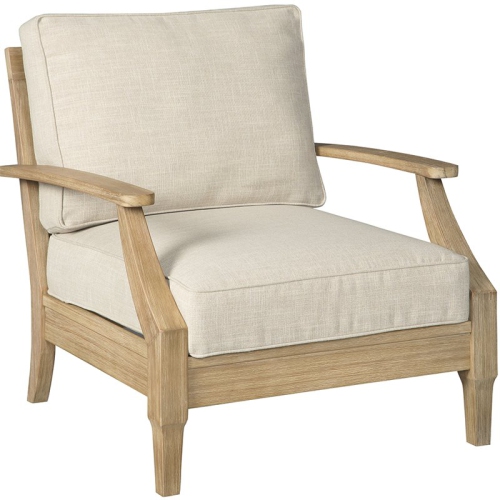 Your price for this item is $1227.67
 -
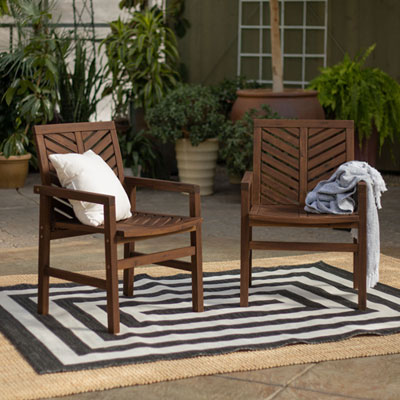 Your price for this item is $604.99
 -
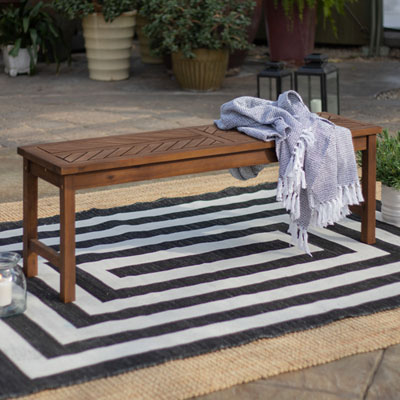 Your price for this item is $371.99
 -
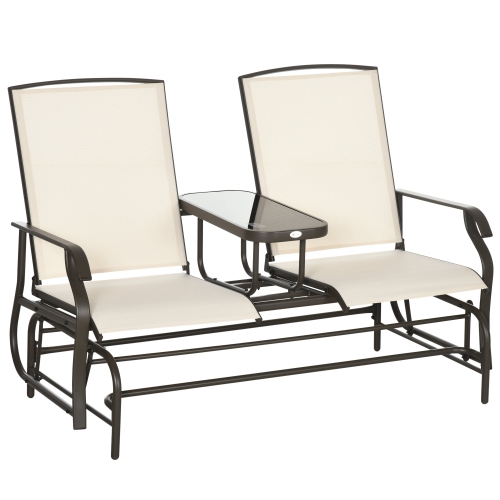 Your price for this item is $189.99
 -
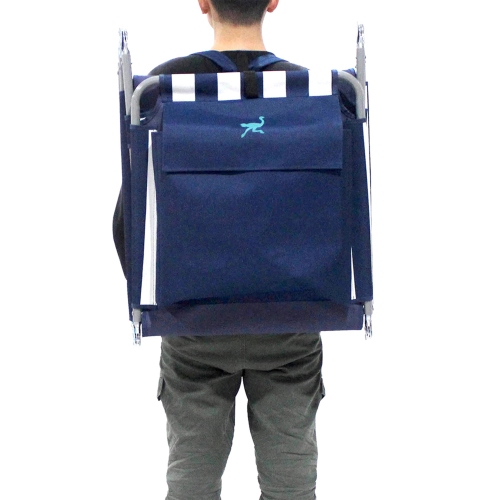 Your price for this item is $204.99
 -
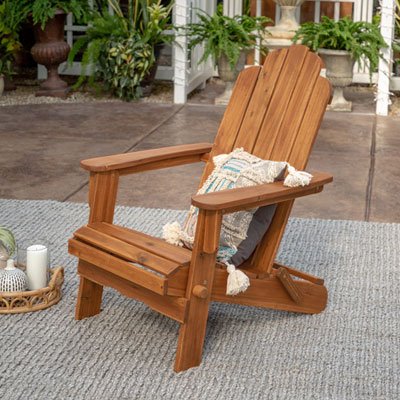 Your price for this item is $461.99
 -
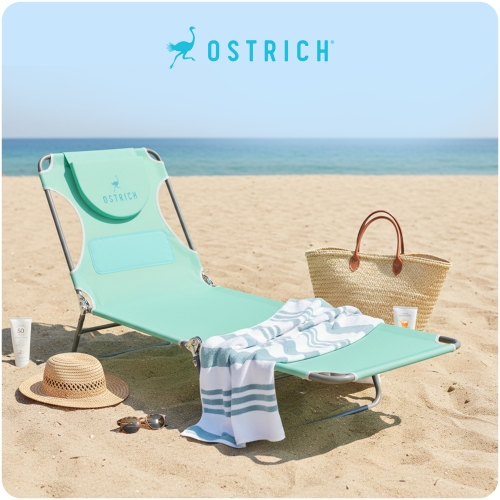 Your price for this item is $170.99
 -
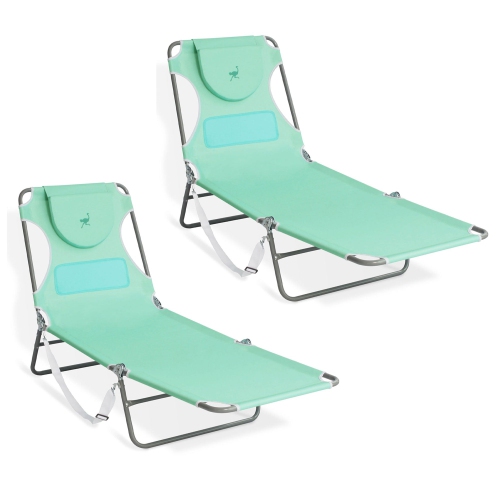 Your price for this item is $392.99
Discover more categories related to Beige Sun Lounger Cushions
Top Collections:
Pokemon Centers, Kindle Devices, Best Budget Office Chairs, Apple iPhones 16, Best Laptops for Writers, iPhone 15 Apple, Canon G7X Cameras, Refurbished Apple Laptops, Alarm Clock, Motorola Razr Phones
Some products may be subject to Environmental Handling Fees
(EHF) depending on your province.
Learn more about EHFs.