Beverage Carts
Enhance your hosting game with this collection of versatile beverage carts, designed to elevate your entertaining experience. Whether you're hosting a cocktail party, brunch, or dinner gathering, these stylish and functional carts provide the perfect solution for serving drinks and snacks with ease. From sleek modern designs to classic and rustic styles, this range of beverage carts offers something for every home decor aesthetic.
Sort
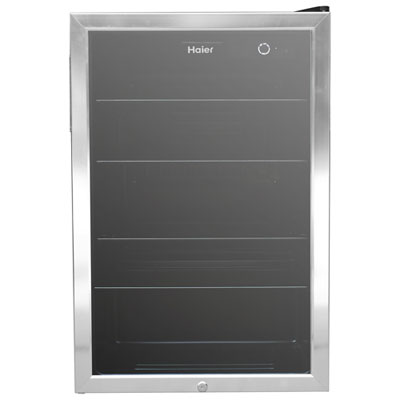
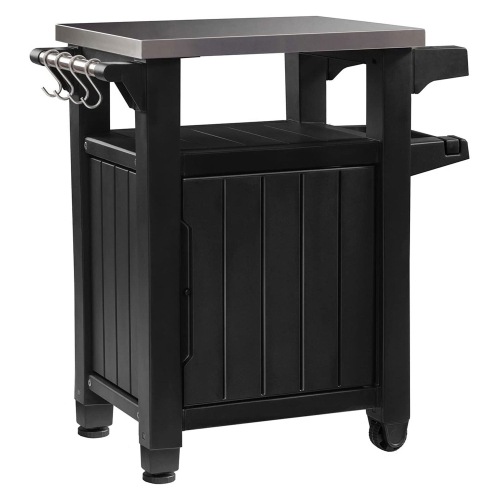
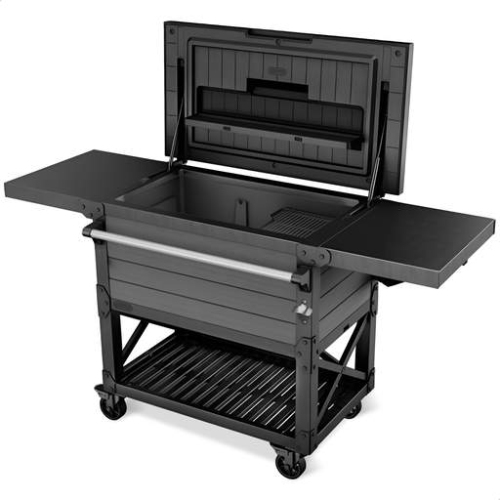
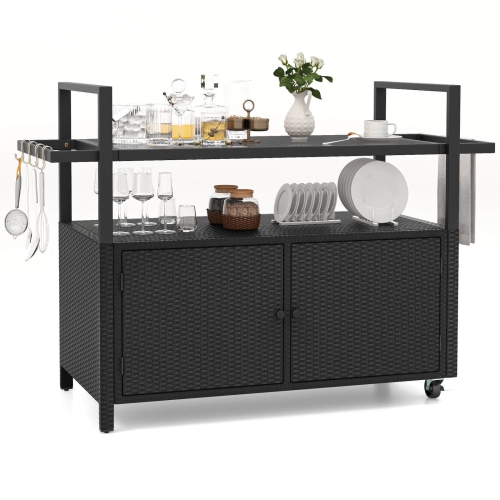
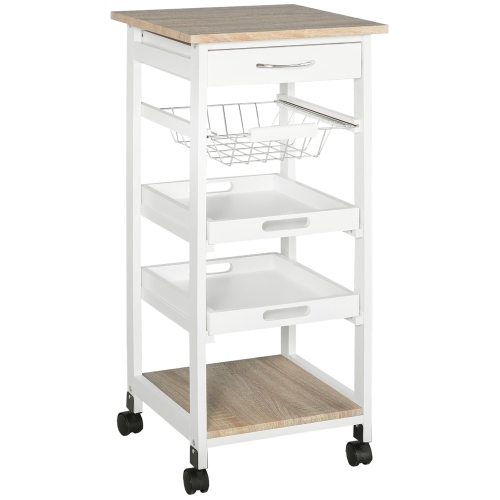
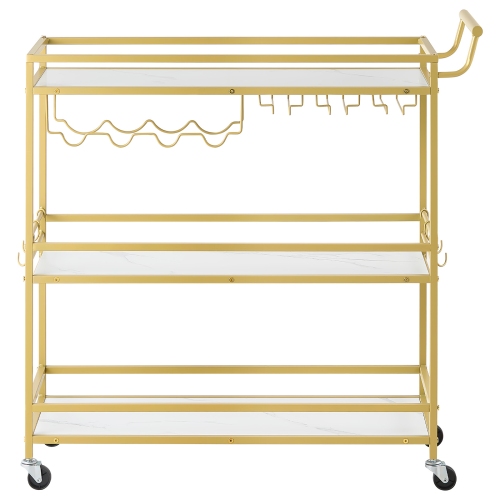
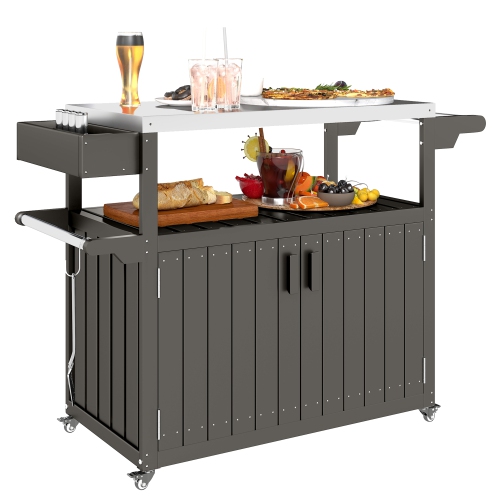

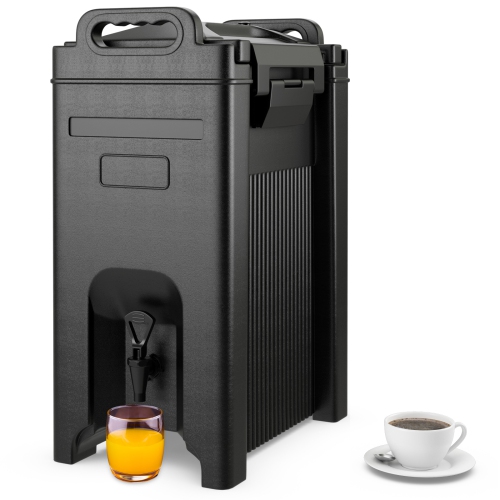
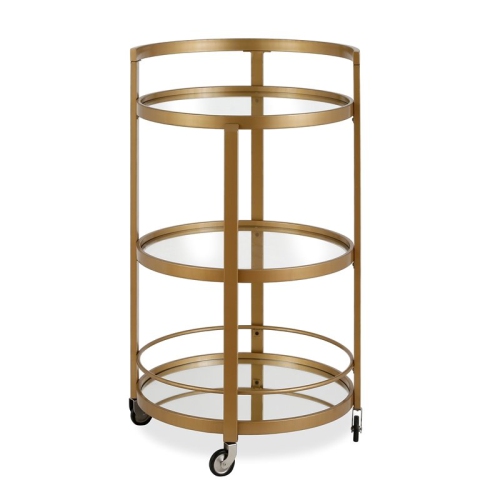
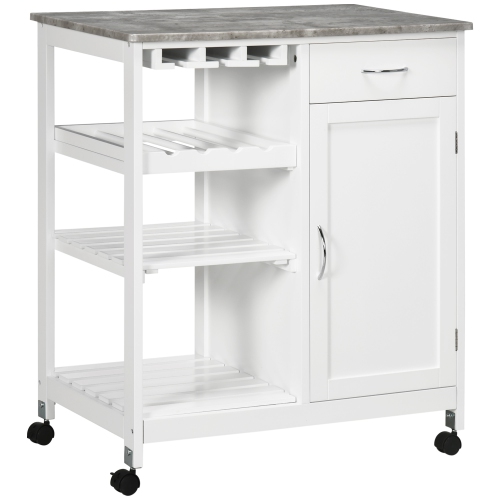
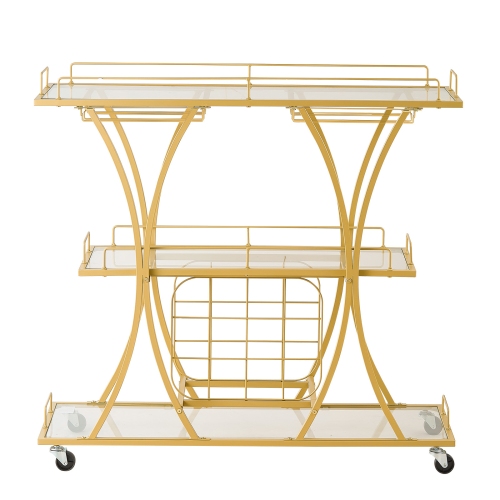
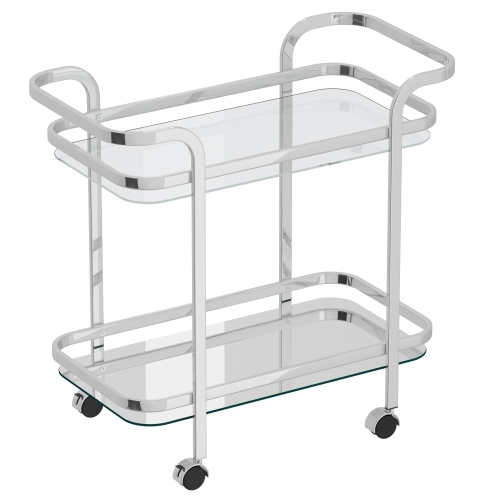

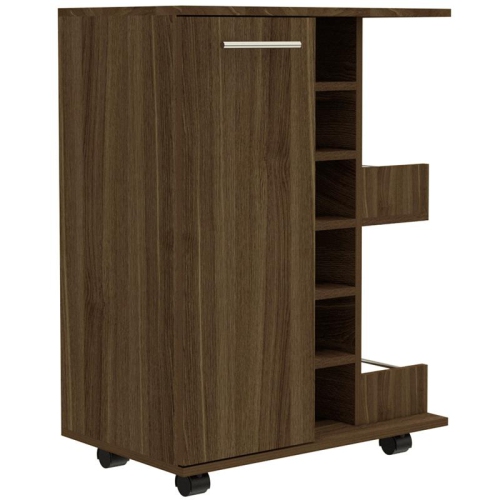
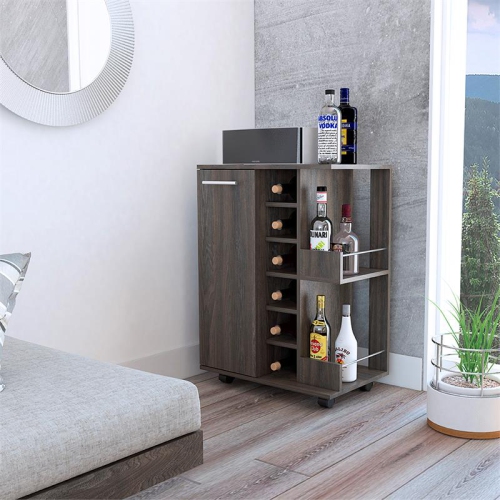
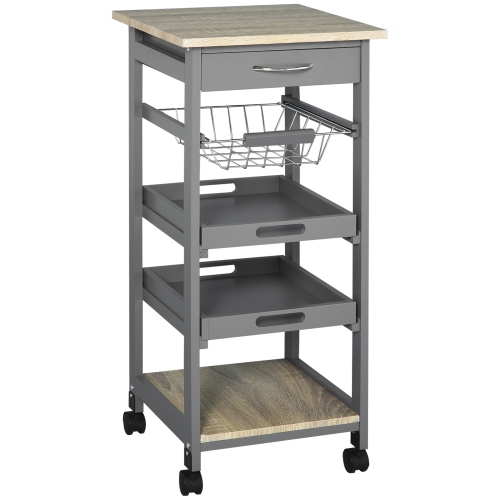
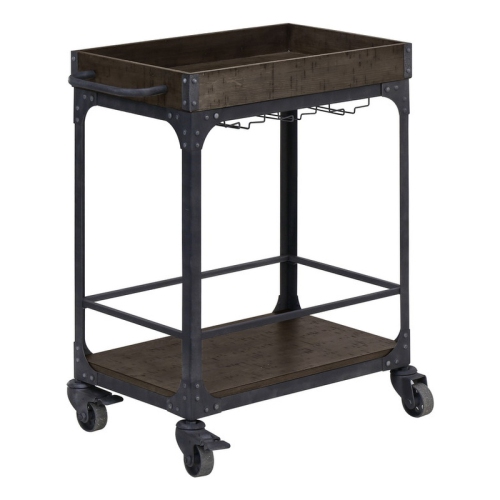
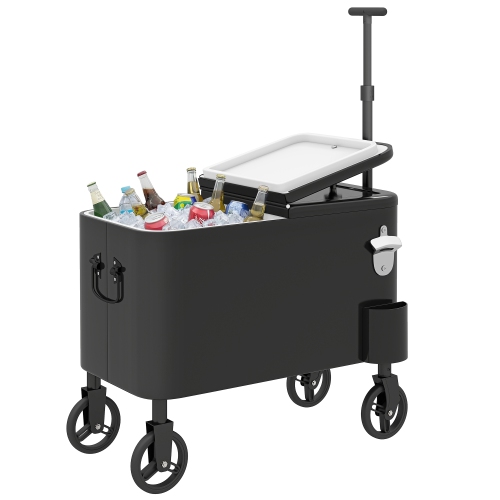
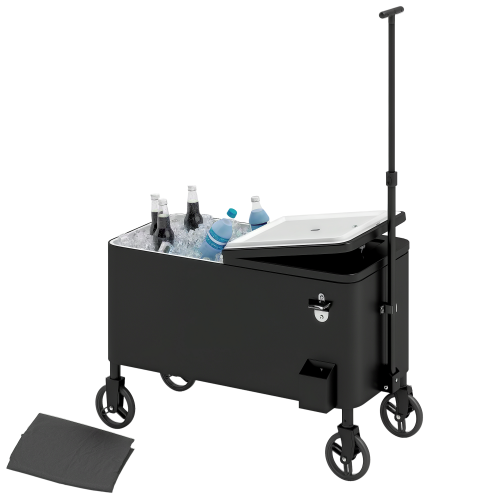

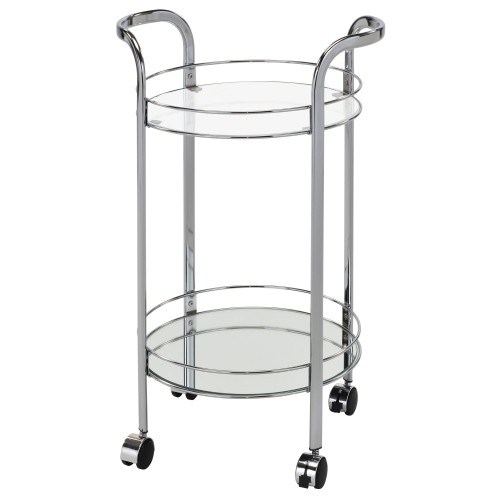
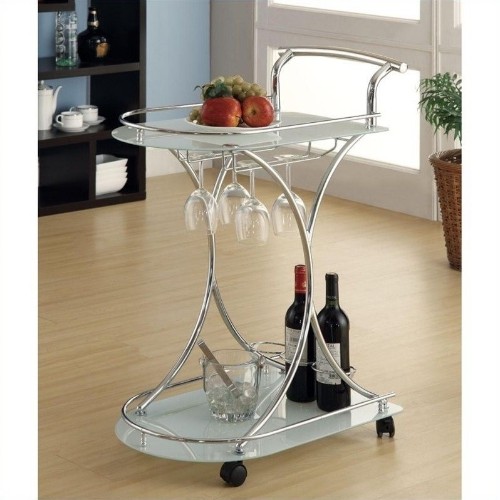
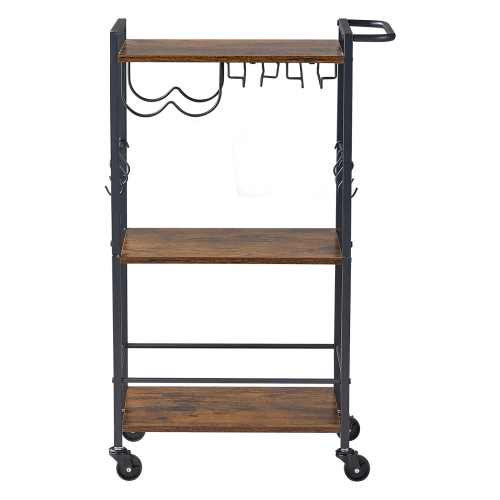
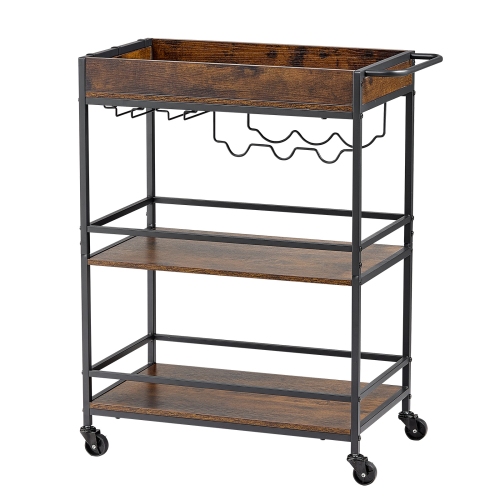
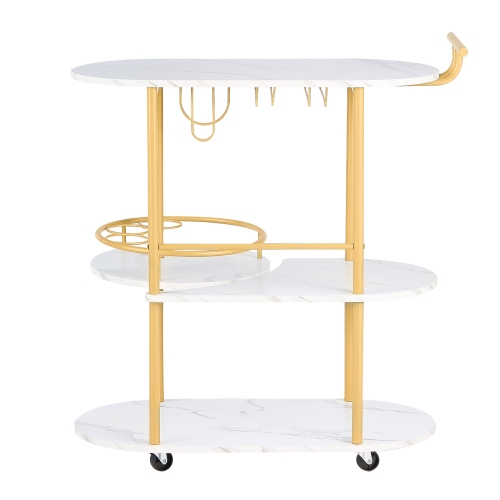
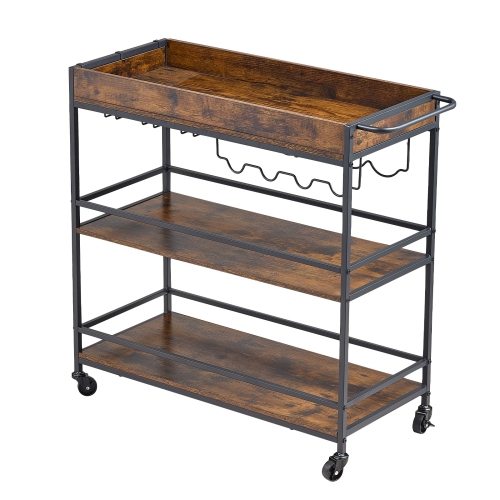



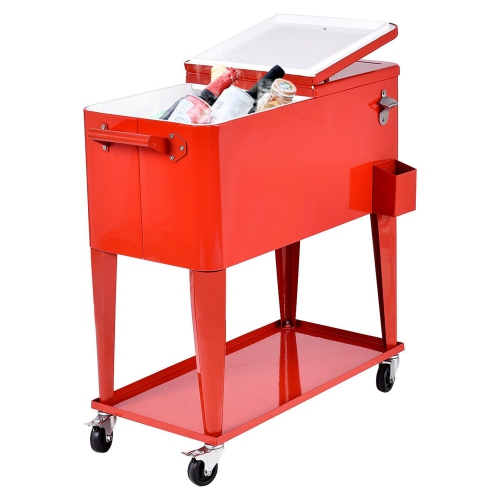

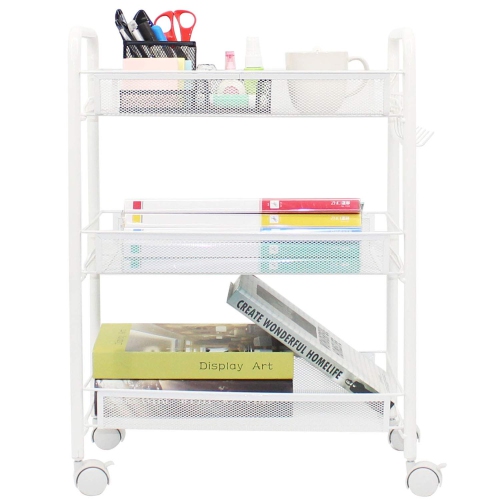
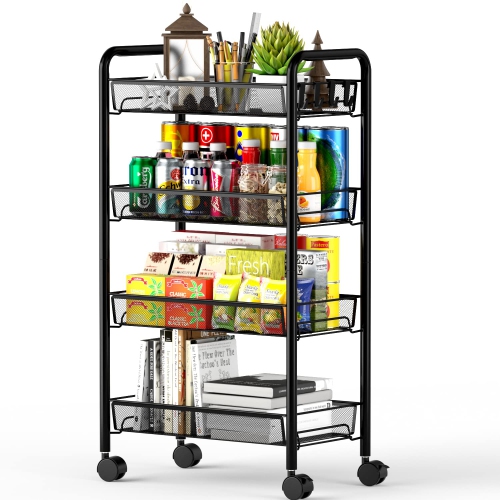
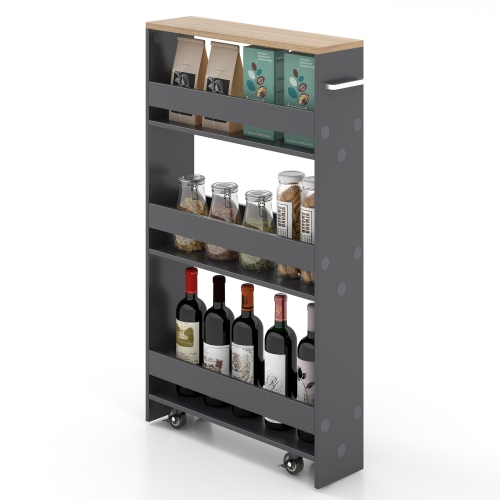
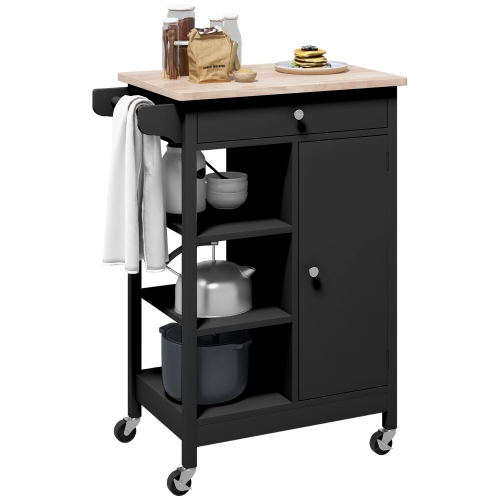
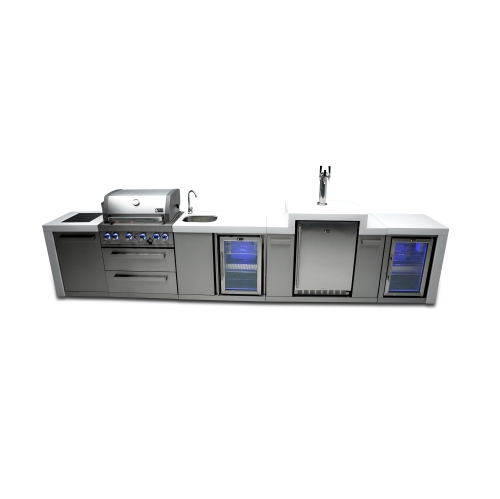
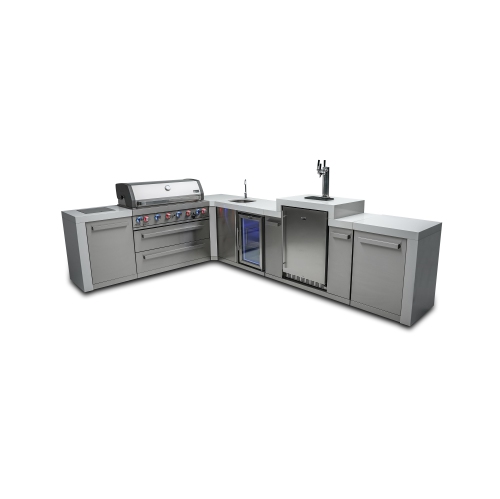
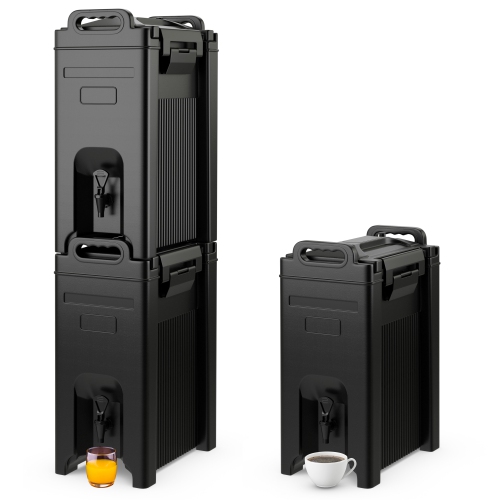
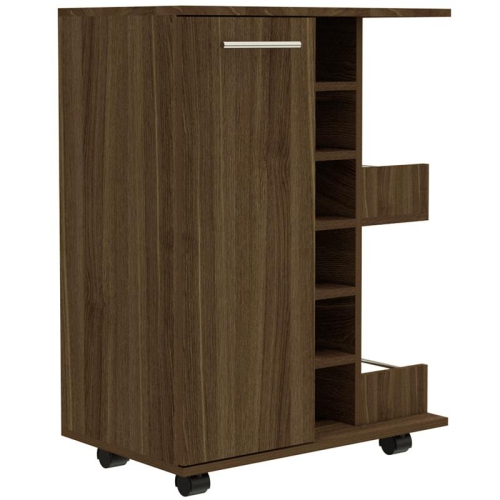
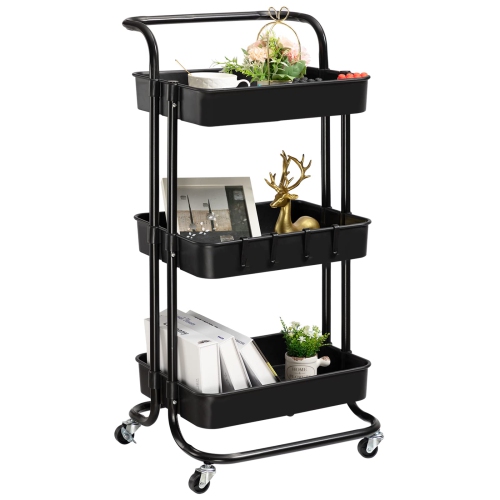
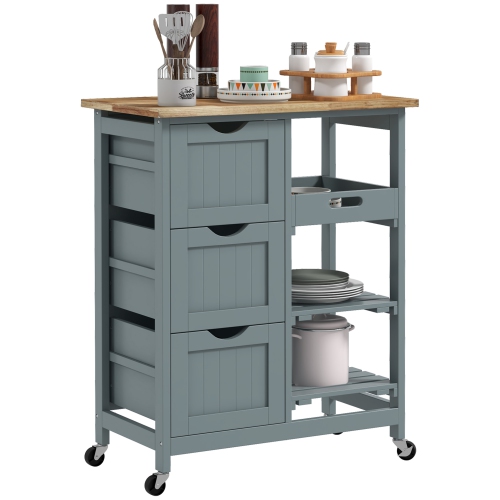
Everyday drink storage with room to serve
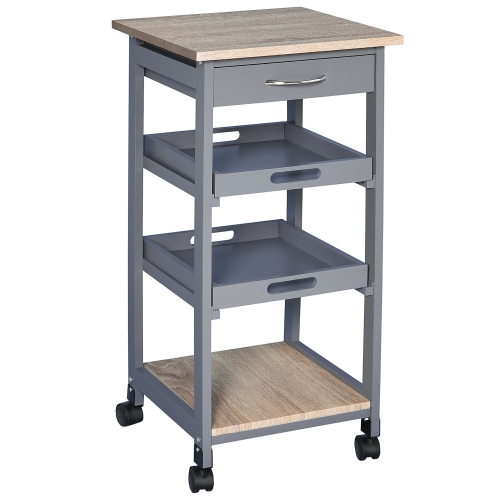
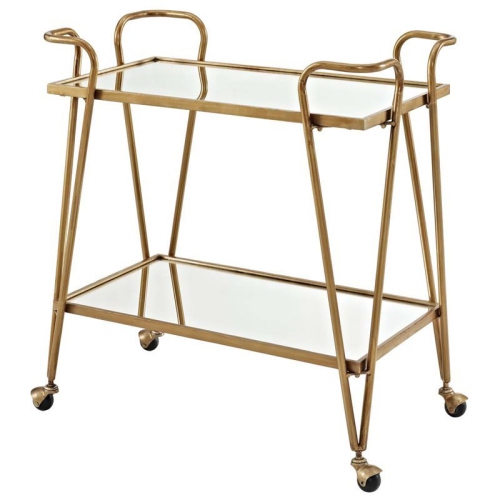
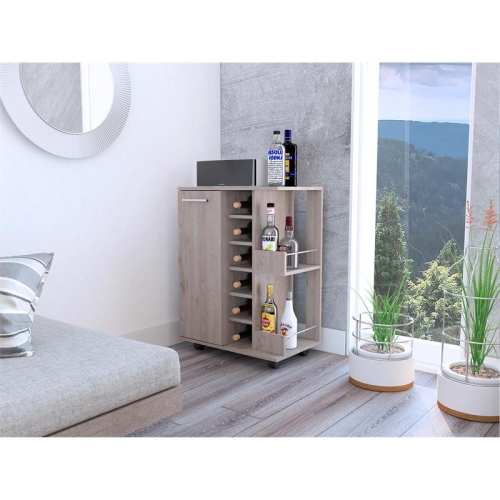
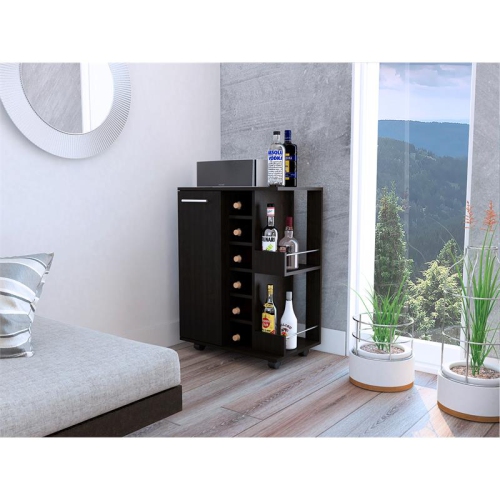
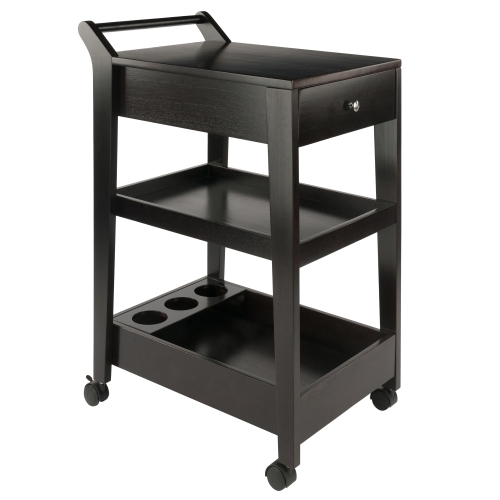
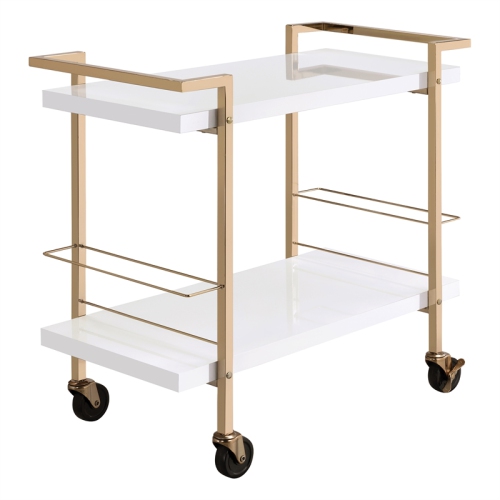
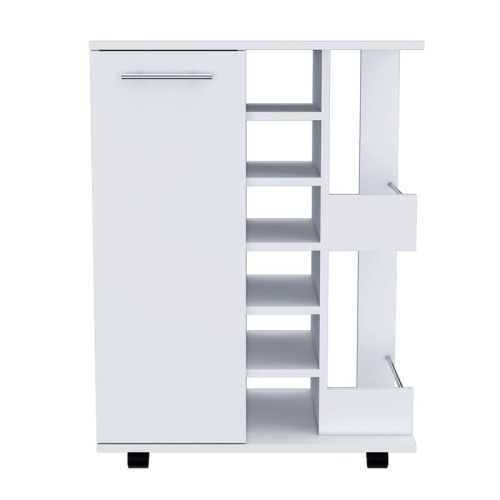
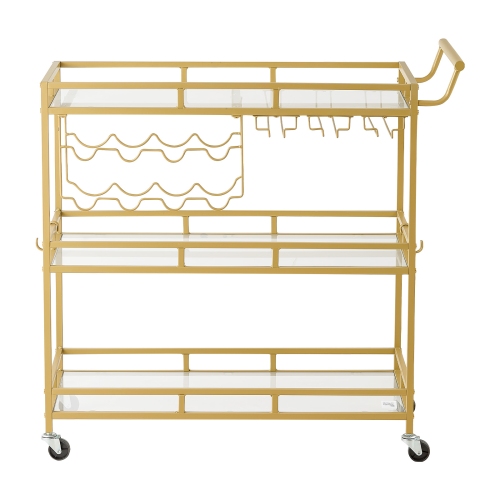
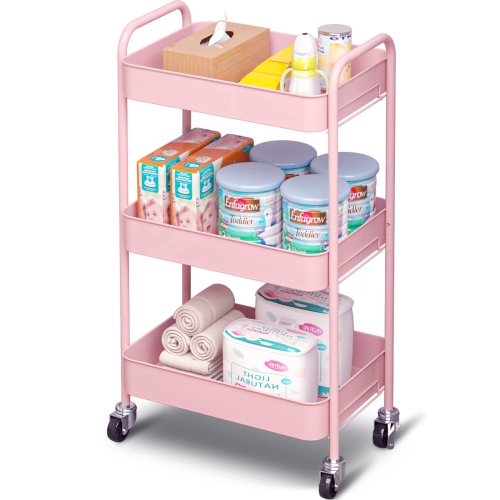
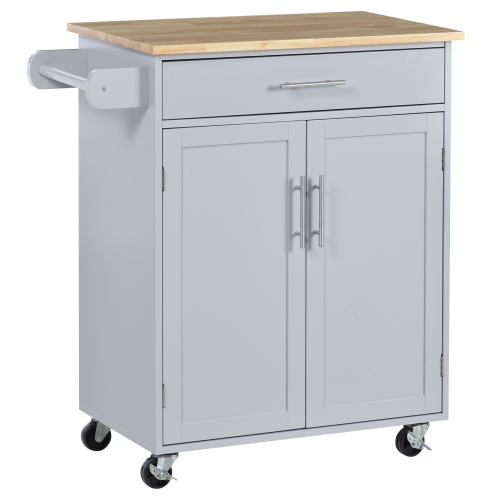
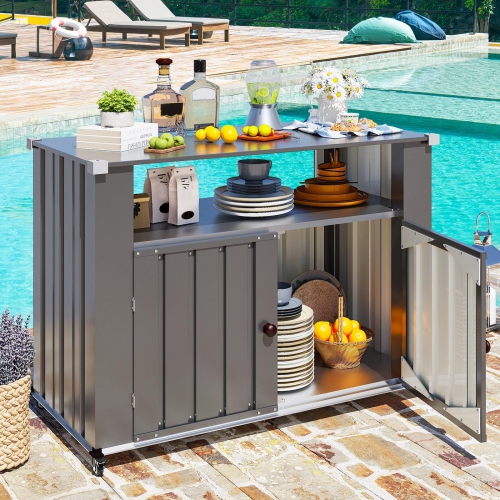
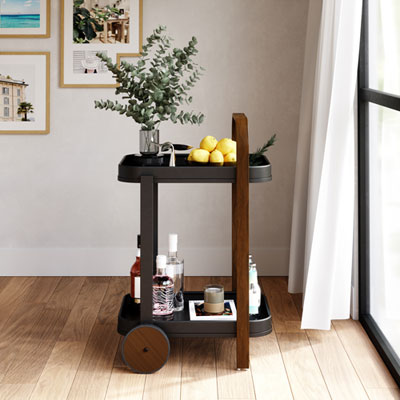
Beverage carts are movable storage and serving furniture designed to keep drinks, glassware, and serving accessories together. In a home, they can function as a small refreshment station, a coffee and tea corner, or an extension of a dining room sideboard. The term also describes motorized drink-service vehicles used on golf courses and at large venues, but household beverage carts serve a different purpose: bringing organized storage and a convenient serving surface into everyday living spaces. Most home designs have an open frame, two or more shelves, and wheels, while some add drawers, bottle racks, hanging stemware holders, or a handle for moving between rooms. Beverage carts and Bar Carts often overlap in design, although a beverage cart can be arranged entirely around coffee, sparkling water, juice, or other alcohol-free drinks. A narrow cart beside a dining table might hold a water pitcher and tumblers, leaving the table clear for shared dishes. In a living room, a broader design can keep glasses and serving trays within reach without taking up the space of a full cabinet. For an apartment with limited counter space, a cart can give drink preparation its own place rather than spreading mugs, tea tins, and accessories across the kitchen. Its appearance matters as much as its storage capacity when it remains in view. Slim metal frames and clear shelves create a light, open look, while wood surfaces bring visual warmth and can sit comfortably alongside a dining set or bookcase. Curved handles, textured panels, and contrasting finishes give this practical piece of furniture a more distinctive presence. Beverage carts can also make thoughtful housewarming or wedding gifts for people who enjoy hosting, especially when the footprint and finish suit their home. Their usefulness is not limited to parties; a well-proportioned cart can earn its place through daily routines, from breakfast drinks to a quiet cup of tea after dinner.
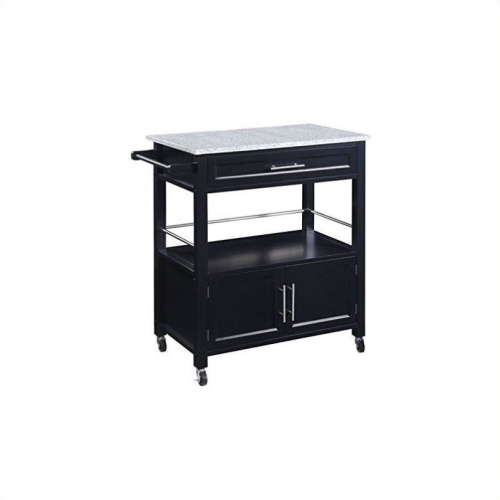
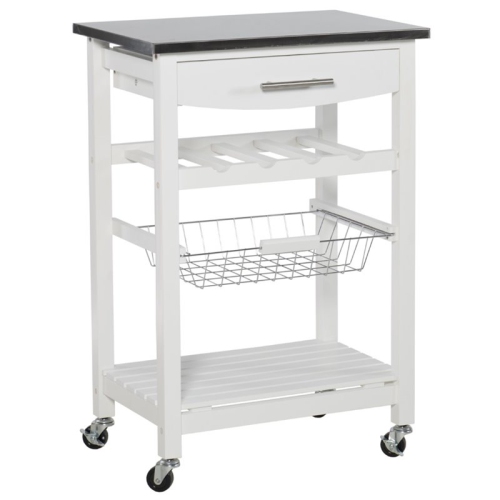
Materials influence a beverage cart’s weight, upkeep, and suitability for its intended use. Solid wood can offer a substantial feel and visible grain, but its finish needs protection from spills and standing moisture. Engineered wood can provide a consistent surface and a wide range of finishes; exposed edges and joints deserve particular care because liquid can cause swelling in some constructions. Metal frames can support an airy profile, although stability depends on the frame design, connections, and stated load limits rather than the material alone. Painted and plated finishes may scratch if bottles or trays are dragged across them. Stainless steel surfaces are often straightforward to wipe clean, with fingerprints and water marks more noticeable on some finishes than others. Glass shelves keep the contents visible and help a compact room feel less crowded, but they still require careful handling and attention to their weight ratings. Stone tops add visual substance and considerable weight, and some types need protection from acidic drinks and staining. Beyond the finish, the cart’s proportions determine how naturally it fits into a room. Overall width and depth should account for handles, projecting racks, and wheels, not just the top shelf. A cart that fits neatly against a wall still needs enough clearance for people to walk past and pull out nearby chairs. Shelf spacing is equally important: tall bottles, a carafe, or a stack of mugs may need more vertical room than the exterior dimensions suggest. Stemware racks should suit the base and bowl shape of the glasses they hold, while bottle compartments need to fit the intended containers. Raised edges and shelf rails can help keep contents contained during gentle movement, though they do not make unsecured glassware safe over bumps. Enclosed compartments offer a tidier appearance for small accessories; open shelves make frequently used pieces easier to reach. The most useful layout balances storage with an uncluttered top, leaving enough room to pour a drink without first moving half the contents.
How a beverage cart will be used helps determine which details matter most. A cart that usually stays beside a sofa has different demands from one moved regularly between a kitchen and dining area. For frequent movement, securely attached handles, smooth-rolling casters, and accessible wheel locks are valuable features. Larger wheels may handle minor floor transitions more easily than very small ones, but caster suitability varies with flooring and construction. Rugs, doorway thresholds, and uneven surfaces can interrupt movement, making a lightly loaded cart easier to manage than one filled to every shelf. Heavier bottles and serving pieces generally belong on lower shelves to help keep the load balanced, within both the individual shelf limits and the cart’s total capacity. Wheel locks can reduce unintended rolling during use, but they are not a substitute for a level surface or supervision around children. Glassware, alcohol, and sharp accessories need appropriate placement or separate secure storage in homes with young children or curious pets. A coffee setup brings additional considerations: the surface must be suitable for the appliance’s weight and heat, with the clearances required by its manufacturer. Power cords should remain clear of wheels and walking routes, and appliances should be unplugged before the cart is moved. For serving guests, removable trays can make it easier to carry several glasses to a table without rolling the entire cart across the room. Coasters and washable mats help protect surfaces, provided they do not trap moisture underneath. Routine care is usually simple but should follow the material’s cleaning instructions: prompt spill removal, a soft cloth, and suitable cleaners help preserve the finish. Abrasive pads and harsh chemicals can damage coatings, while prolonged dampness may affect wood joints or metal fittings. Periodic checks of screws, shelf supports, and casters help identify looseness before it affects stability. With a layout matched to the household’s habits and enough room to serve comfortably, a beverage cart becomes a practical piece of furniture rather than a display that is rarely used.
Materials influence a beverage cart’s weight, upkeep, and suitability for its intended use. Solid wood can offer a substantial feel and visible grain, but its finish needs protection from spills and standing moisture. Engineered wood can provide a consistent surface and a wide range of finishes; exposed edges and joints deserve particular care because liquid can cause swelling in some constructions. Metal frames can support an airy profile, although stability depends on the frame design, connections, and stated load limits rather than the material alone. Painted and plated finishes may scratch if bottles or trays are dragged across them. Stainless steel surfaces are often straightforward to wipe clean, with fingerprints and water marks more noticeable on some finishes than others. Glass shelves keep the contents visible and help a compact room feel less crowded, but they still require careful handling and attention to their weight ratings. Stone tops add visual substance and considerable weight, and some types need protection from acidic drinks and staining. Beyond the finish, the cart’s proportions determine how naturally it fits into a room. Overall width and depth should account for handles, projecting racks, and wheels, not just the top shelf. A cart that fits neatly against a wall still needs enough clearance for people to walk past and pull out nearby chairs. Shelf spacing is equally important: tall bottles, a carafe, or a stack of mugs may need more vertical room than the exterior dimensions suggest. Stemware racks should suit the base and bowl shape of the glasses they hold, while bottle compartments need to fit the intended containers. Raised edges and shelf rails can help keep contents contained during gentle movement, though they do not make unsecured glassware safe over bumps. Enclosed compartments offer a tidier appearance for small accessories; open shelves make frequently used pieces easier to reach. The most useful layout balances storage with an uncluttered top, leaving enough room to pour a drink without first moving half the contents.
How a beverage cart will be used helps determine which details matter most. A cart that usually stays beside a sofa has different demands from one moved regularly between a kitchen and dining area. For frequent movement, securely attached handles, smooth-rolling casters, and accessible wheel locks are valuable features. Larger wheels may handle minor floor transitions more easily than very small ones, but caster suitability varies with flooring and construction. Rugs, doorway thresholds, and uneven surfaces can interrupt movement, making a lightly loaded cart easier to manage than one filled to every shelf. Heavier bottles and serving pieces generally belong on lower shelves to help keep the load balanced, within both the individual shelf limits and the cart’s total capacity. Wheel locks can reduce unintended rolling during use, but they are not a substitute for a level surface or supervision around children. Glassware, alcohol, and sharp accessories need appropriate placement or separate secure storage in homes with young children or curious pets. A coffee setup brings additional considerations: the surface must be suitable for the appliance’s weight and heat, with the clearances required by its manufacturer. Power cords should remain clear of wheels and walking routes, and appliances should be unplugged before the cart is moved. For serving guests, removable trays can make it easier to carry several glasses to a table without rolling the entire cart across the room. Coasters and washable mats help protect surfaces, provided they do not trap moisture underneath. Routine care is usually simple but should follow the material’s cleaning instructions: prompt spill removal, a soft cloth, and suitable cleaners help preserve the finish. Abrasive pads and harsh chemicals can damage coatings, while prolonged dampness may affect wood joints or metal fittings. Periodic checks of screws, shelf supports, and casters help identify looseness before it affects stability. With a layout matched to the household’s habits and enough room to serve comfortably, a beverage cart becomes a practical piece of furniture rather than a display that is rarely used.
Top selling and popular products
-
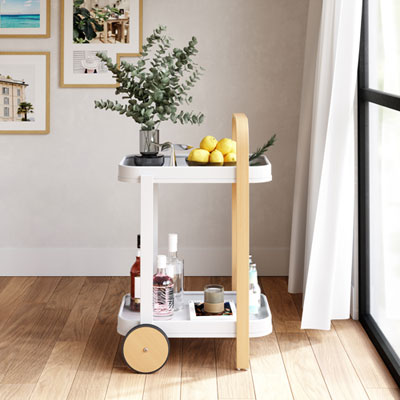 Your price for this item is $169.98
 -
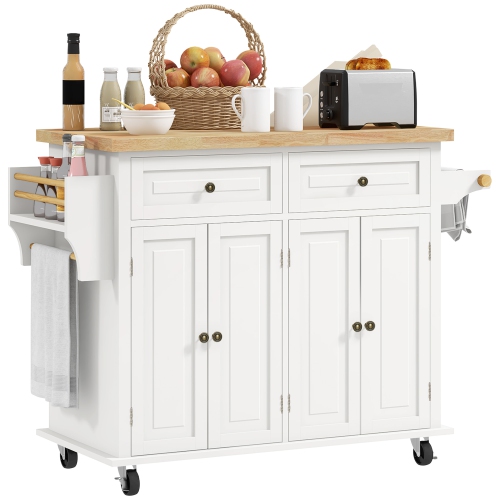 Your price for this item is $219.99
 -
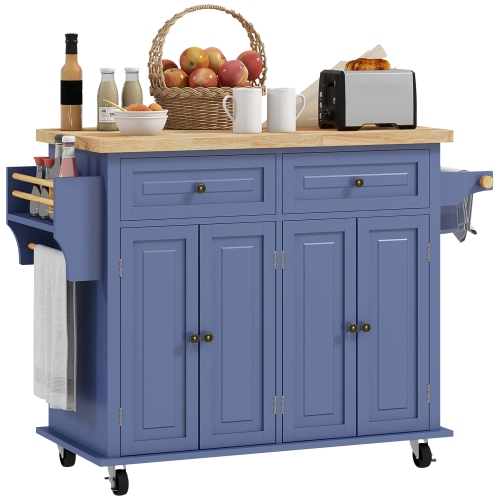 Your price for this item is $219.99
 -
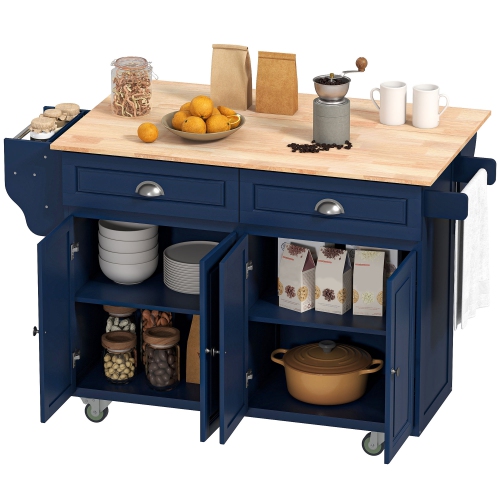 Your price for this item is $359.99
 -
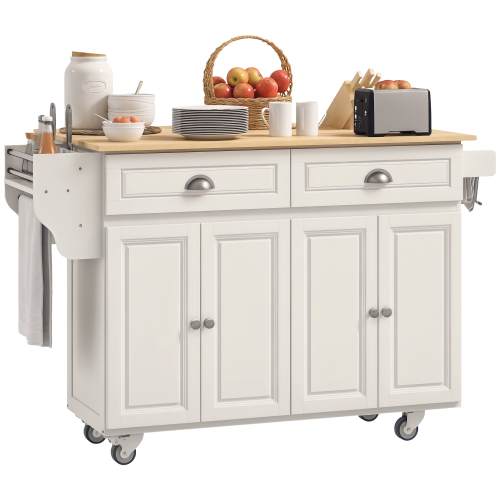 Your price for this item is $360.49
 -
 Your price for this item is $149.99
 -
 Your price for this item is $482.86
 -
 Your price for this item is $305.66
Discover more categories related to Beverage Carts
Top Collections:
Pokemon Centers, Kindle Devices, Best Budget Office Chairs, Apple iPhones 16, Best Laptops for Writers, iPhone 15 Apple, Canon G7X Cameras, Refurbished Apple Laptops, Alarm Clock, Motorola Razr Phones
Some products may be subject to Environmental Handling Fees
(EHF) depending on your province.
Learn more about EHFs.